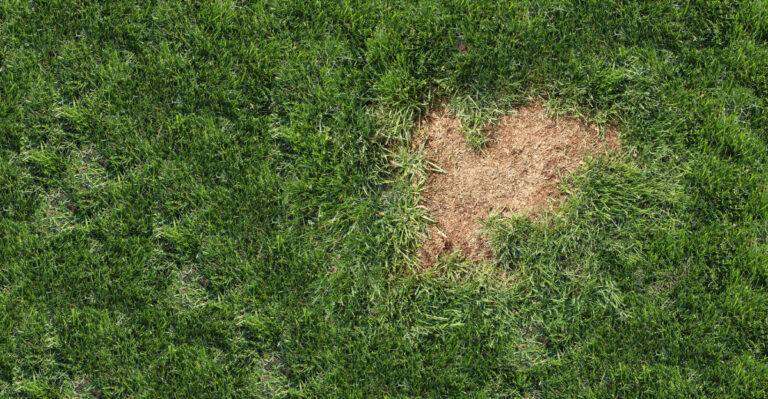
Why Mowing Height Matters More Than Mowing Frequency For Firefly Habitat In Florida
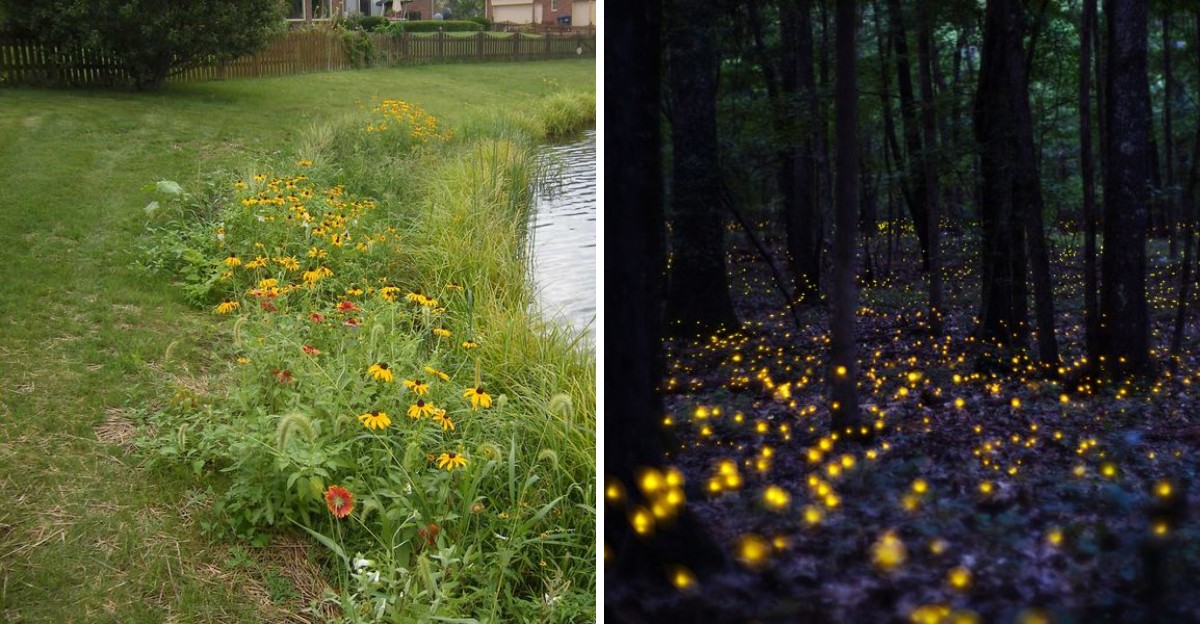
A yard mowed every week, kept tight and even, checks every box for a well kept lawn. It might also be exactly why fireflies stopped showing up.
Fireflies don’t care how often the lawn gets mowed. They care how short it gets left.
Larvae live low in the grass and soil. They need enough height and moisture to survive the day before coming out at dusk.
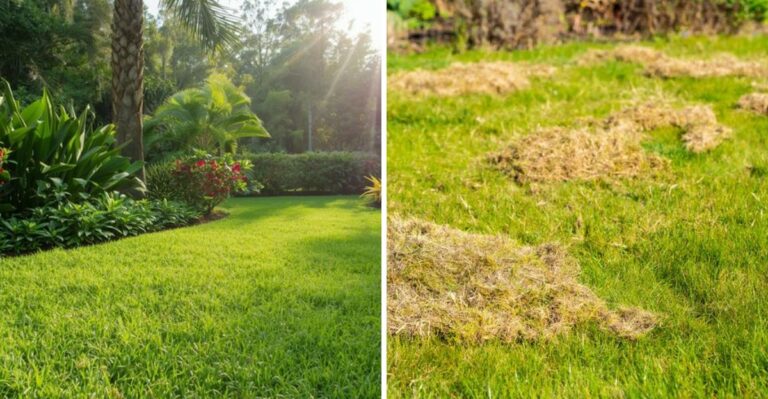
A mower set too low strips that cover away, no matter how careful the schedule is. Two yards mowed on the same exact days can end up completely different, just because one cuts an inch or two shorter than the other.
Florida yards chasing that tight, manicured look often lose fireflies without ever knowing why.
Not chemicals. Not timing. Just height.
1. Raise The Blade And Leave More Firefly Shelter Standing
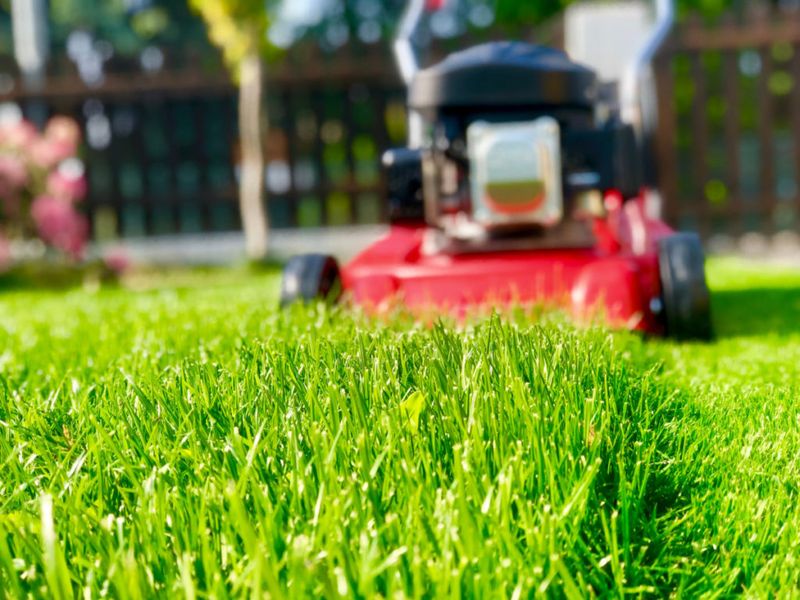
Picture an adult firefly clinging to a grass blade at noon, waiting out the heat until the sky dims. That blade needs to be tall enough to hold it.
When the mower deck is raised, taller turf leaves more standing cover that shades the soil and gives insects more places to shelter. Scalped turf offers almost nothing, no matter how often or how rarely you run the mower over it.
Height also changes what happens underground. Taller grass keeps soil cooler and damper, and moisture is exactly what firefly larvae depend on during their long stretch below the surface.
Here is the part that surprises folks. You can mow on your usual schedule and still help fireflies, as long as the blade stays high.
Frequency shifts how often you disturb the yard, but height decides whether habitat exists at all.
A simple trick works well: measure your grass with a ruler after a cut. If it sits under 2 inches, click the deck up a notch or two and check again next week.
Taller turf also shades out weeds and holds up better through dry Florida springs. Your lawn looks fuller, your water bill eases, and the evening show gets a better stage.
2. Turn A Taller Lawn Edge Into A Firefly Refuge
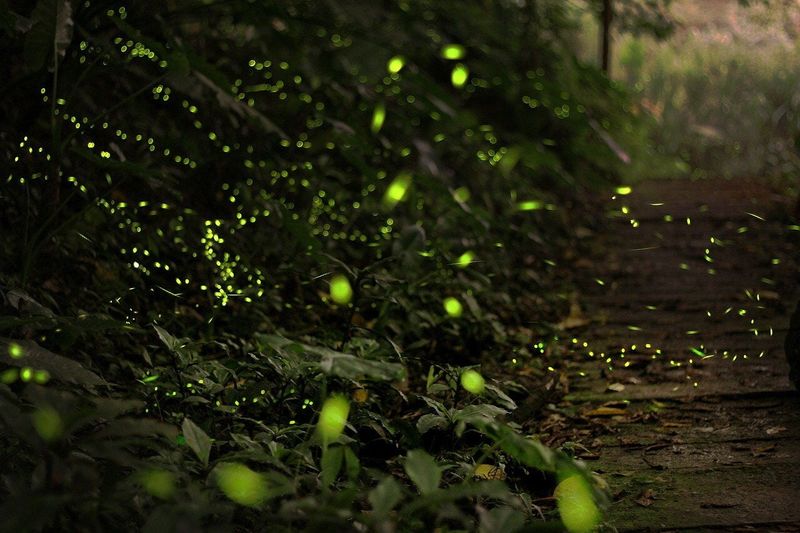
Borders do a lot of quiet work. Along fences, tree lines, and shrub beds, a strip of taller growth becomes the safest real estate in your whole yard.
Leave a band roughly two to four feet wide where the mower simply does not go. Native bunch grasses, muhly grass, and low wildflowers fill in fast and create layers of cover.
Adult fireflies use these strips as daytime hideouts, tucking into shaded stems where birds have a harder time spotting them. At dusk, the same stems become launch pads.
Neighbors sometimes worry a wild edge looks messy. A clean mowed line along the front of the strip fixes that instantly, signaling that the taller growth is on purpose rather than neglect.
Think of it like framing a picture. Crisp edges make the softer middle read as design, and that small visual cue keeps everyone comfortable.
There is a bonus you will notice within a season. Bees, moths, and small songbirds start using the same border, and the extra root depth helps the soil hold water through Florida’s dry stretches.
Your Florida Garden Changes Every Week. Your Plan Should Too.
Gardening in Florida changes quickly throughout the season. Every Friday you’ll receive a simple weekly plan showing exactly what to plant, prune, fertilize, harvest, and protect so you never miss the right timing.
Start with one fence line this year. Expand it next year if you like what shows up after sunset.
3. Protect The Moist Soil Where Firefly Larvae Spend Their Early Lives
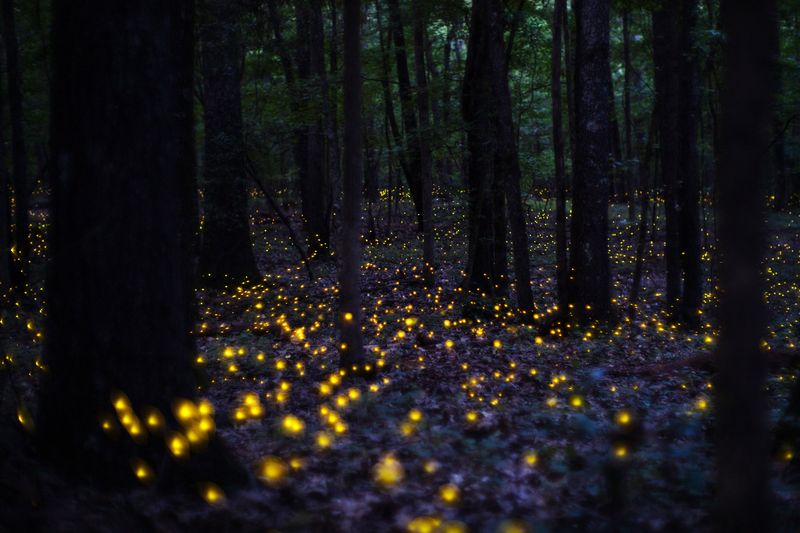
Long before a firefly ever flashes in your yard, it spends much of its life as a larva in soil, leaf litter, or other sheltered habitat.
That stretch is the make-or-break chapter of its whole story.
Moisture is the key ingredient. Damp ground supports snails, slugs, and soft-bodied insect larvae, which happen to be exactly what young fireflies hunt.
Short grass lets Florida sun hit bare soil directly, baking the top layer and driving that moisture away. Taller blades throw shade across the ground and slow evaporation considerably.
Deep-rooted native plants help even more. Their roots pull water down and hold structure in the soil, creating pockets and channels that stay cool underneath.
Skip the heavy soil compaction too. Driving mowers or carts over the same damp strip week after week squeezes out the air spaces larvae travel through.
A quick check works wonders. Push a finger into the soil beneath your tallest grass on a warm afternoon, and if it feels cool and slightly damp an inch down, you are in good shape.
Consider watering deeply and less often instead of brief daily sprinkles. That habit encourages steady moisture at the root zone where the next generation is quietly growing up.
4. Leave One Corner Wild Instead Of Mowing Every Inch
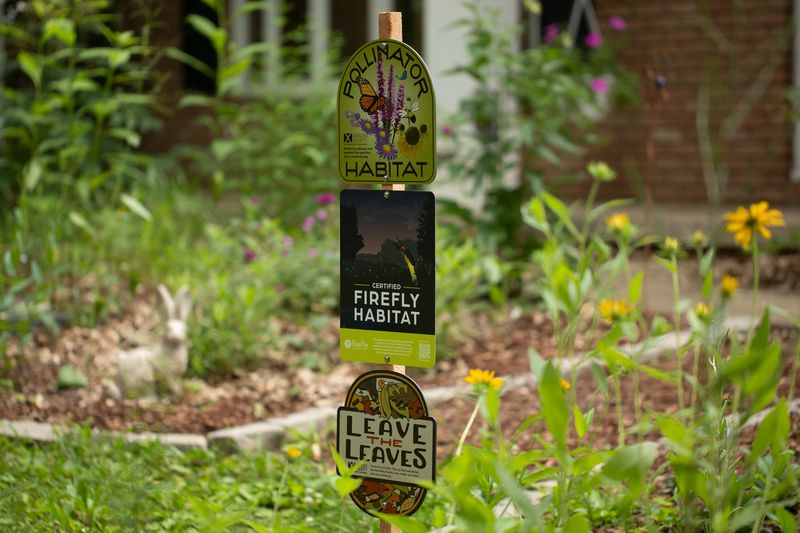
Not every square foot needs the same haircut. Choosing one corner to let go might be the easiest habitat upgrade on this whole list.
Pick a spot that already feels awkward to mow, maybe behind a shed or under a cluster of oaks. Let the grass rise, let volunteer plants appear, and resist the urge to tidy it.
Underneath that tangle, larvae get months of uninterrupted time. No blades passing overhead, no vibration, no sudden loss of shade.
Size matters less than you would guess. Even a patch ten feet across can shelter far more insect life than a yard trimmed uniformly from fence to fence.
Add a small brush pile or a few fallen branches if you want to speed things along. Decaying wood holds moisture and attracts the snails that young fireflies chase.
Some folks call it lazy gardening. Call it a nursery instead, because that is closer to what it actually does.
One caution for Florida yards: keep an eye out for aggressive invaders like air potato vine and pull them by hand. A wild corner works best when native plants get the upper hand.
Give it two summers before judging the results.
5. Keep Mowers Away From Damp Ditches And Waterside Edges
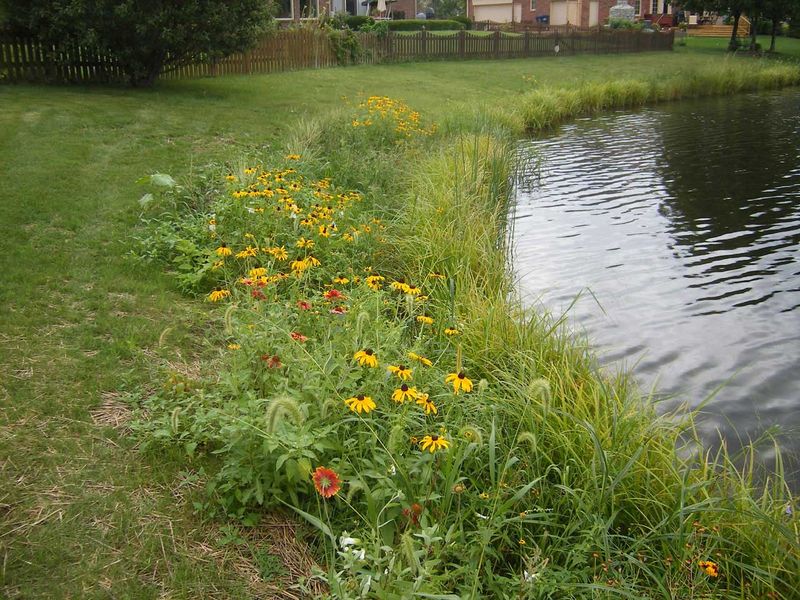
Water changes everything for fireflies. Damp forest floors, soggy meadows, and the margins of ponds and streams rank among their favorite addresses in Florida.
Certain species raise larvae that are aquatic or semi-aquatic, breathing through gills in saturated ground. Run a mower along those edges and the cover they rely on disappears in seconds.
Retention ponds, drainage ditches, and swale bottoms are common across Florida neighborhoods. Letting vegetation stand in those low spots costs you nothing and pays off after dark.
Heavy mowers also churn wet soil into ruts. Compacted, torn-up ground drains poorly and stops holding the steady moisture larvae need.
If your HOA requires some maintenance near water, ask about mowing a narrow access path rather than the full slope. A trimmed walkway looks intentional while the rest stays intact.
Watch what happens at those spots in late spring. Flashing often starts near the wettest ground first, then spreads outward as the evening warms.
Another perk arrives quietly. Standing vegetation along waterways filters runoff and slows erosion, which keeps your pond clearer and your shoreline steadier.
Mark those zones with a stake or flag so whoever handles the mowing knows to steer around them.
6. Let Taller Vegetation Give Adult Fireflies A Place To Signal
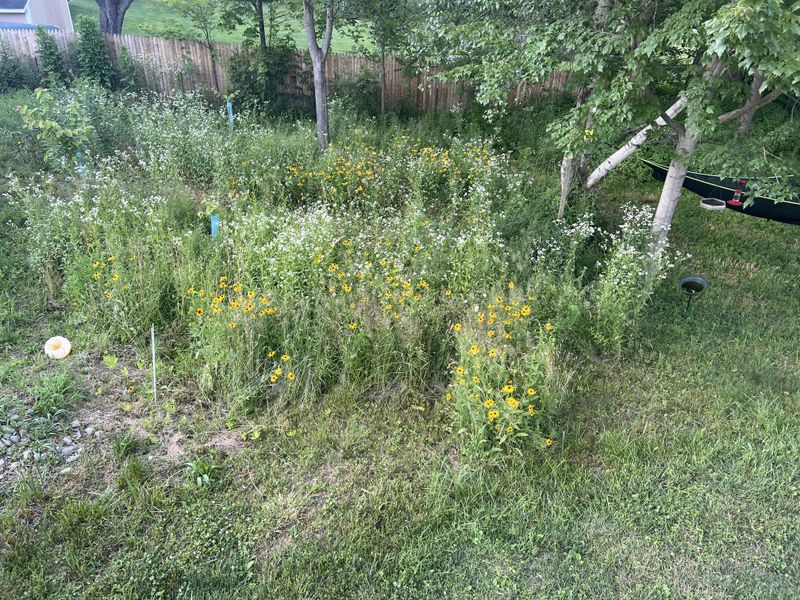
Flashing is a conversation, and conversations need a place to happen. Firefly species use different signaling patterns, but taller vegetation can give adults sheltered places to perch while they search for mates.
Strip away that height and the females lose their perch. The males keep flying, the answer never comes, and the pairing falls apart.
Layers work best. A mix of tall grasses, low shrubs, and a few small trees gives beetles options at different heights throughout the evening.
Each Florida species uses its own timing and pattern, so some flash low near the ground while others prefer the mid-canopy. Variety in plant height serves the whole crowd.
Think about sight lines too. Signals travel better across open air, so a pocket of taller vegetation ringing a slightly clearer patch creates an ideal meeting spot.
Native choices like muhly grass, wiregrass, and lovegrass hold their shape without flopping. They also handle Florida humidity and sandy soil without fussing.
Try standing at the edge of your yard around half an hour after sunset in May or June. Watching where the flashes cluster tells you exactly which plants are pulling their weight.
Then protect those spots the following season and let them fill in further.
7. Preserve Leaf Litter And Low Cover Beneath The Grass
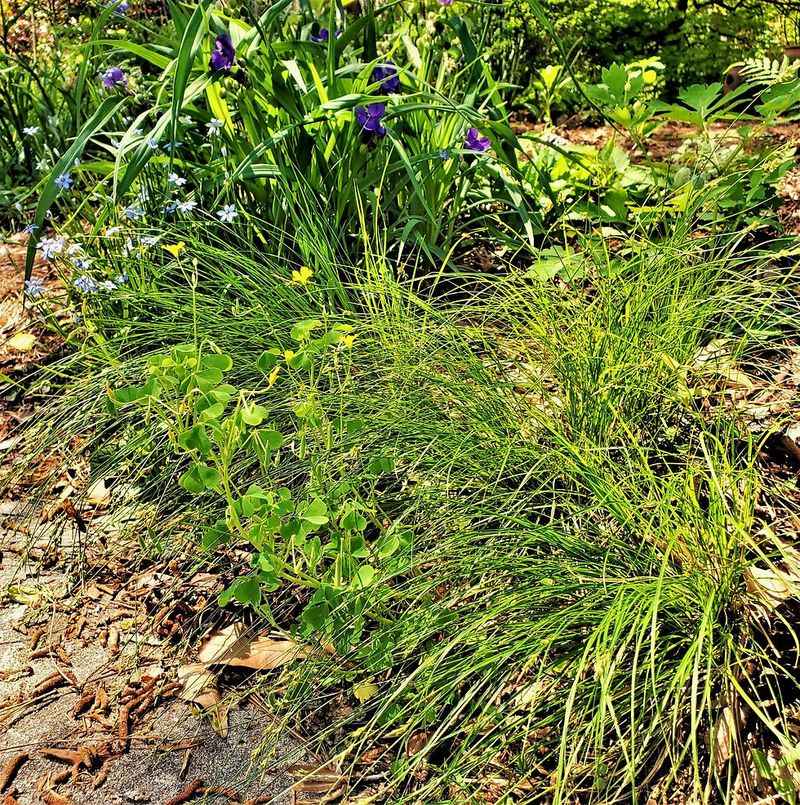
A large part of a firefly’s life unfolds down in leaf litter, rotting wood, soil, and other sheltered places.
Raking that layer away pulls the larvae right along with it. Bagging those leaves sends the next generation of glow straight to the curb.
A moist leaf blanket does several jobs at once. It traps humidity, feeds soil organisms, and shelters the snails and slugs that larvae hunt.
Instead of hauling leaves off, rake them under shrubs or into your wild corner. Oak leaves and pine needles break down slowly and hold structure for months.
Leaf blowers deserve a mention here. Their force scatters the fine debris and small creatures that a gentle rake would leave behind, so use them sparingly around planted beds.
Tall grass helps protect this layer too. Longer blades catch falling leaves and hold them in place instead of letting wind sweep the ground bare.
A fallen log tucked into a shaded spot adds another layer of value. Soft, damp wood becomes a hideout, and it looks natural in almost any Florida landscape.
Small pieces of mess, it turns out, are what the glow is built on.
8. Pair Taller Habitat With Fewer Broad-Spectrum Lawn Sprays
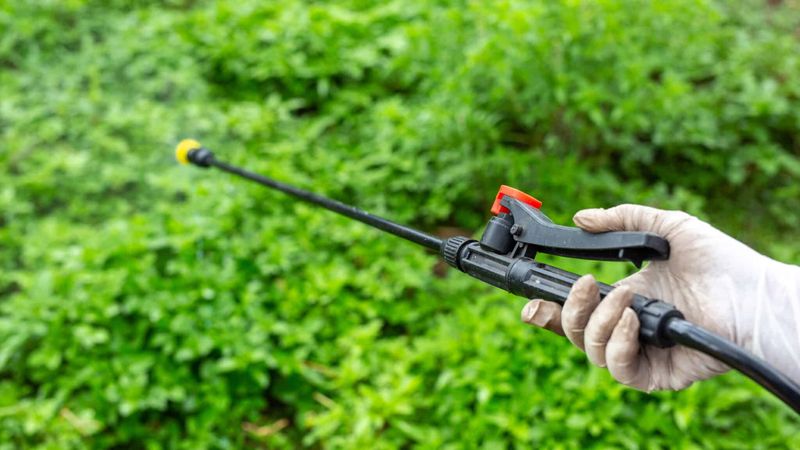
Tall grass and a spray schedule can work against each other. Building great cover and then treating it broadly cancels out much of the benefit.
Fireflies are beetles, and they eat other insects, which means broad-spectrum products can reach them at several life stages. Larvae living below ground or in saturated soil face particular exposure.
Research on mosquito control offers some reassurance. Available data suggests truck-based adulticide sprays and larvicides used in current practice may not meaningfully harm wild firefly populations, so the bigger concern is usually general-purpose lawn treatment.
Spot treatment beats blanket coverage. Handling a specific problem area keeps the rest of the yard functioning as habitat rather than a treated zone.
There is a practical payoff. Firefly larvae are enthusiastic hunters of snails and slugs, the same pests chewing holes in your hostas and vegetable seedlings.
Let them work for a season and you may find you need fewer products overall. Fewer purchases, less mixing, less worry about runoff into nearby ponds.
If you hire a service, ask what they apply and whether reduced-risk options exist. A short conversation often opens up choices you did not know were on the menu.
Healthy soil and sensible mowing height handle more than people expect.
9. Turn Off The Lights And Let The Taller Habitat Do Its Job
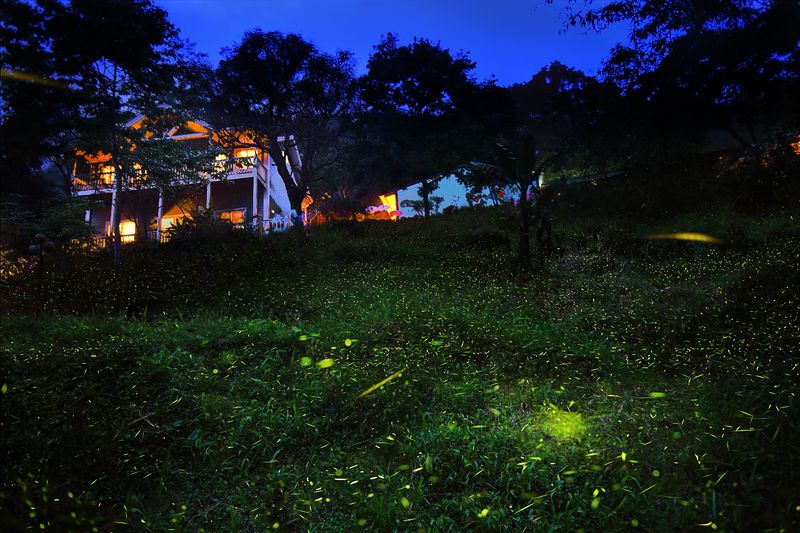
Imagine trying to send a signal with a flashlight while someone shines a floodlight in your face. That is roughly what porch lights do to a flashing firefly.
Their whole mating system runs on visible pulses of light. Extra brightness washes out those pulses, and potential mates simply scroll past each other.
Bright, cool-colored outdoor lighting can interfere with firefly signaling, making warm-colored, lower-intensity lighting a better choice where lights are necessary.
Fixes are cheap and quick. Swap to warm amber or red-spectrum bulbs, aim fixtures downward, and put outdoor lighting on motion sensors so it runs only when needed.
String lights across a patio look charming but stay on for hours. Try switching them off by ten during May and June, when Florida flashing peaks.
Curtains matter too. Light spilling from windows reaches surprisingly far across a dark yard, so closing blinds after dusk helps more than people realize.
All that tall grass and leaf litter you protected finally gets to perform once the glare drops. Habitat and darkness function as a team, and one without the other falls short.
Step outside on a warm, still night after the lights go out. Give your eyes five minutes to adjust, then watch the yard answer back.