What It Means When Squirrels Bury Acorns All Over Your Michigan Lawn
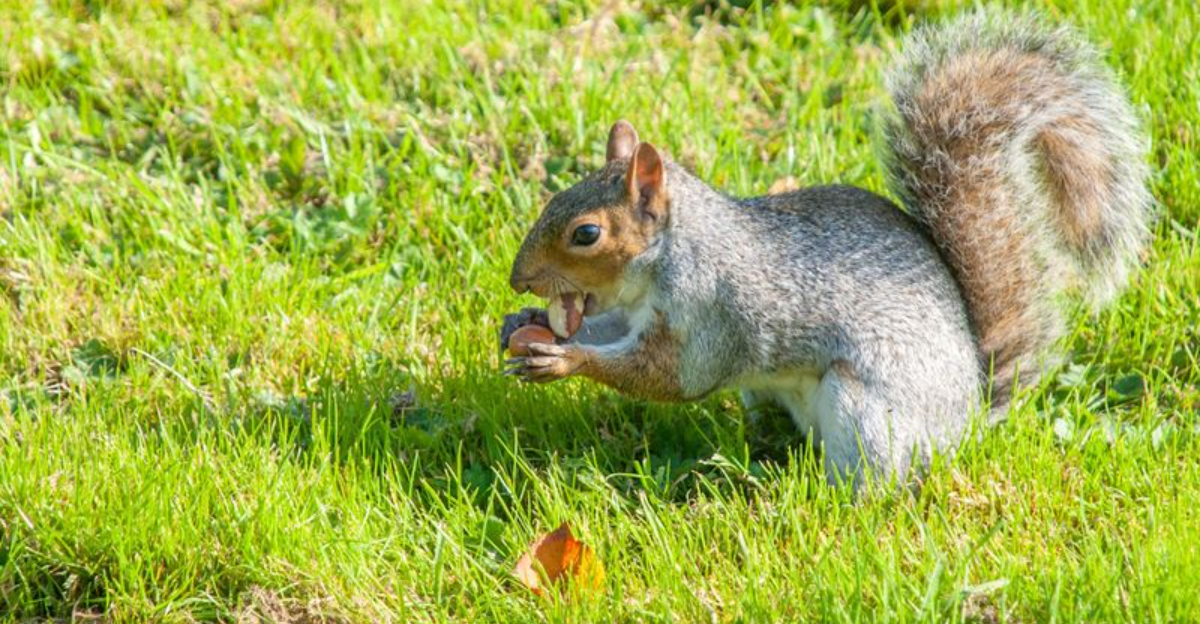
A lawn suddenly dotted with small holes and buried acorns each fall is a familiar sight for Michigan homeowners.
It’s all part of a squirrel behavior called scatter hoarding, where individual acorns are buried in dozens or even hundreds of separate spots rather than one central stash.
This strategy helps protect their winter food supply from other animals that might raid a single large cache. Squirrels rely on scent and spatial memory to relocate many of these buried acorns later in winter, though they don’t recover every single one.
That’s actually how many oak trees end up sprouting in unexpected places come spring. This burying behavior tends to ramp up heavily during years when acorn production is especially high.
1. They Are Building A Winter Food Cache
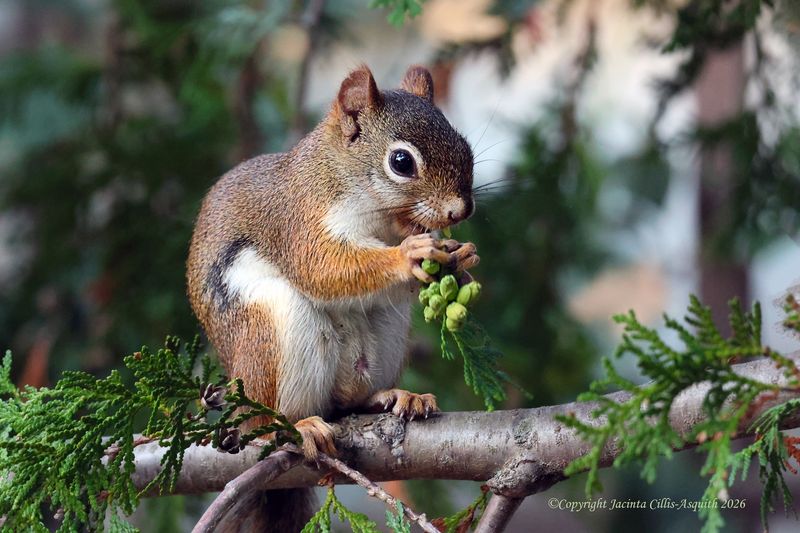
Fall is the busiest season for squirrels, and your lawn becomes their pantry. As the weather cools, these animals know that food will soon get harder to find, so they collect and hide as many acorns as they can.
Instead of stashing everything in one spot, squirrels use a trick called scatter-hoarding. They dig small holes all over the place, drop in a single acorn, then cover it up with dirt and grass.
Your yard might hold dozens or even hundreds of these tiny hidden treasures. Why spread things out so much? A squirrel that keeps all its food in one pile risks losing everything to a hungry neighbor or a thief.
By spreading acorns across a wide area, they keep their supply safer and harder to steal.
This behavior kicks into high gear in September and October, when oak trees drop the most acorns. Squirrels feel a natural push to prepare before snow covers the ground and food gets scarce.
Each little burying trip only takes a few seconds, but they repeat it again and again from sunrise to sunset. That is why your lawn can go from smooth to bumpy so quickly during peak season.
So when you spot a squirrel patting down the soil with its paws, it is simply stocking up for the cold months ahead. What looks like random chaos is actually a smart survival plan built to carry them through a long Michigan winter.
2. Your Oak Trees Are Providing A Major Food Supply
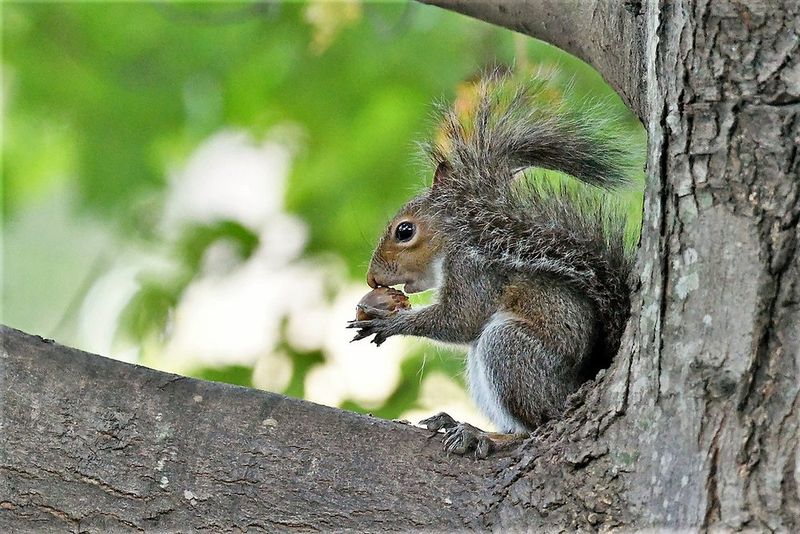
A single healthy oak tree can drop thousands of acorns in one autumn, and that kind of feast is impossible for squirrels to ignore. If your yard sits near an oak, you have basically opened a free buffet.
Michigan is home to several oak types, including white oak and red oak, and both are important food sources for wildlife. Deer, turkeys, chipmunks, and blue jays all enjoy acorns too, but squirrels are often the most obvious visitors.
According to the Michigan Department of Natural Resources, squirrels rely heavily on nuts like acorns to stay healthy through the year. When a nearby oak produces well, squirrels flock to the area and get to work burying the extra bounty.
The closer your lawn is to a productive oak, the more digging you are likely to notice. Squirrels tend to bury food not too far from where they find it, so your grass becomes prime real estate.
Your Michigan Garden Changes Every Week. Your Plan Should Too.
Gardening in Michigan changes quickly throughout the season. Every Friday you’ll receive a simple weekly plan showing exactly what to plant, prune, fertilize, harvest, and protect so you never miss the right timing.
You might also see them carrying acorns across fences, up trees, and along power lines as they search for the perfect hiding spots. It is a nonstop delivery service powered by one generous tree.
If the activity feels overwhelming, remember that it usually calms down once the acorn supply runs low. The heavy traffic is a sign that your oak is thriving and feeding the local wildlife.
In short, all that squirrel bustle is really a compliment to the big tree standing in or near your yard.
3. They Remember Many Of Their Hiding Places
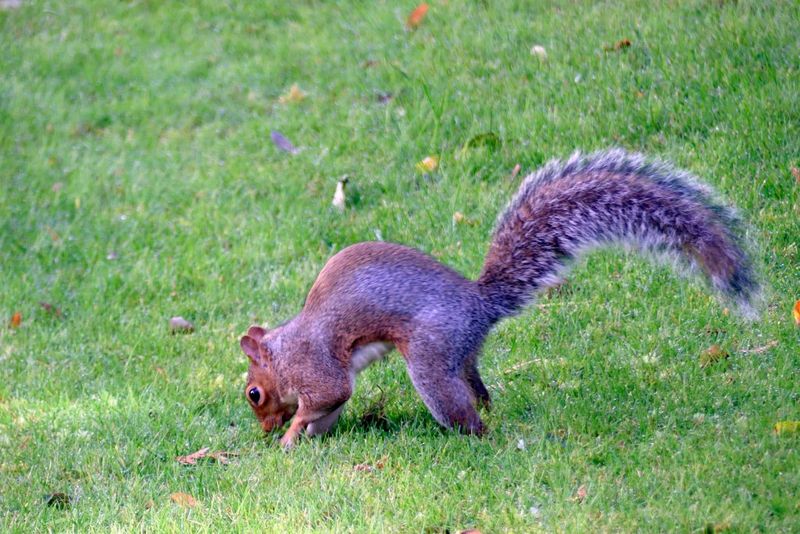
People often joke that squirrels forget where they put everything, but the truth is far more impressive. These animals actually remember a surprising number of their hiding spots.
Scientists have found that squirrels use their sharp memory, along with their strong sense of smell, to track down buried nuts weeks or even months later. They can pick out landmarks like rocks, tree roots, and edges of the lawn to guide them back.
Scatter-hoarding also protects them in a clever way. By spreading acorns across many locations, a squirrel makes sure that losing a few spots does not wipe out its whole winter stash.
Think of it like keeping small amounts of savings in different places instead of one big jar. If one hiding spot gets raided, plenty of others still hold food.
This is why you may notice squirrels digging in your yard even in the middle of winter. They are not making new holes; they are returning to collect the meals they tucked away earlier.
Their nose does a lot of the heavy lifting too. A squirrel can sniff out an acorn buried under several inches of soil or even under a thin layer of snow.
So the next time you watch one pause, sniff, and start digging with purpose, know that it is likely running a mental map of its pantry. That mix of memory and smell keeps them fed all season long, one buried snack at a time.
4. The Little Holes Usually Are Not A Lawn Emergency
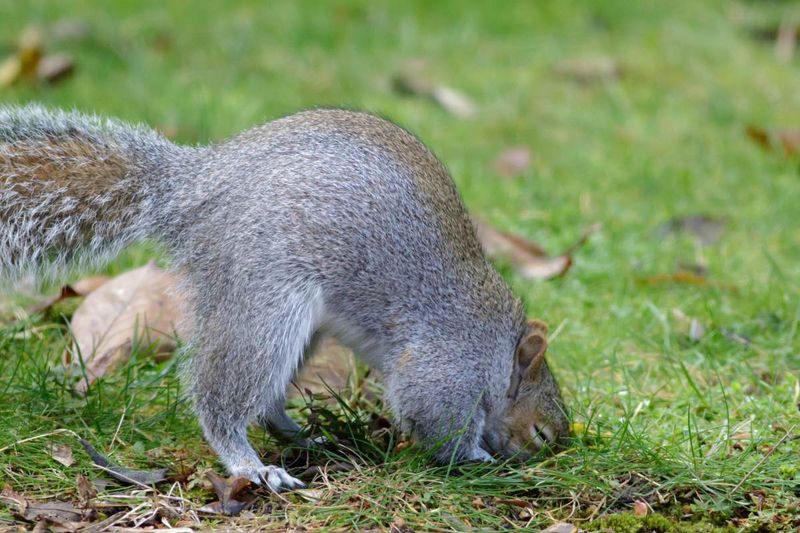
Finding dozens of tiny holes across your grass can feel alarming, but take a deep breath. In most cases, this is not the disaster it looks like.
The holes squirrels make while burying and digging up acorns are small and shallow, usually just an inch or two deep. A healthy lawn shrugs these off with ease.
According to university extension experts, this kind of light digging rarely causes lasting harm. Grass roots stay intact, and the soil settles back into place after a little rain or a few mows.
If anything, the gentle poking can loosen packed soil and let air reach the roots. Your lawn may barely show the difference by the time spring arrives.
To keep things tidy, you can simply press any raised bumps back down with your foot or a rake. Watering the area helps the grass bounce back even faster.
Problems only tend to appear when digging is heavy and the lawn is already weak or stressed. In that case, focus on strengthening your turf with proper mowing, watering, and seasonal care.
Compare this to bigger diggers like skunks or raccoons, which tear up wide chunks of sod looking for grubs. Squirrel holes are polite by comparison.
So rather than panicking over a few dimples in the yard, remember that they are usually temporary. A little patience and basic lawn care will smooth everything out, leaving your grass green and healthy once again.
5. Some Buried Acorns Never Get Retrieved
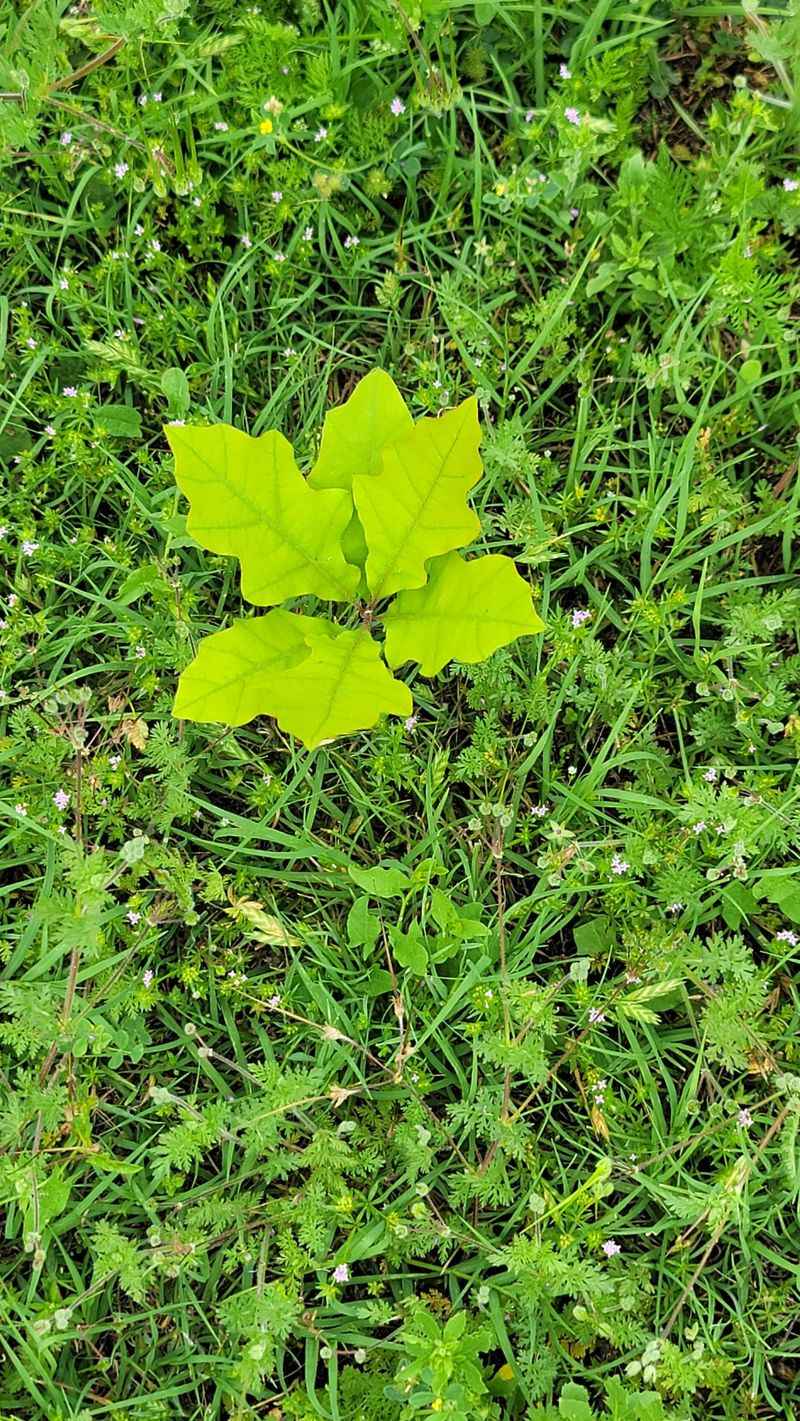
Even the smartest squirrel cannot remember every single hiding spot, and that turns out to be great news for the forest. Some acorns simply stay buried and forgotten.
Those leftover nuts get a chance to do what nature intended. Tucked into the soil at just the right depth, a forgotten acorn can sprout into a brand new oak seedling come spring.
The Michigan DNR notes that squirrels play an accidental but important role in spreading trees. By burying acorns far from the parent oak, they help new trees grow in fresh places.
In a way, every squirrel is a tiny gardener. Each missed acorn is a small deposit toward the next generation of oaks that will one day feed even more wildlife.
This process is called seed dispersal, and it is one reason forests keep renewing themselves over time. Without animals moving seeds around, many trees would struggle to spread beyond their own shade.
You might even spot little oak sprouts popping up in your flower beds or lawn next year. Those are the leftovers of a squirrel that hid a bit too well.
If you do not want oaks growing in random spots, just pull the young sprouts while they are small and easy to remove. Their roots have not taken hold yet.
So the messy burying you see today could quietly grow into towering trees decades from now. It is a slow, beautiful cycle happening right in your own backyard.
6. A Heavy Acorn Crop Can Mean More Digging
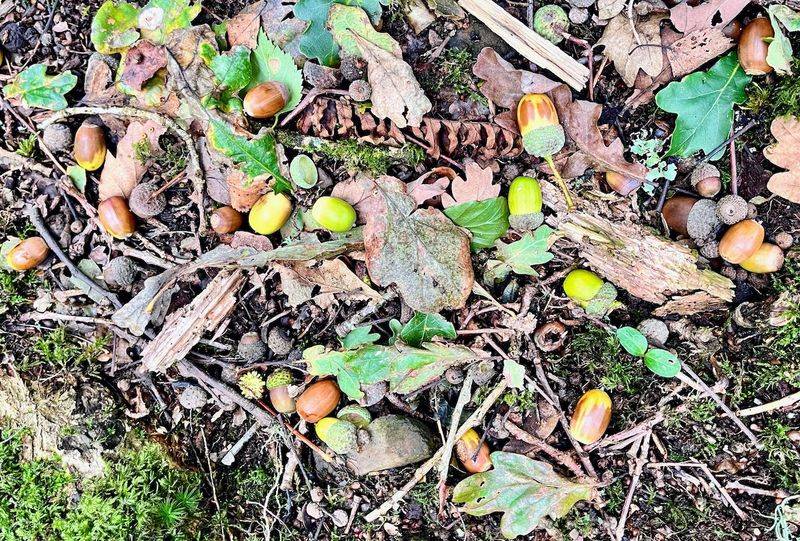
Some years your yard gets a light sprinkle of acorns, and other years it looks like the sky rained nuts. Those big harvests have a name: a mast year.
During a mast year, oak trees produce an unusually huge crop of acorns all at once. When that happens across Michigan, squirrels suddenly have far more food than usual to gather and hide.
More acorns naturally lead to more burying, which means more little holes and more busy squirrels darting around your lawn. The extra activity can feel like an invasion, but it follows the food supply.
These bumper crops do not happen every year. Oak trees space them out, sometimes going a few seasons with modest amounts before unleashing another giant harvest.
Scientists believe trees do this on purpose. By flooding the area with acorns all at once, they produce more than wildlife can eat, which leaves plenty of nuts to grow into new trees.
For you, a mast year simply means a busier fall. Expect heavier squirrel traffic, more digging, and a lawn that needs a bit more raking than usual.
You may also notice more squirrels in general, since abundant food helps their numbers climb. Chipmunks and deer often join the feast too.
The good news is that this surge is temporary and tied to the season. Once the acorns are gathered or covered by snow, the frenzy settles down and your yard gets its peace back.
7. You Usually Do Not Need To Stop The Behavior
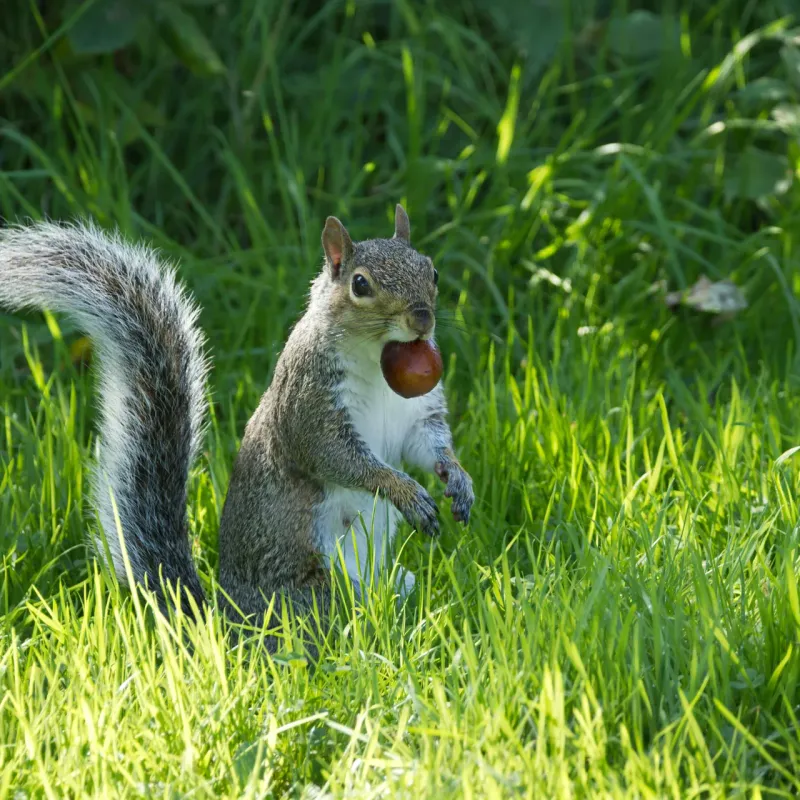
Here is the part that surprises many homeowners: in most cases, you do not need to stop squirrels from burying acorns at all. It is a normal, natural habit that helps them and the environment.
Trying to chase away every squirrel is a losing battle anyway. They are quick, clever, and deeply motivated by their food supply, so your energy is better spent elsewhere.
Instead of fighting the behavior, focus on preventing conflicts. If squirrel numbers feel too high, the real culprit is often extra food you may be offering without realizing it.
Bird feeders are a common magnet. Squirrels love spilled seed, so switching to squirrel-proof feeders or cleaning up fallen seed can lower the crowd around your yard.
Secure your trash cans, pick up pet food, and store any birdseed in sealed containers. Cutting off these easy meals encourages squirrels to spread out rather than gather in one place.
If they are getting into your attic or garden beds, gentle barriers work best. Sealing entry points and using fencing or wire mesh protects your space without harming the animals.
Remember that squirrels also bring plenty of benefits. They plant future oak trees, feed local hawks and owls, and add lively movement to your yard.
So rather than viewing them as pests, try seeing them as free entertainment and helpful little gardeners. With a few smart habits, you and the squirrels can share the same Michigan lawn just fine.