What Michigan Tulip Beds Need This October For A Better Spring Show
A great tulip display starts months before the first flower opens. October is the key moment. Bulbs need cool soil to settle in, and Michigan’s weather finally cooperates this month.
Plant too early and a warm spell can wake them up at the wrong time. Plant too late and the roots may not have time to grow. The bed itself matters just as much as the bulbs.
Tulips hate wet feet, so drainage can decide everything. Depth, spacing, and sunlight also shape how the flowers perform. Even the smallest choices now show up in spring.
A bit of preparation in October can turn a plain patch of dirt into a bold wave of color. Get the bed right, and the bulbs will do the rest.
1. October Is Prime Time For Planting
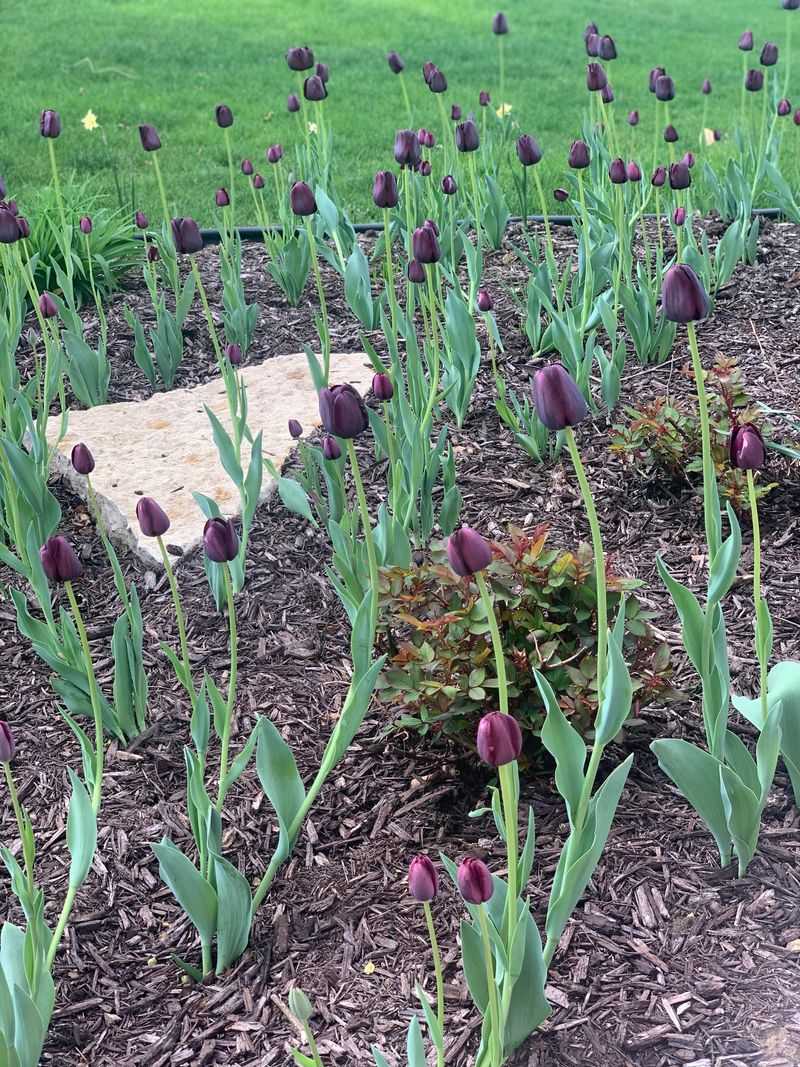
Timing is the secret ingredient most people skip. Tulips are not like summer flowers that pop up a few weeks after planting. They need a long, quiet stretch underground to grow roots before winter locks the soil tight.
Cool soil is the key. When the ground drops below about 60 degrees, bulbs start sending out roots without rushing to grow leaves.
Planting in warm soil can invite rot and disease, while waiting too long leaves roots with no time to settle in before the freeze.
So when should you grab your bulbs? In the Upper Peninsula and the northern Lower Peninsula, aim for late September to early October.
Gardeners in southern Michigan have a little more breathing room, so early October into early November works well there.
A simple rule helps everyone. Try to plant about six weeks before your ground usually freezes hard. That window gives roots enough time to anchor the bulb and soak up water and nutrients for the months ahead.
Michigan winters, as tough as they feel, are actually a gift for tulips. These flowers come from regions with cold winters, and they need a long chilling period, usually 12 to 16 weeks, to bloom properly.
Without that cold spell, stems stay short and flowers can be weak or missing altogether.
Gardeners in warm states often have to chill bulbs in the refrigerator to fake a winter. You get that service free from Mother Nature. Just plant on time, and the cold months handle the rest of the hard work for you.
Keep an eye on your local forecast and soil temperature this month. A cheap soil thermometer can take the guessing out of the whole job and set your bed up for success.
2. Deep Planting Leads To Stronger Blooms
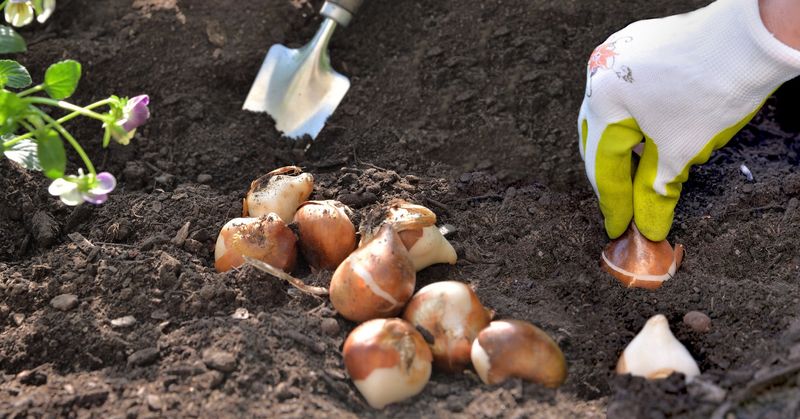
Ever notice how a squirrel can find a shallow bulb in seconds? Depth is one of the easiest ways to give your tulips an edge, and it costs nothing but a little extra digging.
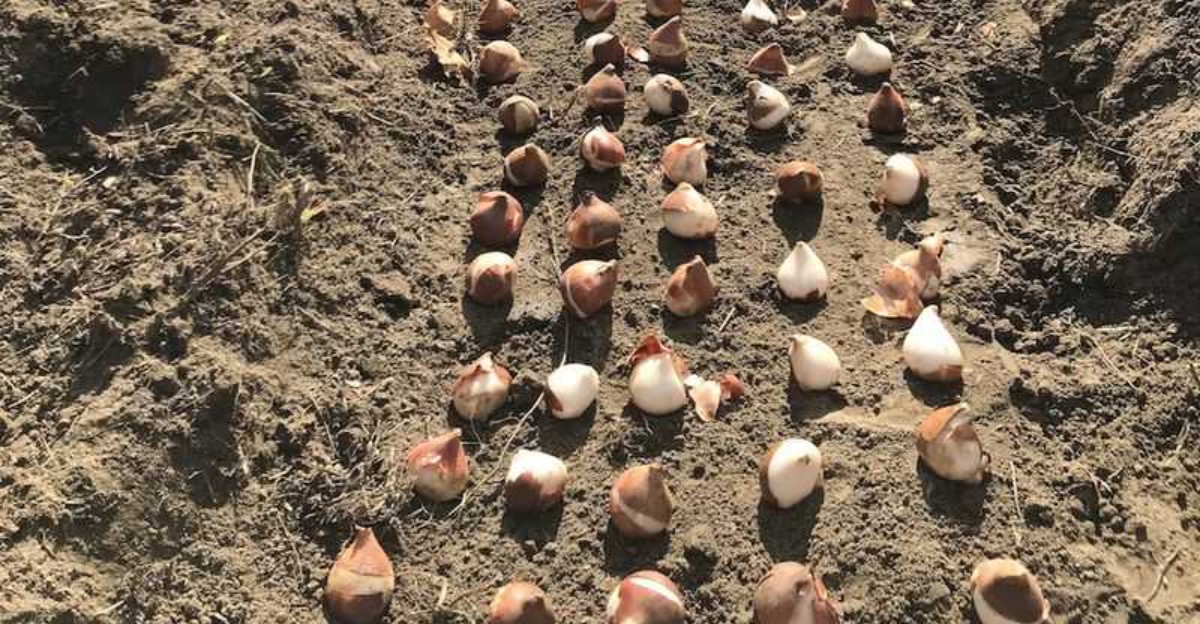
Most tulips do best when planted about 6 to 8 inches deep. Measure from the bottom of the bulb, not the top, since that is where the roots grow. A ruler or a marked bulb planter makes this job quick and accurate.
Why go so deep? Deeper soil stays more even in temperature, so bulbs avoid wild swings from frosty nights and sunny afternoons. The extra soil also holds them steady, keeps tall stems from flopping, and makes digging critters work much harder for a snack.
Your Michigan Garden Changes Every Week. Your Plan Should Too.
Gardening in Michigan changes quickly throughout the season. Every Friday you’ll receive a simple weekly plan showing exactly what to plant, prune, fertilize, harvest, and protect so you never miss the right timing.
There is another bonus many gardeners never hear about. Shallow tulips tend to split into lots of small bulbs that grow leaves but no flowers. Deep planting encourages them to stay as larger, single bulbs that keep blooming in later springs.
Setting the bulb right matters too. Place each one with the pointed end facing up and the flat, rooty side down. If you cannot tell which way is up, lay it on its side, and the shoot will find its own way toward the light.
After the bulbs are in place, fill the hole and firm the soil gently with your hands. Pressing out air pockets helps roots touch the soil and grow quickly.
Michigan weather loves to freeze, thaw, and freeze again during winter. Those cycles can push shallow bulbs right up out of the ground, a problem called heaving. Deep planting keeps your tulips snug, safe, and ready to put on a strong spring display.
3. Good Drainage Prevents Rot
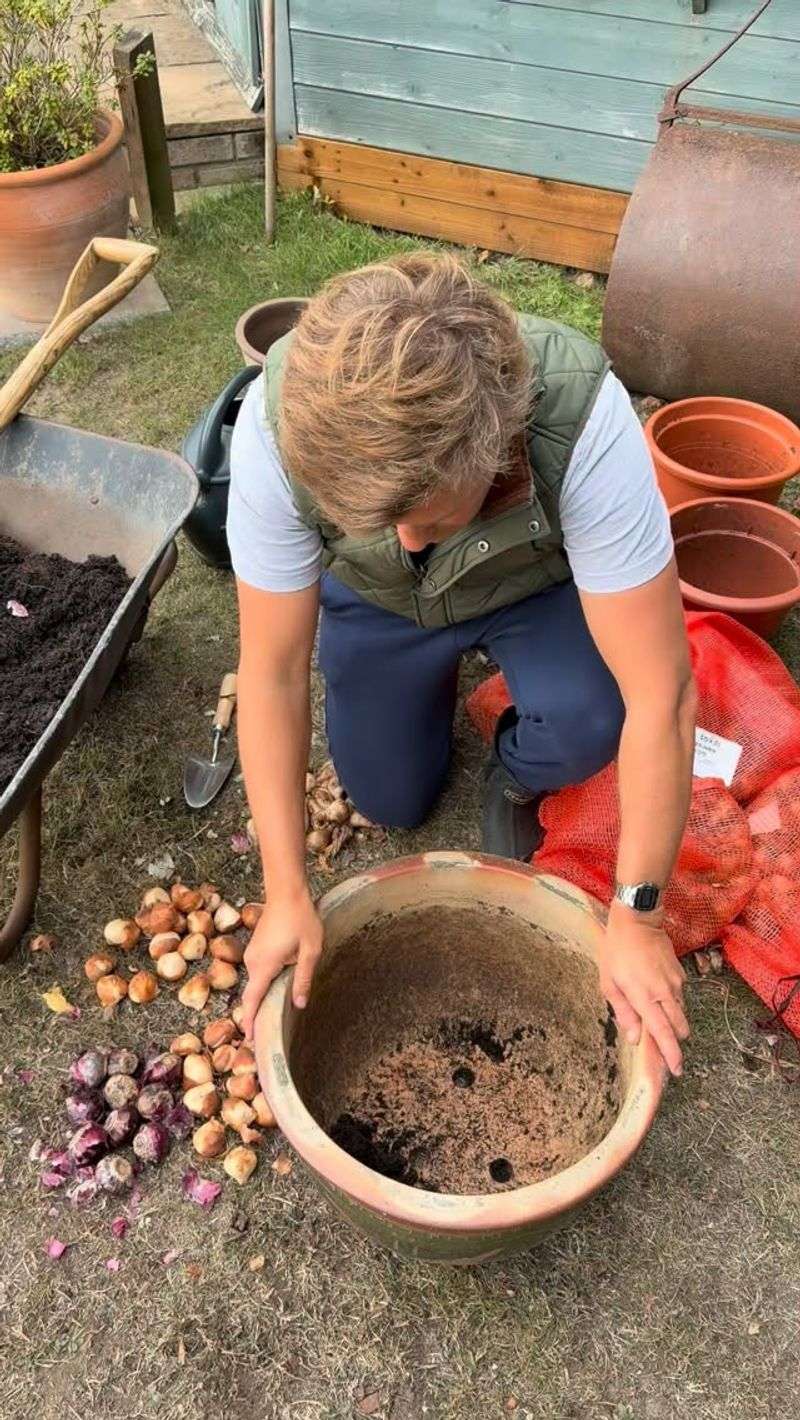
Soggy soil is a tulip’s worst enemy. A bulb sitting in cold, wet ground for months can turn soft and mushy long before spring arrives, and you may never even see a leaf.
Tulips are especially likely to rot compared to many other spring bulbs. Their papery skins and fleshy centers hold up fine in loose soil but struggle when water lingers. Winter thaws and spring rains make this danger even bigger.
Start by watching your yard after a heavy rain. Spots where puddles hang around for hours are not good tulip homes. Choose areas where water soaks in or runs off quickly instead.
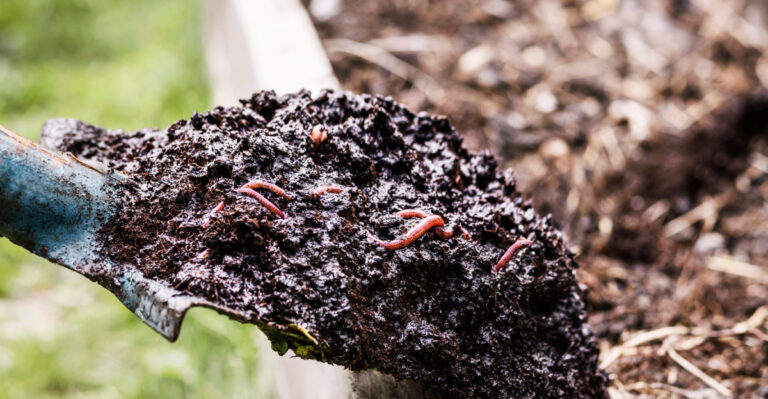
Heavy soil needs some help. Work compost into the entire bed, not just the bottom of each hole, so water can move freely through the whole area. Adding compost only to single holes can create little bowls that trap water around the bulb.
If your yard simply stays wet, raised beds are a smart fix. Even a bed raised 8 to 12 inches can lift bulbs above the soggy zone. Sloped areas and gentle mounds work nicely too.
Skip low spots where snowmelt collects in early spring. Those places can turn into small ponds for days or even weeks, which is far too long for tulips to handle.
Much of Michigan has heavy clay soil, especially in parts of the southeast and the Thumb region. Clay holds water tightly after rain and snowmelt, which makes drainage a real concern.
Taking time to improve your soil this October can be the difference between a bare bed and a bright, cheerful one next spring. A little shovel work now pays off for years to come.
4. Full Sun Brings The Best Flowers

Sunshine works like fuel for tulips. Every bright hour helps the plant make food, and that food powers both this year’s flowers and next year’s bulb.
Aim for a spot that gets at least six hours of direct sun in spring. More is even better. Tulips grown in plenty of light have sturdy stems, rich colors, and flowers that open wide on warm days.
Shade tells a different story. Tulips in dim spots often stretch toward the light, making thin stems that bend or flop. Over the next few years, they usually produce fewer and smaller flowers because the bulbs cannot store enough energy.
Here is a handy trick many gardeners overlook. Areas under deciduous trees, like maples and oaks, are often bright in early spring because the leaves have not filled in yet. Tulips can bloom happily there before the summer shade arrives.
Evergreens are a different case. Pines, spruces, and hemlocks cast shade all year, so beds beneath them stay too dark. The north side of buildings and fences can be shady too, so check those areas carefully.
Not sure how sunny a spot really is? Think back to last spring, or walk your yard a few times on a sunny day this fall. Remember that the sun sits lower in October, so a spot that seems shady now may be brighter in April.
Michigan springs give tulips a natural advantage. Many trees here do not fully leaf out until mid to late May, so early and midseason tulips grab that open sunlight. Placing your bed wisely now lets the spring sun do its best work on your flowers.
5. Protection From Animals Is Essential
You plant fifty bulbs on Saturday. By Monday, a squirrel has dug up half of them and left the skins on your sidewalk. Many Michigan gardeners know this story all too well.
Tulip bulbs are a favorite treat for squirrels and chipmunks. Voles, small mouse-like animals, tunnel underground and nibble bulbs from below. In spring, deer move in and munch the leaves and flower buds before they ever open.
Cleanup is the first step. Squirrels are drawn to the smell of fresh bulbs and the loose papery skins left behind. Pick up every scrap after planting and firm the soil so the bed looks less inviting.
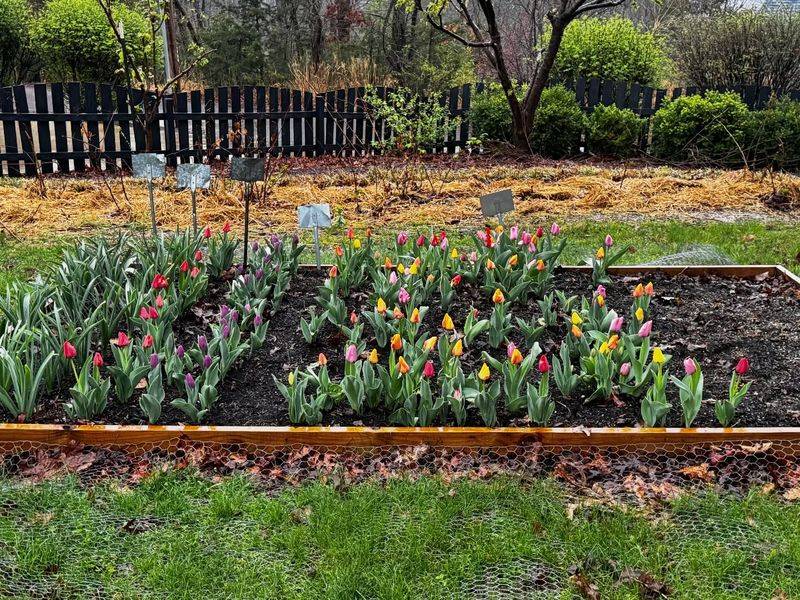
Covering the bed works even better. Lay chicken wire or hardware cloth flat over the soil, pin it down, then hide it under a layer of mulch. Shoots grow right through the openings in spring, but digging paws hit a wall.
For special or pricey varieties, bulb cages are worth it. These wire baskets surround the bulb underground and block voles from every side. You can buy them ready-made or bend your own from hardware cloth.
Deer need a different plan. Once shoots appear in spring, spray a deer repellent and reapply after rain. Fencing at least 8 feet tall gives the strongest protection where deer are common.
Fall is an extra busy season for Michigan squirrels and chipmunks. They spend October stashing food for winter and dig constantly, so fresh soil gets their attention fast.
Planting a few daffodils nearby can help too, since most animals avoid those bitter bulbs. A little planning now keeps your tulips on your table, not on theirs.
6. Watering And Mulch Help Bulbs Settle In
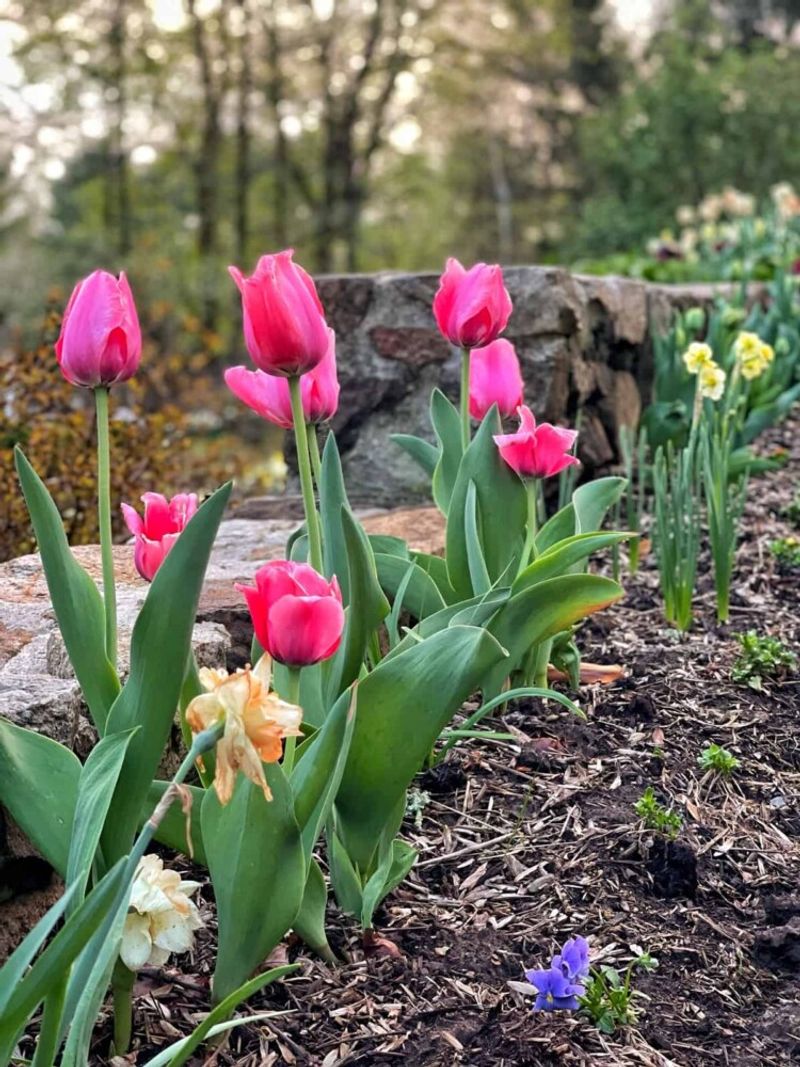
Planting is only half the job. Once the bulbs are tucked in, a good drink of water and a cozy blanket of mulch help them start winter on the right foot.
Water right after planting if your soil feels dry. A slow, deep soak settles the soil around each bulb and removes air pockets. Moist soil also tells the roots it is time to start growing.
You do not need to water again and again. One thorough watering usually does the trick, unless October turns unusually dry. Too much water can cause the rot you worked so hard to prevent.
Mulch comes next, but timing matters. Wait until the ground begins to freeze, often in late November or December, before spreading it. Adding it too early can keep the soil warm and attract mice looking for a cozy home.
Spread 2 to 3 inches of shredded leaves or straw over the bed. Shredded leaves are free and easy to make with a lawn mower, and they break down into rich soil over time. Whole leaves can mat down, so chopping them first works best.
Mulch acts like insulation. It keeps soil temperatures steadier and cuts down on freeze and thaw cycles that stress bulbs. In spring, gently pull it back as green shoots poke through, so the tips get light and air.
Michigan winters can be long, and snow cover changes a lot from year to year. Snow normally protects the ground, but bare, frozen soil during a cold snap takes a beating. A layer of mulch gives your tulips steady shelter no matter what the winter brings.
7. Choosing The Right Types Helps Tulips Return
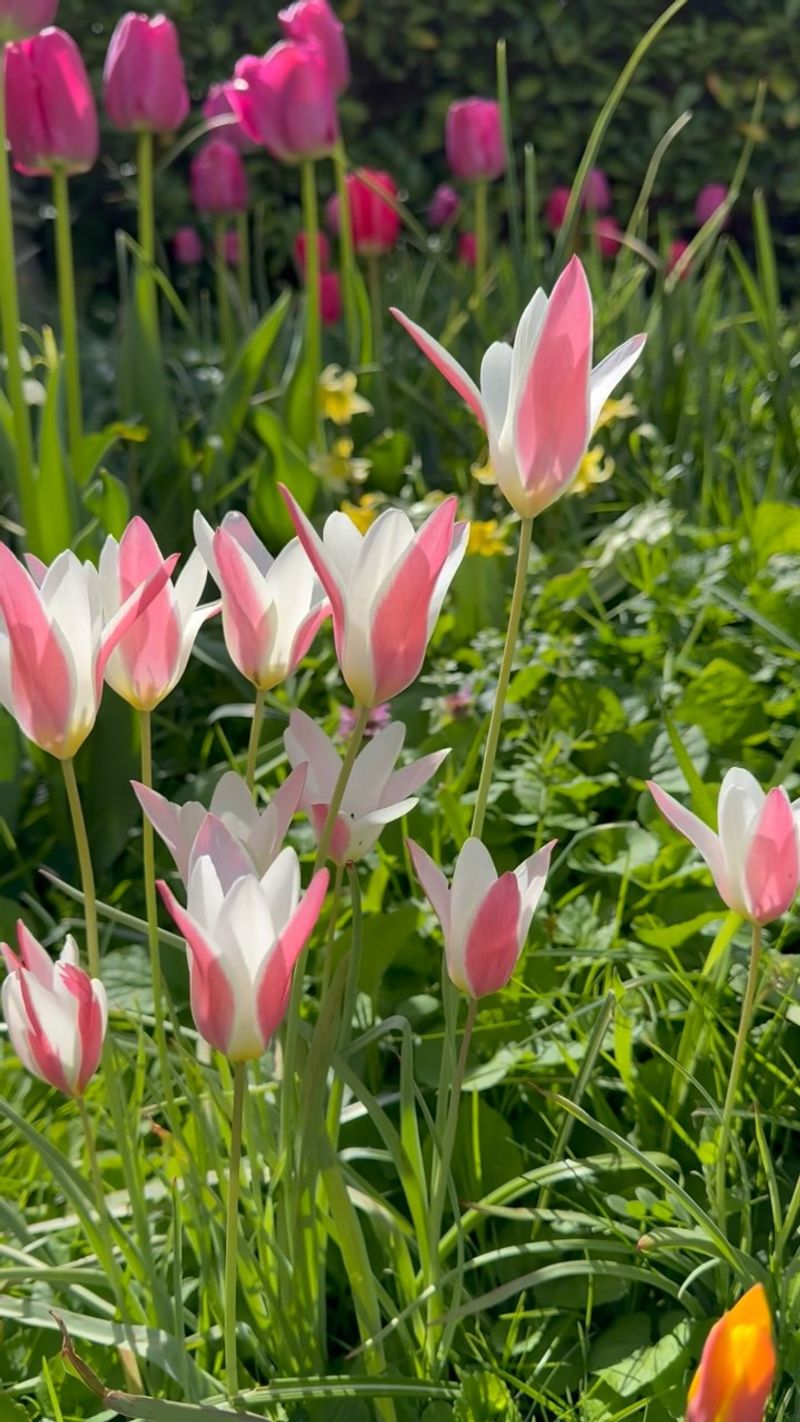
Not all tulips are built for the long haul. Some put on one amazing show and then fade away, while others keep coming back like old friends each spring.
Many popular tulips are bred for one big first-year bloom. After that, the bulbs often shrink and send up only leaves. That is why some gardeners treat them like annuals and replant every fall.
Darwin hybrid tulips are a great choice if you want lasting color. They grow tall, with large, classic cup-shaped flowers in reds, yellows, pinks, and oranges. Many gardeners find they return reliably for several years with good care.
Species tulips are another winner. These small, wild-type tulips grow closer to the ground and often spread over time, a process called naturalizing. Types like Tulipa tarda and Tulipa clusiana look charming in rock gardens and sunny borders.
Care after blooming matters just as much as the type you buy. Snip off faded flowers so the plant does not waste energy on seeds. Then leave the leaves alone until they turn yellow, usually about six weeks later.
Those leaves are busy making food and sending it back to the bulb. Cutting or tying them up too soon starves next year’s flower. Plant perennials nearby to hide the fading foliage while it does its work.
Michigan is excellent tulip country. Cold winters and cool springs closely match the mountain homes where wild tulips first grew, which helps long-lived types thrive here. Holland, Michigan even hosts a famous Tulip Time Festival each May.
Pick the right bulbs this October, and your own yard can host a small festival for many springs to come.