What It Means When Tiny Kinglets Flit Through Your Texas Shrubs In Winter
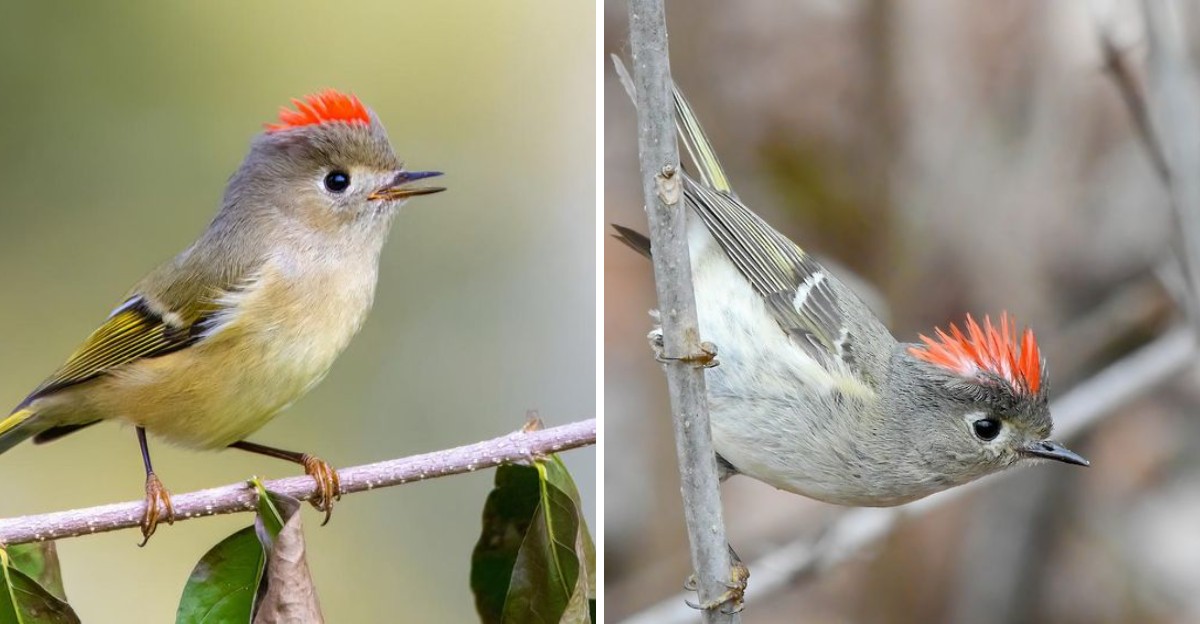
A bird weighing about as much as two pennies can survive nights well below freezing. I still find that hard to believe, especially when I spot one bouncing through my hollies at breakfast time.
These little sprites show up in Texas gardens once the weather cools. They rarely sit still for more than a second, flicking their wings like they just had too much coffee. I used to mistake them for wind-tossed leaves, until one hovered right in front of my nose.
You have probably seen them too without realizing it. They slip through yaupon, wax myrtle, and live oak branches in quick little bursts, peering under every leaf. Their visit tells you something real about your yard.
So what are these tiny guests searching for, and why did they pick your shrubs out of the whole neighborhood? The answer is smaller than you expect.
1. That Twitchy Little Bird In Your Holly Bush Has Traveled A Long Way
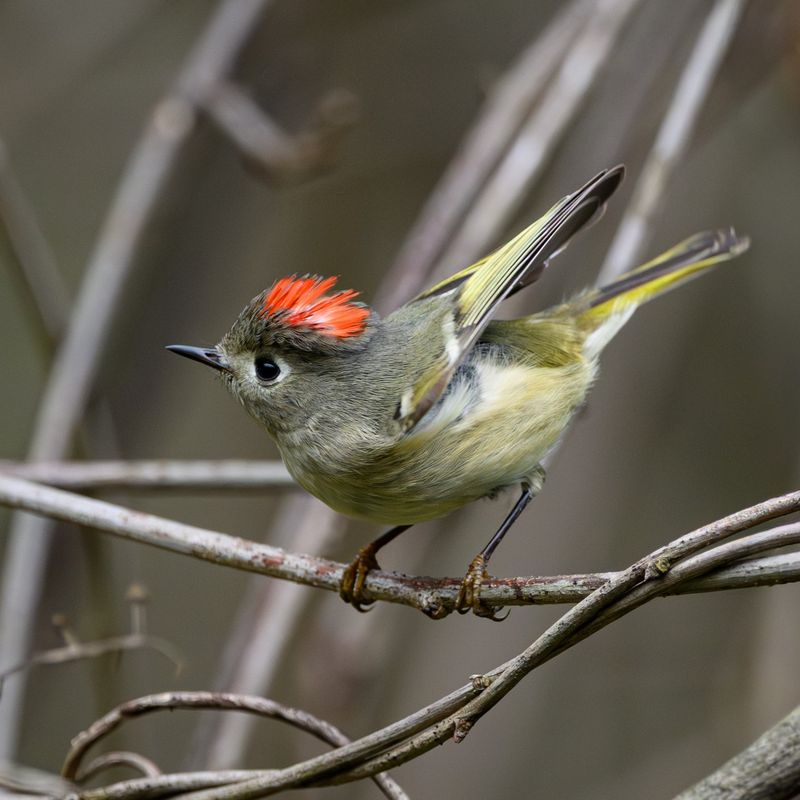
My first clue was the wing flicking. A tiny gray-green bird kept twitching both wings open and shut, over and over, while it hopped through a holly bush by my porch.
That nervous-looking flick is a signature move of kinglets. Most of the ones you see in Texas from about October through April are migrants.
They spent the summer nesting far to the north and west, in the conifer forests of Canada, the northern states, and the western mountains.
When cold weather pushes south, many of them head to the southern U.S. and Mexico. Texas sits right in the heart of their winter range, so your yard becomes a real stopover, or even a seasonal home.
A few sightings in December do not mean anything strange is happening. Cornell Lab of Ornithology and Audubon both describe this as a normal, yearly pattern. Kinglets simply return when the weather turns.
Spotting one tells you your garden made the cut. These birds pick spots with plenty of cover and plenty of tiny insects.
If a kinglet keeps coming back, your shrubs are offering something worth the trip. That is a quiet compliment from a bird that weighs less than a quarter ounce.
2. Those Kinglets Are Hunting Bugs You Can Barely See
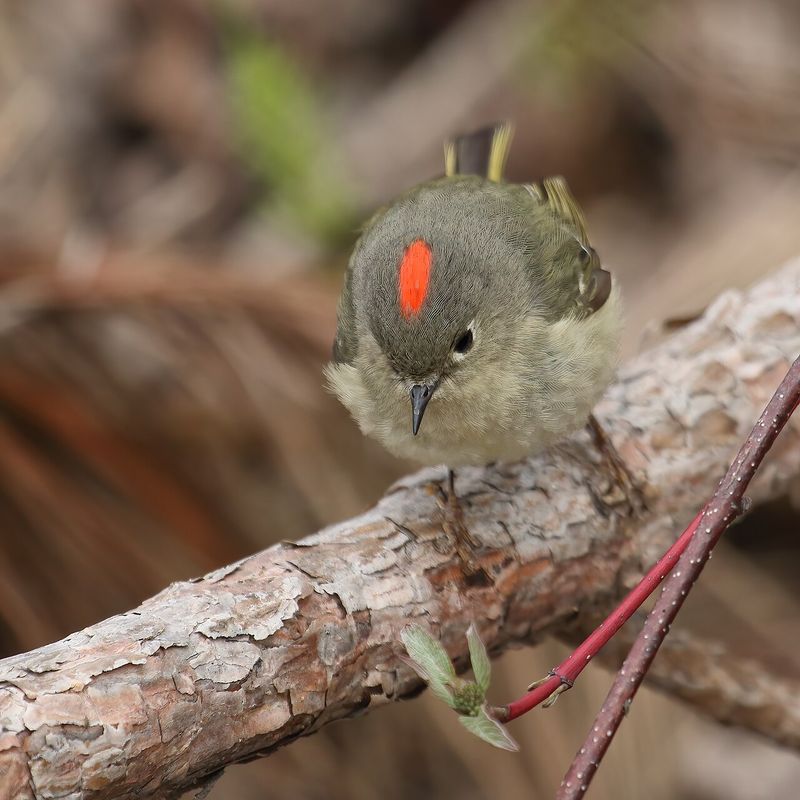
Food is the big reason kinglets work your shrubs so hard. They mostly eat insects and spiders, and in winter that means hunting very small prey.
Kinglets glean, which means they pick food right off leaves, twigs, and bark. They search for aphids, scale insects, tiny caterpillars, spiders, and insect eggs tucked into crevices.
Ruby-crowned Kinglets often hover in front of a leaf for a split second to snatch something from the underside.
You might wonder how anything lives on such tiny meals. Kinglets have a fast metabolism, so they must feed for much of the daylight hours.
The constant hopping and peeking is not random at all. It is a very efficient search pattern for food most birds overlook.
Ruby-crowned Kinglets will also nibble a few berries and sometimes visit suet feeders. Still, bugs are the main course.
So when you see one moving leaf by leaf, take a closer look at the plant. It is probably hosting small insects you had no idea were there. That is not a reason to panic.
A healthy shrub with a few critters is exactly what keeps these hungry little birds fed through the cooler months.
3. Spot The White Eye-Ring Or The Striped Golden Crown
Two kinglet species visit Texas in winter, and telling them apart is easier than it sounds. You just need to look at the head.
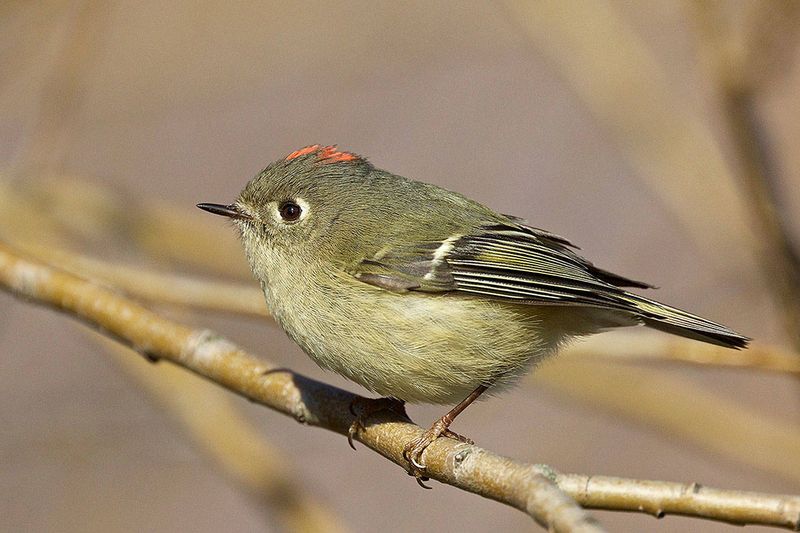
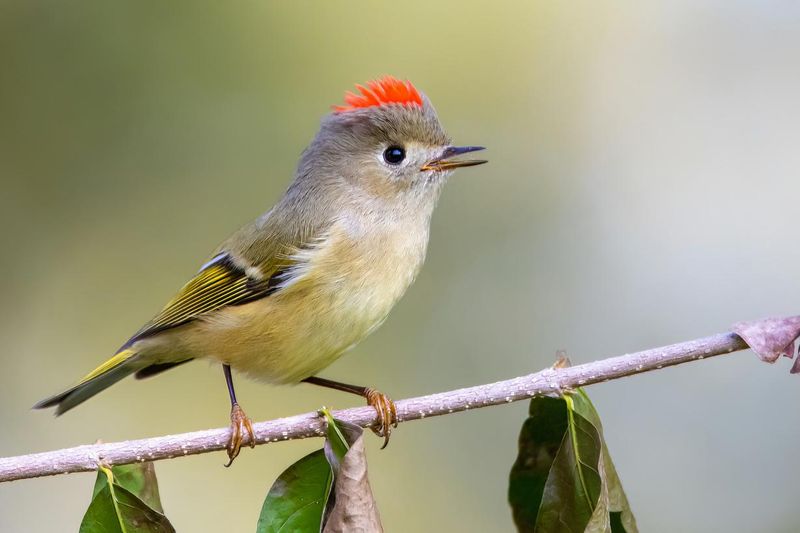
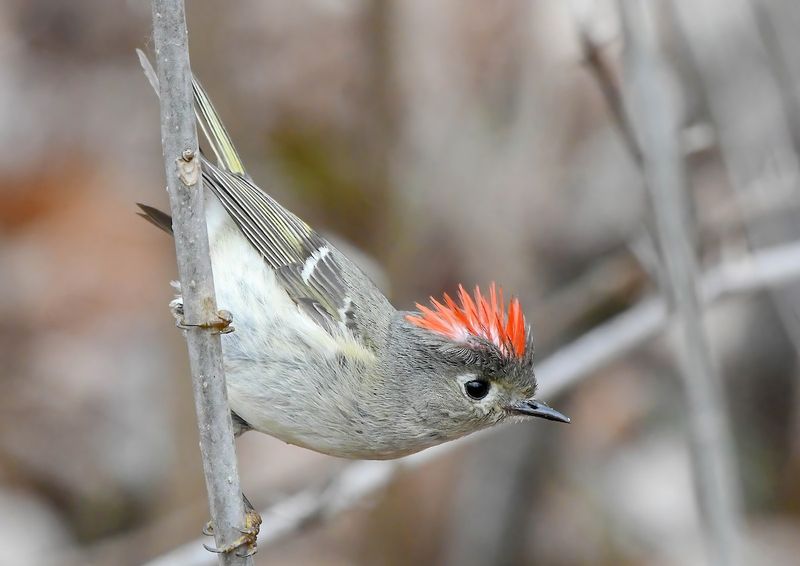
The Ruby-crowned Kinglet is the one you will see most often across the state. It is olive-gray with a bold, broken white eye-ring and a white wing bar beside a dark patch.
Males carry a red crown patch, though it usually stays hidden. When a male gets excited or agitated, that scarlet tuft can pop up like a tiny flame.
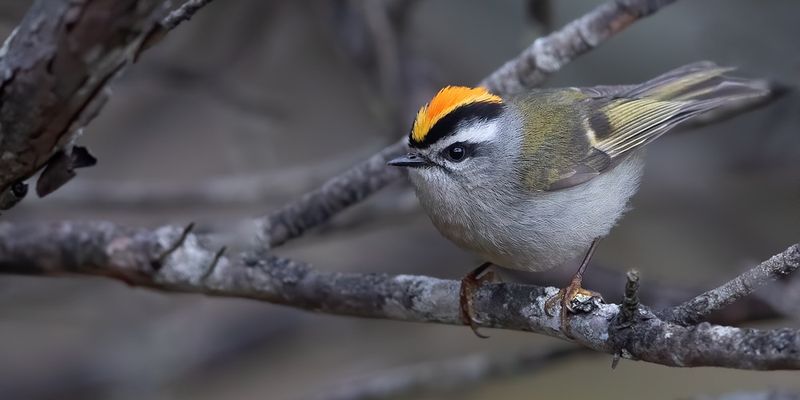
The Golden-crowned Kinglet is less common and shows up more in the eastern and northern parts of the state.
It has a striking face with black and white stripes and a bright yellow crown. Males show some orange in the center. It lacks the eye-ring of its cousin.
Golden-crowns often favor conifers, so check pines, junipers, and cedars. Ruby-crowns happily work through broadleaf shrubs and trees.
Binoculars help a lot, but patience helps more. Sit still near an active shrub for a few minutes.
Kinglets are often surprisingly unbothered by people, and they may come close enough for a clear look without any gear at all.
4. Your Bug-Hunting Kinglet Is Basically Free Garden Help
Nobody sends you a thank-you note for planting shrubs, but kinglets come close. Every leaf they inspect is a leaf with a few fewer pests.
Aphids, scale, and overwintering insect eggs can set up problems for spring. Kinglets pick away at these small invaders through the cold months.
One bird will not clean your whole yard, of course. Still, a steady group of insect-eating birds adds up to real help over a season.
This is one reason Texas A&M AgriLife and many Master Gardener programs encourage wildlife-friendly yards. Birds, beneficial insects, and healthy plants work together as a natural balance.
Here is the practical part. Go easy on broad-spectrum insecticides in winter. Spraying shrubs where kinglets feed can remove the very food they depend on.
It may also harm helpful insects like lady beetles. If you notice a pest problem, try a strong spray of water or targeted options first. Check with your local county extension office for advice that fits your area.
Letting the birds share the workload is cheaper, easier, and a lot more fun to watch from the kitchen window with a warm mug in hand.
5. Native Yaupon And Wax Myrtle Make Kinglets Feel At Home
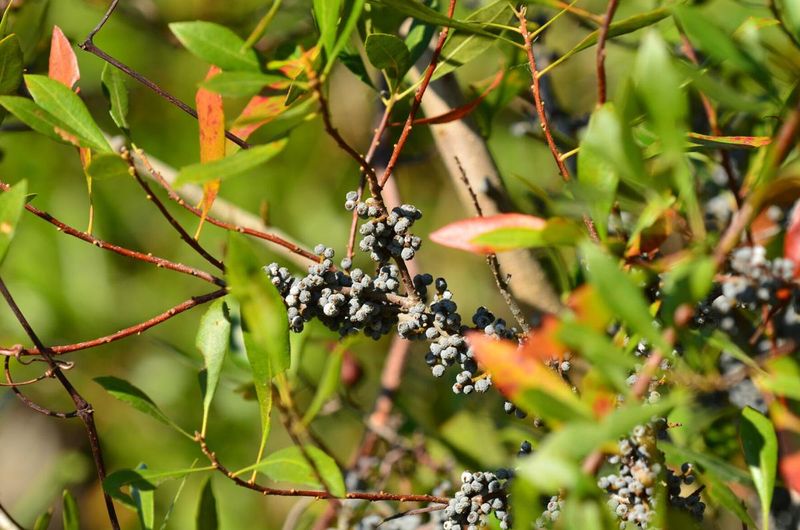
Want more kinglet visits? Plant what they already love. Native shrubs host far more insects than most imported ornamentals, which means more food for tiny birds.
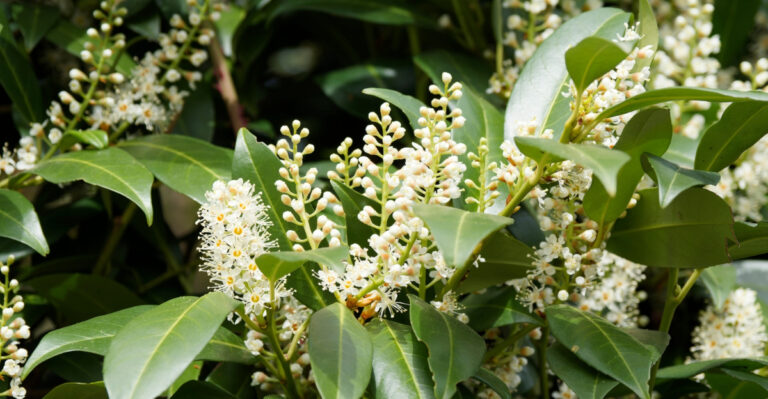
Yaupon holly is a fantastic choice for much of Texas. It stays green all winter, offers dense cover, and feeds many birds with its red berries.
Wax myrtle is another strong evergreen that tolerates a range of soils and holds plenty of little insects.
Possumhaw, a deciduous holly, gives winter berries for other birds that share the shrub layer.
American beautyberry and native viburnums like rusty blackhaw add variety. Live oaks and native junipers also attract kinglets, especially Golden-crowns.
Mix heights and textures. A layered yard with trees, shrubs, and groundcovers gives birds safe spots to move and hide from hawks.
Avoid invasive plants such as Chinese privet, nandina, and Chinese tallow, even if they look full and green. They crowd out natives and support fewer insects.
Your best planting window is usually fall through late winter, while temperatures stay mild. Roots settle in before summer heat arrives. Check with a local native plant nursery for species suited to your region.
6. Listen For That Scratchy Kinglet Call Before You See The Bird
Believe it or not, your ears might find kinglets faster than your eyes. These birds are tiny, but they are rarely silent.
Ruby-crowned Kinglets give a dry, scolding call that sounds like a quick “ji-dit” or “chi-dit.” Once you learn it, you will hear it everywhere.
Late in winter and into spring, males may start their surprisingly loud song, a rolling jumble of notes that sounds far too big for such a small bird.
Golden-crowned Kinglets have a very high, thin “tsee-tsee-tsee” call. Some people, especially older adults, have trouble hearing those high notes at all.
A free app like Merlin Bird ID from the Cornell Lab can help. Hold up your phone near an active shrub, and it may suggest which birds are calling.
Kinglets also travel with mixed winter flocks. Chickadees, titmice, warblers, and nuthatches often move together through the trees. If you hear chickadees chattering, look around for a kinglet tagging along.
I like stepping outside on calm mornings just to listen. Those little calls make a quiet winter garden feel busy and full of life again.
7. Give Wintering Kinglets Water, Cover, And A Little Mess
A tidy winter yard looks nice, but birds prefer a bit of wildness. Leaving some leaf litter and seed heads in place can make a big difference.
Fallen leaves shelter insects and spiders. Kinglets and other small birds benefit from that hidden food supply. Try raking leaves into shrub beds instead of bagging them.
Fresh water matters too. A shallow bird bath, refreshed often, helps birds during dry spells. During a hard freeze, a heated bath or warm water poured in each morning can be a lifesaver for many species.
Hold off on heavy shrub pruning until late winter. Thick branches give kinglets shelter from cold wind and predators. Keep cats indoors, since even small outdoor cats take many songbirds.
Suet feeders sometimes draw Ruby-crowned Kinglets, especially in cold snaps. Place one near shrubs so birds can dart back to cover.
Most of all, enjoy the show. Kinglets usually leave by mid to late April, heading north to nest. Their visit is short, so savor each bouncing little flash.
When they return next fall, your yard will be ready, and you will know exactly what that flicker in the hollies means.