What It Means When Tree Frogs Suddenly Appear In Your Georgia Yard
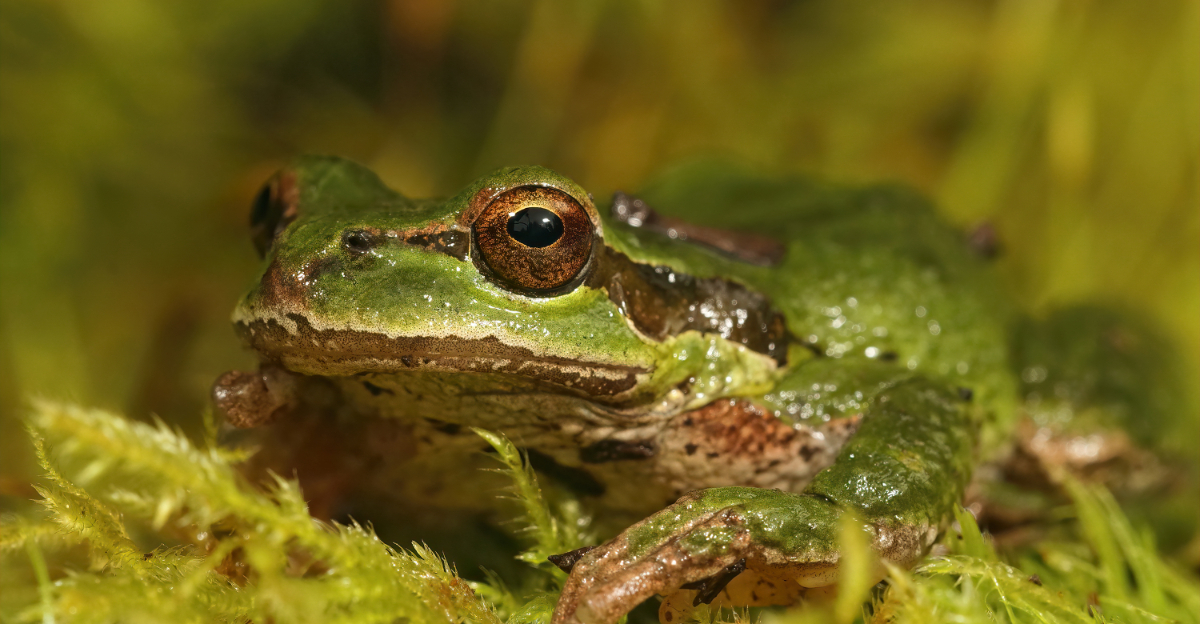
Spotting tree frogs around your yard can feel like a surprise, especially when they seem to appear overnight. Before you assume something is wrong, take a closer look.
Georgia yards often become inviting when conditions are just right for these tiny visitors. Their arrival can reveal more about your outdoor space than most people realize.
Instead of treating them like a problem, learn what brought them there. You may discover your yard is doing something surprisingly well.
From moisture to shelter and plenty of insects, a few simple things can turn an ordinary space into the perfect stop for tree frogs.
Once you know what they are looking for, their sudden appearance starts making a lot more sense.
1. Tree Frogs Often Mean Your Yard Supports Wildlife
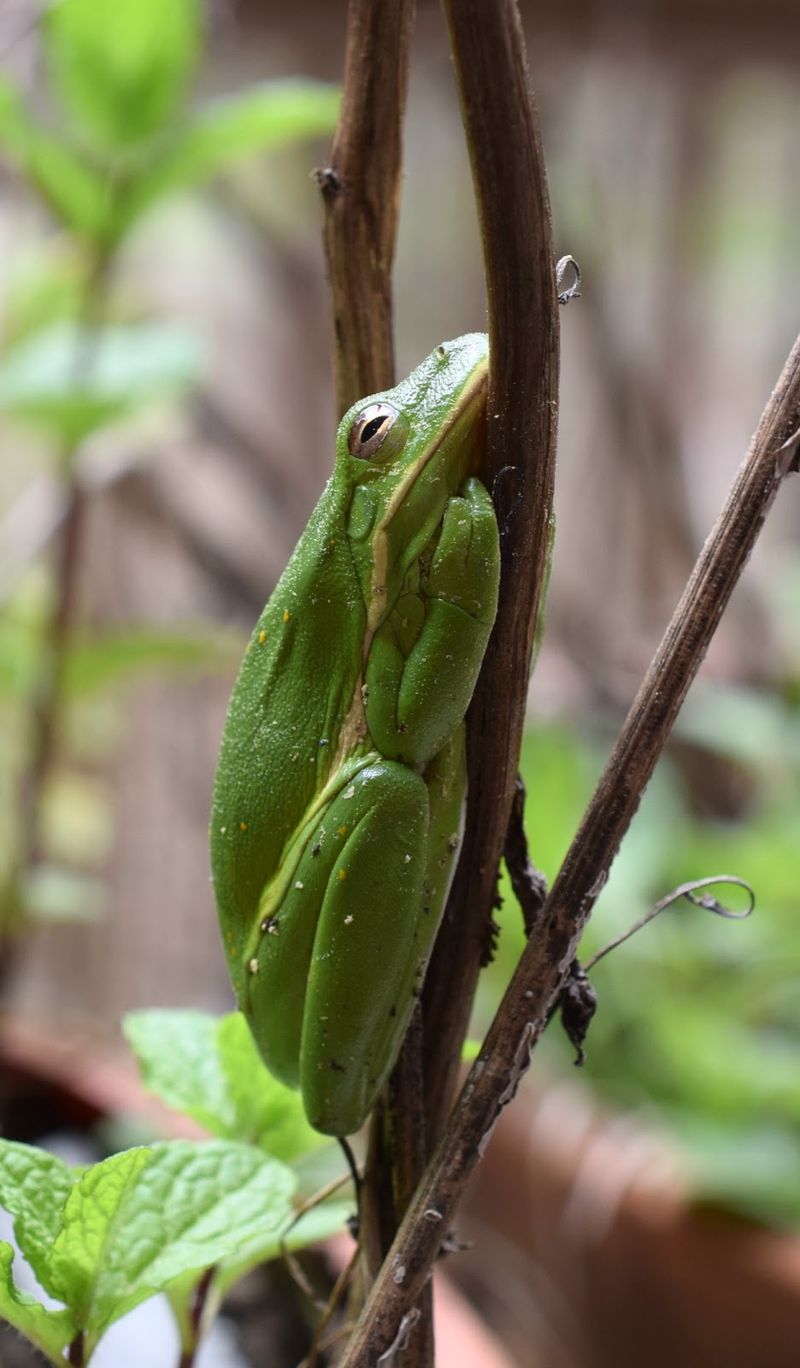
A yard full of wildlife is something many people hope for but rarely stop to recognize. Spotting tree frogs clinging to your fence or garden plants is one of the clearest signs your yard has what wild animals need to survive.
Tree frogs need more than just open space. They look for leaf litter, shrubs, and layered vegetation that gives them places to rest, hide, and hunt.
If your yard offers those things, frogs will find it.
Native plants play a big role here. Yards with a mix of ground cover, mid-level shrubs, and taller trees tend to attract more wildlife overall.
Tree frogs fit right into that kind of layered environment.
Pesticide use can push frogs away quickly. Frogs absorb substances through their skin, so yards with heavy chemical treatments are usually less welcoming to them.
A frog-friendly yard tends to rely more on natural pest management.
Seeing tree frogs regularly suggests your yard has built up a small, functioning ecosystem. That includes insects for food, moisture in the soil, and enough plant cover to make life comfortable.
It does not happen overnight.
Georgia has several native tree frog species, including the green tree frog and the squirrel tree frog. Both are common backyard visitors when conditions are right.
2. Moist Areas Attract More Frog Activity
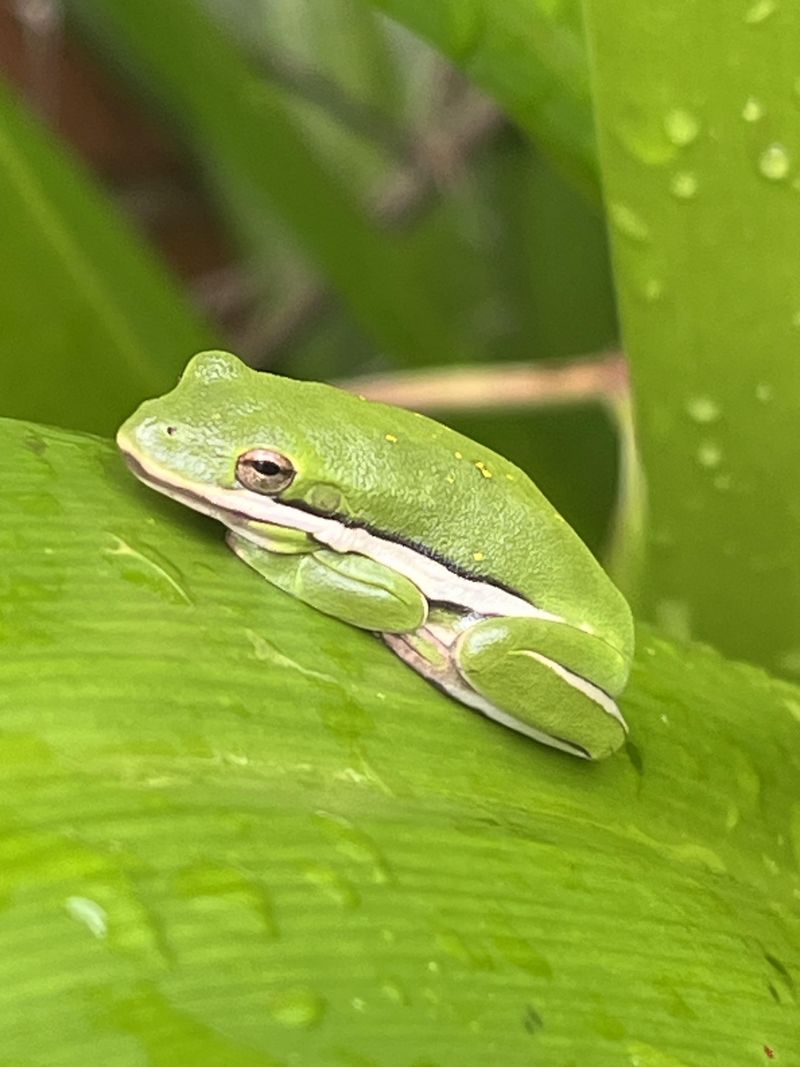
Frogs and moisture go hand in hand. Without enough humidity and damp surfaces nearby, tree frogs struggle to stay comfortable and tend to move on quickly.
Skin moisture matters a lot to amphibians. Tree frogs do not drink water the way mammals do.
Instead, they absorb it directly through their skin, which means damp soil, wet leaves, and moist air are not just nice extras but actual necessities.
Low spots in your yard that collect water after rain are naturally attractive to frogs. Garden beds that stay moist, areas near downspouts, and shaded corners with damp mulch all create the kind of microenvironment frogs prefer.
Overwatering your lawn or garden is not necessary to attract them. Natural rainfall combined with shaded areas that dry out slowly is usually enough.
Frogs are drawn to areas that hold moisture longer than surrounding spots.
During summer months in Georgia, heat can dry out yards quickly. Frogs tend to cluster near whatever moisture remains during those dry stretches.
Your Georgia Garden Changes Every Week. Your Plan Should Too.
Gardening in Georgia changes quickly throughout the season. Every Friday you’ll receive a simple weekly plan showing exactly what to plant, prune, fertilize, harvest, and protect so you never miss the right timing.
You might notice more of them near garden hoses, drip irrigation zones, or shaded plant beds.
Keeping a layer of mulch in your garden beds can help retain moisture and create a more frog-friendly surface. It also provides cover for the small insects that tree frogs hunt.
3. Nighttime Calls Reveal Their Presence
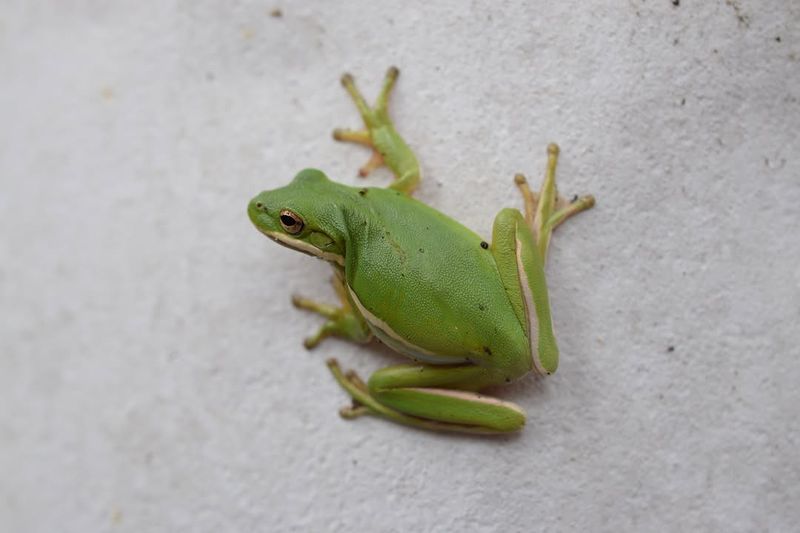
You might hear them long before you ever see one. Tree frogs are vocal animals, and their calls are often the first clue that they have moved into your yard.
Male tree frogs call to attract mates, especially during warmer months. Green tree frogs in particular produce a loud, repetitive honking sound that carries surprisingly far for such a small creature.
Squirrel tree frogs make a sound similar to a nasal quacking.
Calls tend to increase after rain. Warm, humid nights following afternoon showers are some of the most active calling periods.
If you step outside after a summer storm and hear a chorus of frog sounds, that is a common and expected response to the conditions.
Pinpointing where the sound comes from can be tricky. Tree frogs are skilled at staying hidden in leaf clusters, bark crevices, and dense shrubs.
Even with a flashlight, finding one during active calling takes patience.
Nighttime calling is not a sign of a problem. It is simply part of their natural behavior during breeding season.
Calls typically peak between late spring and late summer, though timing can shift based on temperature and rainfall patterns.
Listening to the calls over several nights can give you a rough idea of how many frogs are nearby. More voices usually means more individuals have found your yard suitable.
4. Plants Provide Shelter During The Day
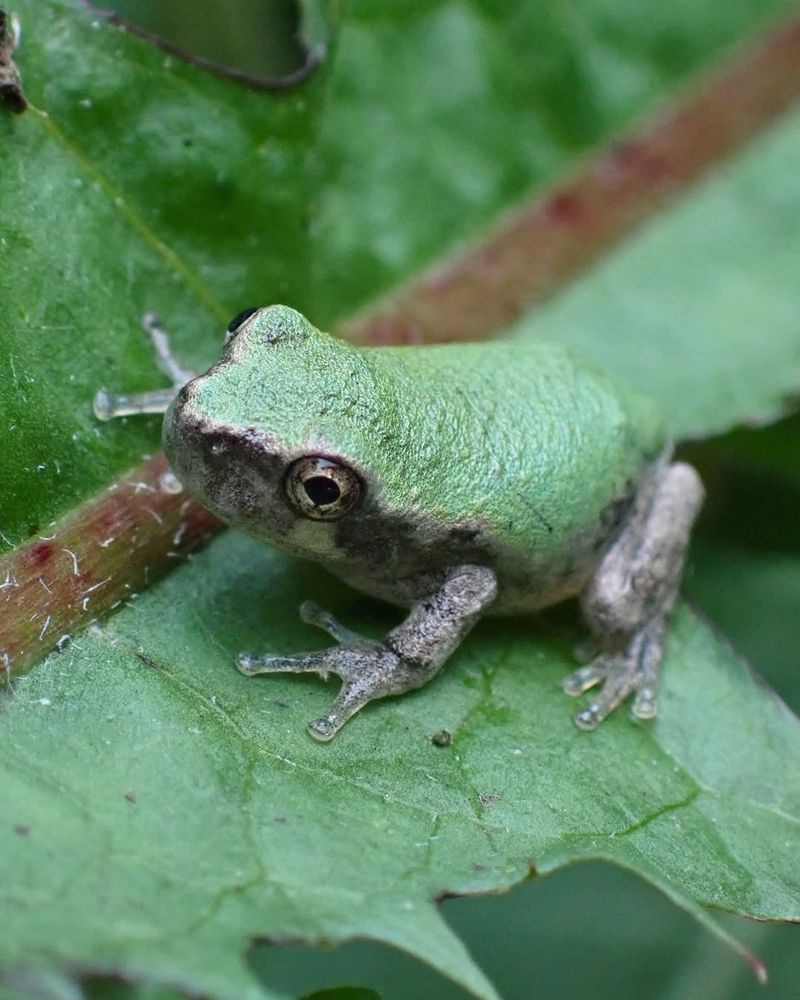
Daytime is when tree frogs go quiet and disappear. Finding a cool, shaded spot to rest is their priority once the sun comes up, and your plants are exactly what they are looking for.
Broad-leafed plants offer the best cover. Tree frogs press themselves flat against the underside of leaves, using their sticky toe pads to hold on.
The leaf shades them from direct sun while also holding a bit of moisture on its surface.
Dense shrubs like camellias, gardenias, or native azaleas create layered hiding spots. Frogs tuck into the interior branches where it stays cooler and darker during peak afternoon heat.
You might not notice them unless you look closely.
Window frames, shutters, and siding near porch lights are also popular resting spots. Frogs learn that lights attract insects at night, so they position themselves nearby for easy hunting once darkness falls.
Resting close to a light source is a smart strategy for them.
Potted plants near doorways or under covered patios are another common hiding place. The combination of shade, moisture from watering, and nearby insect activity makes container gardens surprisingly attractive to small frogs.
Planting a variety of native species with different leaf sizes and growth habits gives frogs more options for shelter. A yard with only grass and a few small shrubs offers limited cover.
5. Insects Bring More Frogs Into The Yard
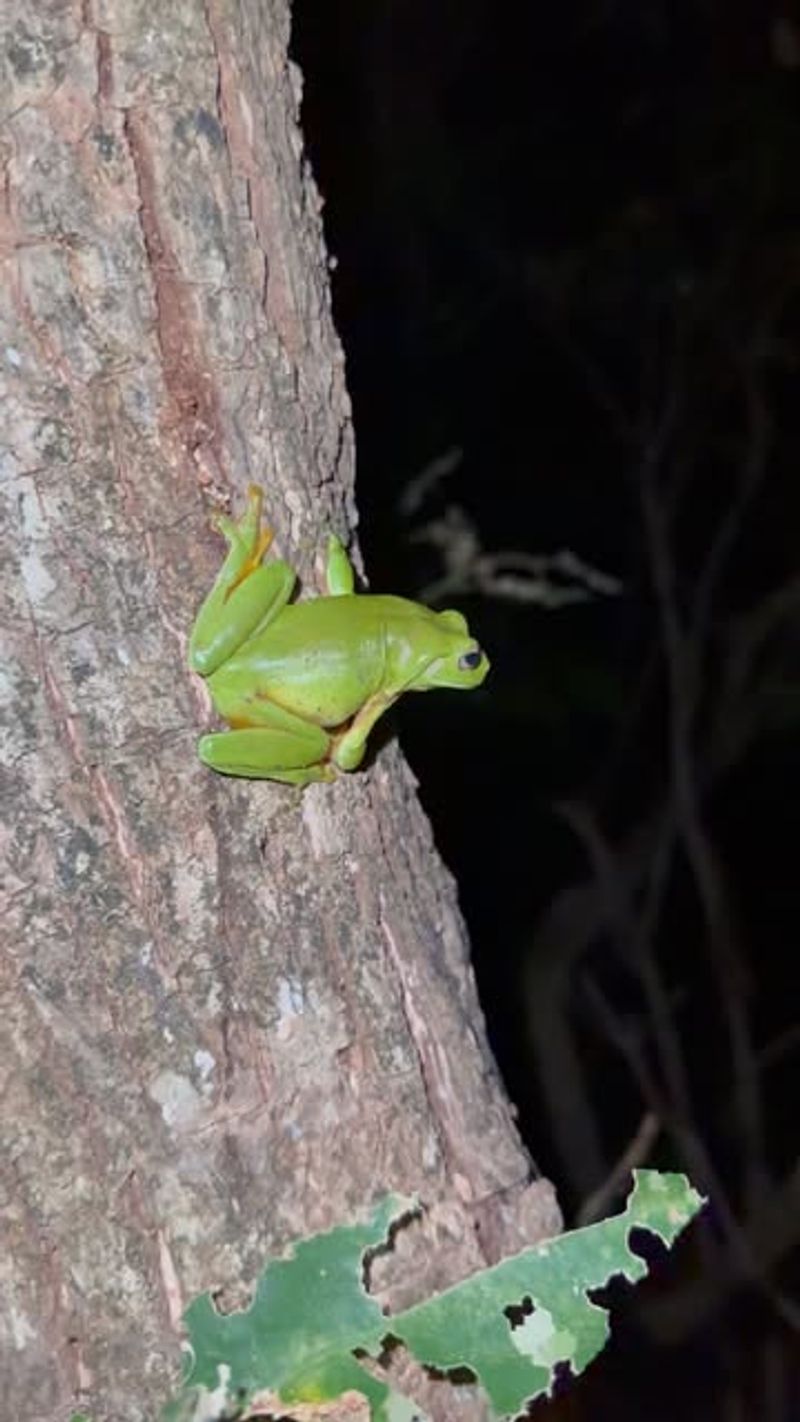
Follow the insects and you will find the frogs. Tree frogs are insect hunters, and a yard with a steady supply of bugs is exactly the kind of place they want to be.
Moths, beetles, flies, and small crickets make up a large part of a tree frog’s diet. Yards with active insect populations give frogs a reliable food source.
Where bugs gather, frogs often follow.
Porch lights and outdoor fixtures attract flying insects on warm nights. Tree frogs figure this out fast.
Positioning themselves near a bright light gives them a steady stream of prey without much effort. Finding a frog plastered to your window screen at night is pretty common for this reason.
Garden areas with flowers also attract pollinating insects. Frogs benefit from this indirectly.
More flower visitors mean more insects moving through, which translates to more hunting opportunities in a relatively small area.
Compost piles and leaf litter can harbor beetles, pill bugs, and other small invertebrates. Frogs may forage near these spots, especially in the early evening when activity picks up.
Keeping some natural debris in a corner of your yard can quietly support frog activity.
A yard with a diverse insect community tends to attract more frog visits over time. Avoiding broad-spectrum insecticides helps preserve that insect base.
6. Seasonal Changes Increase Frog Movement
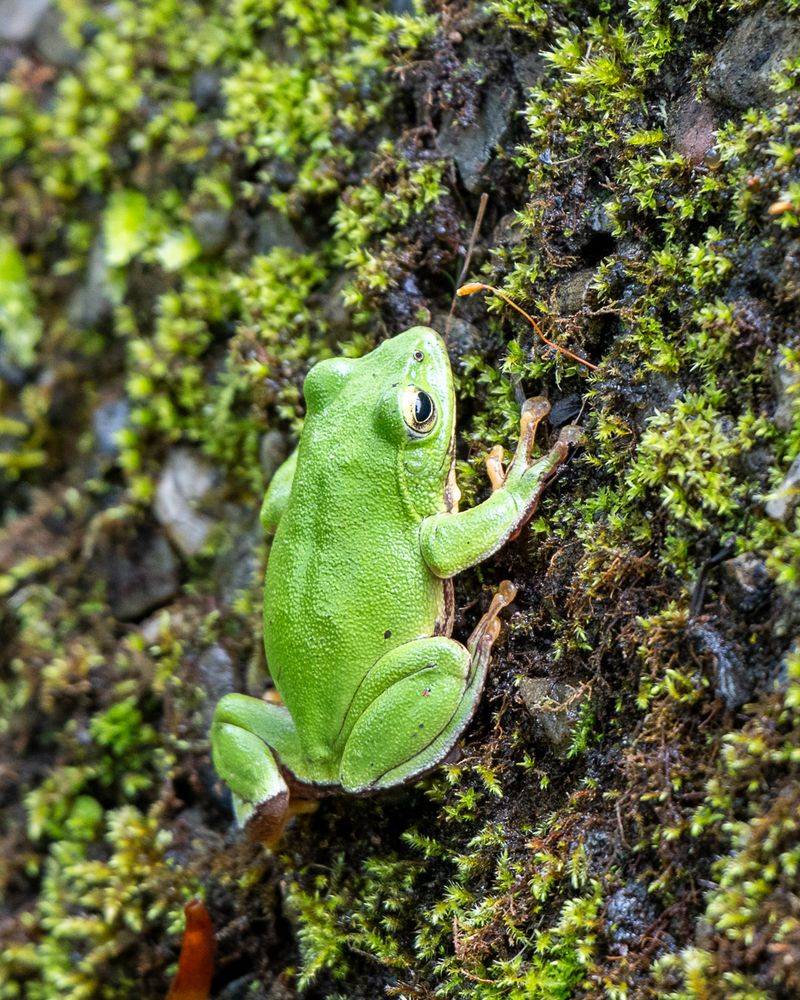
Frogs do not show up randomly. Their movements follow seasonal patterns tied closely to temperature and rainfall, which is why you might notice them suddenly appearing after weeks of seeing none.
Spring is when activity ramps up. As temperatures climb and spring rains arrive, tree frogs become much more active.
They move between habitats, search for mates, and begin calling. A quiet yard in March can feel completely different by May.
Summer brings peak frog activity across much of the Southeast. Warm nights, frequent afternoon storms, and high humidity create near-perfect conditions for tree frogs to stay active and vocal.
This is the season when most backyard sightings happen.
Late summer heat can slow things down temporarily. During dry spells, frogs seek out moisture and shade more aggressively and may seem to vanish from open areas.
They are still nearby but staying hidden in cooler, damper spots.
Fall brings a gradual slowdown. As temperatures drop, frogs feed less and begin looking for sheltered spots to wait out the cooler months.
They do not hibernate as deeply as some animals, but they do become far less active.
Winter sightings are rare but possible during mild stretches. Georgia winters are variable, and a warm January day can occasionally bring a frog out briefly.
7. Water Sources Help Tree Frogs Stay Nearby
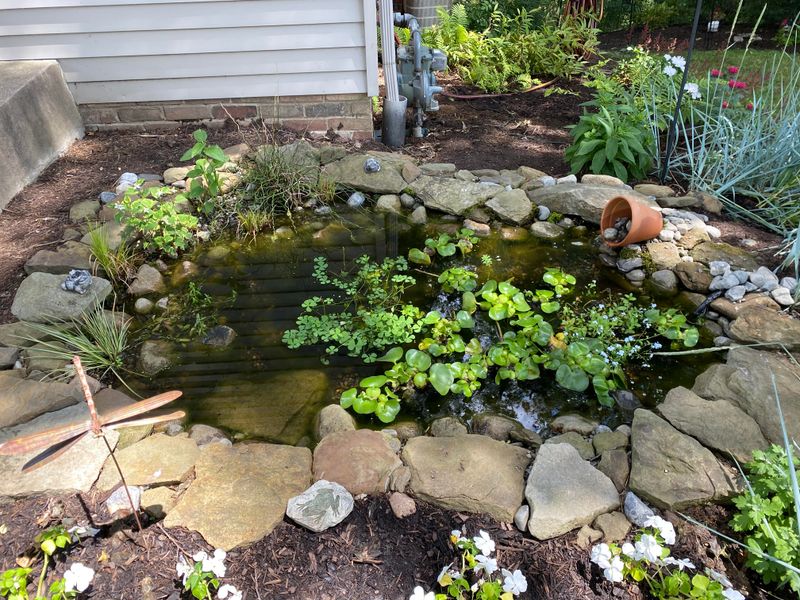
Water is the anchor. Tree frogs may wander through yards looking for food or shelter, but a reliable water source is often what convinces them to stick around longer.
Breeding happens in water. Female tree frogs lay eggs in shallow, still water, and tadpoles need a safe aquatic environment to develop.
A small garden pond, even a modest one, can become a breeding spot if conditions are suitable.
Bird baths offer another option. Shallow dishes with standing water attract frogs, especially during dry periods.
Keeping the water fresh and clean encourages use without creating a mosquito problem. Changing the water every few days helps with that balance.
Rain barrels and decorative water features also draw frog attention. Frogs are not picky about the container as long as the water is accessible and not treated with chemicals.
Even a low-lying area that holds rainwater for a day or two can attract brief visits.
Proximity to a natural water source nearby, like a creek, pond, or wetland area, often explains why tree frogs suddenly appear in your yard. They travel from those areas looking for food and shelter, using your yard as an extension of their habitat.
Adding a small water feature does not need to be expensive or elaborate.