What It Means When Wild Pigs Start Tearing Up Your California Yard
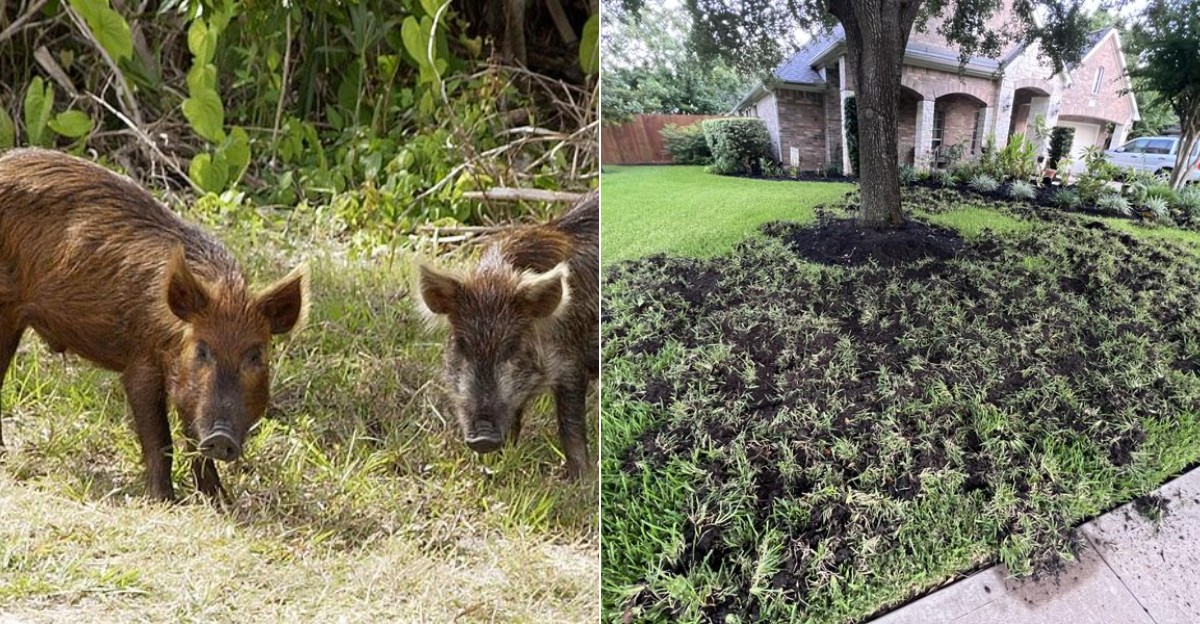
A yard covered in overturned soil, damaged plants, or fresh digging can be a frustrating sight, especially when you do not know what caused it. If wild pigs start showing up in your California landscape, the damage can happen quickly and leave behind plenty of questions.
These animals are usually searching for something they can find beneath the surface, and a garden can offer more than you might expect. Food sources, moisture, and easy access can all make certain yards more appealing than others.
You do not have to accept repeated damage as a normal part of living near wildlife. Knowing why wild pigs visit, what attracts them, and what signs to look for can help you better understand what is happening in your yard and how to respond.
1. Wild Pigs Are Usually Searching For Food
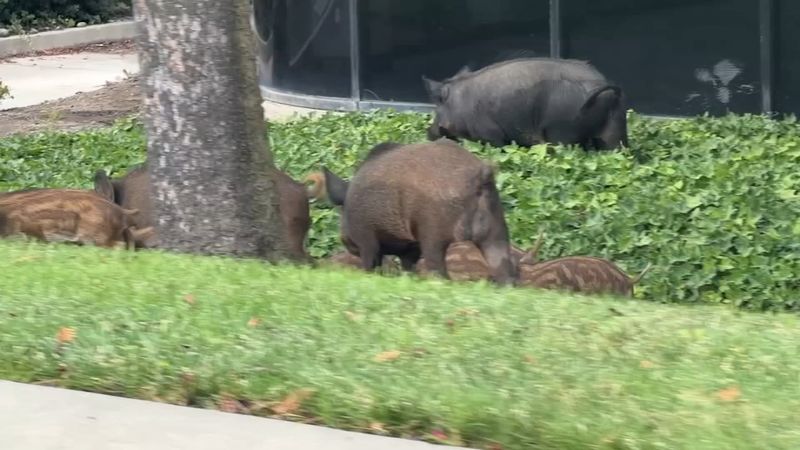
Hunger is the number one reason these animals show up in the first place. Wild pigs need a lot of food to keep their large bodies going, and they will travel far to find it.
When they root up your grass, they are hunting for anything tasty hidden below the surface. That might be seeds, bugs, worms, or plant roots that people never even notice. To a pig, your lawn is basically a giant buffet waiting to be explored.
Their strong snouts work like natural shovels, letting them flip over sod with surprising ease. A single hungry group can turn a smooth lawn into a bumpy mess in just a few hours.
Once they find a good meal in your California yard, they mark it as a reliable spot. This is why the same yards often get hit again and again over time.
You can make your property less appealing by cutting off easy food. Clean up spilled birdseed, secure pet food, and keep trash cans locked tight.
The less reward they get, the faster they move on to another area. Pigs are practical animals, and they follow their stomachs wherever the easiest meals are found. Removing that reward is one of the simplest ways to break the cycle for good.
2. Soft Soil Makes Digging Easier
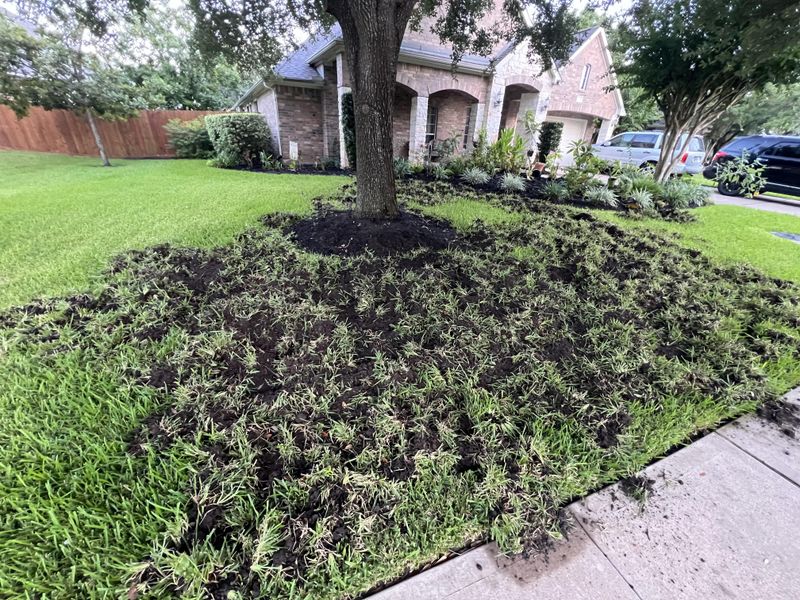
Loose, soft ground is like an open invitation for these rooting animals. When soil is easy to dig, pigs can flip it over with almost no effort at all.
Yards with rich, well-watered dirt tend to attract them the most. That soft texture lets their snouts push through quickly to reach the goodies underneath.
Freshly tilled garden beds are especially tempting because the work is already half done. The looser the earth, the more roots and insects sit near the surface.
Hard, dry, packed soil is much less inviting since it takes real effort to break through. Pigs prefer the path of least resistance, just like most creatures do.
If your yard has areas with fluffy, moist ground, expect it to catch their attention. Flower beds, freshly mulched spots, and new sod are common targets.
One helpful trick is to let certain areas firm up rather than keeping them constantly loose. Compacting the soil around vulnerable spots can make digging less rewarding.
Your California Garden Changes Every Week. Your Plan Should Too.
Gardening in California changes quickly throughout the season. Every Friday you’ll receive a simple weekly plan showing exactly what to plant, prune, fertilize, harvest, and protect so you never miss the right timing.
Adding rocks or heavy ground cover in problem zones also slows them down. These barriers make the snout work harder and reduce the payoff.
Understanding this simple pattern helps you predict where trouble might start. By managing your soil, you take away one of the main things that makes your yard so easy to raid.
3. Irrigated Yards Can Become Attractive
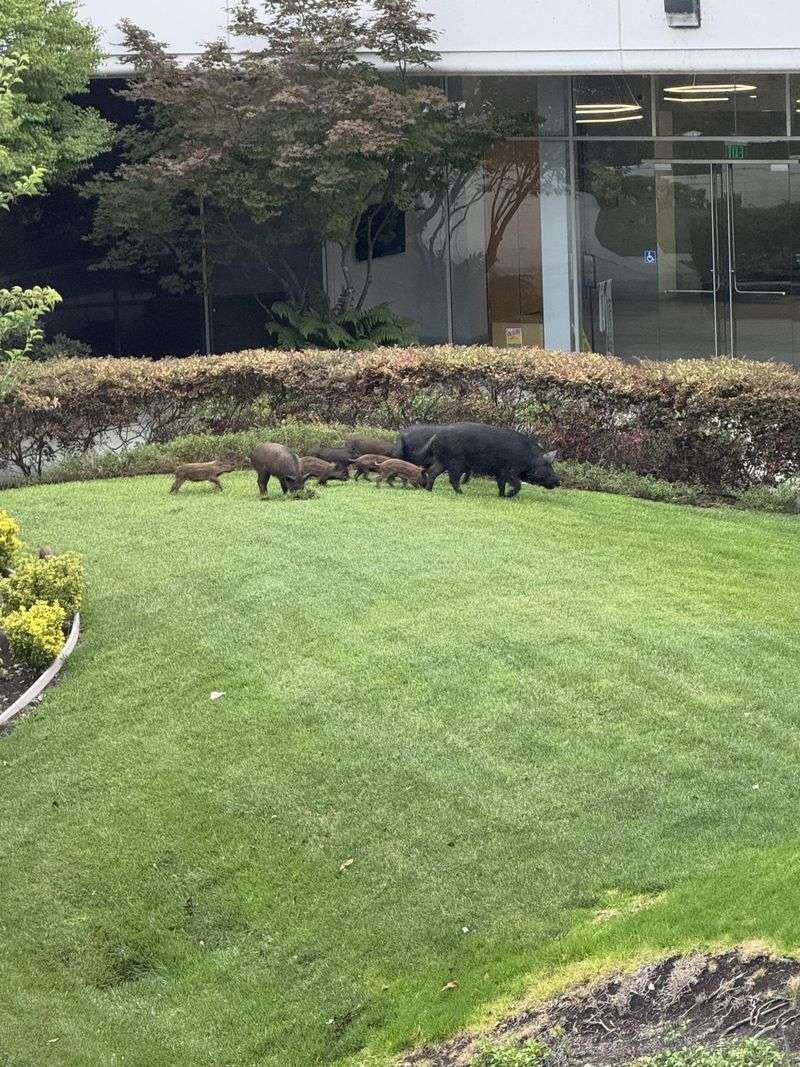
Water is a huge draw in California, especially during hot, dry stretches. When natural sources shrink, a well-watered yard becomes a shining target for thirsty pigs.
Sprinklers and drip systems keep the ground moist, which makes it perfect for rooting. That combination of water and soft soil is exactly what these animals love.
Damp earth holds more worms and insects near the top, giving pigs an easy snack. Green, healthy plants also mean tender roots that are simple to pull up.
During drought years, irrigated lawns can stand out like an oasis in the surrounding dry land. Pigs will travel long distances toward that green patch.
Even small water features, like ponds or leaky faucets, can pull them closer. They need to drink often, so any reliable source is valuable to them.
You can reduce the appeal by watering deeply but less often, letting the surface dry out. This makes the top layer harder and less inviting.
Fixing leaks and covering ponds at night also cuts off easy access to water. The goal is to make your yard less of a comfortable resting spot.
Balancing healthy plants with smart watering habits takes some planning. Still, these adjustments can lower how often pigs decide your green space is worth the trip.
4. Fallen Fruit Can Draw Them Closer
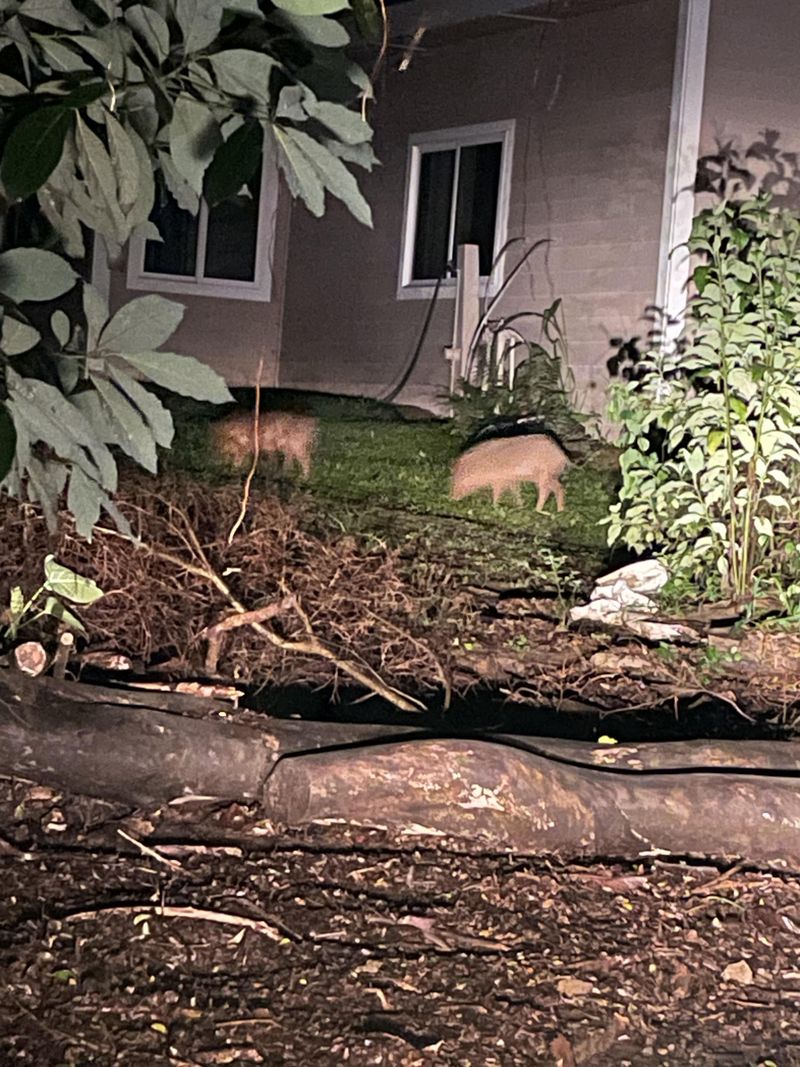
A tree dropping ripe fruit can turn into a dinner bell for wild pigs. The sweet smell of rotting apples, oranges, or figs travels far and pulls them in fast.
Fruit is packed with sugar and energy, which makes it a favorite treat. Once they find a loaded tree, they will return night after night for more.
Piles of dropped fruit sitting on the ground are basically free meals. Pigs do not need to work hard, which makes your yard extra tempting.
California backyard orchards and single fruit trees are both at risk during harvest season. Even fruit you think is too old or spoiled still attracts them.
Keeping the ground clean under your trees is one of the best defenses. Rake and remove fallen fruit every day if you can manage it.
Composting fruit far from the yard, or in a sealed bin, helps too. Leaving it in an open pile just moves the buffet a few feet over.
Picking ripe fruit promptly also reduces how much ends up on the ground. The less that falls, the less reason pigs have to visit.
A little daily cleanup goes a long way toward keeping your harvest to yourself. This simple habit removes one of the strongest smells that lures these hungry visitors.
5. They Often Search For Roots And Insects
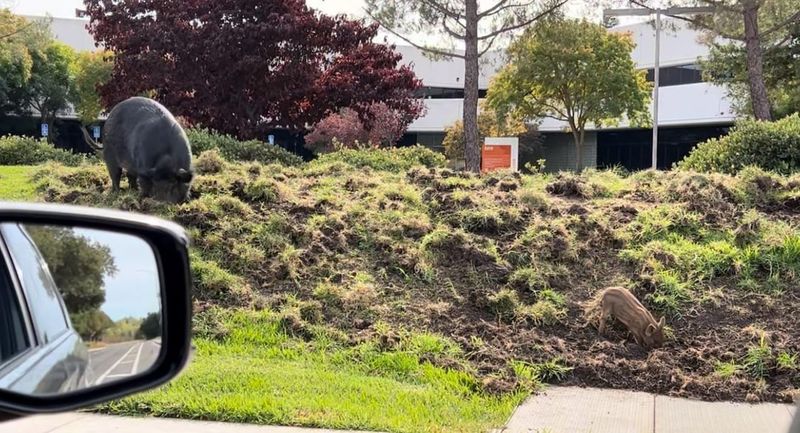
Beneath a smooth green lawn lies a hidden world that pigs find irresistible. Roots, grubs, and worms make up a big part of their natural diet.
Grubs are soft, protein-rich larvae that live just under the grass. To a pig, they are like tiny snacks scattered across your whole yard.
When your lawn has lots of these insects, pigs will dig aggressively to reach them. That is often why you see rows of flipped-over sod after a visit.
Plant roots and bulbs are another prize they hunt for underground. Gardens with tasty tubers can be completely overturned in a single night.
Healthy soil that is full of life actually attracts more digging. The richer the ecosystem, the more food waits below for a hungry snout.
Treating your lawn for grubs can lower the number of insects available. Fewer grubs mean less reason for pigs to tear things up.
Some homeowners use natural methods, like beneficial nematodes, to control larvae safely. This keeps your grass healthier while removing a key food source.
Protecting bulbs with wire cages underground can also help in flower beds. These barriers stop snouts from reaching the roots they crave.
By managing what lives under your grass, you make the whole yard less rewarding. Cutting off this buried buffet is a smart way to reduce repeat visits.
6. Damage Can Happen Overnight
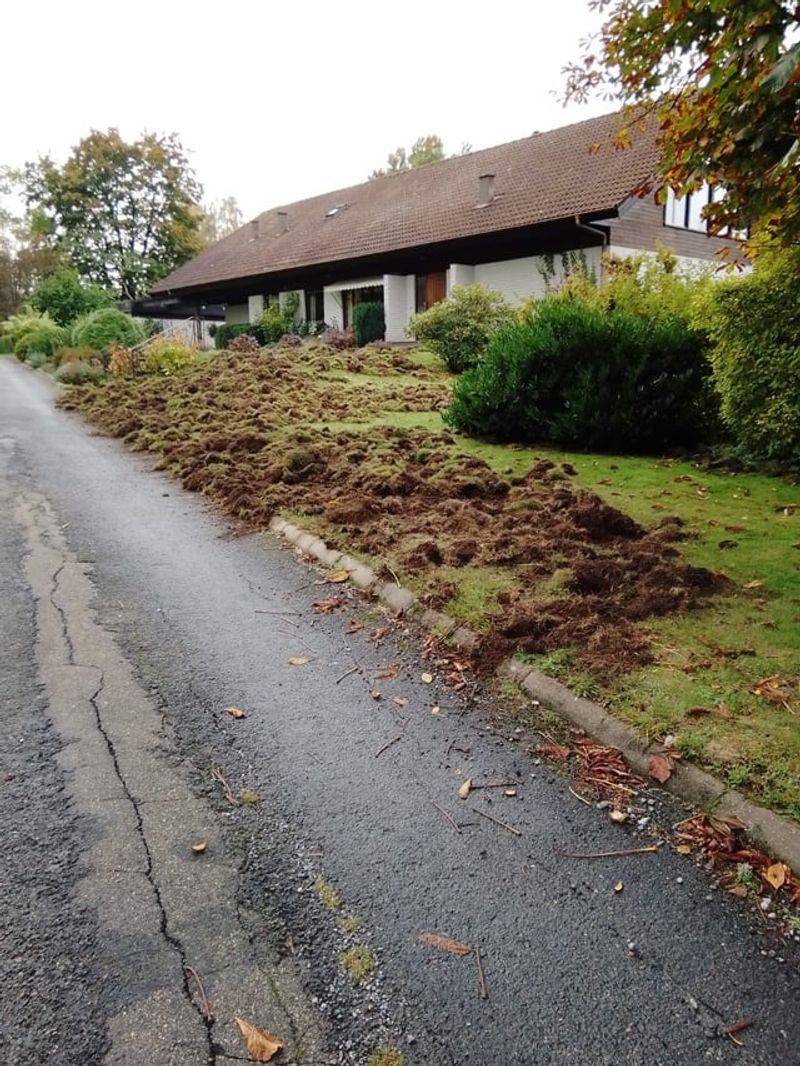
One of the most shocking things about these animals is how fast they work. A tidy lawn can become a torn-up field before the sun rises again.
Wild pigs are mostly active at night, which is when most damage takes place. They move quietly in groups and cover a lot of ground quickly.
Because they feed after dark, many people never see the pigs themselves. Instead, they just wake up to a mess and wonder what happened.
A large group, called a sounder, can flip huge sections of turf in hours. Their combined strength turns a peaceful yard into a bumpy disaster.
The speed of the damage often catches homeowners completely off guard. What looked perfect yesterday may need major repairs today.
Setting up motion-activated lights or cameras can help you spot activity early. Knowing they visited lets you act before they make it a habit.
Some people use noise makers or sprinklers that turn on when movement is detected. These sudden surprises can startle pigs and send them running.
Checking your yard each morning helps you catch problems while they are small. Early action almost always beats trying to fix widespread damage later.
Since these animals strike so quickly, staying alert really pays off. Watching for the first signs gives you a chance to protect your yard fast.
7. Fencing Is Often The Best Protection
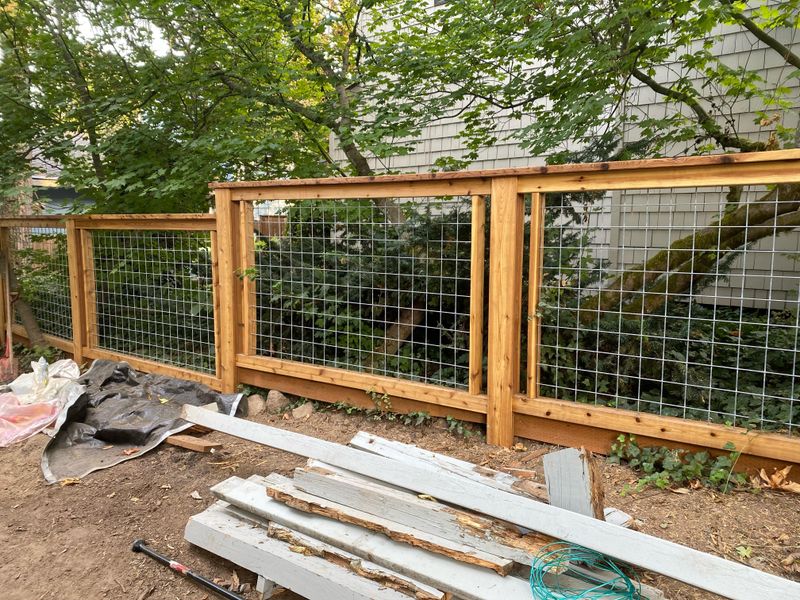
When it comes to keeping pigs out, a solid fence is hard to beat. A strong barrier stops them before they ever reach your grass.
Wild pigs are powerful and can push through weak or flimsy fencing. That means your fence needs to be sturdy and buried deep.
Because they love to root, pigs will try to dig underneath barriers. Burying the bottom of the fence helps block that sneaky move.
Woven wire or heavy hog panels work better than thin, light materials. The stronger the build, the less likely they are to break through.
Electric fencing is another popular choice for larger properties. A mild shock teaches pigs quickly that your yard is not worth the trouble.
Height matters too, since determined pigs may try to push over low barriers. A fence around three feet tall usually does the job well.
Checking your fence often for gaps or damage keeps it effective over time. Pigs will find any weak spot and exploit it fast.
Combining fencing with other steps, like food removal, gives the best results. A barrier plus fewer rewards makes your yard truly unappealing.
While good fencing costs money upfront, it saves you from repeated repairs. For many homeowners, it becomes the most reliable long-term solution to the problem.
8. Remove Food Sources Around The Yard
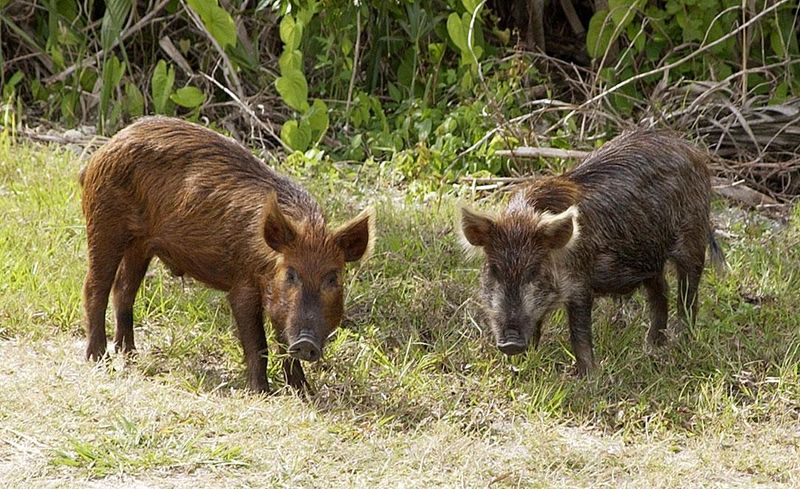
Taking away the reward is one of the smartest moves you can make. When there is nothing worth eating, pigs simply lose interest.
Open trash cans are a magnet for these animals, so keep lids locked tight. Secure bins remove an easy and smelly source of food.
Pet food left outside is another common attraction that is easy to fix. Bring bowls indoors, especially overnight when pigs are active.
Birdseed and feeders can also spill onto the ground and draw them in. Cleaning up spilled seed removes a snack you might not even notice.
Compost piles full of food scraps are basically a pig invitation. Using a sealed bin keeps those tempting smells locked away.
Fallen nuts and acorns from certain trees add to the buffet as well. Raking these up regularly helps keep your yard less appealing.
Even garden vegetables can pull them in during harvest time. Picking ripe produce quickly reduces what is left for them to find.
The main idea is to make your property boring and unrewarding. Pigs are always looking for the easiest meal available nearby.
When your California yard offers nothing, they will search elsewhere for dinner. Pairing this cleanup with fencing gives you the strongest defense of all. A tidy, food-free space is your best long-term protection.