What It Means When Yellow Jackets Keep Appearing In Your Ohio Garden Beds
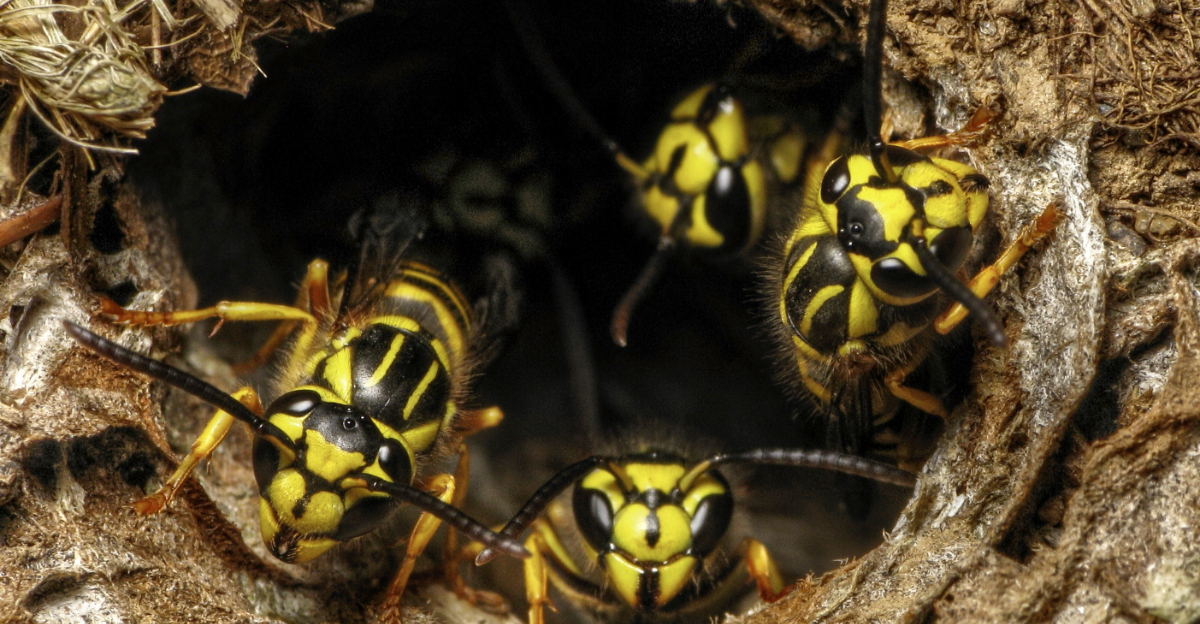
Yellow jackets in an Ohio garden bed are not a coincidence. Most homeowners treat them as a threat to manage.
They miss the part where their presence points to something specific happening in the soil beneath the plants they keep circling. Yellow jackets are territorial and they are purposeful.
A cluster appearing repeatedly in the same garden bed, the same corner, the same patch of ground, is responding to conditions that bed is currently providing. Understanding what those conditions are changes the entire approach to dealing with them.
The sting risk is real and nobody is pretending otherwise. But reaching for the spray before asking why they are there in the first place tends to solve the immediate problem while leaving the underlying one completely intact.
Ohio garden beds that keep attracting yellow jackets are telling a story. Reading it correctly is the faster path to a garden that stops being their preferred destination.
1. Spot The Hidden Nest Before You Weed
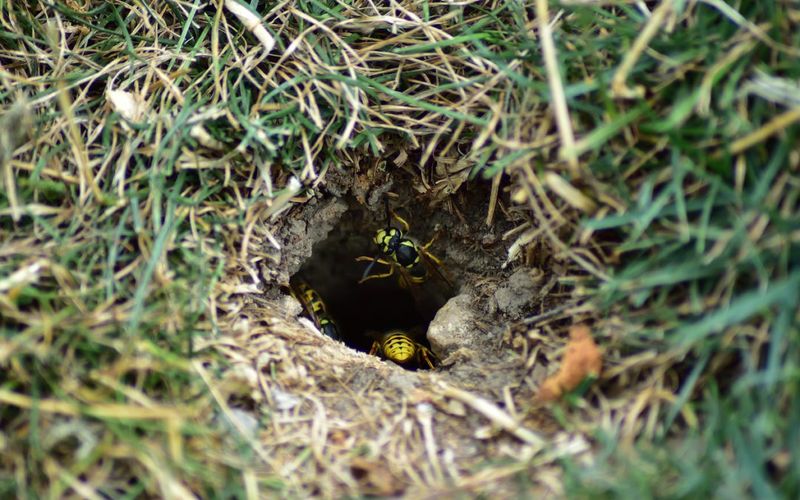
A steady stream of yellow jackets rising from the same patch of your Ohio garden bed is one of the clearest warning signs a gardener can get. Before you grab your trowel or fire up the string trimmer, stop and watch from a safe distance.
What you are looking for is a consistent flight pattern: wasps entering and leaving one specific spot rather than wandering randomly across the bed.
Yellow jackets often nest in protected cavities. According to OSU Extension, they frequently use underground spaces, abandoned rodent burrows, gaps beneath railroad ties, or voids near raised-bed edges.
The nest itself can be surprisingly large by midsummer, sometimes housing thousands of workers. A single entrance hole in the soil or mulch can look small and easy to miss.
Pulling weeds, digging with a hand tool, or running equipment near an active entrance can trigger a fast and painful defensive response. The vibration alone can alarm the colony.
Do not poke at the hole, pour anything into it, or try to block the entrance. If the nest is near a walkway, play area, or a spot you visit daily, contact a licensed pest management professional.
Observing the pattern carefully first gives you and any professional the best information to work with safely.
2. Read The Garden Bed As A Food Map
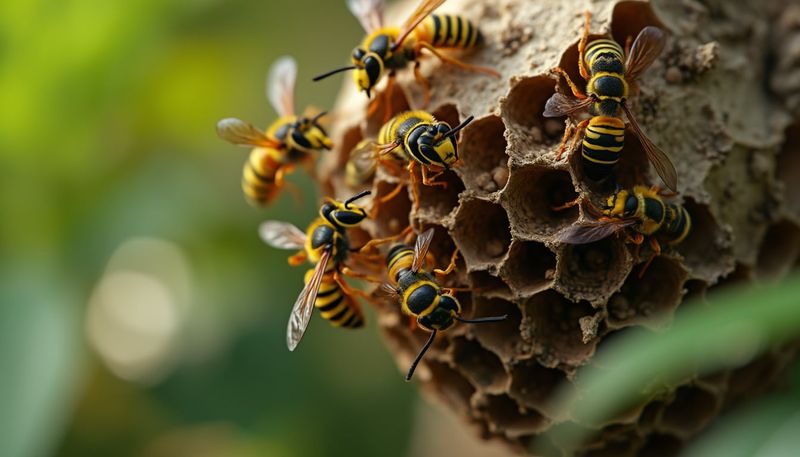
Every garden bed is essentially a buffet, and yellow jackets are very good at finding the best seats. These wasps are drawn to a wide variety of food sources, and a productive garden bed offers several at once.
Ripe tomatoes with cracked skin, overripe berries falling off the cane, and melon rinds left on the soil can all pull yellow jackets in repeatedly. Even a forgotten harvest basket sitting near the bed can do the same.
Entomology experts note that yellow jackets are opportunistic feeders. They consume sugars from fruit and plant matter, but they also hunt soft-bodied insects including caterpillars, grubs, and fly larvae.
This means a garden bed with a healthy insect population can attract them as a protein source, not just a sugar source. Compost odors from nearby bins can also signal easy meals.
Your Ohio Garden Changes Every Week. Your Plan Should Too.
Gardening in Ohio changes quickly throughout the season. Every Friday you’ll receive a simple weekly plan showing exactly what to plant, prune, fertilize, harvest, and protect so you never miss the right timing.
Reading your garden as a food map means asking what each section offers a hungry wasp. Check for split produce after storms, pick up anything that drops to the ground, and scan the bed edges for sticky residue or fermenting material.
If you find multiple food sources clustered together, that explains a lot about why the same corner keeps seeing traffic. Removing those sources one by one is a practical first step before assuming the worst.
3. Clear Fallen Fruit Before It Draws A Crowd
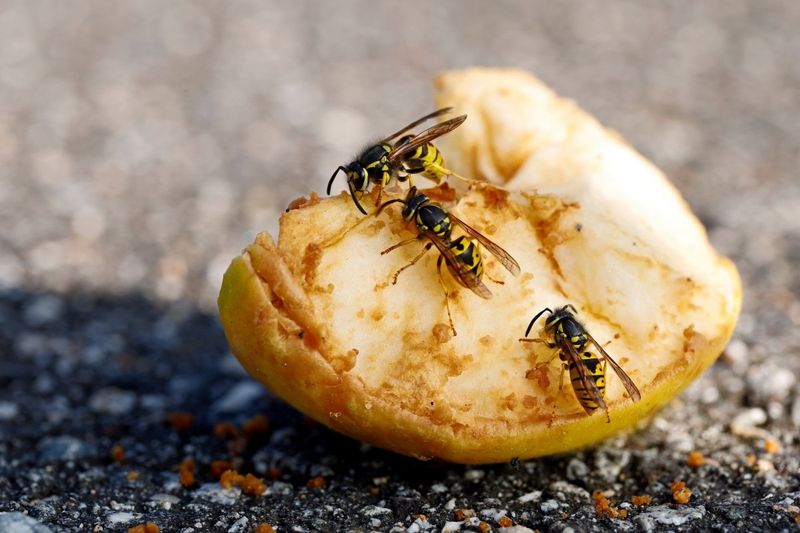
Fallen fruit is one of the fastest ways to turn a peaceful garden into a yellow jacket hotspot. As fruit ripens and drops, the sugars concentrate and ferment.
That sweet, slightly sour smell travels, and yellow jackets pick it up quickly. Berry patches, apple trees near garden edges, tomato plants, and melon vines are all common sources of dropped produce that can draw repeated wasp visits.
The fix is simple but requires consistency. Harvest ripe produce as soon as it is ready rather than letting it linger on the vine or branch.
Walk the garden bed edges daily during peak season and pick up anything that has fallen to the ground. Even a single split tomato left overnight can attract a crowd by morning.
OSU Extension composting guidance suggests burying fresh fruit scraps under dry brown material rather than leaving them exposed on top of the pile.
Rinse out harvest baskets and storage bins that held fruit. Sticky residue on containers or nearby surfaces can keep attracting wasps long after the actual fruit is gone.
If you have a compost bin near the garden, keep it covered and turn it regularly to reduce odor. These cleanup habits will not eliminate every yellow jacket from your yard, but they will make your garden bed a much less interesting destination for repeat visits.
4. Watch For Underground Traffic Near The Soil
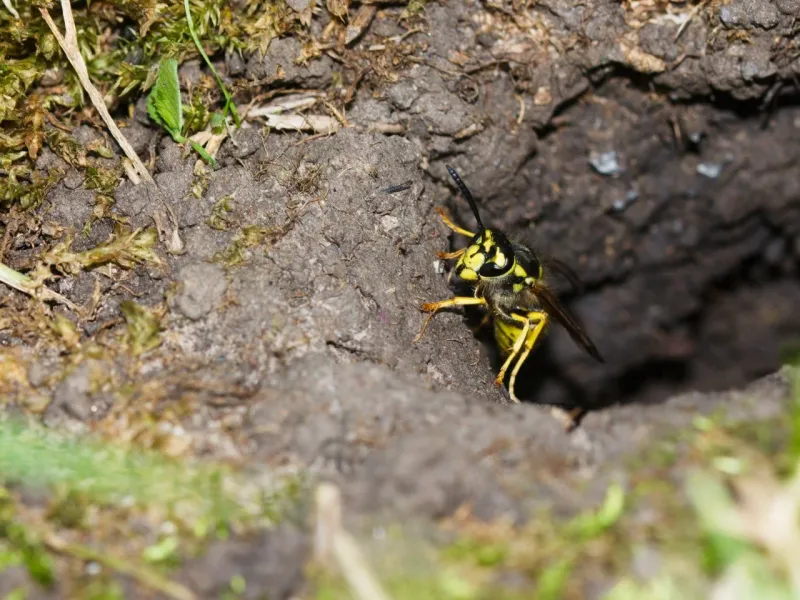
Low and slow flight near the ground is a different kind of yellow jacket behavior, and it deserves a closer look from a safe distance. When wasps fly just above the mulch, hug the soil surface, or disappear into gaps around raised-bed edging or old railroad ties, pay attention.
They may be navigating around a nest entrance rather than just passing through.
University extension guidance explains that yellow jackets nesting underground or in soil-level voids often create small entrance holes. These can look like nothing more than a gap in the dirt or a slight depression in the mulch.
A single wasp passing by means very little. A steady stream of wasps entering and leaving that same spot over several minutes is a meaningful pattern worth noting.
Keep children and pets away from any area where you notice this kind of low, repetitive flight traffic. Avoid running lawn mowers, leaf blowers, or garden tillers near suspected nest sites.
Even the vibration from a nearby tool can cause workers to emerge and defend the nest aggressively. Do not try to remove or block the entrance yourself.
Mark the general area so others know to avoid it. Contact a licensed pest professional if the location is near a path, play area, or space where people regularly walk or work.
Watching the pattern first is always the safest move.
5. Treat Late Summer Buzzing As A Nest Clue
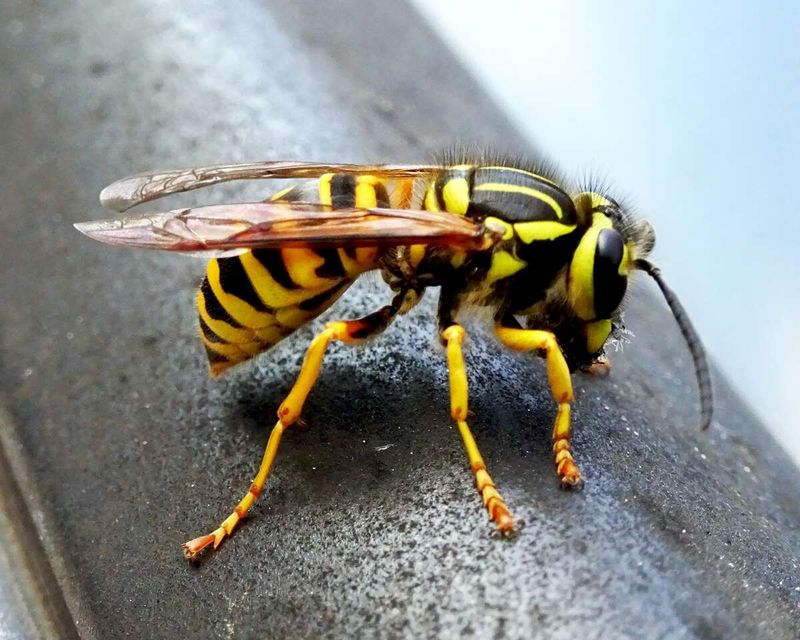
August and September bring a noticeable shift in yellow jacket behavior across Ohio. Colonies that started with just a few dozen workers in spring can swell to several thousand by late summer.
More workers means more foraging flights, more visible activity around gardens, and a higher chance of crossing paths with a nest you did not know was there.
Ohio State BYGL and university extension resources note that yellow jackets also shift their food preferences as the season changes. Early in the year, they focus heavily on protein to feed developing larvae.
By late summer, workers shift toward carbohydrates, which is why they become more aggressive around sweet drinks, ripe fruit, and open food at outdoor gatherings. A garden bed full of ripening produce becomes even more attractive during this window.
Sudden increases in yellow jacket buzzing near a specific bed in late summer can be a clue that a nearby colony has grown large enough to expand its foraging range.
It does not automatically mean there is a nest inside the bed, but it is worth checking from a safe distance.
Be extra careful when harvesting, weeding, or working near compost during this period. Cover outdoor drinks and food, seal trash cans tightly, and stay alert to low flight patterns that might point toward a nest entrance nearby.
6. Clean Up Sweet Spills And Scraps Fast
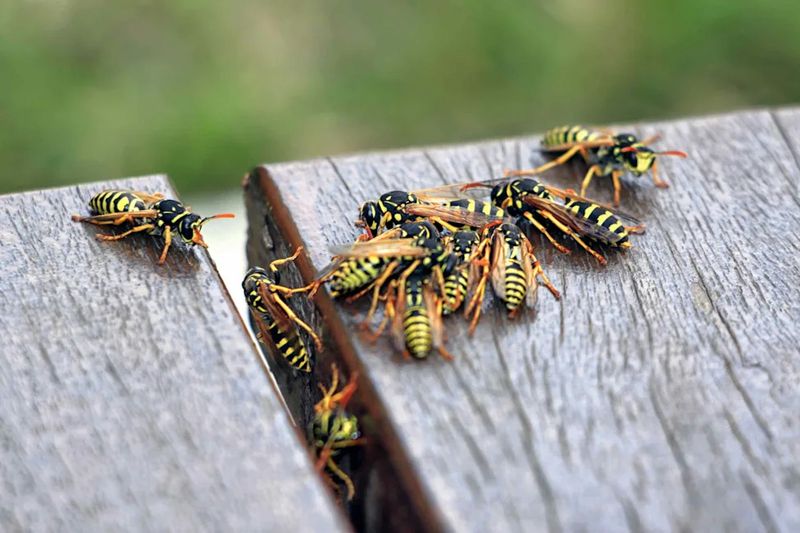
A drip of fruit punch on the patio table. An open soda can left near the garden path.
A sticky barbecue sauce smear on the edge of a harvest basket. Each of these small oversights sends a clear signal to foraging yellow jackets, and they will follow that signal right into your garden space.
Sugary liquids and food scraps are among the fastest ways to create a repeat wasp problem near your beds.
Meat scraps are just as attractive as sweets. Yellow jackets actively seek protein, especially in midsummer when colonies are raising new workers.
Outdoor cookouts near the garden, pet food left in the yard, or open trash bags near the bed edge can all become feeding stops on a yellow jacket’s daily route. Once wasps find a reliable food spot, they return to it and recruit others.
Act fast after any outdoor meal or harvest session. Wipe down sticky surfaces with warm water, cover drinks when you are not actively sipping them, and move food indoors as soon as possible.
Seal trash cans with tight-fitting lids and keep them away from garden beds. Remove pet food bowls after feeding.
If you use outdoor harvest baskets, rinse them before storing near the garden. None of these steps require any special products.
Consistency matters more than anything else when removing food temptations before yellow jackets build a habit around your space.
7. Protect Pollinators While Reducing Wasp Trouble
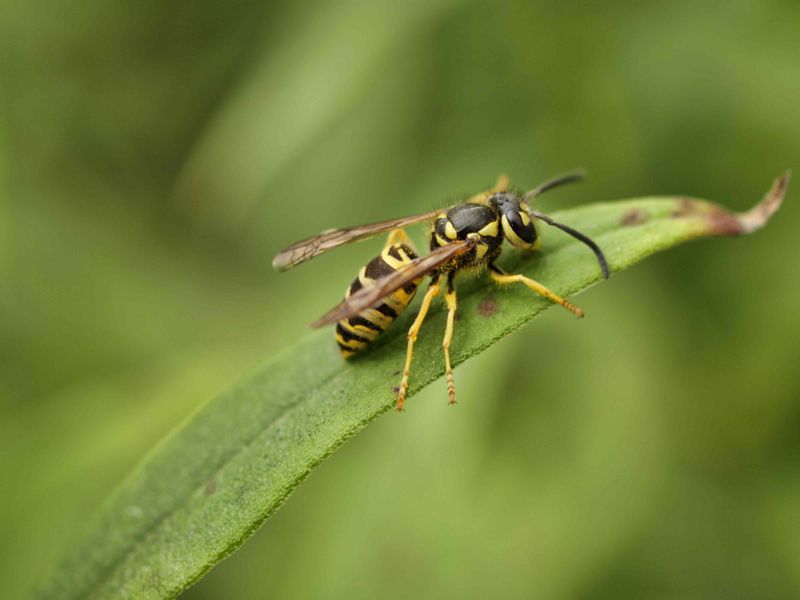
Reaching for a can of spray the moment you see yellow jackets in your Ohio garden can feel like the obvious answer. Broad pesticide use over flower beds or vegetable patches can harm the insects you actually want around.
Honeybees, native bees, butterflies, and beneficial predatory insects can all be affected when insecticides are applied carelessly over blooming plants or soil.
Yellow jackets are wasps, not bees, and they do play a role in the garden ecosystem. They hunt soft-bodied insects including caterpillars and aphids, which can actually benefit garden plants.
OSU Extension and university entomology resources point out that yellow jackets are not purely destructive. Their nest-defense behavior near people still creates real safety concerns.
The goal is not to eliminate every wasp from the garden but to address the specific problem causing repeated appearances.
Targeted sanitation, careful observation, and professional help for problem nests are the approaches most aligned with responsible garden management.
Avoid spraying flowering plants or open soil with broad-spectrum insecticides unless guided by a licensed pest professional with specific knowledge of your situation.
When a nest needs to be removed, a professional can treat the target site with much more precision than a blanket spray ever could. Protecting your pollinators and addressing a wasp problem are not opposing goals.
With thoughtful action, you can do both at the same time.
8. Call A Pro When The Nest Is Too Close
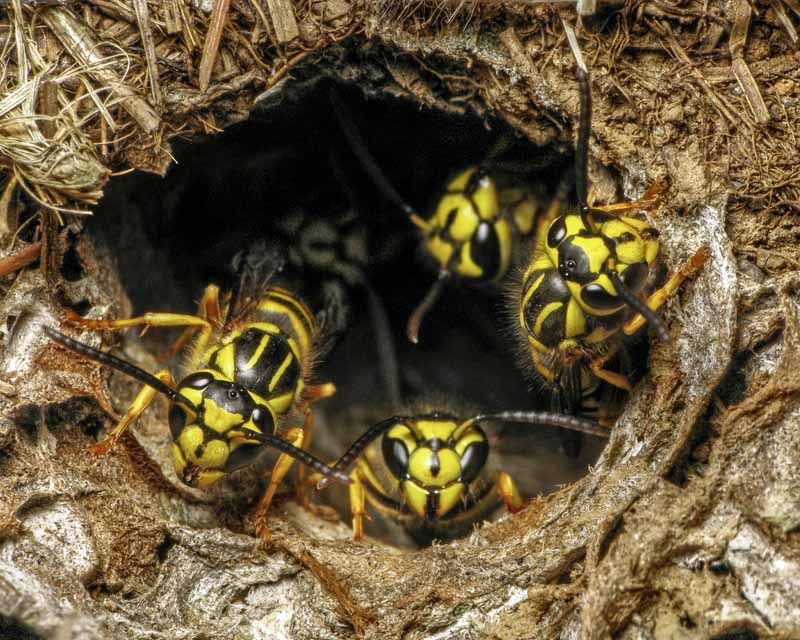
Repeated yellow jacket appearances in one specific garden bed, day after day, can mean the colony is close enough to affect your normal routine. A nest near a vegetable bed, compost bin, or daily walking path is a serious safety concern.
That is especially true when children and pets use the area regularly.
Local pest guidance consistently advises homeowners to contact a licensed pest management professional. That is especially important when a yellow jacket nest is located in or near a high-traffic area.
Professionals have the training, protective equipment, and approved products to treat nests safely and effectively. Attempting to remove a nest without proper training carries a serious risk of defensive stinging.
That risk is especially high with a ground nest that may house thousands of workers.
People with known allergies to insect stings should avoid the area entirely and follow their doctor’s guidance. Even people without known allergies can experience a serious reaction from multiple stings, so caution is always the right call near a suspected nest.
The pattern you have been watching in your garden bed is actually your best tool. Note where the activity concentrates, what time of day it peaks, and how close it is to spaces people use.
Share that information with a professional so they can assess the situation accurately. Observe the pattern, remove food sources, avoid disturbing the area, and get expert help when the nest is too close to ignore.