What It Means When You See A Curve-Billed Thrasher In Your Texas Yard
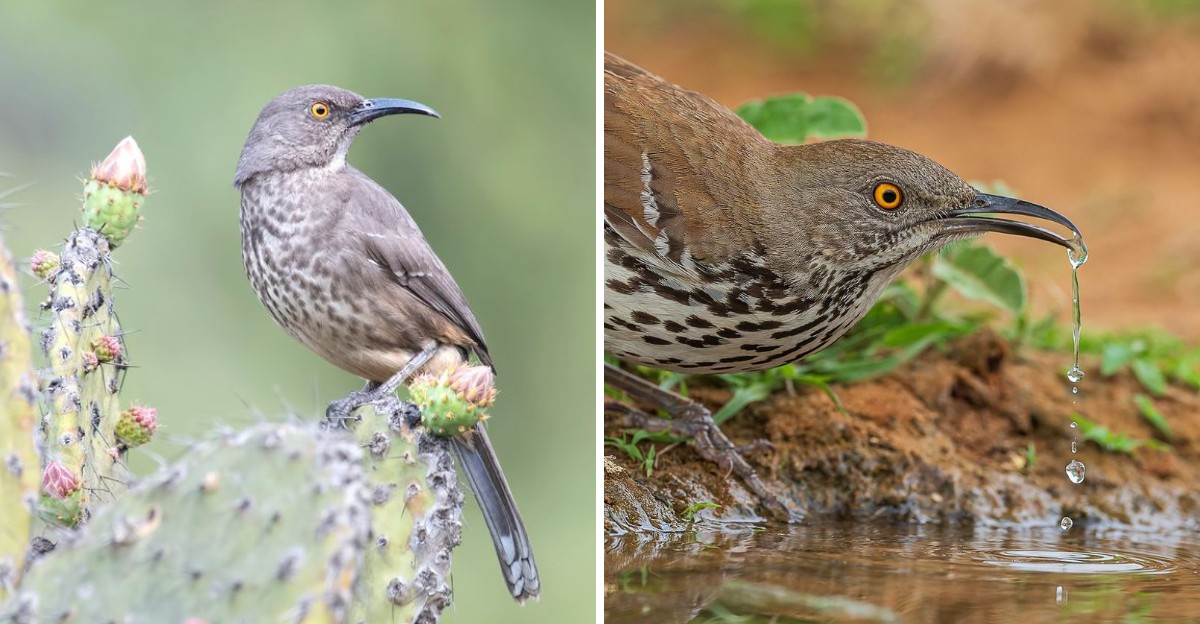
Few birds stare back quite like this one. Its bright orange eyes look almost fierce, and its long, curved bill seems built for serious business.
If a curve-billed thrasher has been poking around your Texas yard, you’ve got a pretty unique visitor.
These birds are right at home in the dry brushlands of South and West Texas. Cactus, mesquite, and thorny shrubs are their kind of territory.
They’re not just passing through, either. Unlike many backyard birds, they stay put all year.
You might hear one before you spot it. Its sharp, two-note whistle carries across the neighborhood, especially in the early morning.
A thrasher showing up isn’t random. It usually points to something your yard is offering, from hidden insects in the soil to the right kind of plants for shelter and nesting.
1. You’re Living Right In Its Year-Round Home Range
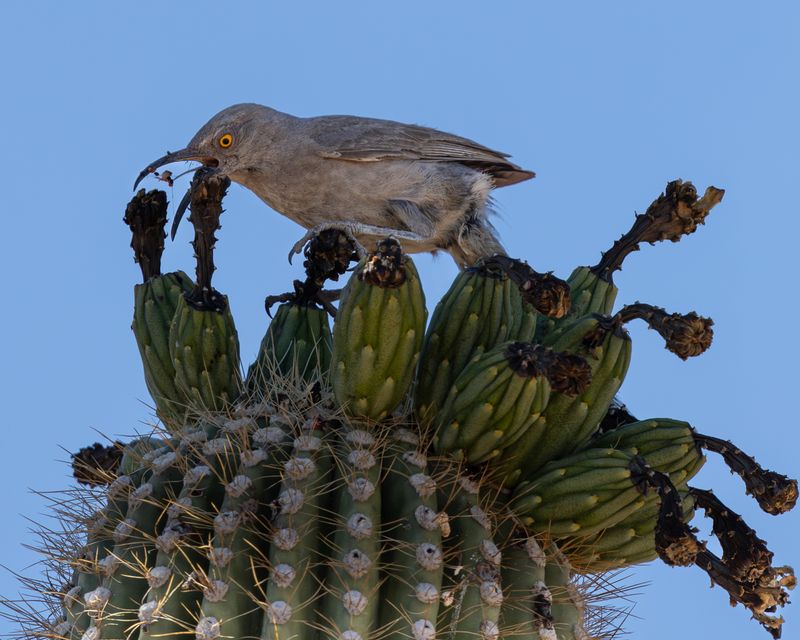
Good news, Texan! You share your street with a bird that never packs its bags. The curve-billed thrasher lives in South and West Texas all year long.
Many birds fly south for winter and north for summer. Hummingbirds, warblers, and some hawks travel hundreds or even thousands of miles each year.
The thrasher skips all that. It stays put through hot summers, cool winters, and everything in between.
So what does that mean for you? The bird you see in your yard is most likely a local. It is not just resting on a long trip. It probably lives close by, and it may visit again and again for years.
That makes the thrasher a great bird to get to know. You can learn its habits, its favorite spots, and even the times of day it likes to show up.
Some families give their regular thrasher a nickname. Why not? It is basically part of the neighborhood.
Its range covers places like San Antonio, Laredo, Del Rio, Midland, and El Paso. It also stretches into New Mexico, Arizona, and much of Mexico. In East Texas, where it is wetter and greener, you will rarely see one.
Here is a fun tip. Keep a simple bird notebook by your window. Write down the date, the time, and what the thrasher was doing.
After a few months, you will start to notice patterns. You might see it more in the morning or after a rain.
Did you know? Bird watchers call birds that stay in one area all year permanent residents. Your thrasher is one of them, and it is a friendly reminder that you live in a special part of Texas.
2. Your Yard Offers A Desert-Style Hideout
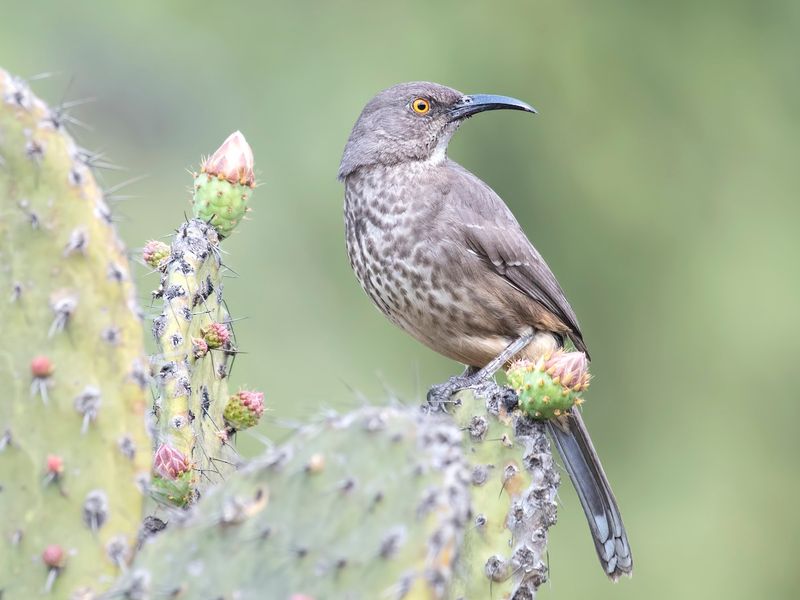
Cactus, thorns, and dusty ground might not sound cozy to you. To a curve-billed thrasher, though, it sounds like the perfect home. The bird loves dry, open places full of prickly plants.
Out in the wild, it lives in deserts, brushy ranch land, and scrubby hills. It likes mesquite trees, cholla, prickly pear, yucca, and thorny bushes like catclaw. These plants give it shade, safe places to hide, and spots to find food.
Your Texas Garden Changes Every Week. Your Plan Should Too.
Gardening in Texas changes quickly throughout the season. Every Friday you’ll receive a simple weekly plan showing exactly what to plant, prune, fertilize, harvest, and protect so you never miss the right timing.
When a thrasher picks your yard, it is giving your landscape a thumbs up. Your space, or the land around it, probably has the brushy cover it needs. Even a few cactus plants in a front bed can be enough to catch its eye.
Want to make your yard even better for it? Try planting native Texas plants. Some great picks include:
Prickly pear cactus, Texas sage, agarita, and desert willow. All of them handle heat well and need little water once they settle in.
Native plants are good for your wallet, too. They need less watering than a big green lawn. They also bring in bees, butterflies, and lizards, which makes your yard feel alive.
Leave a little open, bare ground as well. Thrashers like to walk and run across open spots between plants. A yard covered wall to wall in thick grass is less useful to them.
One more idea is to skip heavy trimming on thorny shrubs. A messy, natural look gives birds more places to rest and hide from hawks and cats.
In short, a thrasher visit is a sign that your yard feels like a little piece of the Texas desert. That is something to be proud of.
3. A Nest Could Be Hiding Close By
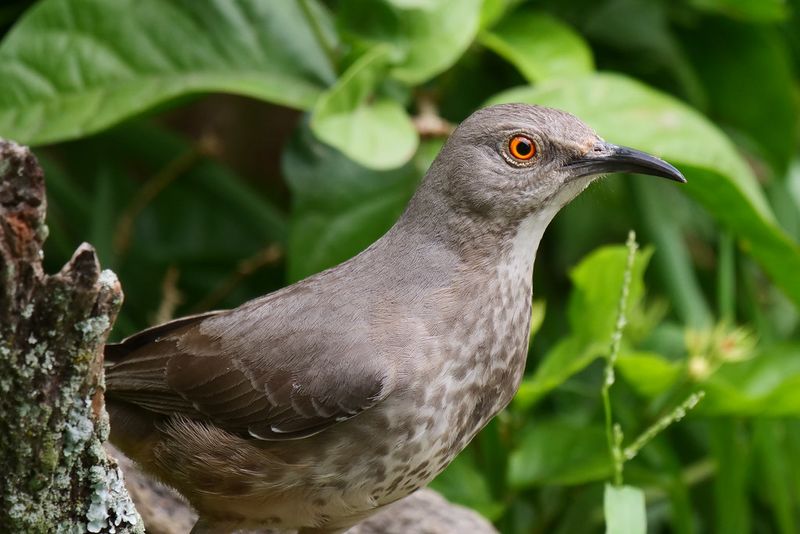
Talk about a tough neighborhood! Curve-billed thrashers often build their nests right inside cholla or prickly pear cactus. The sharp spines work like a fence that keeps snakes, cats, and other hungry animals away.
The nest is a loose cup made of thorny twigs. Inside, the parents line it with soft grass, feathers, and hair. The mother usually lays two to four pale blue-green eggs with tiny brown dots.
Both parents pitch in. They take turns sitting on the eggs, and later they both bring food to the chicks. The babies hatch in about two weeks and leave the nest a couple of weeks after that.
Here is the cool part. Thrashers can raise more than one family in a single year. Nesting can start as early as February and keep going into summer.
So if you keep seeing a thrasher flying back and forth with bugs in its bill, pay attention. It is probably feeding babies close by. A bird carrying twigs in early spring is another big clue.
If you find a nest, be a good neighbor. Keep your distance and watch from far away, maybe with binoculars. Getting too close can stress the parents, and it could lead predators right to the spot.
Try to hold off on trimming cactus and shrubs during spring and early summer. You could accidentally damage a nest that you never noticed.
Keeping pet cats indoors helps a lot, too. Young thrashers spend a few days hopping on the ground before they fly well.
Fun fact: thrashers sometimes reuse or fix up old nests. Your cactus might host the same family year after year.
4. Bug Hunting Is Happening In Your Soil
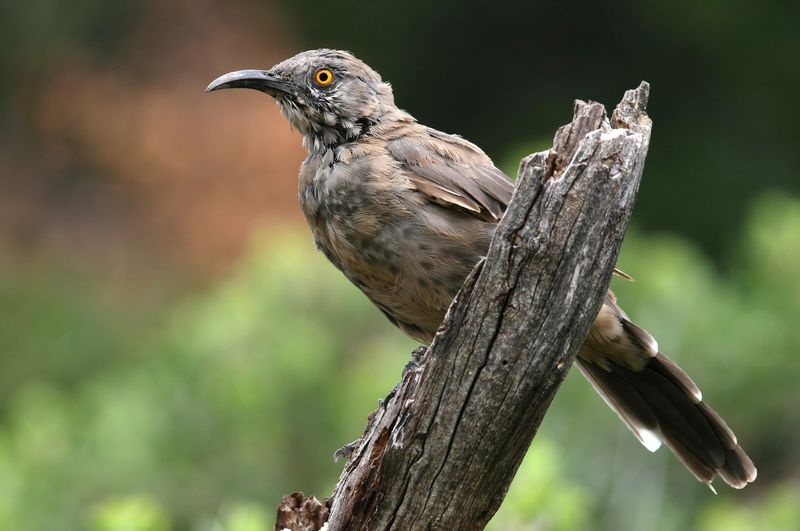
Flick, flick, dig! Watch a thrasher for a few minutes and you will see it toss dirt and leaves like a tiny gardener in a hurry. That long, curved bill is its favorite tool.
The bird uses it to swing soil aside and flip over leaves, twigs, and small rocks. It is searching for a meal hiding just under the surface. Its menu includes beetles, grubs, ants, caterpillars, spiders, and other small critters.
That makes the thrasher a free pest control helper. Many of the bugs it eats can chew up plants or roots. Grubs, for example, can ruin patches of grass and garden beds.
You can help your feathered helper do its job. Start by cutting back on bug sprays and chemicals. Those products can make bugs unsafe for birds to eat, and they also remove the food the thrasher needs.
Next, leave some leaf litter under shrubs. A thin layer of fallen leaves is like a snack pantry for insect-eating birds. It also keeps moisture in the soil, which your plants will love.
A simple mulch of wood chips can work the same way. Bugs live under it, and thrashers know exactly where to look.
Don’t be surprised if you find little holes or scattered dirt in your beds. That is just the bird at work. It usually does no real harm, and the soil gets a little stirred up in the process.
Here is a neat detail. The bird’s name comes from the way it thrashes through ground cover. Once you see it in action, the name makes perfect sense.
5. Fruit, Seeds, Or A Cool Drink Brought It Over
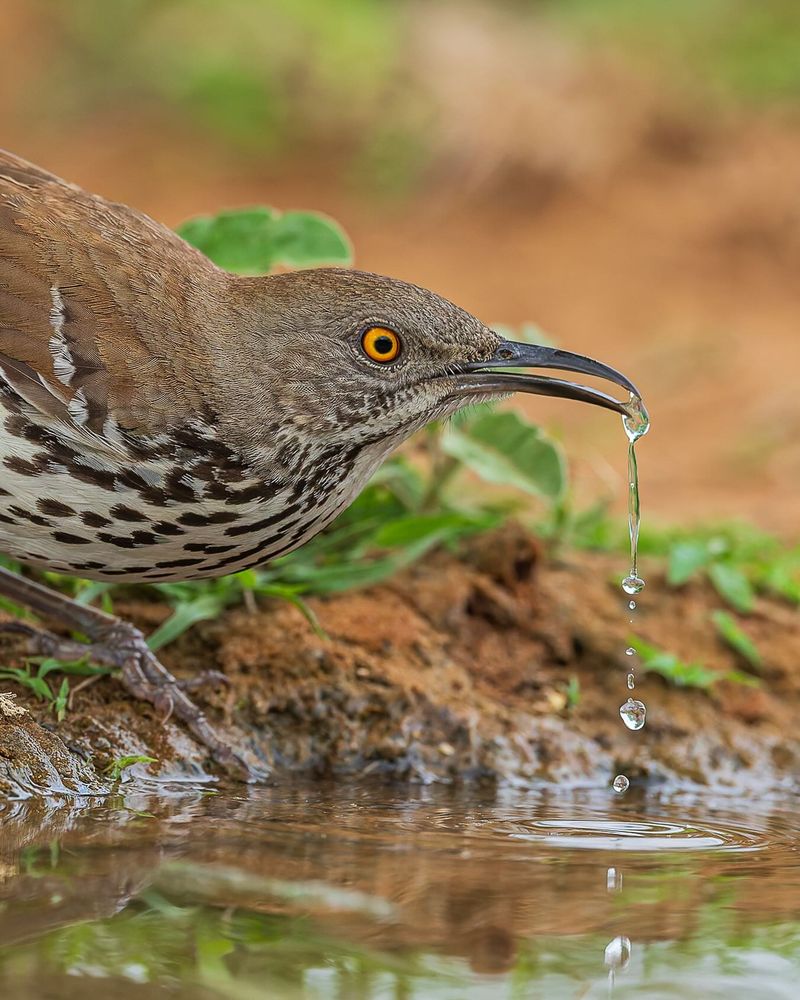
Summer in Texas is no joke. When the sun bakes the ground and the rain stays away, every creature goes looking for a sip of water. The curve-billed thrasher is no different.
Bugs are only part of its diet. The thrasher also eats cactus fruit, berries, and seeds. The bright red fruits of prickly pear, called tunas, are a big favorite in late summer.
Many thrashers will also stop by backyard feeders. They often feed on the ground below, picking up seeds other birds drop. Sunflower chips, cracked corn, and mixed seed can all draw them in.
Still, water may be the best gift you can offer. A clean birdbath can turn your yard into a hot spot during dry weeks. Follow these easy tips:
Pick a shallow bath, about one to two inches deep. Place it near shrubs so birds can hide fast if a hawk flies over. Change the water every day or two to keep it fresh and free of mosquitoes.
A dripper or small fountain works wonders, too. Birds notice the sound and sparkle of moving water from far away.
If you have room, plant fruit-bearing natives. Agarita, Texas persimmon, and hackberry all make tasty treats for thrashers and other birds.
Keep your feeders clean as well. Scrub them every couple of weeks with warm, soapy water and let them dry. Moldy seed can make birds sick.
Did you know? Thrashers get some of their water from juicy fruit. Still, a birdbath gives them a big boost when the heat climbs past 100 degrees.
6. Your Yard Is Now Part Of Its Turf
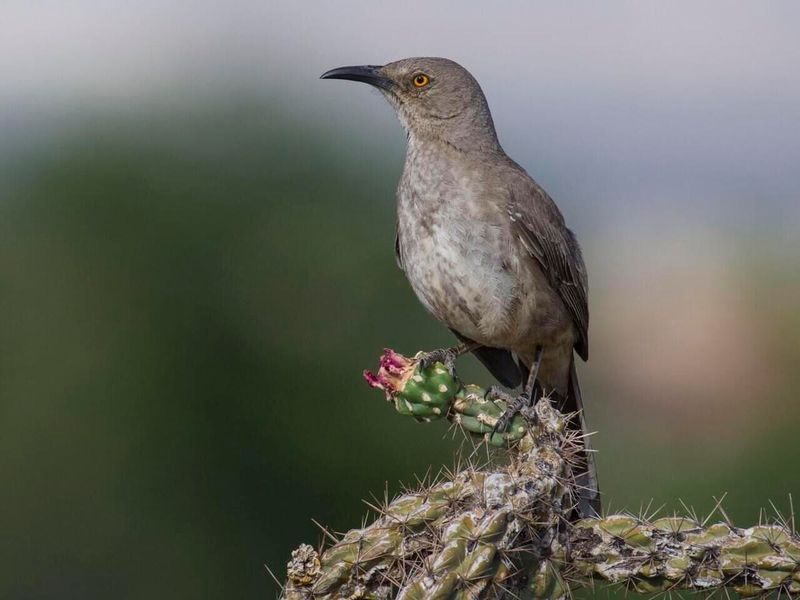
Whit-wheet! If you live in South or West Texas, you have almost surely heard it. The sharp, two-note whistle sounds a lot like someone calling a dog. It is one of the most familiar sounds in desert neighborhoods.
That call is more than just noise. It is the thrasher saying, loud and clear, that this space belongs to it. Pairs often stay together on the same territory all year long.
They guard it from other thrashers, too. You might see two birds chasing each other through the bushes or facing off on a fence. It can look dramatic, but it is simply how they protect their food and nesting spots.
Beyond the whistle, the thrasher also sings a long, rich song. It is full of warbles and trills, and it can last for several minutes. Males often sing from high perches like rooftops, poles, or the tops of cactus.
So when a thrasher calls from your yard every morning, take it as a compliment. The bird has decided your place is worth defending.
You are officially part of its home. Want to enjoy the show? Here are a few ideas.
Step outside early in the morning, when birds are the most active. Listen for the whistle, then look for a gray bird on a high spot. Try recording its song on your phone so you can compare it over the seasons.
Fun fact: thrashers are relatives of mockingbirds. Like their famous cousins, they sometimes copy the sounds of other birds.
Having a steady singer next door is a small joy. Treat it well, and it may keep whistling for years.