What To Know Before Adding Microclover To A Georgia Lawn This Fall
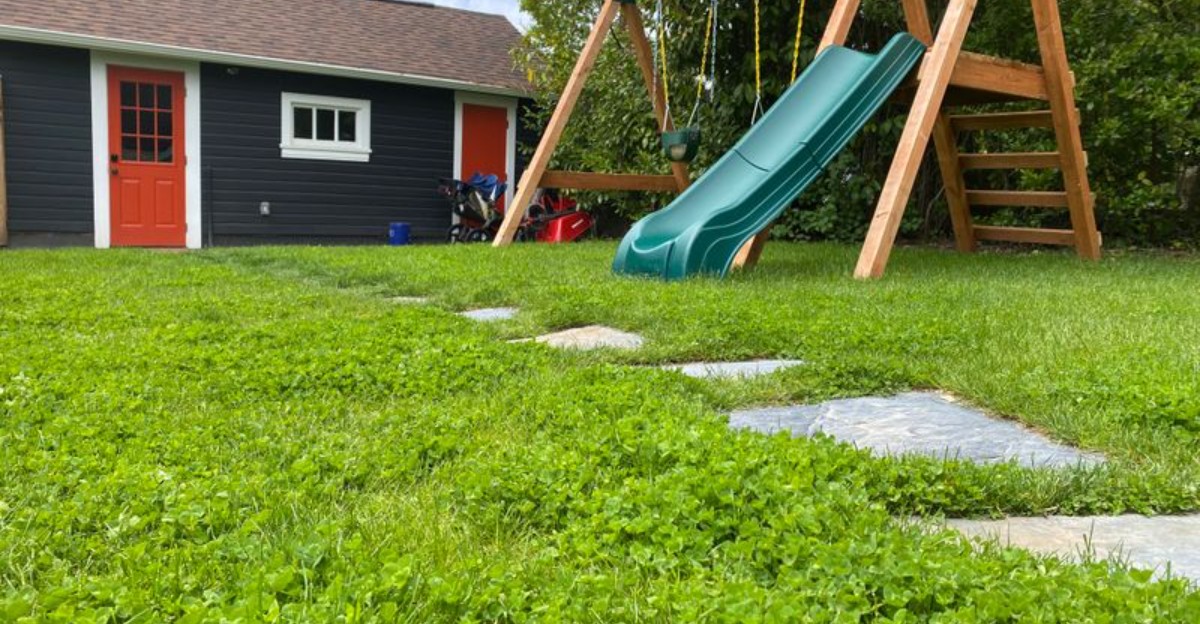
Seeing a neighbor’s lawn stay green with barely any fertilizer can make microclover sound like an easy upgrade.
It stays low and can pull some of its own nitrogen from the air, which reduces feeding. Those benefits are real, but they depend on what your lawn already looks like.
Mixing it into some grass types common in Georgia works far better than mixing it into others.
Plenty of homeowners overseed it in fall without checking whether it fits their turf or their weed control routine. That second part matters, because many common lawn products are designed to remove clover.
A few minutes of planning now can save you from a patchy result next spring.
Take a close look at what grass you are growing and what you spray on it.
1. Lower Fertilizer Needs Explain Much Of Its Appeal
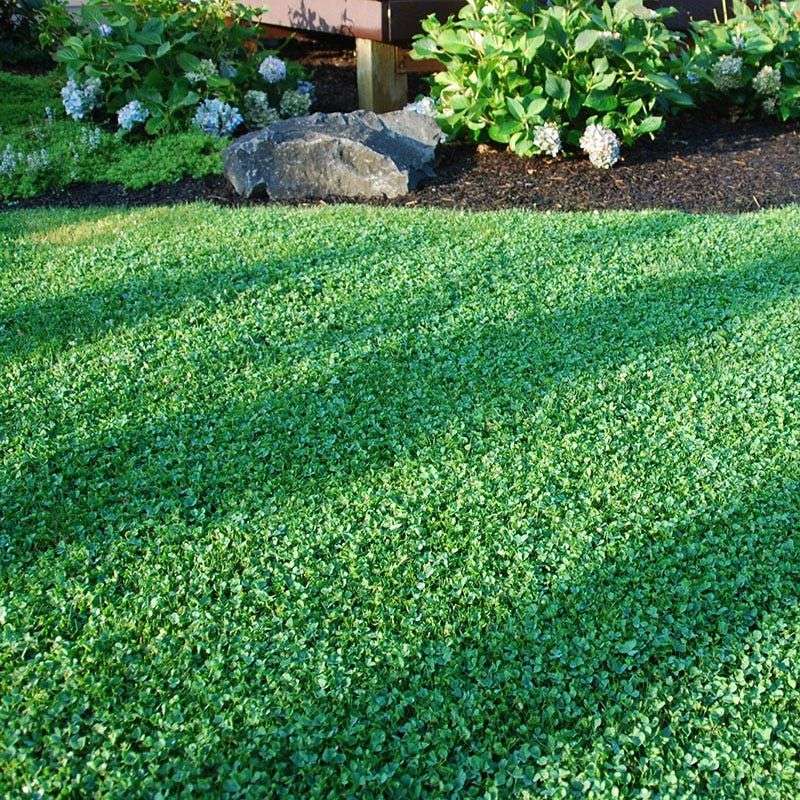
Clover can help feed your lawn, and that ability is the main reason people get excited about it. Like other legumes, it works with soil bacteria that pull nitrogen from the air and store it in the roots.
Over time, some of that nitrogen becomes available to the grass growing nearby.
Homeowners often notice that a lawn mixed with clover stays greener with fewer fertilizer bags. That can mean lower costs and less runoff washing into storm drains after heavy rain.
Results do vary quite a bit, though, depending on soil health, clover density, and how much grass you have.
A thin scattering of clover will not replace a full feeding program, so you may still need some fertilizer. A lawn with steady, even coverage tends to see a bigger difference over a few seasons.
In Georgia, red clay soils are often acidic, and clover generally grows better closer to neutral pH.
A soil test through your county Extension office is cheap and tells you whether lime would help. Getting that number before seeding gives the clover a fairer chance to do its job.
Go easy on high-nitrogen fertilizer once clover is growing, since heavy feeding can push grass to crowd it out. A lighter hand usually keeps both plants in better balance.
2. It’s White Clover, Bred For Smaller Leaves And Lower Growth

Despite the trendy name, microclover is not a brand-new plant. It is a selection of white clover, Trifolium repens, chosen for small leaves and a low, tight growth habit.
Varieties such as Pipolina and Pirouette are common names you may see on seed bags.
Compared with standard Dutch white clover, the leaves are noticeably smaller and tend to sit lower in the turf. Regular mowing can make those leaves even tinier, which helps them blend with grass blades.
Microclover still flowers, though often less heavily than common white clover in a mowed lawn.
Expect it to spread by creeping stems along the soil surface. That habit helps it fill thin spots, but it can also wander into flower beds if edges are left open.
Seed tends to cost more than ordinary white clover, so check the label for the actual variety name.
Your Georgia Garden Changes Every Week. Your Plan Should Too.
Gardening in Georgia changes quickly throughout the season. Every Friday you’ll receive a simple weekly plan showing exactly what to plant, prune, fertilize, harvest, and protect so you never miss the right timing.
Some sellers in Georgia and online may use the word micro loosely for mixes that include larger types. Reading the fine print helps you get the small-leaved look you are paying for.
Keep expectations grounded, since it is still clover and will act like clover in your yard. It can look patchy in some seasons and full in others.
3. Cool-Season Lawns Are Generally A Better Match For Microclover
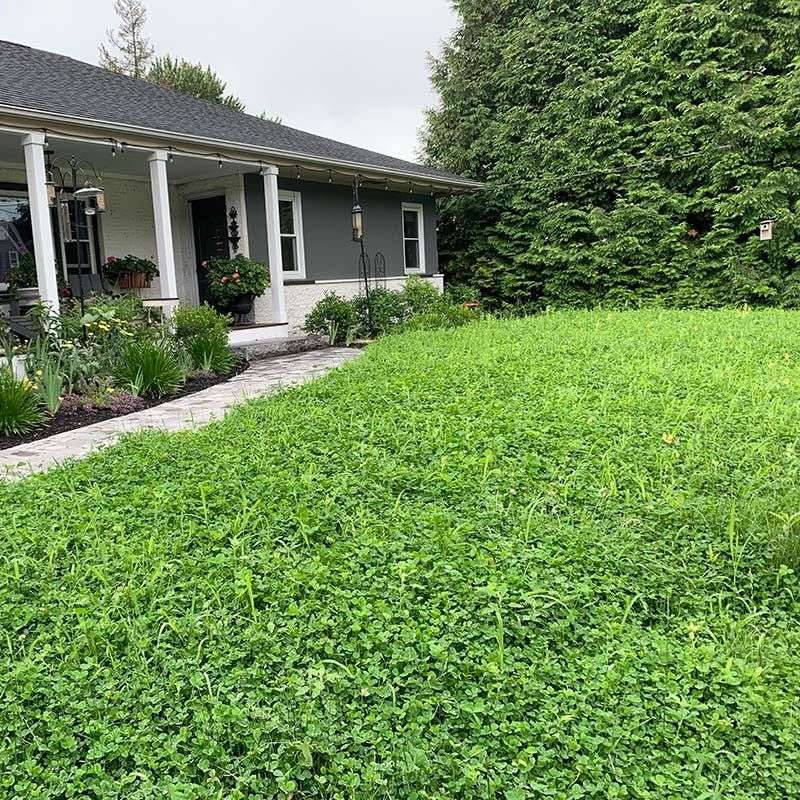
Grass type might matter more than anything else on this list. Microclover was largely developed for cool-season turf, and it tends to pair best with tall fescue or similar grasses.
Those grasses grow most actively in fall and spring, which lines up nicely with clover’s own growth.
North Georgia, including the mountains and parts of the Atlanta area, has many fescue lawns. Homeowners there usually have an easier time keeping clover in the mix.
Warm-season grasses tell a different story.
Bermuda, zoysia, St. Augustine, and centipede grow thick in summer and slow down when it cools off. Clover seeded into them in fall may grow through winter, then get crowded once the grass wakes up.
Some people still try it in bermuda lawns, and results range from decent to disappointing.
If you have a warm-season lawn, start with a small test patch rather than seeding the whole yard. Watching one area for a full year shows how it handles your conditions.
Timing helps fescue lawns too, with seeding often done from about mid-September through October. Pairing clover with a fall fescue overseeding job can save you a separate trip with the spreader.
4. Summer Heat And Humidity Can Make Performance Less Reliable
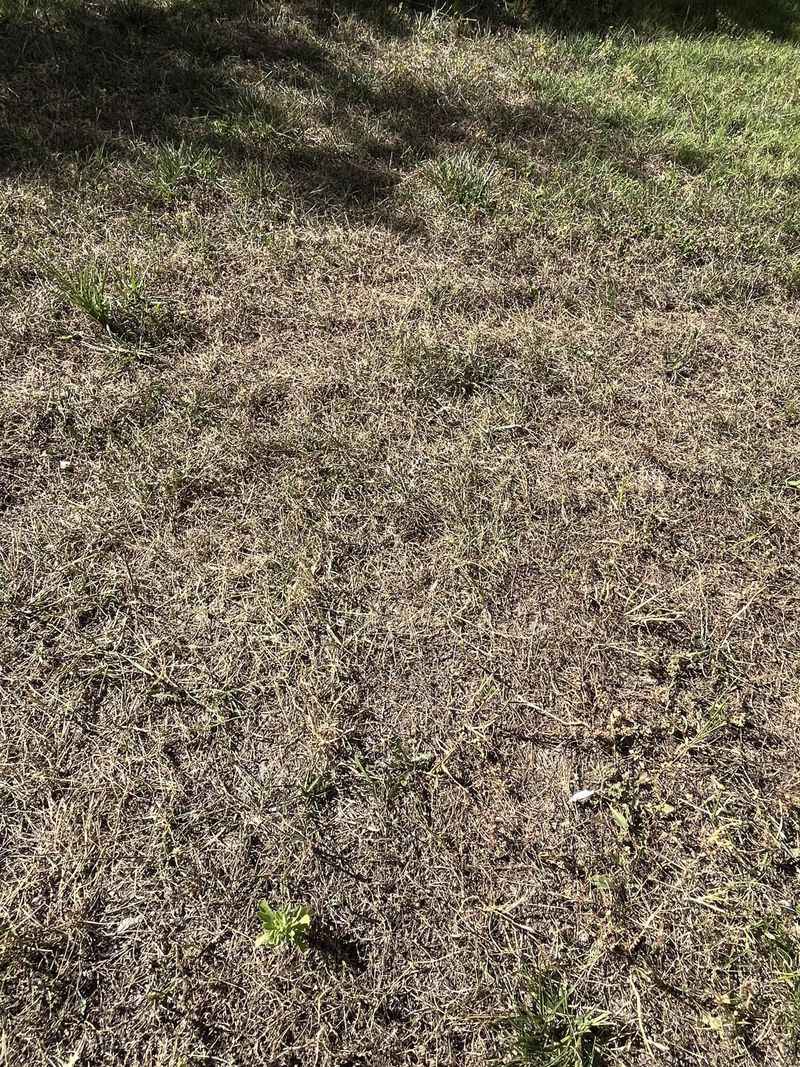
July in the South can humble even tough plants. White clover generally prefers mild temperatures, and long stretches of heat can leave it thin or patchy.
High humidity adds another layer of trouble by encouraging leaf diseases in crowded, damp turf.
Gardeners in south and middle Georgia often see more summer stress than those in cooler mountain areas.
Dry spells make things harder because clover roots are fairly shallow. Without rain or watering, the plants may go dormant and look ragged until cooler weather returns.
Some clover often bounces back in fall, but a portion may not, depending on soil moisture and shade.
Light afternoon shade can help it cope with heat, as long as the spot still gets several hours of sun. Watering deeply once or twice a week tends to work better than frequent quick sprinkles.
Raising your mower height during summer can shade the soil and keep it cooler.
You may need to reseed thin spots every year or two to keep coverage steady. Planning a small budget for touch-ups makes that chore feel less like a surprise.
5. Broadleaf Weed Sprays Can Eliminate It Along With The Weeds
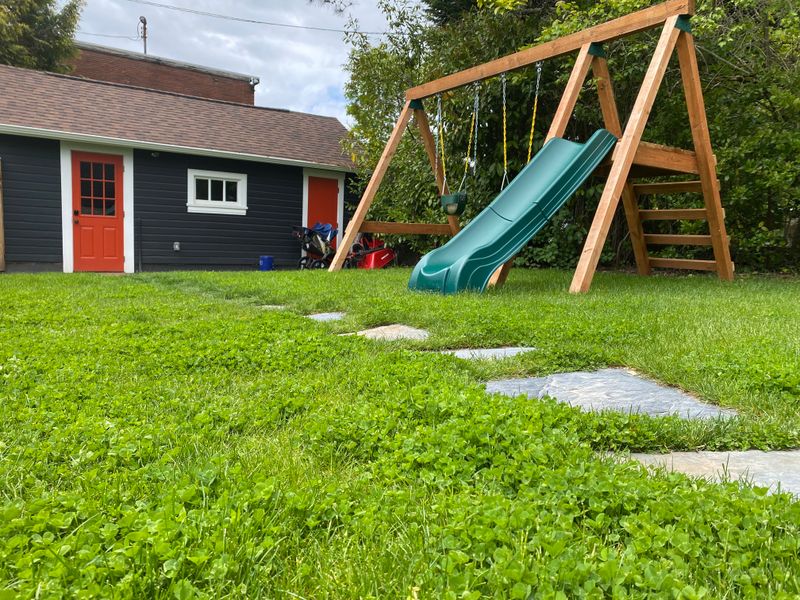
Your favorite weed spray could undo all your seeding work. Most broadleaf herbicides sold for lawns target clover, since it has long been treated as a weed.
Products with ingredients like 2,4-D, dicamba, or triclopyr often harm clover badly.
Weed-and-feed fertilizers can cause the same problem, and they are easy to apply without thinking twice. Check every lawn product label before you spread it on a clover lawn.
Lawn care companies may spray broadleaf control as part of a standard plan.
If you hire a service in Georgia, tell them clearly that you planted clover on purpose. Asking for spot treatment or a clover-safe program can protect your investment.
Pulling weeds by hand is slower, but it keeps the clover safe.
Preemergent products also deserve care around seeding time, because some can stop new clover seed from sprouting. Read the label for reseeding intervals, which often run several weeks or longer.
Accepting a few weeds may become part of the deal with a clover lawn. A thicker mix of grass and clover often leaves less room for weeds over time anyway.
6. Blooms Attract Bees, So Barefoot Areas Need Some Thought
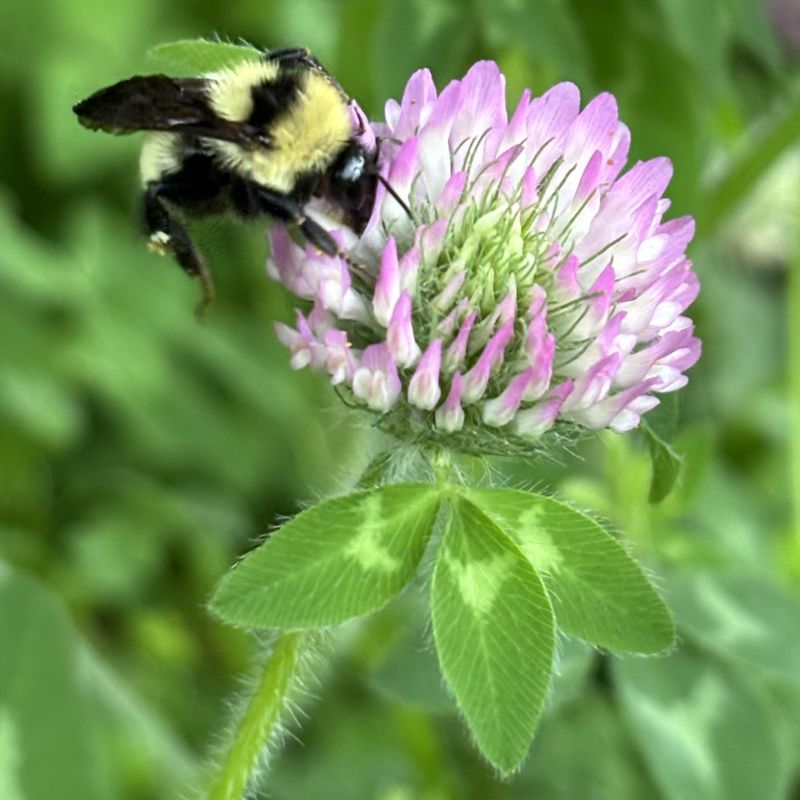
Picture a summer afternoon with kids running barefoot across the yard. Now add bees working small white flowers right under their feet, and you can see the concern.
Microclover usually blooms less than regular white clover, but it can still flower, especially in spring.
Pollinators benefit from those blooms, which is a big plus for many Georgia gardeners. Honeybees and native bees both visit clover flowers when they are open.
Stings can happen if someone steps on a bee, so play areas may need a different plan.
Mowing regularly during peak bloom can cut down the number of flowers. Mowing in the early morning or evening, when fewer bees are out, can feel safer for you too.
Some families keep clover in the front yard and leave pure grass where children play most.
Shoes help, of course, though kids may not wear them all the time. Anyone with a bee allergy should weigh this point carefully before seeding.
Leaving a corner unmowed for flowers is another option if you enjoy watching pollinators. That way, bees still get a meal while the busiest parts of the lawn stay low.
7. Seed Ratios Matter When Mixing Microclover Into Existing Turf
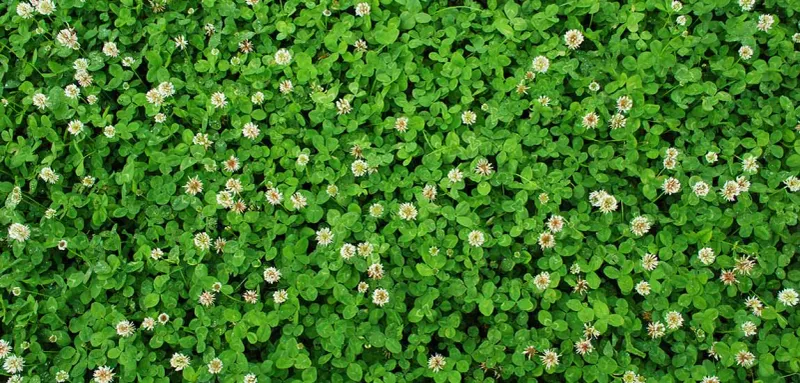
Too much seed is a common beginner mistake. A little microclover goes a long way, since the seeds are tiny and plants spread over time.
Many seed suppliers suggest only a few ounces to a pound or so per 1,000 square feet when overseeding.
Exact rates vary by brand, so follow the label on your bag rather than guessing.
Mixing clover seed with sand or fine soil helps you spread it evenly. Without that bulk, tiny seeds tend to land in clumps and leave gaps.
Preparing the lawn first makes a real difference for germination.
Mow the grass short and rake or core aerate so the seed reaches bare soil. Clover seed needs good soil contact and only a very light covering to sprout well.
Keep the seeded area moist for the first couple of weeks, watering lightly each day if rain is scarce.
Many Georgia homeowners aim for a lawn that is mostly grass with clover woven through it. A modest ratio, often somewhere around five to ten percent clover by seed weight in a mix, keeps grass in charge.
Start conservative, since adding more next fall is easier than fixing a yard overrun with clover.