What It Means When You See These Funnel Webs Creeping Across Your Pennsylvania Lawn
Your grass looks frosted, except it’s July and the dew burned off an hour ago. Look closer and you’ll spot dozens of shallow, funnel-shaped webs tucked between the blades.
Each one leads to a dark little tunnel where something is watching you watch it. Pennsylvania lawns turn into these miniature web cities almost overnight.
These structures belong to grass spiders, patient hunters that trade height for speed. Instead of waiting in a tall orb like their cousins, they crouch at the tunnel’s mouth and sprint out the instant a beetle or grasshopper stumbles across the silk.
Spotting a lawn full of funnels isn’t a sign something went wrong. It’s a signal your yard is quietly doing its job, feeding a food web most homeowners never think to look for.
Funnel Webs Signal Grass Spiders Are Active In Your Lawn
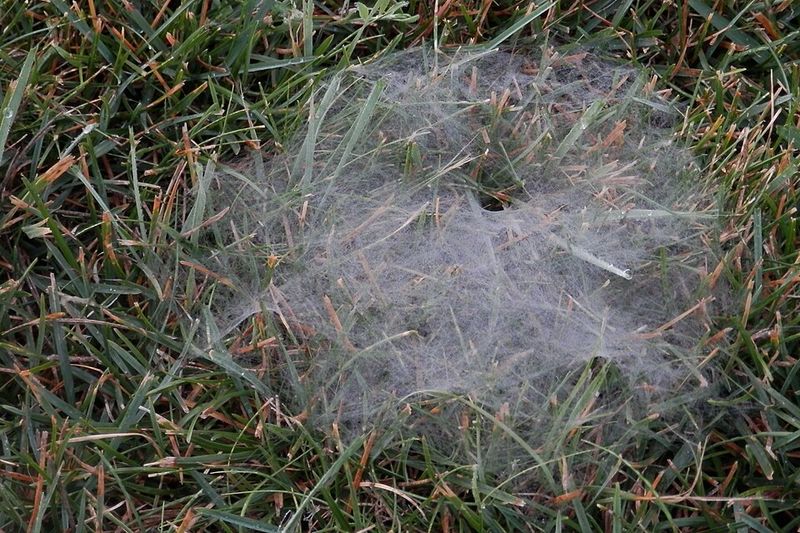
Spotting those flat, sheet-like webs across your lawn is not a bad sign. It actually means your yard is hosting a thriving population of grass spiders.
Grass spiders belong to the Agelenidae family. They are incredibly common across the eastern United States, including backyards all across the Keystone State.
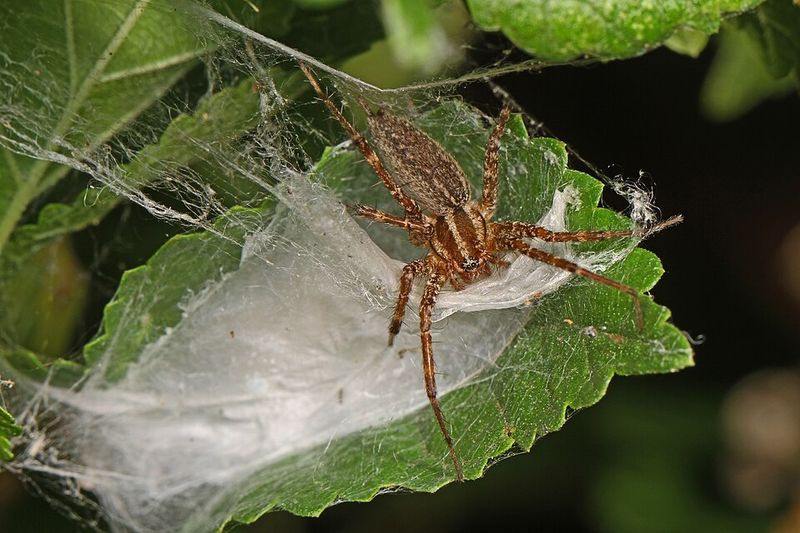
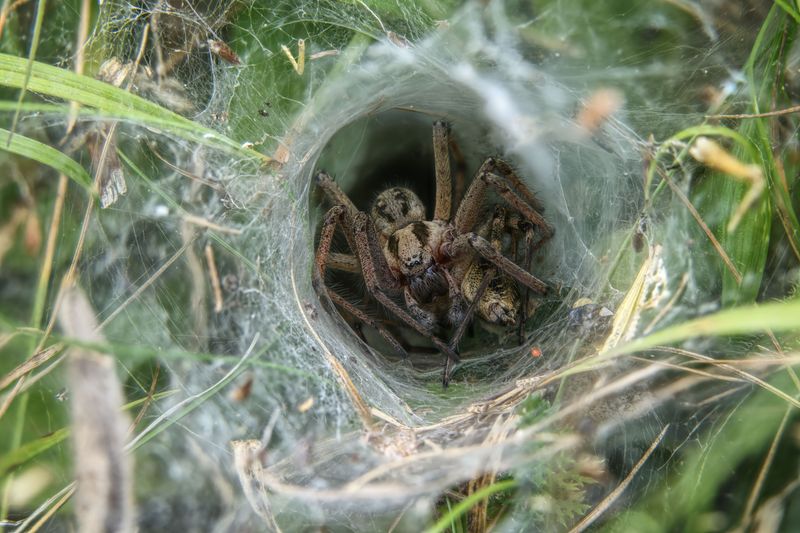
These funnel webs creeping across your Pennsylvania lawn are built as hunting tools. The flat sheet catches insects, and the funnel-shaped tube at one end is where the spider hides and waits.
When a bug stumbles onto the sheet, vibrations alert the spider instantly. It rushes out, grabs the prey, and retreats back into the funnel almost instantly.
Grass spiders are not wandering randomly through your yard. Each web represents a spider that has claimed a specific patch of ground as its territory.
You might notice dozens of webs appear overnight, especially after rain. Moisture makes the silk strands more visible, making it look like the population multiplied overnight.
The webs themselves are not sticky like a typical orb-weaver web. Instead, they rely on small trip lines above the sheet to knock flying insects down onto the surface below.
Seeing this activity means your lawn has healthy insect life supporting a full food chain. That is actually a sign of a balanced outdoor environment worth appreciating.
Most homeowners are surprised to learn these spiders are largely harmless neighbors. They are quietly doing pest control work every single night on your behalf.
Identifying The Spiders Behind These Web Patterns
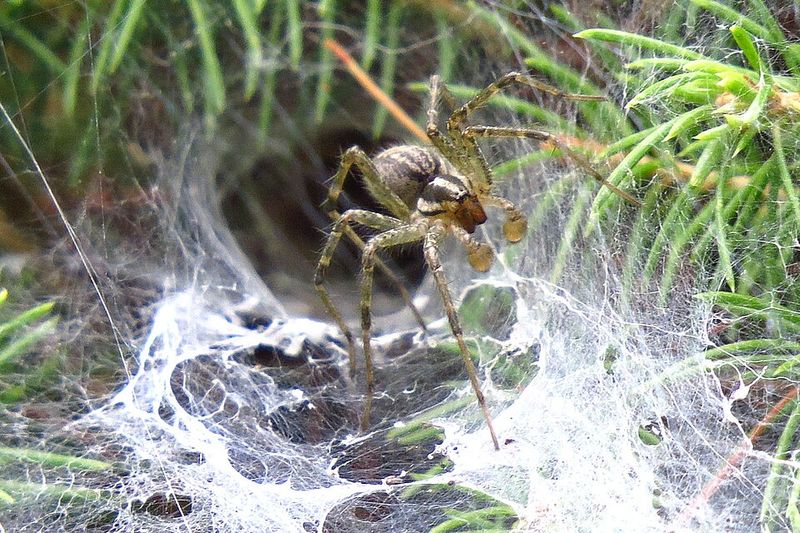
Not all lawn spiders look the same, but the ones building funnel webs have a very recognizable look. Learning to spot them makes the whole experience feel less unsettling and more fascinating.
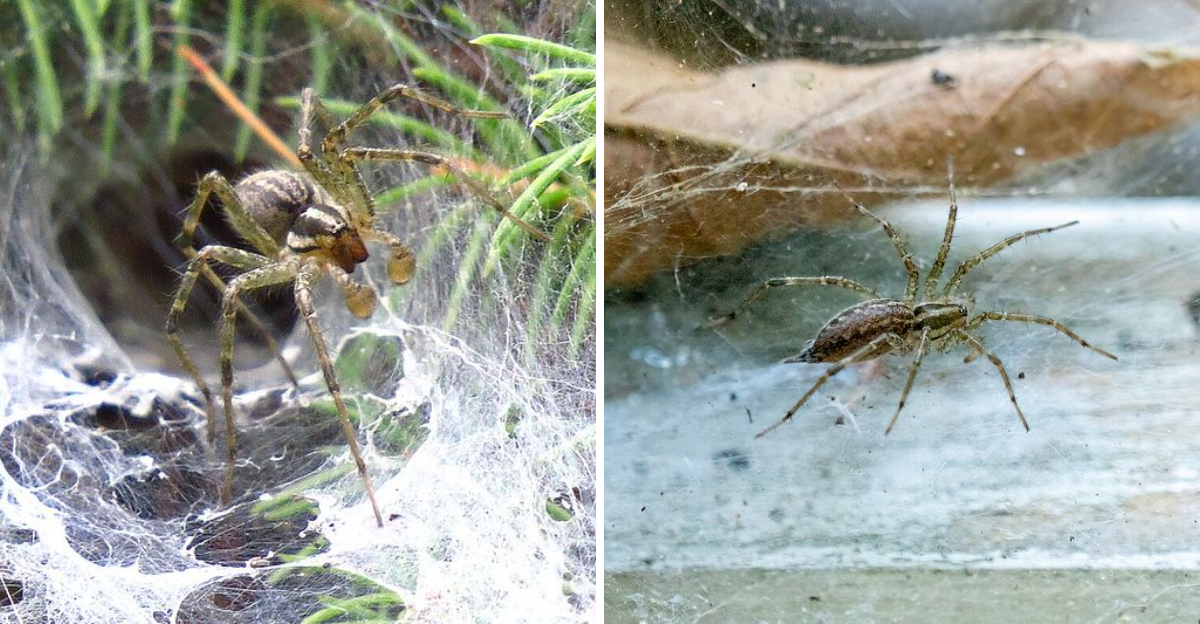
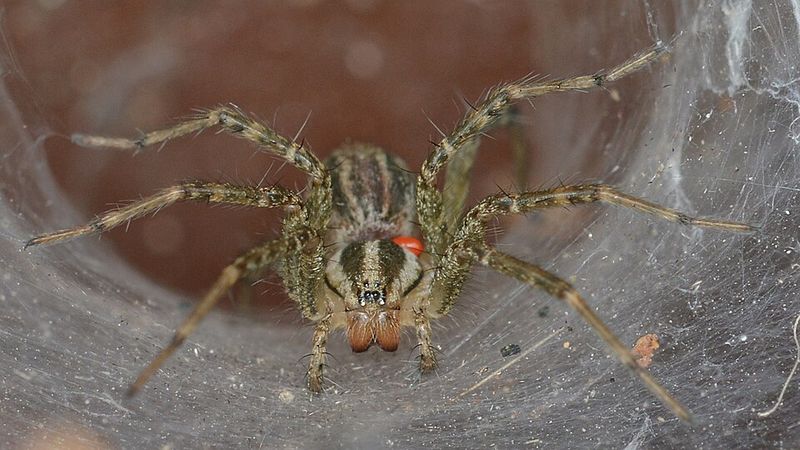
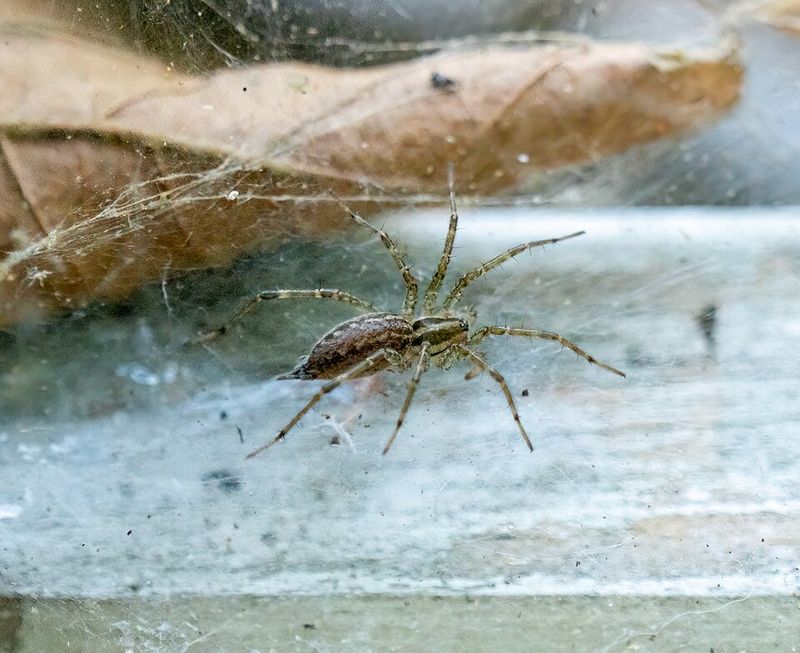
Grass spiders in the genus Agelenopsis are the main architects of funnel webs in lawns. They have brownish bodies with two dark stripes running down the top of their abdomen.
An adult grass spider typically measures between half an inch and three-quarters of an inch long. Their legs are noticeably long compared to the body, giving them a slightly lanky appearance.
Your Pennsylvania Garden Changes Every Week. Your Plan Should Too.
Gardening in Pennsylvania changes quickly throughout the season. Every Friday you’ll receive a simple weekly plan showing exactly what to plant, prune, fertilize, harvest, and protect so you never miss the right timing.
You will often spot them sitting right at the funnel opening, waiting patiently. They are quick movers, so if you approach, they dart back into the tube immediately.
These spiders have eight eyes arranged in two rows. Despite having so many eyes, their vision is not particularly sharp, so they rely heavily on vibration to sense the world.
One fun detail: grass spiders spin new webs frequently. Unlike some spiders that repair old webs, they often abandon a damaged one and build fresh.
A common mix-up is confusing grass spiders with wolf spiders. Wolf spiders do not build webs at all and are much bulkier with a rounder, stockier body shape.
Another look-alike is the nursery web spider, which builds protective structures for eggs rather than hunting webs. Knowing the difference helps you understand what behavior you are actually observing in your yard.
Grass spiders are harmless to handle, though they rarely stick around long enough for you to try.
These Webs Appear More Often In Late Summer
Late summer hits and suddenly your Pennsylvania lawn looks like a spider convention moved in. There is a very logical reason for this seasonal surge in web activity.
Grass spiders hatch in spring and spend months growing through several molts. By late summer, they have reached full adult size and are ready to breed.
Adult males begin wandering in search of females around August and September. This movement increases their visibility and makes it seem like the spider population surged overnight.
Females, meanwhile, are spinning their largest and most elaborate webs of the year. A mature female at peak size produces significantly more silk than a juvenile spider ever could.
Morning dew plays a starring role in making webs visible. Water droplets cling to the silk threads and catch the early light, turning invisible webs into sparkling displays across the grass.
Cooler nights in late summer cause more condensation to form. That means more dew, more visible webs, and more startled homeowners stepping outside in the morning.
Insect populations also peak in late summer. A high prey count means more spiders are well-fed, active, and motivated to maintain large, functional webs for hunting.
Shorter days signal to grass spiders that the season is ending. They ramp up feeding and mating activity before the first frost arrives and temperatures drop sharply.
This seasonal burst is temporary and natural. Within a few weeks of the first cold snap, adult spiders complete their life cycle and the web activity fades noticeably.
Are Funnel Web Spiders Harmful To People Or Pets
This is the question every parent and pet owner asks the moment they spot webs covering the lawn. The short answer is reassuring: grass spiders are not a serious threat.
North American grass spiders are not medically significant to humans. Their venom is designed to subdue small insects, not harm large mammals like dogs, cats, or people.
Technically, a grass spider can bite if it feels cornered or threatened. However, bites are rare, and reactions are typically mild, similar to a minor bee sting at most.
People with severe allergies to insect venom should still exercise caution around any spider. When in doubt, consulting a doctor after any bite is a reasonable step.
Pets are generally safe around these spiders too. A curious dog sniffing a web might startle the spider, but the encounter almost always ends with the spider retreating quickly.
Do not confuse North American grass spiders with the Australian funnel-web spider. That species is genuinely dangerous, but it does not exist anywhere in North America at all.
Children playing in the yard are at very low risk from these spiders. Grass spiders are shy, fast, and much more interested in catching flies than interacting with humans.
The biggest practical concern is accidentally walking through a web barefoot. The sensation is unpleasant but harmless, and the spider typically flees before any contact occurs.
Keeping grass trimmed short reduces web-building spots and limits how close spiders get to high-traffic areas of the yard where kids and pets spend most of their time.
Funnel Webs Versus Other Common Lawn Web Types
Not every web you spot in your yard belongs to a grass spider. Knowing the differences helps you identify which spider is your actual lawn guest.
Funnel webs are flat, horizontal sheets with a distinct tube or funnel shape at one end. That tube is the giveaway that you are looking at a grass spider setup.
Orb-weaver webs are the classic circular, spoke-and-spiral designs most people picture when they think of spiders. You find these strung between plants, fences, and tall garden structures.
Sheet web weavers, related to grass spiders, also build flat webs but without the prominent funnel. Their webs tend to be smaller and often found in shrubs rather than open lawn areas.
Cobwebs, those messy tangled structures in corners and under furniture, belong to a different group entirely. Cobweb spiders like the common house spider prefer sheltered spots over open grass.
Tent webs are another lawn variety, built by a small spider called Linyphia triangularis. These look like tiny domed sheets stretched between grass stems, almost like miniature circus tents.
Wolf spiders build no web at all. They hunt actively on the ground, and you might spot their burrows or simply see them sprinting across the lawn at night.
Identifying web type is the fastest way to figure out which spider species is active in your yard. Shape, location, and structure together paint a clear picture of your eight-legged neighbors.
Once you train your eye to notice these differences, your Pennsylvania lawn becomes a genuinely interesting place to observe nature up close every single morning.
Managing Spider Populations Without Harming Your Lawn
Seeing dozens of webs blanketing your Pennsylvania lawn can feel overwhelming, even if you know the spiders are harmless. There are simple, lawn-friendly ways to manage the situation without reaching for harsh chemicals.
Regular mowing is your best first tool. Shorter grass offers fewer anchor points for webs, which naturally discourages spiders from setting up dense colonies in high-traffic areas.
Reducing outdoor lighting at night helps cut down the insect population that attracts spiders. Fewer moths and flies near your yard means fewer well-fed spiders sticking around long-term.
Spraying webs down with a garden hose disrupts the structures without harming the spiders or your grass. The spiders simply relocate to a quieter spot away from the disturbance.
Removing leaf piles, wood stacks, and dense ground cover near the lawn eliminates hiding spots. Spiders prefer areas with shelter nearby, so a tidier yard is a less inviting one.
Diatomaceous earth sprinkled around the lawn perimeter creates a natural deterrent. This fine powder disrupts spider exoskeletons on contact without introducing toxins into your soil or water.
Introducing natural predators like birds is a long-game strategy worth trying. Hanging a bird feeder near the lawn encourages robins and wrens, both of which actively hunt spiders.
Pesticide sprays should be a last resort only. Broad-spectrum insecticides eliminate beneficial insects along with spiders, disrupting the very ecosystem that keeps your Pennsylvania lawn healthy and balanced.
These funnel webs creeping across your Pennsylvania lawn are manageable with patience and smart choices. A balanced approach keeps your outdoor space comfortable without sacrificing the natural benefits spiders quietly provide.