The Meaning Behind Finding Hundreds Of Earthworms On Your Pennsylvania Driveway
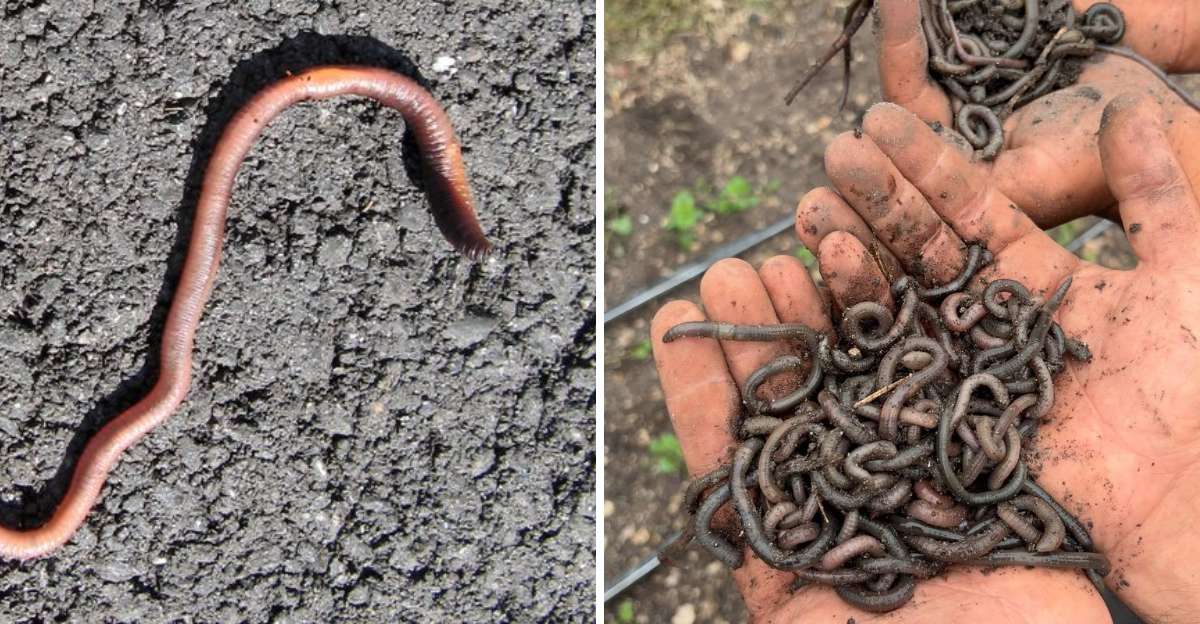
After a heavy Pennsylvania rain, you step outside and find your driveway covered in earthworms. Dozens of them.
Sometimes hundreds. Stretched across the pavement in every direction, some still moving, others already dried out from the sun.
It’s one of those backyard phenomena that most people have seen but few have ever stopped to actually think about.
Why does this happen? And what does it mean? The common explanation is that earthworms come to the surface to avoid drowning.
But researchers have found that the full picture is considerably more interesting than that, and what a mass earthworm emergence on your driveway reveals about your soil, your yard, and the broader ecosystem beneath your property is actually worth paying attention to.
For Pennsylvania gardeners, this phenomenon carries information that goes well beyond a simple weather response.
The number of earthworms, the timing, and how often it happens are all meaningful data points about the health of what’s living and working below the surface of your yard. Here’s what all those earthworms on your Pennsylvania driveway are really telling you.
1. Heavy Rain Or Overwatering Has Driven Them From The Lawn
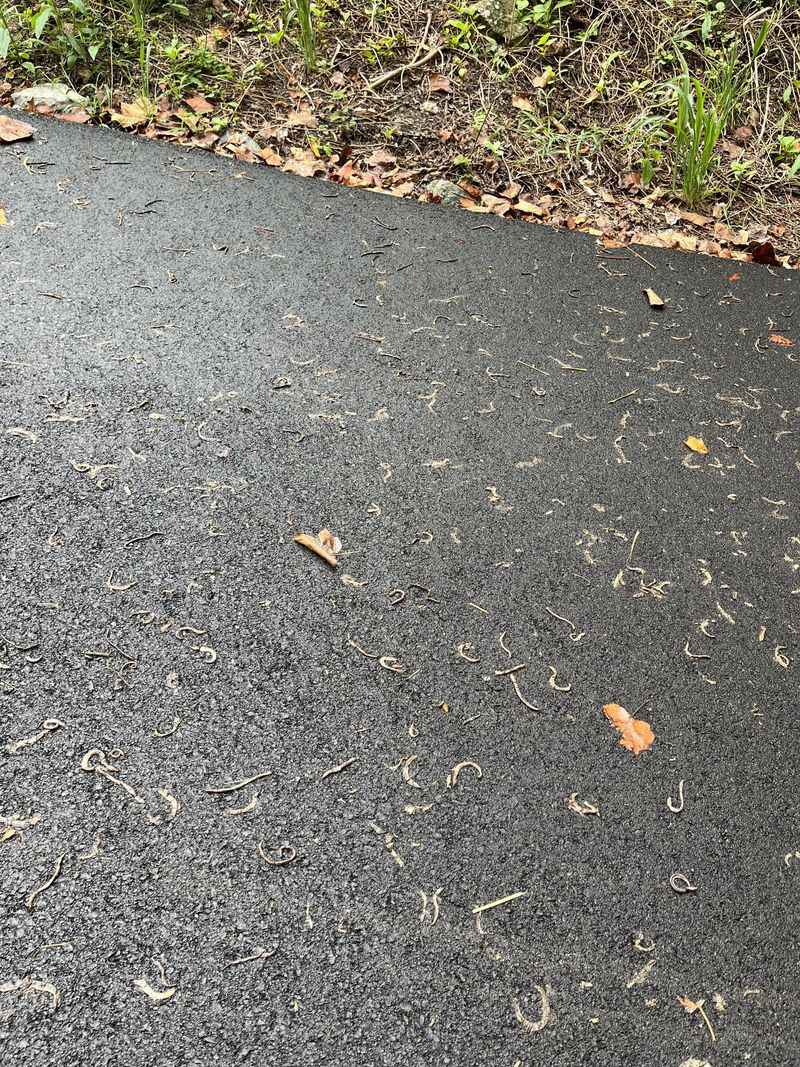
After a heavy rainstorm rolls through Pennsylvania, it is pretty common to walk outside and find your driveway covered in earthworms.
This happens because rainwater fills up the tiny air pockets in the soil, making it hard for worms to get the oxygen they need underground. So they head to the surface to breathe and move around more freely.
The same thing can happen when homeowners overwater their lawns. If your sprinkler system runs too long or too often, the ground can become just as saturated as it would after a big storm.
Worms respond the same way whether the water comes from the sky or from a garden hose.
A sudden appearance of hundreds of worms does not mean your yard just grew a new population overnight. It simply means the worms that were already living there decided to come up at the same time.
Most lawns contain far more earthworms than people realize, and heavy soil moisture is the main trigger that brings them all to the surface together.
If you notice this pattern only after big rainstorms, there is likely nothing wrong with your yard at all. It is just nature doing its thing.
However, if worms are surfacing after light watering sessions or on dry days, that might be worth looking into further.
The key takeaway here is that wet soil is almost always the primary reason behind a mass worm appearance on your driveway, and it is one of the most natural and harmless explanations you can find.
2. The Wet Driveway Became An Accidental Travel Route
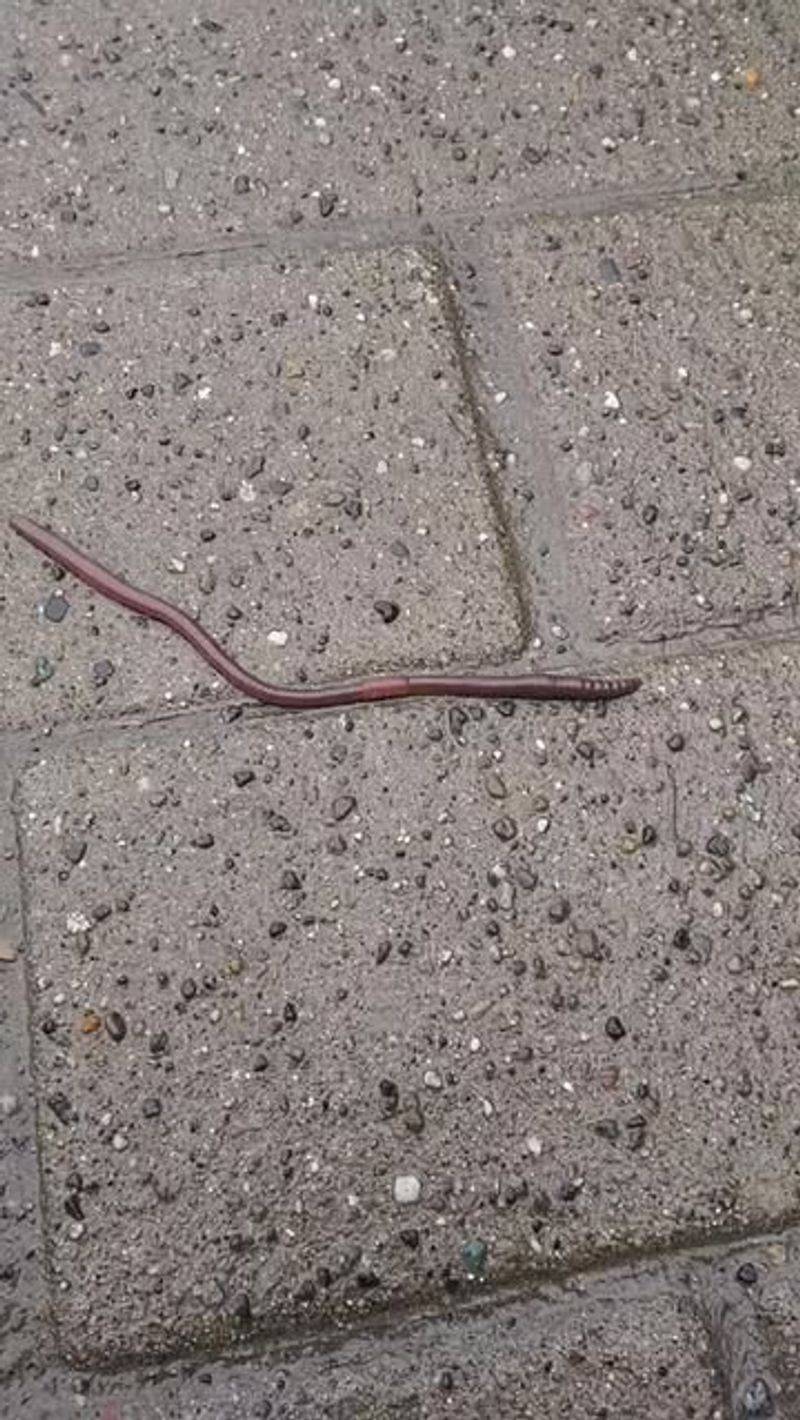
Earthworms do not have lungs. Instead, they breathe through their skin, which must stay moist at all times for them to survive.
When rain soaks the ground and spreads across pavement, worms can actually move across hard surfaces like concrete or asphalt because the moisture keeps their skin wet enough to function. In a way, your wet driveway becomes an open road for them.
Your Pennsylvania Garden Changes Every Week. Your Plan Should Too.
Gardening in Pennsylvania changes quickly throughout the season. Every Friday you’ll receive a simple weekly plan showing exactly what to plant, prune, fertilize, harvest, and protect so you never miss the right timing.
The real trouble starts once they travel too far from the grass. A worm that crawls several feet onto a driveway may not be able to find its way back before the sun comes out and the pavement dries.
Once the surface dries up, the worm gets stuck and cannot burrow back into soil because there is no soil beneath it. Think of the driveway as an accidental trap. The worm did not plan to end up there.
It was just following moisture, which is the only navigation system it has. Wet pavement feels similar to wet soil in terms of how it allows the worm to move, so the worm has no way of knowing it has wandered into a dangerous spot.
This is why you often see worms stranded on driveways after the rain stops. They made it out but could not make it back.
If you find worms on your driveway while it is still wet, you have a good window of time to sweep them gently back onto the lawn. Acting quickly makes a real difference for the worms that have not yet dried out and become unable to move.
3. Your Property Supports A Large Earthworm Population
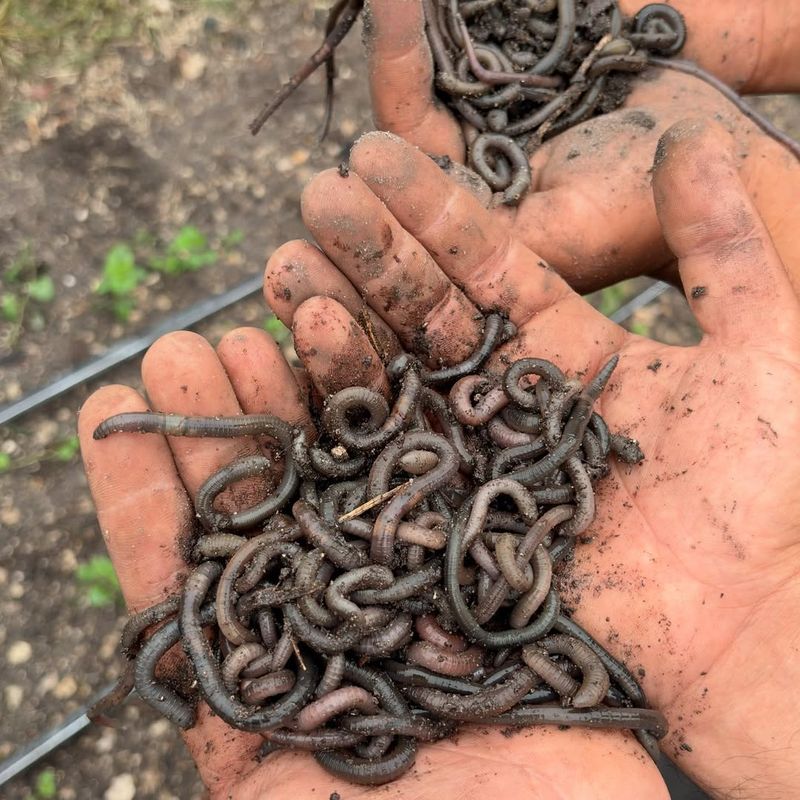
Spotting a massive number of earthworms on your driveway can actually be a sign of something positive happening in your yard.
When hundreds of worms are present, it usually means your soil has plenty of the things they need to thrive, including moisture, organic matter, and space.
Worms tend to gather in lawns that have decomposing leaves, grass clippings, or garden beds full of plant material.
Common earthworms play a surprisingly important role in keeping soil healthy. As they tunnel through the ground, they create tiny channels that allow water and oxygen to move more easily through the soil.
They also break down plant material and turn it into nutrients that grass and garden plants can absorb. A yard full of worms is often a yard with good, active soil.
That said, seeing a large number of worms on your driveway does not automatically mean your soil is in perfect condition. It simply tells you that a sizable population exists nearby.
Soil quality still depends on many other factors, including pH levels, compaction, and the types of plants growing in the area.
Still, it is worth appreciating what a strong worm population means for your lawn. Many gardeners actually try to attract more earthworms by adding compost or reducing the use of chemical lawn treatments.
If your yard is already home to a thriving worm community, you are ahead of the game. The driveway scene might look messy, but it is a small sign of a bigger, healthier ecosystem working quietly beneath your feet every single day.
4. Repeated Mass Appearances May Reveal Excess Irrigation Or Poor Drainage
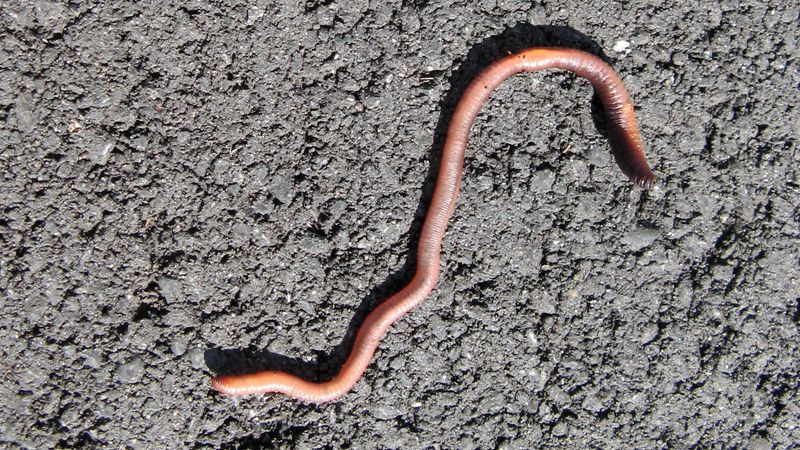
If worms are flooding your driveway on a regular basis, even after light watering or no rain at all, that is worth paying closer attention to. One rainstorm bringing worms to the surface is normal.
But if the same stretch of driveway keeps collecting worms week after week, the soil nearby may be staying too wet for too long between watering cycles.
Start by checking your sprinkler coverage. Some systems are set to run more than the lawn actually needs, especially during cooler or wetter months.
Overwatering keeps the soil saturated, which forces worms upward repeatedly. Adjusting your irrigation schedule can make a big difference and reduce how often you see mass worm appearances.
Also take a look at your downspouts and gutters. If rainwater is draining directly onto one section of lawn near the driveway, that area may stay wet long after the rest of the yard has dried out.
Redirecting downspout flow or adding a splash block can help spread the water more evenly across the yard instead of concentrating it in one soggy spot.
Compacted soil is another factor to consider. When soil is packed too tightly, water cannot drain downward and instead sits near the surface.
Core aeration, which involves pulling small plugs of soil out of the ground, can help loosen compacted areas and improve drainage significantly. Recurring worm appearances on your driveway are not a crisis, but they are a useful clue worth following.
Your yard may simply be telling you that something about its water management needs a small adjustment to get things back in balance.
5. They Could Include Invasive Jumping Worms
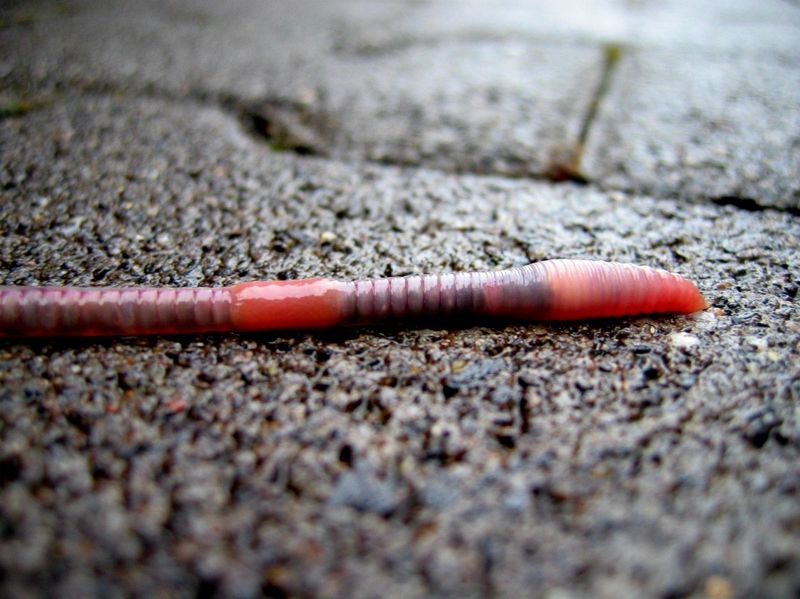
Not every worm you find on your Pennsylvania driveway is a harmless nightcrawler. Pennsylvania has documented the presence of invasive jumping worms, and homeowners should know how to spot them.
These worms look and behave very differently from common earthworms, and the difference matters a lot for your garden and local environment.
Jumping worms are typically glossy and dark in color. The most noticeable feature is a pale, smooth band that wraps completely around the body like a tight ring.
Unlike common worms, which wiggle gently, jumping worms thrash wildly and rapidly when touched or picked up. Some people describe it as watching a worm have a seizure. That intense, snake-like movement is a giveaway.
One of the biggest warning signs of a jumping worm infestation is the condition of the soil. These worms consume organic matter so aggressively that they leave the topsoil looking like loose, dry coffee grounds.
That texture makes it much harder for plants to establish roots and retain moisture. Gardens and natural areas with jumping worms often struggle to support healthy plant growth.
If you suspect the worms on your driveway might be jumping worms, do not move them to another part of your yard, a friend’s garden, or any natural area. Spreading them even accidentally can help them establish in new locations.
Contact your local Penn State Extension office for guidance on identification and what to do next. Awareness is the most powerful tool homeowners have when it comes to slowing the spread of this particular invasive species across Pennsylvania landscapes.
6. Most Ordinary Nightcrawlers Can Simply Be Swept Back Onto The Lawn
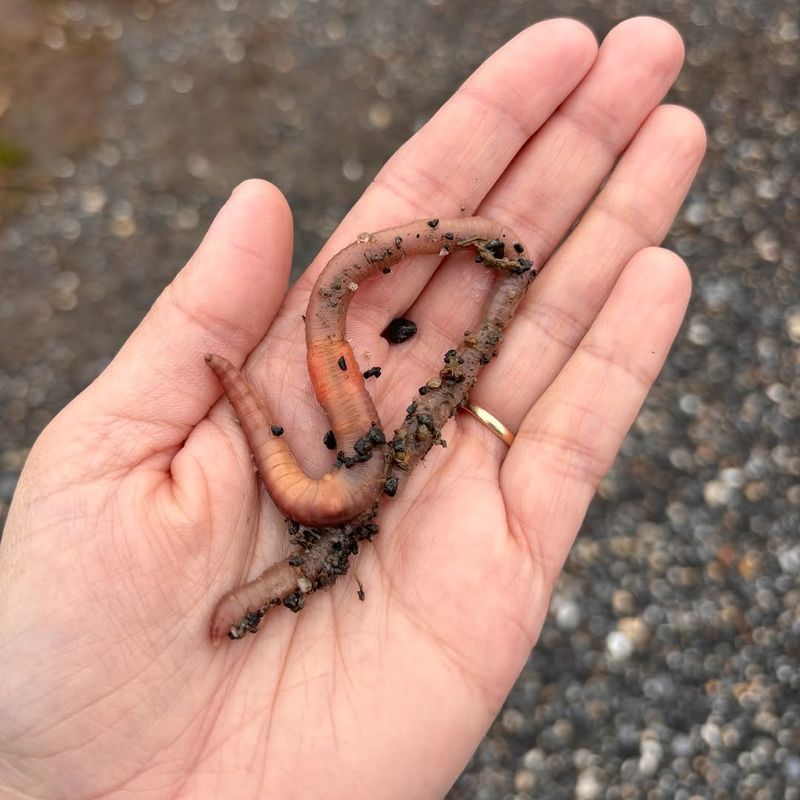
Finding a driveway full of worms can feel alarming, but for most Pennsylvania homeowners, the situation is much simpler than it looks.
If the worms on your driveway are common nightcrawlers, which are pinkish-brown, move slowly, and do not thrash around when touched, you really do not need to do anything complicated. A gentle push in the right direction is all they need.
Grab a broom or a soft rake and carefully sweep the worms from the pavement back onto the nearest patch of grass or garden bed.
Do this while the driveway is still wet, because that gives the worms the best chance of burrowing back into the soil on their own. Once the sun dries out the pavement, the window for helping them closes quickly.
There is no need to use any kind of pesticide or chemical treatment for this situation. Earthworms are not damaging your driveway, your home, or your garden.
Applying pesticides would be unnecessary and could actually harm the soil ecosystem you want to protect. The worms are not invaders. They are just temporarily in the wrong place.
Some people worry that the worms will keep coming back. And honestly, they might, especially if your yard gets a lot of rain or your irrigation system runs frequently.
But that is not a sign of a growing problem. It is just part of living in a region with healthy, worm-rich soil.
Keeping a broom near the garage door during rainy stretches is a simple habit that makes the whole situation easy to manage without any stress or expense.