What It Means When You Stop Seeing Quail In Your Arizona Yard
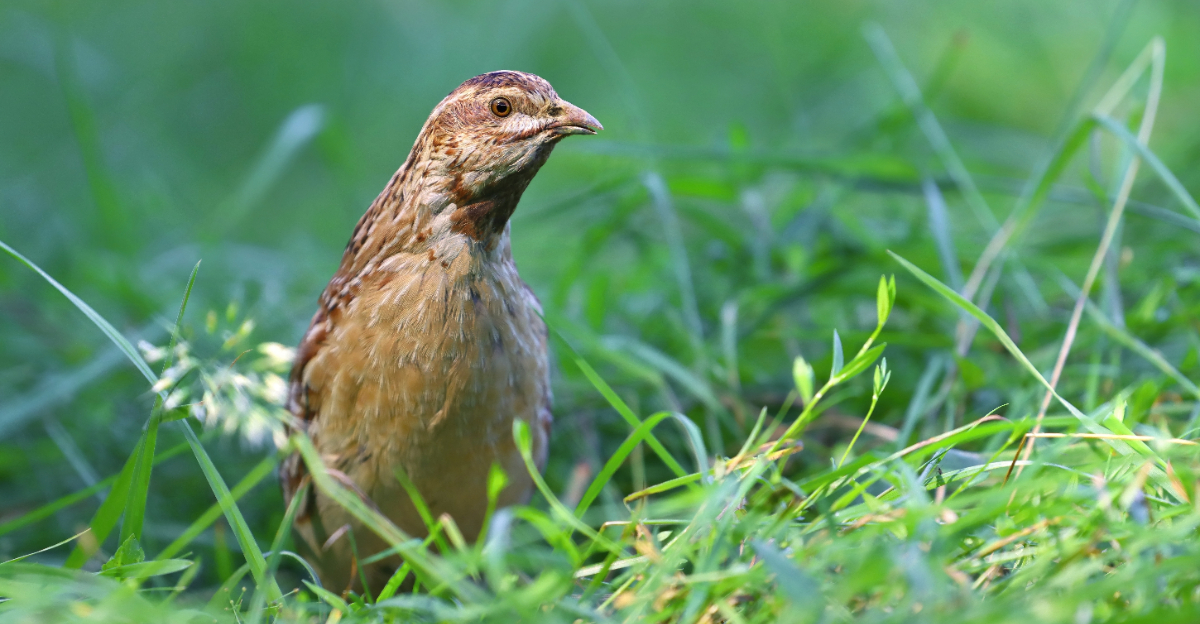
The yard used to hum with soft clucking every morning, little topknots bobbing through the brush like clockwork. Now there’s just silence, and it sits wrong.
Quail don’t drift away without a reason. When a flock that once treated your yard like home suddenly stops showing up, something nearby has quietly shifted.
These small ground birds react to change faster than almost anything else in the yard. Their disappearance often shows up before any other visible sign of trouble does.
The answer might be sitting closer to your patio than you’d guess. It’s worth a second look before the silence becomes permanent.
Lost Ground Cover Removes Safe Places To Hide
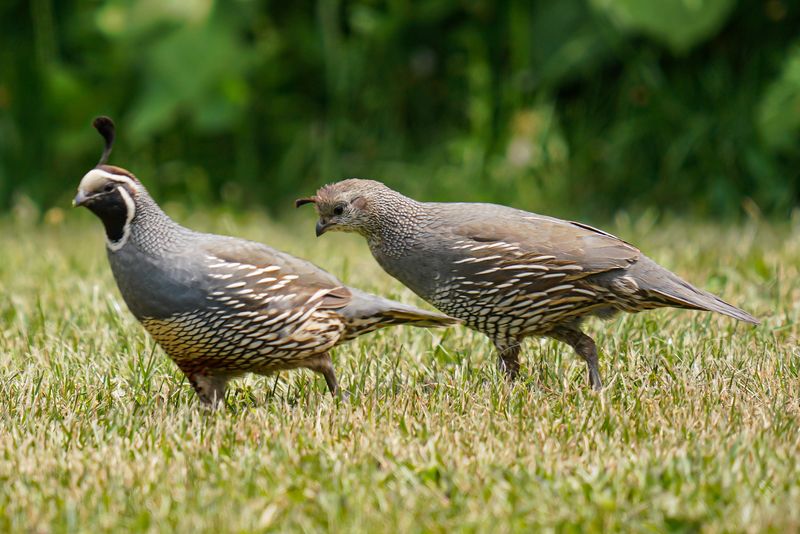
Gambel’s quail are not bold birds. They need thick, low cover to feel safe enough to forage, rest, and move around your yard.
When ground cover disappears, caused by drought, foot traffic, or yard cleanup, quail lose their sense of security. Open ground feels like a trap to them.
Think of cover as their safety net. Shrubs like desert hackberry, wolfberry, and brittlebush give coveys the low canopy they trust before stepping into the open.
Without that protection, a quail will simply choose a different yard. A yard with better hiding spots often wins their loyalty.
Ground cover also matters for temperature. Dense, low plants create shaded microclimates that help birds stay cool during brutal summer afternoons.
Bare soil radiates heat. A covey foraging on exposed ground in July is not just uncomfortable, it is also dangerously visible to hawks above.
Restoring native ground cover is one of the fastest ways to bring quail back. Plant in clusters rather than rows to mimic natural desert growth patterns.
Even a few large shrub groupings can make a big difference. Quail do not need a jungle, they need strategic pockets of cover they can dart between safely.
If you stop seeing quail in your Arizona yard, look down first. The answer might be as simple as what is no longer growing close to the ground.
Nearby Predators Push Coveys Away From The Area
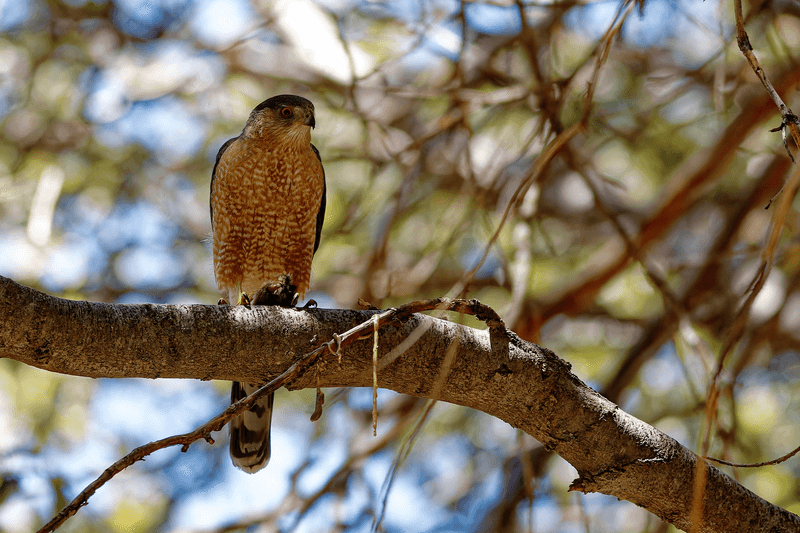
A covey that spots a Cooper’s hawk hunting your yard reacts fast and stays alert. Quail respond quickly to danger, and they reroute fast.
Predator pressure is one of the top reasons quail vanish from a yard without warning. Hawks, falcons, roadrunners, and domestic cats all trigger avoidance behavior.
Even the scent of a dog or cat that roams the yard regularly can be enough. Quail read environmental clues the way we read warning signs.
Free-roaming pets are a serious factor many homeowners overlook. A cat does not have to catch a quail to push the whole covey away for weeks or longer.
If you have noticed more raptors in the neighborhood lately, that timing likely matches when the quail stopped showing up. Hawks follow food sources, and coveys know it.
Reducing obvious attractants for predators helps. Secure trash, limit dense brush piles near feeding areas, and keep pets indoors during early morning and late afternoon hours.
Your Arizona Garden Changes Every Week. Your Plan Should Too.
Gardening in Arizona changes quickly throughout the season. Every Friday you’ll receive a simple weekly plan showing exactly what to plant, prune, fertilize, harvest, and protect so you never miss the right timing.
Installing a motion-activated sprinkler near your feeding zone can deter cats and other ground hunters without harming them. Quail notice when a space becomes safer.
It takes patience, but coveys do return once the threat level drops. Consistent calm in your yard rebuilds the trust that predator activity destroys.
When you stop seeing quail in your Arizona yard, scan the sky before assuming the worst. A hunting hawk overhead might be the whole story.
Dry Conditions Shift Coveys Toward Reliable Water Sources
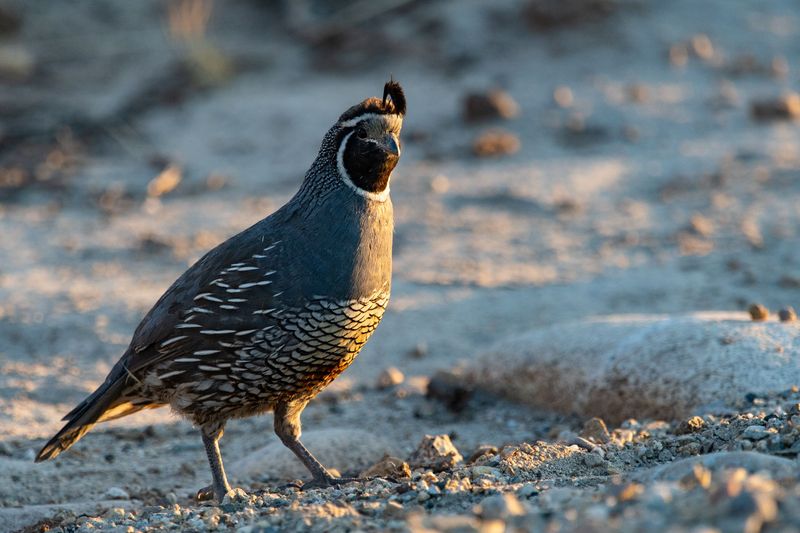
Water is one of the biggest draws in the Sonoran Desert. When natural sources dry up, quail do not wait around hoping for rain.
A covey will travel surprisingly far to find a dependable drink. If your yard does not offer water, especially during the brutal dry months, they will find a yard that does.
Quail need water most between late spring and early monsoon season. That gap, roughly May through early July, is when many homeowners notice the birds suddenly gone.
Adding a low, shallow water source can make a real difference. Quail prefer ground-level or low-set dishes they can approach cautiously from cover nearby.
Deep birdbaths designed for songbirds often do not work well for quail. The sides are too steep, and the birds feel exposed while trying to drink from the rim.
A simple terracotta saucer filled with clean water and set near a shrub works beautifully. Change the water every two days to prevent mosquito breeding and keep it fresh.
During monsoon season, natural water returns and quail spread back out across their territory. You may see them again in August even without adding a water source yourself.
But if you want year-round visits, a reliable water station is your best tool. Quail that trust your yard for water tend to keep coming back through most seasons.
Dry conditions shifting coveys is one of the most common reasons you stop seeing quail in your Arizona yard during summer.
Landscaping Changes Signal Danger To Cautious Birds
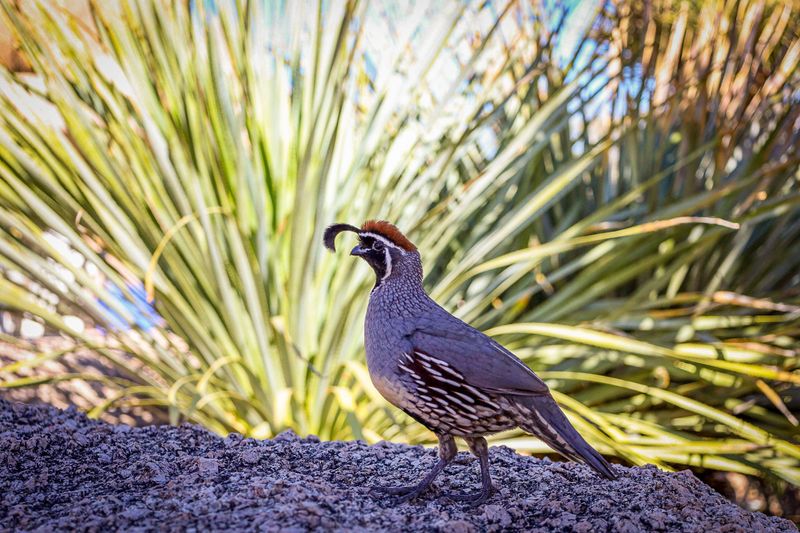
Quail are creatures of habit. They follow the same paths, use the same cover spots, and approach the same feeding areas day after day.
When you rearrange your landscaping, even with good intentions, you essentially erase the mental map your local covey has memorized. They do not adapt instantly.
Removing a hedge, trimming shrubs aggressively, or installing new hardscape near a feeding area can all trigger avoidance. The yard no longer looks or feels familiar to them.
Heavy equipment noise and human activity during a landscaping project adds another layer of stress. Coveys associate loud disturbances with danger and pull back from the area entirely.
This kind of absence is usually temporary. Once the activity stops and the yard settles, quail will scout the new layout cautiously.
Give them two to four weeks before assuming they are gone for good. Leave your feeding station and water source in place so they have a reason to return.
Avoid making major changes during nesting season, which runs roughly March through June. Disrupting cover during that window has a bigger impact than changes made in winter.
Native plantings added during a redesign actually help long term. Quail respond well to yards that gradually become denser and more sheltered over time.
Smart landscaping choices can turn a yard that lost its quail into one that attracts even larger coveys than before. Patience is the most important tool you have.
Nesting Disruptions Nearby Scatter The Local Covey
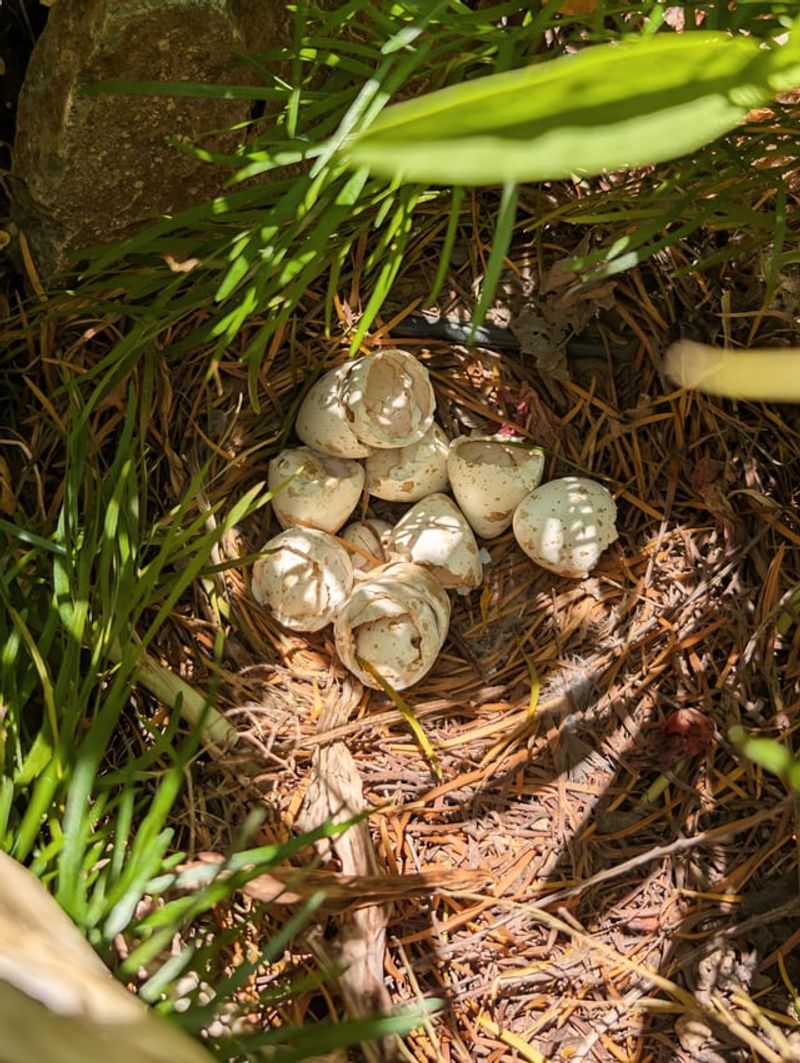
Nesting season changes a lot for a Gambel’s quail covey. The group breaks into pairs, spreads out, and becomes far less visible than usual.
If you stop seeing quail in your yard between March and June, do not panic. The birds may simply be nesting quietly nearby rather than foraging in their usual spots.
Quail nest on the ground, typically tucked beneath a shrub or cactus. The hen sits tight and still, which makes the whole family seem to disappear.
Disturbances near a nest site, like a dog rooting through brush or a person trimming plants, can cause a hen to abandon the nest. That loss scatters the pair and delays their return to normal routines.
Construction noise from a neighbor’s yard can have the same effect. Even if nothing in your yard changed, nearby disruption pushes nesting pairs into quieter zones.
Once the chicks hatch and grow large enough to move, the family rejoins other pairs and forms the classic large covey again. That usually happens by mid to late summer.
You can support nesting success by leaving low shrubs untrimmed through spring. Resist the urge to tidy up the edges of your yard during those months.
A yard that shelters a successful nest earns deep loyalty from the local population. Those chicks often stay close to the same territory as adults.
Nesting disruptions nearby are a natural, fixable reason you stop seeing quail in your Arizona yard each spring.
Neighborhood Development Fragments Established Quail Territory
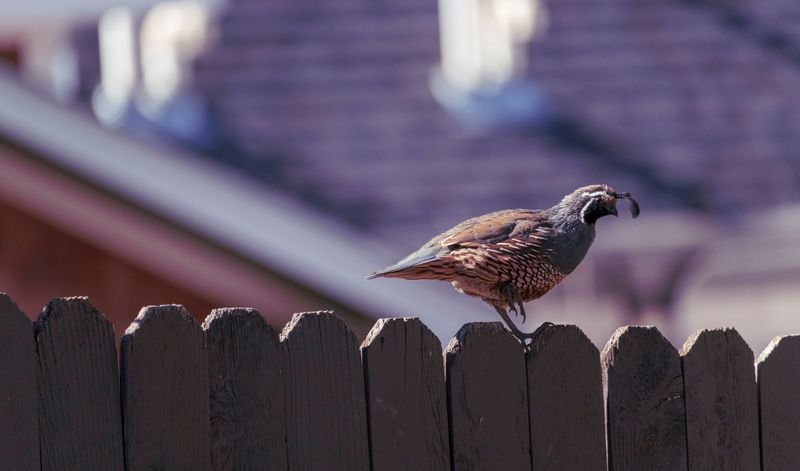
Quail do not live in just one yard. A single covey roams a home range that can cover dozens of acres, crossing multiple properties each day.
When new construction breaks up that range, the birds lose connecting corridors they depend on. Fences, roads, and cleared lots cut off the routes they have used for generations.
Development pressure in fast-growing desert communities has pushed many coveys out of neighborhoods where they were once common. The change often happens gradually, then suddenly.
One new house may not matter much. But a new subdivision or a major road expansion can fragment territory badly enough that the local population can decline sharply.
Quail also respond to increased human foot traffic. More people walking, more dogs out, and more noise all raise the perceived risk level across the entire range.
Connecting your yard to a neighbor’s through shared native plantings helps maintain wildlife corridors. Even an informal agreement to leave adjacent areas natural makes a difference.
Local conservation groups in many desert communities advocate for wildlife-friendly zoning. Supporting those efforts protects quail habitat at a scale that individual yards cannot achieve alone.
On a personal level, keeping your yard as natural and undisturbed as possible gives displaced coveys somewhere to land. A well-planted yard becomes a refuge when surrounding habitat shrinks.
If you stop seeing quail in your Arizona yard and construction is happening nearby, the connection is likely real. Your yard could be the bridge that keeps the local population intact.