9 Cool-Season Herbs Arizona Gardeners Still Have Time To Plant Before Winter Sets In
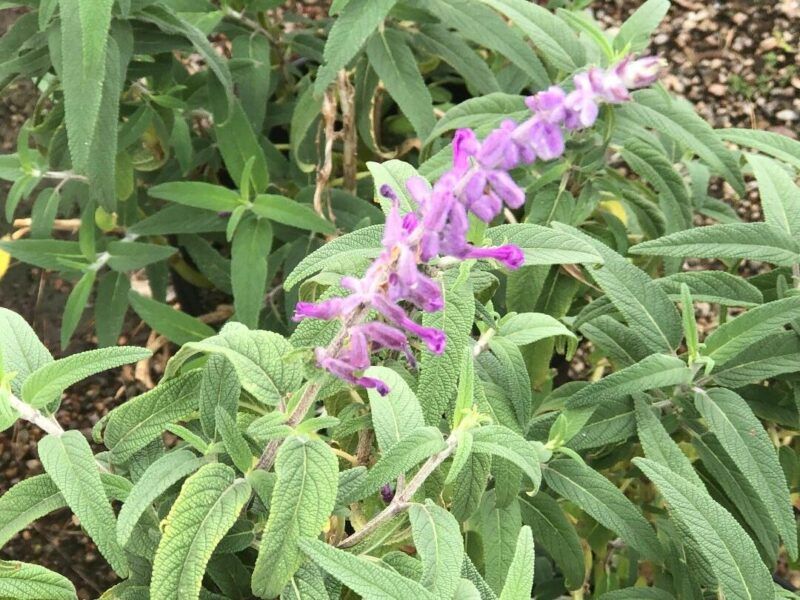
Fall in the low desert is the secret growing season most newcomers miss. While the rest of the country packs away its garden tools, Phoenix and Tucson yards are just waking up from a brutal summer.
Planting herbs now gives roots months of mild weather to settle in, and many of these plants pull in helpful bugs or make your patio less inviting to pests. Here are nine herbs worth tucking into the ground before the first chilly nights arrive.
1. Cilantro
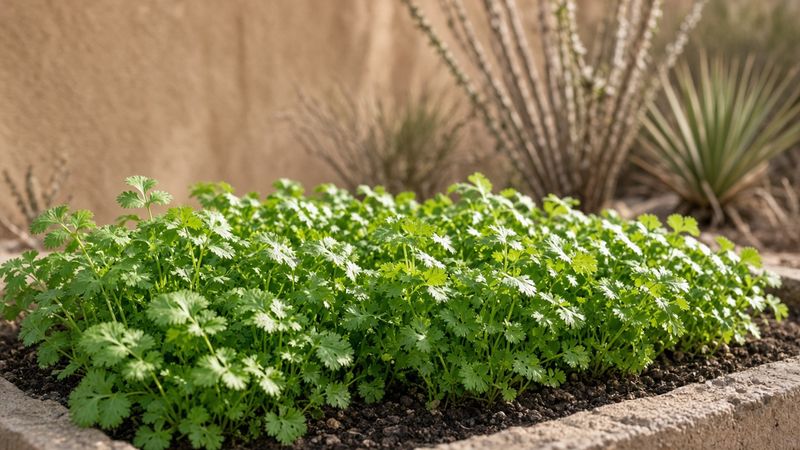
Anyone who has tried growing cilantro in May knows the heartbreak of watching it bolt within days. Plant it in October or November, though, and the story changes completely.
Cool desert nights keep the leaves tender and flavorful for months.
Sow seeds directly in loose soil about a quarter inch deep, and keep the bed evenly moist until sprouts appear. A spot with morning sun and light afternoon shade works best.
Since cilantro grows fast and finishes fast, sow a short row every two or three weeks through January for a steady harvest.
Here is the bonus most gardeners overlook. When the plant finally flowers in spring, those lacy white umbrellas can draw ladybugs, lacewings, and tiny parasitic wasps.
Those helpers may reduce aphids and other soft-bodied pests on nearby vegetables, so consider leaving a few plants to bloom instead of pulling them.
Let some flowers set seed, too. The round seeds are coriander, a spice in its own right, and any that drop may sprout again next fall on their own.
For salsa fans, that means a free crop and a garden that partly replants itself each year.
2. Dill
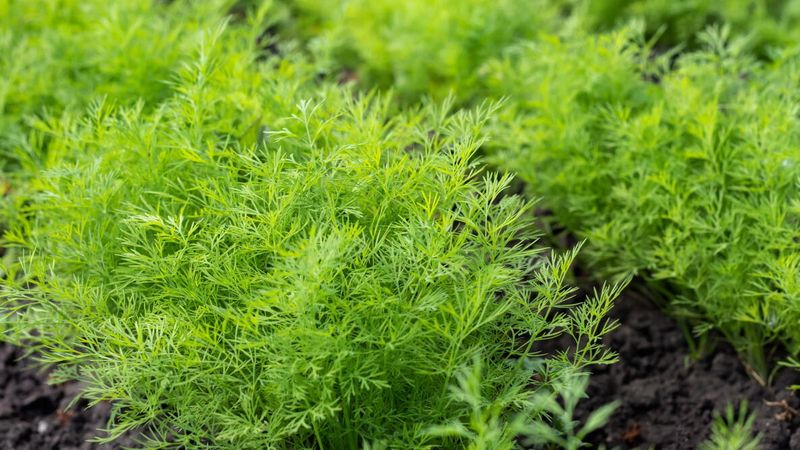
Feathery, tall, and a little wild-looking, dill brings a soft texture that stands out against spiky agaves and rocky desert beds. It also happens to be one of the hardest-working insect magnets you can grow during the cool months.
Like cilantro, dill dislikes heat and transplanting. Scatter seeds right where you want plants between October and early winter, then barely cover them with soil.
Water lightly but often until seedlings reach a few inches tall, then ease back to a deeper soak every few days.
The real show starts when yellow flower heads open. Those flat clusters can attract ladybugs, lacewings, and parasitic wasps that hunt aphids and caterpillar pests.
Planting a clump near your winter lettuce or broccoli may give those crops some free bodyguards.
Keep an eye out for striped caterpillars munching the fronds. They are often swallowtail larvae, and many gardeners plant a little extra dill just to share with future butterflies.
Pickling fans can harvest seed heads once they turn brown. Choose a spot sheltered from strong wind, since mature plants can reach three feet and topple easily.
A compact variety like Fernleaf fits well in pots on a sunny patio.
3. Parsley
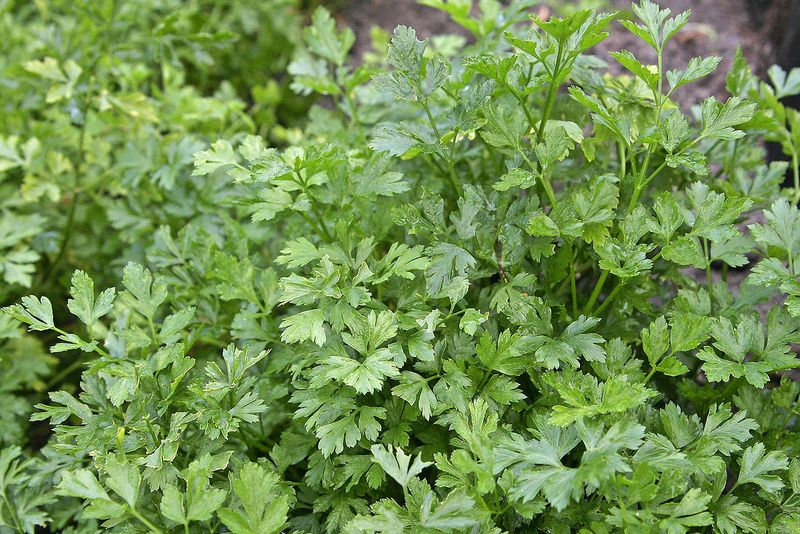
Patience pays off with parsley. Its seeds can take three weeks to sprout, which tests even calm gardeners, but the reward is a plant that keeps producing straight through a Phoenix winter and often into late spring.
Your Arizona Garden Changes Every Week. Your Plan Should Too.
Gardening in Arizona changes quickly throughout the season. Every Friday you’ll receive a simple weekly plan showing exactly what to plant, prune, fertilize, harvest, and protect so you never miss the right timing.
To speed things up, soak the seeds overnight in warm water before sowing. Starter plants from a nursery are an easy shortcut if your planting window is closing.
Parsley appreciates richer soil than most herbs, so mix compost into native dirt to soften alkaline ground and caliche.
Pick from the outside stems first and let the center keep growing. A single healthy plant can supply garnish and salads for months.
Flat-leaf types tend to handle the desert slightly better and have stronger flavor than curly ones.
Parsley is a biennial, so in its second spring it sends up flower stalks. Those small blooms can bring in hoverflies and other helpful insects that feed on aphids.
Swallowtail caterpillars also enjoy the leaves, adding a bit of butterfly habitat to your yard. Give it filtered afternoon light by March to stretch the season, and mulch the soil surface to hold moisture between waterings during dry, breezy winter weeks.
4. Rosemary
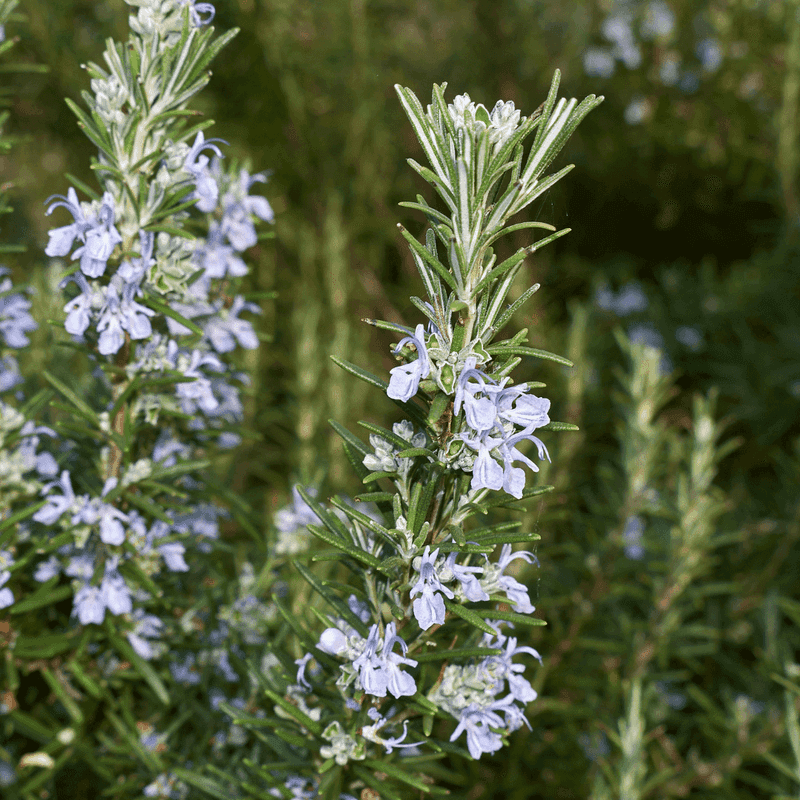
Walk through almost any older Tucson neighborhood and you will spot rosemary hedges shrugging off 110-degree days. Few culinary herbs feel so at home in the desert, and fall is the ideal moment to get one started.
Planting now lets roots spread deep before summer returns. Choose full sun and fast-draining soil, since soggy ground is the quickest way to lose it.
After the first year, a deep drink every week or two in summer and even less in winter is usually plenty.
Blue blossoms often appear in winter and early spring, right when bees have few other options. That makes rosemary a quiet pollinator lifeline.
Its resinous oils are also linked to making seating areas less appealing to mosquitoes and fleas, and some homeowners plant it near doorways hoping it helps make the space less inviting to scorpions.
Upright types like Tuscan Blue form tidy hedges, while trailing varieties spill beautifully over retaining walls. Brush the foliage when you pass and your hands will smell like a Sunday roast.
Snip sprigs year-round for cooking and grilling. Light pruning after bloom keeps it dense without stressing the plant during hot months.
5. Sage
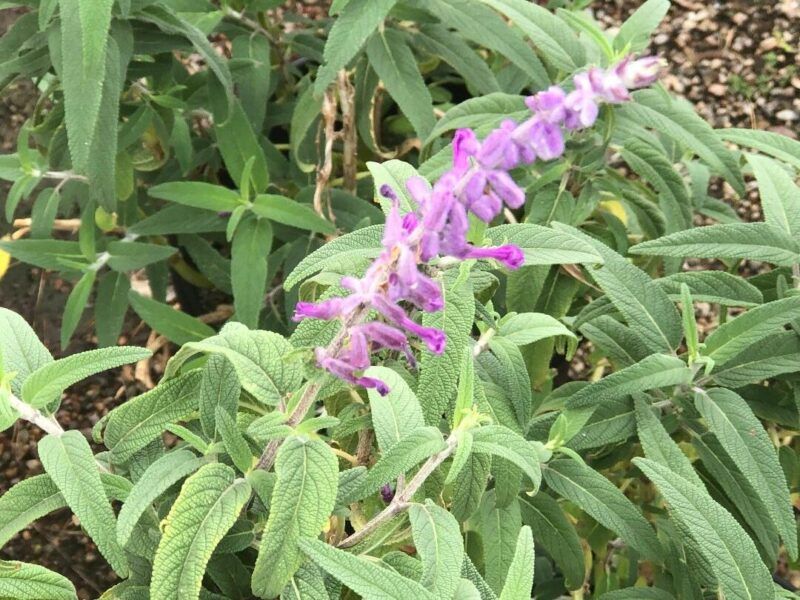
Silver leaves that feel like velvet make garden sage a sensory treat, and the gray color is not just for looks. That fuzzy coating helps the plant reflect harsh light and hold onto moisture, a built-in survival trick for desert life.
Fall planting gives sage months to anchor itself before triple-digit heat arrives. Pick a sunny spot with gritty, well-drained soil, and avoid overwatering once it settles in.
Many gardeners lose sage to kindness, not neglect, so let the top few inches dry between soakings.
Its strong aroma may help make patios and walkways less appealing to mosquitoes. When purple flower spikes rise in spring, they can attract hoverflies and parasitic wasps, two allies that feed on garden pests.
Bees visit eagerly too.
For extra desert flair, plant culinary sage alongside native salvias like autumn sage or Mexican bush sage. Hummingbirds work those blooms constantly, turning a simple herb patch into wildlife habitat.
Harvest leaves for stuffing, brown butter pasta, or tea, but never strip more than a third at once. In afternoon-heat zones, a little shade from a mesquite canopy helps sage glide through July without scorching.
6. Oregano
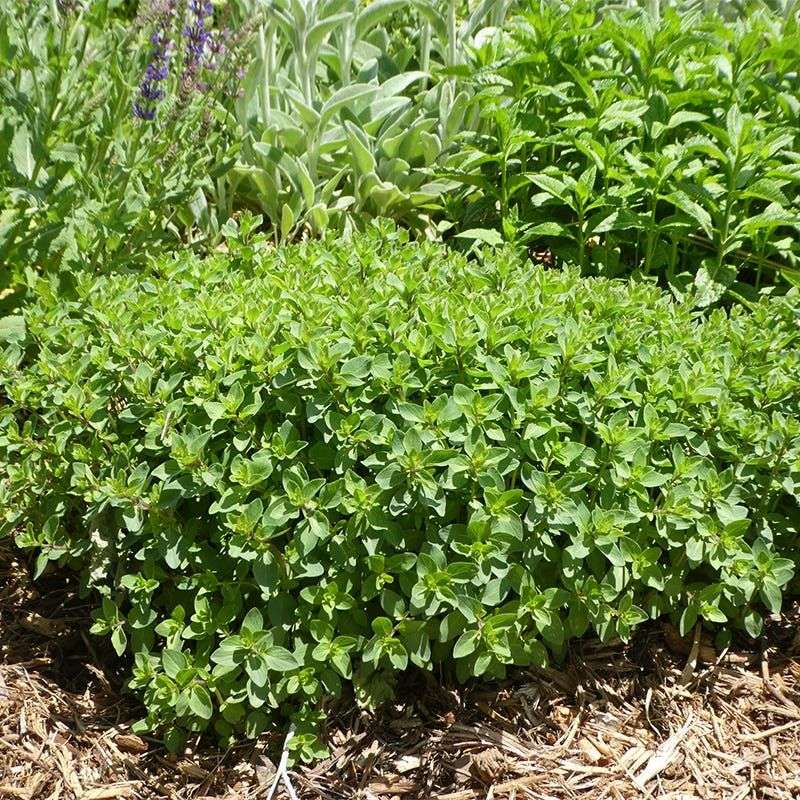
Tough as old boots and twice as useful, oregano is the herb for people who forget to water. Once it gets through its first year, it spreads into a fragrant mat that handles heat better than many supposedly desert-ready plants.
Set nursery transplants into the ground in October or November, spacing them about a foot apart. Lean soil is actually welcome here, since too much fertilizer softens the flavor.
Morning sun with a little afternoon relief keeps leaves from bleaching during summer.
Let some stems bloom and you will notice a buzz. Tiny pink or white flowers can draw hoverflies and parasitic wasps, insects that help keep aphids and caterpillars in check.
Native bees love it too, so oregano doubles as a pollinator stop.
Fun fact: Mexican oregano, popular in Southwest cooking, is a different plant entirely, a desert shrub related to verbena. Growing both side by side makes for a fun taste test.
Try oregano as a groundcover between stepping stones or around drip-irrigated fruit trees, where it shades soil and cuts down on weeds. Trim it back hard in late winter, and fresh growth returns quickly with deeper, spicier flavor.
7. Thyme
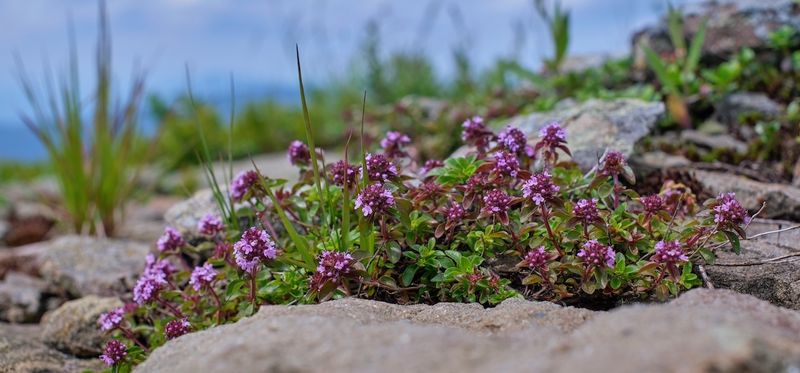
Small leaves, big attitude. Thyme hugs the ground, tucks between rocks, and asks for very little in return, which makes it a natural fit for gravel yards across the Valley.
Get plants in the ground this fall so roots can grow before summer. Thyme wants hot, sunny, and dry conditions with soil that drains in seconds.
Adding a handful of pumice or decomposed granite to heavy clay can make a real difference.
In spring, the plant smothers itself in tiny flowers. Bees, hoverflies, and parasitic wasps all show up, supporting both pollination and natural pest control for nearby vegetables.
A patch planted near a fruit tree may help bring more pollinators into range during bloom.
Try creeping varieties along path edges, where brushing feet release a clean, savory scent. Lemon thyme adds a citrus twist that pairs nicely with grilled fish and chicken.
Ancient Greeks burned thyme as incense and linked it with courage, a fitting story for a plant brave enough to face Phoenix in July. Water deeply but rarely once established, and shear lightly after flowering to keep plants compact instead of woody and sprawling over the years.
8. Lavender
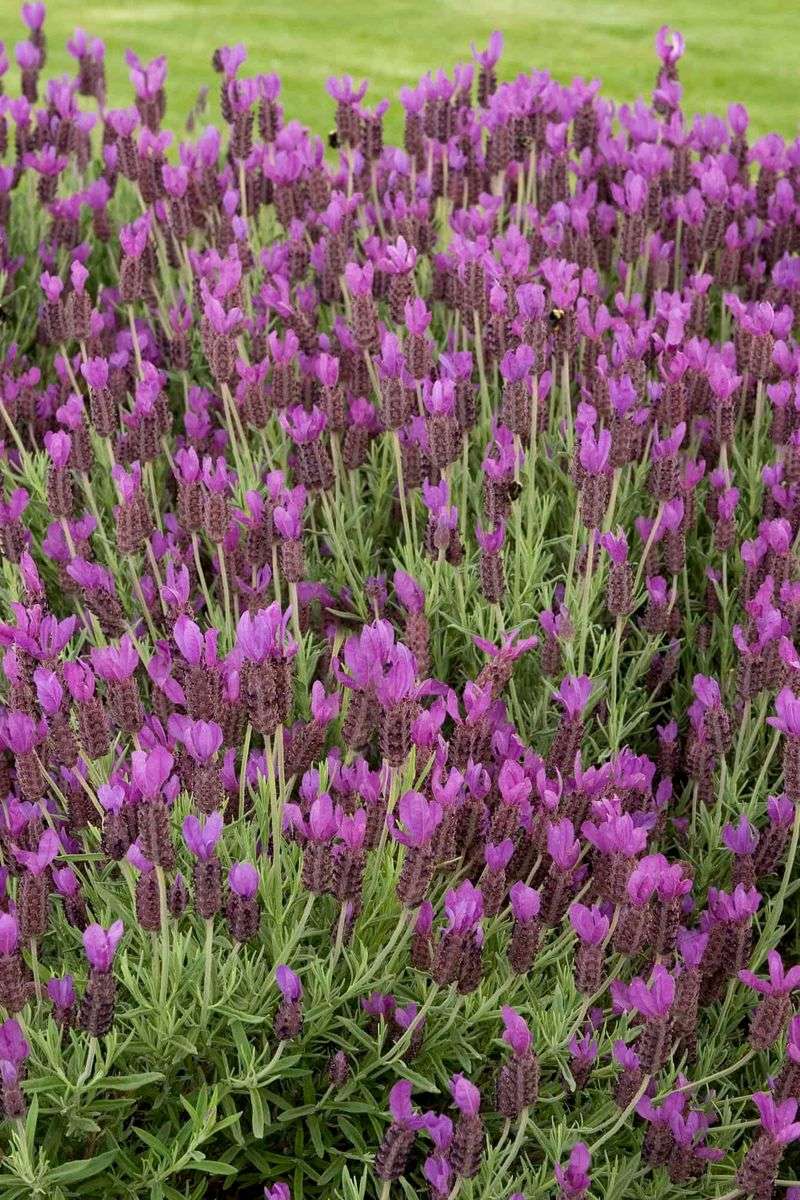
Picture a purple haze swaying in the breeze beside a saguaro. Lavender can thrive in the low desert when you pick the right type and plant it at the right time, and that time is now.
Spanish and French lavenders generally handle Arizona heat better than English varieties. Plant them in fall in full sun with excellent drainage, ideally on a slight mound to keep crowns dry.
Skip rich compost and heavy mulch near the stems, since lavender prefers lean, gravelly ground.
Bees adore the blooms, giving local pollinators a reliable food source. Many people also place lavender near patios because its scent may help deter mosquitoes, and some gardeners believe it makes entry areas less inviting to scorpions.
Results vary, but a fragrant border never hurts.
Water deeply every week or so while plants establish, then cut back sharply. Overwatering, especially during humid monsoon weeks, is the main threat.
Harvest flower stems just as buds open for sachets, baking, or simple bouquets that dry beautifully indoors. Light trimming after each bloom cycle keeps plants tidy and encourages a second flush, and they can stay productive for several years with minimal fuss.
9. Garlic Chives
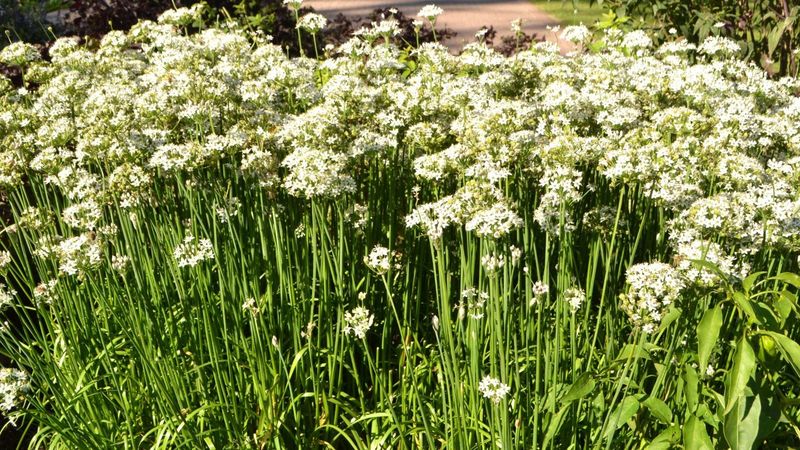
Some herbs come and go with the seasons, but garlic chives just keep showing up. Plant a clump this fall and you may still be snipping from it five years from now.
These flat-leaved cousins of regular chives taste like a gentle mix of onion and garlic. They tolerate desert heat once established and handle winter chills easily.
Set divisions or nursery plants in sun to part shade, using soil with a bit of compost mixed in.
Harvest by cutting leaves an inch above the soil, and they regrow fast. Toss them into eggs, stir-fries, dumplings, and baked potatoes.
Late summer brings clusters of white star-shaped flowers that bees and other pollinators visit at a time when little else is blooming.
Divide crowded clumps every few years to share with neighbors. One warning worth knowing: garlic chives reseed freely, so clip spent flower heads if you prefer they stay put.
That small chore aside, few edibles offer so much flavor for so little effort. They fit tidily along drip lines in raised beds, in containers by the kitchen door, or as edging around winter vegetables, giving even a small yard a dependable harvest all year.