What It Really Means When A Raccoon Visits Your Michigan Porch
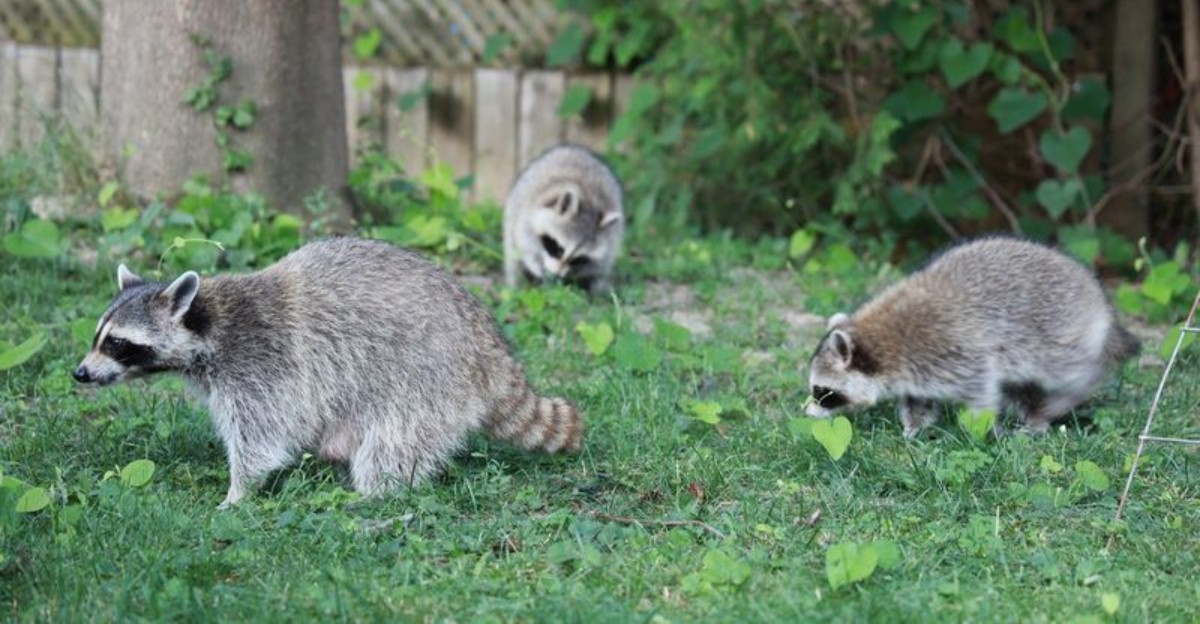
You hear a thump, then a rattle. Morning shows an overturned pot and muddy little paw prints across the boards. A raccoon came to visit.
These animals are smart and curious, and fall makes them bolder. They are building fat reserves for the cold months, so they search harder for food. Your porch may offer something tempting, like pet food, birdseed, or an open bin.
A single visit often turns into a habit. Raccoons remember good spots and return night after night. Seeing one is not a sign that something is wrong with your home.
It is a sign that something on your porch smells like dinner. Knowing what draws them helps you decide what to change, and what to leave alone.
1. It’s Building Up Fat Reserves For Winter
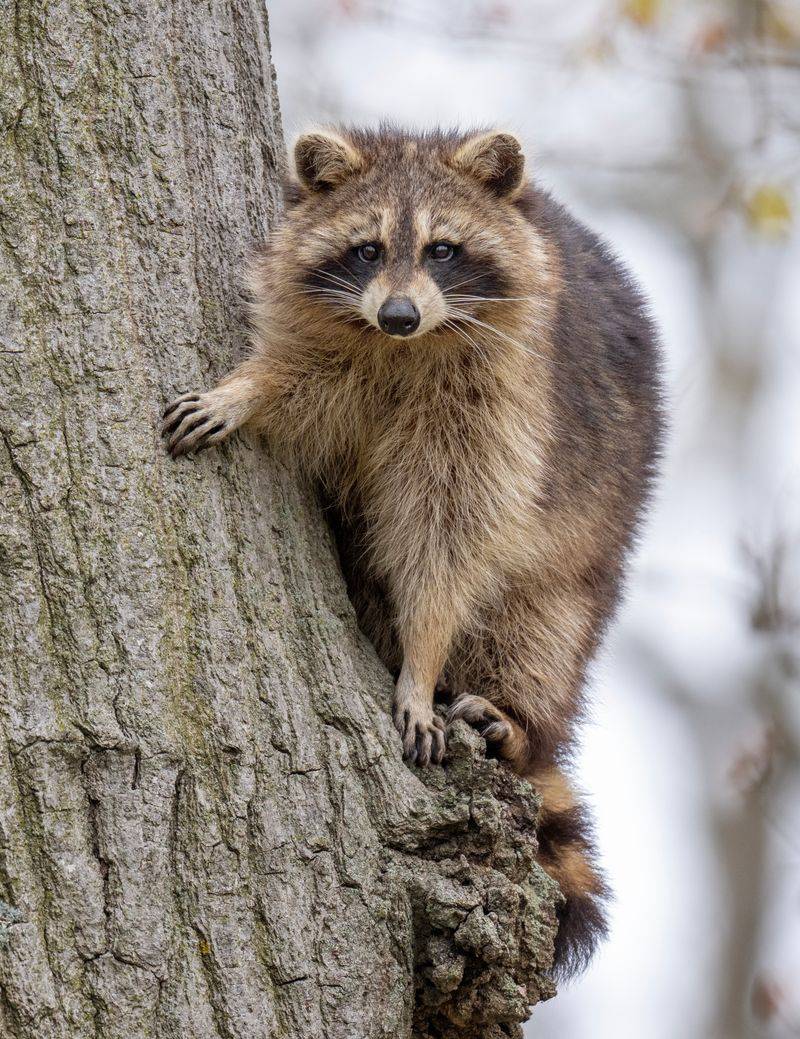
A raccoon in October can look twice as round as it did in June, and that extra fluff is no accident. Fall is eating season for these animals. They spend the cooler months gobbling up anything they can find, from acorns and wild grapes to leftover pizza crusts.
Why the rush? Raccoons store fat in the fall so their bodies can stay fueled through the cold months ahead. Once snow covers the ground, food gets hard to find, and raccoons spend long stretches curled up in their dens.
That stored fat works like a built-in pantry, keeping them going until spring returns. Some raccoons can lose a large share of their body weight over a tough winter.
So when one wanders onto your porch in fall, it is almost always hunting for an easy snack. Your home simply looks like a convenient stop on its nightly buffet tour. Nothing about the visit is personal, but it can quickly become a habit if the animal finds a reward.
The best fix is also the simplest one. Take away the food, and the raccoon has no reason to return. Check your porch each evening for snacks, pet bowls, or trash bags left outside, and clear them away before dark.
Michigan winters make all of this extra important. Our cold season can stretch from November well into March, with deep snow and freezing nights, especially up north. Raccoons here feel a strong push to fatten up early.
A little effort from you in September and October can keep your porch off their autumn menu and save you headaches all winter long.
2. Something On Your Porch Smells Like Food
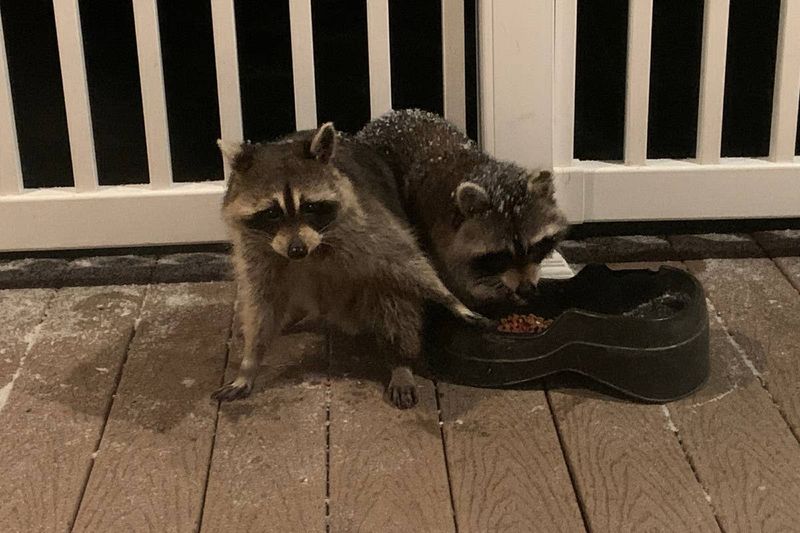
That bowl of kibble you left out for the cat? To a raccoon, it smells like a dinner bell ringing down the block. These animals have a sharp sense of smell, and they can track down food from surprising distances.
Their noses are only half the story. Raccoons have nimble front paws that work almost like little hands, so they can pry off lids, unlatch bins, and tear open bags with ease.
Pet food bowls, garbage cans, recycling bins with sticky soda cans, greasy grills, and compost containers near the house all send out an open invitation.
Your Michigan Garden Changes Every Week. Your Plan Should Too.
Gardening in Michigan changes quickly throughout the season. Every Friday you’ll receive a simple weekly plan showing exactly what to plant, prune, fertilize, harvest, and protect so you never miss the right timing.
Good news, though. A few small habits can make your porch far less tempting. Try these simple steps: Feed your pets indoors, and keep their food in sealed containers inside the house.
Store garbage cans in a garage or shed, or use cans with tight, locking lids. Bungee cords work well in a pinch.
After grilling, scrape and clean the grates so no burned-on burger bits linger. Give recycling a quick rinse before tossing it in the bin. Even a splash of milk in a jug can draw a curious nose.
Keep compost bins away from the house and choose ones with secure lids. Every Michigan homeowner can benefit from these tips.
Raccoons live nearly everywhere in the state, from busy Detroit neighborhoods to quiet farm roads near Traverse City. They adapt well to people, which means they quickly learn which houses offer free meals.
Once your porch stops smelling like a restaurant, most raccoons will move along and try their luck somewhere else.
3. Bird Feeders Are Pulling It In
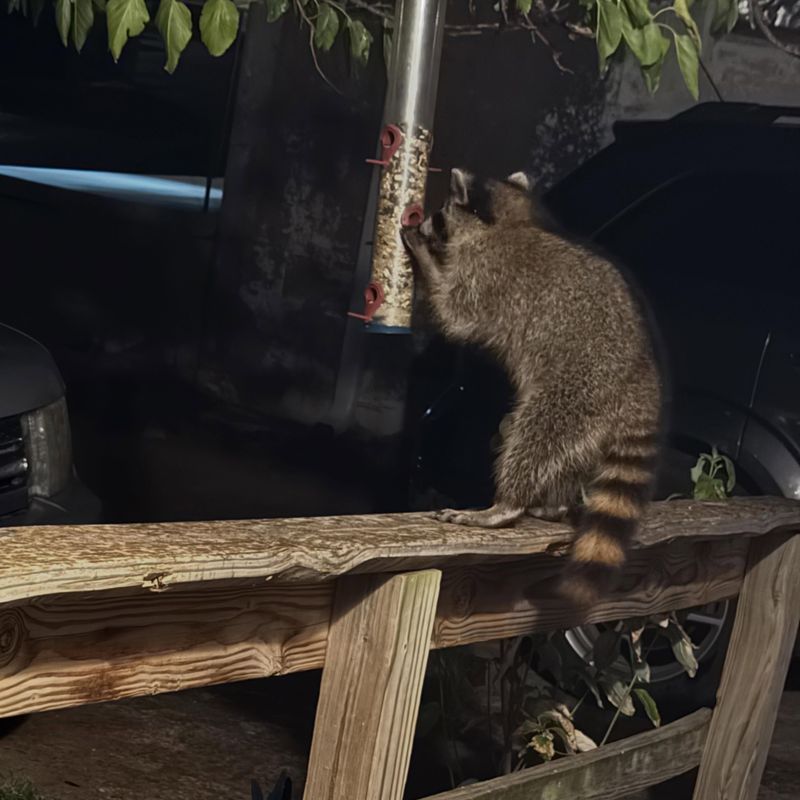
Bird lovers often wake up to an empty feeder and wonder which greedy cardinal ate everything overnight. Quite often, the real thief wears a mask. Raccoons adore birdseed, and feeders near the porch are a top target.
These animals are skilled climbers. They can shimmy up poles, hang from hooks, and tip feeders to shake out seed. When they cannot reach the feeder itself, they happily munch on the seeds that birds spill onto the ground.
Once a raccoon finds a steady supply, it will return night after night, like a regular at a favorite diner.
You do not have to give up feeding birds to solve the problem. A few smart changes can protect your seed and your porch: Bring hanging feeders inside at night, since birds feed mostly during the day anyway.
If you prefer leaving them out, mount feeders on a smooth metal pole with a cone-shaped baffle below, and place the pole away from the house, trees, and railings that raccoons could jump from.
Sweep up spilled seed every few days so the ground stays clean. Store your birdseed in sealed metal containers, because raccoons can chew right through plastic bins and paper bags. A metal trash can with a tight lid makes an easy, affordable storage option.
Many Michiganders keep feeders full through fall and winter to help chickadees, nuthatches, and juncos survive the cold. That kindness can accidentally feed raccoons too, right when they crave extra calories.
With a baffle and a bedtime routine for your feeder, you can keep the birds happy and send the bandits elsewhere.
4. It May Be Looking For A Den Under The Porch
Cozy, dry, and hidden from wind, the space under your porch might be the best real estate in the neighborhood for a raccoon. As the weather turns chilly, these animals start shopping for a warm place to rest.
Raccoons love tucked-away spots. Gaps under porches, decks, and sheds offer shelter from rain and snow. Crawlspaces, attics, and chimneys work just as well.
A good den keeps a raccoon safe and warm through the long winter nights, so they search carefully and often return to spots that worked before.
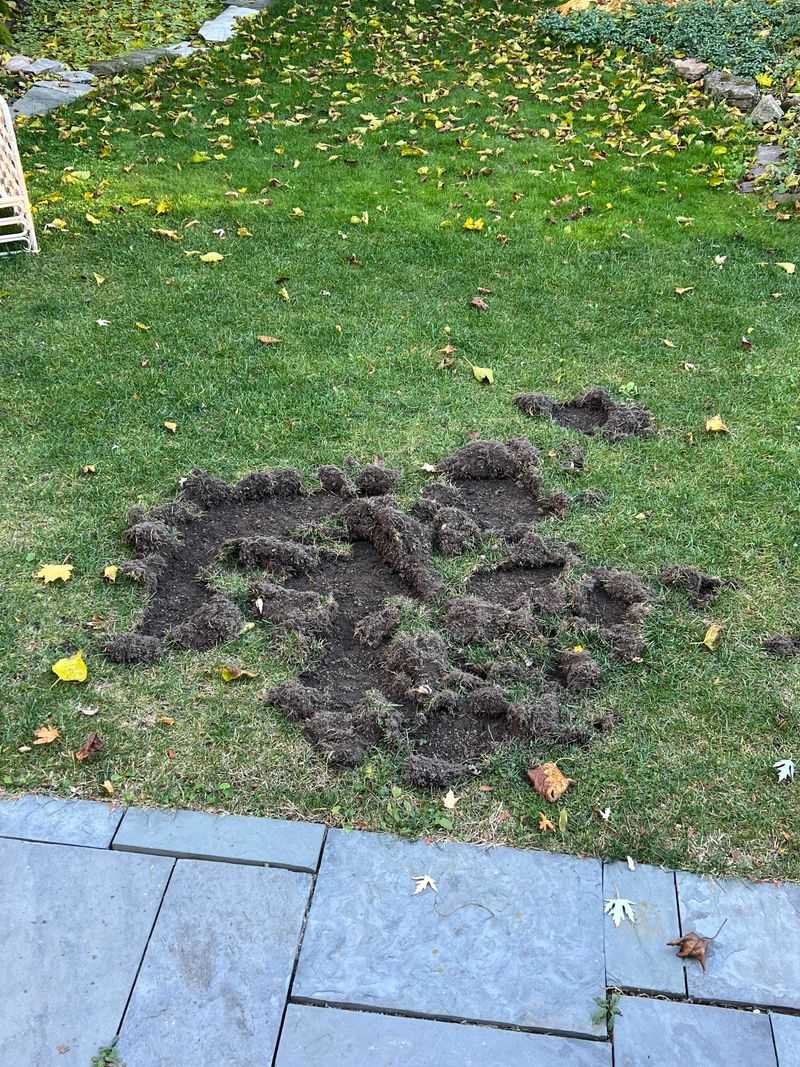
How can you tell if one has moved in? Look for fresh digging or loose soil near the edges of your porch or deck. Check for gaps in lattice, flattened grass leading underneath, or bits of fur caught on boards.
Muddy paw prints that look like tiny human hands are another strong clue.
Before you seal anything, make sure no animal is inside. One trick is to loosely stuff the opening with newspaper or crumpled leaves and check it for a few nights. If nothing pushes it aside, the space is likely empty.
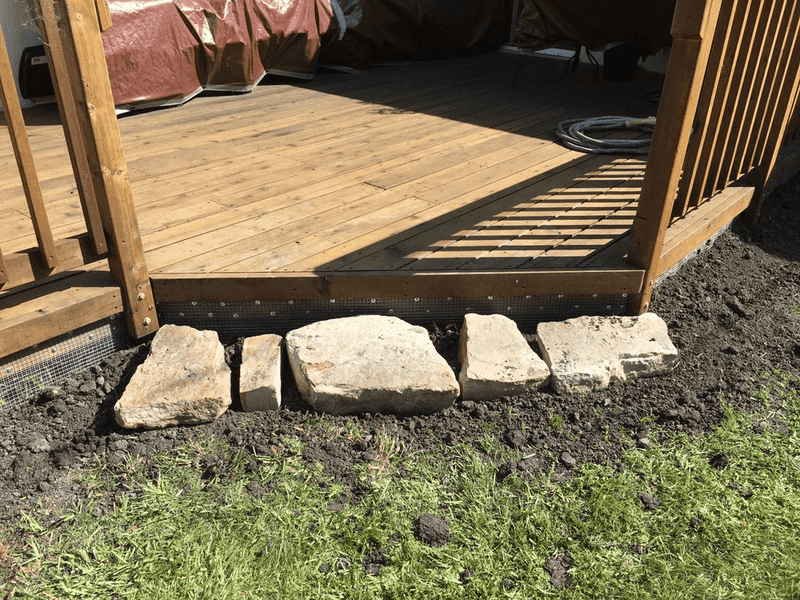
Then close the gap with sturdy hardware cloth, a strong metal mesh. Bury the bottom edge several inches into the ground and bend it outward in an L shape, which stops raccoons from digging underneath. Add a chimney cap to keep them out of your fireplace too.
In Michigan, raccoons start scouting for shelter as fall temperatures drop. Doing your inspection in late summer or early fall gives you a head start and helps you avoid surprise roommates.
5. Raccoons Don’t Truly Hibernate
Many people assume raccoons vanish in December and pop back up in April. Not quite! Unlike bears and groundhogs, raccoons do not truly hibernate, which means your porch could get visitors even in the middle of January.
During the harshest cold, raccoons stay snug in their dens for days or even weeks at a time. Their bodies slow down a bit, and they live mostly off the fat they stored in fall. When the weather warms up, though, hunger wins.
They wake up, wander out, and go looking for something to eat. That on-and-off pattern can catch homeowners off guard. You might go weeks without a sign of a raccoon, then wake up to a knocked-over trash can after a mild night.
Snow can actually work in your favor here. After a fresh snowfall, step outside and look for tracks around your porch, garbage cans, and shed. Raccoon prints are easy to spot, with five long toes on each foot that resemble small handprints.
The back feet leave longer marks, a bit like a tiny human footprint. Tracks tell you where the animal is visiting and what it is after. If they lead straight to your trash bin, it is time to tighten that lid.
Keep food sources secured all year, not just in summer and fall. Michigan winters are famous for their surprise thaws.
A string of forty-degree days in February can melt snow and lure raccoons out for a few nights of foraging. Staying alert during those warm spells will keep your porch from becoming their winter snack bar.
6. Daytime Visits Aren’t Always A Sign Of Illness
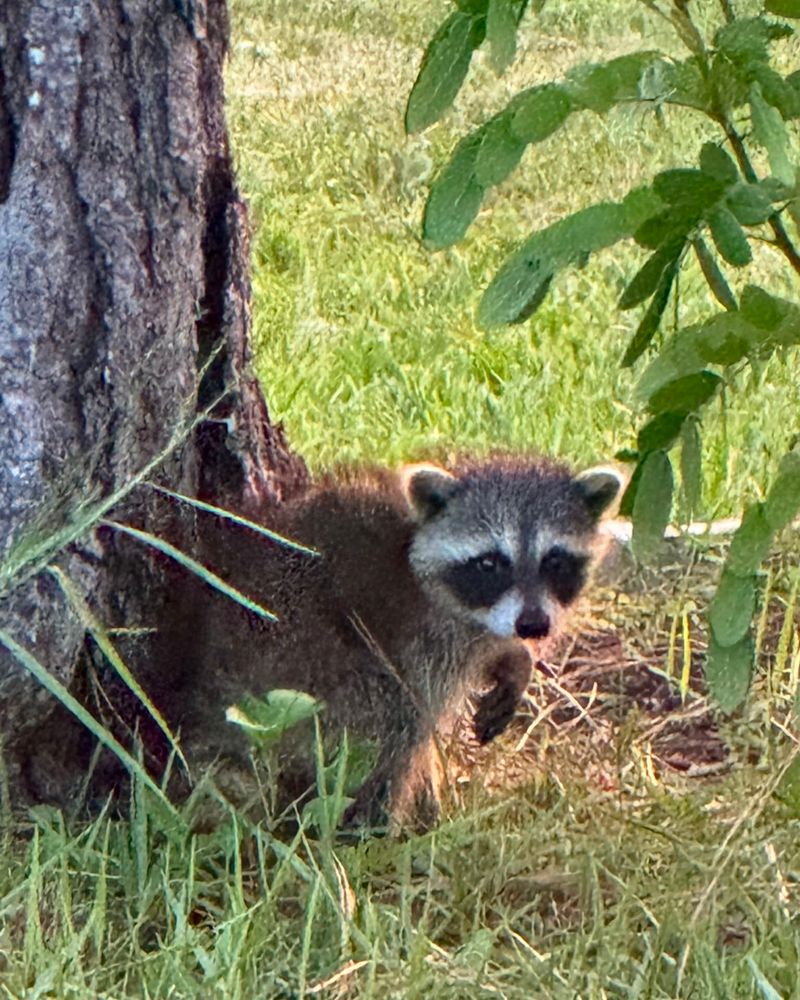
Spotting a raccoon at noon can make your heart skip. Many folks have heard that daytime raccoons must be sick, but the truth is more relaxed than that.
Raccoons are mostly night owls, yet they sometimes forage in daylight for perfectly normal reasons. Mother raccoons with hungry babies often need extra food and may grab meals whenever they can.
Others simply take advantage of an easy food source, like a spilled bag of seed or an unguarded pet bowl. A raccoon that walks calmly and acts alert is usually just fine.
Still, some behaviors deserve your attention. Watch for a raccoon that staggers, walks in circles, seems confused, or acts unusually bold or aggressive. Those can be signs of canine distemper, a common virus in raccoons, or, less often, rabies.
Whatever the situation, a few safety rules always apply. Keep children and pets indoors or far away. Never try to touch, catch, or feed a raccoon, even if it looks friendly or helpless.
Make sure your dogs and cats are up to date on their rabies and distemper vaccines, since pets can catch distemper from wildlife.
If a raccoon seems sick, call your local animal control office or the Michigan Department of Natural Resources. They can give advice and send trained help when needed.
Michigan sees distemper outbreaks in raccoon populations from time to time, and sick animals sometimes wander into yards.
Knowing the difference between a busy mom and an ill animal helps you stay calm, make smart choices, and keep everyone in your household safe.
7. Watch For Raccoon Latrines
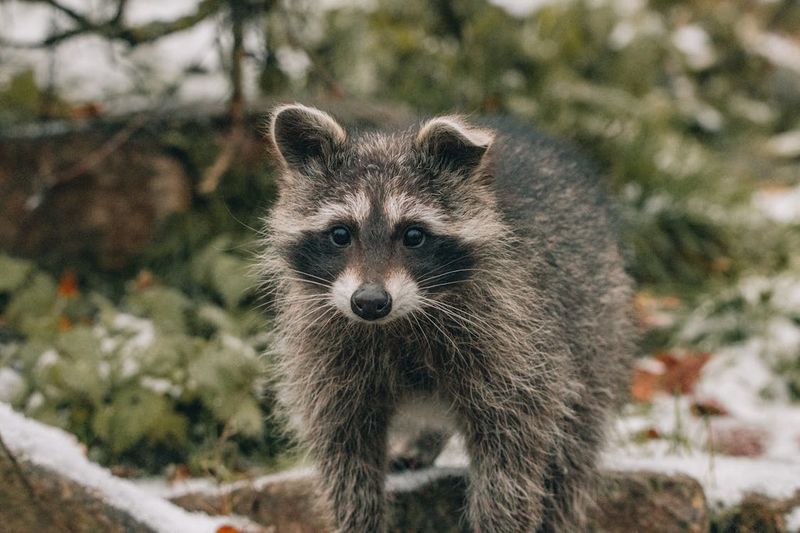
Raccoons have one rather odd habit: they pick a favorite bathroom spot and keep using it. These shared spots are called latrines, and finding one near your porch is a clue worth taking seriously.
Latrines often show up on flat, raised surfaces. Decks, porch roofs, woodpiles, the tops of fences, and the base of large trees are common choices.
You might notice a pile of dark, tube-shaped droppings that keeps growing over time, sometimes with seeds or berry bits mixed in.
Here is why it matters. Raccoon droppings can carry the eggs of raccoon roundworm, a parasite that can cause serious illness if people or pets swallow the eggs.
Young kids are most at risk because they play on the ground and often put hands in their mouths. The eggs are tough and can stay in soil for years.
Cleaning a latrine takes care, but it is doable. Keep children and pets away from the area first. Put on disposable gloves and a mask, and consider wearing old shoes you can wash afterward.
Carefully scoop the droppings into a plastic bag, seal it, and toss it in the trash. Wash your hands well with soap and water when you finish.
For larger messes or latrines indoors, follow guidance from your local health department or the CDC, or hire a professional.
Michigan families spend lots of time on porches and in backyards during warmer months. A latrine near a sandbox, swing set, or front step can put little ones at risk, so checking those spots often is a smart, simple habit.
8. Late Winter Visitors May Be Looking For A Nursery
February may feel quiet and gray, but for raccoons, romance is in the air. Late winter is mating season, and that can lead to a whole new kind of porch visit.
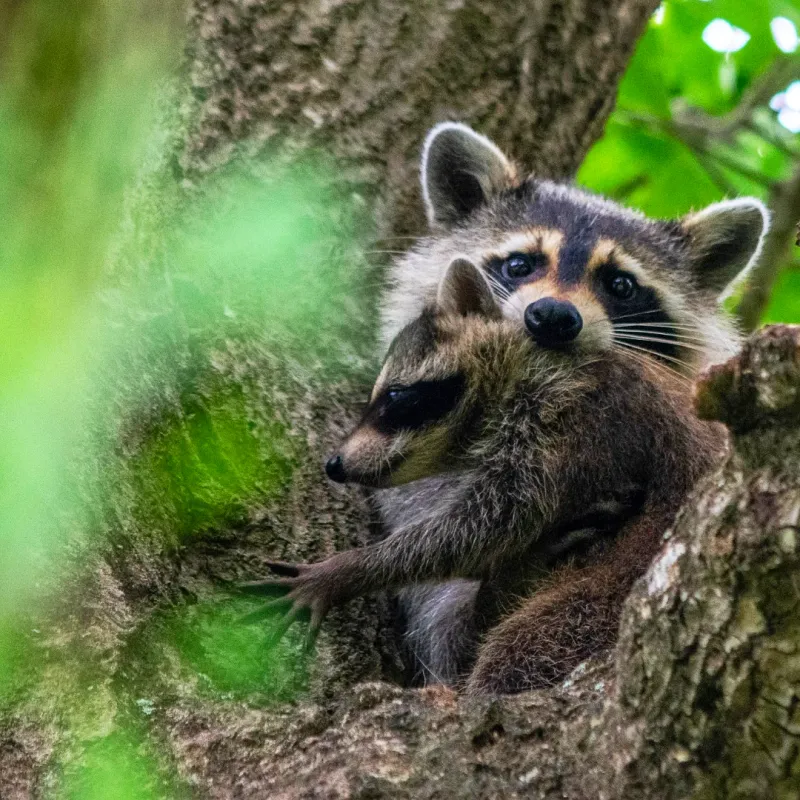
After mating, female raccoons start searching for a safe nursery. They want a dry, hidden spot where they can give birth and raise their babies, called kits.
Spaces under porches, attics, and chimneys all make tempting choices because they feel protected from weather and predators. A mother raccoon usually has a litter of two to five kits.
Your best move happens early. Seal any possible den openings in late fall or early winter, before females start house hunting. Use hardware cloth around porches and decks, repair loose vents, and cap your chimney.
Timing matters a lot here. If a mother raccoon has already moved in with her babies, do not seal the opening. Blocking the entrance could trap the kits inside without their mother, which is cruel and can create a much bigger mess.
Instead, contact a licensed wildlife control professional who can help the family leave safely.
Often, the mother will move her kits on her own after several weeks once they grow bigger. Patience can be your friend, and a professional can tell you whether waiting makes sense.
In Michigan, raccoon kits are usually born in spring, often around April or May. Scratching or chattering sounds under your porch during that season may mean a new family has arrived.
With early prevention and a little kindness, you can keep your home safe while letting these clever neighbors raise their young somewhere better suited.