What It Really Means When Bumblebees Slow Down In Your Ohio Garden
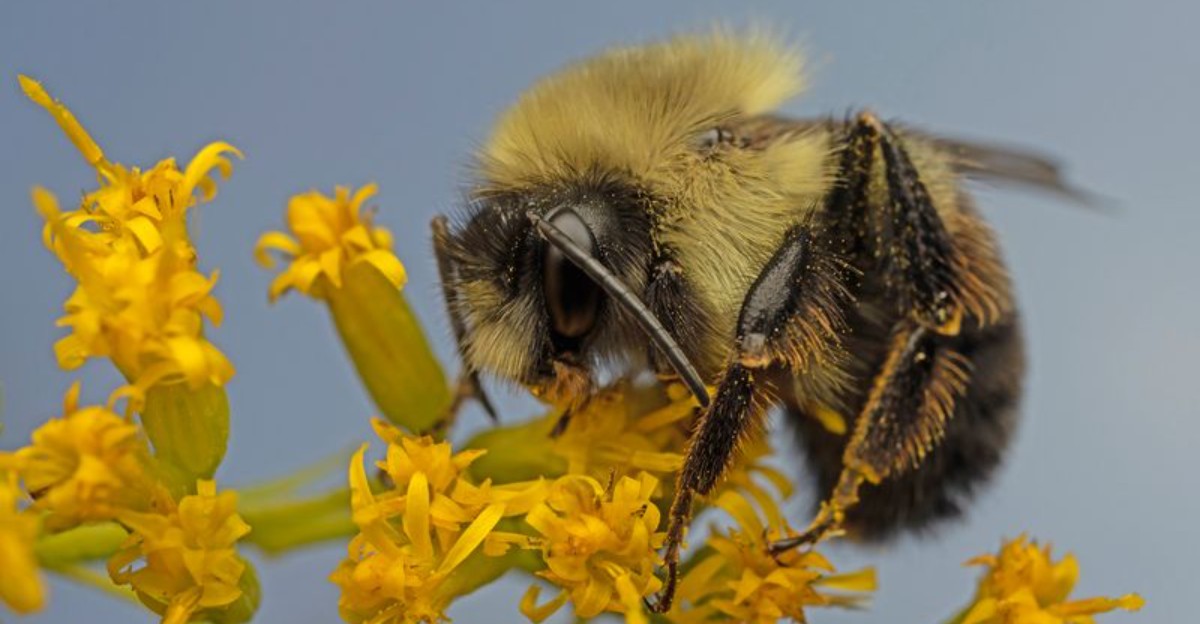
The bumblebees out there right now move differently than they did back in June. Slower, a little clumsier, sometimes just sitting motionless on a flower for long stretches instead of working the whole bed in minutes.
It’s easy to read that as bees running out of steam for the season. That’s not quite it.
This slower pace usually points to something specific happening within the colony right now, tied to Ohio’s shift into cooler fall weather and the point most bumblebee colonies reach this time of year.
What looks like exhaustion is often a bee running on borrowed time in a very literal sense, still working because the job isn’t finished yet, even as its body is running out of what it needs to keep going.
Watching that slowdown up close tells a different story than it seems to at first glance, one that has almost nothing to do with bees simply getting tired.
1. Watch Late Season Pollinators Prepare For Winter
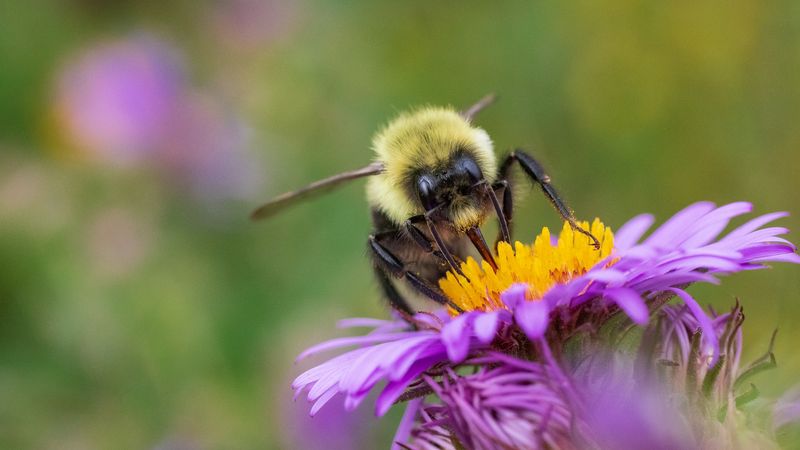
By late summer, an Ohio bumblebee colony has hit its high point. Some nests hold several hundred bees, all buzzing along like a tiny factory at full speed.
Then the queen changes her job description. Later in the season, colonies begin producing males and new queens instead of focusing mainly on worker production.
Those new royals do not stick around. New queens leave the nest, mate, and eventually search for protected places where they can survive the winter.
So when your garden feels busier in one way and quieter in another, you are watching a generation swap in real time. The bees loading up on nectar in September are often the only ones who will greet you next April.
Pay attention to size. Some of the largest bumblebees seen late in the season may be new queens preparing for winter, although size alone is not a reliable way to identify them.
Fun bit of trivia: a single mated queen carries the whole future of her family line. Everything you do in your yard during those last warm weeks either helps her succeed or makes her search harder.
2. Understand Why Activity Starts To Fade
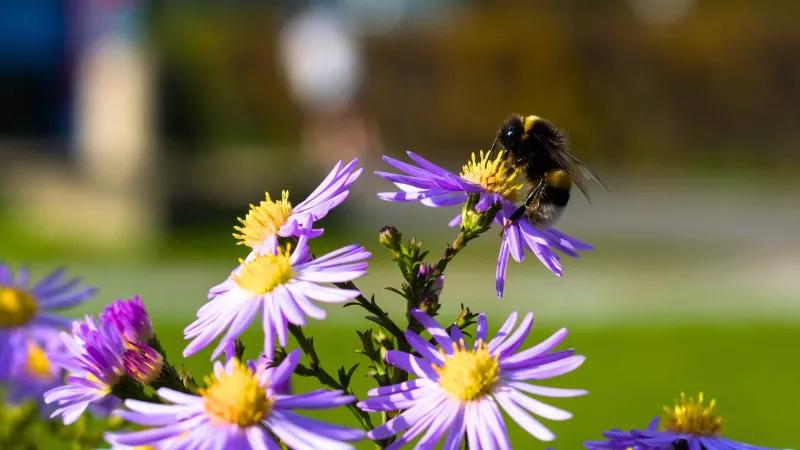
Here is the part that surprises most folks. Bumblebee colonies in Ohio run on a one-season calendar, not a multi-year one.
Honeybees are the exception, keeping their hive going straight through winter by huddling together and sharing stored honey. Bumblebees do things differently, and their nests simply wind down as the temperature drops.
The founding queen, every worker who raised the brood, and all the drones reach the natural end of their season. For most bumblebee species found in Ohio, newly mated queens are the only members of the colony that survive into the next season.
That means the fading buzz in your yard is not a sign of trouble in your soil or your flowers. It is the built-in rhythm of the species, repeating the same loop it has followed for thousands of years.
Knowing that changes how you react. Instead of worrying that your garden failed the pollinators, you can shift your focus to helping those few queens make it through.
Your Ohio Garden Changes Every Week. Your Plan Should Too.
Gardening in Ohio changes quickly throughout the season. Every Friday you’ll receive a simple weekly plan showing exactly what to plant, prune, fertilize, harvest, and protect so you never miss the right timing.
One more thing worth remembering. A bumblebee colony that produced lots of new queens counts as a success story, even though the nest itself goes silent by November.
3. Leave Late Blooms For Hungry Bees
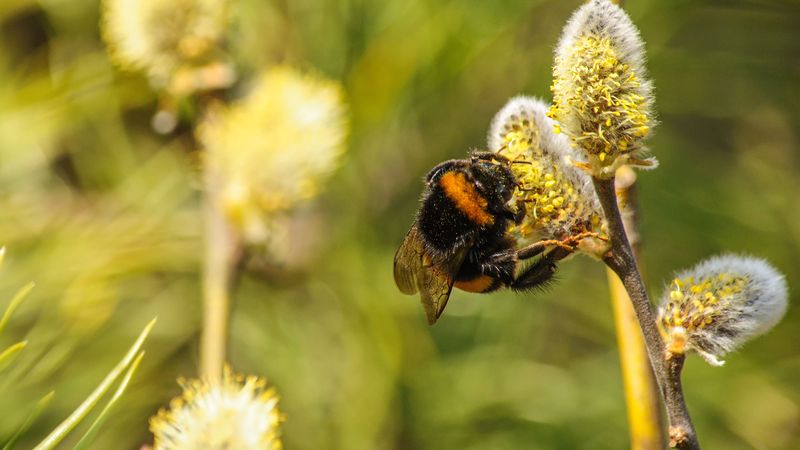
Think of late-season flowers as a fuel station right before a very long road trip. Those September and October blooms hand new queens the nectar and pollen they need to build up fat reserves.
Without that stored energy, months of dormancy become a lot riskier. With it, a queen has a real shot at emerging next spring and starting a brand-new colony in your neighborhood.
Bumblebees also have an advantage over many of their relatives. Their larger bodies and thick, insulating fuzz let them keep foraging in chilly weather that grounds smaller bees.
You have probably seen proof of that on a cool morning, when a bumblebee is out working while everything else sits still. That cold tolerance only helps if there is something blooming for them to visit.
Resist the urge to trim everything the moment petals start to fade. Those last tired-looking blossoms are often the most valuable ones in the whole yard.
A simple habit helps here. Walk your beds in late September and ask which plants still have open flowers, then leave those alone until frost has clearly finished them off.
4. Protect Garden Food Sources Into Fall
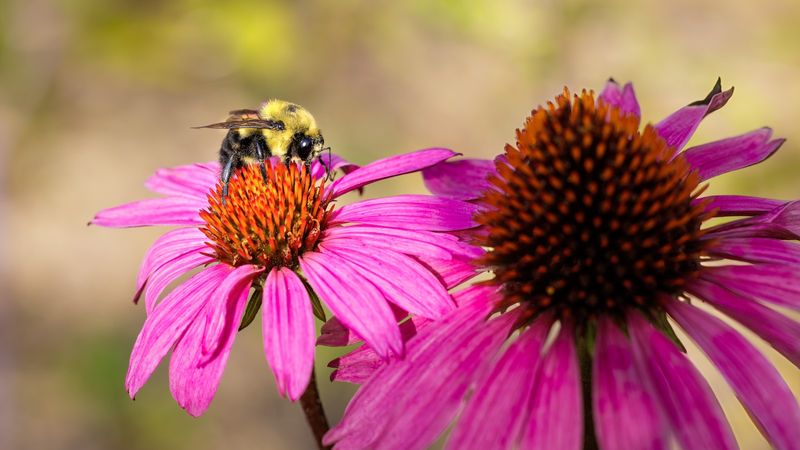
Steady food beats a single big feast. Bumblebees do best when nectar and pollen are available from early spring right through late fall, not just during the peak of summer.
Native plants pull the most weight here. They evolved alongside Ohio bee species, so bloom times and flower shapes tend to line up neatly with what local bumblebees can use.
Planting in clusters makes a bigger difference than most gardeners expect. A group of the same flower is easier to spot from a distance and lets a bee feed efficiently without wasting energy flying back and forth.
Try mapping your bloom calendar on paper. If you notice a gap in September or October, that is exactly where a new plant would do the most good.
Pesticide timing matters too. Spraying anything on open flowers during those final foraging weeks hits the very bees you are counting on for next season.
Water counts as a food-source issue as well. A shallow dish with a few stones sticking above the surface gives thirsty foragers a safe landing pad while they drink.
5. Recognize The Signs Of Seasonal Change
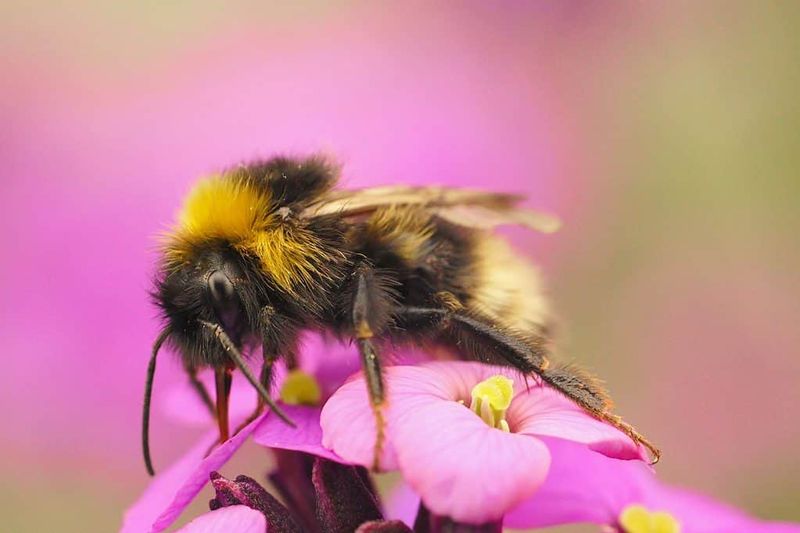
Ever found a bumblebee sitting perfectly still on a bloom at dusk and assumed the worst? Nine times out of ten, that bee is simply cold and waiting out the chill.
Bumblebees need a certain body temperature to fly. When evening air dips, they hunker down on a flower, go quiet, and warm back up when the sun returns.
Other clues show up in the crowd itself. Worker numbers drop, while you start seeing more males and those noticeably larger new queens moving through the garden.
Males behave differently, too. They tend to hang around flowers without hauling pollen back anywhere, since they have no nest duties left to perform.
If you spot a motionless bee, the kindest move is usually to leave it alone. Poking or relocating it wastes the energy it is trying to conserve.
Should one end up on a sidewalk where it could get stepped on, gently guide it onto a leaf and set it in a sheltered planting instead.
Reading these signals turns a worrying scene into something reassuring. The slowdown is a calendar page turning, not a problem you need to fix.
6. Grow Plants That Support Fall Pollinators
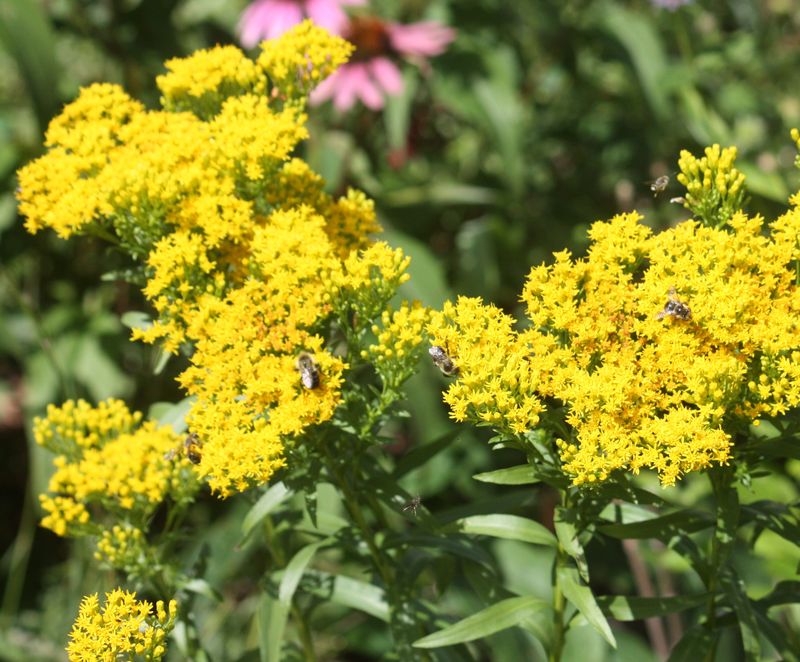
If you want a shortlist for Ohio, start with asters and goldenrod. Both bloom when almost everything else has quit, and both pull in bumblebees by the dozen.
Add Joe Pye weed, ironweed, and sedum for extra staying power. Sedum in particular holds its flat flower heads well into cool weather, giving heavy bees an easy platform to land on.
Annuals earn a spot as well. Sunflowers, zinnias, marigolds, and cosmos keep producing until frost, and they are forgiving enough for beginners working with a small bed or a few containers.
Do not overlook the herb garden. Basil, borage, dill, fennel, lavender, oregano, and catmint all draw pollinators once you let them flower instead of pinching every bud.
Here is a myth worth retiring. Goldenrod does not cause hay fever, since its pollen is too heavy and sticky to blow around, and ragweed is the real culprit.
Loosening your standards helps too. Letting a patch of dandelions, clover, or milkweed bloom in a back corner supplies free groceries with zero effort on your part.
7. Avoid Removing Bee Friendly Flowers Too Soon
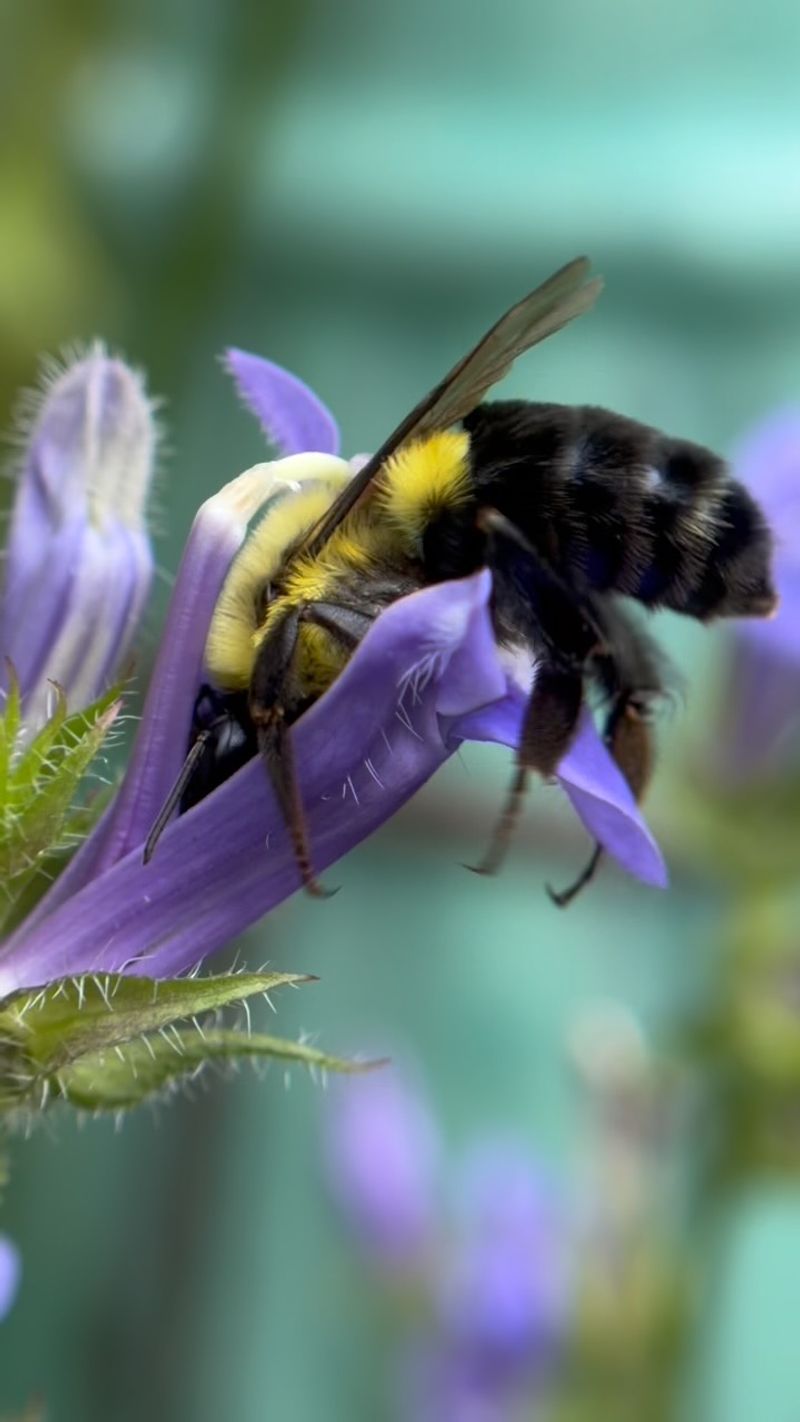
Tidy hands can be a little too eager in October. Cutting back everything the second the weather turns removes the exact meals new queens are relying on.
Those queens need nectar and pollen access from early spring through late fall to finish their preparation. Clearing the beds early shrinks that window right when it matters most.
A softer approach works fine. Trim what genuinely looks rough, and leave anything still holding flowers or seed heads until well after a hard frost.
Seed heads pay you back twice. Goldfinches and other birds work them all winter, and hollow stems become nesting tunnels for small native bees come spring.
Brush piles and leaf litter deserve the same mercy. Both offer shelter and nesting material, and hauling every scrap to the curb strips your yard of free habitat.
Many Ohio gardeners now wait until spring for the big cleanup, once daytime temperatures hold steady in the fifties. The beds look a bit shaggy through winter, and the payoff shows up in the bee traffic next June.
Consider leaving one corner untouched as an experiment. Compare the buzz there against your neatest bed and you will likely become a convert.
8. Create Shelter For Overwintering Insects
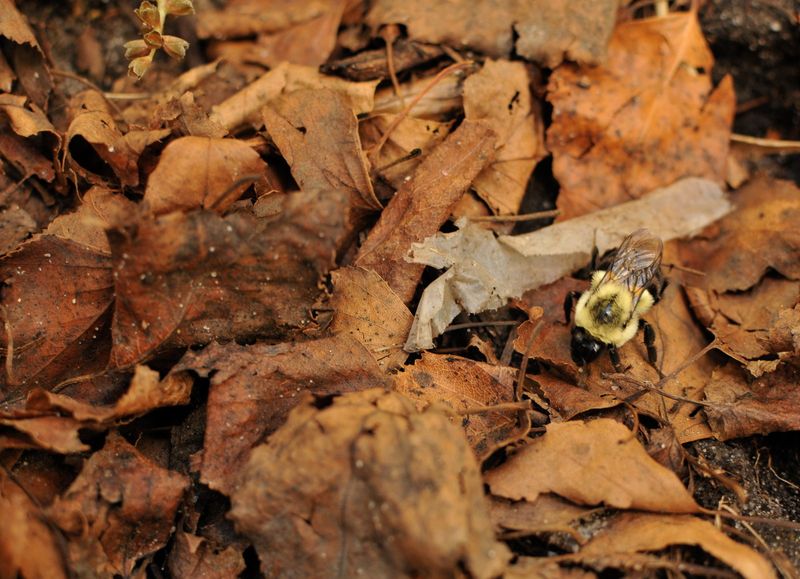
A queen bumblebee searches for a sheltered overwintering site, often in loose soil, leaf litter, or an abandoned small-animal burrow. That small burrow is her winter bedroom, and she will spend months there alone.
Favorite spots include leaf litter, the base of logs, shady woodland edges, and abandoned rodent tunnels. Dense grass clumps, hollow trees, and loose bark work too.
Notice a pattern? Every one of those places gets erased by heavy raking, aggressive tilling, or wall-to-wall mulch.
You can help without much labor. Pick a low-traffic corner, let the leaves stay put, and stack a few logs or prunings into a loose pile.
Skip the fall tilling in beds where you do not truly need it. Turning soil in October or March can disturb a queen who chose that spot months earlier.
Timing your spring cleanup matters just as much. Queens often stay tucked in until temperatures warm reliably, so waiting a couple of extra weeks gives them a safer exit.
Small gestures add up across a street. If a handful of neighbors each leave one messy corner, your whole block becomes friendlier real estate for next year’s colonies.
9. Keep Your Garden Alive After Summer
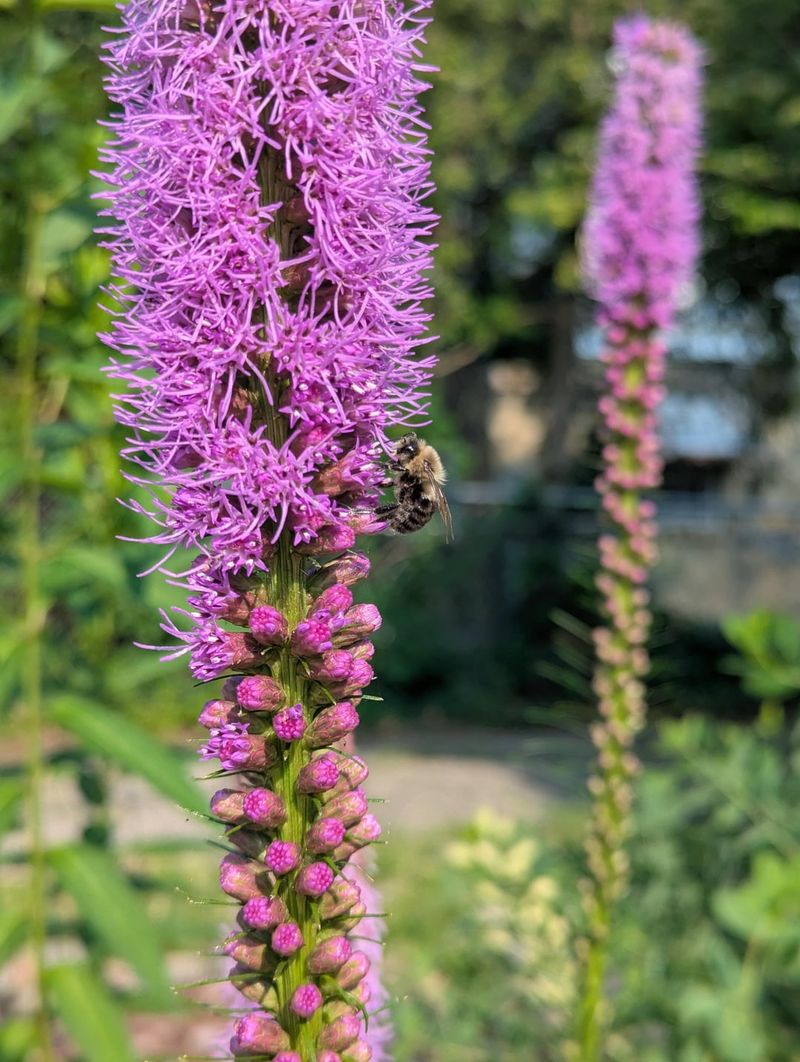
Fall turns out to be prime planting season, not the end of the line. Native trees, shrubs, and grasses settle in beautifully when the soil is still warm and the air has cooled.
Roots keep growing underground long after the leaves drop. Plant now and you get a stronger, better-established plant blooming for pollinators next year.
Loosen your grip on tidiness while you are at it. Skipping the rigorous cleanup leaves natural cover in place for overwintering queens plus beetles, moths, and other helpful insects.
A shallow water source rounds things out. Set a saucer with pebbles in a sunny spot so pollinators can sip without slipping.
Think of your yard as a year-round address rather than a summer resort. Shelter in winter, early blooms in spring, and steady food through fall keep the cycle turning.
The reward is easy to measure. Gardens with year-round habitat give overwintering queens and emerging pollinators more opportunities to use the space the following season.
So the next time you spot a slow, sleepy bumblebee in October, take it as a compliment. Your garden gave her a reason to stay.