Worst Herbs For Waterlogged Pots In North Carolina (And Those That Absolutely Thrive In Them)
Two pots sit on the same back deck after the same rainy week, and only one of them is having a good time.
One looks gray and tired, needles drooping, base gone soft. The other is practically celebrating, spilling over the rim, greener than it was a week ago.
Same rain. Same deck. Same gardener watering both.
So what gives?
The answer has nothing to do with luck and everything to do with where each plant’s ancestors actually grew.
Some herbs come from rocky, sun-baked hillsides that never see standing water. Others come from stream banks and soggy meadows where wet feet are just Tuesday.
Put a hillside plant in a swamp, and it sulks. Put a stream bank plant in bone-dry gravel, and it sulks just the same.
Knowing which category your herb falls into saves you a whole season of confused watering and mystery plant losses. Here’s who handles the wet, who doesn’t, and what to do about either one.
1. Rosemary Struggles In Soggy Soil
Somewhere on a rocky hillside in Greece, a wild rosemary shrub is draining water within minutes of a storm.
That gritty, fast-draining ground shaped every root that plant ever grew. A soggy pot in Raleigh after four days of rain is about as far from that as it gets.
NC State Extension groups rosemary with the Mediterranean herbs that demand excellent drainage, and root rot shows up as the most common failure gardeners report.
Roots need air pockets in the mix to function. Once water fills those spaces, the fine feeder roots suffocate and fungi move in fast.
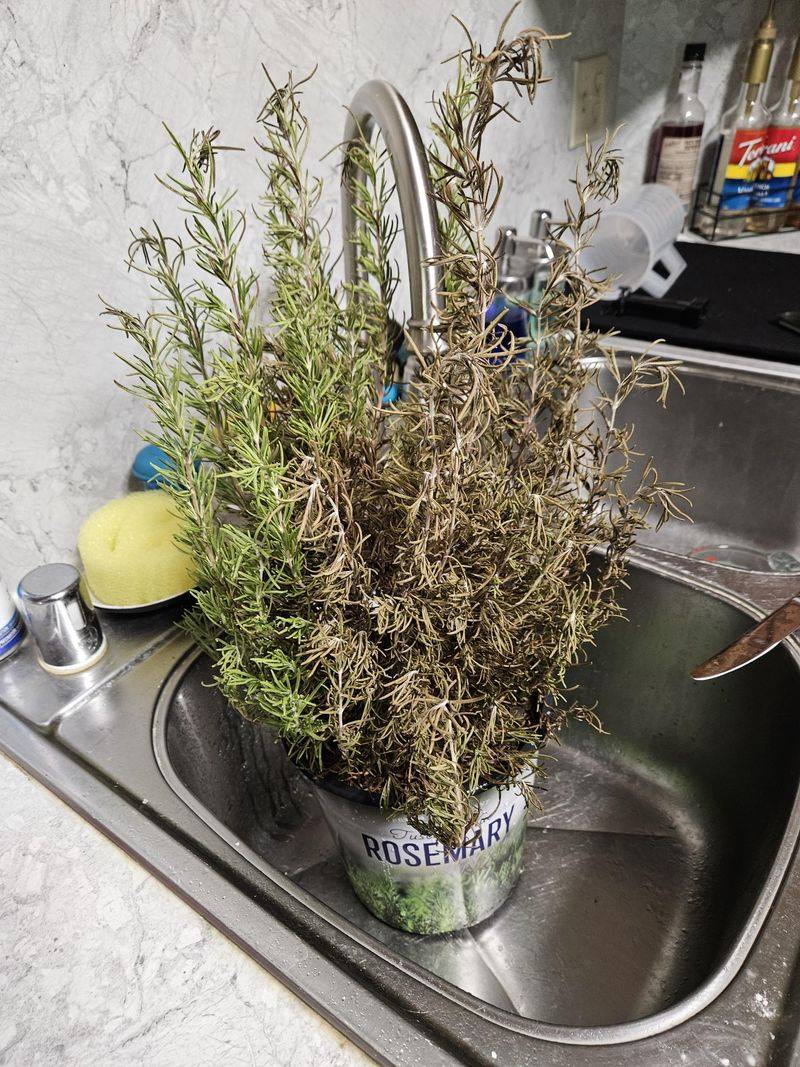
Here’s the confusing part. A rosemary drowning in wet mix actually looks thirsty. Needles turn gray-brown, tips droop, and whole branches go crisp while the soil underneath stays soaked.
Plenty of gardeners respond by watering more, which finishes the job the rain started.
For containers, reach for unglazed terracotta with a wide drainage hole, and skip the saucer entirely during rainy stretches.
Blend potting soil with coarse sand, perlite, or pine bark fines so water actually moves through instead of sitting there. A pot raised on bricks or pot feet drains noticeably better than one sitting flat against a deck board.
During North Carolina’s summer downpours and long humid spells, tuck rosemary under a porch roof for a few days and leave it alone.
Water only once the top two inches feel genuinely dry. Airflow matters just as much as drainage here. Treat this plant like it prefers a little neglect, and it’ll happily live in the same pot for years.
2. Lavender Rots Fast With Wet Feet
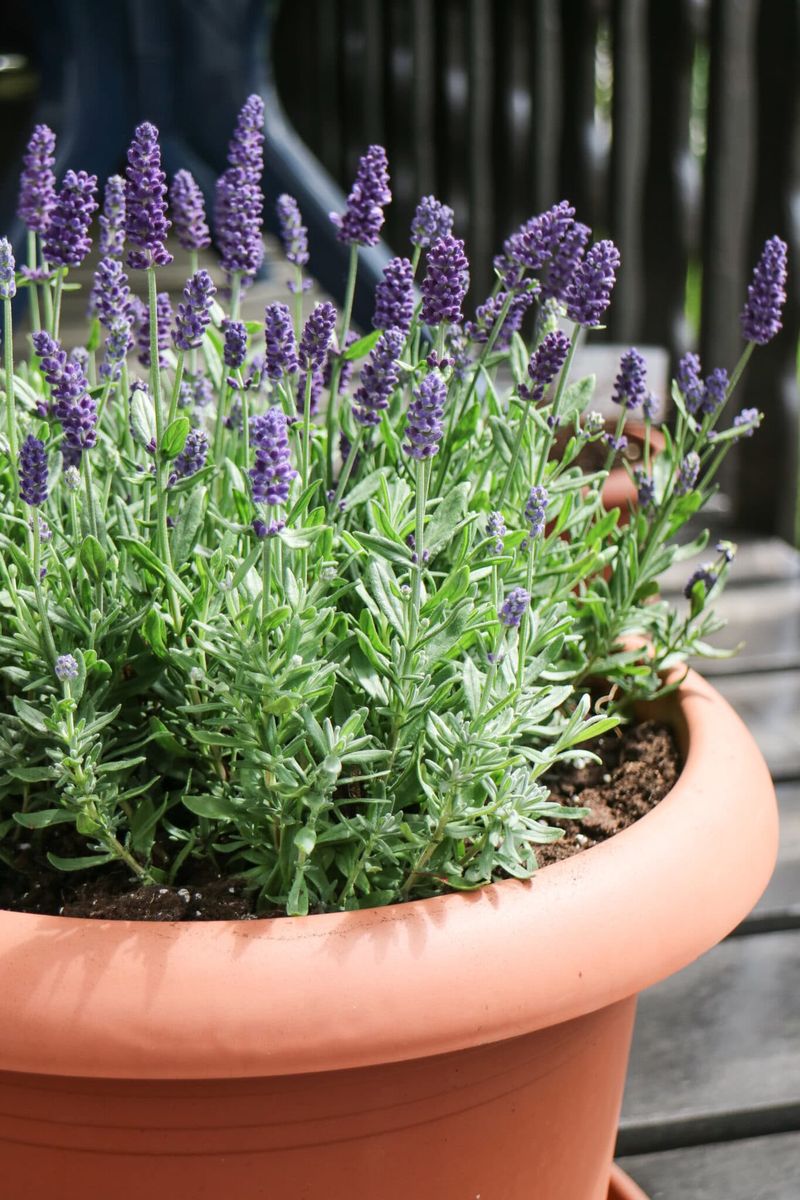
Few garden losses sting quite like a lavender plant that looked flawless in May and turned brittle and brown by July. Wet feet, not heat, is usually the real culprit.
This plant comes from dry, alkaline, rocky slopes where standing water simply never happens.
NC State Extension notes that lavender needs sharp drainage and struggles badly in heavy, wet soils, which describes a good chunk of North Carolina summers pretty accurately.
Your North Carolina Garden Changes Every Week. Your Plan Should Too.
Gardening in North Carolina changes quickly throughout the season. Every Friday you’ll receive a simple weekly plan showing exactly what to plant, prune, fertilize, harvest, and protect so you never miss the right timing.
A container mix that holds water like a sponge keeps the crown constantly damp. That damp crown is exactly where fungal rot sets up shop.
Humidity piles on a second problem here. Even with solid drainage, still, muggy air keeps foliage wet and invites leaf spotting on top of everything else. Spacing pots apart so breezes can actually move through helps more than most people expect.
Practical fixes are refreshingly simple. Use a gritty mix, roughly two parts potting soil to one part coarse sand or crushed granite, then top the surface with pale gravel. That gravel reflects heat and keeps the crown drier after a storm rolls through.
Pick a pot only slightly bigger than the root ball, since extra soil just means extra water sitting around. Empty saucers after every rain, no exceptions.
Spanish and French varieties tend to shrug off Southern humidity better than English types, so it’s worth asking your county Extension office which cultivars actually perform well nearby.
One more habit worth locking in: water in the morning, and only once the mix feels dry an inch or two down. This plant would rather be thirsty than soggy, and it’ll show you the difference within a single season, no ambiguity involved.
3. Thyme Needs Sharp Drainage To Survive
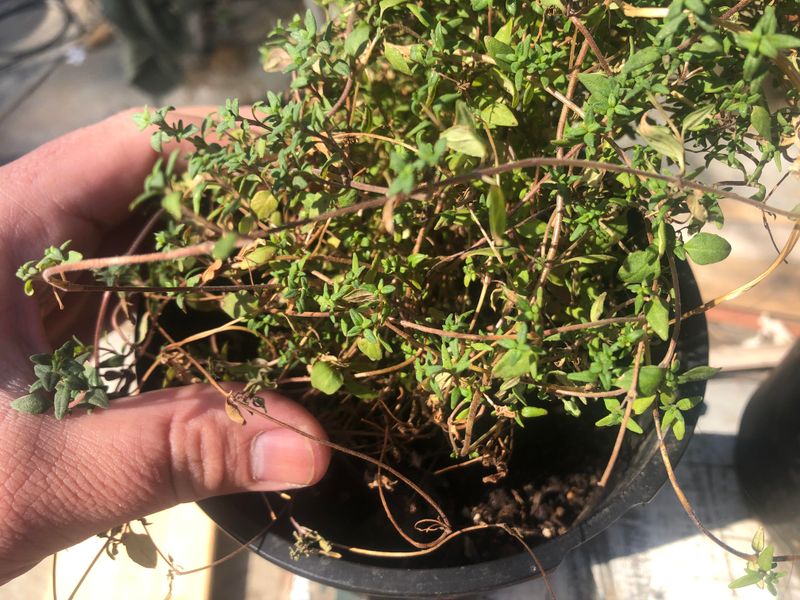
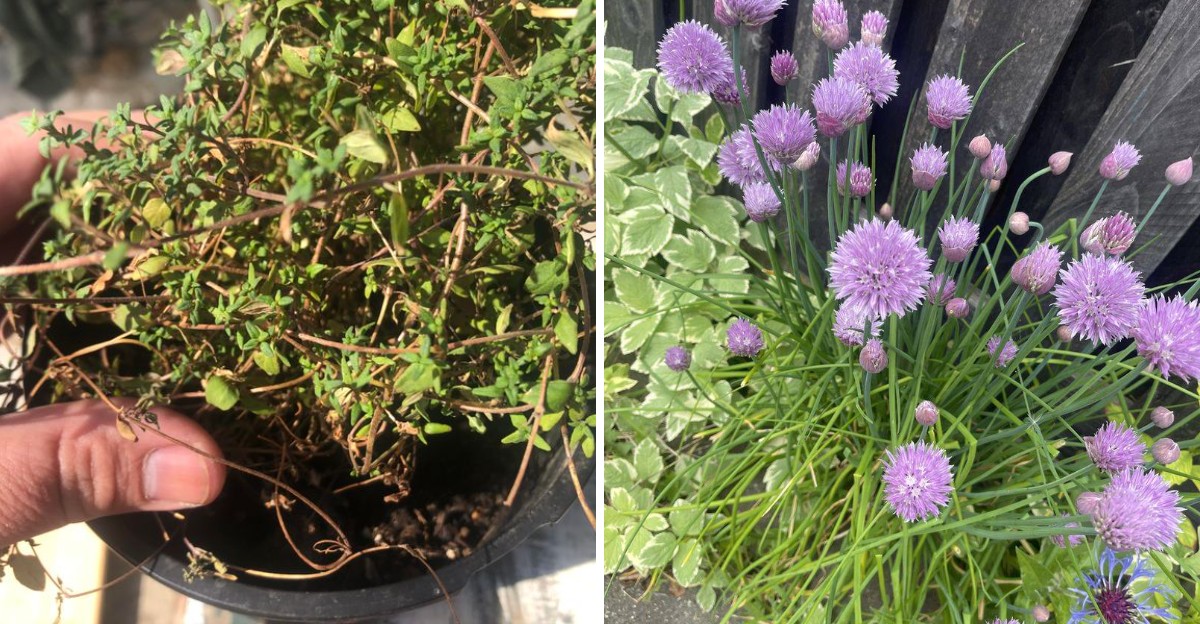
This one looks tough, and in the right pot, it genuinely is. Tiny leaves, wiry stems, and a shrug for drought, heat, and rocky ground. Constant moisture is the single thing that undoes it completely.
Having grown wild across dry Mediterranean scrubland, thyme developed shallow, fine roots that spread sideways near the surface rather than digging deep.
Those roots depend entirely on air moving through the top layer of soil. In a pot that stays saturated, they rot fast, usually starting right at the plant’s woody center.
NC State Extension lists thyme among the herbs requiring well-drained soil, and container growers across the state keep seeing the identical pattern play out.
Healthy in spring, mushy in the middle by August. Watch for stems that pull loose with a gentle tug. That’s a rot signal, not a nutrition problem, so don’t reach for fertilizer.
Wide, shallow bowls suit this plant far better than deep pots, since less soil volume means less trapped water sitting around the roots.
Work in extra perlite or gravel, and steer clear of peat-heavy mixes that stay wet for days at a stretch. Skip bark mulch pressed right up against the stems too.
Trim lightly through summer to open the plant up and let humid air escape from the center. After heavy rain, move the pot somewhere with morning sun and a steady breeze.
Harvest often, since snipping sprigs for the kitchen keeps growth young, and young stems resist rot far better than old woody ones ever do.
A plant that survives its first soggy Carolina summer usually settles in for several good years after that. Give it grit, give it air, and the patience pays for itself.
4. Mint Handles Damp Soil With Ease
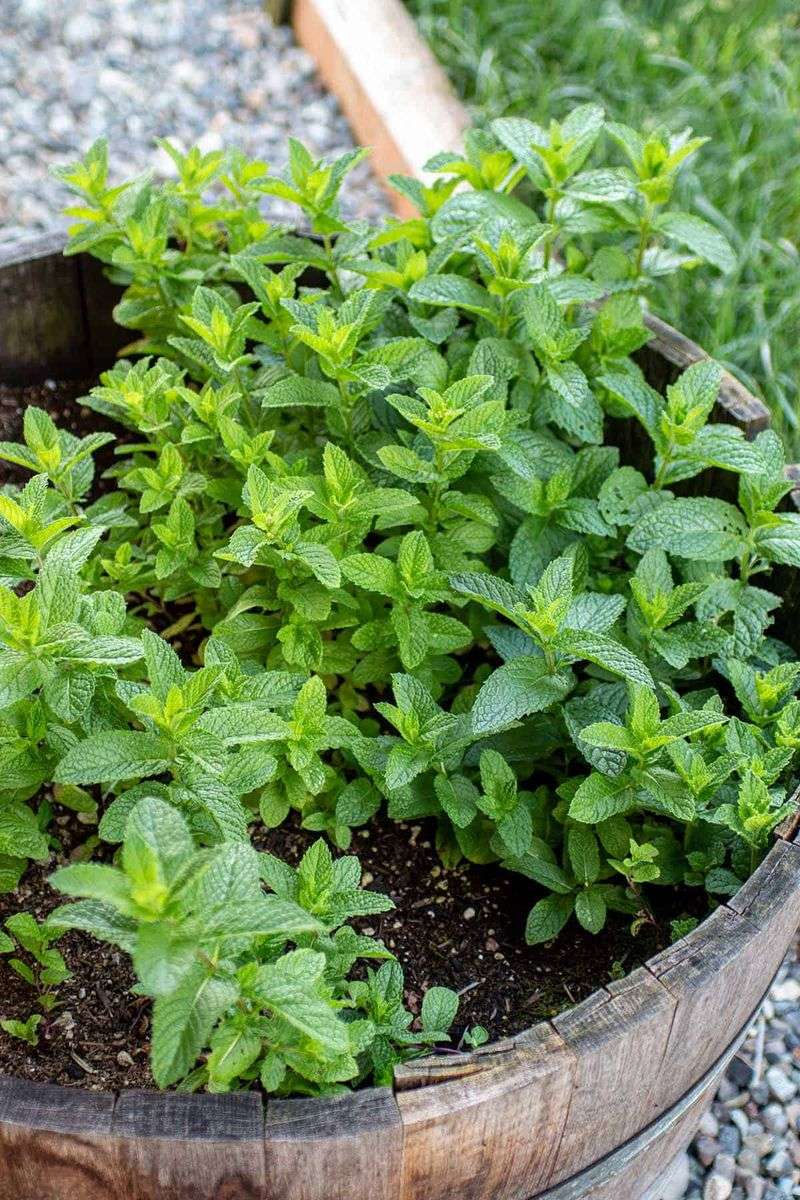
Here’s the herb that shows up smiling after a full week of rain.
In the wild it grows along stream banks, ditches, and damp meadows, spreading through shallow runners that genuinely prefer cool, moist ground.
That background explains why a rain-soaked pot barely registers as a problem.
NC State Extension describes mint as a vigorous, moisture-loving spreader, which is exactly why most gardeners keep it contained in pots to begin with.
Runners will happily take over a garden bed in a single season. A pot is basically the only thing keeping that ambition in check.
Fair warning, though. Tolerating damp soil isn’t the same as thriving in an actual swamp. Roots still need oxygen to function, and a mix that stays airless for weeks will eventually rot even this plant. Drainage holes stay non-negotiable no matter how tough it seems.
For North Carolina growers, this pairs well with plastic or glazed ceramic pots that hold moisture between waterings, plus a peat- or coir-based mix.
Afternoon shade keeps leaves from scorching once July heat sets in. A saucer holding a little water is actually fine here, which is more than you can say for rosemary.
Refresh the soil and divide the roots every year or two, since crowded clumps get thin and woody over time.
Pinch off flower buds to keep leaves tender and fragrant longer.
Spearmint, peppermint, and chocolate mint all handle Southern humidity well, and one healthy pot supplies more tea than most households can realistically drink.
If your deck stays damp every August, this is the herb still standing there, green and completely unbothered. Give it a shady corner and a weekly haircut, and it asks for nothing else.
5. Chives Tolerate Consistently Moist Pots
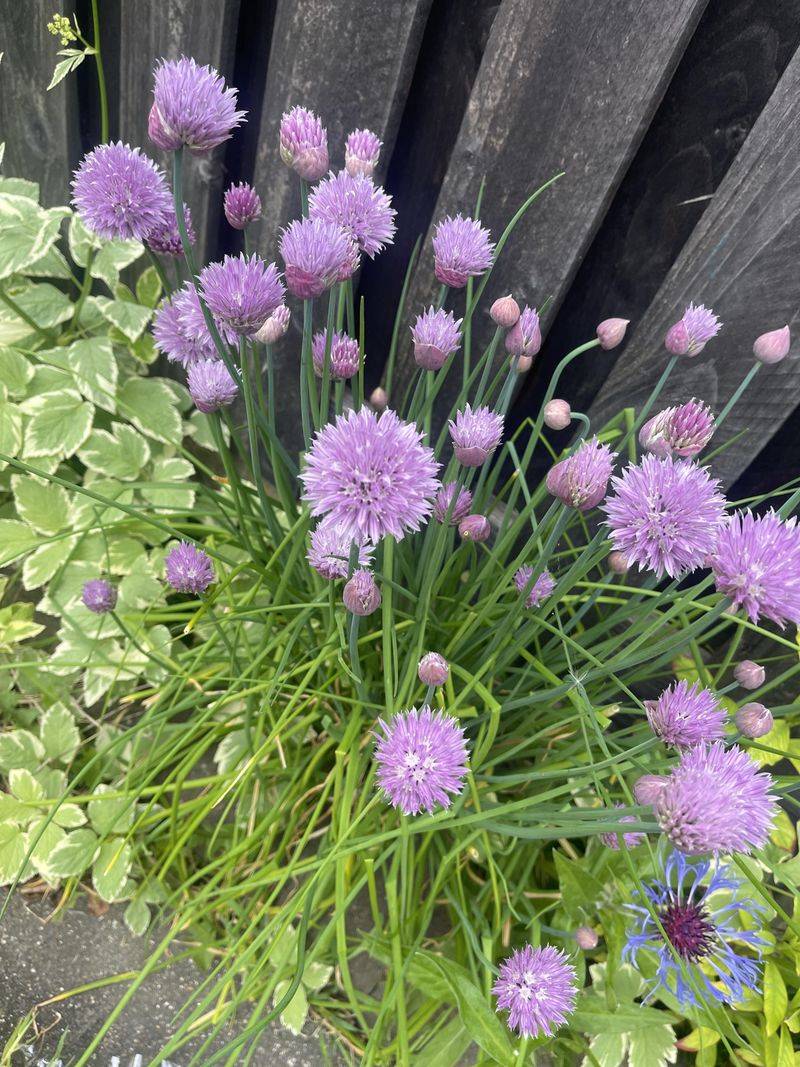
Ask anyone who’s grown chives on a windowsill, and they’ll tell you the plant is about as low-maintenance as it gets.
Hollow green spears, purple pom-pom flowers, and a mild onion bite make it a genuine kitchen staple. Steady moisture suits it just fine, no fuss required.
Belonging to the onion family, chives grow from small clustered bulbs with fibrous roots underneath.
NC State Extension recommends moist, fertile soil for them, which is a sharp contrast to the gritty conditions rosemary and lavender demand from a gardener.
Damp spring weather actually pushes fresh growth along rather than slowing it down.
Soil that never drains at all will still cause bulb rot eventually, so aim for evenly moist rather than swampy. If leaves yellow from the base and feel slimy to the touch, the pot is holding too much water. Poke a few extra holes or repot with a chunkier mix altogether.
Roughly one gallon of soil per clump goes a long way. Standard potting mix works well here, and a light feeding of balanced fertilizer every few weeks keeps the blades nice and thick.
Full sun and part shade both work fine across most of the state.
Snip outer leaves with scissors about an inch above the soil instead of shearing the whole clump down at once.
This plant regrows quickly through spring and fall, slows down a bit in midsummer heat, and often overwinters outdoors in Piedmont and coastal areas without much complaint.
Divide crowded clumps in early spring and share the extras with a neighbor who could use some.
Bonus for the pollinator crowd: those spring blossoms draw in bees, and they taste sharp and lovely torn over potato salad or scrambled eggs.
6. Parsley Grows Well In Wetter Mixes
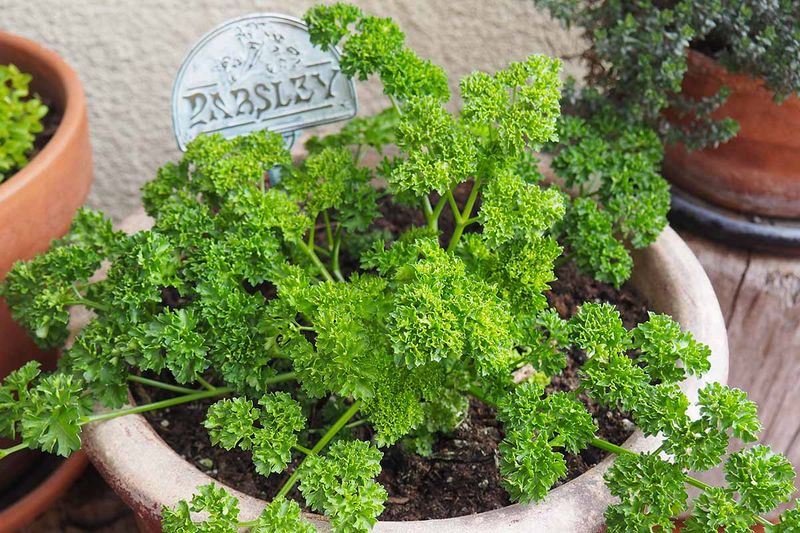
This one is the quiet workhorse of the damp-pot crowd.
It grows a taproot that reaches down hunting for water, plus a leafy top that wilts dramatically the second the mix dries out. Consistent moisture keeps it lush and dark green all season long.
NC State Extension guidance calls for rich, evenly moist soil here, which puts parsley comfortably alongside mint and chives rather than the gritty Mediterranean group.
Rainy Carolina springs are basically prime parsley season. Curly and flat-leaf Italian types behave identically about water, so pick whichever you’ll actually use in the kitchen.
Because of that taproot, depth matters more than people expect. An eight- to ten-inch-deep pot beats a shallow bowl every time, though it should still drain freely from the bottom regardless.
Water standing for days will rot the crown, no matter how thirsty the leaves up top might look.
Heat turns out to be a bigger enemy than rain ever is. By late July, parsley often bolts, sending up flower stalks and turning noticeably bitter in the process.
Afternoon shade paired with steady watering stretches the harvest window several extra weeks.
Plant in early spring and again in late summer for fall and winter pickings, since this one shrugs off a light frost without much drama.
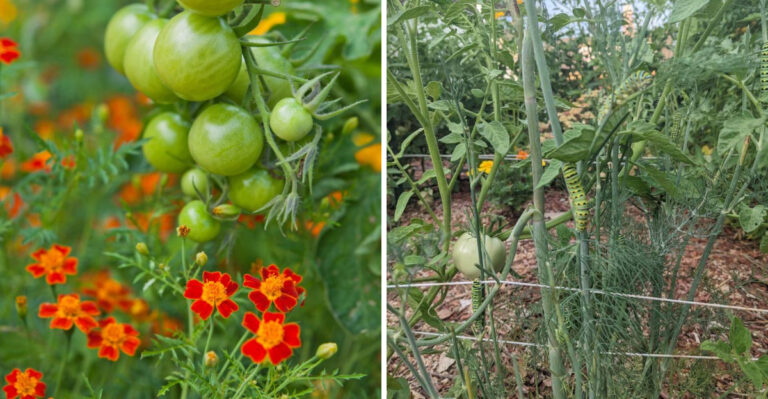
Cut outer stems at the base so the center keeps producing fresh growth. Leave one plant to flower in its second year, and swallowtail caterpillars may move in, a trade most gardeners find genuinely worth making.
Group your pots by thirst rather than by looks: moisture lovers on one side, gritty Mediterranean herbs on the other. That single habit alone prevents most container herb losses before they even start.