What It Really Means When Clover Takes Over Your Ohio Lawn
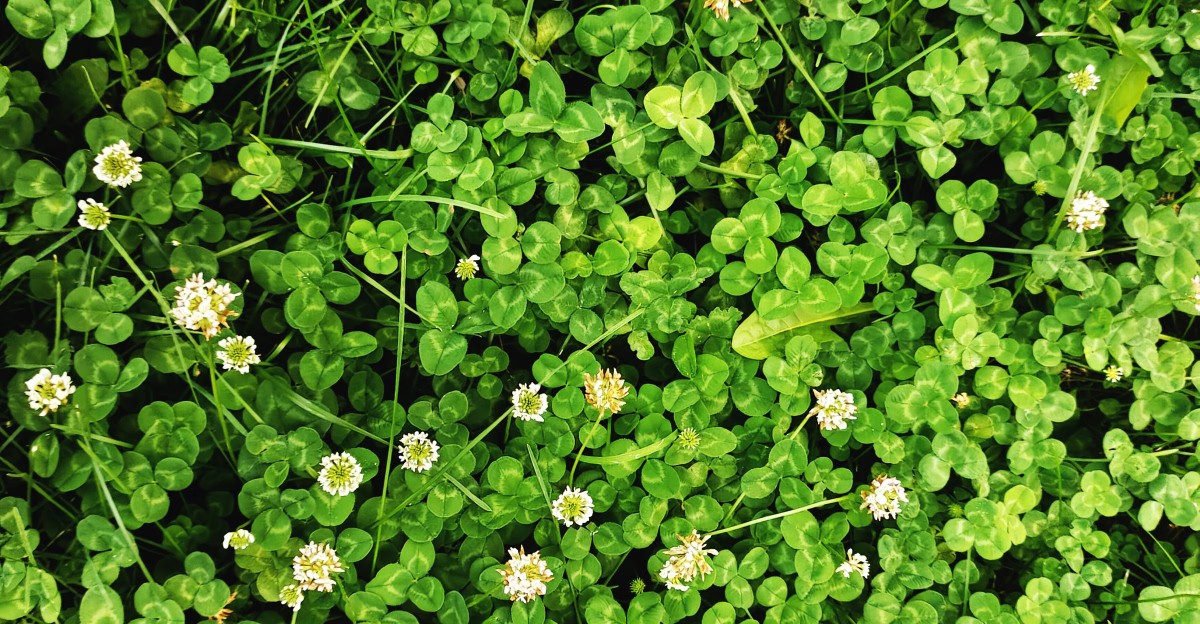
One little lawn plant can pull nitrogen straight out of the air and turn it into free fertilizer. It does this with help from tiny bacteria living in bumps on its roots.
I’ll be honest, I used to yank it out by the handful. My knees have opinions about that habit now, and so does my soil test.
Across Ohio, plenty of yards are filling in with soft green leaves and little white puffballs. Some folks panic and grab a spray bottle. Others shrug and let the bees have a party.
Here’s what gets me, though. That spreading green carpet is often reporting on what is happening under your feet.
How you mow and feed your lawn leaves clues in it, and so does the soil underneath. So is your yard quietly asking for help, or did it just find a smarter way to stay green?
Those White Clover Flowers Are Leaving Clues About Your Soil
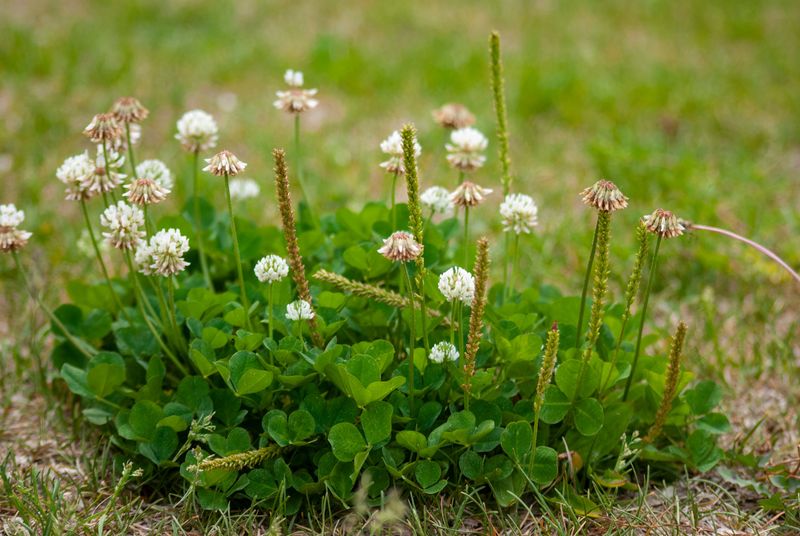
Clover rarely shows up at random. In most lawns, it moves into spots where grass is already having a rough time.
The biggest clue is nitrogen. Turfgrass needs a steady supply of it to stay thick and green. White clover is a legume, so it partners with Rhizobium bacteria that live in small nodules on its roots.
Those bacteria take nitrogen from the air and hand it to the plant. When soil runs low on nitrogen, grass thins out while clover keeps on growing.
Compacted soil is the second big hint. Heavy clay is common in much of the state, and foot traffic squeezes it even tighter. Grass roots struggle there, which leaves open space for clover’s creeping stems.
Low mowing tells a story too. Cutting grass very short weakens it and lets sunlight reach the ground. Clover loves that extra light.
So take a look at where your clover patches sit. Are they along a path the dog uses, or in a corner you rarely fertilize? Those details can point you right to the real issue.
Think of clover as a messenger rather than the problem itself. Fix the conditions, and the lawn usually responds.
Clover Root Nodules Work Like a Tiny Fertilizer Factory
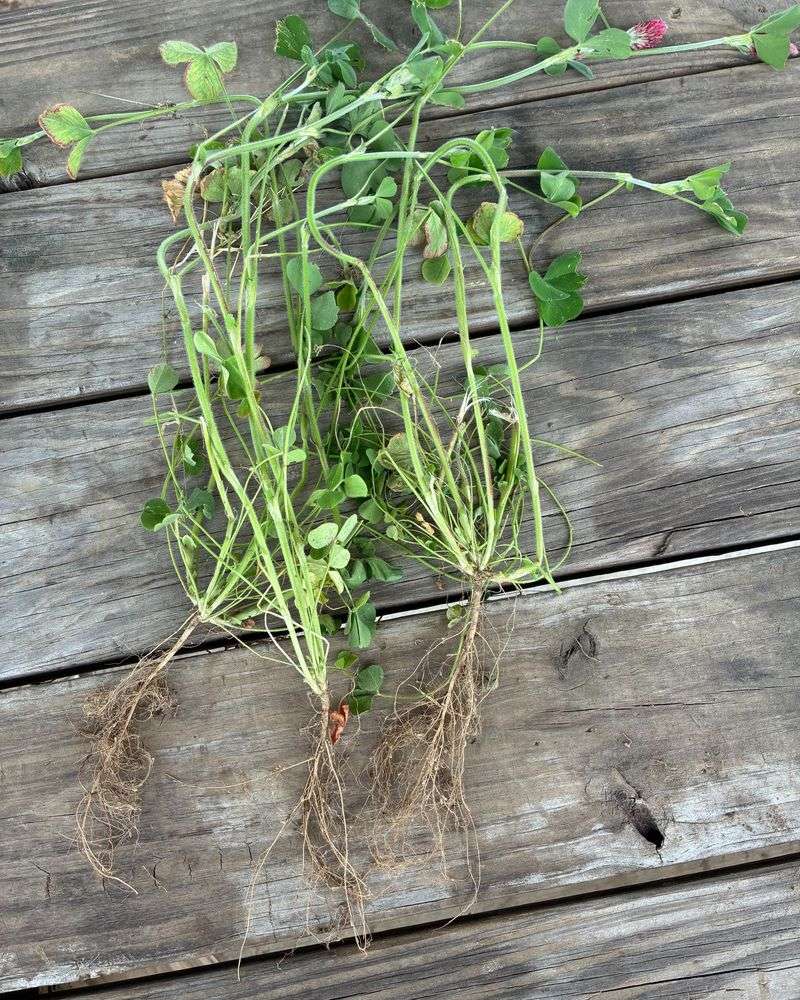
Pull up a clover plant gently and shake off the dirt. You may spot tiny pink or white bumps on the roots. Those little nodules are where the nitrogen magic happens.
Inside them, bacteria convert nitrogen gas into a form plants can use. Some of that nitrogen stays in the clover. Some slowly moves into the surrounding soil as clover roots and leaves break down. Nearby grass gets a small, steady snack as a result.
Guilty as charged, I once spent good money on fertilizer while clover was doing part of the job for free. Lawns with a healthy mix of clover often need less added nitrogen.
That can save money and reduce fertilizer runoff into streams and lakes, a real concern for Lake Erie and the waterways that feed it. Once established, clover tolerates summer heat and dry spells well, so it often stays green longer than many cool-season grasses.
None of this means clover replaces good lawn care. Grass still needs proper mowing and some attention. But a sprinkle of clover can make a lawn more forgiving, especially during a hot, busy July.
Packed Clay Soil Gives Creeping Clover an Easy Head Start

Try pushing a screwdriver into your lawn after a good rain. If it fights you the whole way, your soil is probably compacted. That hard ground is a favorite welcome mat for clover.
Much of Ohio sits on clay-heavy soil, especially in the central and northwest parts of the state. Clay particles are tiny and pack together tightly. Add kids, pets, mowers, and cars, and the soil gets squeezed until air and water barely move through it.
Grass roots need air pockets to grow deep. When they cannot get them, the turf weakens and thins. Clover handles those tough spots better, and its stolons, or creeping stems, root wherever they touch bare ground.
Trust me on this one, core aeration makes a real difference. A core aerator pulls out small plugs of soil, letting air, water, and roots move again. For cool-season lawns, late summer to early fall is the best time, since grass recovers quickly then.
Adding a thin layer of compost after aerating can also help clay soil over time. Healthier soil grows thicker grass. Thicker grass leaves fewer gaps for clover to claim.
Buzzing Bees on Clover Blossoms Come With a Few Trade-Offs
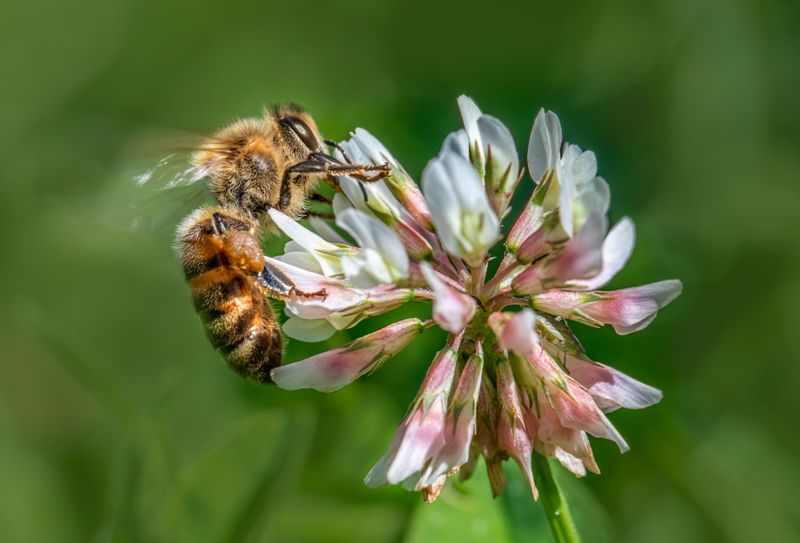
Walk barefoot across a clover lawn in June and you may hear a gentle hum. Honeybees, bumblebees, and many native bees love those white flower heads. That makes clover a small but helpful food source for pollinators.
Still, clover is not everyone’s favorite lawn guest. Bees on the ground can mean stings for bare feet, which matters for families with young kids or anyone allergic. Mowing just before playtime removes most of the blooms and sends the bees elsewhere for a while.
Looks are another trade-off. Clover has a different texture and color than grass, so a mixed lawn can look patchy. If you crave a perfectly even green carpet, that may bug you.
Clover also wears down faster than tough grasses under heavy traffic. Sports areas and busy play spots may show bare patches sooner.
Don’t laugh, but grass stains get worse too. Clover leaves are juicy and can leave green marks on knees and clothes.
None of these issues are dealbreakers for most people. They just help you decide how much clover feels right for your own yard and the way you use it.
Microclover Seed Can Blend Right Into Your Grass
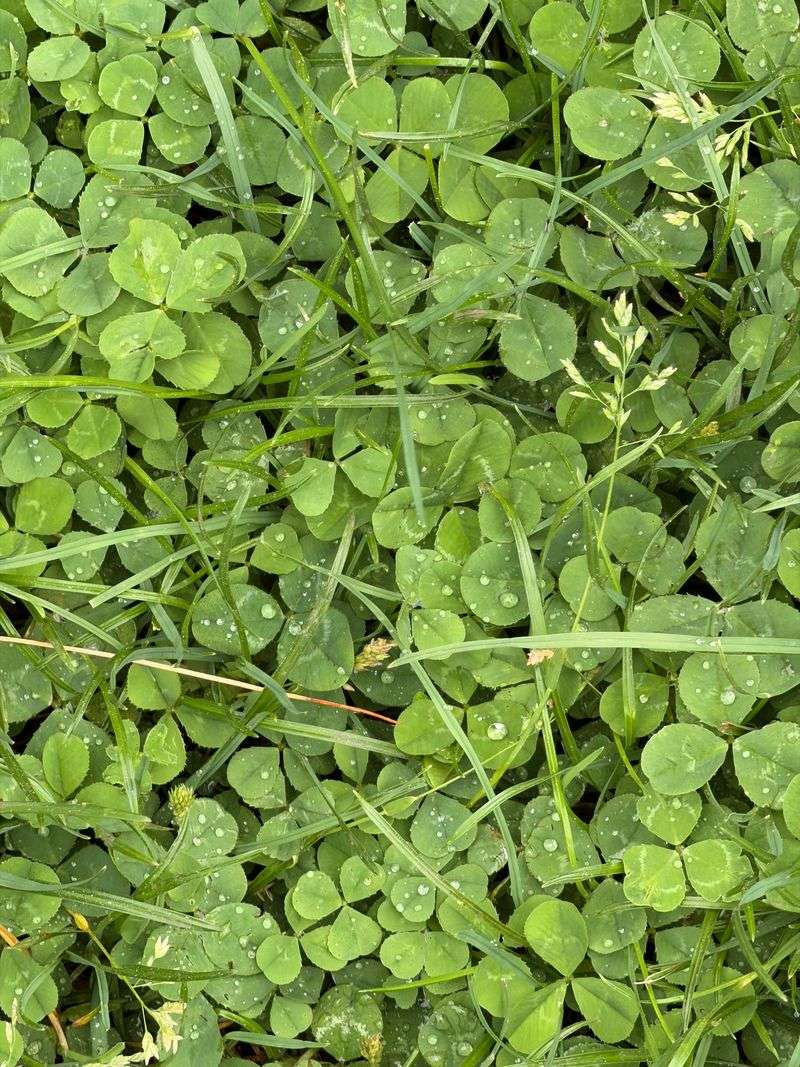
Some homeowners are skipping the fight and inviting clover in on purpose. Microclover has become a popular choice for that plan.
Microclover is a type of white clover with smaller leaves, a lower growth habit, and fewer flowers, so it blends more neatly into turfgrass. Seed blends often pair it with cool-season grasses like tall fescue or Kentucky bluegrass.
Timing makes a big difference here. In Ohio, late summer through mid-September is a great window for overseeding, because the soil is warm and fall rains help. Spring works too, once soil temperatures stay above about 50 degrees.
For good results, mow your lawn short right before seeding and rake lightly so seeds touch soil. Keep the area evenly moist for a couple of weeks while seedlings settle in. Clover seed is tiny, so mixing it with sand can help you spread it more evenly.
Call me stubborn, but I like starting small. Try a test patch in one section first. You can see how it looks and feels before committing your whole yard to the idea.
A Taller Mower Setting Helps Grass Push Back Against Clover
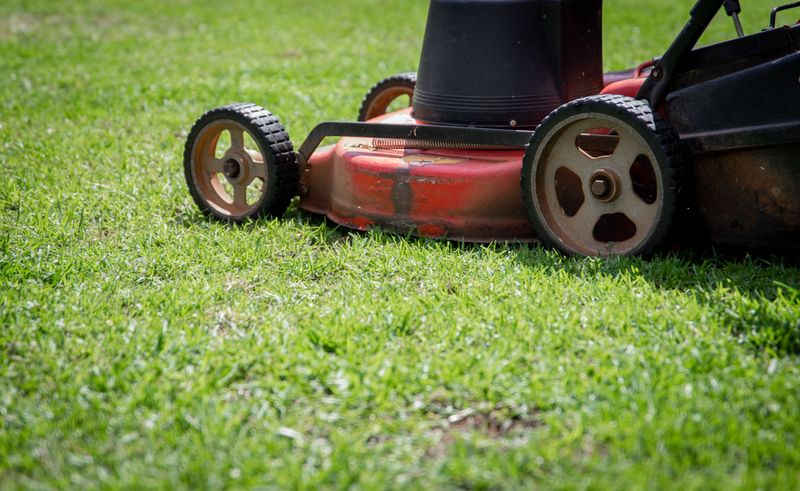
Maybe you would rather see less clover. You can tilt the balance back toward grass without reaching for spray first.
Start with your mower deck. Ohio State University Extension often suggests mowing cool-season lawns at about 3 to 3.5 inches. Taller grass shades the soil, and clover is a low plant that wants sunlight. Raising the blade alone can slow it down a lot.
Feeding the lawn is the next step. Since clover thrives in low-nitrogen soil, regular fall fertilizing gives grass the edge. Fall is the most valuable time to feed cool-season turf, so focus your effort there. A soil test from a lab can show what your yard needs.
Overseeding thin spots helps too. Bare patches are open invitations, and new grass fills them before clover can.
I learned the hard way that herbicides are a last step, not a first one. Broadleaf herbicides do control clover, but the clover often returns if the soil problems remain.
If you use them, follow label directions closely and avoid spraying on hot days. Fixing mowing, feeding, and compaction usually brings longer-lasting results.
A Clover and Grass Lawn Might Be the Easygoing Middle Ground
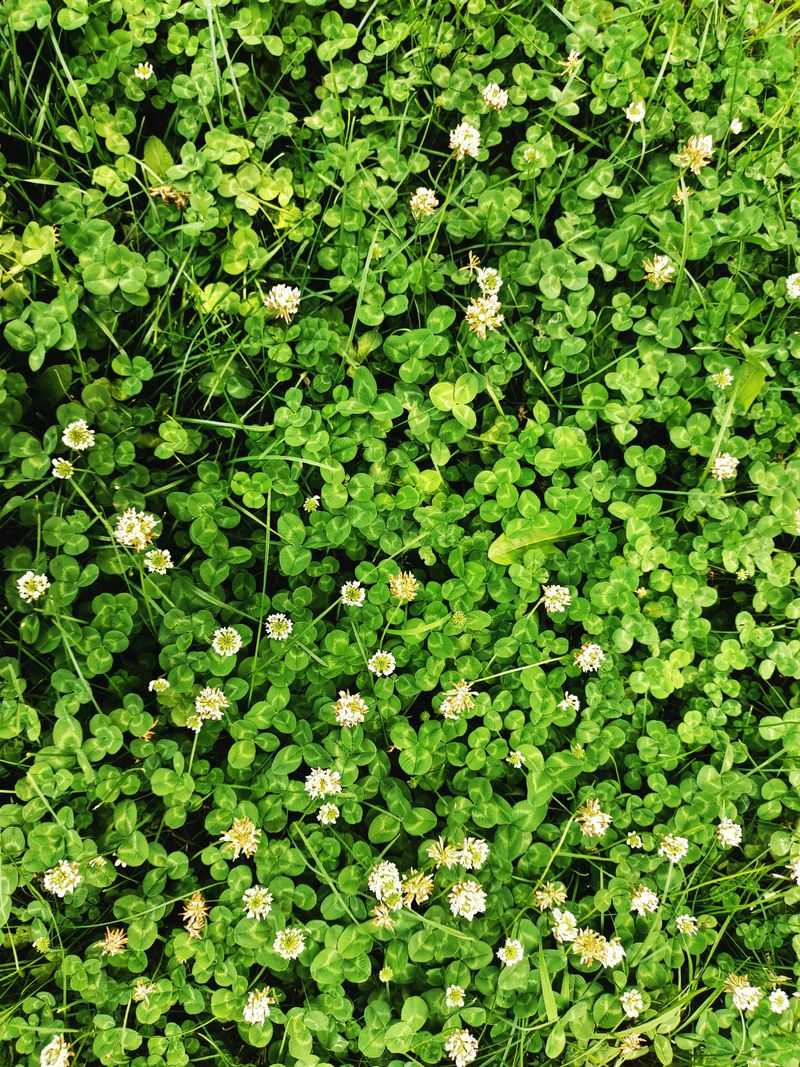
Grandparents of many Ohio gardeners grew lawns with clover on purpose. Clover was a normal part of grass seed mixes until the mid-1900s. Broadleaf weed killers became popular after that, and clover got lumped in with dandelions.
Today, the pendulum is swinging back a bit. Lots of homeowners now aim for a lawn that looks good and asks for less. A blend of grass and clover can fit that goal nicely.
Your next step depends on what you want. If you like the idea, stop using broadleaf herbicides, ease off heavy nitrogen, and let clover fill in. If you prefer mostly grass, raise your mower, feed in fall, and aerate packed soil.
Either way, watch where clover grows over the next few months. Those patches show exactly which spots need attention. A soil test through a county Extension office or university lab can confirm what is going on.
There’s a soft spot in my heart for lawns that are not flawless. A little clover, a few bees, and greener summer patches can make a yard feel alive. The best lawn is the one that works for you.