The Rare Texas Hill Country Bird That Returns Just As Winter Fades
A tiny songbird in central Texas builds its nest from shredded tree bark and spider silk. Every single one of its kind hatches within roughly 33 counties of the Hill Country. No other state can claim a single breeding pair.
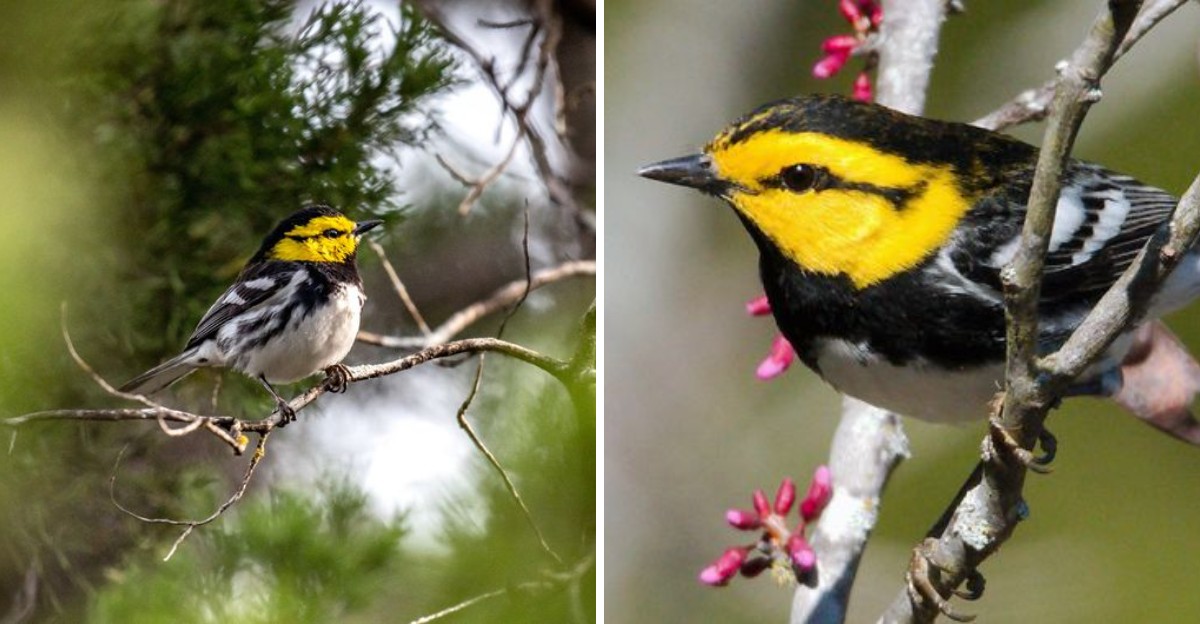
I find that wild. Most birds spread their families across huge ranges, but this one picked a small patch of limestone hills and stuck with it. The males even carry a bright golden face, like they dressed up for the occasion.
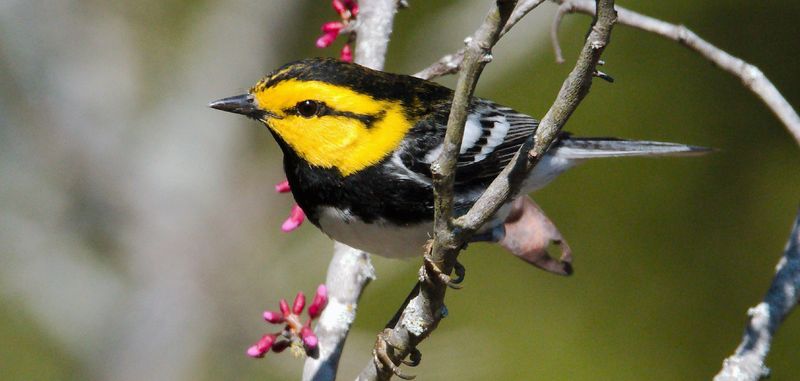
The timing surprises people, too. These birds slip back in during the last chilly weeks of winter, often before the redbuds open. You could walk right under one and only notice a buzzy little song overhead.
Personally, I think every Hill Country gardener deserves to know this neighbor. So who is this golden-faced visitor, and why do those scruffy cedar trees matter so much to it?
A Black-And-Gold Songbird Sneaks In As Winter Fades
Late winter in the Hill Country feels sleepy, with gray oaks and cool mornings. Then a tiny bird with a glowing yellow face shows up and changes the whole mood. Meet the Golden-cheeked Warbler, the bird this title is really talking about.
Let me clear up one thing right away. This warbler is not a true winter resident. It spends the cold months in pine-oak forests of southern Mexico, Guatemala, Honduras, and Nicaragua.
Its return trip is what ties it to winter. Most males arrive in early March, and a few early birds appear in late February while frost can still nip your tomatoes. To me, that makes it the bird that closes out winter around here.
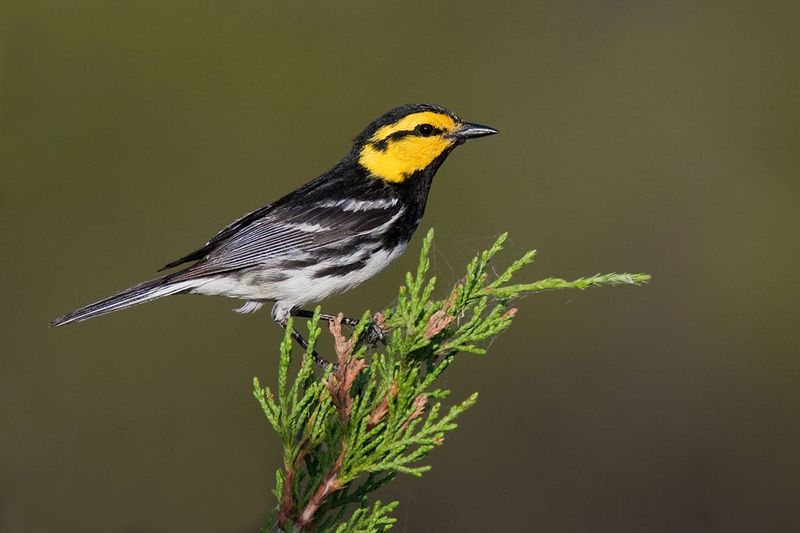
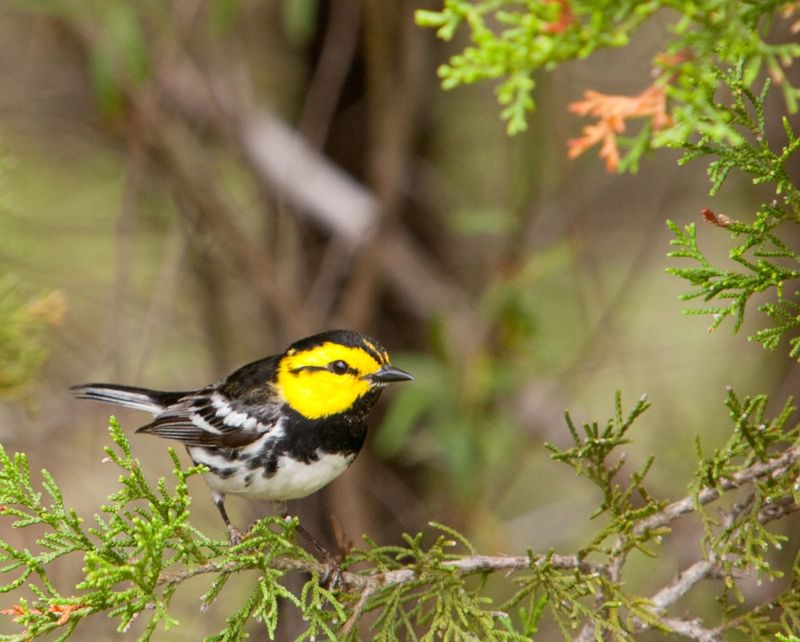
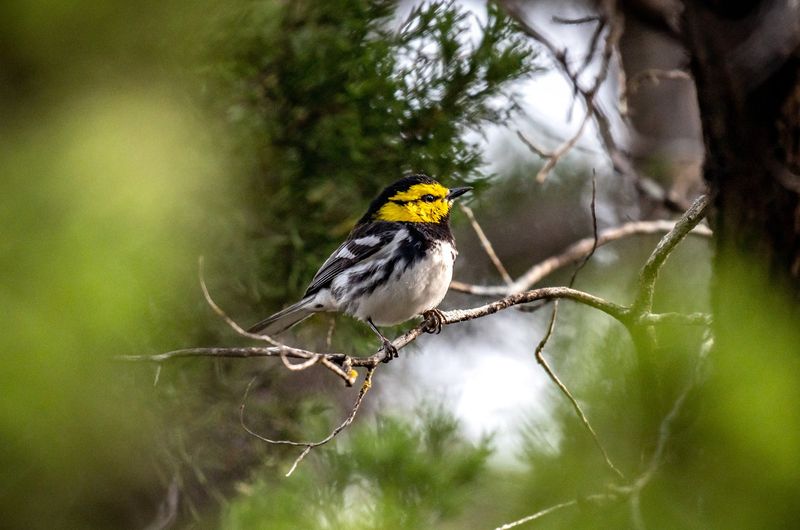
The adult male is hard to confuse with anything else. He has golden-yellow cheeks, a thin black eye line, a black throat and back, and a clean white belly. Females and young birds look similar but softer, with more olive on the back.
By midsummer, the show ends. Most warblers head south again between late June and mid-August. So if you want to spot one, your window opens just as winter loosens its grip.
Golden-Cheeked Warbler Nests Exist Only In Central Texas Woods
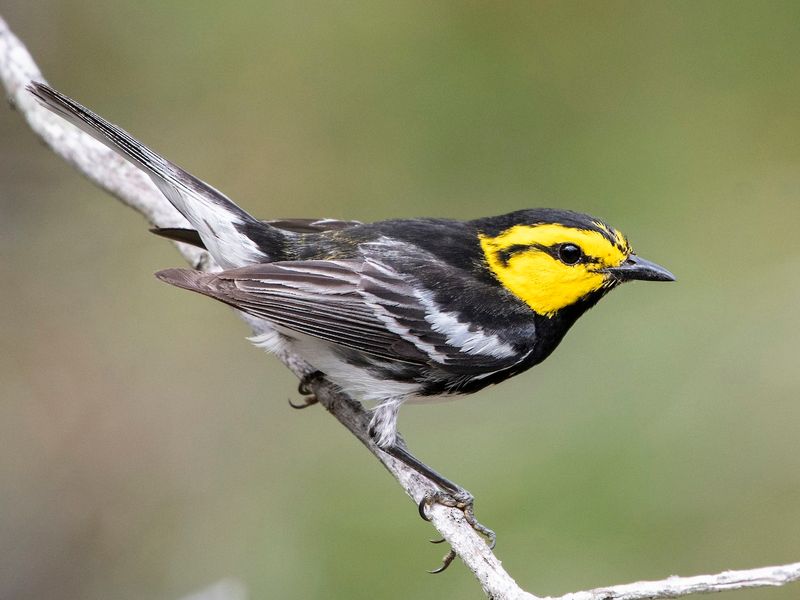
Plenty of birds are rare, but very few are this picky about their address. The Golden-cheeked Warbler is the only bird in the world that nests entirely within Texas. Every wild nest sits inside about 33 central counties.
Most of that range covers the Edwards Plateau, the Balcones Escarpment, the Lampasas Cut-Plain, and the Llano Uplift.
That means places like the canyons west of Austin, the hills around San Antonio, and the rugged country near Kerrville and Lampasas.
Why such a tight range? The answer comes down to a special mix of trees. These birds need mature Ashe juniper growing alongside oaks and other leafy hardwoods. That combination grows best on steep slopes and in moist canyons of this limestone region.
Here’s a fun fact I love sharing. Birders from across the country plan whole spring trips just to check this one species off their list. You might have one living a short drive from your garden gate.
Because the range is so small, the bird is also fragile. The U.S. Fish and Wildlife Service listed it as federally endangered in 1990. Every patch of good woodland in this region matters for its future.
Those Shaggy Ashe Juniper Trunks Hold The Nesting Secret
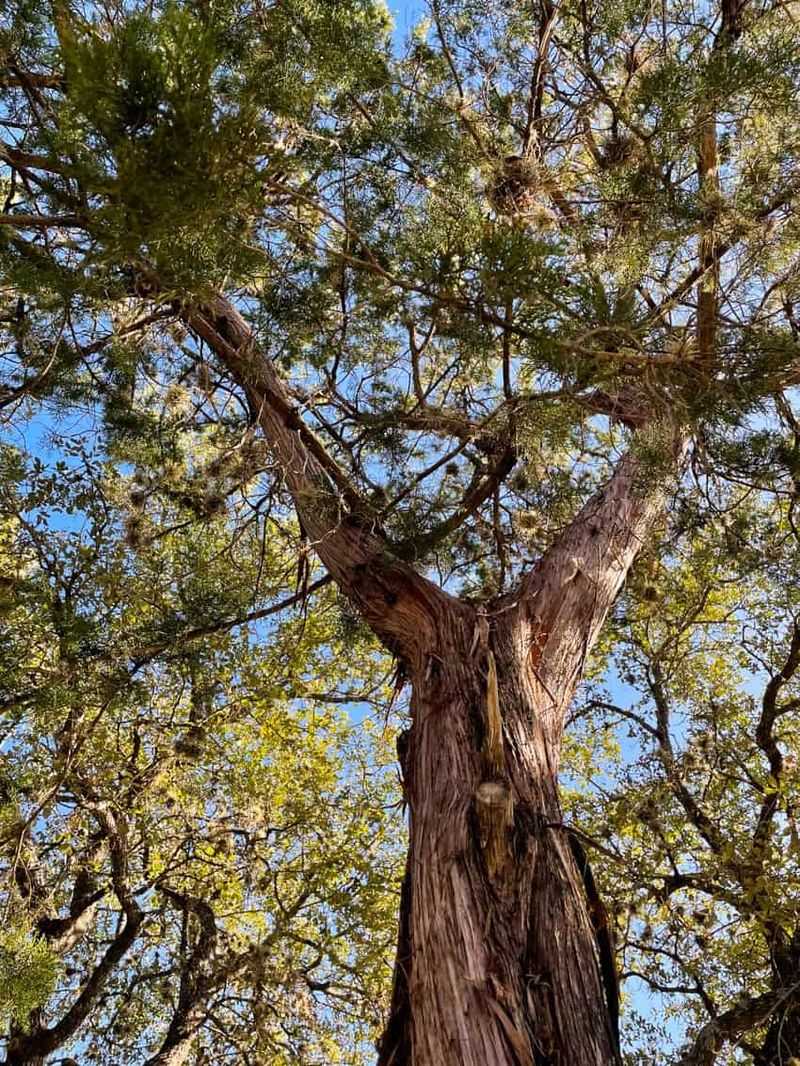
Ask a Hill Country neighbor about cedar, and you might get a sneeze and a grumble. Allergy season aside, that tree is the backbone of this warbler’s family life. Locals say cedar, but the tree is actually Ashe juniper.
Female warblers build their nests almost entirely from long strips of bark peeled off mature junipers.
Young trees do not have the loose, shaggy bark they need. Older junipers, often 20 or more years old, shed it in perfect ribbons.
The females weave those strips into a neat little cup and bind it with spider silk. Some add moss, feathers, or animal hair for a softer lining. I think it’s one of the cleverest building projects in the bird world.
Nests usually sit about 5 to 30 feet up, tucked into an upright fork of a tree. Females lay three or four eggs and handle most of the nest building themselves.
So if you own land with big, old junipers, take a second look before reaching for the chainsaw.
That scraggly bark you’ve ignored for years could be the very material a warbler is counting on this spring.
Listen For A Buzzy Warbler Song Drifting Through Cedar-Oak Canyons
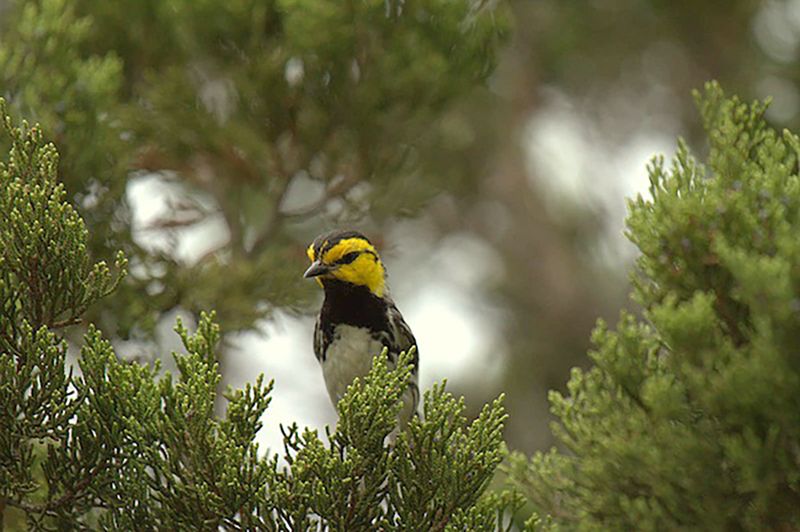
Your ears will probably find this bird long before your eyes do. The male’s song is a quick, buzzy series of notes that rises at the end. Some birders describe it as sounding like a lazy, wheezy summer insect.
Males start singing soon after they arrive in March. April is the peak, when they belt it out from treetops to claim territory and win over a mate. By early summer, the singing slows down as parents get busy feeding chicks.
Spotting the singer takes patience. These warblers spend lots of time high in the canopy, hopping between juniper and oak branches. I like to stand still near a canyon edge, find the song, and then scan slowly with binoculars.
A free app like Merlin Bird ID from the Cornell Lab of Ornithology can help you learn the song before you head out. Play recordings at home so you know the sound, then listen in the field.
One kind request from me. Please skip playing recordings outdoors to lure birds closer. Constant playback can stress a nesting male, and on protected lands it may break the rules.
Oak Branches Full Of Caterpillars Keep Warbler Chicks Fed
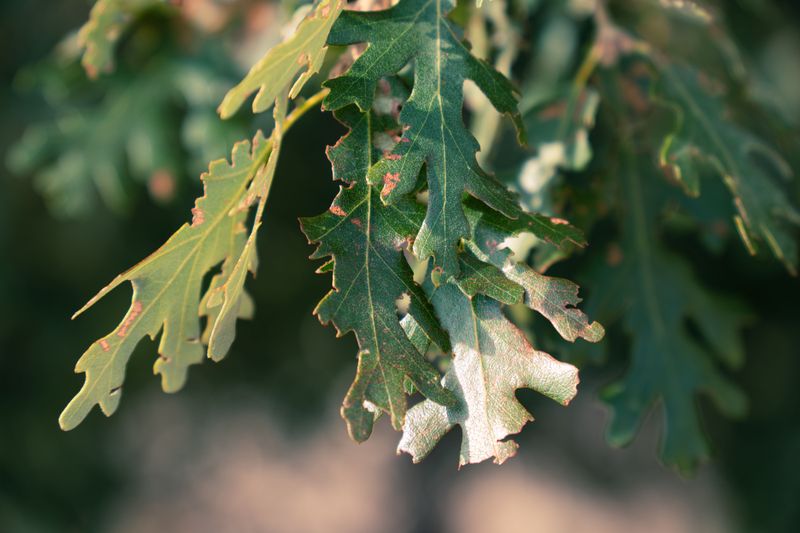
Timing is everything for a hungry bird family. The warbler’s spring arrival lines up neatly with a burst of new oak leaves. Those tender leaves bring a feast of caterpillars and other small insects.
Caterpillars make up a big part of the menu, especially when chicks are begging nonstop. The birds also pick off spiders, beetles, and other bugs.
Early in spring, they forage heavily in oaks, then spend more time in junipers later in the nesting season.
That’s why the mix of trees matters so much. Junipers give them nest material and cover, while oaks, cedar elms, and other hardwoods provide a buffet. Take away one half, and the system wobbles.
As a gardener, I find this a helpful reminder. Those leaf-munching caterpillars we sometimes fuss over are baby bird food. A few chewed leaves on a native oak are a small price for a healthy bird population.
If you live in or near warbler country, go easy on broad insecticide sprays around native trees.
Spot-treat real problems instead. Leaving a healthy bug supply helps warblers, chickadees, titmice, and plenty of other backyard birds raise their young.
Clearing Mature Cedar Can Cost This Endangered Warbler Its Home
Habitat loss is the biggest problem facing this little bird. Fast growth around Austin and San Antonio has replaced many juniper-oak woodlands with homes, roads, and shopping centers. Older programs that cleared large stretches of juniper also took a toll.
Even when woods remain, they often get chopped into small pieces. Small patches tend to attract more nest predators and cowbirds, which lay eggs in other birds’ nests. Warblers do best in large, connected stretches of mature woodland.
Landowners should know the legal side, too. Because the bird is federally endangered, harming it or its occupied habitat can violate the Endangered Species Act.
If your property holds mature juniper-oak woods within its range, contact the U.S. Fish and Wildlife Service or Texas Parks and Wildlife before major clearing.
Timing helps as well. Experts generally advise avoiding tree work in warbler habitat from March through August, when birds are nesting. Fall and winter are much safer windows for light brush management.
Not every juniper is warbler habitat, by the way. Young, scattered cedar in open pasture usually isn’t used. Get advice first, and you can manage your land wisely without guesswork.
Balcones Canyonlands And Hill Country Parks Offer Your Best Warbler Views
Want the best shot at seeing one? Head to land set aside just for these birds. Balcones Canyonlands National Wildlife Refuge, northwest of Austin, was created in 1992 largely to protect warbler habitat.
The refuge’s Warbler Vista area is a favorite spot, with trails and overlooks above juniper-oak slopes.
Spring brings the Balcones Songbird Festival, often held in April, with guided walks led by experienced birders.
Other great places include Pedernales Falls State Park, Colorado Bend State Park, Lost Maples State Natural Area, and Garner State Park. Around San Antonio, Friedrich Wilderness Park is well known for spring warbler sightings.
My best advice is to go early. Mornings from mid-March through May bring the most singing and activity.
Bring binoculars, wear quiet clothes, and stay on marked trails, since some habitat areas close during nesting season.
Check each park’s website before you go. Hours, trail closures, and guided programs change from year to year.
Joining a ranger walk is a smart move for beginners, because a trained guide can point out the song and help you find the singer in seconds.
Native Hill Country Yards Can Help Golden-Cheeked Warblers For Years
Most of us won’t host a warbler nest beside the patio. Still, our yards add up across the Hill Country, and good choices ripple outward. Think of your garden as one small stitch in a much bigger quilt of habitat.
Start by keeping mature trees. Big Ashe junipers, live oaks, Texas red oaks, and cedar elms support insects and give migrating birds places to rest.
If you plant, choose natives suited to your soil and rainfall, like Texas redbud, Mexican plum, and evergreen sumac.
Protect your oaks while you’re at it. Texas A&M Forest Service advises avoiding oak pruning from February through June to reduce oak wilt spread, and painting fresh cuts. Healthy oaks mean more caterpillars for birds.
Keep house cats indoors and cut back on pesticides. Both steps help nesting birds of every kind, not just rare ones.
Finally, share what you see. Log sightings on eBird, support groups like Friends of Balcones Canyonlands, and tell neighbors why old cedars matter.
I believe the more people who know this golden-faced bird, the brighter its future looks each time winter fades.