10 Tips Ohio Gardeners Need To Keep Fall Mums Alive In Cold Weather

Fall mums are having their absolute moment right now. The porch looks incredible, the colors are doing everything right, and honestly the whole setup belongs on a greeting card.
And then October does what October does: sends a frosty morning with zero warning and absolutely no apologies. Suddenly those gorgeous blooms are looking a little fragile and you are standing there in your pajamas wondering what to do.
Here is the thing though: fall mums are tougher than they look, and with a few smart moves they can not only survive Ohio’s wild weather swings but actually come back next year looking even better than before.
No expensive products, no complicated routines.
Just simple, practical tips that work with unpredictable fall weather instead of fighting it. Let’s keep those blooms going.
1. Pick Hardy Garden Mums That Can Handle Ohio Winters

Not every mum on the store shelf is built for a long winter. Many of the round, perfect pots sold in fall are florist mums, which are grown mainly for short-term decoration.
Hardy garden mums are a different story. They have tougher roots and are bred to come back year after year, even in places where snow piles up by January.
When you shop, flip over the plant tag and look for words like hardy, perennial, or garden mum. Varieties rated for USDA Zones 5 and 6 are a smart match for most of Ohio, since the state mostly falls in that range.
Fun fact for your next garden chat. Chrysanthemums have been grown for over 2,500 years, starting in China, where they carried rich cultural significance.
They were associated with nobility, longevity, and the beauty of autumn, and they remain meaningful symbols in Chinese culture today across a range of occasions and traditions.
Another helpful tip is to ask the nursery staff where their plants came from. Local growers often stock types that have already proven they can handle cold snaps and soggy springs.
Try to buy mums that still have plenty of tight buds rather than ones in full bloom. Plants with buds put less energy into flowers and more into settling in, which gives them a better shot at making it through the season ahead.
2. Get Mums In The Ground Early Before Frost Arrives

Timing matters more than most people think, and in October the window moves fast. A mum planted in early October still has a few weeks to stretch its roots before the ground gets serious about freezing, while one tucked in after Halloween is basically starting a race with no time left on the clock.
Roots need warm soil to grow. In Ohio, the soil usually stays workable until around mid to late October, so the sooner you get them in the ground this month, the better their chances of establishing before winter arrives.
Many gardeners in the northern part of the state, near Lake Erie, should act quickly. Frost tends to show up earlier there, and lake winds can chill the soil faster than you might expect.
Your Ohio Garden Changes Every Week. Your Plan Should Too.
Gardening in Ohio changes quickly throughout the season. Every Friday you’ll receive a simple weekly plan showing exactly what to plant, prune, fertilize, harvest, and protect so you never miss the right timing.
When you plant, dig a hole about twice as wide as the pot. Loosen the root ball gently with your fingers, because roots that circle the pot can stay trapped in that shape.
Set the plant at the same depth it sat in its container. Burying the stem too deep invites rot, and planting too high leaves roots exposed to icy air.
Water well right after planting to settle the soil around the roots. A deep soak removes air pockets that could freeze and harm tender new growth.
If you missed the early October window, no worries. You can still try, but plan on giving those late plants extra mulch and a little extra care once the cold really settles in.
3. Choose A Sunny, Well-Drained Spot In Your Yard

Wet feet are a mum’s worst enemy. Soggy soil in winter can freeze around the roots like a block of ice, and that often does more harm than cold air ever could.
Look for a spot that drains quickly after rain. A simple test is to dig a hole about a foot deep, fill it with water, and see if it empties within a few hours.
Lots of Ohio yards sit on heavy clay, which holds water like a sponge. Mixing in compost or planting in a slightly raised bed can make a huge difference.
Sunlight is the next piece of the puzzle. Mums love at least six hours of direct sun each day, and that warmth helps the soil stay a few degrees cozier.
A south-facing wall or fence is a hidden gem for mums. The structure blocks harsh winds and soaks up heat during the day, then slowly gives it back at night.
Avoid low spots where cold air settles, like the bottom of a slope. Frost pockets can be several degrees colder than the rest of the yard.
Picking the right home now saves a lot of worry later. Think of it as giving your mums a warm, dry bedroom for the winter months.
4. Water Deeply Until The Ground Freezes

Thirsty plants freeze faster, which surprises many folks. Moist soil actually holds heat better than dry soil, so a good drink before a cold night acts a bit like a blanket.
Keep watering your mums through fall, even when the air feels cool. A deep soak once or twice a week works better than a quick sprinkle every day.
Aim the water at the base of the plant instead of the leaves. Wet leaves sitting overnight in chilly air can invite mildew and other leaf problems.
Morning is the best time to water. The soil has the whole day to soak it in, and any extra moisture on the foliage dries off before evening.
Ohio autumns can swing from warm and dry to cold and rainy in a single week. Check the soil with your finger, and if the top inch feels dry, it is time to water.
Once the ground freezes solid, usually around late November or December, you can stop. Frozen soil cannot take up water anyway, and the plant is resting by then.
Potted mums dry out much faster than ones in the ground. Give them a quick check every few days so their roots stay happy heading into winter.
5. Leave The Stems Standing Through The Ohio Winter

Grab the pruners, then put them right back down. It feels natural to tidy up faded mums, but those brown stems are doing an important job.
Old stems trap falling leaves and snow around the crown of the plant. That natural layer acts like insulation, keeping the roots more protected from bitter wind.
Leaving mums unpruned over winter is a widely shared recommendation among horticulturists and extension gardening specialists, including those at Ohio State. The general consensus is that intact stems help protect the crown and improve the chances of the plant returning in spring, though individual results can vary depending on variety, planting depth, mulch coverage, and the severity of the winter.
The stems also help shield the crown from water sitting on top. When stems are cut, rain and melting snow can slip straight down into the center and cause rot.
Sure, the garden may look a little messy. You can tie the stems loosely with twine if you want a neater look, or simply enjoy the frosty texture they add in winter.
Birds might even thank you. Small seed-eating birds sometimes perch on old stems or poke around the base looking for snacks.
Wait until early spring, when new green shoots start peeking out at the base. That is your signal to snip the old stems down to just a few inches tall.
6. Pile On Mulch To Shield Roots From Ohio Freezes

Mulch is like a winter coat for your mums. A thick layer keeps soil temperatures steadier, which protects roots from the freeze and thaw cycle.
That cycle is a big deal in Ohio. Warm days followed by icy nights can make the ground swell and shrink, sometimes pushing plants right out of the soil.
Gardeners call that frost heaving. Roots left exposed on top of the ground get hit with cold air and dry winds, which can really set a plant back.
Wait until after the first hard frost to add mulch. Putting it on too early can keep the soil too warm and confuse the plant into growing.
Spread about three to four inches of straw, shredded leaves, or pine needles around each plant. Shredded leaves are free and work wonderfully, so raid your own lawn.
Keep the mulch loose and fluffy rather than packed down. Air pockets are what give mulch its warming power.
Pull the mulch back gently in early spring as temperatures climb. New shoots need sunlight and fresh air to wake up, so do not leave them buried too long.
7. Cover Blooms On Surprise Frost Nights
Weather apps love to pull pranks in October. One evening the forecast says 45 degrees, and by sunrise the lawn is crunchy with frost.
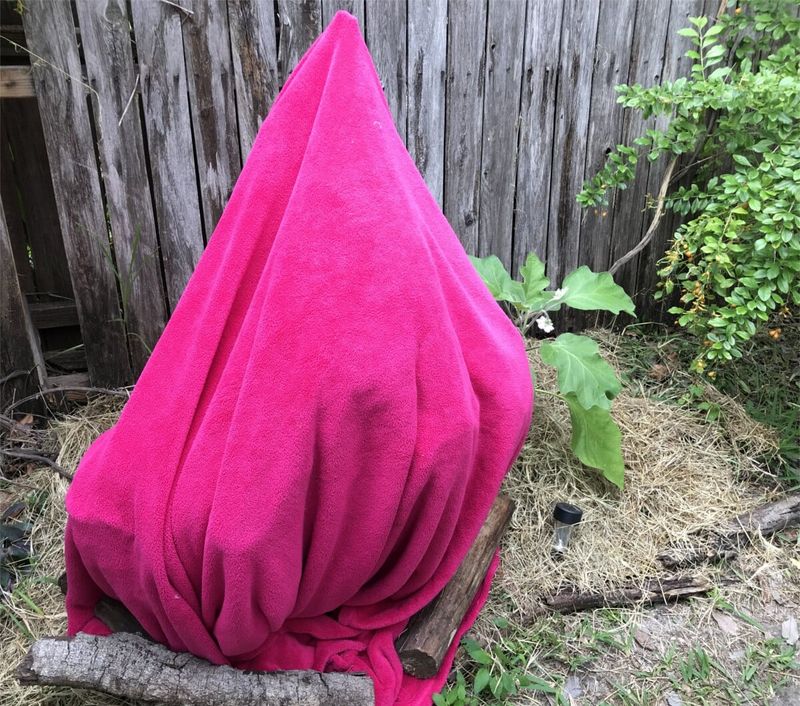
Covering your mums on those chilly nights can keep the blooms looking fresh for weeks longer. A light frost may only nip the petals, but a cover helps them hold their color.
Old bedsheets, burlap, or frost cloth from the garden store all work well. Drape the fabric over the plant so it reaches the ground and traps heat rising from the soil.
Avoid plastic covers when you can. Plastic does not trap insulating air the way fabric does, and it can cause condensation that freezes directly on plant tissue overnight.
It also heats up very quickly once the morning sun hits it, which can scald plants before you have a chance to remove the cover. Breathable fabric is a much safer and more effective choice.
Add stakes or an upside-down bucket underneath if you want to keep fabric from crushing the flowers. Weigh down the edges with rocks or bricks so the wind does not steal your cover.
Plenty of Ohio families keep a basket of old sheets near the back door just for frost season. It makes those last-minute dashes outside a whole lot easier.
Remove the covers in the morning once temperatures rise above freezing. Plants need sunlight and airflow during the day to stay healthy.
8. Move Potted Mums Somewhere Sheltered During Cold Snaps

Potted mums have a tougher time than their friends in the ground. Their roots sit in a small container surrounded by cold air on every side.
Soil in a pot can freeze solid much faster than garden soil. When a nasty cold snap rolls through Ohio, roots in containers feel the full force of it.
An unheated garage, shed, or enclosed porch can be a perfect winter hideout. Spaces like those stay cool but usually above the harsh temperatures outside.
Keep the mums somewhere with a little light if possible. A window in the garage is a nice bonus, though the plants are mostly resting and do not need much.
Check the soil about once a month. Give a small drink of water if it feels bone dry, but go easy, since too much water in cool spaces can cause rot.
No garage? Try grouping pots together against the house and wrapping them with burlap or bubble wrap.
Another clever trick is to sink the whole pot into a garden bed and cover it with mulch. The surrounding soil wraps the roots in warmth until spring arrives.
9. Skip Late Fertilizer For Healthier Ohio Mums

Feeding your plants sounds like a kind gesture. In late fall, though, fertilizer can actually cause more trouble than it fixes.
Fertilizer pushes plants to grow fresh, soft leaves and stems. That tender new growth is extra sensitive to cold and can get hit hard by the first freeze.
Mums need to slow down in autumn and store energy in their roots. A plant busy putting out new shoots has less strength saved up for winter.
A good rule many Ohio gardeners follow is to stop fertilizing by early August. After that, let the plants focus on blooming and preparing to rest.
If you bought mums in fall, they usually already have plenty of nutrients from the nursery. There is no need to add more once you bring them home.
Save the plant food for spring instead. When new shoots appear and reach a few inches tall, a balanced fertilizer gives them a great start.
Compost is a gentler choice if you really want to add something. Mixing a little into the soil when planting improves texture without forcing a burst of tender growth.
10. Give Mums A Fresh Start When Spring Returns

Spring in the garden feels like opening a present. One sunny April morning, tiny green shoots pop up from the base of last year’s mums, and the waiting suddenly feels worth it.
Once those shoots appear, trim the old stems down close to the ground. Pull back any leftover mulch so the soil can warm up in the sun.
Every two to three years, mums benefit from being divided. Dig up the clump, split it into smaller sections with a spade, and replant the healthiest outer pieces.
The center of older clumps can get woody and tired. Dividing keeps plants strong and gives you free mums to share with neighbors.
Pinching is another trick worth learning. Pinch the tips of the stems every few weeks until early July, and the plant will grow bushier with far more blooms.
In Ohio, the Fourth of July makes an easy reminder to stop pinching. After that, let the buds form for a big fall show.
Feed lightly in spring and water during dry spells. With a little attention, your mums can come back year after year, brighter than the first time you brought them home.