What It Really Means When Crows Gather Around Your Oregon Yard
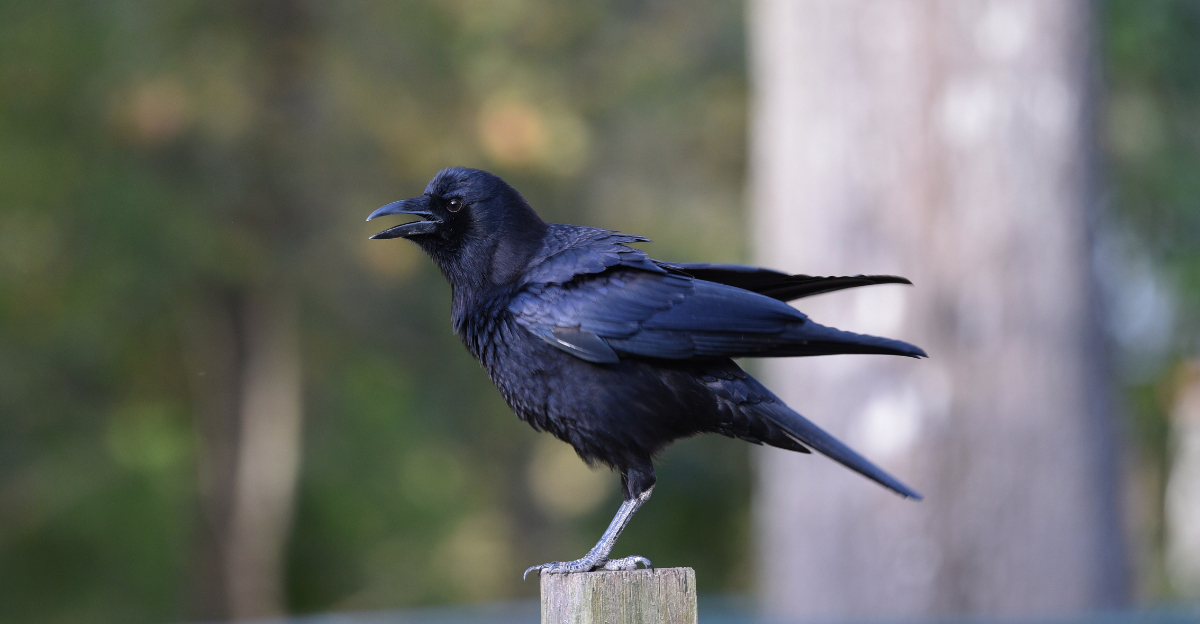
A sudden crowd of crows can make an ordinary Oregon yard feel like something important is happening. Often, it is.
These highly social birds pay close attention to food, danger, territory, and one another, so a gathering usually has a reason behind it. Sometimes they are taking advantage of an easy meal.
In other cases, they may be reacting to a predator, investigating a disturbance, or using the area as a temporary meeting point. The behavior can look dramatic without meaning anything ominous.
What matters is the pattern. A brief noisy visit tells a different story than repeated gatherings in the same tree every evening.
Watching where they land and what they focus on can reveal why your property has suddenly become interesting. Once you know what draws them in, the scene becomes much easier to read.
Your Yard May Be Offering Easy Food
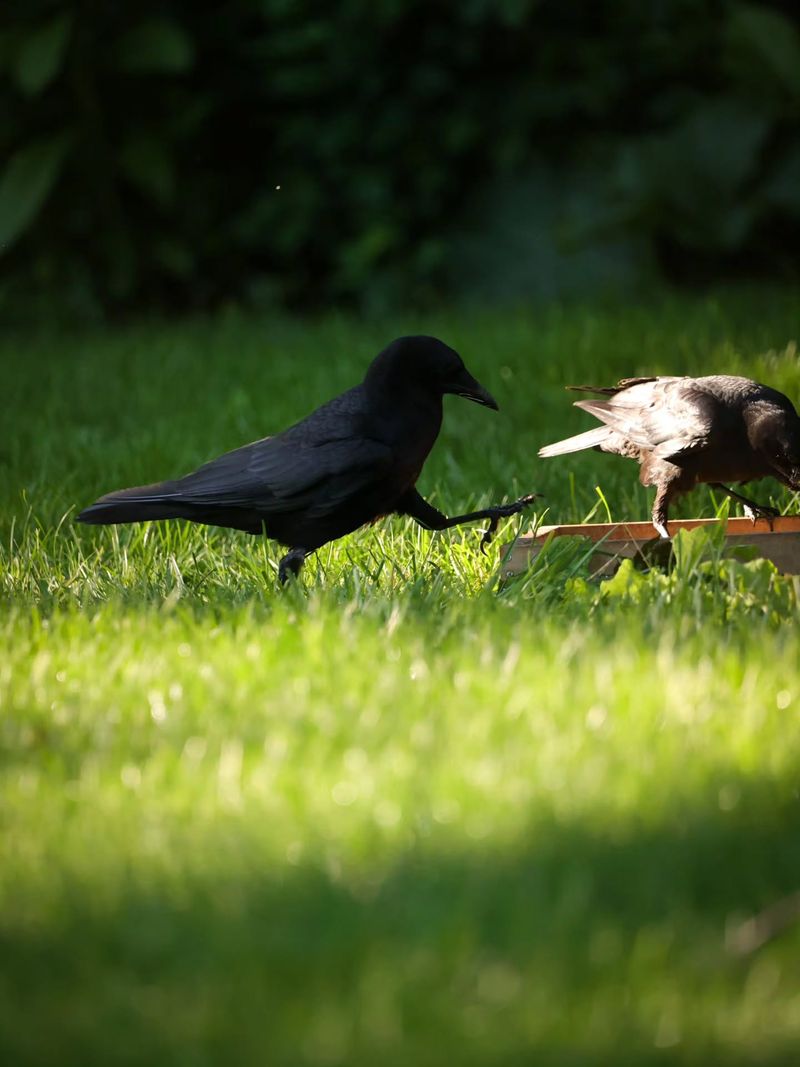
Crows are opportunistic feeders, which means they eat just about anything they can find easily. If your yard has grubs, earthworms, or insects hiding beneath the soil, crows will absolutely notice.
They have sharp eyes and can spot movement in the ground from surprising distances.
Lawns that are freshly watered or recently mowed tend to attract the most crow attention. Watering brings worms closer to the surface.
Mowing exposes insects that were hiding in long grass. Both of these things make your yard look like a buffet to a hungry crow.
You might also have berries, seeds, or small animals like lizards and frogs that make your yard appealing. Crows are not picky.
They eat fruit, meat, insects, and even human food scraps without hesitation.
If you want fewer crows visiting, try watering your lawn in the morning instead of the evening. This gives the ground time to dry before birds are most active.
You can also consider natural pest control methods that reduce the insect population without harming the birds themselves.
On the other hand, if you enjoy watching crows, leaving a shallow dish of water near your yard can encourage them to stay. They often dunk food in water before eating it.
Providing a clean water source can make your yard one of their favorite stops in the neighborhood.
Crows Notice Pet Food And Scraps Fast
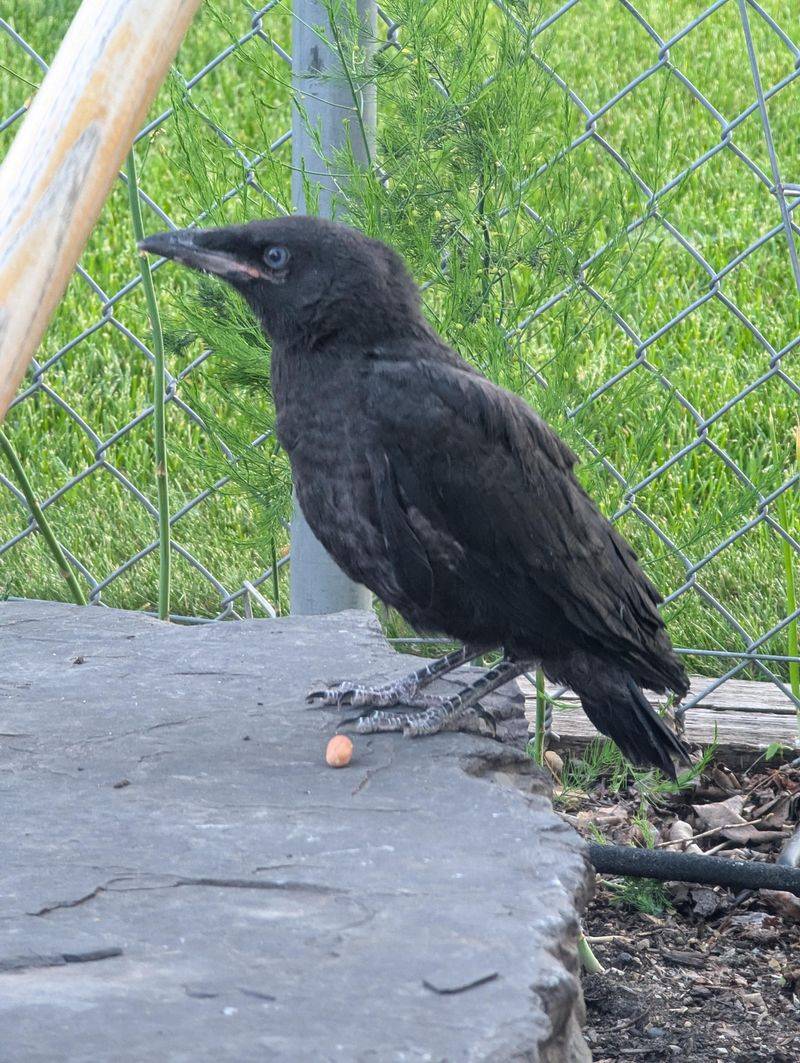
Crows have remarkable memory. Once they spot an easy meal, they will return to that exact spot again and again.
Leaving pet food outside is one of the fastest ways to get crows to start hanging around your yard regularly.
Dog and cat food left on a porch or patio is especially attractive. It smells strong, sits out in the open, and requires almost no effort for a crow to grab and fly off with.
Even small pieces of food left near a back door can be enough to draw them in from several blocks away.
Crows also notice garbage and compost smells quickly. An unsecured trash can or an open recycling bin can send signals that food is available nearby.
They are bold enough to tip over lightweight bins or dig through loose bags to get what they want.
Your Oregon Garden Changes Every Week. Your Plan Should Too.
Gardening in Oregon changes quickly throughout the season. Every Friday you’ll receive a simple weekly plan showing exactly what to plant, prune, fertilize, harvest, and protect so you never miss the right timing.
To keep crows from snacking on your pet’s meals, bring food bowls inside as soon as your pet is done eating. Use heavy-lidded trash containers that cannot be easily opened.
Rinse out food containers before placing them in recycling bins to cut down on odors that attract birds.
Being consistent matters. Crows are creatures of habit, and if they stop finding food in your yard after several visits, they will eventually move on to look elsewhere.
Patience and small changes to your routine can make a big difference over time.
Fallen Fruit Can Bring Them Back
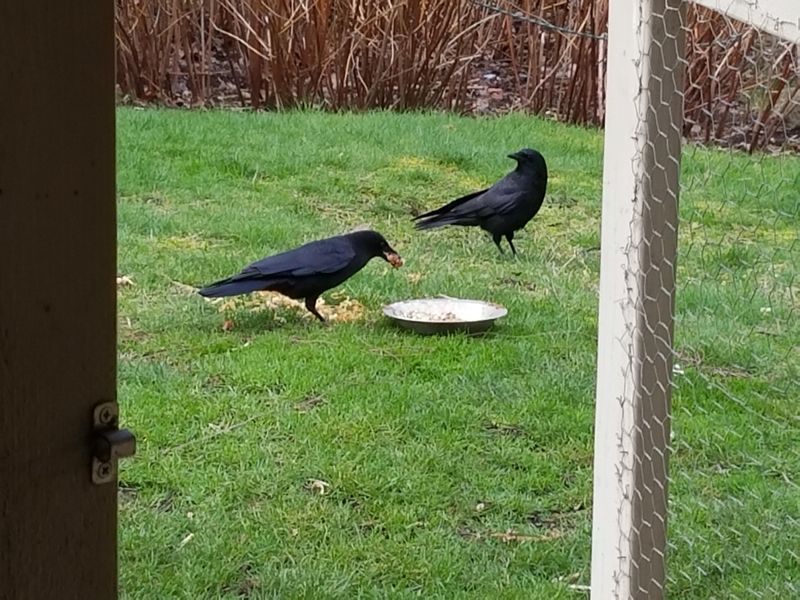
Fruit trees are a huge draw for crows, especially when fruit starts dropping to the ground. Apples, pears, plums, and cherries are all common in backyards across Oregon, and crows love every single one of them.
Once they discover a yard with ripe or overripe fruit lying around, they treat it like a free grocery store.
Fallen fruit ferments quickly in warm weather. Fermented fruit smells even stronger than fresh fruit, which makes it easier for crows to locate from a distance.
A single tree dropping fruit every few days can keep a small flock returning to your yard all season long.
Picking up fallen fruit regularly is the most effective way to reduce crow visits linked to your trees. Try to do a sweep of the yard every day or two during peak fruit season.
Composting fallen fruit properly, using a sealed bin, helps cut down on the smell that draws birds in.
You can also try placing bird netting over smaller trees to prevent crows from landing in the branches and pulling fruit directly off. This protects your harvest and gives the crows fewer reasons to visit.
Fruit trees are beautiful and worth keeping. With a little extra attention during harvest season, you can enjoy your trees without turning your yard into a crow hangout.
Staying on top of cleanup is the simplest and most reliable solution available to most homeowners.
Compost Piles Can Attract Curious Crows
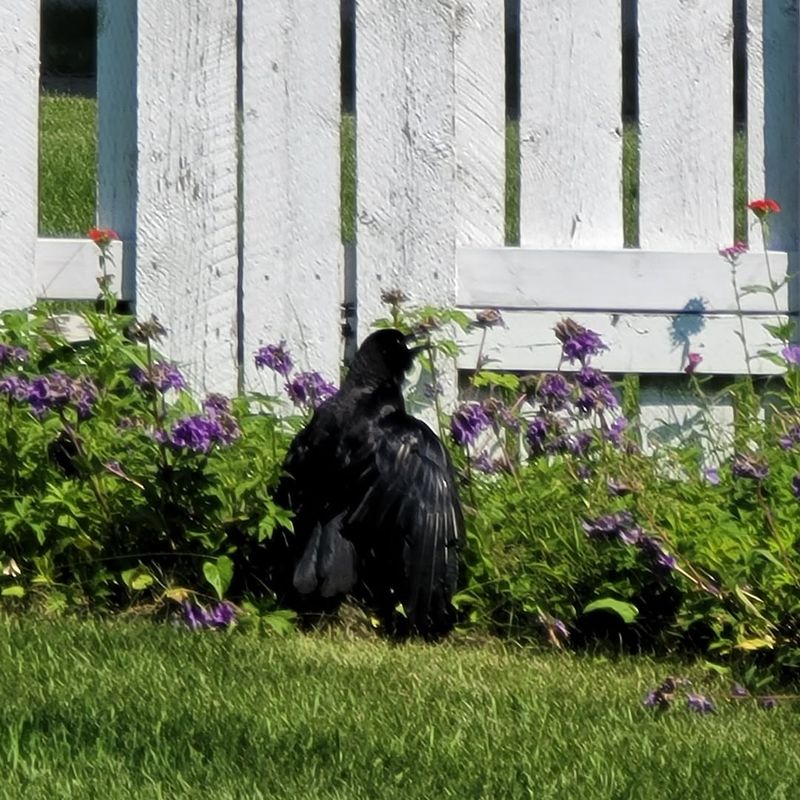
Compost piles are like treasure chests for crows. They contain food scraps, old produce, and organic waste that breaks down slowly.
All of that decomposing material creates strong smells that travel far, and crows pick up on those smells fast.
An open compost pile is especially tempting. Crows will land right next to it and start digging through the top layer looking for anything edible.
They are not afraid of getting close to human spaces when food is involved. A compost pile near your back fence or garden can easily become a regular crow destination.
Switching to a closed compost bin with a secure lid is one of the best things you can do. Enclosed bins trap odors much better than open piles.
They also prevent crows from physically accessing the material inside, which removes the reward that keeps them coming back.
Avoid adding meat, fish, dairy, or cooked foods to your compost. These items break down in ways that produce much stronger odors than plant-based materials.
Sticking to vegetable scraps, coffee grounds, and yard clippings makes your compost less attractive to scavengers of all kinds.
Turning your compost regularly also helps. Fresh material mixed into the pile breaks down faster and produces fewer surface-level odors.
A well-maintained compost system can be crow-resistant without requiring you to give up composting altogether. Small adjustments really do add up when done consistently.
Tall Trees Give Them Safe Lookout Spots
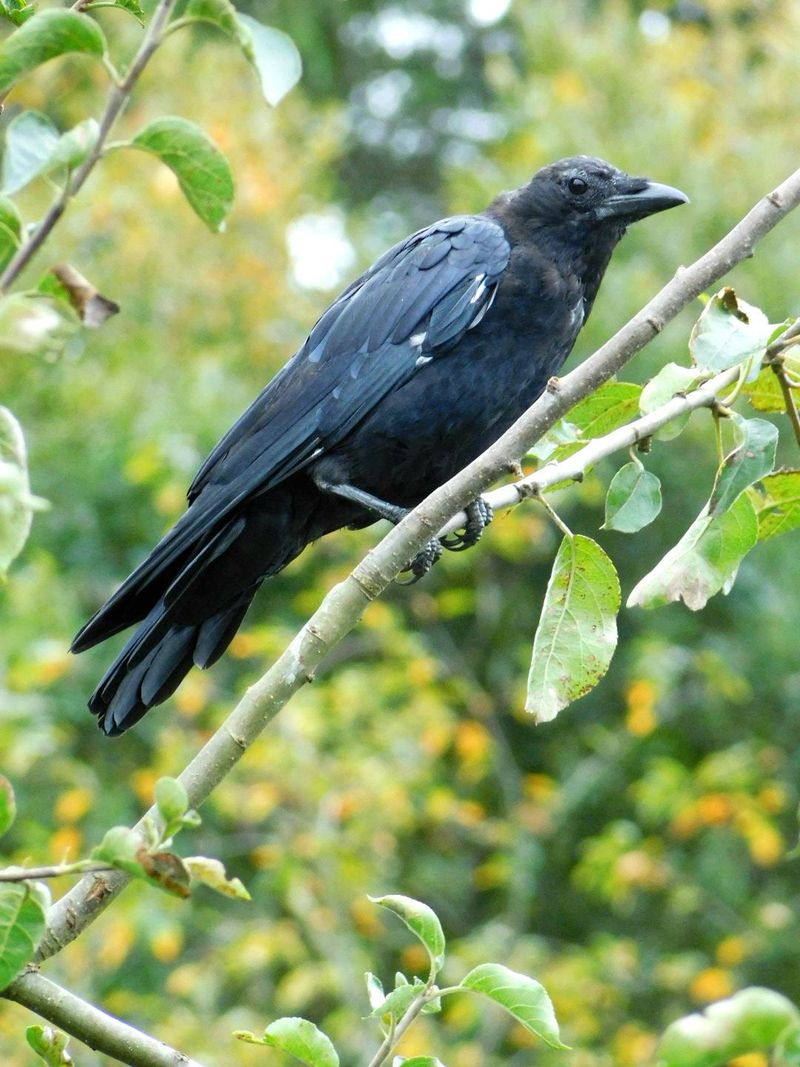
Crows are always thinking about safety. Height gives them a clear view of everything happening below, which is why tall trees are some of their favorite places to perch.
If your yard has Douglas firs, big oaks, or any other tall trees, crows likely see your property as a safe base of operations.
From a high perch, crows can watch for threats like hawks, eagles, or other predators. They can also keep an eye on food sources below without being too close to the ground.
Trees near open lawns are especially popular because crows can watch the grass for movement while staying safely out of reach.
Crows also use tall trees as meeting spots. Groups of crows, called murders, often gather in the same trees day after day.
They communicate from these spots, share information about food sources, and coordinate their movements as a group.
You do not need to remove your trees to discourage crows. Instead, try placing visual deterrents like reflective tape or pinwheels near the base of trees or in areas where crows tend to gather.
These simple tools create movement and light that make crows feel uneasy about landing.
Tall trees are a wonderful part of any yard. They provide shade, habitat for many other birds, and natural beauty.
With the right deterrents nearby, you can enjoy your trees while reducing how often crows choose them as their neighborhood watchtower.
Open Lawns Make Foraging Easier
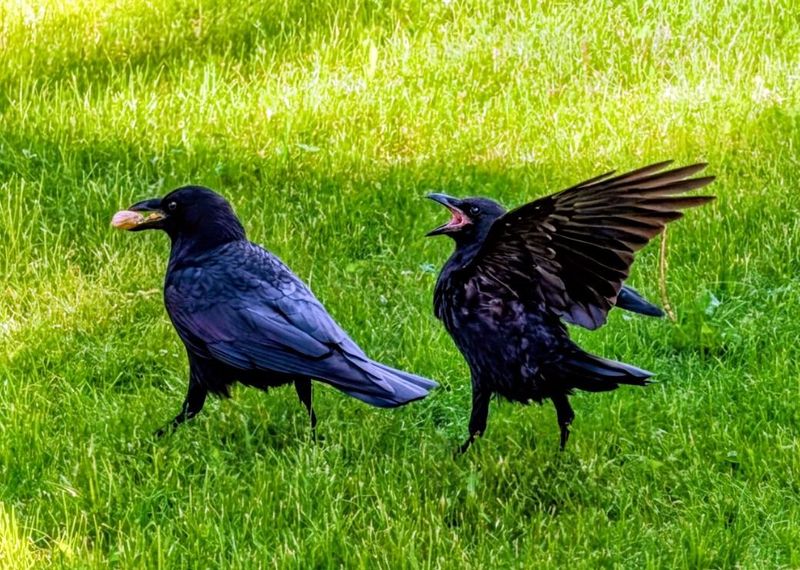
Wide, open Oregon lawns are practically an invitation for crows. They prefer spaces where they can see in all directions while they search for food.
A big flat yard with short grass gives them exactly that. They can forage without worrying about predators sneaking up from behind bushes or tall plants.
Crows walk across lawns in a very deliberate way. They move slowly, tilting their heads and listening for movement underground.
They tap the ground with their beaks to test the soil. When they find something, they grab it quickly and either eat it on the spot or carry it away to cache for later.
If your lawn is well-maintained and open, expect crows to visit often. They remember which yards consistently offer food, and they share that information with other crows in their group.
One crow finding your lawn can quickly lead to several more showing up the next day.
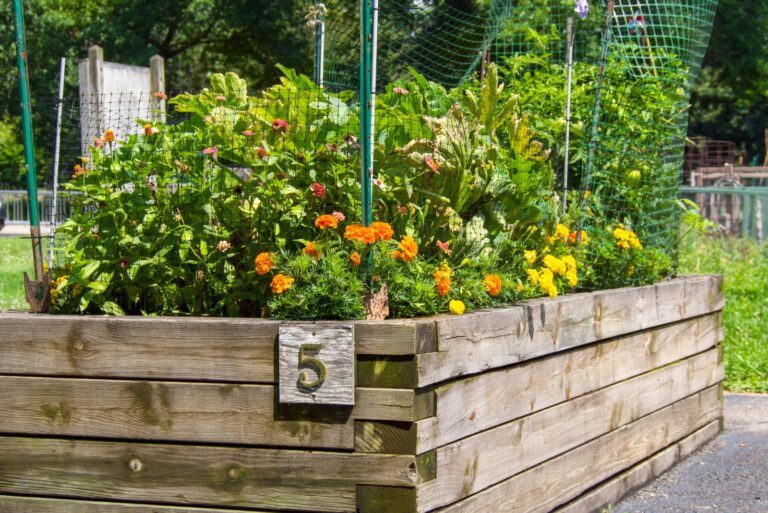
Adding more landscaping features can help break up the open space and make it feel less crow-friendly. Raised garden beds, shrubs, or decorative rocks placed around the yard give crows fewer clear sightlines, which makes them feel less comfortable foraging there.
You do not have to completely redesign your yard to see results. Even a few strategically placed planters or garden borders can shift a crow’s preference toward a neighbor’s more open space.
Small changes to the layout of your yard can have a surprisingly noticeable effect on how often crows visit.
A Group May Be Watching For Predators
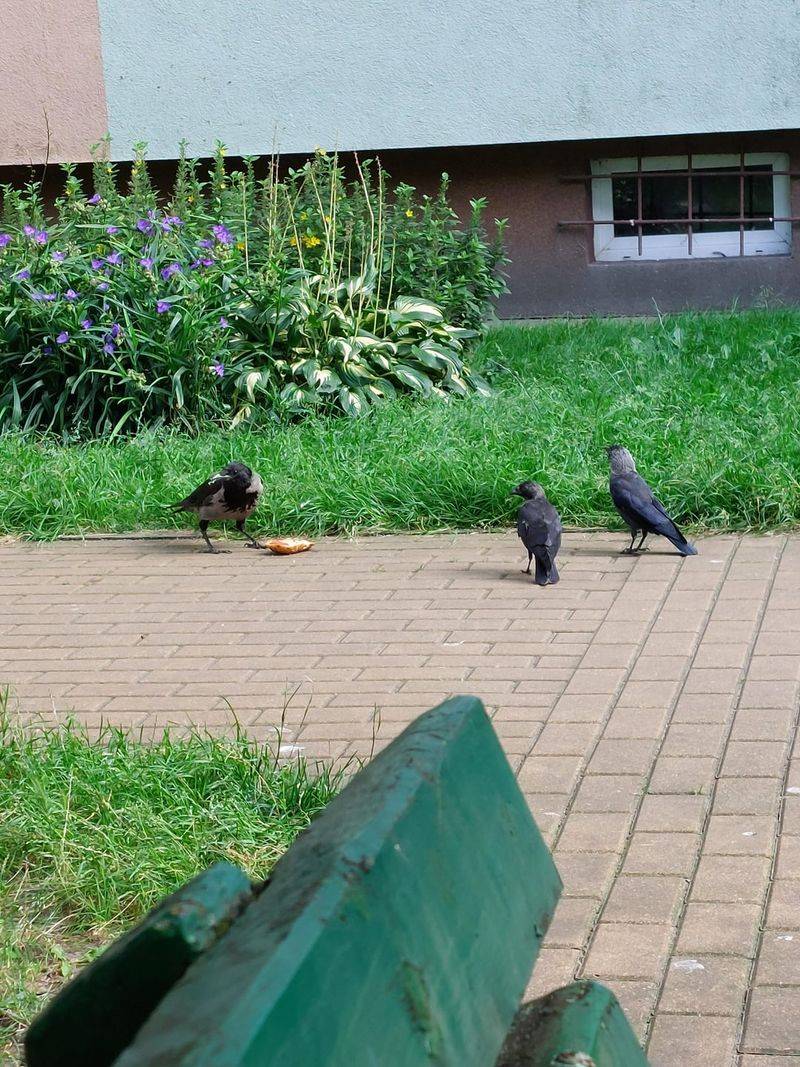
One of the most interesting things crows do is called mobbing. When a predator like a hawk, owl, or even a cat enters the area, crows will gather in large numbers and make a huge amount of noise.
They swoop, dive, and call loudly to drive the threat away from their territory.
If you suddenly notice a big group of crows in your yard making a racket, look around carefully. There is a good chance a hawk or owl is perched nearby and the crows are trying to push it out.
Crows take this job very seriously. They work together as a team and do not back down easily.
This behavior actually benefits other birds and animals in the area. Crows act as a kind of neighborhood alarm system.
Smaller birds often take advantage of crow mobbing events to escape from predators while the crows keep the threat distracted.
Watching a mobbing event is genuinely exciting. The crows are loud, bold, and completely focused on their mission.
It usually lasts only a few minutes before the predator gives up and moves on. Once the threat is gone, the crows will calm down and scatter.
You do not need to interfere during a mobbing event. The crows have a system that works well on its own.
Simply watching from a safe distance gives you a front-row seat to one of nature’s most dramatic and cooperative wildlife moments right in your own backyard.
Noise Can Signal Social Crow Behavior
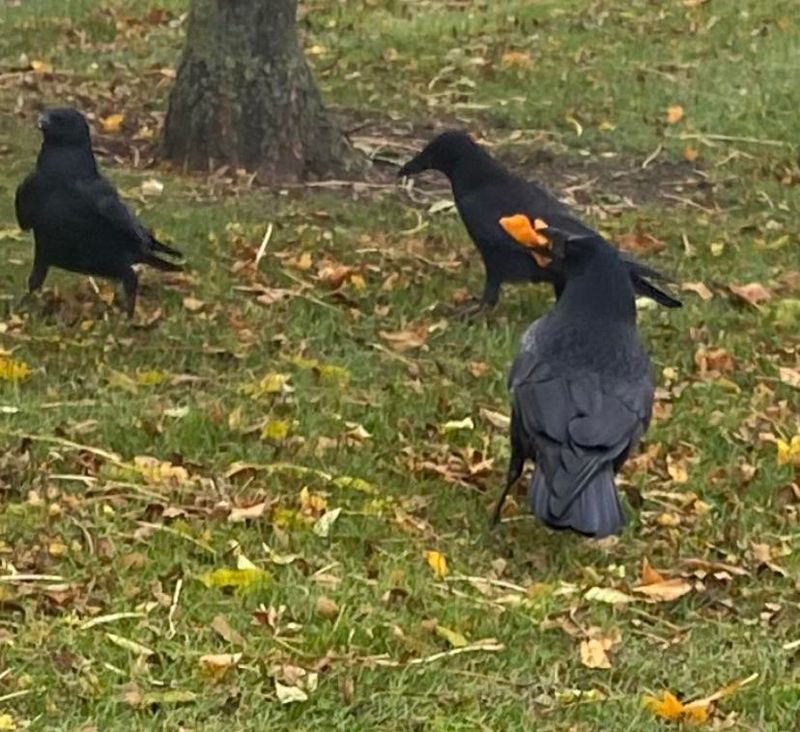
Crows are incredibly social birds. They do not just gather for food or safety.
Sometimes they gather simply to communicate and connect with each other. Crow calls carry a surprising amount of information.
Different calls mean different things, from warning signals to greeting calls to expressions of excitement.
When you hear a lot of crow noise coming from your yard, the birds might be doing something called a crow court. This is when a large group of crows surrounds one crow and calls loudly at it.
Researchers believe this behavior helps the group enforce social rules or resolve conflicts within the flock.
Crows also gather in large groups called roosts, especially in the evening. Oregon sees some impressive crow roosts during fall and winter months.
Hundreds or even thousands of crows can gather in the same area before settling in for the night. If your yard has big trees nearby, it might sit along a regular roost route.
The noise from a crow gathering can feel overwhelming, especially early in the morning. Hanging reflective objects like old CDs or Mylar tape near their favorite perching spots can encourage them to roost somewhere quieter.
Consistency is key when using any deterrent method.
Understanding crow communication makes their noise feel less random and more fascinating. Each call has a purpose, and paying attention to the patterns can help you figure out exactly what is going on in your yard on any given day.