The Alabama Shrub With Silver Leaves That Grows Wild In Just Two Counties On Earth
A silver flash on a limestone bluff stops you mid-step. You blink, thinking sunlight tricked your eyes. Nothing about this quiet shrub demands attention. Yet you feel compelled to look closer.
Botanists cross entire states just to reach this exact spot. Alabama holds something the rest of the world cannot claim. Rarity, not size, makes this plant especially notable. Its entire wild range fits inside a few counties.
Every bluff population becomes a fragile, irreplaceable outpost. Losing any single population erases part of Alabama’s identity. This is not decoration; it lives as a rarity holding its ground. Few plants anywhere carry this level of built-in urgency.
Each visit to this region reveals another surprising detail. Scientists document every leaf, root, and flowering stem carefully.
Time works against a plant confined to such narrow ground. What you discover next could completely redefine everything you thought you knew about lasting endurance.
Meet Alabama Croton, The Silver-Leaved Local Legend
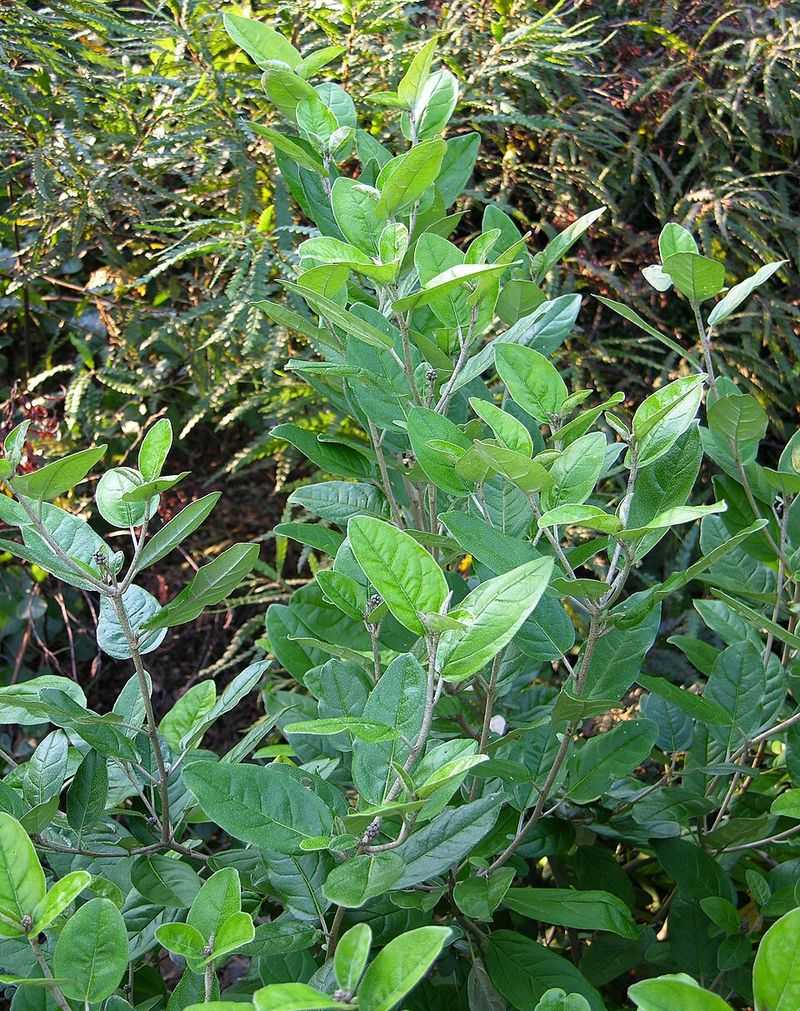
Botanists call it Croton alabamensis, but most folks who know it just say Alabama croton. It grows as a loose, open shrub, usually somewhere between three and ten feet tall.
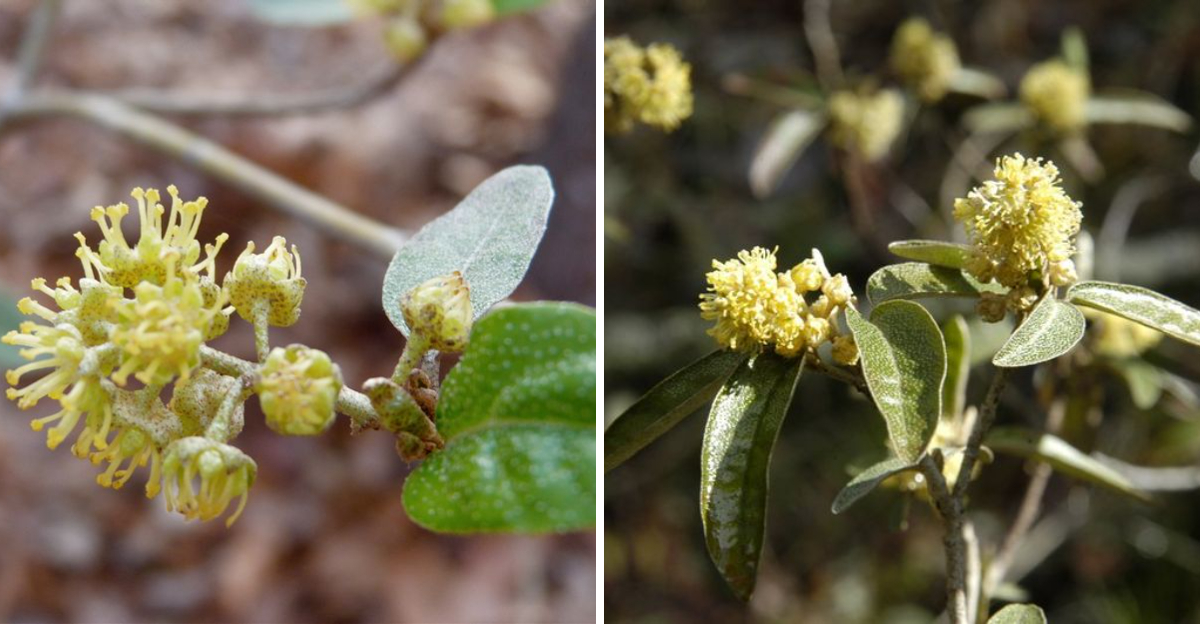
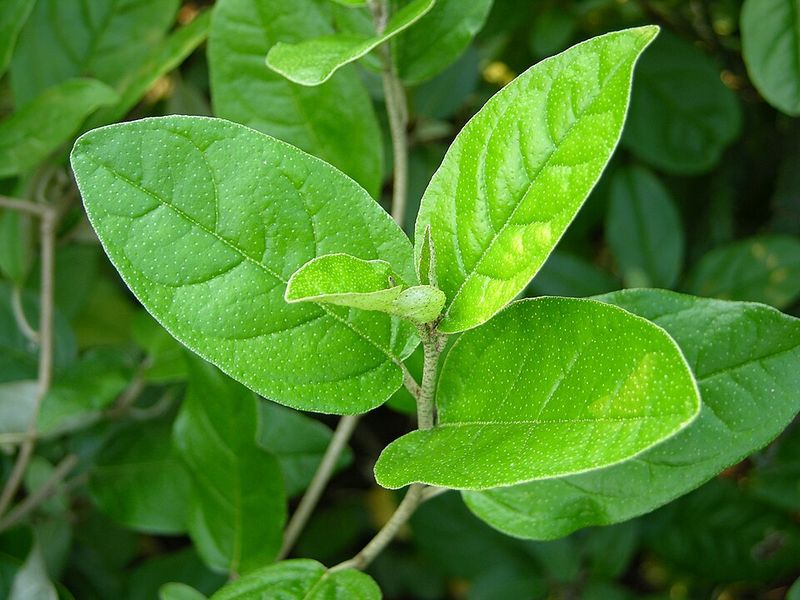
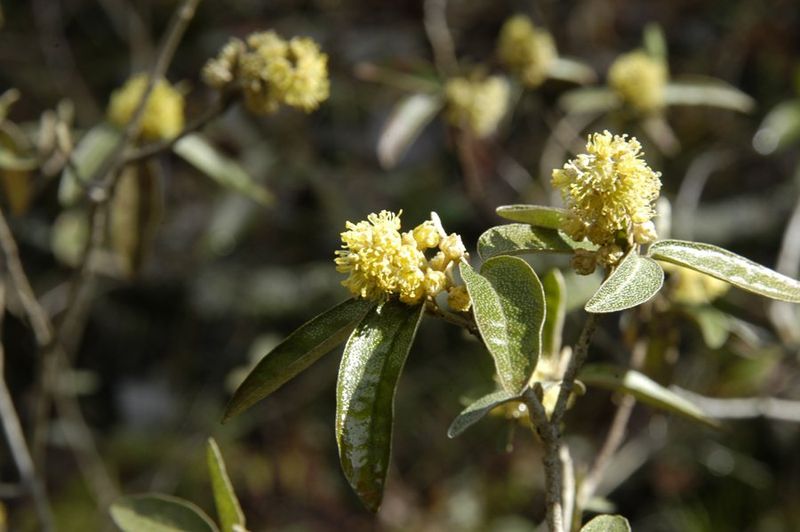
The leaves are the giveaway. Topsides look soft green, while the undersides shimmer with tiny silvery scales that flash when wind lifts them.
Those scales are not decoration. They are called peltate scales, and they help shade the leaf surface and slow down water loss on hot, exposed rock.
Crush a leaf gently and you get a surprise. Many people describe a fruity, almost citrus-like scent, which is unusual for a shrub in the spurge family.
Growth habit tends to be sprawling rather than tidy. Stems arch outward, branch loosely, and often lean toward whatever light slips through the surrounding hardwood canopy.
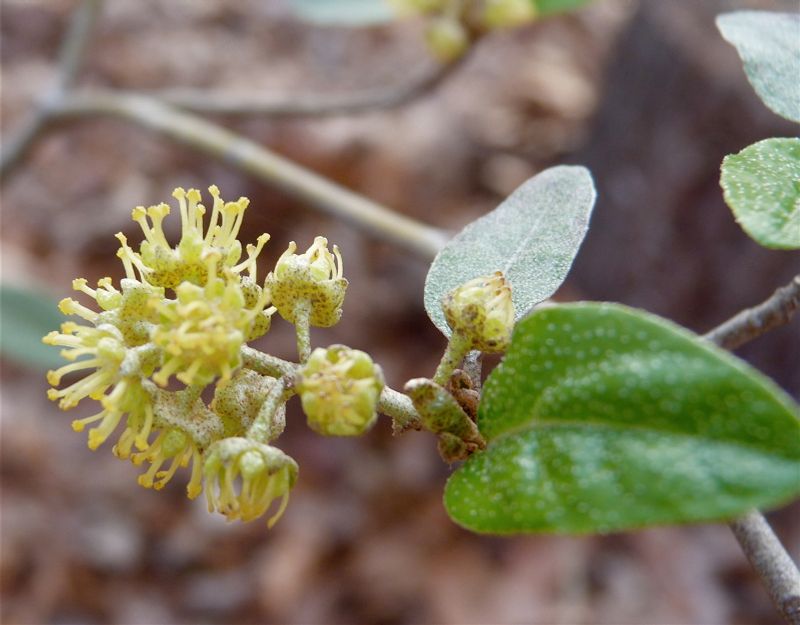
Small greenish-white flowers appear in early spring, clustered at the branch tips. They are easy to miss, since the silver foliage steals most of the attention.
Fruit forms as a small three-parted capsule. When it ripens, it splits open and flings seeds a short distance from the parent plant.
Fall brings another surprise for a southern shrub. Leaves shift toward warm orange and bronze tones before dropping, giving bluffs a brief glow.
Put all of that together and you have a plant that feels almost custom-built for its narrow slice of Alabama. Nothing else on those slopes looks quite like it.
Two Counties, One Very Small Map
Here is a defining statistic. The Alabama variety of this shrub grows wild in just two counties in the north-central part of the state.
Bibb County is the heart of that range, especially the limestone bluffs near the Cahaba River. Tuscaloosa County, along the Black Warrior River, holds the only other known wild population.
Scientists use the word endemic for species locked into one small region. Alabama croton is a textbook example, and its range is smaller than many city metro areas.
Your Alabama Garden Changes Every Week. Your Plan Should Too.
Gardening in Alabama changes quickly throughout the season. Every Friday you’ll receive a simple weekly plan showing exactly what to plant, prune, fertilize, harvest, and protect so you never miss the right timing.
A close relative, sometimes treated as a separate variety, turns up on a few Texas limestone sites. Even counting that outlier, the total wild territory stays remarkably tiny.
Why so small? Researchers think the shrub is a relict, meaning it hung on in sheltered pockets while climates shifted around it over thousands of years.
Those pockets share a recipe. Steep slopes, thin soil over dolomite or limestone, partial shade, and good drainage all show up again and again.
Because the map is so limited, one bulldozer or one quarry expansion can matter enormously. A single lost bluff could meaningfully reduce the known global population.
That is also why local conservation groups prioritize these ridges as key conservation sites. Land trusts near the Cahaba have worked for decades to protect them.
For Alabama residents, it is a distinguishing regional feature. Very few places can claim a shrub that belongs to them alone.
Limestone Bluffs Are The Habitat It Relies On
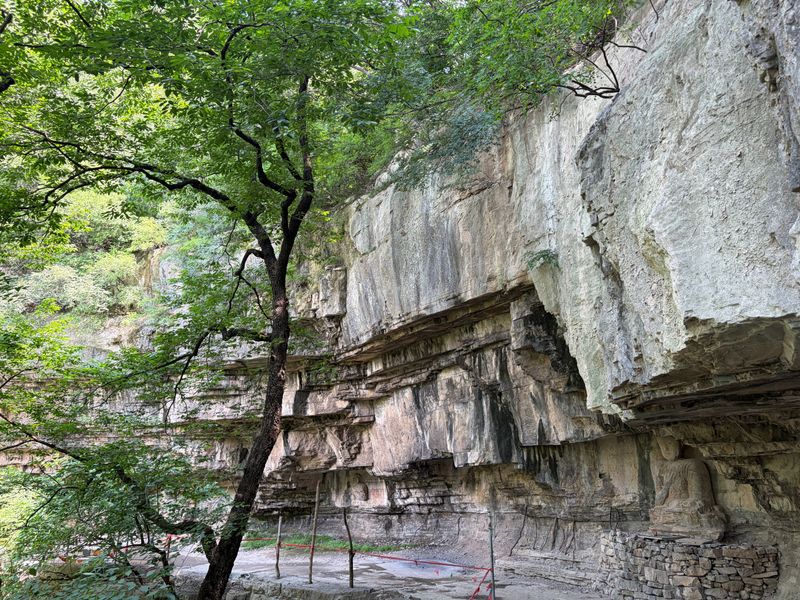
Walk one of the Cahaba River bluffs in April and the setting explains a lot. Gray dolomite ledges stack up like broken stairs, with oaks and cedars rooted in the cracks.
Alabama croton settles into that awkward middle ground. It likes the rocky shelf where soil is shallow, moisture drains fast, and full forest shade has not yet closed in.
Soil chemistry matters here. Limestone and dolomite create alkaline conditions, which is unusual in a state full of acidic red clay and sandy uplands.
That preference narrows the possibilities immediately. Only a handful of Alabama landforms serve up sweet soil, steep drainage, and filtered light in the same spot.
Fire history plays a role too. Occasional low-intensity burns and natural slope erosion keep taller trees from shading the bluffs out entirely.
Neighbors on these slopes include red cedar, chinquapin oak, and a surprising list of rare wildflowers. Botanists call these areas glades and bluff prairies.
Water is nearby but never soggy. The river cuts below while the shrub roots stay above the flood line, catching humidity without sitting in wet ground.
Understanding that habitat gives gardeners a useful clue. Anyone hoping to grow this shrub should think rocky, well-drained, and lightly shaded rather than rich and moist.
Visitors can help by staying on trails. Bluff soil is thin, and footsteps loosen it faster than most people expect.
Spring Flowers, Autumn Fireworks, Year-Round Shimmer
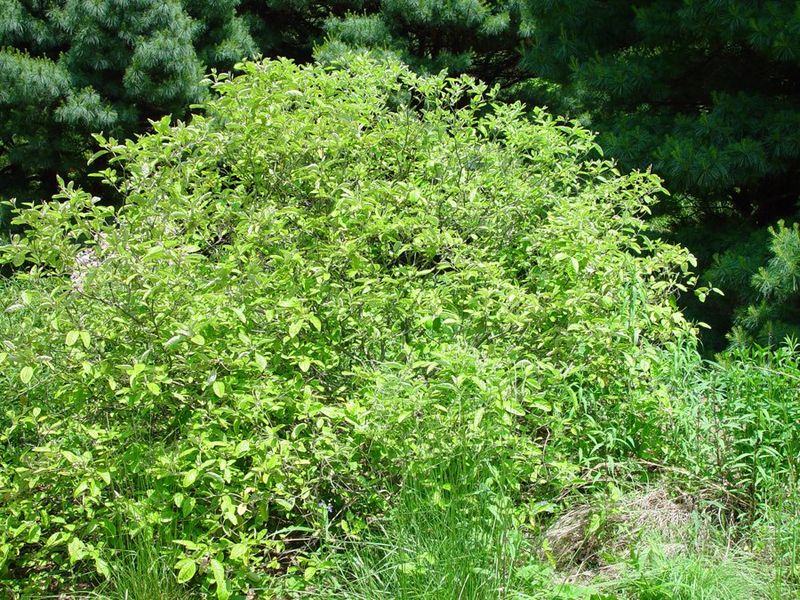
Gardeners who grow this shrub tend to describe three separate shows. Each season hands it a different costume.
Early spring brings the flowers, usually in March or April. Clusters of small greenish-white blooms open at branch tips, quiet but appreciated by early pollinators.
Summer belongs to the foliage. Sunlight bouncing off those silvery undersides gives the whole plant a soft glow, especially when a breeze turns the leaves.
The silver look holds up through heat, which is a rare trick in the Southeast. Many shrubs turn dull and tired by August, while this one keeps its metallic shine.
Then autumn arrives and things get loud. Leaves shift into pumpkin orange, rust, and copper, sometimes all on the same branch.
That fall display is unusual for a broadleaf shrub in the Deep South, where color often means maples and sweetgums rather than understory plants.
Winter strips the branches bare and reveals structure. Arching stems and reddish-brown bark keep the outline interesting against gray rock or mulch.
Seed capsules add a small bonus. They split with a faint pop, scattering seeds and giving curious kids something fun to watch for.
Practical takeaway for landscapers: plant it where afternoon light rakes across the leaves. Backlighting turns the silver from pretty into genuinely eye-catching.
Pair it with dark evergreens for contrast. Against holly or cedar, the pale foliage looks almost lit from within.
How It Ended Up On Watch Lists
Rarity alone does not put a plant in trouble, but rarity plus pressure certainly does. Alabama croton carries both.
State agencies and conservation groups list it as a species of concern, and NatureServe ranks it as globally vulnerable. The reasoning comes down to arithmetic.
With only a few dozen known populations, each one represents a meaningful share of everything that exists. Losing a couple would shrink the global total noticeably.
Limestone happens to be valuable. Quarrying, road cuts, and residential development have historically targeted the same bluffs the shrub depends on.
Shade is another quiet challenge. When fire is suppressed for decades, hardwood canopies thicken and the sun-loving bluff community gets crowded out.
Invasive plants add pressure. Chinese privet and Japanese honeysuckle move into disturbed slopes and outcompete slower native shrubs.
Recovery is slow because seed dispersal is short-range. Capsules toss seeds only a few feet, so populations expand at a crawl rather than a sprint.
Conservation efforts are underway as well. The Cahaba River National Wildlife Refuge, Nature Conservancy holdings, and Bibb County Glades preserves now shelter significant stands.
Botanical gardens keep backup collections and study propagation. Birmingham Botanical Gardens and Huntsville Botanical Garden have both helped raise its profile.
Anyone can pitch in modestly. Support local land trusts, avoid collecting wild plants, and buy nursery-grown stock instead of digging from bluffs.
Bringing A Rare Native Into Your Own Yard
You do not need a bluff to grow this one. Nurseries specializing in southeastern natives sell it in containers, and it adapts better than its rare status suggests.
Hardiness runs roughly from zone 6 through zone 9. Gardeners in Tennessee, Georgia, and the Carolinas report solid success.
Drainage tops the list of needs. Heavy, soggy clay is the fastest way to disappoint this shrub, so raised beds or slopes work best.
Sweeten the soil if yours runs acidic. A little garden lime or a gravel and limestone mix mimics the rocky ledges it came from.
Light preference sits in the middle. Morning sun with afternoon shade produces the fullest silver color and the strongest fall tones.
Water regularly during the first season while roots settle. After that, it handles dry spells with impressive calm.
Pruning is mostly optional. Trim lightly after flowering if you want a denser shape, though the natural arching form has real charm.
Pests rarely bother it. Deer usually walk past, likely because spurge-family sap is not appetizing.
Try it as a specimen near a patio where the leaf color is visible up close. It also works along woodland edges and in rock gardens.
Buying nursery-propagated plants supports conservation instead of straining it. Every responsibly grown shrub spreads the story of a plant that calls a very small corner of Alabama home.