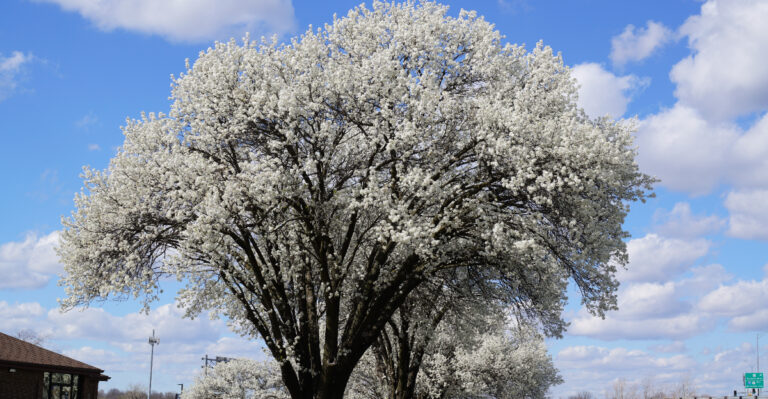
What It Really Means When Katydids Start Calling From Your North Carolina Trees Every Night
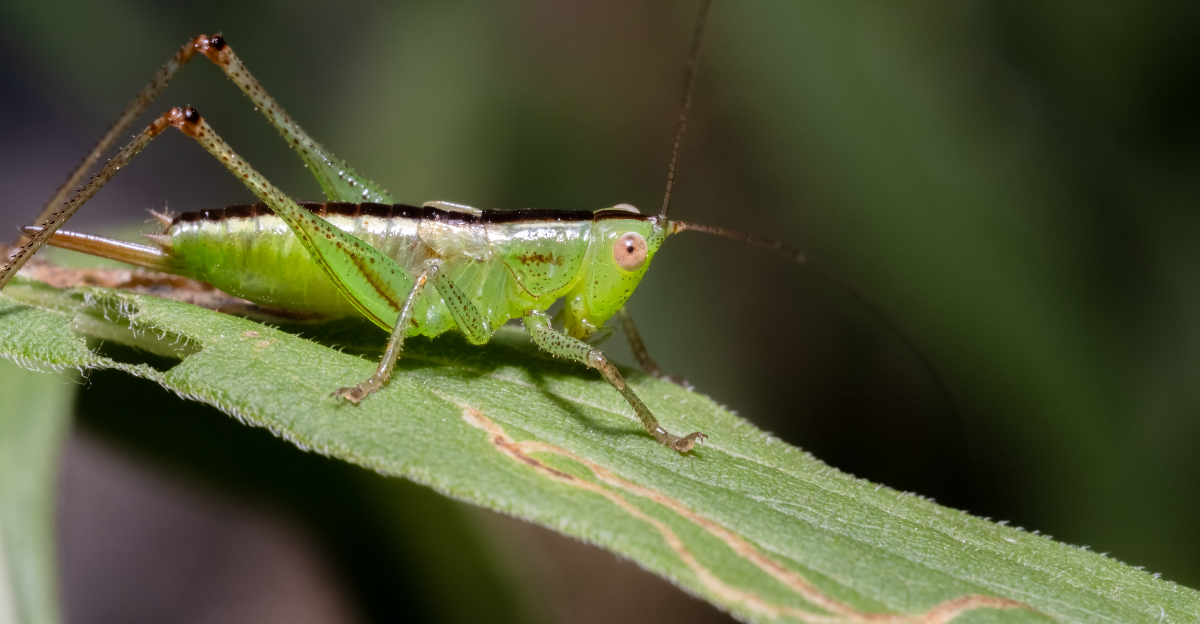
Katydid calls are so embedded in the sound of a North Carolina summer night that most people stop hearing them consciously after the first few weeks of the season.
When that calling intensifies or begins earlier than expected in a particular yard, it is worth paying attention to.
Katydid activity responds to specific environmental conditions including vegetation density, temperature patterns, and the presence of the prey and plant material their population depends on.
A yard with unusually loud or early katydid calling is communicating something about its current ecological state.
Understanding what drives their activity in a specific space gives a North Carolina gardener a surprisingly useful read on what is happening in the tree canopy and surrounding plantings after dark.
1. The Trees Have Become A Summer Calling Stage
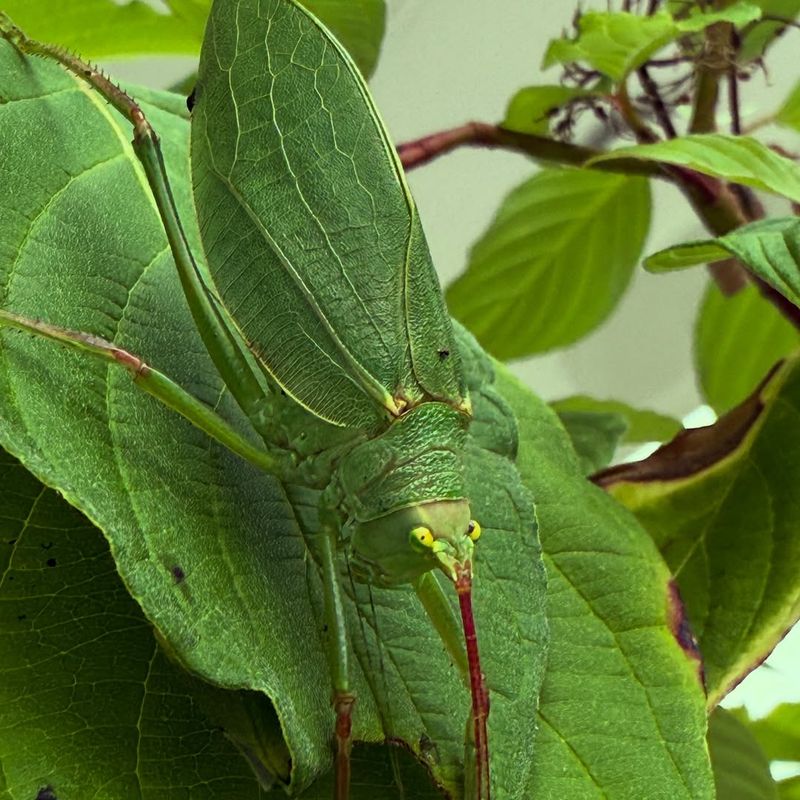
Picture your tallest oak or maple after dark, alive with sound you cannot quite locate. That steady, repeating call you hear rising from the treetops every summer night is not random noise.
Katydids have claimed your tree canopy as their seasonal stage, and they have been doing it across North Carolina for thousands of years.
The sound is a form of insect communication that happens entirely above the garden floor. Katydids live and call from high in the branches, rarely coming down to ground level.
Your trees are simply providing the platform they need to send their signals out across the neighborhood.
Hearing them consistently from the same trees every night usually means those trees offer the right combination of dense leaf cover and height. Katydids prefer spots where they can blend in easily and project their calls as far as possible.
The treetop location helps the sound travel farther and reach more potential mates in the surrounding area.
Gardeners sometimes worry when they suddenly notice the chorus for the first time, assuming something must be wrong with the tree itself. Nothing about the calling suggests the tree is struggling.
The tree is simply a convenient, well-placed stage for one of summer’s most reliable natural performances.
Appreciating this perspective can actually make those late evenings in the garden feel richer.
Your yard has become part of a living summer soundtrack shared across backyards, forests, and roadsides all over North Carolina. The trees are healthy, the insects are active, and the season is doing exactly what it should.
2. Males Are Calling To Attract Mates
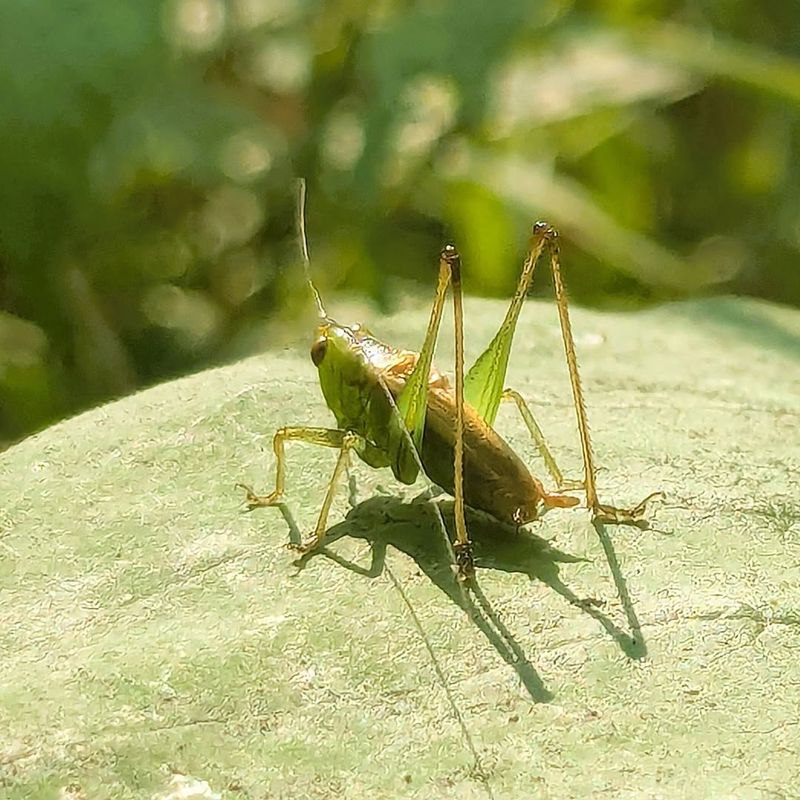
Every sound you hear from the trees after dark has a very specific purpose behind it. Male katydids are not just making noise for fun.
They are working hard every single night to find a mate before the warm season ends, and that call is their most powerful tool for doing it.
Katydids produce their signature sound by rubbing specialized structures on their wings together in a process called stridulation. One wing has a file-like ridge, and the other has a scraper edge.
When they rub these surfaces together rapidly, the vibration creates that loud, repeating call that carries surprisingly far through warm summer air.
Your North Carolina Garden Changes Every Week. Your Plan Should Too.
Gardening in North Carolina changes quickly throughout the season. Every Friday you’ll receive a simple weekly plan showing exactly what to plant, prune, fertilize, harvest, and protect so you never miss the right timing.
The pattern of the call actually matters quite a bit. Female katydids can distinguish between different males based on the rhythm, timing, and intensity of their calls.
A male that calls consistently and loudly is signaling that he is healthy and strong, which makes him more attractive to listening females nearby.
Females respond either by moving toward the calling male or, in some species, by producing a quieter reply call of their own. This back-and-forth exchange is what keeps the chorus going for so long into the night.
Once a female responds, the male adjusts his calling and moves closer until the two locate each other.
For gardeners, knowing this adds a fascinating layer to those warm summer evenings. That relentless sound from the trees is actually a highly organized communication system.
Your yard is hosting a remarkable seasonal event every night, and the insects in your trees are the main performers making it happen.
3. Warm Nights Make The Chorus Easier To Hear
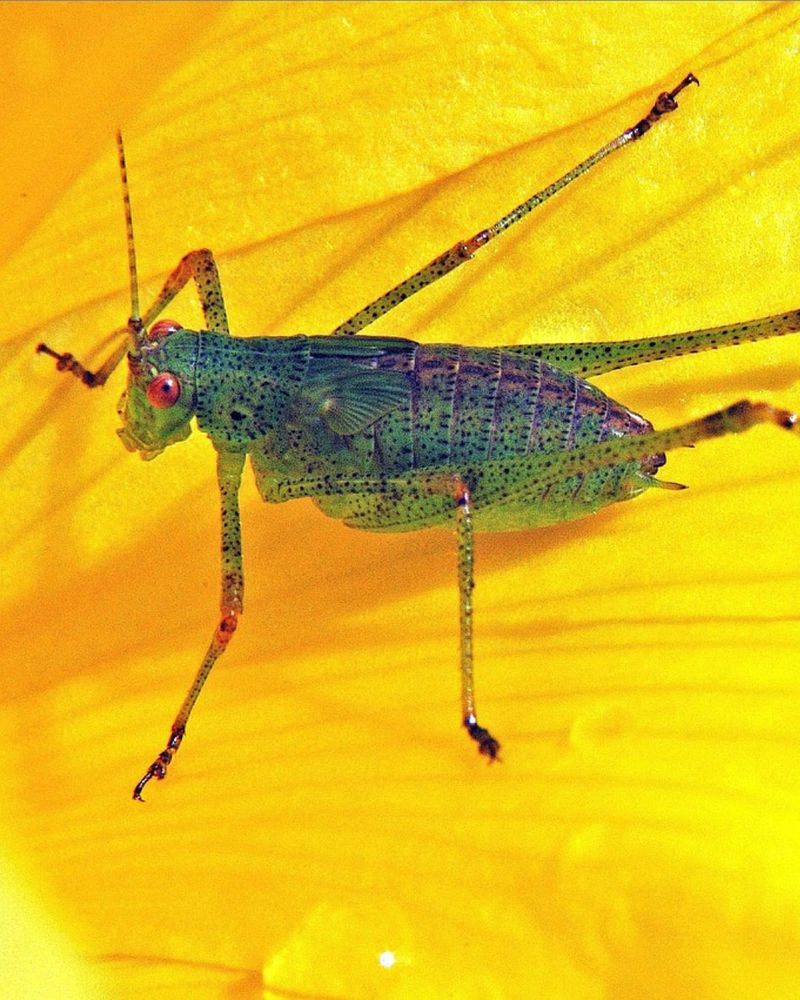
Have you ever noticed that the katydid chorus seems almost deafening on some nights and barely noticeable on others? Temperature plays a much bigger role in insect activity than most gardeners realize.
On warm North Carolina evenings, katydids call more frequently, more loudly, and for longer stretches of time than they do on cooler nights.
Insects are cold-blooded, which means their body temperature matches the air around them. When the evening stays warm after sunset, their muscles stay active and their energy levels remain high.
That directly translates into more calling, faster wing movement, and a louder overall chorus coming from the canopy above your garden.
North Carolina summers are famously humid and warm, which creates near-perfect conditions for katydid activity through much of July and August. Nights that stay above 70 degrees Fahrenheit tend to produce the most intense calling.
Gardeners who live near wooded neighborhoods or have mature trees in the yard often hear the chorus at full volume for weeks at a stretch during peak summer.
A quiet yard also amplifies the experience. When traffic fades, neighbors go indoors, and the usual daytime noise settles down, those insect sounds fill the space naturally.
The contrast between daytime noise and nighttime quiet makes the chorus feel much louder than it actually is in terms of pure volume.
Paying attention to temperature and the intensity of the chorus can actually become a fun backyard observation habit. On the hottest nights, step outside and listen closely.
The energy in those trees is directly tied to the warmth in the air, and the connection between the two is surprisingly easy to notice once you start paying attention.
4. Your Yard Has Good Tree And Shrub Cover
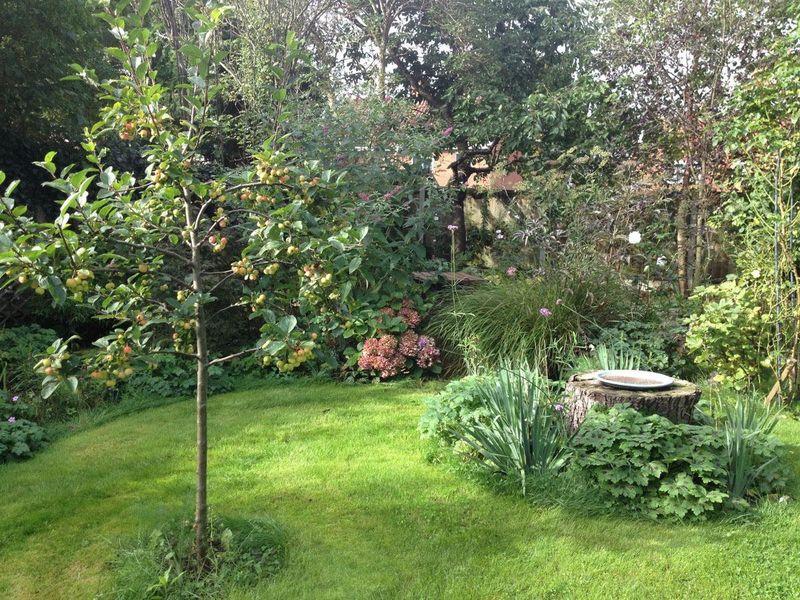
A yard that hosts nightly katydid calling is actually sending you a quiet compliment. Katydids are selective about where they settle.
They prefer yards with real vertical structure, which means tall trees, dense shrubs, and layered plantings that give them places to hide, move around, and call from safely above the ground.
Katydids spend most of their time in the upper layers of the garden. They feed lightly on leaves, flowers, and occasionally soft plant tissue, but they are not ground-level insects.
They need height, cover, and connected pathways between plants to feel secure. A yard with only lawn and a few low plants simply does not offer what they need.
Trees like oaks, maples, and sweetgums are common favorites in North Carolina yards, and katydids tend to gravitate toward their dense canopies.
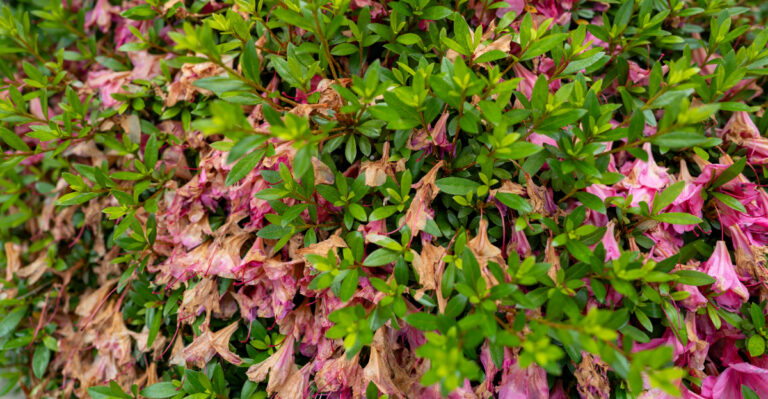
Shrubs like viburnums, hollies, and native azaleas add the mid-level structure that helps katydids move between the ground and the treetops.
Vines climbing fences or trellises can also contribute useful vertical habitat that connects different parts of the yard.
Gardeners who have been gradually adding native plants, layered borders, or wooded corners to their yards are often the ones who notice the most katydid activity.
That layered planting style creates a richer environment for a wide range of insects, not just katydids. The calling you hear at night is essentially a sign that your planting choices are working.
Building vertical habitat does not require a large yard or a major renovation. Even a single mature tree surrounded by layered shrubs can attract enough insect life to produce a reliable summer chorus that enriches your whole outdoor experience.
5. The Sound Does Not Usually Mean Serious Plant Damage
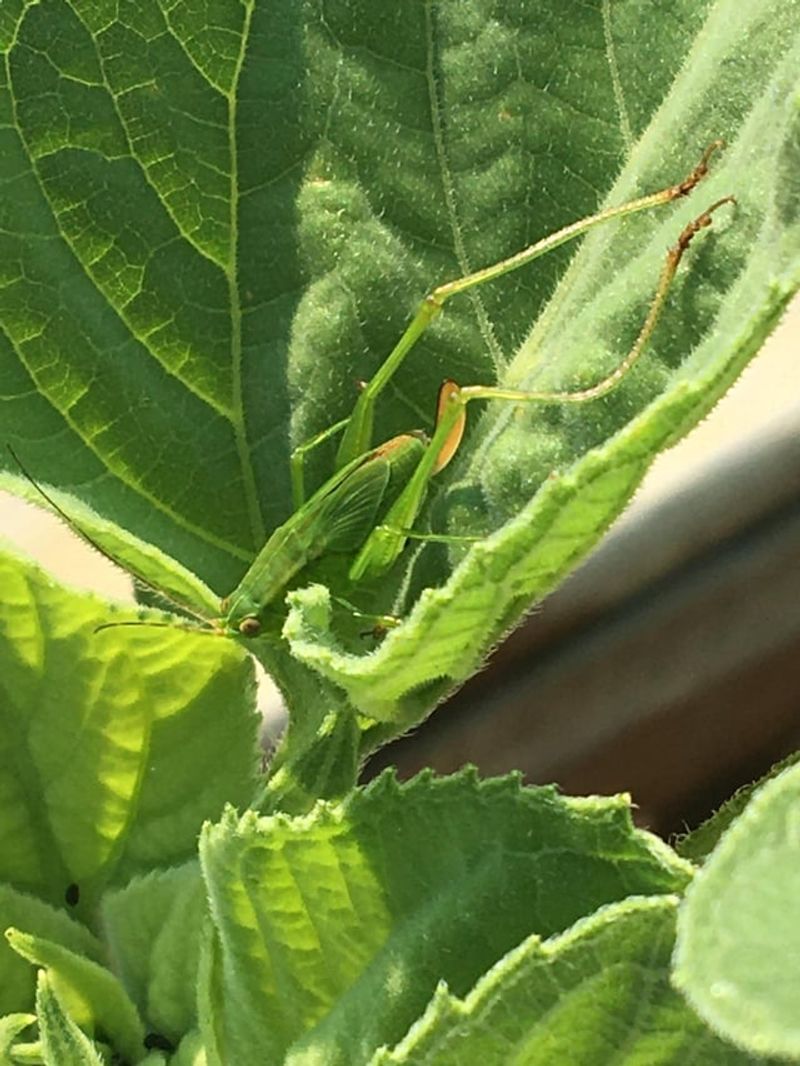
When something is making loud noise in your trees every night, it is natural to wonder if your plants are under attack. The good news is that katydids are not the garden villains they are sometimes made out to be.
For most home gardeners in North Carolina, their presence causes very little actual harm to healthy plants.
Katydids do feed on plant material. They chew leaves, occasionally nibble flower petals, and may sample soft new growth.
However, the amount they consume is generally minor compared to the total leaf area of a mature tree or established shrub. A few ragged leaf edges are far more likely to come from caterpillars, beetles, or other insects than from katydids alone.
Before blaming katydids for plant damage in your yard, take a close look at the actual chewing patterns. Katydid feeding tends to leave smooth, curved notches along leaf edges or irregular holes in the middle of leaves.
If the damage looks different, another insect is probably responsible. Slugs, earwigs, and various caterpillar species are much more likely culprits for widespread leaf damage in most home gardens.
Gardeners with vegetable gardens sometimes worry more, since soft crops like beans, lettuce, and squash can attract more feeding activity. Even then, katydid feeding rarely reaches a level that threatens the overall harvest.
Monitoring your plants regularly and looking for actual evidence before reacting is always the smarter approach.
Reaching for broad insect sprays based on sound alone can cause more harm than good. Sprays that target katydids often affect beneficial insects at the same time, disrupting the natural balance your garden depends on through every growing season.
6. The Night Chorus Can Signal A Lively Food Web
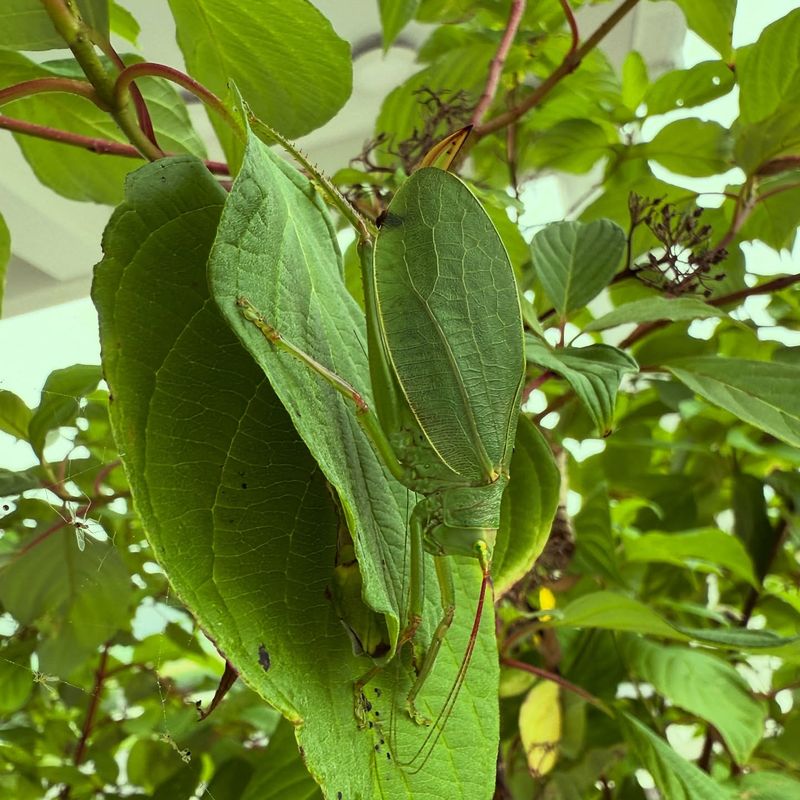
Katydids are not just calling into the void every night. They are also announcing their presence to a whole network of other creatures that depend on them for food.
A yard full of katydid sound is often a yard where birds, spiders, and other wildlife are quietly thriving alongside your plants.
Birds are among the most important katydid predators. Species like yellow-billed cuckoos, Eastern towhees, and various warblers actively hunt katydids during summer and early fall.
If you have been noticing more bird activity in your trees during the day, the presence of katydids in the canopy is likely one of the reasons they keep coming back.
Spiders also benefit significantly from katydid activity. Orb weavers and other large web-spinning spiders often position their webs near areas of high insect activity, and katydids are large enough to be a substantial catch.
Seeing more impressive spider webs in your yard during late summer is often directly connected to the insect abundance that the katydid chorus represents.
Beyond individual predators, the overall presence of katydids suggests your yard still supports enough plant cover and insect activity to maintain a functioning seasonal food web.
Insects at the base of that web feed birds, which in turn attract other wildlife. The whole system builds on itself when the habitat stays healthy and layered.
Thinking of katydids as food web participants rather than just noise-makers shifts the entire way you see your garden at night. Your yard is not just a collection of plants.
It is a living system, and the chorus you hear after dark is one of the clearest signs that system is running well and supporting real wildlife through every warm summer month.
7. The Best Response Is To Observe Before Reacting
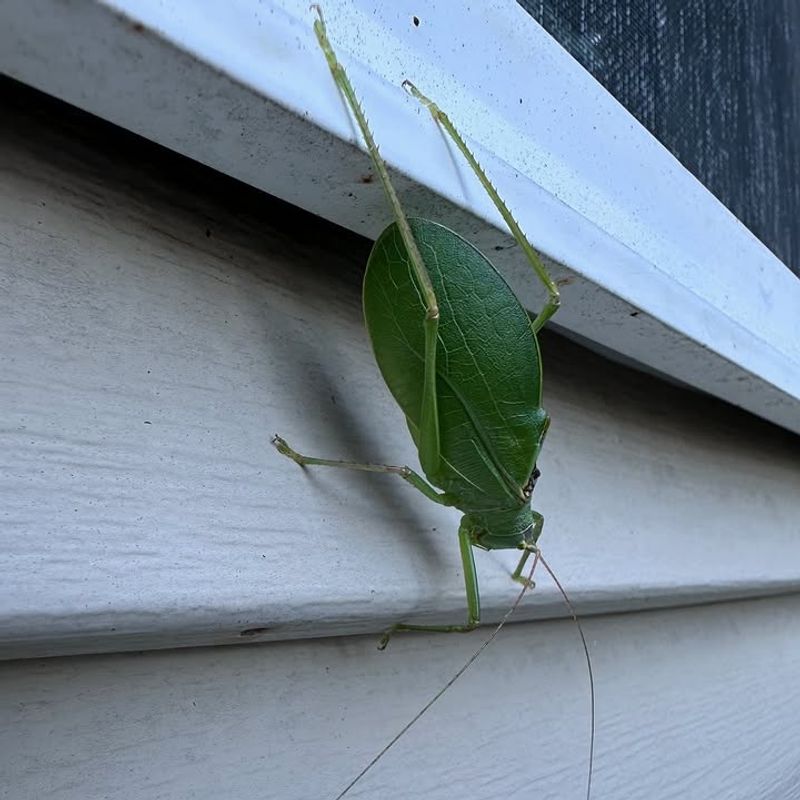
Hearing loud insect calling every night can feel urgent, especially if you are not sure what is causing it. The most useful thing a gardener can do in that moment is slow down and observe carefully before taking any action.
Most of the time, the sound alone is not a reason to worry about your trees or your garden plants.
Start by walking through your yard in the early evening and looking at your trees and shrubs with fresh eyes. Check the leaves for actual chewing damage, not just surface markings or natural imperfections.
Look for smooth notches along leaf edges, irregular holes in the center of leaves, or areas of concentrated feeding activity that might point to a real problem worth addressing.
If you find minor leaf damage but the plant overall looks healthy and full, katydids are almost certainly not a threat worth acting on.
Healthy, established trees and shrubs in North Carolina can easily tolerate the light feeding that katydids produce during a normal summer season without any intervention from you.
Broad insect sprays should stay on the shelf unless a specific, confirmed pest problem is causing real harm to your plants.
Spraying broadly based on noise disrupts the natural predator-prey balance in your yard, often reducing the beneficial insect population that keeps true pest species in check throughout the growing season.
The nightly katydid chorus is usually a combination of warm temperatures, summer mating activity, good tree canopy habitat, and a yard that still supports seasonal wildlife.
Recognizing those signals for what they are lets you enjoy the sound rather than stress over it.
Your North Carolina garden is doing something right, and the trees are happy to prove it every single night.