What It Really Means When Opossums Keep Visiting Your North Carolina Garden Every Night
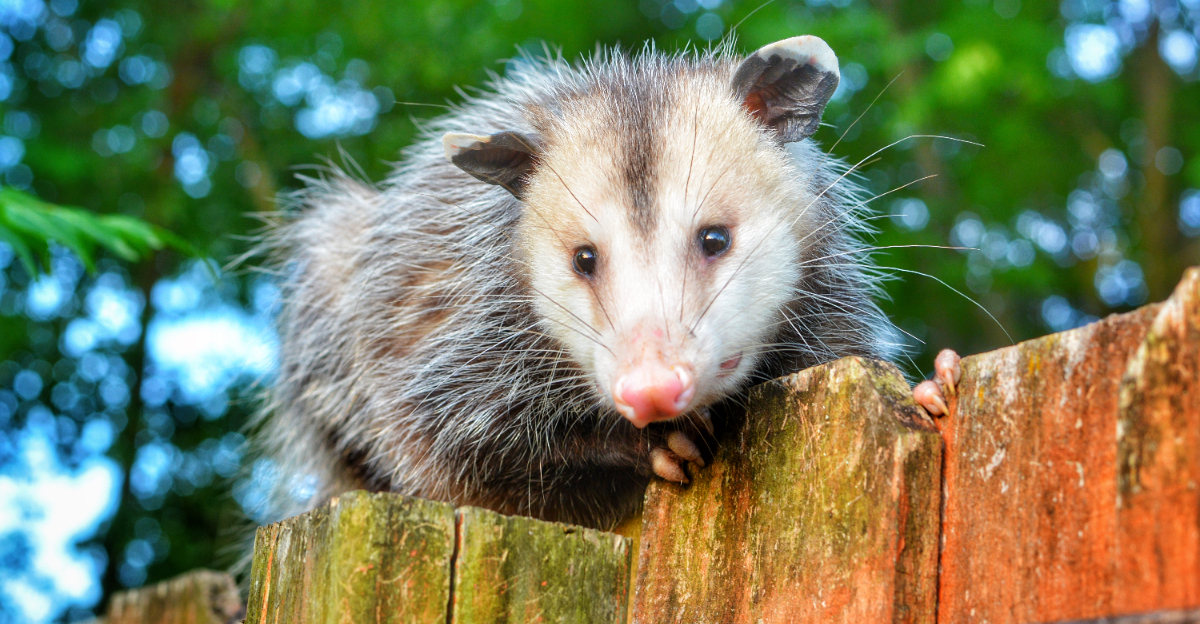
An opossum passing through the yard occasionally is one thing. The same animal returning to the same garden space night after night is a pattern worth paying attention to.
Opossums are not wandering randomly. They are navigating deliberately toward something specific that a particular garden is offering them on a reliable basis.
North Carolina gardens that attract repeat opossum visits are almost always providing food, shelter, or conditions that make the trip consistently worthwhile from the animal’s perspective.
What surprises most homeowners is what opossums are actually doing during those nightly visits and how much of it quietly benefits the garden in ways that make them one of the most misunderstood nighttime visitors a North Carolina yard can have.
1. Your Garden Has Easy Night Food
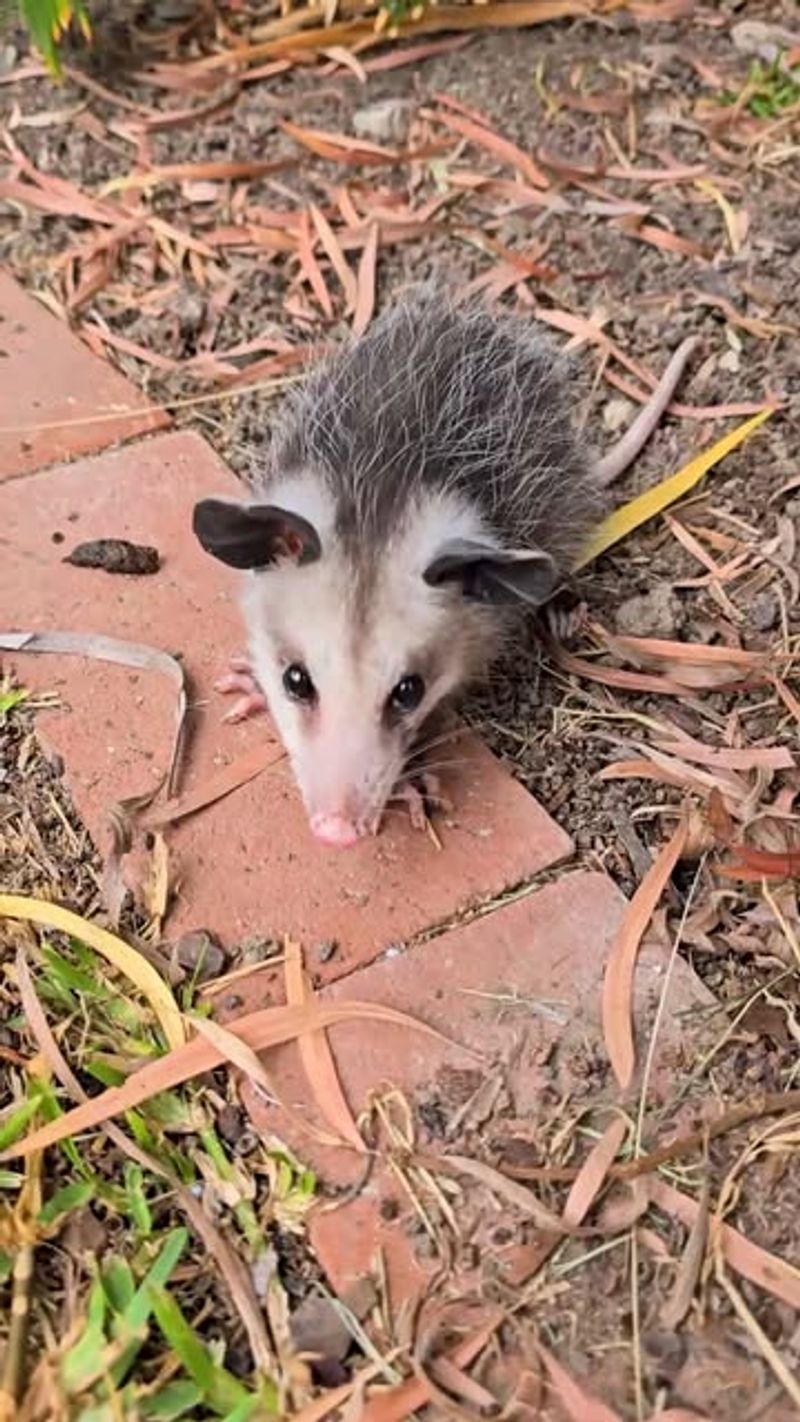
Opossums are natural nighttime foragers, and they have one main goal every evening: finding food with as little effort as possible. North Carolina gardens often serve up a buffet without homeowners even realizing it.
Fallen fruit, overripe vegetables, exposed compost, spilled birdseed, and even pet food left outside can all signal to a hungry opossum that your yard is worth revisiting every single night.
What makes opossums especially persistent is their excellent sense of smell. Once they catch a scent trail leading to easy food, they follow it back reliably.
They are not random wanderers. If one keeps showing up at the same spot in your garden, that spot almost certainly holds something edible nearby.
The good news is that fixing the problem is usually straightforward. Bring pet bowls inside before dark, secure your trash cans with tight lids, and pick up any produce that has dropped to the ground during the day.
Small changes like these can shift your garden from a reliable dinner spot to just another yard on the block. Opossums will naturally move on when the easy meals stop appearing.
No traps, no fuss, no complicated solutions required. Just a bit of evening tidiness can quietly discourage nightly visits while keeping your garden looking great and your plants protected from unnecessary disturbance.
2. Fallen Fruit May Be Drawing Them Back
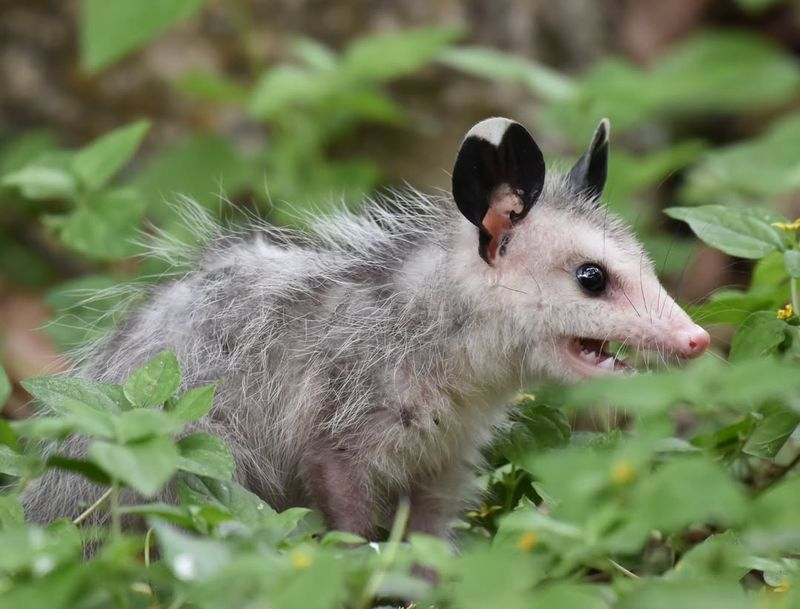
Fruit trees, berry bushes, melon vines, and vegetable plants all share one thing in common during the growing season: they drop produce regularly. That fallen fruit sitting on the ground overnight is basically an open invitation for opossums.
They have a sharp nose and a strong memory for food locations, so once they discover a reliable drop zone under your apple or fig tree, they will return to that same spot night after night without hesitation.
North Carolina gardens are especially productive during summer and fall, which lines up almost perfectly with the time of year when opossum activity tends to increase.
Berry bushes, pawpaws, persimmons, and garden melons are particular favorites. Even small amounts of overripe produce can be enough to keep an opossum coming back on a regular schedule.
The simplest fix is an evening walkthrough of your garden before nightfall. Collect any dropped fruit and toss it into a sealed compost bin or the trash rather than leaving it on the ground.
Your North Carolina Garden Changes Every Week. Your Plan Should Too.
Gardening in North Carolina changes quickly throughout the season. Every Friday you’ll receive a simple weekly plan showing exactly what to plant, prune, fertilize, harvest, and protect so you never miss the right timing.
This one habit alone can dramatically reduce how interesting your yard feels to a foraging opossum. You do not need to remove your fruit trees or stop growing produce.
A quick daily cleanup routine is usually all it takes to quietly break the pattern and encourage the opossum to search for easier pickings somewhere else in the neighborhood.
3. Slugs And Insects May Be The Real Attraction
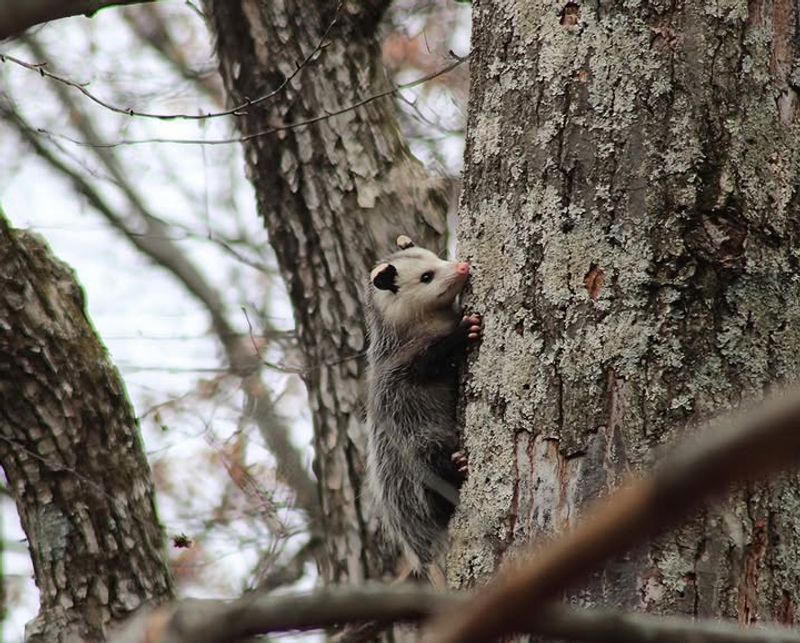
Not every opossum visiting your garden is after your vegetables or fruit. Sometimes the real draw is much smaller: slugs, snails, beetles, cockroaches, and other insects hiding in your mulch and garden beds.
Opossums are natural insect hunters, and they are surprisingly good at finding these tiny creatures that most gardeners spend serious time and money trying to manage.
Fun fact: opossums are one of the few wild animals that actively seek out and consume a wide range of garden pests. A single opossum can clear out a meaningful number of slugs and insects during just one night of foraging.
That means if one is poking around your beds, it may actually be doing your garden a quiet favor while you sleep.
Spotting an opossum in your mulch does not automatically mean you have a serious pest outbreak on your hands. Healthy gardens naturally attract insects, and opossums follow that food trail.
Rather than panicking about the opossum itself, take a calm look at your beds during the day to see if slug or insect damage is showing up on your plants. If the pest pressure seems low, the opossum may simply be doing routine cleanup work.
Appreciate the natural pest control it provides from a distance, and avoid disturbing it while it works through your garden beds each night.
4. Pet Food Or Birdseed May Be Inviting Them
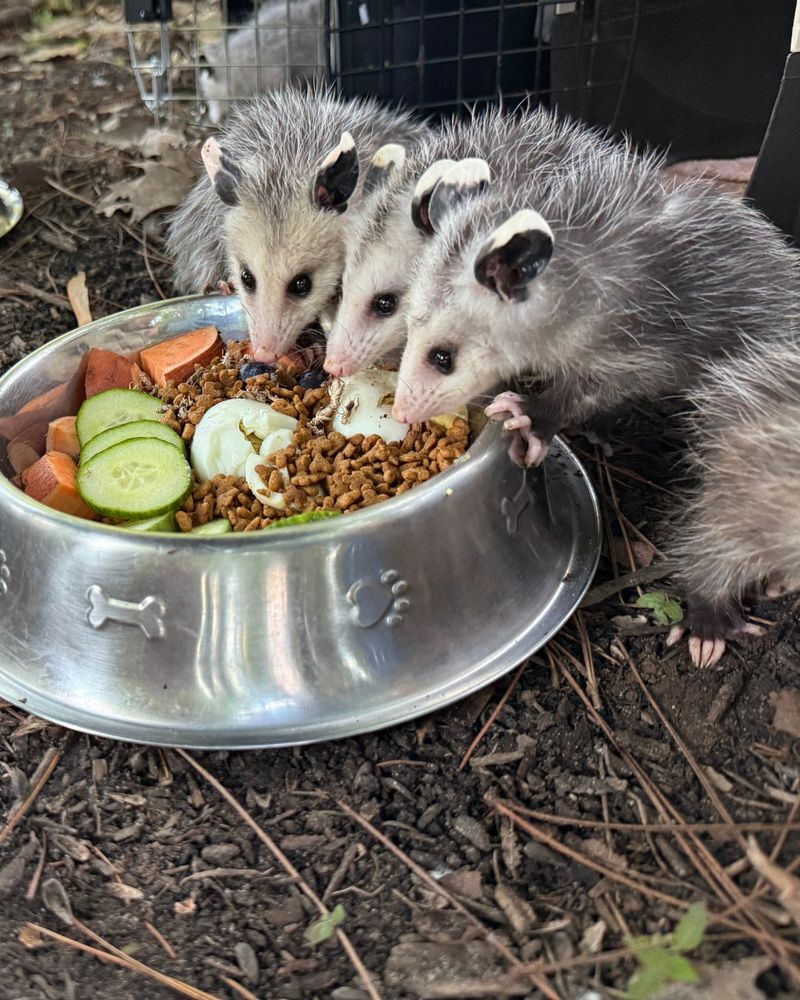
One of the most common reasons opossums keep showing up in North Carolina yards has nothing to do with the garden itself.
Pet food bowls left outside after dark, spilled birdseed under feeders, chicken feed scattered near coops, and stored animal feed in open containers are all powerful attractants.
Opossums have excellent noses, and they can detect these food sources from a surprising distance.
Once an opossum discovers that a yard reliably offers easy calories in the form of pet food or seed, it builds a nightly routine around that location. The pattern becomes consistent quickly, and other wildlife may follow.
What starts as one opossum visit can gradually attract more frequent activity if the food source stays available every night without interruption.
The fix is simple and very effective. Feed your dogs and cats indoors, or bring their bowls inside right after they finish eating.
Store birdseed, chicken feed, and other animal feeds in metal or heavy-duty plastic containers with secure, tight-fitting lids. Move feeders to spots farther from the house if possible, and clean up any spilled seed from the ground regularly.
These small adjustments remove the reliable food source that keeps opossums locked into a nightly schedule.
Within a few days of consistently removing these attractants, most opossums will shift their foraging route elsewhere and your yard will feel much less like a regular stop on their nightly travels.
5. Compost May Be Too Easy To Access
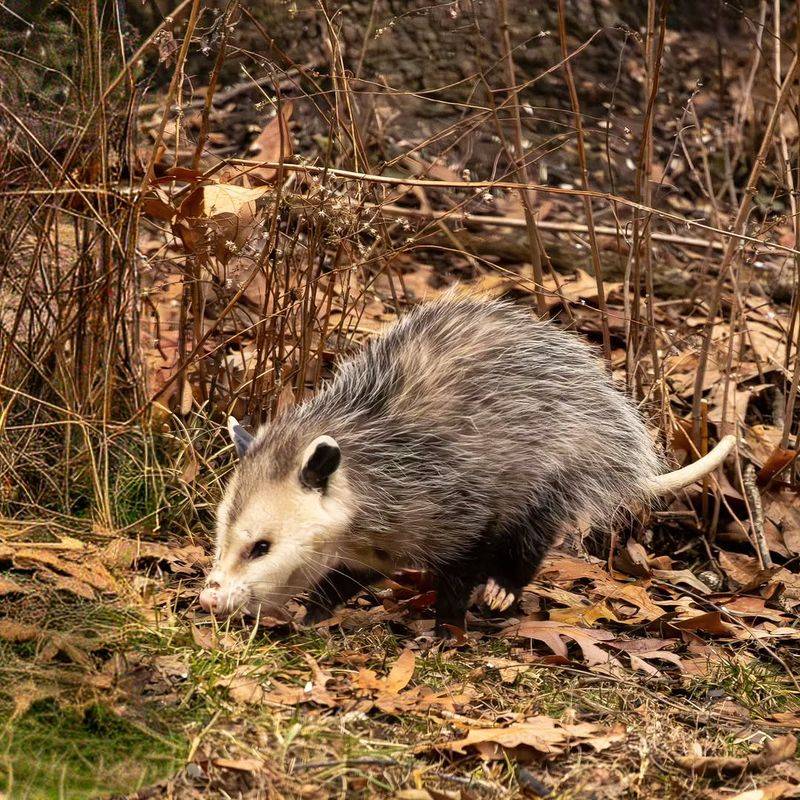
Compost piles and bins are wonderful for your garden, but an unsecured or poorly managed compost area can become one of the strongest wildlife attractants in your yard.
Fruit peels, vegetable scraps, coffee grounds, and other organic kitchen waste release strong smells as they break down, and those smells carry far into the night air.
For an opossum with a sharp sense of smell, an open compost pile is practically a flashing sign pointing straight to a free meal.
Many North Carolina gardeners use open compost piles without realizing just how attractive they can be after dark. Even a bin with a loose or poorly fitting lid can allow enough scent to escape to draw in wildlife on a nightly basis.
Wet food scraps are especially potent because they break down quickly and release stronger odors than dry material.
Switching to a sturdy, fully enclosed compost bin with a secure lid makes a significant difference almost immediately. When adding fresh food scraps, bury them at least six inches deep into the existing compost rather than leaving them exposed on top.
Avoid composting meat, fish, or dairy, as these attract even more attention than standard fruit and vegetable waste. Keeping the area around your compost tidy and free of scattered scraps also reduces the appeal.
A well-managed compost setup gives you all the garden benefits without turning your yard into a reliable nightly destination for hungry wildlife.
6. Thick Cover May Make The Garden Feel Safe
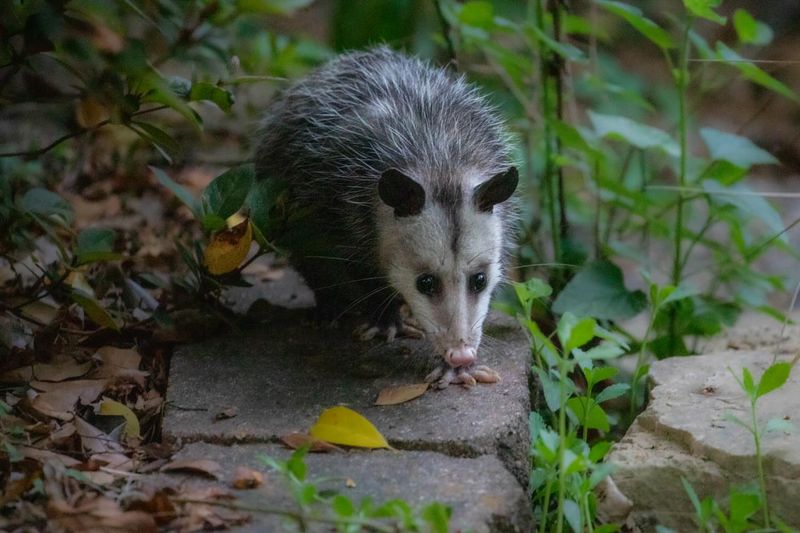
Opossums are cautious animals that prefer to travel through areas where they feel hidden and protected.
Dense shrubs, overgrown garden beds, stacked woodpiles, tall weeds along fence lines, and quiet corners near the house all create the kind of cover that makes an opossum feel comfortable moving through your yard repeatedly.
Your garden may not even be the destination. It might just be a convenient corridor they pass through each night on the way to another food source.
North Carolina yards with a lot of ground-level clutter near the house tend to see more consistent opossum activity simply because the layout feels safe for a small, cautious animal.
Crawl spaces with open or damaged vents, low decks with open sides, and piles of debris near garden beds can all serve as temporary resting spots during their nightly travels.
Reducing clutter near your home is a practical and effective step. Stack firewood away from the house on a raised surface, clear out weedy corners, and check that crawl space vents and deck skirting are secure.
You do not need to strip your garden of every shrub or native plant. Intentional wildlife-friendly plantings placed farther from the house can still support local wildlife while reducing the feeling of safe cover right next to your living space.
Small structural changes to your yard layout can quietly discourage opossums from making your garden their preferred nightly travel route.
7. A Water Source May Be Part Of The Pattern
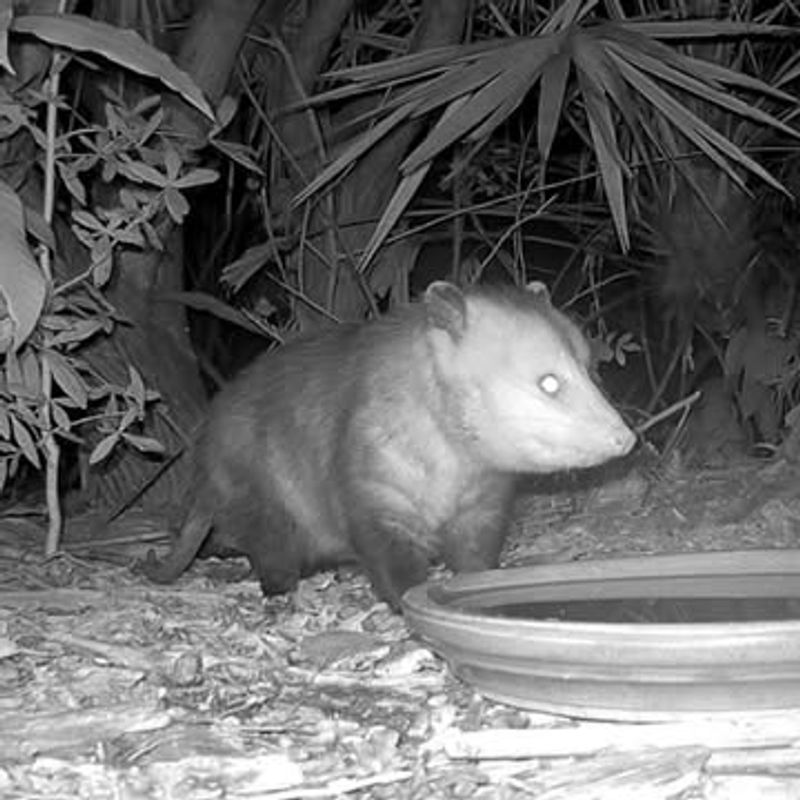
Food is not the only thing that brings opossums back to the same yard night after night. Water plays a surprisingly important role in their nightly routines, especially during the hot and dry stretches of a North Carolina summer.
Any yard that offers a reliable water source alongside food becomes significantly more attractive to wildlife of all kinds, including opossums.
Birdbaths, shallow garden ponds, pet water bowls left outside, leaky hose connections, saucers under potted plants, and low spots in the yard that collect rainwater can all serve as convenient drinking stops. Opossums are not picky about the source.
If water is accessible and easy to reach, they will work it into their regular nightly circuit without hesitation.
Keeping your yard less hospitable in terms of water access is actually easier than it sounds. Bring pet water bowls inside at night along with food bowls.
Empty saucers under outdoor pots before dark, and fix any leaking hose connections or outdoor faucets that create puddles. If you have a birdbath, consider raising it higher or moving it closer to the house where foot traffic naturally deters wildlife.
Garden ponds are harder to eliminate, but adding a small fountain or water agitator can make still water less appealing.
Removing accidental standing water is a quick win that reduces your yard’s overall appeal to opossums and other nighttime visitors looking for a reliable drink.
8. Chicken Coops Need Extra Protection
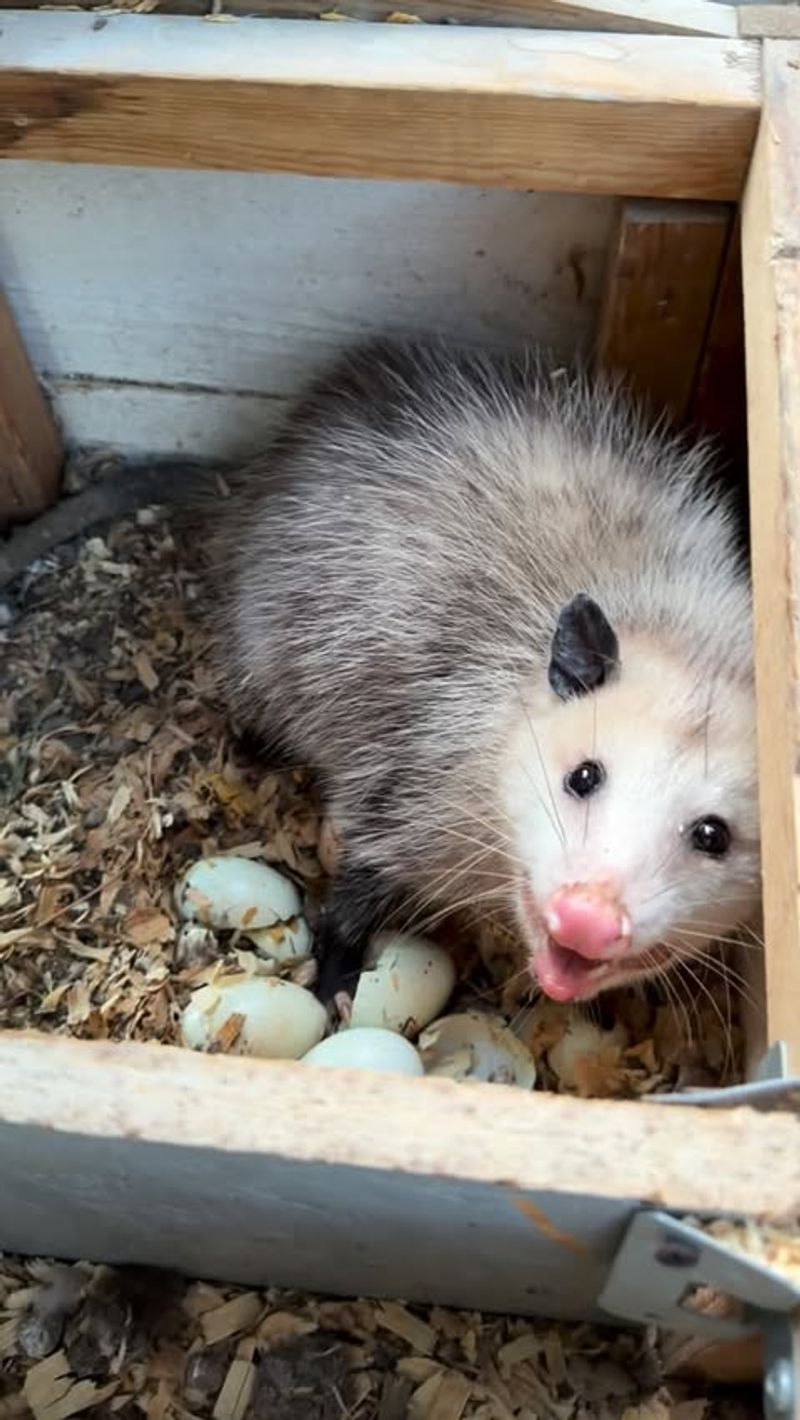
North Carolina homeowners who keep backyard chickens need to pay close attention when opossums start showing up regularly near the coop.
While opossums are generally more interested in easy plant-based food and insects, they will absolutely take advantage of an unsecured coop if given the opportunity.
Eggs and chicken feed left accessible overnight are two of the biggest draws that can pull an opossum directly into a coop situation.
The risk is less about the chickens themselves and more about the food and eggs that a poorly secured coop leaves available. An opossum that finds an easy egg source or an open feed container will return to that spot consistently.
Over time, this kind of repeated access can create a real problem that goes beyond just a nuisance visit.
Securing your coop properly is the most important step you can take. Use heavy-gauge welded wire rather than standard chicken wire, which can be pushed or pulled open more easily.
Install sturdy latches on all doors and access points, and close the coop securely every evening before dark. Store chicken feed in a metal container with a tight lid kept inside the coop or in a separate locked shed.
Collect eggs daily, preferably in the afternoon before nightfall. Clean up any scattered feed from the ground around the coop each evening.
These habits create a coop environment that gives opossums and other wildlife very little reason to keep coming back.
9. They Can Be Useful But Still Need Boundaries
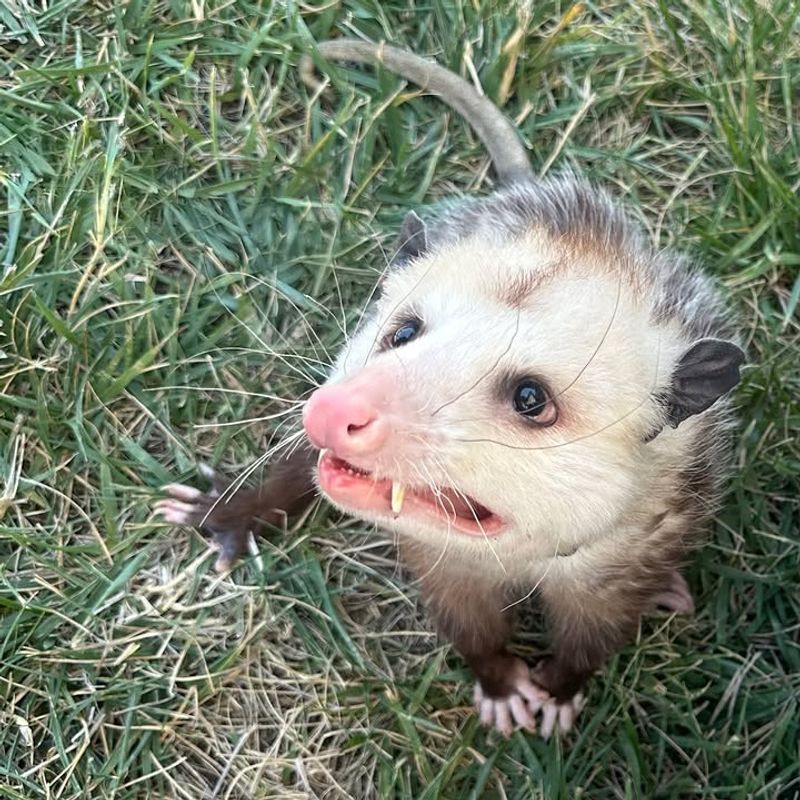
Opossums have a genuinely useful side that most people overlook. They eat slugs, snails, beetles, cockroaches, and a range of other small pests that gardeners regularly battle.
A passing opossum working through your beds at night can clean up a surprising amount of pest activity without you doing a thing. That kind of natural help is worth appreciating, especially if you prefer to garden without chemical pest control.
At the same time, appreciation does not mean encouraging dependence. Deliberately feeding opossums or leaving out food to attract them creates a very different dynamic.
An opossum that starts relying on your yard for regular meals becomes a fixture rather than an occasional visitor, and that is when things can shift from helpful to genuinely inconvenient.
Other wildlife tends to follow the same food trail, which can compound the situation quickly. The healthiest approach is a balanced one.
Welcome the natural pest control that opossums provide when they pass through on their own terms, but manage your yard in a way that does not give them a permanent reason to stay.
Secure food, water, and shelter access points around your garden and home. Keep compost bins locked, pet food indoors, and clutter cleared near the house.
That combination creates a yard where an opossum might pass through occasionally and do some useful cleanup work, but never settles into a nightly routine that becomes difficult to manage. Boundaries and appreciation can absolutely coexist.