What It Really Means When Wasps Start Building Nests Around Your Oregon Porch This Summer
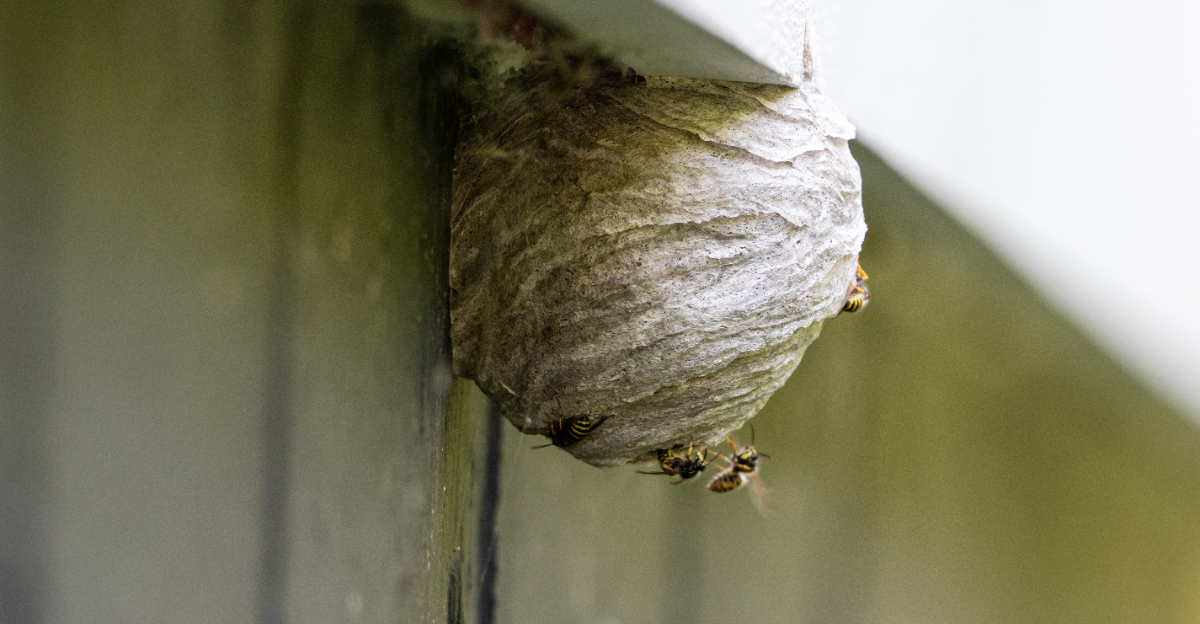
A quiet Oregon porch can turn into prime real estate for wasps almost overnight. One day, everything looks normal.
The next, a tiny paper structure appears under the eaves, and suddenly every trip outside feels like a scene from a tense nature documentary.
It is easy to assume the nest means trouble is guaranteed, but the real story is often interesting.
Wasps are picky about where they settle, and your porch may be giving them exactly the kind of setup they like. Lucky you.
Their timing can also make the whole situation feel suspiciously personal. Summer brings changes around the yard that can turn a familiar corner into an attractive spot.
So, if wasps keep circling the same beam or hovering near the porch light, do not panic just yet.
Their choice may be revealing more about the space than you think, and the reason is hiding in plain sight.
1. A Nest Means The Porch Feels Protected
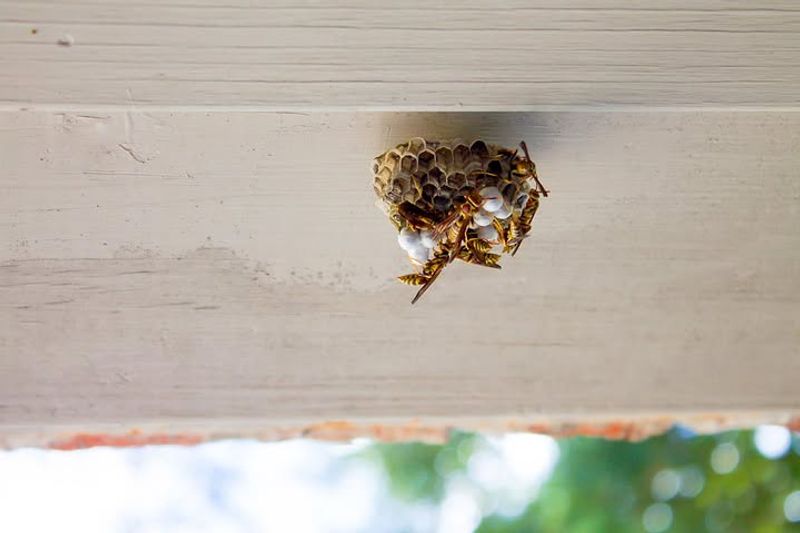
Wasps are picky about where they build. When they choose your porch, it is actually a sign that your space feels safe and sheltered to them.
They are not trying to bother you on purpose. They are simply doing what comes naturally, which is finding the best spot to raise their colony.
A porch offers something most open spaces cannot: coverage from wind and rain. Wasps need a stable environment to build their papery nests.
If your porch has a solid roof, walls on two or three sides, or thick overhangs, it creates a microclimate that wasps find very appealing. They sense that their nest will stay dry and intact through the summer months.
Protection also means fewer predators can reach them easily. A porch with limited access points makes wasps feel more secure.
Birds, which are natural wasp predators, have a harder time swooping in under a covered structure. So your porch roof is basically acting like a shield for the colony.
If you want to make your porch feel less inviting to wasps, try hanging a fake nest early in the season. Wasps are territorial and usually avoid building near another colony.
Fake nest decoys are inexpensive and easy to find. Also, sealing small gaps and crevices in wood or siding removes hiding spots they might use as anchor points for new nests.
2. Eaves Give Wasps A Dry Building Site
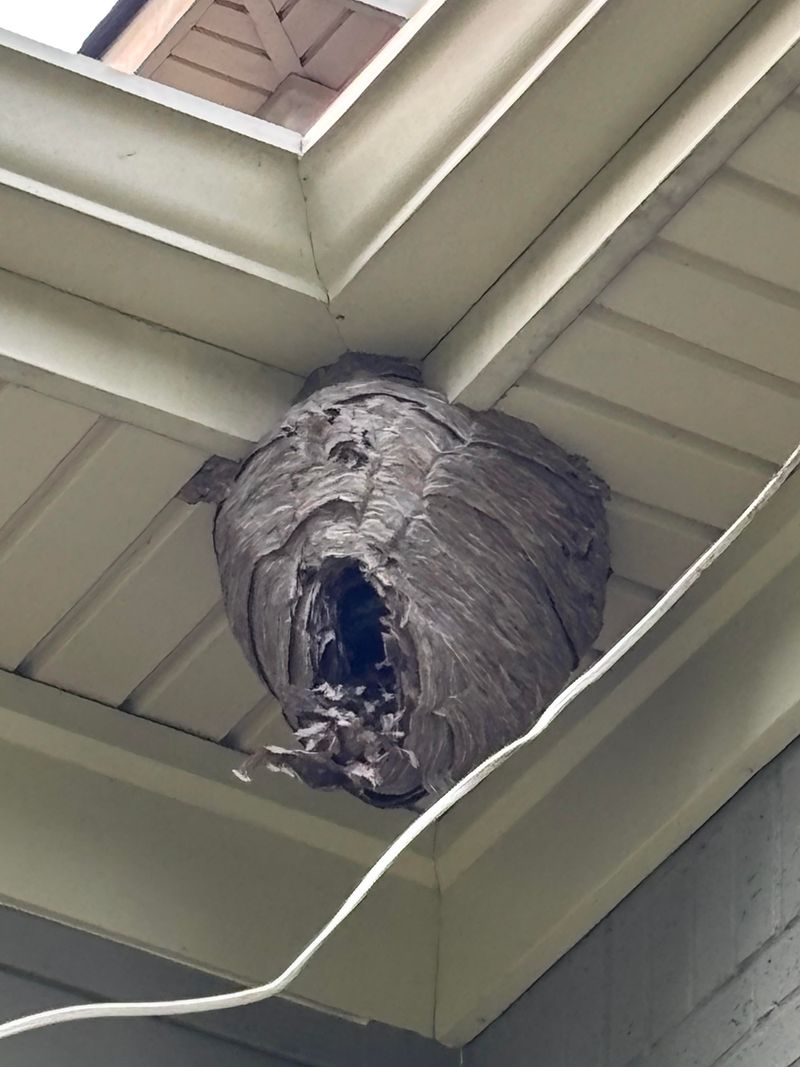
Your eaves might be one of the most attractive features on your home, at least from a wasp’s point of view. Eaves are the edges of your roof that hang over the walls of your house.
They block rain from hitting the siding directly, and they also create a perfectly sheltered ledge for nest building.
Wasps build their nests out of chewed wood fibers mixed with their saliva. The result is a papery, lightweight material that works well in dry conditions but can fall apart when it gets wet.
Your eaves keep the nest dry even during those rainy Pacific Northwest evenings that roll in without warning.
Your Oregon Garden Changes Every Week. Your Plan Should Too.
Gardening in Oregon changes quickly throughout the season. Every Friday you’ll receive a simple weekly plan showing exactly what to plant, prune, fertilize, harvest, and protect so you never miss the right timing.
The underside of an eave is also usually rough or textured, which gives wasps a good surface to grip.
Smooth surfaces are harder for them to attach nests to, so rough wood, old paint, or unpainted trim becomes prime real estate.
If your eaves have peeling paint or exposed wood, they become even more attractive to nest-building wasps.
To reduce nesting under your eaves, consider painting or sealing exposed wood surfaces. A smooth, sealed finish gives wasps less to grab onto.
You can also use peppermint oil diluted in water and spray it along your eaves every few weeks. Wasps strongly dislike the smell of peppermint and will often choose a different location when they encounter it regularly.
3. Early Summer Nests Start Small
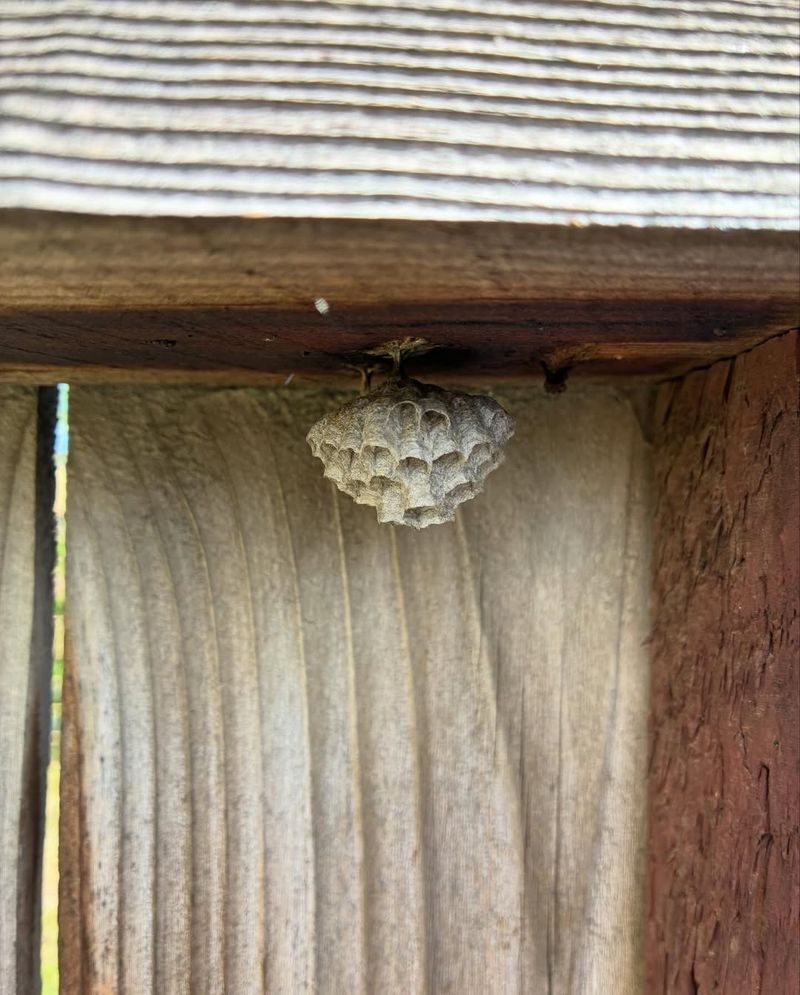
Spotting a nest the size of a golf ball in June might not seem like a big deal. But that small nest is actually a sign that a queen wasp has already been busy for several weeks.
Early summer nests are the beginning stages of what could become a very large colony by August or September.
Queen wasps emerge in spring after overwintering in protected spots like bark, soil, or old wood. Once the weather warms up enough, they begin scouting for a good nest location.
When a queen picks your porch, she starts building alone. She creates the first few cells, lays her eggs, and raises the first batch of worker wasps entirely by herself.
Once those first workers hatch, they take over the building and foraging duties. The queen then focuses only on laying eggs.
From that point, the nest can grow very quickly. A colony that starts with a handful of cells in June can have hundreds of wasps by late summer.
Catching a nest early gives you the best options. Small nests are easier to address and the colony is much smaller, so the risk of stings is lower.
If you spot a nest that is smaller than a tennis ball and activity seems low, you can remove it carefully at night when wasps are less active. Always wear protective clothing and move slowly to avoid startling them.
4. Paper Wasps Often Choose Porch Corners
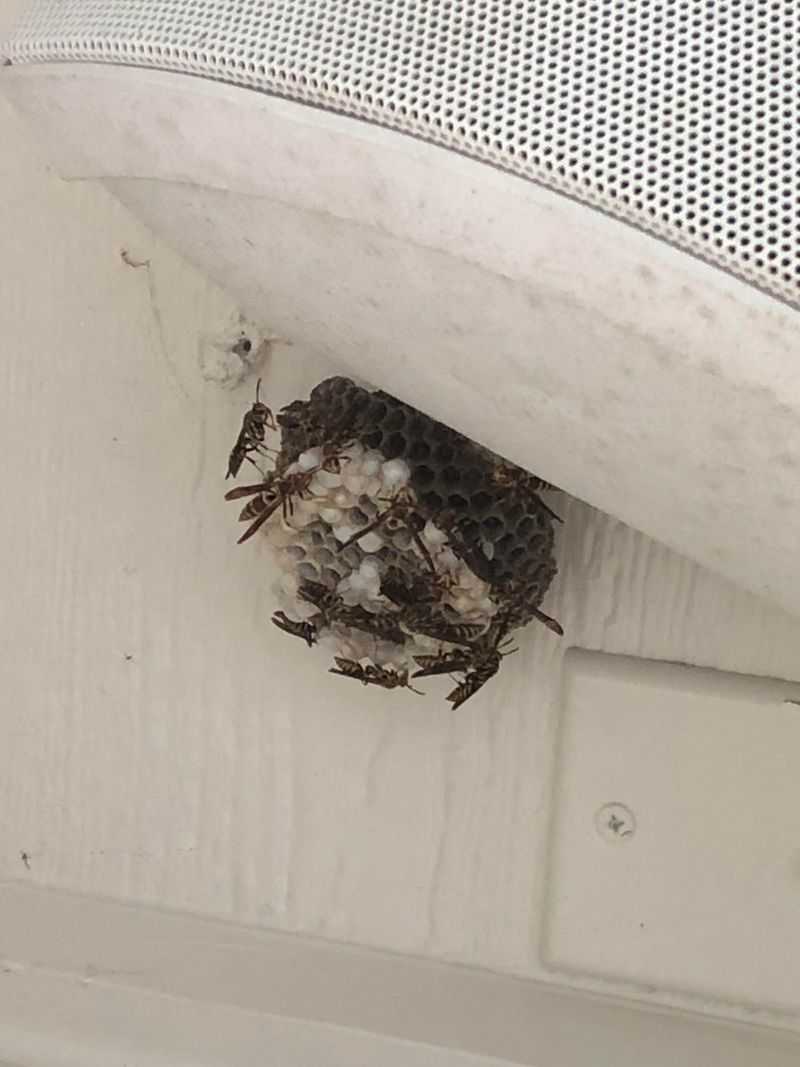
There is a reason you keep finding nests tucked into the corners of your porch ceiling. Paper wasps, one of the most common species in Oregon, have a strong preference for tight, angled spaces.
Corners offer them support on two sides instead of one, making the nest more stable and secure.
Paper wasps are actually considered less aggressive than yellowjackets. They tend to avoid confrontation unless they feel their nest is directly threatened.
Many Oregon homeowners coexist with a paper wasp nest all summer without any issues, especially if the nest is in a corner that is not near a door or high-traffic area.
Their nests look like upside-down umbrellas made of grayish paper. You can see the individual hexagonal cells clearly because paper wasp nests are open and uncovered.
This is different from yellowjacket nests, which are enclosed in a papery shell. If you see an open comb-style nest in your porch corner, you are almost certainly looking at paper wasps.
If the nest is in a spot where people regularly walk or sit, relocation or removal might be the safer choice.
You can try placing a decoy nest in a less problematic corner to encourage future queens to nest there instead.
Keeping your porch corners sealed and painted also helps reduce how attractive those spots feel to nesting wasps each spring and summer.
5. Yellowjackets May Nest In Hidden Voids
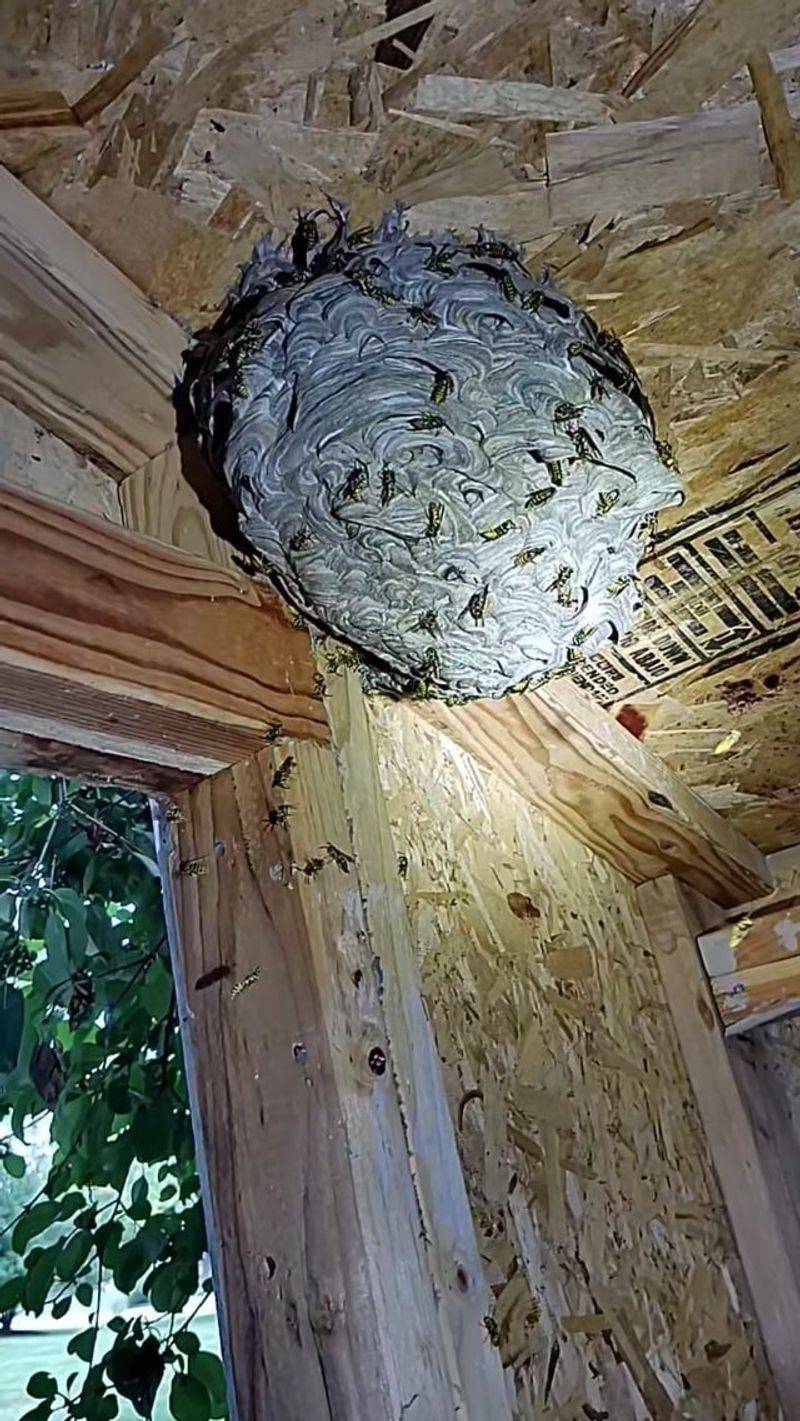
Not all wasp nests are easy to spot. Yellowjackets are sneaky nesters that prefer enclosed, hidden spaces.
If you notice wasps flying in and out of a small gap in your porch floor, a crack in the siding, or a space under your deck, there is a good chance a yellowjacket colony has moved in beneath the surface.
Yellowjackets are more defensive than paper wasps. They will sting repeatedly if they feel their hidden nest is being disturbed.
This makes them trickier to deal with, especially because you might not even realize the nest is there until you accidentally step near the entrance or make noise nearby. Lawn mowers, power tools, and even heavy footsteps can trigger a defensive response.
Their nests can grow very large inside wall voids or under decking. A mature yellowjacket colony can hold several thousand workers by late summer.
The enclosed space keeps them warm and protected, which means the colony can thrive well into fall in milder areas of Oregon.
If you suspect a hidden yellowjacket nest, watch the entry point carefully from a safe distance. Count the traffic in and out.
A steady stream of wasps entering and leaving a small hole is a strong indicator of a colony inside.
For hidden nests this size, contacting a licensed pest control professional is usually the safest and most effective course of action.
6. Food Smells Can Keep Wasps Nearby
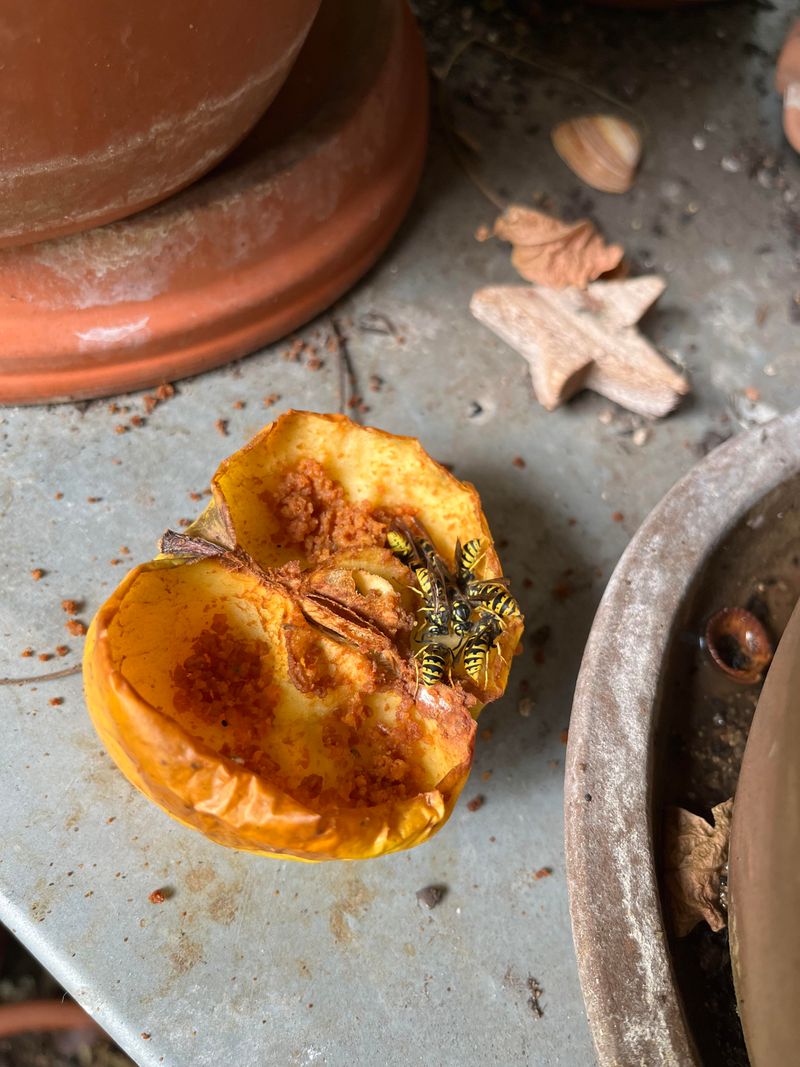
Wasps have an excellent sense of smell, and your Oregon porch might be sending out signals you are not even aware of.
Grilling, eating outside, leaving pet food on the porch, or even having a sugary drink nearby can attract wasps from a surprising distance. Once they find a reliable food source, they keep coming back.
Wasps are omnivores. Early in the summer, they hunt insects and caterpillars to feed their growing larvae.
As the season progresses and the colony matures, workers shift toward seeking out sugary foods like fruit juice, soda, and nectar. This is why wasp activity around outdoor dining areas often spikes in mid to late summer.
The smell of meat is especially attractive to wasps during the early colony-building phase. If you regularly grill on your porch, wasps may start associating your space with a steady food supply.
Once that association is made, they are more likely to build a nest nearby to stay close to the source.
Covering food while eating outside helps a lot. Using lidded containers, keeping drinks covered, and cleaning up crumbs and spills immediately after meals reduces the food signals your porch sends out.
Try wiping down your outdoor table with a mix of water and a few drops of clove or eucalyptus oil.
These scents are known to repel wasps and can make your porch smell great to you while driving wasps away.
7. Open Trash Makes Porches More Inviting
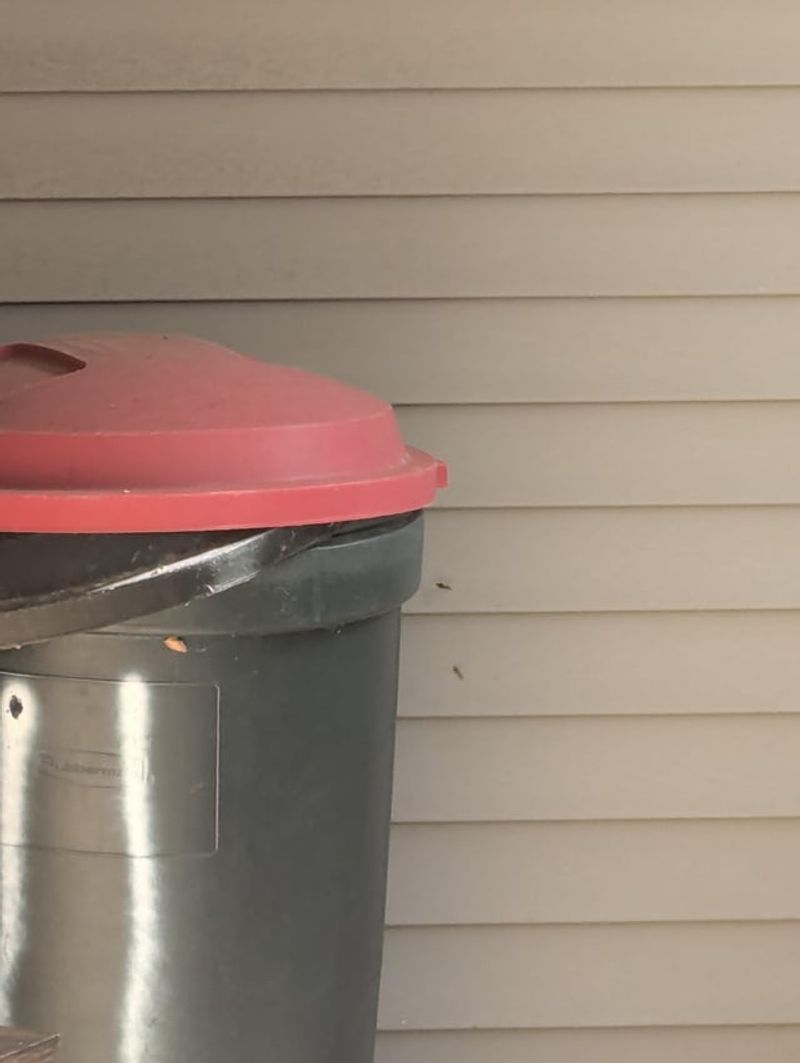
Your trash can might be the biggest reason wasps keep hanging around your porch. Open or loosely covered bins are a buffet for scavenging wasps.
Leftover food scraps, meat packaging, soda cans, and fruit rinds all release strong smells that wasps can detect from far away. Once they find your trash, they will return to it again and again.
Many people keep trash cans right next to or under their porch for convenience. That placement puts a major food attractant right next to a prime nesting location.
The combination of food nearby and shelter overhead is almost irresistible to a colony-building queen or a foraging worker wasp.
Switching to a trash can with a tight-fitting lid makes a noticeable difference. Bungee cords or locking lids work well if your current bin does not seal properly.
Rinsing out food containers before tossing them in the trash also cuts down on the smell signals your bin sends into the air around your porch.
Moving your trash can away from the porch entirely is even more effective. Even a distance of ten to fifteen feet can reduce wasp activity near your seating area.
Storing bins in a garage or shed until pickup day is another smart option. Keeping the area around your trash can clean and free of drips and spills rounds out your strategy for making your porch a much less appealing spot for wasps.
8. Fallen Fruit Can Feed Late-Summer Wasps
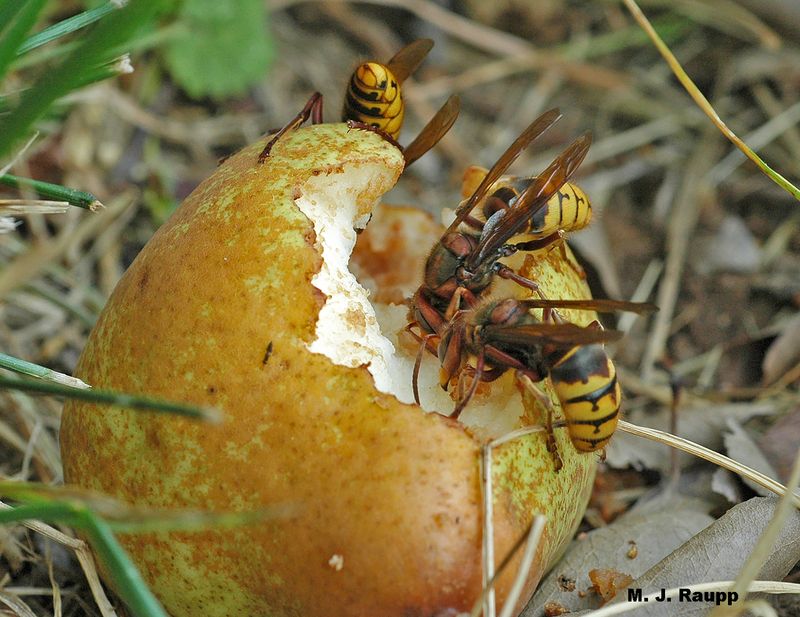
Late Oregon summer is when wasp colonies are at their largest, and the workers are always on the hunt for sweet, energy-rich food.
If you have fruit trees anywhere near your porch, fallen and rotting fruit becomes one of their favorite food sources.
Apples, plums, pears, and figs that drop to the ground ferment quickly and release a powerful sugary scent that wasps find hard to resist.
Fermented fruit is especially attractive because it contains natural sugars and sometimes even small amounts of alcohol from the fermentation process. Wasps that feed on it can actually become more erratic and harder to predict.
This is part of why late-summer wasp encounters feel more intense and aggressive compared to earlier in the season.
Even if your fruit trees are not right next to the porch, wasps can carry the smell back to their nest and recruit other foragers to the area. Before long, a regular stream of wasps may start passing through your porch space as part of their foraging route.
Picking up fallen fruit every day or two is one of the most effective ways to reduce late-summer wasp activity.
Composting fallen fruit in a sealed bin placed far from the porch is a better option than leaving it on the ground.
Keeping the ground beneath fruit trees clean and clear of rotting produce cuts off a major food signal and helps make your outdoor space more enjoyable during those final warm weeks of summer.