7 Easy Garden Fixes That Make Oregon Plants Bloom With More Energy
Something is off in the garden and you cannot quite name it.
The plants are there. The water goes in. The soil looks reasonable. And yet the blooms that were supposed to show up in June are sparse, late, or simply not happening the way the plant tag suggested they would.
Oregon gardeners run into this constantly, and the frustrating part is that the garden looks healthy. Nothing is obviously wrong. The green is there. The growth is there. Just not the flowers.
So, what does a plant actually need before it decides blooming is worth the energy?
That question has a more specific answer than most people realize, and it has very little to do with buying better plants or spending more at the nursery.
Most bloom problems in Oregon gardens come down to a small set of fixable conditions that either drain a plant’s energy before flowers can form or point that energy in the wrong direction entirely.
The fixes are simpler than the problem sounds.
1. Improve Drainage Before Roots Sit Too Wet
Standing water after a rainstorm looks harmless. Underneath the surface, something more significant is happening.
Roots sitting in soggy soil gradually lose access to the oxygen they need to function. When that happens, plants shift energy away from flower production and toward basic management of the stress.
Poor drainage is one of the most consistent reasons plants in the Pacific Northwest underperform, particularly during the long wet season between October and May.
Check your beds after the next heavy rain. If water is still pooling an hour or two later, the soil is holding more than it should. That lingering moisture is quietly working against every plant sitting in it.
Clay-heavy soils common throughout the Willamette Valley hold moisture far longer than most flowering plants prefer. The roots are not being dramatic about it. They just cannot bloom when they are busy not drowning.
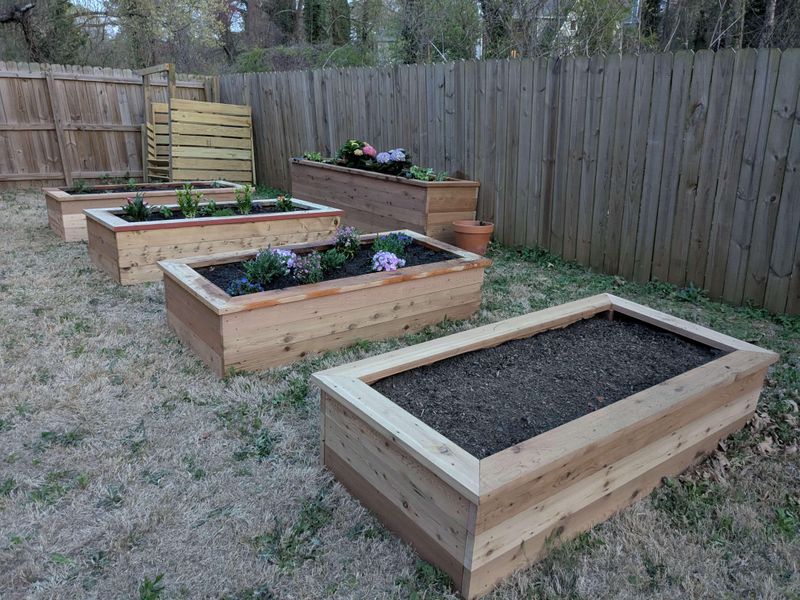
Raised beds offer one of the more straightforward solutions. Lifting the planting area six to eight inches above ground level allows excess water to move away naturally.
For situations where raised beds are not practical, working coarse compost or perlite into the top twelve inches of soil opens the structure enough to improve water movement significantly.
A simple berm can also redirect water away from plant roots without requiring major changes to the surrounding landscape. Give water somewhere else to go and roots stop having to deal with it.
Blooms are essentially the plant’s way of celebrating good root conditions. Poor drainage means the party never starts.
2. Add Compost To Feed Soil More Steadily
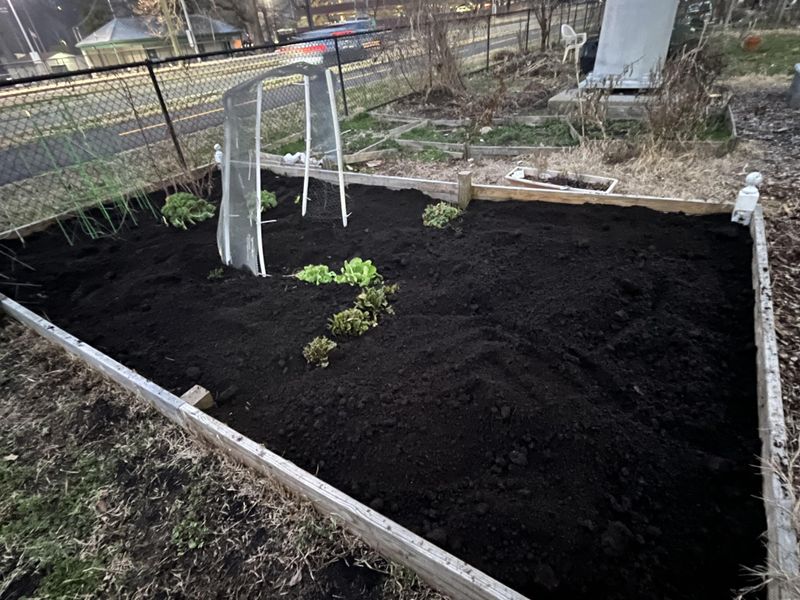
Healthy blooms begin underground, and the soil doing the supporting work matters considerably more than most gardeners account for.
Soil lacking organic matter struggles to hold nutrients long enough for plant roots to absorb them.
Fertilizer gets applied, rain arrives, and nutrients move through the profile before the plant gets adequate access.
Compost addresses this by releasing nutrients gradually rather than all at once, which keeps roots supplied more consistently through the season.
Your Oregon Garden Changes Every Week. Your Plan Should Too.
Gardening in Oregon changes quickly throughout the season. Every Friday you’ll receive a simple weekly plan showing exactly what to plant, prune, fertilize, harvest, and protect so you never miss the right timing.
Adding two to three inches of finished compost to garden beds annually makes a measurable difference.
Working it into the top six inches gives roots immediate access to improved structure and nutrition. Compost also helps sandy soils retain moisture longer and helps clay soils drain more efficiently.
That is a fix for two completely opposite problems in a single material, which is the kind of efficiency the garden rarely offers.
One caution worth taking seriously: applying too much can push nutrient levels high enough to encourage leafy growth at the expense of flowers.
More is not automatically better. A soil test before adding amendments tells you what the garden actually needs rather than what seems like a reasonable guess.
Compost improves soil biology as well, supporting the beneficial microorganisms that help roots absorb phosphorus, the nutrient most directly connected to flower and root development.
Those microorganisms are doing invisible work that no fertilizer bag can replicate.
A well-fed soil produces well-fed plants. Well-fed plants bloom with noticeably more color and staying power.
Compost is a long-term investment in bloom performance. The soil remembers every application, even when you forget you made it.
3. Move Sun Lovers Out Of Weak Light
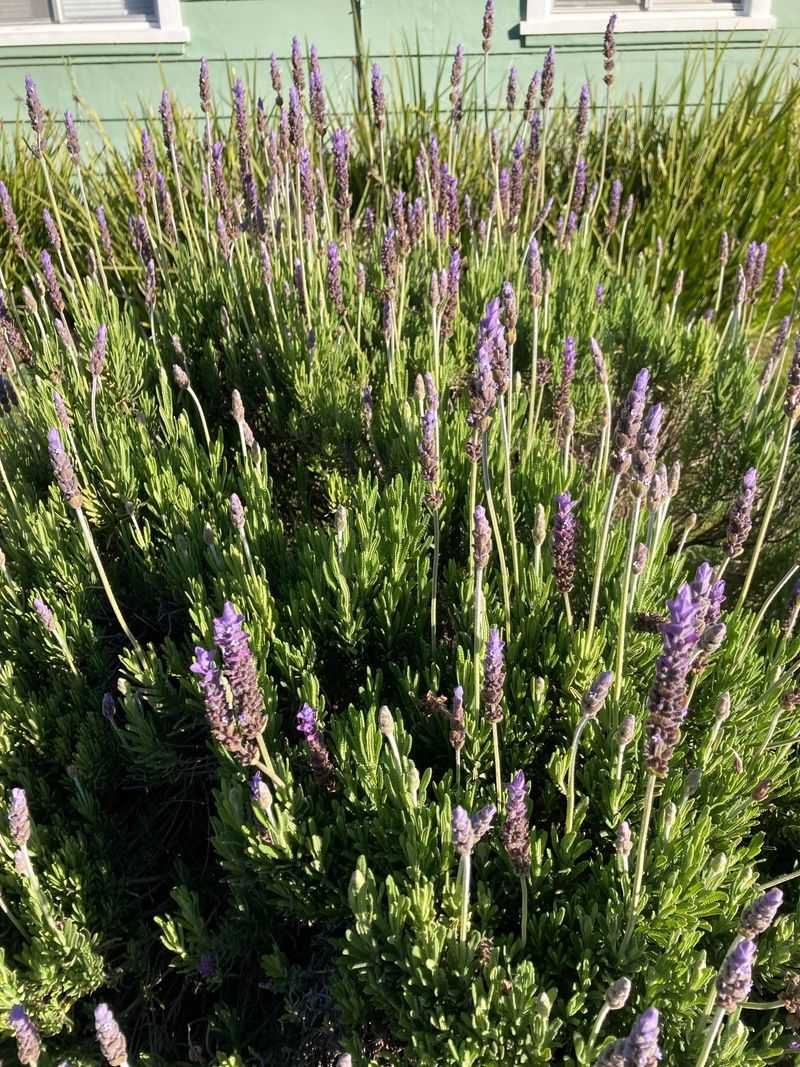
A lavender plant tucked under a Douglas fir is not going to bloom well. That outcome is settled before the first watering.
Sun-loving plants need direct light to produce the energy required for flowering. Filtered or weak light does not provide enough of it, regardless of how much water or fertilizer gets applied.
Many Oregon gardeners place full-sun plants in spots receiving only three or four hours of light daily and then spend the season puzzled by the results.
Full sun means six or more hours of direct sunlight per day. Plants labeled as full-sun but receiving less tend to grow tall and leggy as they stretch toward whatever light is available.
Energy redirects from flower production toward leaf production. The plant is not failing. It is doing exactly what the conditions are telling it to do.
Photosynthesis slows in weak light, which limits the carbohydrates needed to form and open buds. No carbohydrates, no buds. The math is unfortunately that direct.
Walking the yard at different times, morning, midday, and late afternoon, reveals where sunlight actually reaches. Seasonal changes add another layer.
A spot receiving full sun in summer may be heavily shaded in spring when neighboring trees have leafed out completely.
Relocating a misplaced plant is usually less complicated than it sounds. Most perennials tolerate transplanting in early fall or early spring when temperatures are mild.
Water thoroughly the day before moving, dig a wide root ball, and replant immediately in the new location.
The plant is not failing. The address just needed updating.
4. Cut Spent Flowers To Redirect Plant Energy
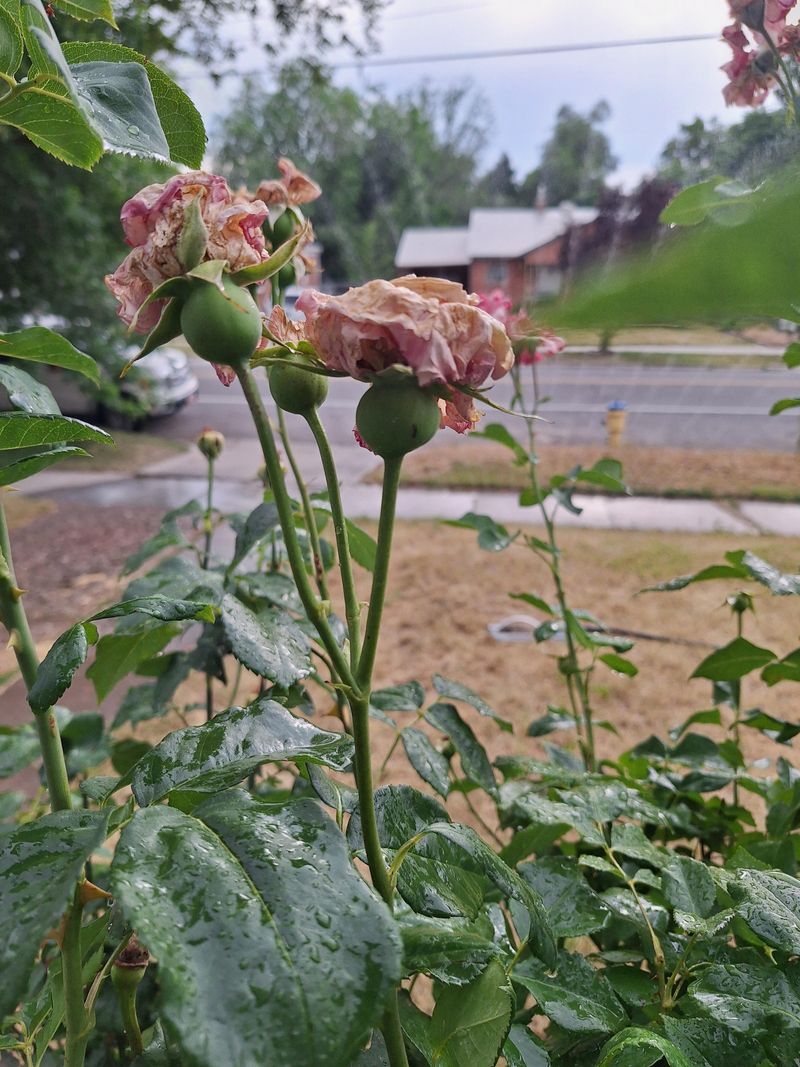
Trimming is one of those garden tasks that delivers immediate, visible results for very little effort. Most gardeners do not do it consistently enough, and the bloom count reflects that.
When a flower fades and begins setting seed, the plant registers the job as finished. Energy shifts from producing new buds to maturing those seeds, and blooming slows or stops.
The plant is not being uncooperative. It is following a biological instruction that says reproduction is complete. Removing spent flowers before seeds develop overrides that instruction.
Repeat-blooming plants like roses, dahlias, and salvias respond especially well to regular trimming throughout the growing season.
The cut should be made just above the first set of healthy leaves below the spent bloom. That positioning encourages the plant to push a new bud from that node rather than redirecting resources elsewhere.
Consistent trimming also improves airflow through the plant, which matters considerably in Oregon’s damp climate.
Dense, unpicked growth in a wet environment is essentially an open invitation for fungal problems. A tidier plant is a healthier one.
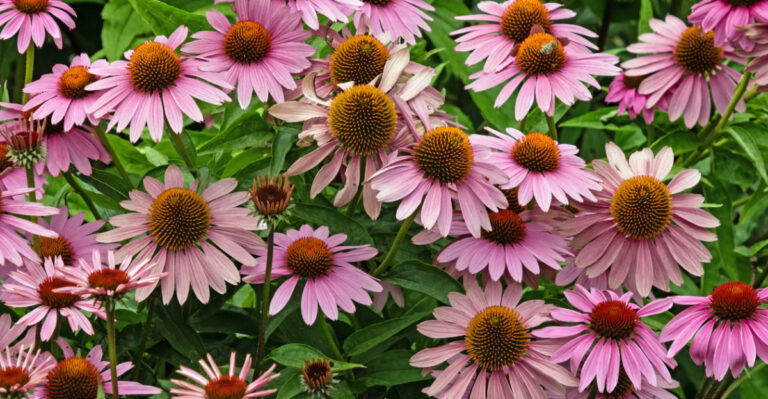
Some plants are genuinely worth leaving alone in late fall. Coneflowers and black-eyed Susans produce seed heads that feed birds through winter, and removing them robs the garden of real ecological value.
For everything else that blooms repeatedly, consistent removal of spent flowers extends the productive season by several weeks.
The plant is not sentimental about its old flowers. There is no reason for the gardener to be either.
One snip at the right moment buys weeks of additional color. That is an unusually good return on thirty seconds of work.
5. Water Deeply Before Dry Spells Stall Buds
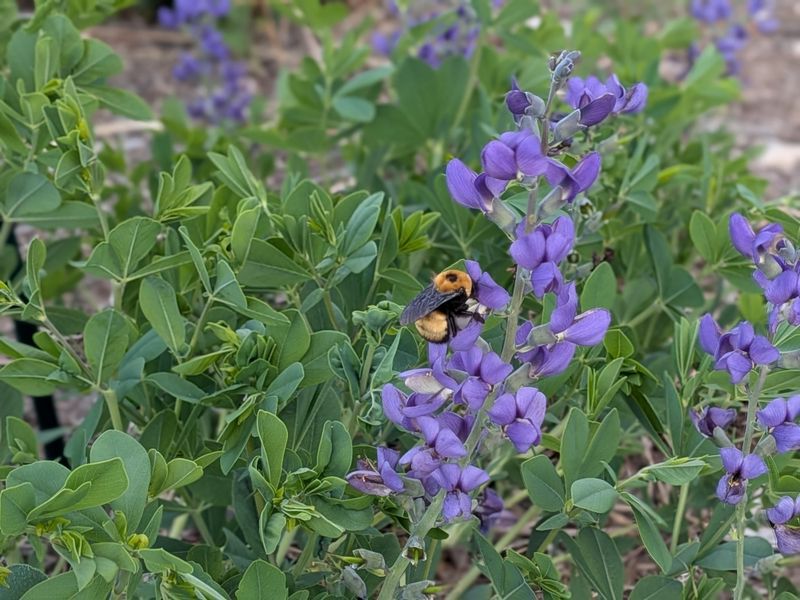
Oregon summers catch gardeners off guard with some regularity. After months of consistent rain, July and August arrive with almost no precipitation.
Plants that have been coasting on natural moisture suddenly face a very different situation, and many of them show it immediately in the bloom count.
Shallow watering during dry stretches keeps only the top few inches of soil moist. Roots stay near the surface where moisture disappears quickly rather than reaching deeper where soil stays cooler and moisture lasts longer between cycles.
Bud development stalls early when plants experience water stress. Under drought conditions, plants close the tiny pores on their leaves to conserve moisture.
Photosynthesis slows, and the energy available for forming and opening flower buds drops significantly.
A plant can look completely healthy from the back door while producing far fewer blooms than its potential would suggest.
Deep watering means applying water slowly enough to soak down eight to twelve inches into the soil profile.
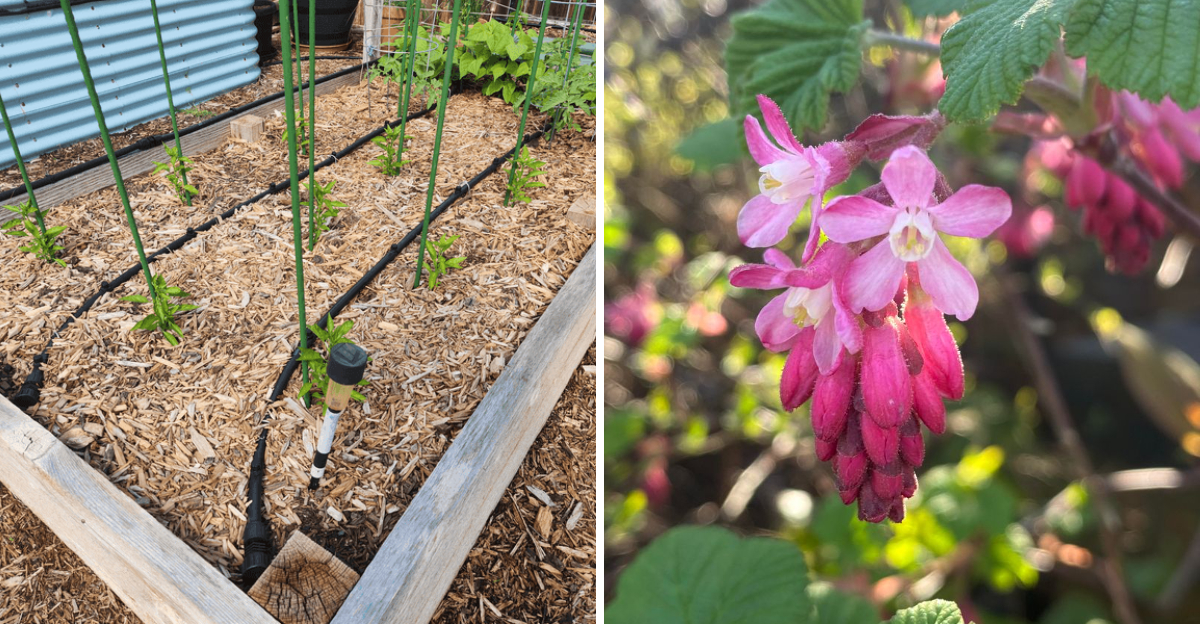
A soaker hose or drip system does this more effectively than overhead sprinklers. Morning watering reduces evaporation and keeps foliage dry, which lowers the risk of mildew developing through cool Oregon nights.
Before a forecasted dry stretch, a thorough deep soak builds a moisture reserve in the root zone that the plant draws from over the following days.
It is preparation, not reaction, and in a dry Oregon August, the difference is significant.
Shallow watering raises shallow roots. Shallow roots produce shallow results. Oregon summers will test that equation every July without exception.
6. Mulch Roots To Steady Soil Moisture
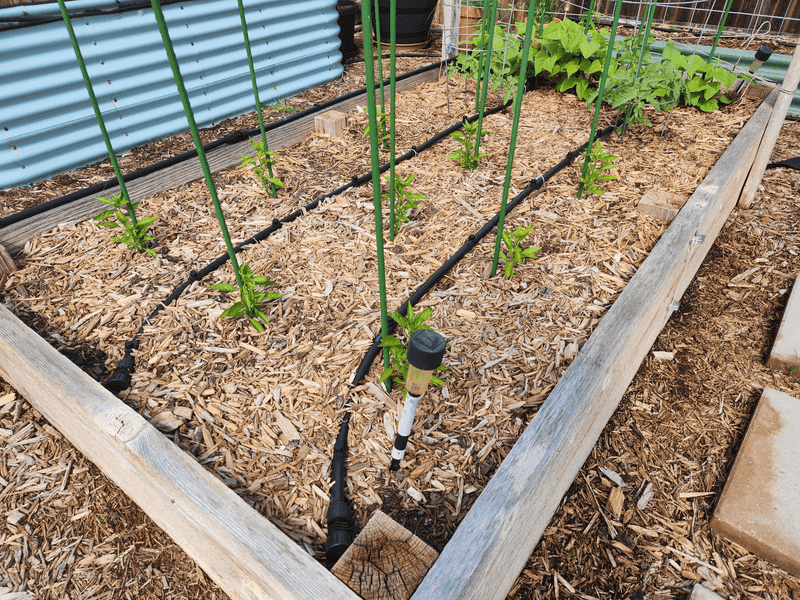
Soil moisture that swings between soaking wet and completely dry puts consistent stress on flowering plants.
Roots experiencing those extremes cannot absorb nutrients reliably, and unreliable nutrition produces unreliable blooming. The connection is direct and it shows up in the garden every season.
A mulch layer acts as a buffer between the root zone and whatever the weather is doing outside. It slows evaporation during dry summer stretches and insulates roots from temperature shifts in both directions. It is not glamorous. It just works.
Two to three inches of organic mulch applied around perennials and flowering shrubs supports steady soil conditions through the season.
Wood chips, shredded bark, and straw all perform well. One placement detail that genuinely matters: mulch should not be piled against plant stems.
That traps moisture against the base and creates conditions that invite rot. Keep a small gap of an inch or two between the mulch and the base of each plant.
Root temperature is a factor that rarely gets the attention it deserves. When soil heats up quickly on warm Oregon summer days, root activity slows and nutrient uptake drops along with it.
Mulch keeps the root zone several degrees cooler, which helps plants maintain the steady growth and continued bud production that consistent blooming requires.
Organic mulches also break down gradually over time, adding small amounts of nutrients and organic matter back into the soil each season.
The improvement compounds year over year without any additional work required from the gardener.
One bag of bark dust working quietly beneath the surface for an entire season. It earns its keep considerably more reliably than most things in the garden.
7. Choose Plants Matched To Oregon Microclimates
Oregon is not one climate. It is several, layered across a relatively compact geographic area, and treating them as interchangeable leads to consistent frustration in the garden year after year.
The coast stays cool and foggy. The Willamette Valley brings mild wet winters and dry summers. Eastern Oregon’s high desert delivers extreme temperature swings and low annual rainfall.
A plant performing beautifully in Portland may struggle in Medford, and a coastal favorite may fail entirely east of the Cascades. The hardiness zone on a plant tag does not capture any of that nuance.
Choosing plants matched to a specific microclimate rather than a general zone increases the likelihood of reliable yearly blooming without ongoing intervention.
The difference between a plant that blooms effortlessly and one that requires constant management is often simply a question of whether the original selection actually fit the conditions it was placed in.
Microclimates exist within individual yards as well, and they are worth mapping before anything goes in the ground.
A south-facing wall reflects heat and creates a warmer pocket suited for plants needing extra warmth to set buds.
A low spot in the yard stays frost-prone longer in spring. A spot under a roof overhang stays unusually dry even through the rainiest months.
Observing the yard across different seasons reveals patterns that no plant tag accounts for. Note where frost lingers longest, where wind moves through regularly, and where soil stays wet after rain stops.
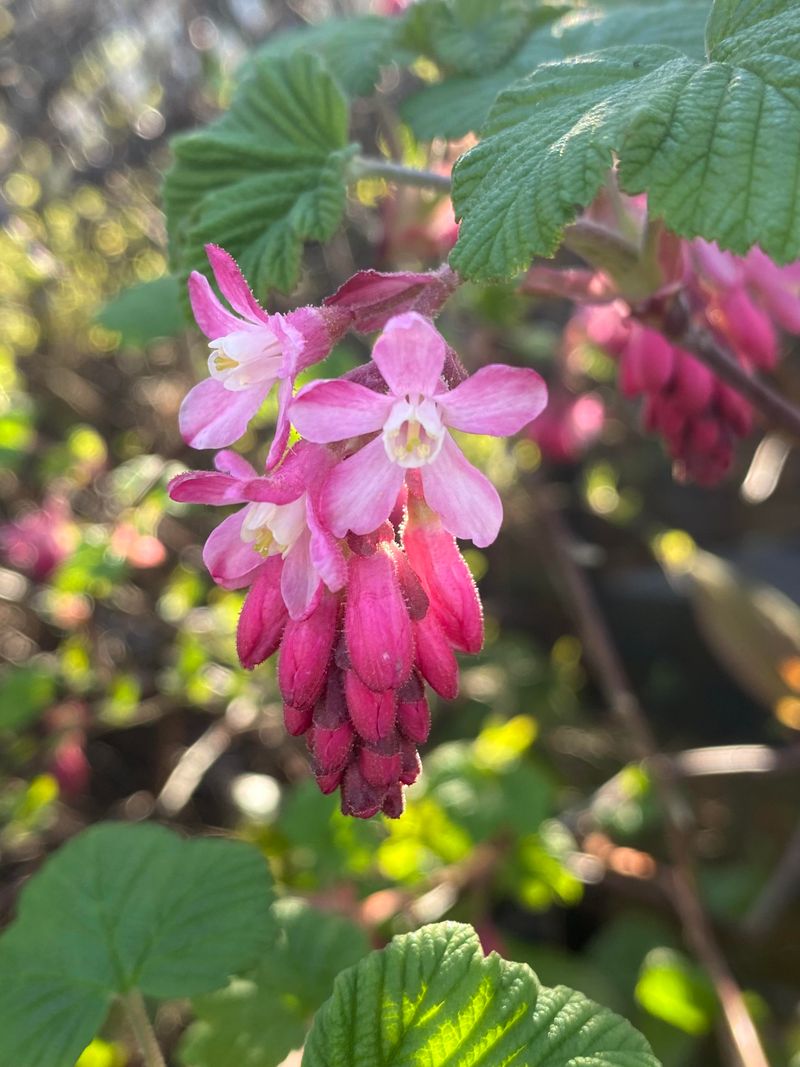
Native Oregon plants like Oregon grape, red flowering currant, and camas are already adapted to local conditions.
They bloom reliably with minimal support because they never needed convincing that Oregon was a good place to live.