What It Really Means When Western Fence Lizards Take Over Your California Yard This Summer
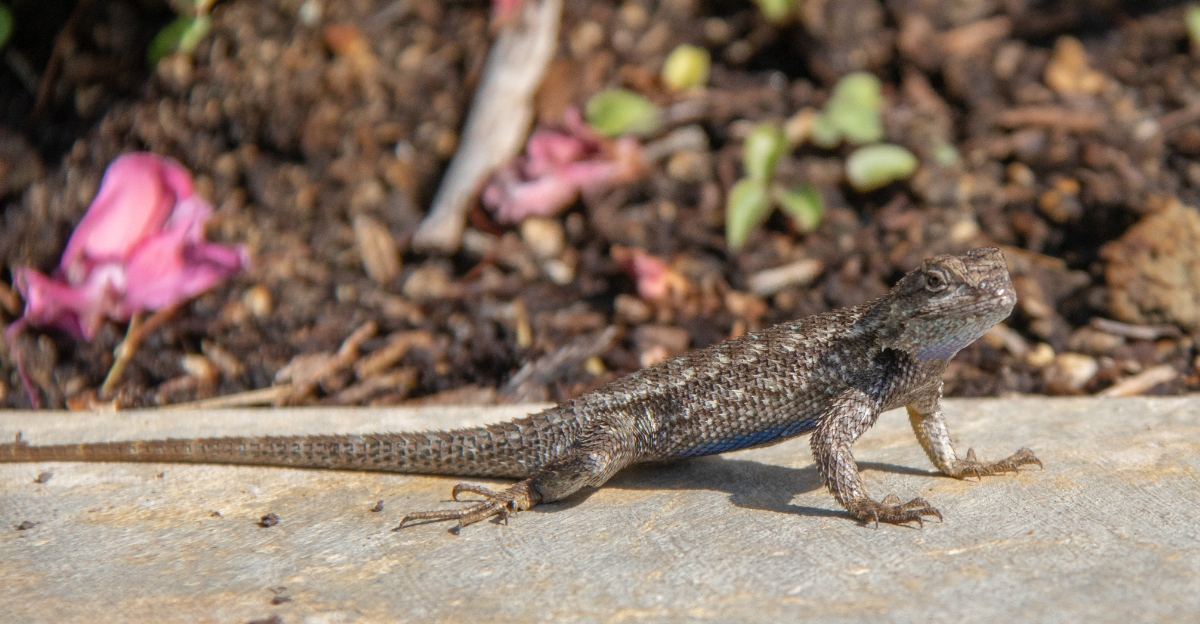
Western fence lizards can turn a quiet California yard into a tiny reptile neighborhood. They dart across walls, pause on warm rocks, and vanish the second anyone gets too close.
Bold enough to move in, shy enough to avoid introductions.
A sudden increase may feel unusual, especially if the yard rarely attracted them before. Their presence often points to changes around the property that suit their daily needs.
These lizards notice things homeowners may overlook. A sunny surface can offer the right temperature.
Nearby cover may provide a quick escape. The local menu could also have improved without anyone realizing it.
A yard full of fence lizards does not usually signal a problem. In many cases, their arrival can reveal something positive about the space.
Once you understand what drew them in, those quick little appearances may feel less like an invasion and more like a lively sign that the backyard ecosystem has found its rhythm.
1. Your Yard Has Prime Basking Spots
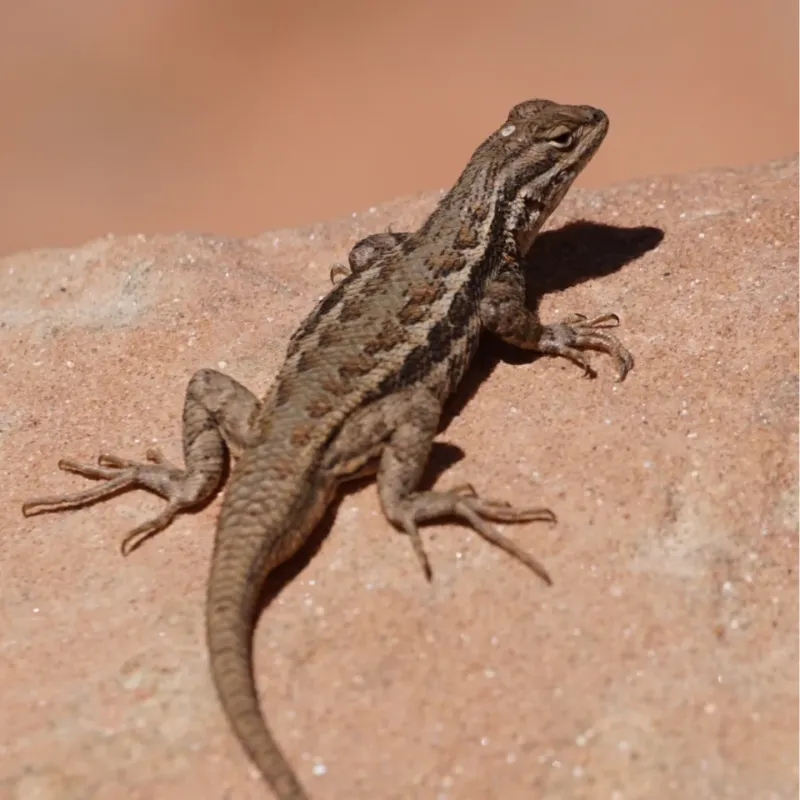
Few things attract a western fence lizard faster than a good basking spot. These reptiles are cold-blooded, which means they rely on outside heat to warm their bodies.
Without enough warmth, they simply cannot move fast, hunt well, or stay healthy. So when lizards start showing up all over your yard, it is a strong sign your space offers exactly the kind of open, sun-soaked areas they need.
Flat surfaces that get full sun for most of the day are lizard gold. Concrete driveways, wooden decks, patio slabs, and open patches of bare dirt all qualify.
The best basking spots are ones that heat up quickly in the morning and hold warmth well into the afternoon. Lizards often return to the same spots every single day because consistency matters to them.
You might notice lizards doing tiny push-ups while basking. That is actually a territorial display, not exercise.
They are showing off their bright blue bellies to warn other lizards to back off. If multiple lizards are basking in your yard, it means there are enough prime spots to go around.
Your yard is essentially offering a five-star resort for sun-seekers. The more open, sunny surfaces you have, the more lizards you are likely to see lounging around on warm summer mornings.
2. Warm Rocks Make Lizards Feel At Home
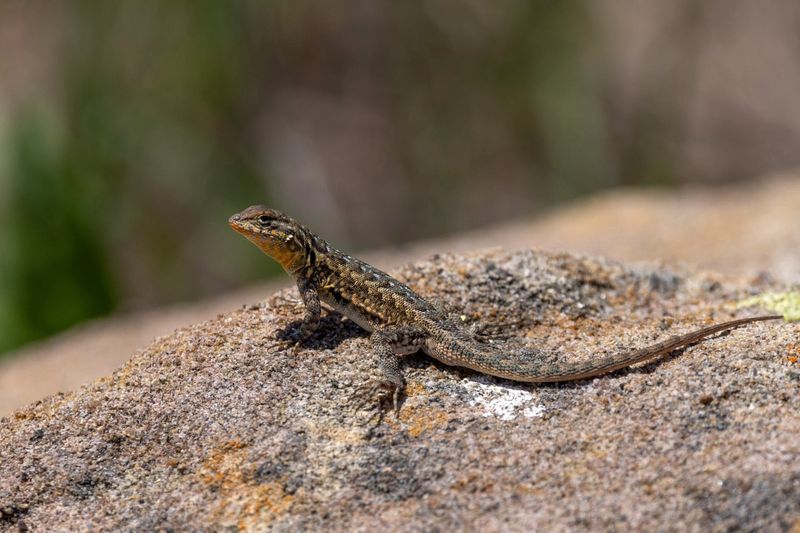
Rocks are basically lizard furniture. If your yard has natural stones, decorative boulders, or even stacked garden edging, you have created the perfect hangout zone for western fence lizards.
Rocks absorb heat during the day and slowly release it as temperatures drop, giving lizards a warm surface to rest on for extended periods.
Granite, sandstone, and river rocks are especially popular because they hold heat well. Lizards will press their bodies flat against the surface to soak up as much warmth as possible.
On cooler mornings, you might spot them wedged between two rocks to trap extra heat on both sides. It is a smart survival strategy that has worked for millions of years.
Rock piles also offer something else lizards love: quick hiding spots. If a predator shows up, a lizard can vanish into a rock crevice in less than a second.
Your California Garden Changes Every Week. Your Plan Should Too.
Gardening in California changes quickly throughout the season. Every Friday you’ll receive a simple weekly plan showing exactly what to plant, prune, fertilize, harvest, and protect so you never miss the right timing.
This combination of warmth and safety makes rocky areas irresistible. Many homeowners in the foothills and coastal areas of California notice more lizards when they add decorative rock features to their landscaping.
If your yard already has plenty of natural stone, that is a big reason why lizards have claimed it as their territory. They found the perfect mix of comfort and protection, and they are not planning to leave anytime soon.
3. They Are Hunting Small Insects
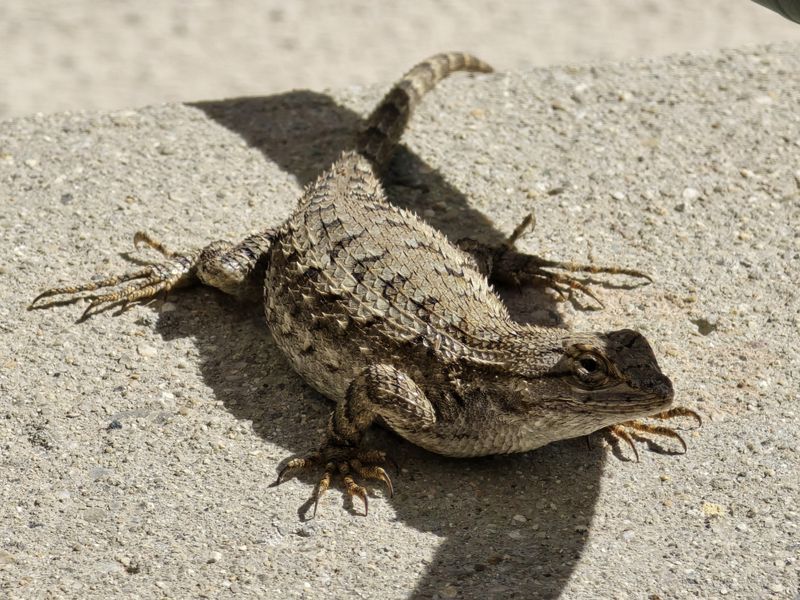
One of the best reasons to welcome western fence lizards into your yard is that they are natural pest controllers.
These little hunters eat a wide variety of small insects, including beetles, ants, mosquitoes, spiders, and even small caterpillars.
If your yard has a healthy insect population, lizards will find it and treat it like an all-you-can-eat buffet.
A single western fence lizard can eat dozens of insects each day. They hunt using their sharp eyesight, which is surprisingly good at detecting movement.
Once they spot something small crawling or flying nearby, they strike fast with their sticky tongues. You might catch one sitting very still near a plant or along a garden border, just waiting for the next meal to wander by.
Having lizards patrol your yard is genuinely useful for gardeners. Fewer beetles mean less damage to your plants.
Fewer mosquitoes mean more comfortable evenings outside. Lizards are doing a job that benefits you without you having to do anything at all.
In fact, many gardeners in the warmer inland valleys of our state actively try to attract more lizards for exactly this reason. If you have noticed your lizard population growing, take it as a good sign.
Your yard is full of life, and the lizards are simply keeping things in balance the natural way.
4. More Lizards Can Mean More Prey
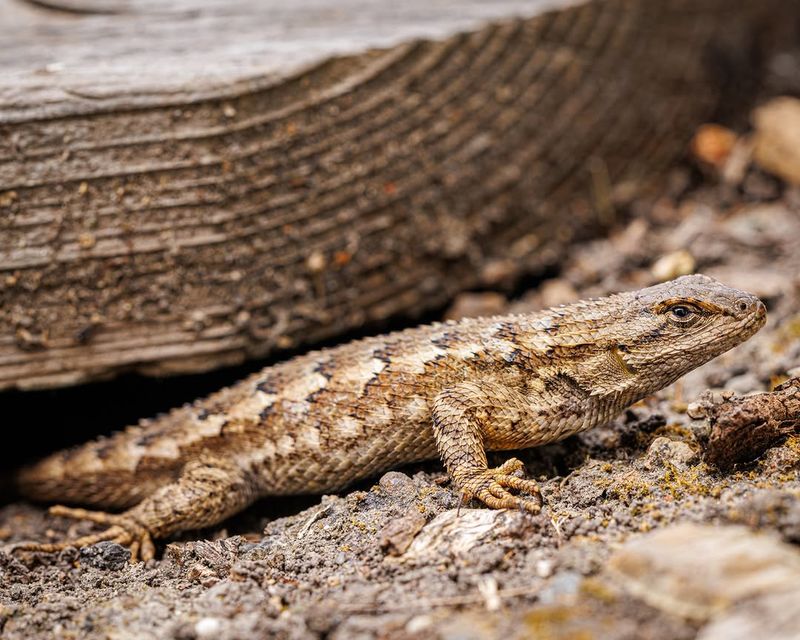
When you see a lot of lizards in one place, it usually means there is a lot of food available. Western fence lizards do not stick around in areas where insects are scarce.
A yard packed with lizards is a yard that is also packed with the bugs they feed on. That is just how the food chain works.
Lush garden beds, compost piles, outdoor lights left on at night, and standing water can all attract higher insect populations. More insects bring more lizards.
If you have recently added new plants, started composting, or noticed more bugs around your outdoor lights, those changes could be part of why your lizard count has gone up this summer.
This is not necessarily a bad thing. A thriving insect population supports birds, lizards, and other beneficial wildlife.
It means your yard has become a small ecosystem of its own. However, if you are seeing pest insects damaging your plants, the lizards may actually be helping to keep that problem from getting worse.
Think of it as nature self-regulating. Your yard has found a balance where predators and prey coexist.
More lizards mean more natural pest management happening right in your own backyard, without any chemicals or effort on your part. That is a pretty great deal for any homeowner or gardener.
5. Dry Garden Beds Suit Them Well
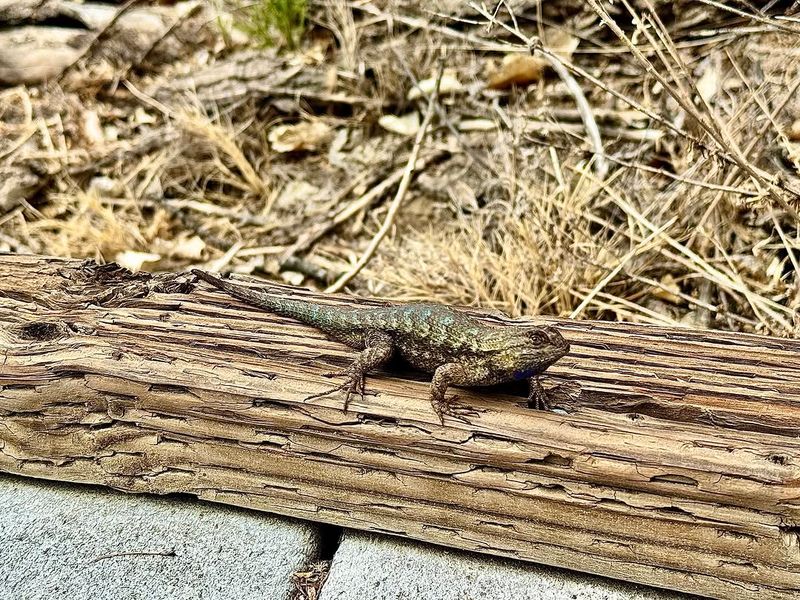
Western fence lizards are built for dry conditions. They thrive in the kind of warm, low-moisture environments that are common across much of California during summer.
If your garden beds are dry, sandy, or mulched with bark and gravel, you have created a habitat that feels very natural to them. Wet or muddy soil is much less appealing to these reptiles.
Drought-tolerant landscaping has become very popular in California over the past decade. Native plants, decomposed granite pathways, and low-water garden designs are everywhere.
Interestingly, these water-wise choices also happen to be lizard-friendly choices. Dry mulch, gravel, and exposed soil warm up quickly and stay warm, which is exactly what lizards prefer.
Lizards also use dry garden beds as hunting grounds. Insects like beetles and ants tend to live in dry, loose soil, which puts prey right where lizards like to patrol.
You might spot them digging slightly into the surface or poking around the base of plants looking for a meal. If you have recently switched to a drought-tolerant garden style, your lizard sightings probably went up at the same time.
It is a happy side effect of going low-water. Your garden is now serving double duty as a beautiful outdoor space and a thriving lizard habitat, all without extra effort from you.
6. Low Walls Become Lizard Highways
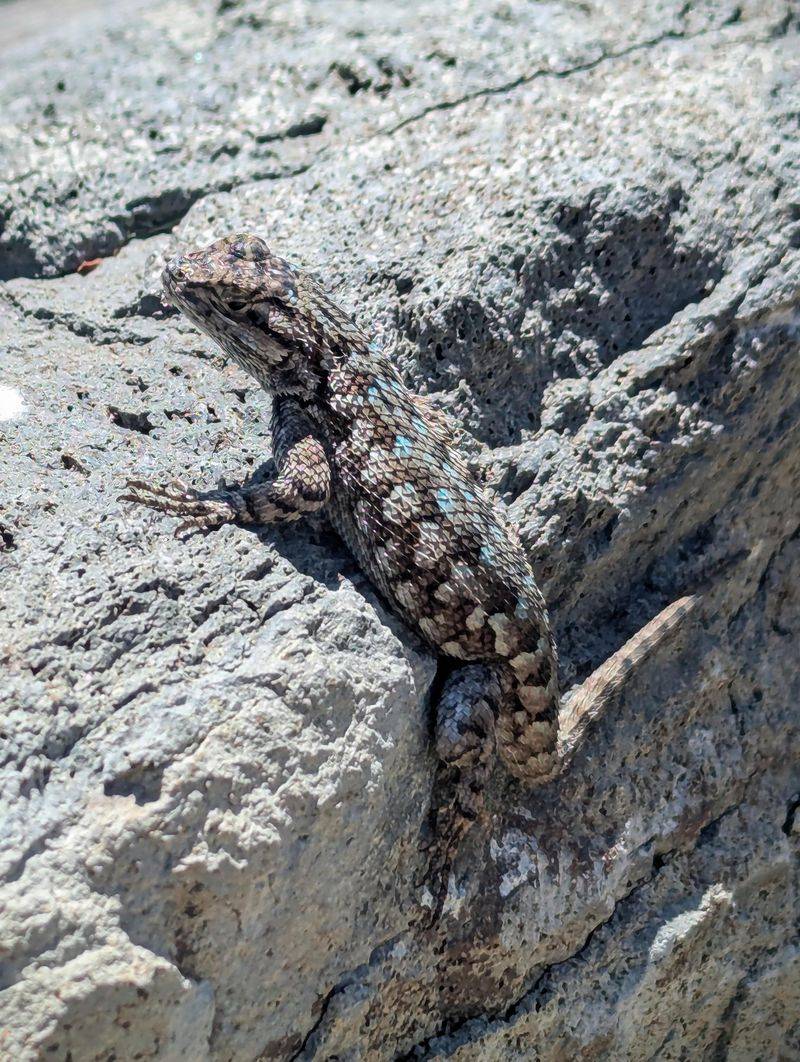
Have you ever watched a lizard zip along the top of a low wall and disappear around a corner? That is no accident.
Low walls, raised garden borders, and retaining walls are prime real estate for western fence lizards. They use them as travel routes, lookout points, and sun-soaking platforms all at once.
A wall gives a lizard a clear line of sight in multiple directions. From up high, they can spot approaching predators, scout for insects below, and keep an eye on rival lizards in their territory.
The top surface of a wall also heats up fast in direct sunlight, making it a perfect basking strip. Lizards will often run the full length of a wall several times a day as part of their daily patrol.
Stone, brick, and concrete walls are especially popular because they hold heat well and have small cracks or gaps where lizards can hide if needed.
If your yard has any kind of low structure running along the garden edge or separating planting areas, expect lizards to claim it.
In many neighborhoods across the foothills and suburban areas of our state, low garden walls are one of the top reasons lizard populations stay high all summer long. Your walls are not just decorative.
To a western fence lizard, they are a full-service lizard highway with built-in rest stops.
7. Leaf Litter Gives Them Hiding Places
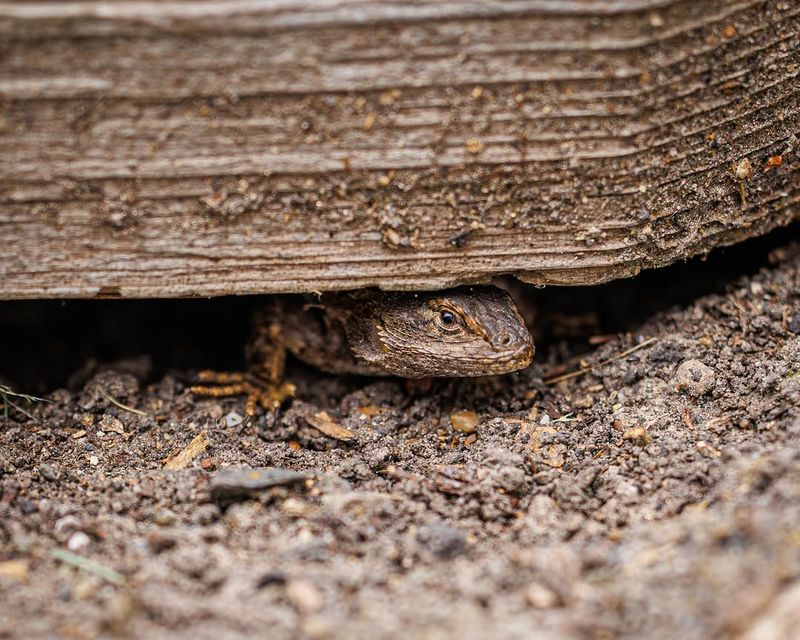
Not every part of a lizard’s day involves basking in the sun. They also need cool, shaded spots to retreat to when temperatures get too high or when a hawk flies overhead.
Leaf litter, fallen branches, and thick ground cover give lizards the hiding places they depend on to feel safe.
Dry leaves that collect under trees, along fences, or in garden corners create a mini habitat all on their own. Insects love leaf litter too, which means lizards are hunting and hiding in the same spot.
It is an efficient setup. You might see a lizard dart under a pile of leaves and disappear completely, only to pop back out a minute later when the coast is clear.
Many homeowners rake up every leaf the moment it falls, not realizing they are removing valuable habitat for beneficial wildlife.
Leaving a small section of leaf litter in a low-traffic corner of your yard can make a big difference for local lizards and other small creatures.
In the shadier parts of yards in northern regions of California, leaf litter can stay moist and cool well into the afternoon, giving lizards the temperature contrast they need to thrive.
A little messiness in the garden goes a long way toward supporting the natural world right outside your door. Lizards definitely appreciate it.
8. They Prefer Escape Cover Nearby
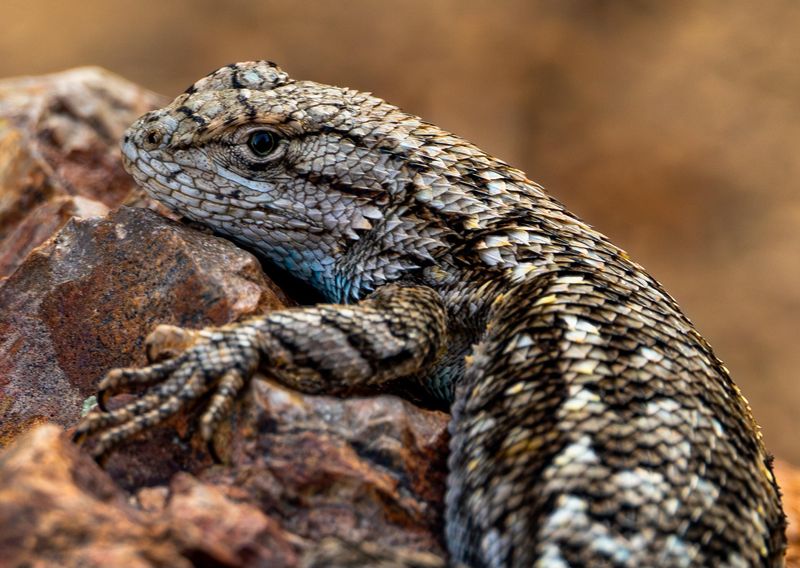
Speed and escape routes are everything to a western fence lizard. These small reptiles have plenty of natural predators, including cats, birds of prey, snakes, and larger lizards.
To survive, they need to be close to some form of cover at all times. If your yard offers quick escape options, lizards will feel confident enough to hang around.
Dense low shrubs, ground cover plants, wood piles, and gaps under fences all serve as escape cover. Lizards rarely wander more than a few feet from safety.
You will notice that they tend to sit near the edge of open areas rather than out in the middle of a wide-open space. That behavior is intentional.
They want the warmth of open ground but the security of nearby shelter.
If you have native shrubs, ornamental grasses, or even a stack of garden pots along a fence line, you have provided exactly what lizards look for in a safe habitat.
Yards that mix open sunny areas with dense plantings or structural hiding spots tend to have the highest lizard populations.
It is all about balance. The lizards in your yard have clearly done their homework and decided your space checks every box on their list.
Open sun, close cover, and plenty of food make your yard one of the best addresses in the neighborhood, at least from a lizard’s point of view.