The California Weed That Explodes In July Heat And Destroys Root Systems Before You Notice It
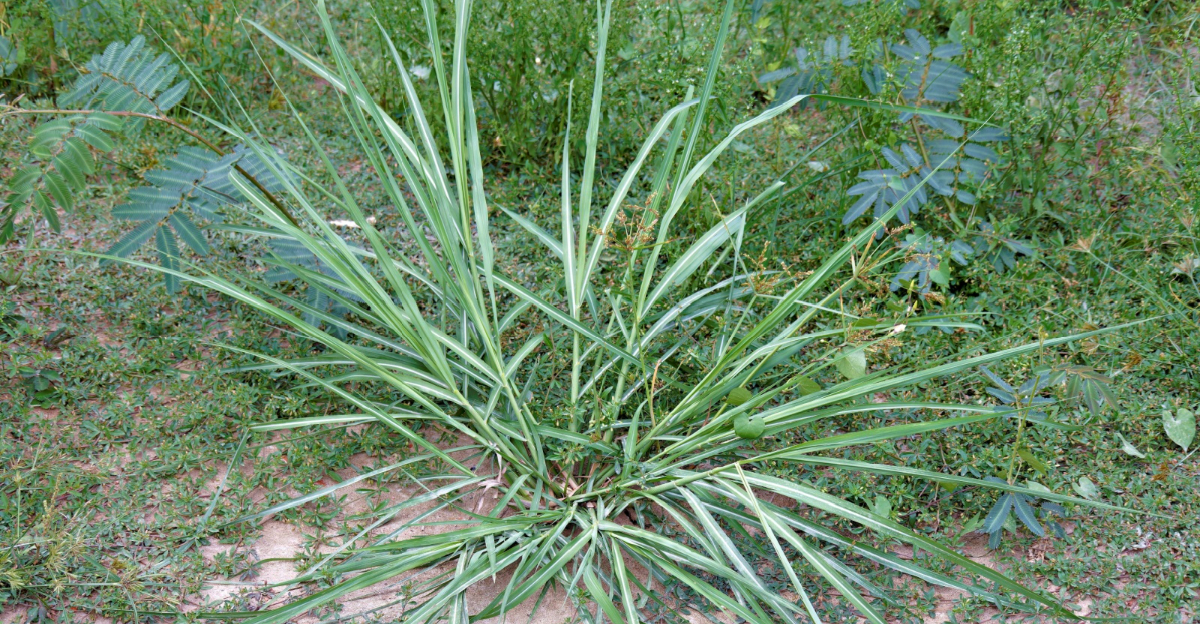
Just when you thought your California garden was handling July pretty well, nutsedge shows up. And honestly, few weeds have quite the same talent for making gardeners feel personally targeted.
One week the beds look clean, and the next there are shiny, grasslike shoots poking up almost overnight like they own the place. Which, underground at least, they kind of do.
Nutsedge is one of those weeds that operates on two levels simultaneously, a little above ground and a whole lot below it.
While you are busy pulling what you can see, an entire network of tubers and rhizomes is already spreading quietly through the soil in multiple directions.
California’s warm July soil is basically a dream environment for both yellow and purple nutsedge, especially anywhere irrigation keeps things a little too moist. This one requires a smarter approach than just pulling.
1. Nutsedge Shoots Up Fast In July Heat
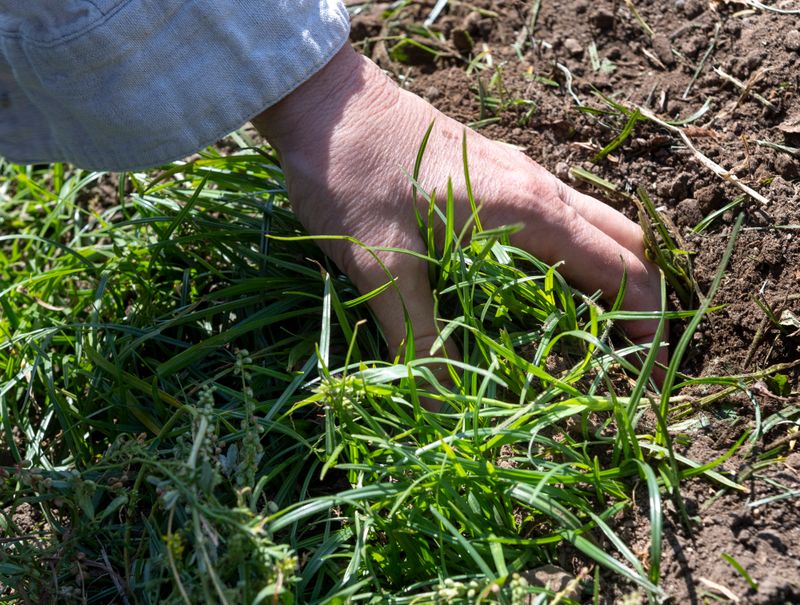
July heat in California acts like a starting gun for nutsedge.
While most weeds slow down in scorching temperatures, nutsedge actually speeds up, pushing those shiny, triangular-stemmed shoots upward at a rate that can catch even experienced gardeners off guard.
A bed that looked clean on Monday can show a cluster of new growth by the weekend.
Nutsedge thrives when soil temperatures climb above 75 degrees Fahrenheit, which is nearly every July day across much of California. The leaves look similar to grass at first glance, but a closer look reveals a distinctive three-sided stem that sets it apart.
Running your fingers along the stem is a quick way to tell the difference, since grass stems are round or flat while nutsedge stems feel noticeably triangular.
The speed of summer growth is one reason nutsedge causes so much frustration in California vegetable beds, ornamental gardens, and lawns.
By the time a gardener spots the green shoots, the underground system has often already expanded.
Staying alert during July and checking garden beds every few days gives you a better chance of catching new growth before it establishes deeply. Early action in warm weather is far more effective than trying to manage a large patch later in the season.
2. Yellow Nutsedge Is Common In California
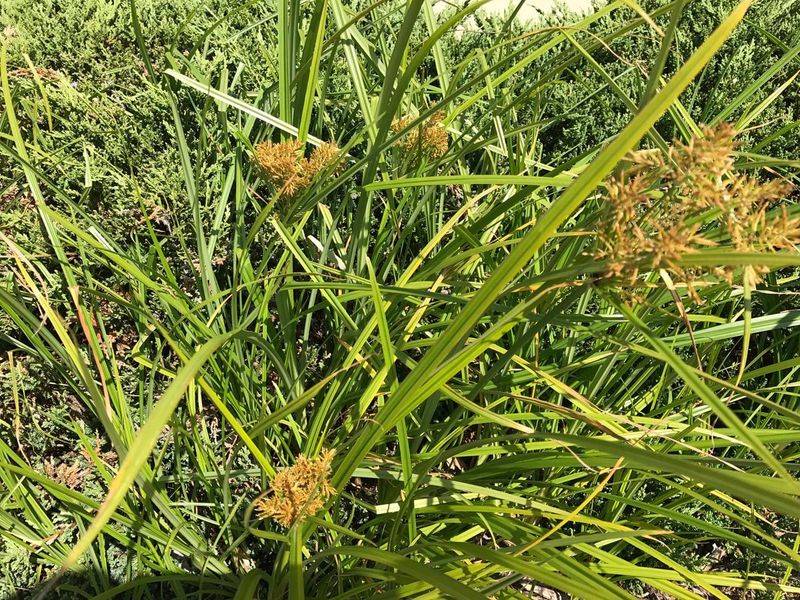
Walk through almost any California neighborhood in summer and you will likely spot yellow nutsedge without even trying.
It is the more widespread of the two nutsedge species found in California, showing up in vegetable beds, lawns, ornamental borders, and even the edges of container gardens where water tends to pool after irrigation.
Yellow nutsedge gets its name from the yellowish-green color of its leaves and the golden-brown seed heads it produces when it matures. The leaves are slightly glossy and have a distinct midrib running down the center, which gives them a stiff, upright appearance.
Unlike some weeds that sprawl across the ground, yellow nutsedge stands straight up, making it easier to spot once you know what to look for.
In California’s Central Valley, coastal gardens, and inland areas alike, yellow nutsedge is a regular summer visitor that tends to appear wherever soil stays moist.
Your California Garden Changes Every Week. Your Plan Should Too.
Gardening in California changes quickly throughout the season. Every Friday you’ll receive a simple weekly plan showing exactly what to plant, prune, fertilize, harvest, and protect so you never miss the right timing.
Drip irrigation lines, low spots in lawns, and areas near garden hoses are all common places to find it establishing.
Because it spreads through both seeds and underground tubers, managing yellow nutsedge means thinking about what is happening above and below the soil at the same time.
Getting familiar with its look early in the season helps California gardeners respond before a small patch becomes a larger problem throughout the root zone.
3. Purple Nutsedge Likes Warmer Sites
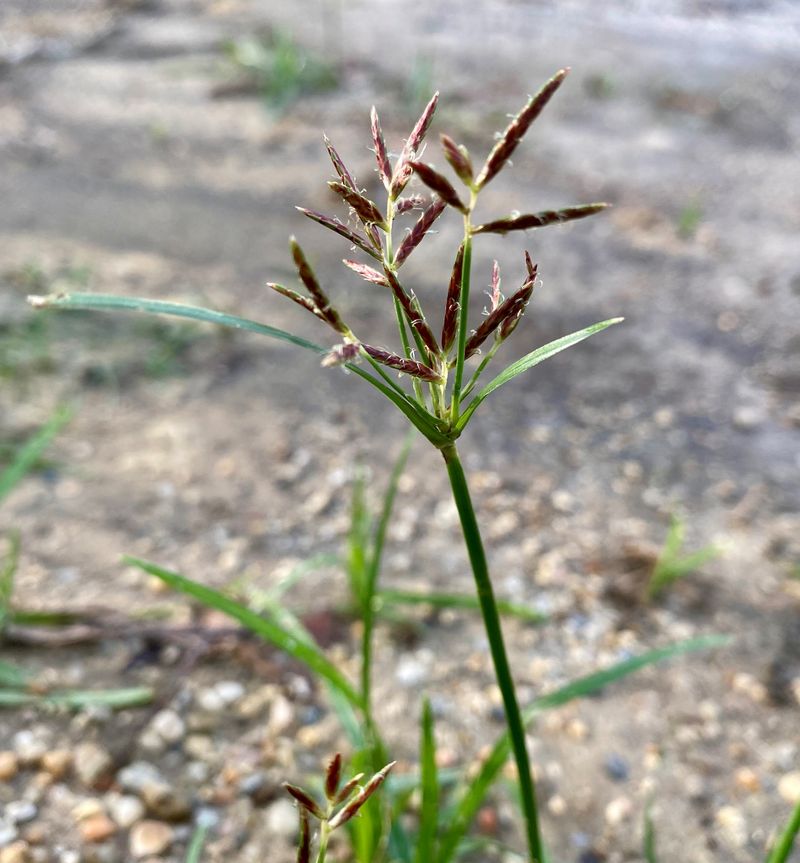
Some California gardeners in the hottest inland valleys, desert-edge communities, and warmer coastal areas may notice a slightly different-looking nutsedge with a reddish or purplish tint to its seed heads.
That is purple nutsedge, and it tends to favor sites where temperatures stay high for longer stretches of the season.
Purple nutsedge is considered one of the most competitive weeds in the world, though it is less common in California than yellow nutsedge.
It prefers even warmer conditions and can establish in areas where the soil temperature rarely drops, making parts of Southern California and the Central Valley particularly hospitable.
The leaves are a deeper green than yellow nutsedge, and the seed heads shift toward reddish-brown or purple tones as the plant matures.
One key difference between the two species is how their underground tubers are arranged. Purple nutsedge tubers tend to form chains connected by rhizomes, while yellow nutsedge tubers are more loosely scattered.
Both arrangements make removal challenging, but purple nutsedge chains can extend further from the parent plant, spreading through the root zone in a wider pattern.
California gardeners dealing with purple nutsedge in warm microclimates may find it especially persistent through late summer and into early fall, well after conditions that would slow other warm-season weeds have already arrived.
4. Underground Tubers Make It Hard To Control
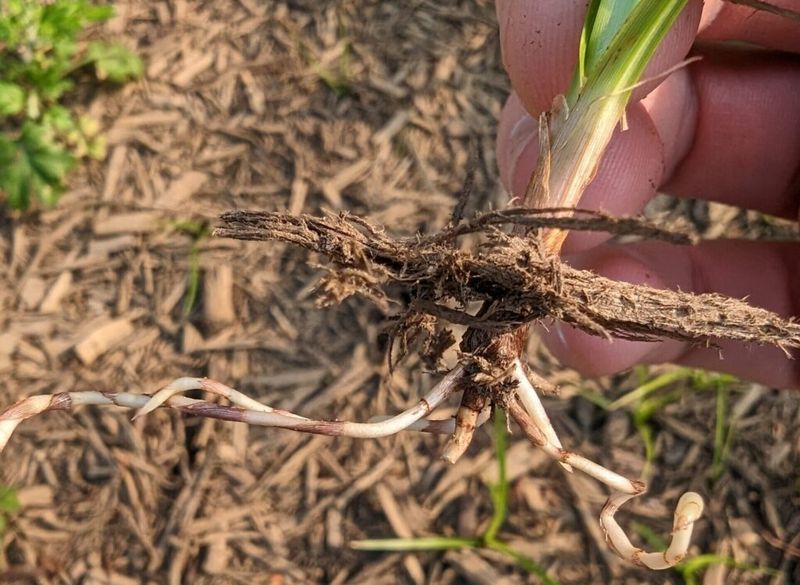
One of the most stubborn things about nutsedge in California gardens is what you cannot see. Below the soil surface, nutsedge produces small, hard, nut-shaped tubers that serve as energy reserves.
These tubers allow the plant to survive even when the visible shoots are removed, because each tuber holds enough stored energy to send up new growth when conditions improve.
A single nutsedge plant can produce dozens of tubers in one growing season, and those tubers can remain viable in the soil for extended periods.
They are not large or easy to find by feel when you are weeding by hand, which means many of them get left behind even during careful removal attempts.
The tubers sit at varying depths depending on soil type, moisture, and how long the plant has been established.
In California’s warm summer soil, tubers that are disturbed by digging or cultivating can actually spread further through the garden rather than being removed.
Breaking up the soil around nutsedge without removing every tuber may unintentionally scatter them across a wider area.
For this reason, gardeners are often advised to avoid repeated shallow cultivation in areas where nutsedge is known to be present.
Careful hand removal focused on getting as many tubers as possible, combined with patience over multiple seasons, tends to give better results than aggressive digging that moves tubers around without eliminating them.
5. Rhizomes Spread Through The Root Zone
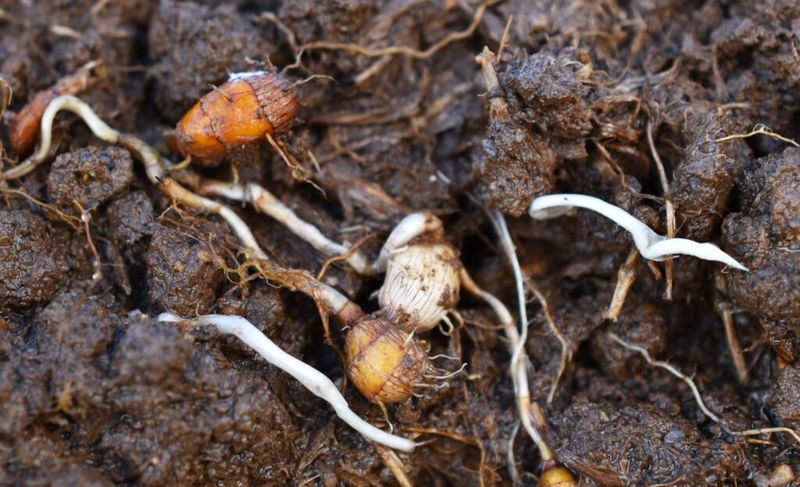
Beneath the soil in a California garden bed, nutsedge moves through the root zone in a way that feels almost deliberate.
Rhizomes are horizontal underground stems that grow outward from the main plant, connecting tubers and allowing nutsedge to pop up at new locations several inches or even feet away from where the original shoot appeared above ground.
Rhizome growth is one reason nutsedge seems to appear in new spots even after a gardener removes visible shoots from a particular area.
The underground network keeps expanding quietly, especially during July and August when California soil temperatures give the plant plenty of energy to work with.
Garden plants growing nearby may begin competing with nutsedge rhizomes for water and nutrients without the gardener realizing the underground spread is already underway.
Rhizomes can also make it difficult to trace nutsedge back to a single source. What looks like three separate nutsedge plants in a raised bed may actually be one connected underground system.
Gently following the rhizomes when removing plants, rather than just pulling the visible shoots, gives a better picture of how far the weed has traveled.
In California vegetable beds where soil is regularly amended and kept loose, rhizomes can move through the root zone with less resistance, making early removal before the network expands a smart approach for summer weed management.
6. Waterlogged Soil Helps Nutsedge Thrive
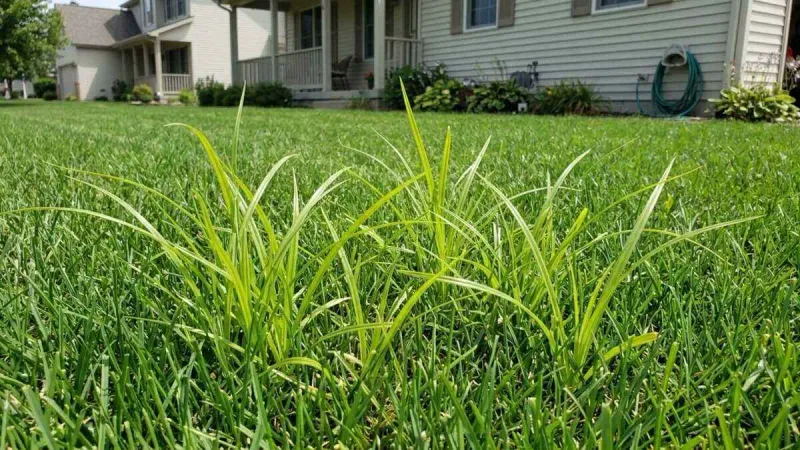
Standing near an irrigation valve that runs a little too long or a garden bed where water tends to pool, you might notice nutsedge looking particularly happy.
Moist to waterlogged soil is one of nutsedge’s favorite growing conditions, and California gardens that rely on regular irrigation during the dry summer months can unintentionally create ideal conditions for it to establish and spread.
Yellow nutsedge in particular has a strong preference for consistently moist soil, which is why it so often shows up along drip lines, near sprinkler heads, or in low spots where water collects after watering.
Overwatering a lawn or garden bed does more than waste water in California’s dry climate – it can also give nutsedge the moisture advantage it needs to outpace surrounding plants and expand its underground network.
Adjusting irrigation schedules to match the actual needs of your garden plants, rather than running on a fixed timer through July, can reduce the consistently wet conditions that nutsedge prefers.
Checking for irrigation leaks and fixing low spots that hold standing water are also practical steps that make garden beds less hospitable to this weed.
In California, where water management is already a priority, fine-tuning irrigation habits has the dual benefit of conserving water and making conditions slightly less favorable for nutsedge to take hold and spread through the root zone.
7. Pulling Leaves Often Leaves Tubers Behind
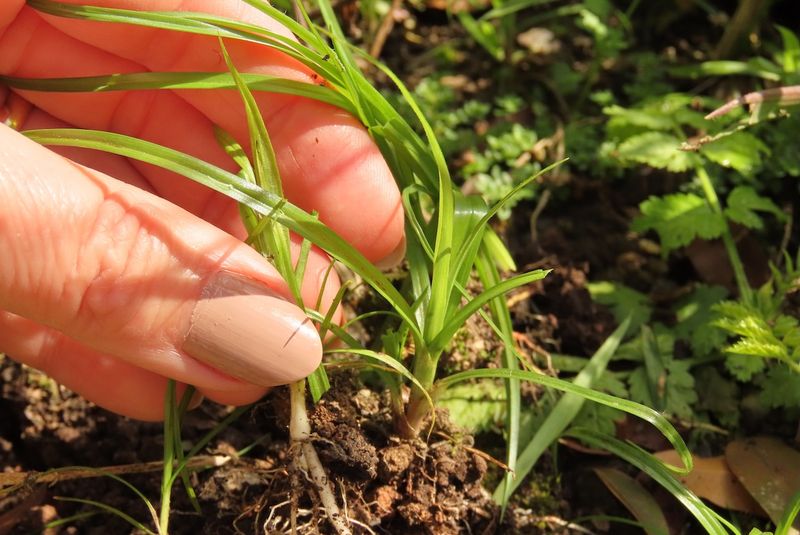
Grabbing a nutsedge shoot and pulling it out of the ground feels satisfying in the moment, but that feeling can be misleading. The part you pull – the leaf and stem – is only the above-ground portion of a much larger system.
The tubers attached to the rhizomes below the surface are what keep the plant going, and most hand-pulling attempts leave the majority of them right where they are.
Nutsedge is built to lose its top growth and recover. When a shoot is pulled without removing the tuber it grew from, that tuber often responds by sending up one or more new shoots within a short time.
Some research suggests that repeated pulling without tuber removal can actually stimulate more shoot production rather than reducing the plant over time.
That is a frustrating reality for California gardeners who spend time carefully weeding a bed, only to see it fill back in within a week or two.
A more effective approach involves loosening the soil around the base of the shoot with a hand tool before attempting removal, then carefully tracing and removing as much of the underground system as possible.
Working when the soil is slightly moist but not waterlogged tends to make tuber removal easier.
Keeping a close eye on areas where nutsedge has been removed and following up quickly when new shoots appear gives California gardeners a better chance of reducing the tuber population gradually over time.
8. Early Removal Works Better Than Waiting
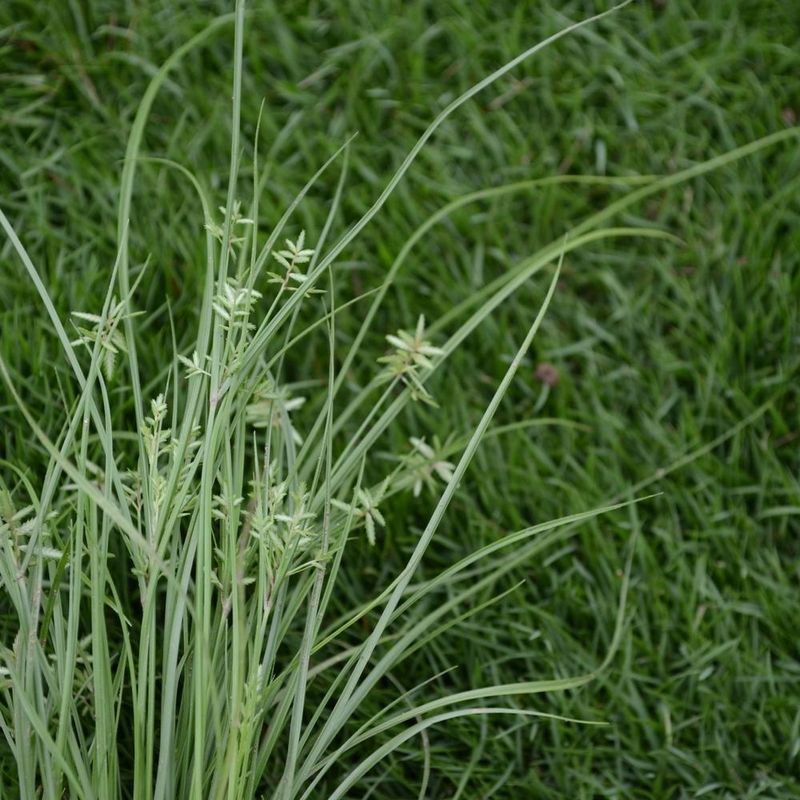
Catching nutsedge early in the season makes a real difference in how manageable it stays through the rest of California’s long, warm summer.
A small nutsedge plant that has been in the ground for only a few weeks has had limited time to produce tubers, meaning removal at that stage is more likely to get the whole underground system in one attempt.
By contrast, a nutsedge plant that has been growing through June and into July has had time to develop a more extensive tuber and rhizome network.
At that point, removal becomes a multi-step process that may require several follow-up sessions over the remainder of the growing season.
The underground system does not disappear after one removal – it takes consistent monitoring and repeated effort to reduce the tuber bank in the soil over time.
Checking California garden beds every week or two during June and July gives gardeners the best opportunity to spot new nutsedge shoots while they are still small and the underground system is still limited.
Keeping a record of where nutsedge has appeared in previous seasons is also helpful, since tubers left in the soil can remain viable and produce new growth the following year.
Pairing early removal with good irrigation management, mulching to suppress new growth, and staying patient across multiple seasons gives California gardeners the most realistic path toward keeping nutsedge from taking over the root zone.