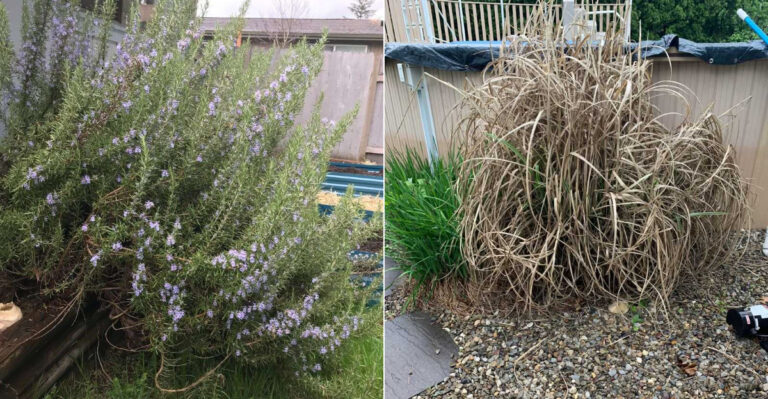
Fragrant Plants That Help Keep Ticks Away From California Patios And Paths
A patio should feel relaxing, not like a place where you have to check your ankles every few minutes.
Ticks are drawn to shady, messy, overgrown spots, which is why the edges of paths and sitting areas matter so much.
Fragrant plants can help make those spaces feel cleaner, brighter, and less inviting to pests. Their strong scents add beauty for people while making the area less appealing to certain unwanted visitors.
They also help define borders, soften hard edges, and bring more life to outdoor spaces you use every day.
This works best when paired with simple yard habits, like trimming tall growth and clearing leaf litter.
Choose the right fragrant plants near patios and paths, and your California yard can feel fresher, prettier, and easier to enjoy all season.
1. Coyote Mint
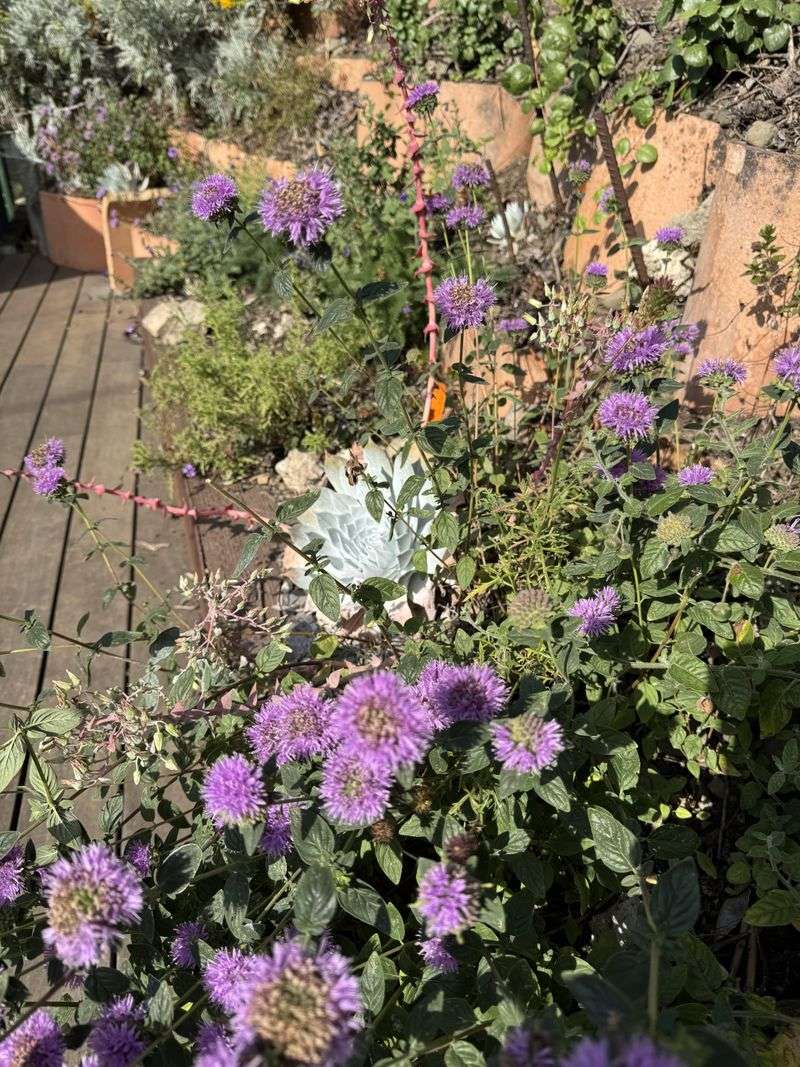
Few native plants pack as much punch as coyote mint. Known scientifically as Monardella villosa, it grows naturally across much of our state and thrives in dry, sunny spots.
The leaves release a sharp, minty fragrance when brushed, which ticks find deeply off-putting.
Planting coyote mint along garden paths or near patio edges is a smart move. The low-growing, spreading habit of this plant makes it ideal as a ground cover in areas where ticks might travel.
It grows well in rocky or sandy soil and needs very little water once established.
Native bees and butterflies love the small purple flowers, so you get pest control and pollinator support in one plant. It blooms in summer, adding a soft pop of color to dry landscape areas.
You can also crush a few leaves and rub them on your skin before heading outside for a quick, natural repellent.
Because it is native to our region, coyote mint is extremely low-maintenance. It does not need fertilizer, rarely needs pruning, and handles drought conditions well.
Plant it in full sun for the best results. Space plants about 18 inches apart so they can spread naturally.
Over time, they will form a fragrant mat that discourages ticks from crossing into your outdoor living space.
2. Cleveland Sage
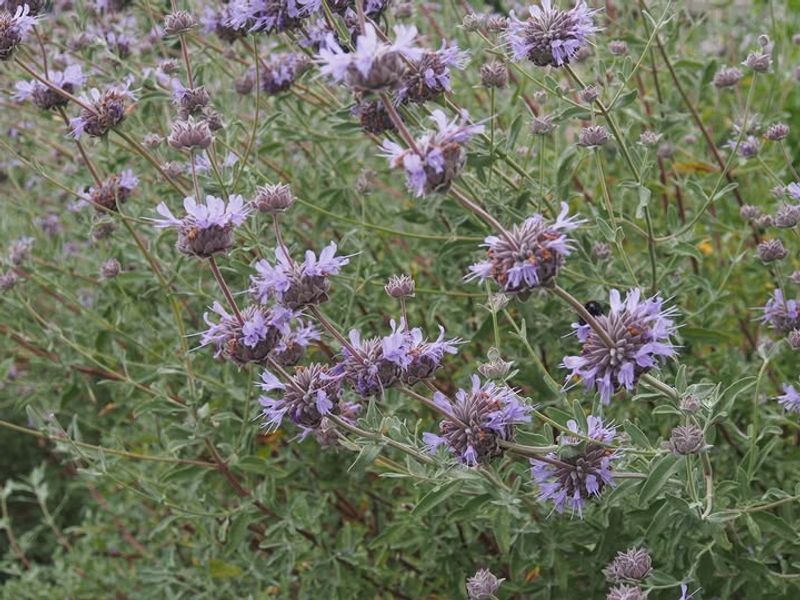
There is something almost magical about Cleveland sage in full bloom. The tall purple flower spikes rise above silver-green leaves and fill the air with a bold, camphor-like scent that many insects, including ticks, want nothing to do with.
It is one of the most striking native shrubs you can add to a dry garden.
Cleveland sage, or Salvia clevelandii, is native to the southern part of our state and grows best in full sun with well-drained soil. Once established, it is highly drought-tolerant and requires minimal care.
It can grow up to four feet tall and wide, making it a great choice for borders along patios or pathways.
The strong fragrance is the key to its tick-repelling ability. Ticks navigate largely by scent, and the aromatic compounds in Cleveland sage essentially scramble their ability to find a host.
Planting a row of these shrubs along a fence line or garden border creates a fragrant wall that helps protect your outdoor space.
Your California Garden Changes Every Week. Your Plan Should Too.
Gardening in California changes quickly throughout the season. Every Friday you’ll receive a simple weekly plan showing exactly what to plant, prune, fertilize, harvest, and protect so you never miss the right timing.
Prune lightly after flowering to keep the plant tidy and encourage new growth. Avoid overwatering, as this plant is built for dry conditions.
It pairs beautifully with other native plants and adds year-round structure to the garden. Pollinators, especially hummingbirds, are drawn to the flowers, giving your yard even more natural life and energy.
3. California Sagebrush
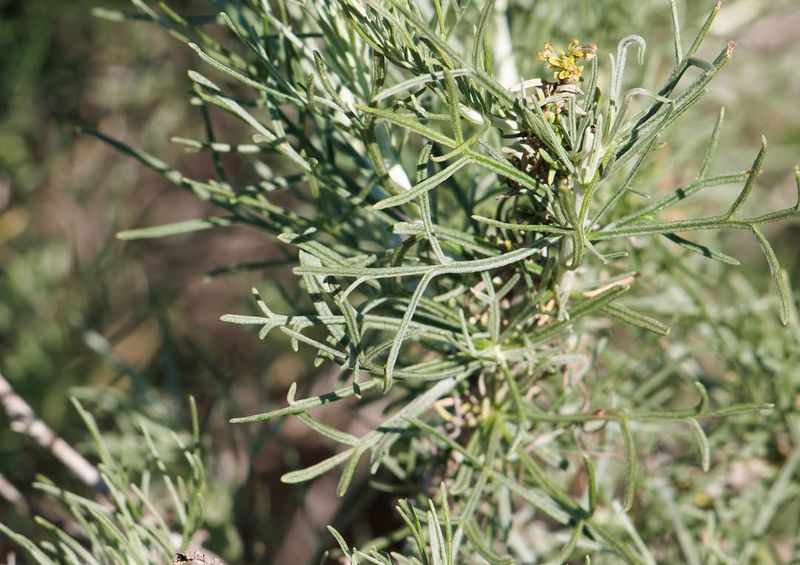
Walk past a patch of California sagebrush on a warm afternoon and you will understand why it is so well-loved.
The soft, feathery leaves release a deep, earthy aroma that is both calming to humans and strongly repellent to ticks and other pests.
It is one of the most iconic scents of the western landscape.
Artemisia californica, its scientific name, is a hardy shrub that grows naturally in coastal scrub and chaparral habitats.
It thrives in poor, dry soil and full sun, making it ideal for low-water gardens and natural-looking landscapes.
The plant grows two to four feet tall and has a loose, airy structure that works well as a background planting.
The aromatic oils in the leaves are the secret weapon here. These oils contain compounds like camphor and artemisinin that ticks avoid.
Planting sagebrush near the edges of your yard or along pathways creates a natural scent barrier. You can also dry the leaves and place them near doorways or outdoor seating areas for added protection.
This plant is extremely forgiving and rarely needs attention once it takes root. It does not need fertilizer or regular pruning.
In late summer, small yellow flowers appear and attract native bees. For the best tick-repelling effect, plant it in clusters rather than as single specimens.
A grouping of three or more creates a much stronger aromatic barrier around your outdoor spaces.
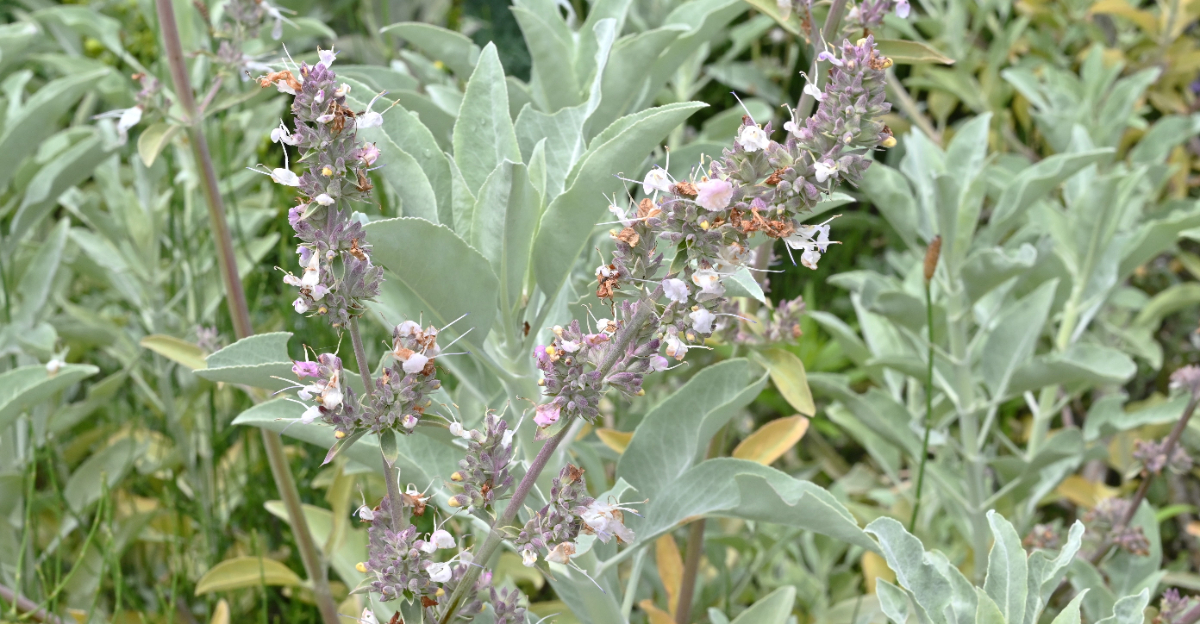
4. Black Sage
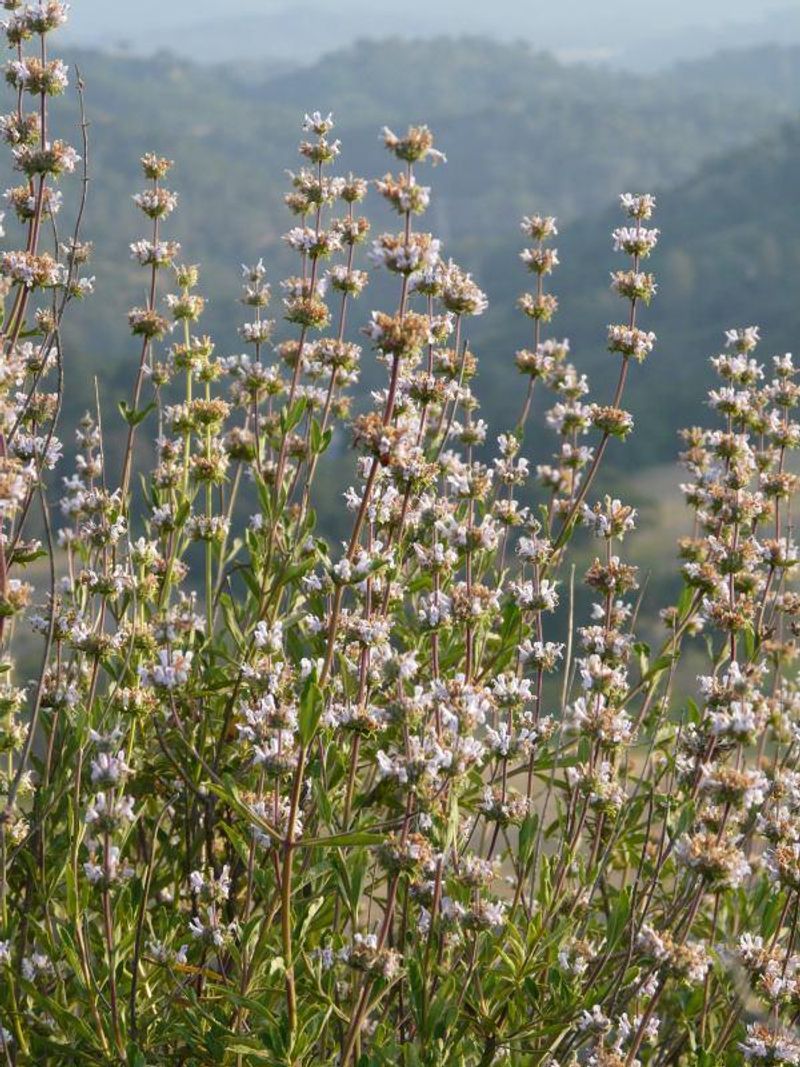
Black sage has a reputation for being one of the most powerfully scented plants in the native landscape. Despite its name, the plant is not dark in color.
The leaves are deep green and wrinkled, and when you brush against them, they release a sharp, medicinal fragrance that is unmistakable. Ticks are not fans of this scent at all.
Salvia mellifera grows naturally along coastal slopes and dry hillsides throughout our state. It is a tough, resilient shrub that handles drought, heat, and poor soil without complaint.
It can grow up to five feet tall and produces beautiful white or pale lavender flower whorls in spring that attract native bees and hummingbirds.
Black sage works best when planted along the perimeter of your yard or near areas where ticks are most likely to enter, along fence lines or garden borders that meet grassy areas.
The aromatic compounds in the leaves act as a natural deterrent, making ticks less likely to cross through these zones.
Pruning after the blooming season helps maintain a compact shape and encourages fresh, fragrant growth. Water deeply but infrequently to mimic the plant’s natural environment.
Black sage pairs well with other native shrubs and adds a wild, natural feel to any garden. It is also a great choice for fire-resistant landscaping, which is an added bonus in dry climates prone to wildfire risk.
5. White Sage
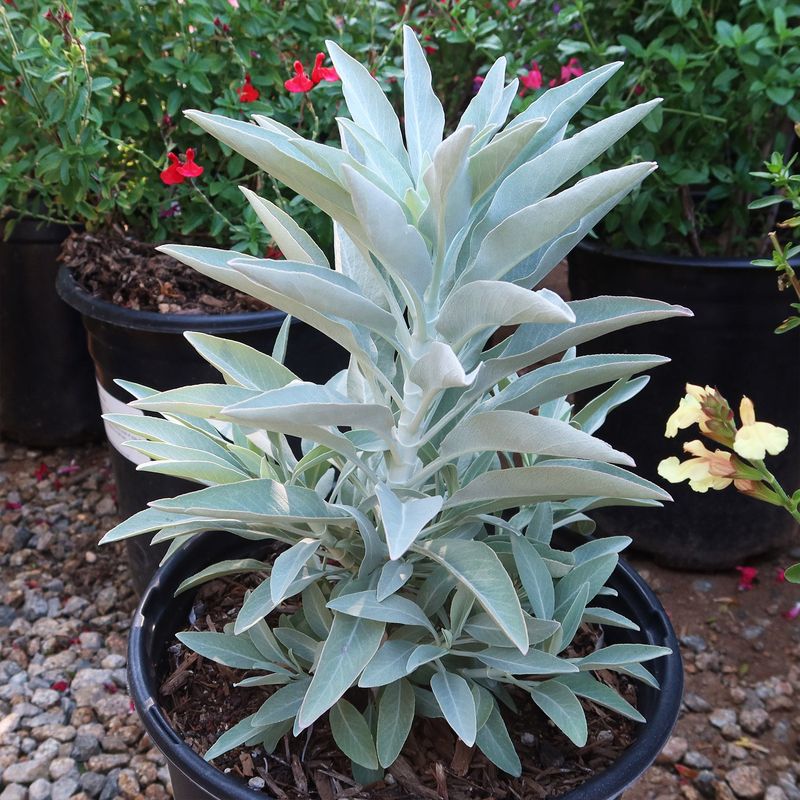
White sage might be the most famous plant on this list. Known for its use in traditional ceremonies and aromatherapy, Salvia apiana is also a powerhouse when it comes to naturally repelling pests.
The thick, silvery-white leaves are coated in fragrant oils that ticks and many other insects find overwhelming.
This plant is native to the coastal sage scrub habitat in the southern part of our state. It loves full sun, rocky or sandy soil, and very little water.
Once established, white sage is one of the most drought-tolerant plants you can grow, making it perfect for water-wise gardens. It grows into a rounded shrub about three to four feet tall and wide.
The key to using white sage for tick control is placement. Plant it near the edges of your patio, along garden paths, or at entry points to your yard.
As the leaves warm in the sun, they release their aromatic oils into the surrounding air, creating a natural scent shield. Even on still days, the fragrance is strong enough to deter ticks from moving through the area.
Avoid overwatering white sage, as it is very sensitive to root rot. Plant it in a spot with excellent drainage and give it plenty of room to grow.
It looks stunning when paired with black sage or Cleveland sage for a layered, aromatic native planting. Harvest a few leaves occasionally to use indoors as a natural air freshener and pest deterrent.
6. Yerba Buena
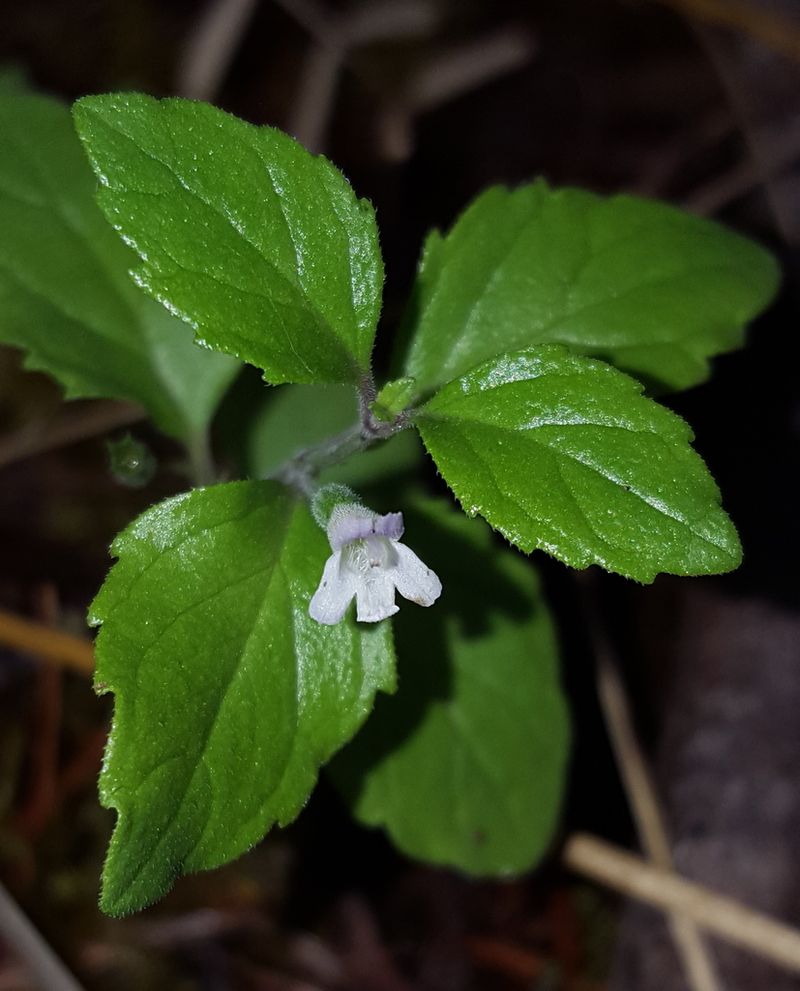
Yerba buena means “good herb” in Spanish, and this little plant more than lives up to its name. It is a native creeping mint that grows naturally in shaded, coastal areas throughout our state.
The small, round leaves have a fresh, spearmint-like fragrance that is pleasant to people but very effective at discouraging ticks.
Clinopodium douglasii, as it is formally known, is a low-growing ground cover that spreads slowly along the soil surface.
It thrives in partial shade and moist, well-drained soil, making it an excellent choice for shaded patios or garden paths that do not get full sun.
It rarely grows taller than a few inches, so it works well beneath taller plants or along shaded walkways.
The aromatic oils in the leaves are released when the plant is walked on or brushed against, which is actually an advantage in high-traffic areas.
Planting yerba buena between stepping stones or along the edges of shaded paths turns every footstep into a tick-repelling action.
It is one of the few native plants that actually benefits from light foot traffic.
Water regularly until established, then reduce watering to match natural rainfall in your area. It pairs beautifully with ferns, native grasses, and shade-loving flowers.
Beyond its pest-repelling qualities, yerba buena has long been used in herbal teas and home remedies.
Pinch a few leaves into a cup of hot water for a calming, minty brew that also supports relaxation after a long day outdoors.
7. Rosemary
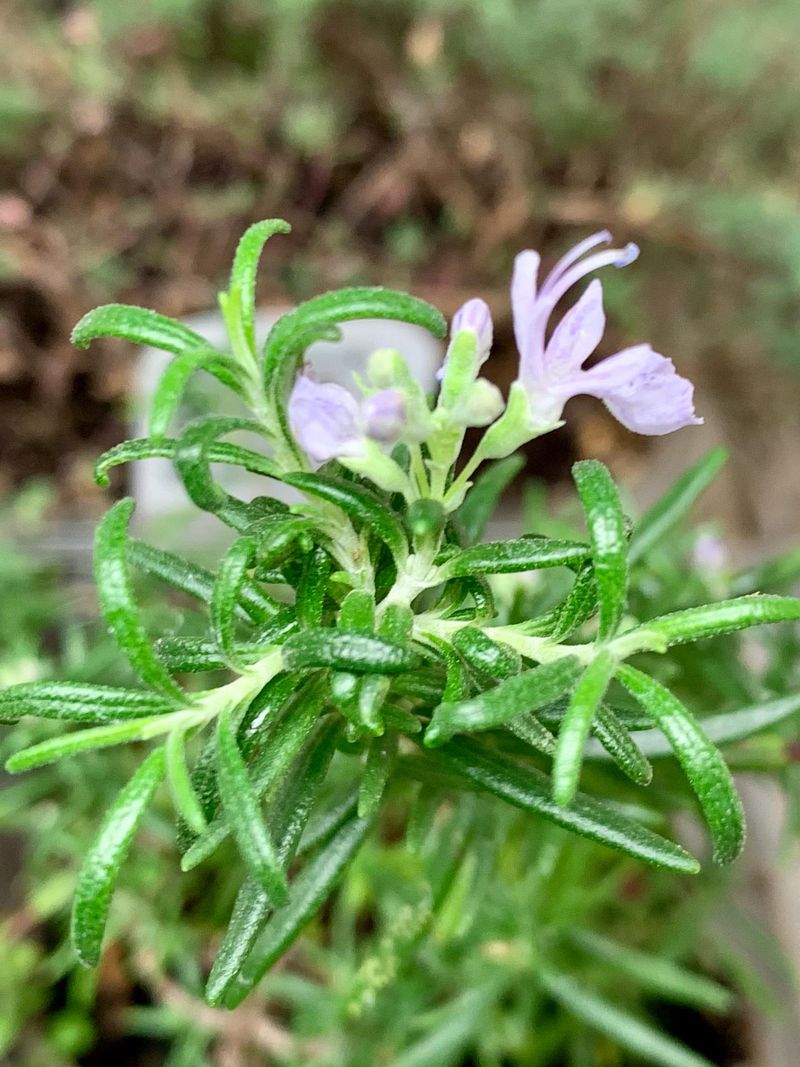
Rosemary is one of those plants that works hard in the garden without asking for much in return. Most people know it as a cooking herb, but it is also a surprisingly effective natural tick deterrent.
The needle-like leaves are packed with strong aromatic oils, including camphor and borneol, that ticks strongly dislike.
Originally from the Mediterranean region, rosemary thrives in our warm, dry climate. It loves full sun and well-drained soil and handles drought conditions very well once established.
It can grow as a low ground cover or as an upright shrub up to six feet tall, depending on the variety. This versatility makes it easy to fit into almost any garden layout.
Planting rosemary along patio borders, near outdoor seating, or along garden paths creates a fragrant line of defense.
On warm days, the plant naturally releases its oils into the air, which helps keep ticks and other pests at bay.
You can also clip a few sprigs and lay them on outdoor furniture or near doorways for extra protection.
Rosemary is also incredibly easy to care for. It does not need fertilizer and only needs occasional pruning to stay tidy.
Water deeply but infrequently, and avoid soggy soil. As a bonus, you can harvest the fresh leaves anytime for cooking.
Rosemary works beautifully alongside lavender and thyme, and the trio together creates a powerfully aromatic planting that is both beautiful and highly functional in any outdoor space.
8. Lavender
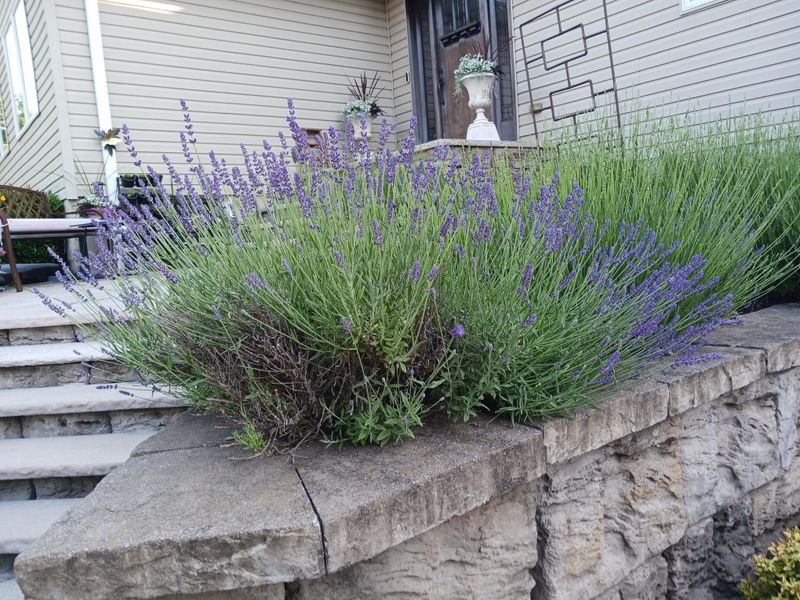
Few plants are as universally loved as lavender. The long purple flower spikes and silver-green foliage are a familiar sight in gardens across our state, and for good reason.
Beyond its beauty, lavender produces a rich, floral-herbal scent that is incredibly soothing to people and deeply repellent to ticks, fleas, and mosquitoes.
Lavandula species grow best in full sun with excellent drainage. They are highly drought-tolerant once established and thrive in the warm, dry conditions found across much of our region.
There are many varieties to choose from, including compact types for container planting and larger shrub forms that work well as low hedges along pathways and patio edges.
The linalool and linalyl acetate compounds found in lavender oil are the main reason ticks want nothing to do with this plant.
These compounds interfere with tick sensory systems, making it hard for them to navigate toward a host.
Planting lavender in clusters rather than single plants dramatically increases the aromatic effect and creates a stronger deterrent zone.
Trim lavender lightly after each bloom cycle to encourage fresh growth and maintain a tidy shape. Avoid cutting into old woody stems.
Harvest flower bundles and hang them to dry indoors, where they continue to repel pests.
Lavender also looks stunning paired with sage, and together these plants create a garden that is both gorgeous and naturally protective of your outdoor living space.
9. Thyme
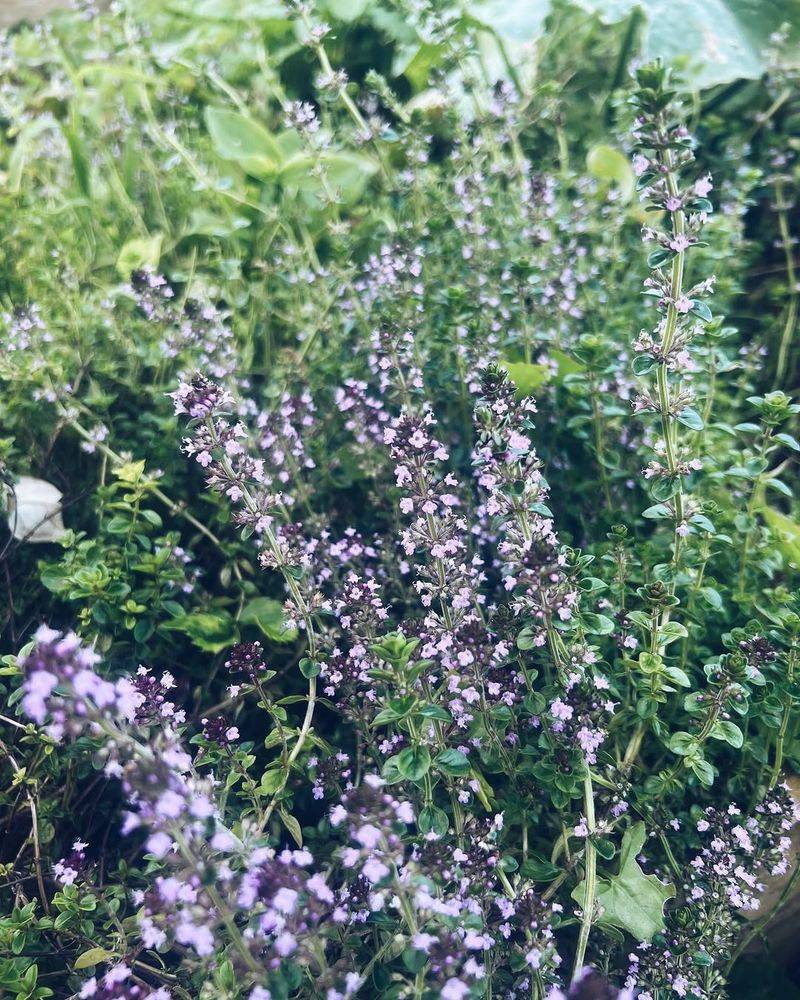
Thyme is a small plant with a big reputation. It has been used in cooking and medicine for thousands of years, and its strong, herby scent has long been associated with freshness and cleanliness.
What many gardeners do not realize is that thyme is also a very effective natural tick repellent, especially when planted in areas where people walk and sit.
Thymus vulgaris and its creeping relatives grow well in full sun and well-drained soil. They are drought-tolerant, heat-loving, and perfectly suited to the warm, dry conditions common in our state.
Creeping varieties stay very low to the ground and spread slowly, making them ideal for filling gaps between paving stones or lining garden paths.
When thyme leaves are crushed underfoot, they release thymol, a powerful natural compound that ticks and other insects avoid.
Planting creeping thyme between stepping stones or along frequently walked paths turns foot traffic into a natural pest control method.
Every step activates the plant and releases its protective scent into the surrounding area.
Thyme needs very little care once established. Trim it lightly after flowering to keep it compact and encourage fresh, fragrant new growth.
It pairs wonderfully with other low-growing herbs like oregano and can be combined with lavender for a colorful, aromatic border. As a bonus, you can harvest thyme for cooking anytime.
Fresh thyme adds amazing flavor to roasted vegetables, soups, and grilled meats, so this plant truly earns its place in any garden.
10. Oregano

Oregano is a kitchen staple that deserves a lot more credit as a garden protector. The strong, spicy scent that makes it such a beloved cooking herb is exactly what makes it so unwelcoming to ticks.
The aromatic oils in oregano, particularly carvacrol and thymol, are well-documented as natural insect and tick deterrents.
Origanum vulgare grows well in full sun and thrives in dry, well-drained soil. It handles heat and drought with ease, making it a natural fit for gardens in our warm, sun-heavy climate.
It grows in a bushy, spreading mound and produces small white or pink flowers in summer that attract bees and other beneficial insects to your garden.
For the best tick-repelling effect, plant oregano along garden paths, near seating areas, or at the edges of your patio.
The plant releases more of its aromatic oils when the temperature rises, so hot summer days actually work in your favor.
You can also bruise a few fresh leaves and rub them on your clothing or skin before spending time outdoors.
Oregano is incredibly easy to grow and maintain. Cut it back by one-third after it flowers to keep it bushy and productive. It spreads gradually and can fill in gaps in a border over time.
Pair it with thyme and rosemary for a powerfully fragrant, tick-deterring herb garden that also supplies your kitchen with fresh ingredients throughout the growing season.
It is truly one of the hardest-working plants you can grow.