What It Really Means When You Stop Seeing Butterflies In Your North Carolina Yard
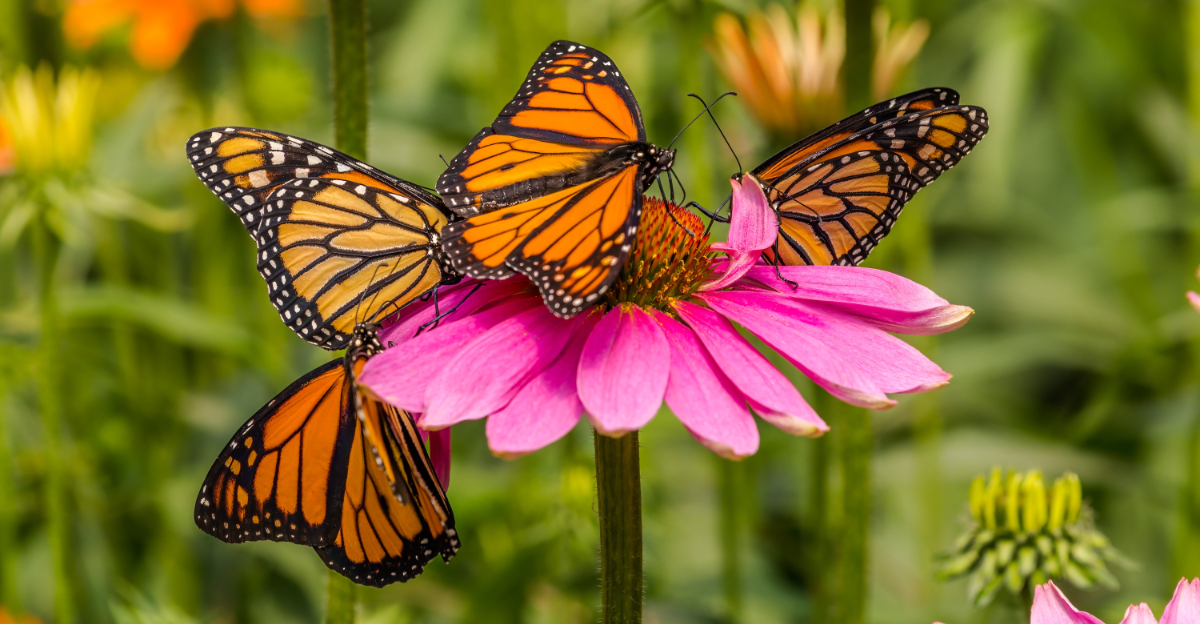
There was a time when butterflies were just part of summer in North Carolina, something you noticed without really thinking about it.
Swallowtails drifting through the yard, skippers bouncing between flowers, the occasional monarch passing through on its way somewhere more important.
Then at some point you realize you haven’t seen one in a while. Maybe a few days, maybe longer.
It’s easy to brush off, but a yard that’s gone quiet on butterflies is actually telling you something pretty specific about what’s changed in your outdoor space. Butterflies don’t disappear for no reason.
Their presence, and their absence, reflects real conditions in your landscape, some of which are easy to address once you know what you’re looking for. What feels like a small thing turns out to be a useful signal worth paying attention to.
1. Fewer Nectar Plants Are Blooming
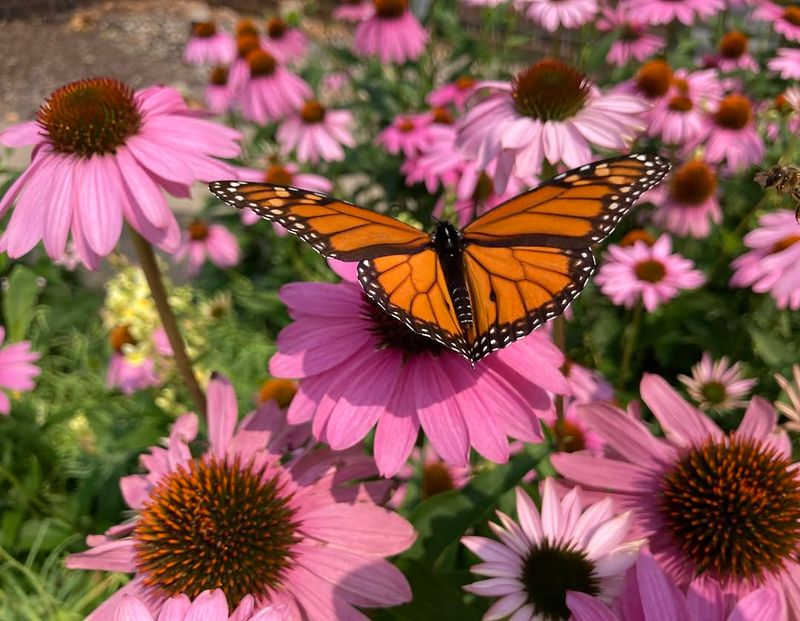
Butterflies run on a pretty simple schedule: find flowers, sip nectar, repeat. When there are gaps in your garden’s bloom cycle, butterflies simply move on to find food somewhere else.
Many North Carolina gardeners plant spring flowers without thinking ahead to summer and fall, which leaves a long stretch of the season with almost nothing for butterflies to eat.
North Carolina’s butterfly season stretches from early spring all the way through October. That means your garden needs to offer blooms across that entire window to keep visitors coming back consistently.
Plants like coneflowers, black-eyed Susans, and ironweed bloom in summer, while goldenrod and asters carry things through the fall months beautifully.
A well-planned garden that staggers bloom times creates a reliable food source from one season to the next. Think of it like keeping a restaurant open year-round instead of just for one weekend.
Adding even a few well-chosen perennials can dramatically increase butterfly traffic because you are meeting their needs exactly when they are most active.
Start by identifying which months your garden currently has no blooms, then fill those gaps with native flowering plants that thrive in your region of North Carolina.
2. Caterpillar Host Plants May Be Missing
Here is something a lot of gardeners do not realize: nectar flowers are only half the equation.
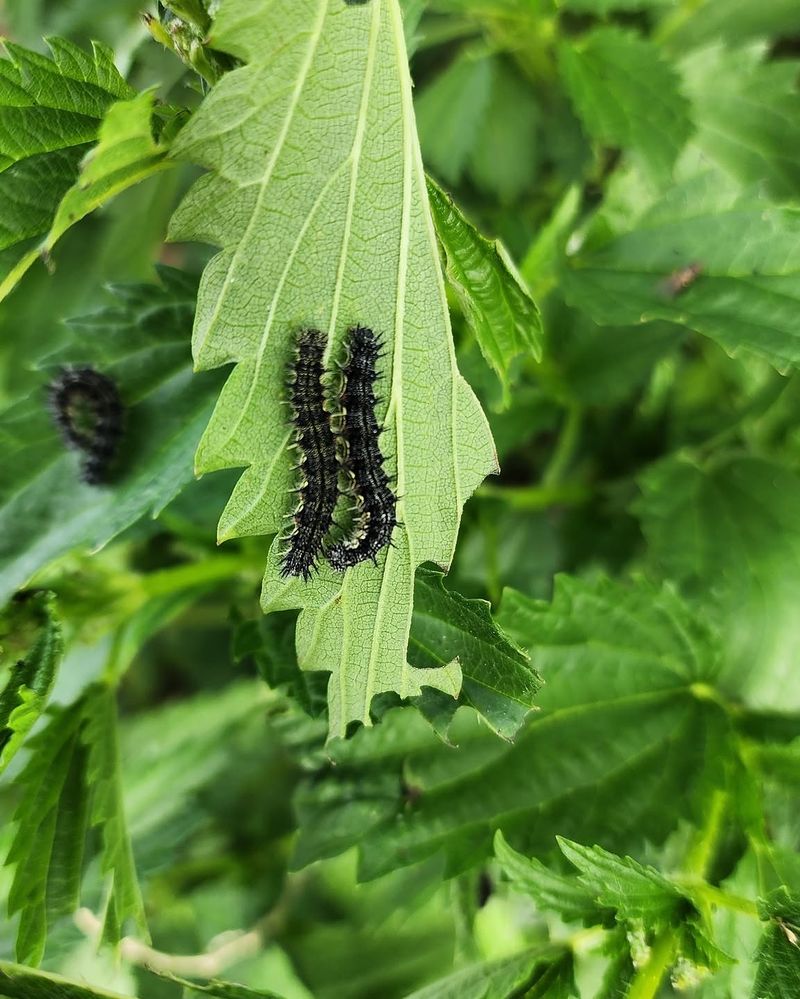
Butterflies also need very specific plants to lay their eggs on, and those plants are where caterpillars will spend their entire early lives eating and growing.
Without host plants, butterflies have no reason to stick around your yard for long. Every butterfly species has particular favorites.
Monarchs famously rely on milkweed, while black swallowtails need plants like parsley, dill, or fennel.
Spicebush swallowtails seek out spicebush and sassafras, both of which are native to North Carolina and grow beautifully in home landscapes.
If your yard only has pretty flowers but none of these host plants, you are essentially offering a rest stop with no place to actually settle down. Adding host plants does not mean your garden will look messy or overgrown.
Many of them, like passionvine or wild senna, are genuinely attractive plants that fit right into a thoughtful landscape design.
Your North Carolina Garden Changes Every Week. Your Plan Should Too.
Gardening in North Carolina changes quickly throughout the season. Every Friday you’ll receive a simple weekly plan showing exactly what to plant, prune, fertilize, harvest, and protect so you never miss the right timing.
Once you start including both nectar sources and host plants, butterflies begin treating your yard as a complete habitat rather than just a quick snack stop.
That shift alone can bring a noticeable increase in the number and variety of butterfly species you spot throughout the season.
3. Recent Heat And Drought May Be Affecting Activity
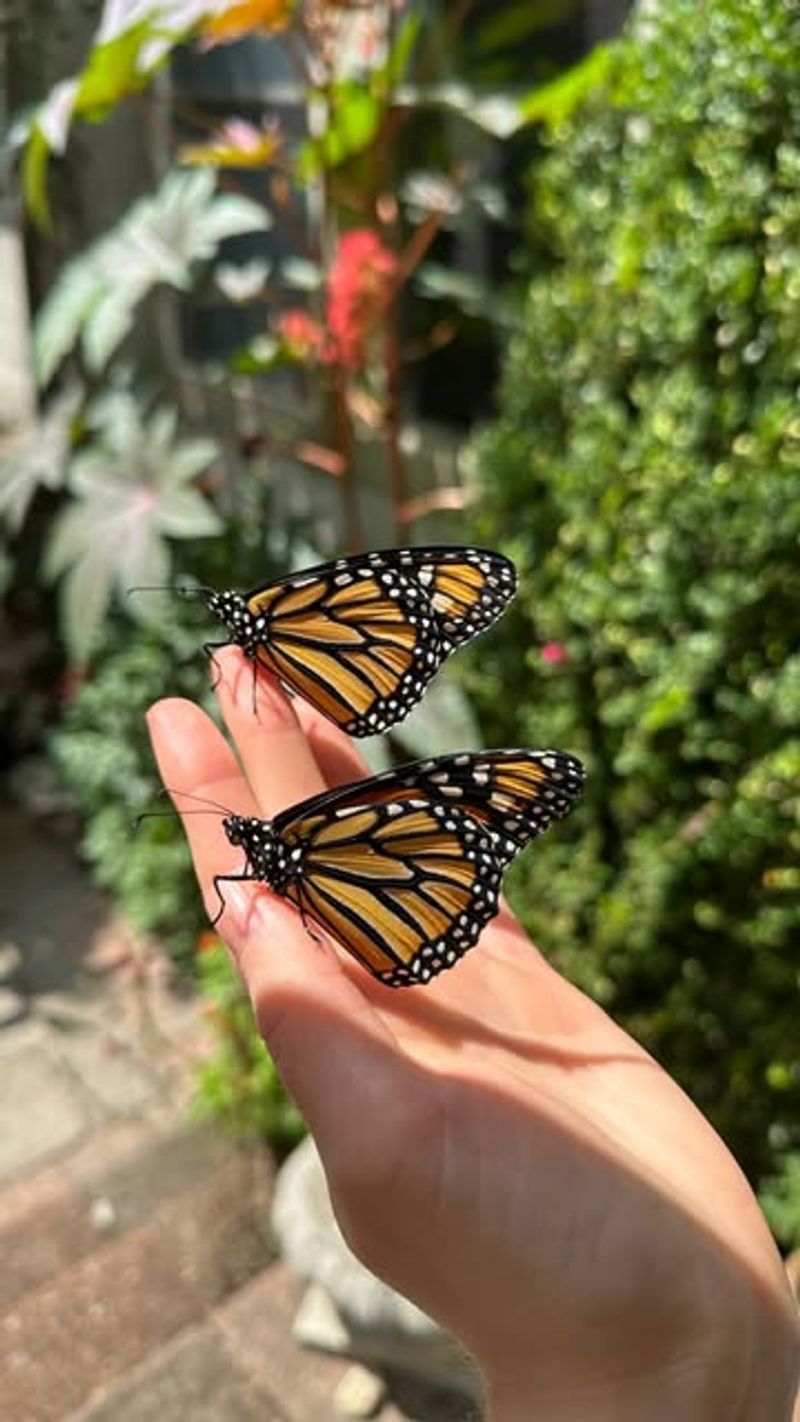
North Carolina summers can be brutal, and butterflies feel that heat just as much as you do.
During prolonged stretches of high temperatures with little to no rainfall, butterfly activity tends to drop off noticeably.
Flowers wilt, nectar production slows down, and butterflies become less active during the hottest parts of the day to conserve energy.
Interestingly, butterflies are cold-blooded, which means their body temperature is controlled by the environment around them.
They actually need warmth to fly, but extreme heat pushes them into shady, sheltered spots where they rest and wait for cooler conditions.
This is why you might notice more butterfly activity in the early morning or late afternoon during a heat wave rather than at midday. Drought also affects the plants butterflies depend on.
When nectar plants are stressed from lack of water, they produce less nectar, which gives butterflies fewer reasons to visit.
Watering your garden during dry spells is one of the most practical things you can do to maintain butterfly activity through tough stretches of summer.
Drought-tolerant native plants like butterfly weed and native salvias hold up better in dry conditions and continue producing nectar even when other plants struggle.
Keeping your plants healthy through heat and drought keeps your yard relevant for butterflies all season long.
4. Excessive Yard Cleanup Can Remove Habitat
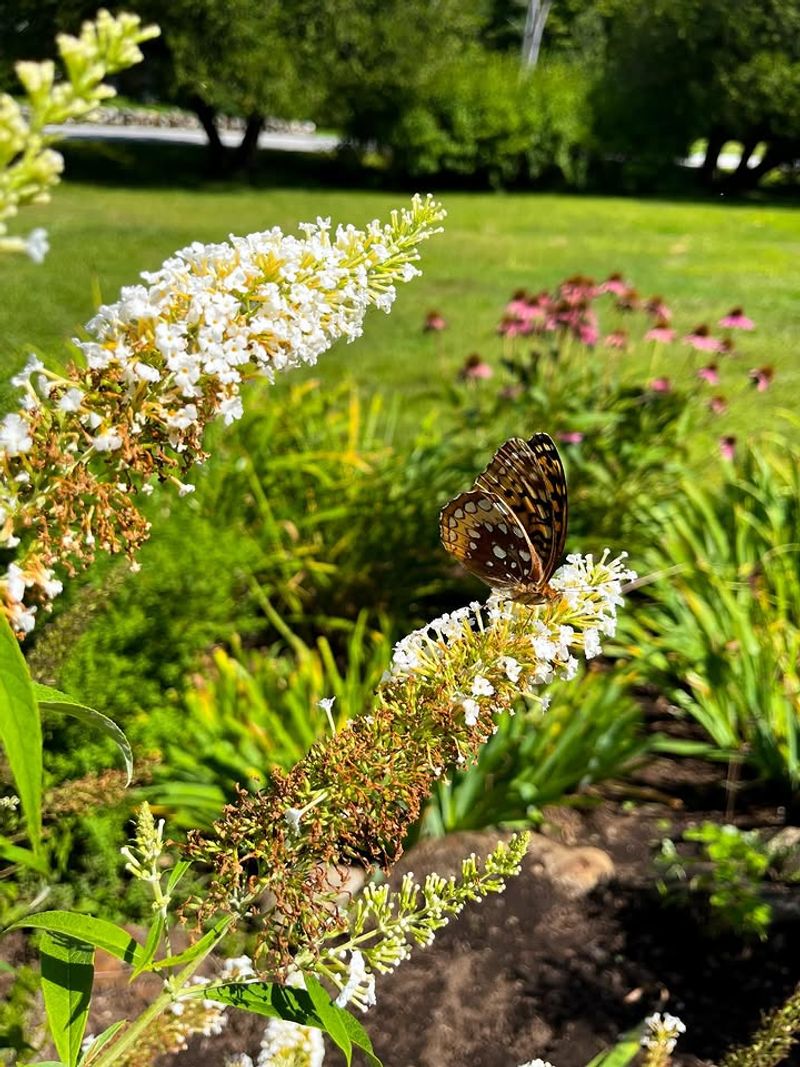
Tidying up your yard feels productive, but it turns out that too much cleanup can quietly push butterflies out of your space. Leaf litter, hollow stems, and natural debris are not just yard waste.
They are actually critical shelter for butterflies during colder months, providing protected spots where pupae and chrysalises can survive the winter safely tucked away.
Many butterfly species overwinter in North Carolina in various life stages. Some rest as chrysalises attached to stems or tucked under bark.
Others shelter as eggs hidden in leaf litter, waiting for spring warmth to trigger their next phase of development.
When you rake every leaf and cut every stem down to the ground in fall, you may be removing the very spots these creatures need to make it through to the following year.
A simple shift in your fall yard routine can make a huge difference. Try leaving stems standing until late spring rather than cutting them back in autumn.
Keep a corner of your yard with loose leaves and natural material piled lightly under shrubs or along a fence line.
These small changes cost you nothing and require almost no extra effort, yet they can support butterfly populations year after year. Your neighbors might not even notice the difference, but the butterflies absolutely will.
5. Insecticides May Be Affecting More Than Pests
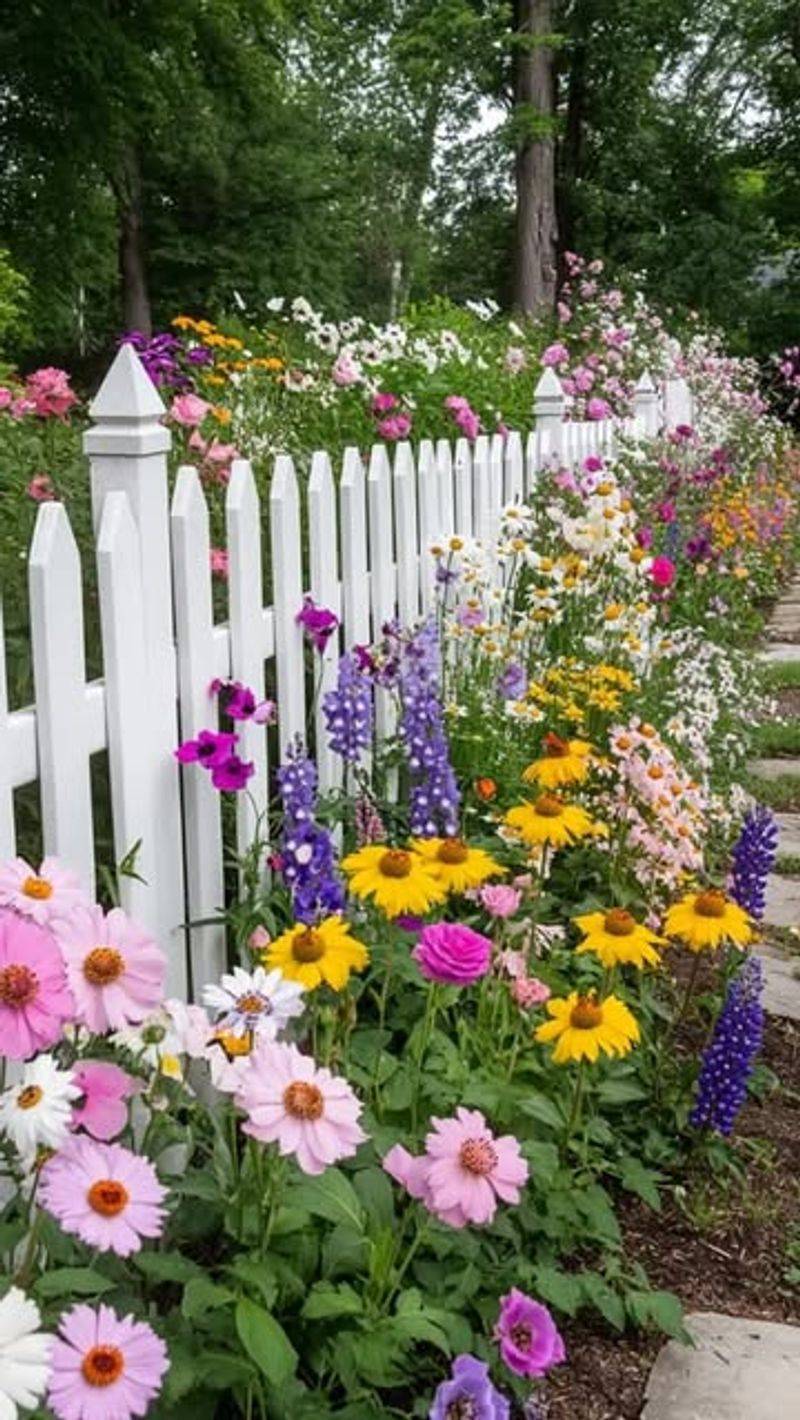
Reaching for a spray bottle when you spot garden pests is a natural instinct, but broad-spectrum insecticides do not discriminate between the bugs you want gone and the ones you want to keep.
Butterflies and their caterpillars are highly sensitive to many common pesticides, including those labeled as organic or natural.
Even one application at the wrong time can wipe out caterpillars feeding on nearby host plants.
Systemic insecticides are especially concerning because they get absorbed into the plant itself, meaning any insect that feeds on treated leaves or drinks nectar from treated flowers can be affected.
Neonicotinoids, a widely used class of systemic pesticides, have been linked to significant declines in pollinator populations across the country.
Some nursery plants sold at big-box stores are pre-treated with these chemicals, which means even a new plant can pose a risk if it has not been confirmed pesticide-free.
Switching to targeted pest management strategies makes a real difference.
Hand-picking larger pests, using insecticidal soap only on specific problem areas, and encouraging natural predators like birds and beneficial insects are all smarter approaches for a butterfly-friendly yard.
Before buying any plant for your garden, ask whether it has been treated with systemic pesticides.
Making more informed choices about what goes into your garden protects the butterflies you are trying to attract in the first place.
6. Native Plant Diversity Has Declined
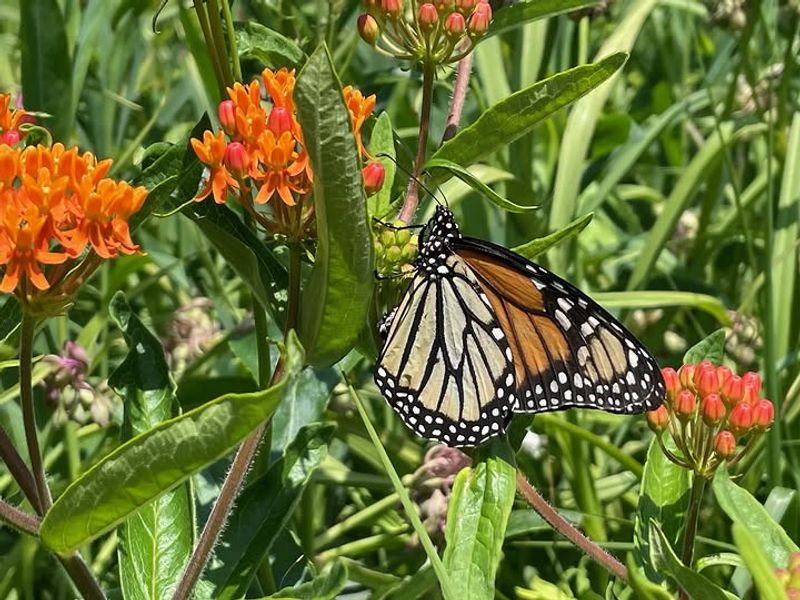
There is something quietly powerful about native plants that no ornamental hybrid can fully replace.
Butterflies in North Carolina evolved alongside specific native plant species over thousands of years, and those deep connections still drive their behavior today.
When native plant diversity in a yard declines, butterfly diversity tends to follow right along with it.
Non-native ornamental plants often look beautiful but offer very little to local butterfly populations.
Many have been bred for larger blooms or longer vase life, which sometimes means reduced nectar production or altered flower structures that make it harder for butterflies to feed.
Native plants, on the other hand, have evolved to provide exactly what local wildlife needs, from nectar composition to leaf texture that caterpillars can actually digest.
The good news is that restoring native plant diversity does not require a complete garden overhaul.
Even adding a handful of native species like wild bergamot, native violets, or Carolina phlox can noticeably increase the variety of butterflies visiting your space.
Local native plant nurseries in North Carolina often carry species that are perfectly suited to your specific region of the state, whether you are in the Piedmont, the mountains, or the coastal plain.
Each new native plant you add is essentially an open invitation to more butterfly species to move in and stay.
7. Heavy Rain Can Temporarily Reduce Sightings
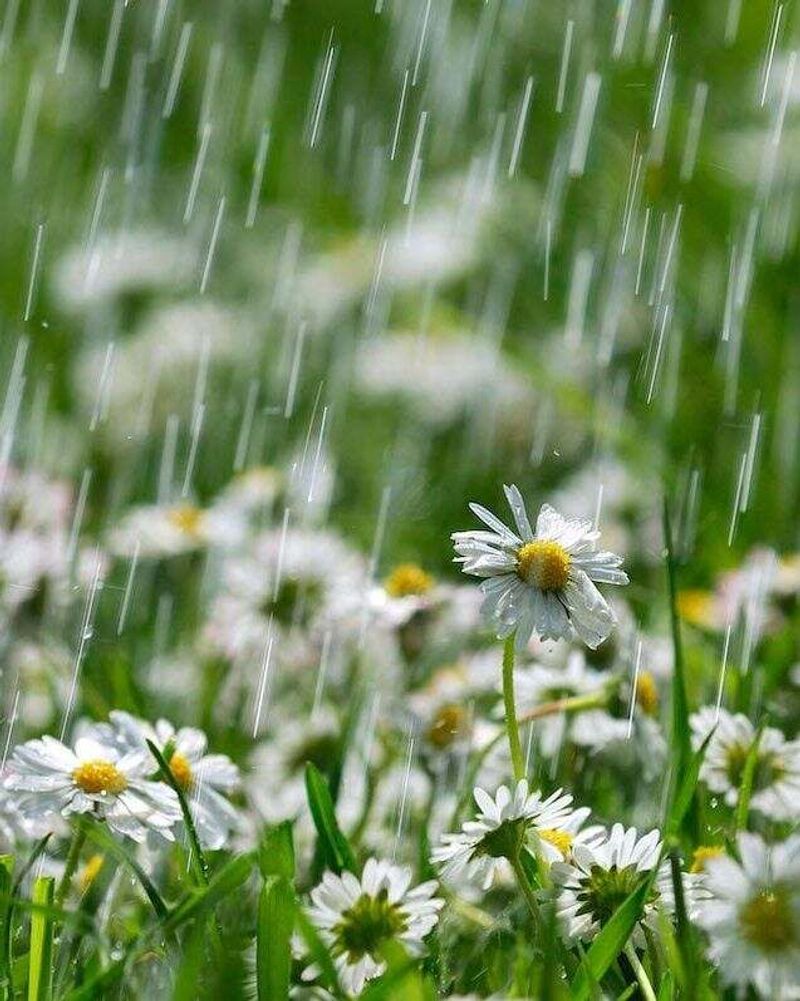
Rainy stretches can make it seem like butterflies have completely vanished, but most of the time they are simply waiting things out.
Butterflies cannot fly effectively in heavy rain because their wings are fragile and water-logged wings make flight nearly impossible.
When storms roll through North Carolina, butterflies seek shelter under leaves, in dense shrubs, or tucked into tall grasses until conditions improve.
A particularly wet spring or summer can create weeks-long gaps in butterfly sightings that feel alarming but are usually temporary.
Extended cloud cover also plays a role since butterflies rely on sunlight to warm their bodies enough for sustained flight.
Without those sunny windows, even a mild rainy period can dramatically reduce how often you see them moving through your yard.
The best thing to do during a rainy stretch is simply wait it out and keep your garden healthy.
Make sure plants are not waterlogged and that standing water drains properly, since soggy roots can stress the plants butterflies depend on.
Once the sun returns and temperatures rise back up, butterfly activity typically rebounds quickly.
If you have noticed a longer absence that extends well beyond a rainy period, that is when it makes sense to look at the other factors on this list.
Rain alone rarely causes a lasting decline in butterfly visits to a well-planted North Carolina garden.
8. Migration Timing May Have Changed
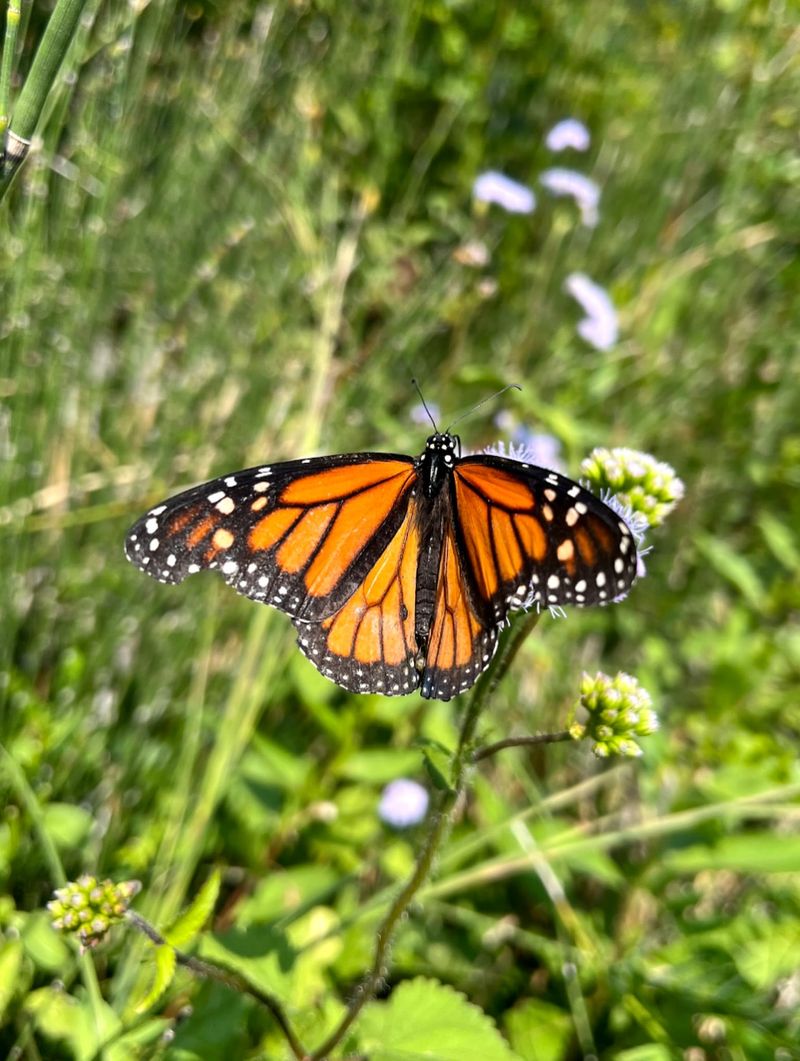
Not all butterflies in North Carolina stay put year-round. Several species, most famously the monarch, move through the state as part of broader seasonal migrations.
When the timing of those migrations shifts even slightly, it can look from a backyard perspective like the butterflies have simply stopped coming around. In reality, they may be passing through earlier or later than you expect.
Climate patterns have been gradually influencing the timing of butterfly migrations across the eastern United States.
Warmer autumns can delay the southward movement of monarchs, while unusual spring warm-ups sometimes push species northward before your garden is fully ready to support them.
These shifts do not mean the butterflies are gone permanently, but they do mean that the windows when you might spot them are becoming less predictable than they used to be.
One of the best ways to stay connected to migration patterns is to track your sightings and compare them year to year.
Programs like Journey North allow gardeners across North America to report monarch sightings and see real-time migration maps.
Planting late-season nectar sources like native goldenrod and asters ensures your yard is ready whenever migrating butterflies pass through, regardless of whether timing has shifted a week or two from previous years.
Staying flexible and well-planted gives migrating species the best chance of finding your yard useful on their journey.
9. Nearby Habitat Loss Can Affect Backyard Numbers
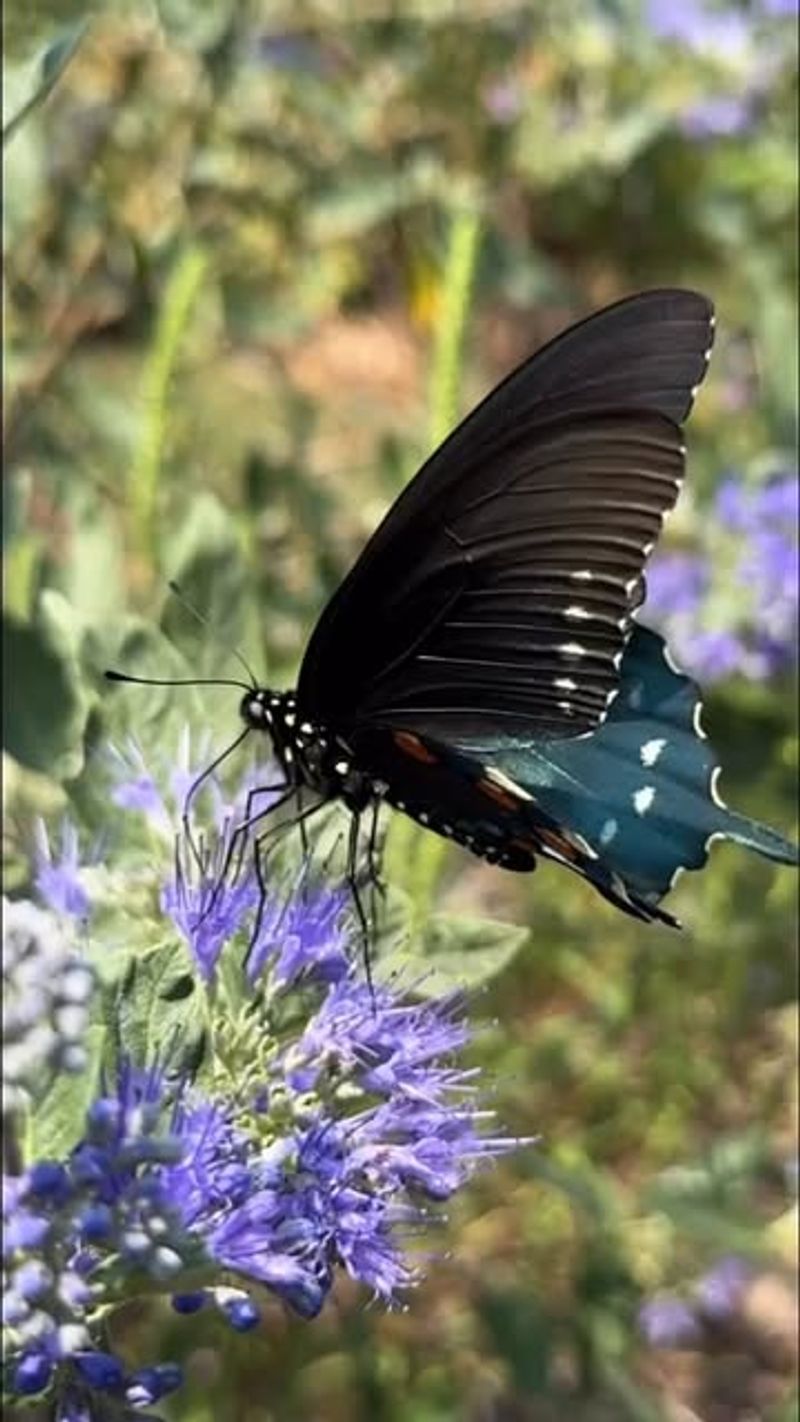
Your yard might be perfectly planted, but what happens beyond your fence matters too. Butterflies do not live in isolation within a single garden.
They move through a connected web of habitats, and when development, road construction, or land clearing removes natural areas nearby, the overall butterfly population in your neighborhood can shrink noticeably.
Fewer butterflies in the surrounding landscape means fewer showing up in your yard, even if nothing in your own garden has changed.
North Carolina has seen significant suburban expansion in recent decades, particularly in the Piedmont and Triangle regions.
Meadows, forest edges, and undeveloped lots that once supported large butterfly populations have been replaced with pavement and turf.
Each of those lost habitats represented breeding grounds, overwintering sites, and food sources that local butterfly populations depended on across multiple generations.
You cannot control what gets built around you, but you can make your yard as valuable as possible to offset those losses.
A well-planted native garden in a developed neighborhood becomes an important refuge, sometimes the only meaningful habitat available for miles.
Connecting with neighbors to encourage butterfly-friendly planting on adjacent properties amplifies the impact even further.
Local conservation organizations in North Carolina sometimes offer free native plants or garden consultations that can help turn a whole block into a connected corridor of habitat.
Every yard that joins in makes the difference more significant.
10. Predators And Parasites Are Part Of The Natural Cycle
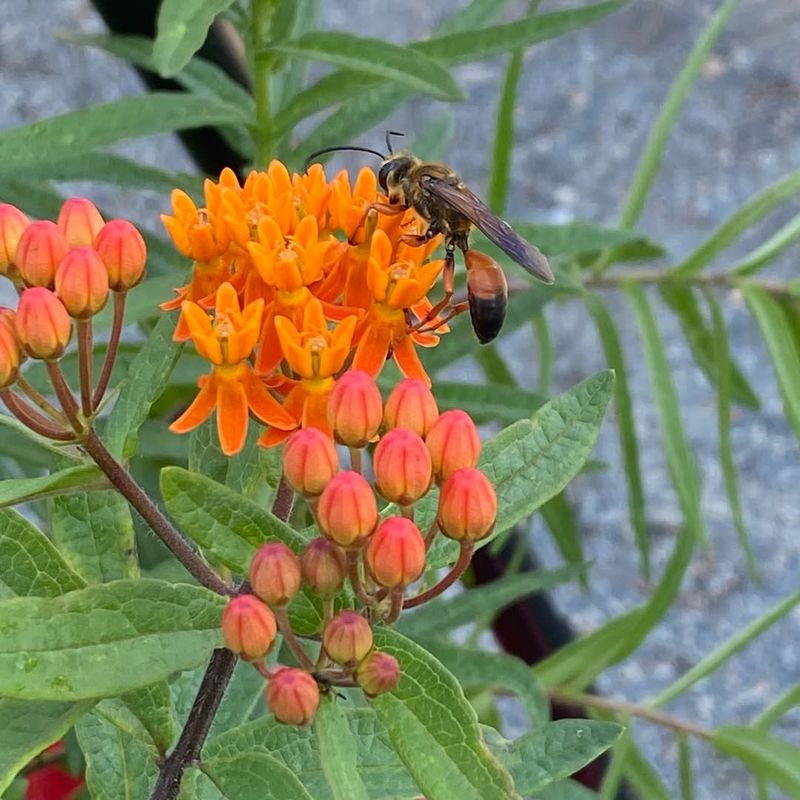
Spiders, birds, parasitic wasps, and other natural predators are a normal and healthy part of any garden ecosystem.
When butterfly numbers dip temporarily, predation is often part of the reason, and that is not necessarily a sign that something has gone wrong.
A yard that supports predators is usually a yard with a rich, functioning food web, which is actually a good thing for long-term biodiversity.
Parasitic wasps, for example, lay their eggs inside caterpillars, and their larvae develop by consuming the host.
It sounds dramatic, but these wasps play an important role in keeping caterpillar populations from exploding in ways that could damage plants.
Birds like chickadees and warblers actively hunt caterpillars during nesting season, sometimes removing large numbers from a single garden in just a few days.
These are natural checks and balances, not crises. The key distinction to watch for is whether butterfly numbers are declining gradually and consistently over multiple seasons, or simply fluctuating from week to week.
Short-term dips tied to predator activity are completely normal and tend to self-correct as populations stabilize. A steady multi-year decline is a more meaningful signal worth investigating.
Supporting a diverse garden with plenty of shelter, host plants, and native flowers gives butterfly populations the resilience they need to recover from natural predation pressures and keep thriving in your yard season after season.
11. Lawn Expansion Often Reduces Butterfly Resources
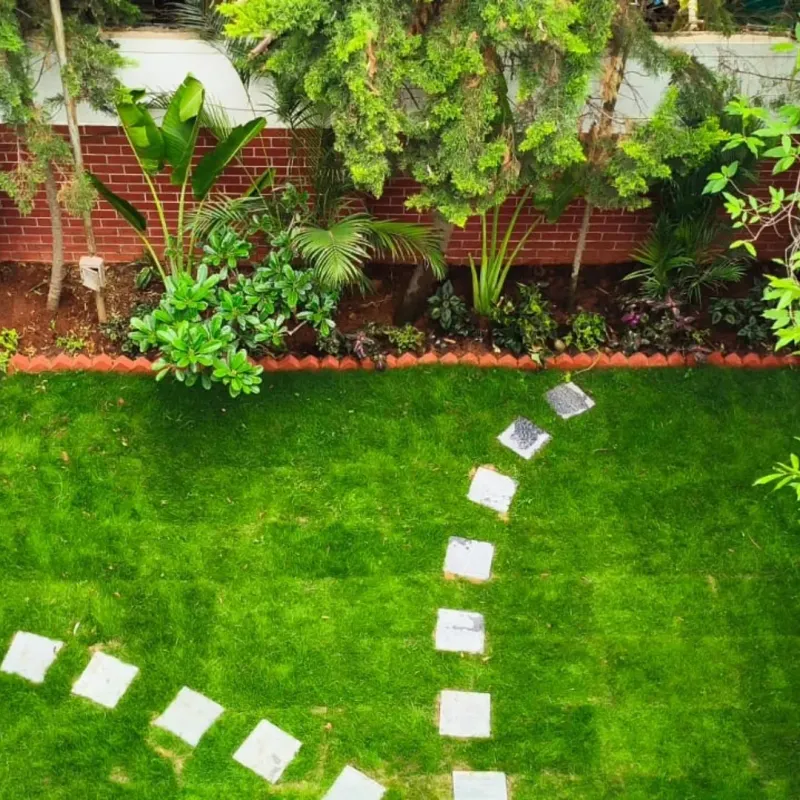
A perfectly manicured lawn might look impressive from the street, but from a butterfly’s perspective, it is essentially a food desert. Turfgrass offers no nectar, no host plants, and no shelter.
The more lawn space a yard contains, the fewer resources butterflies have available to them, and the less likely they are to spend time there.
It is a straightforward equation that shows up clearly in yards where lawn has gradually replaced garden beds over the years.
Lawn expansion has been one of the quieter drivers of pollinator decline across American suburbs.
As homeowners prioritize low-maintenance grass over planted beds, the cumulative effect across entire neighborhoods can be substantial.
Butterflies that once moved through a patchwork of flowering yards now encounter stretches of turf with nothing to offer, making it harder for them to find the consistent food and habitat they need.
Replacing even a small section of lawn with a native plant garden can have a surprisingly big impact.
A 10-by-10-foot bed filled with milkweed, coneflowers, and native grasses provides far more butterfly value than the same area of grass ever could.
Lawn-to-garden conversion projects have become increasingly popular in North Carolina, with some municipalities even offering incentives for homeowners who reduce turf and add native plantings.
Starting small is perfectly fine. One garden bed at a time is all it takes to start shifting the balance back in favor of butterflies.