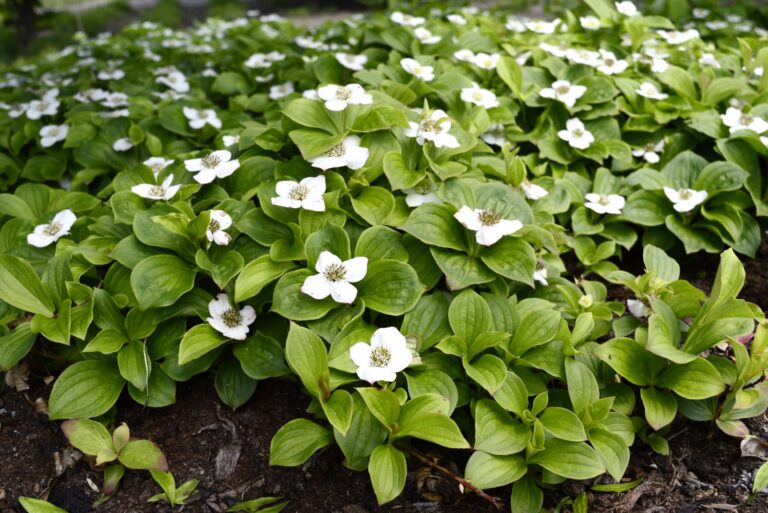
The Oregon Native Evergreen To Plant Under Shrubs Instead Of Pachysandra
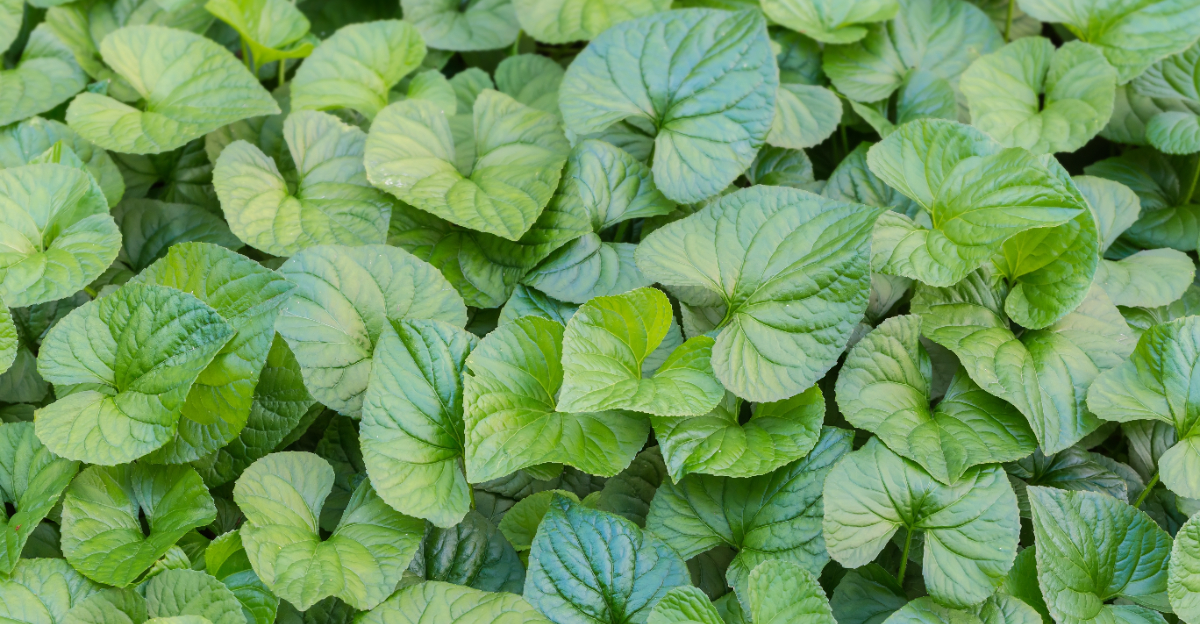
Pachysandra has been quietly failing you under every shaded bed you’ve trusted it to fill. Nobody warns you how thin and patchy it gets when summer heat settles into Oregon gardens.
Beneath that disappointment sits an alternative you’ve probably walked past without noticing. Oregon growers have swapped it in for years, and you’re only now catching on.
Spice rises from its leaves the moment you brush against them, a detail no plant tag bothers to print. Heart-shaped foliage spreads across your soil fast enough to smother weeds before you even reach for a trowel.
Native resilience like this rarely shows up in anything you can buy at a big-box nursery. Texture, fragrance, and toughness converge in a groundcover most Oregon gardeners are only starting to trust.
You won’t look at your bare, struggling beds the same way again after you see what’s been thriving wild the whole time.
Why This Native Groundcover Beats Pachysandra In Oregon Shade
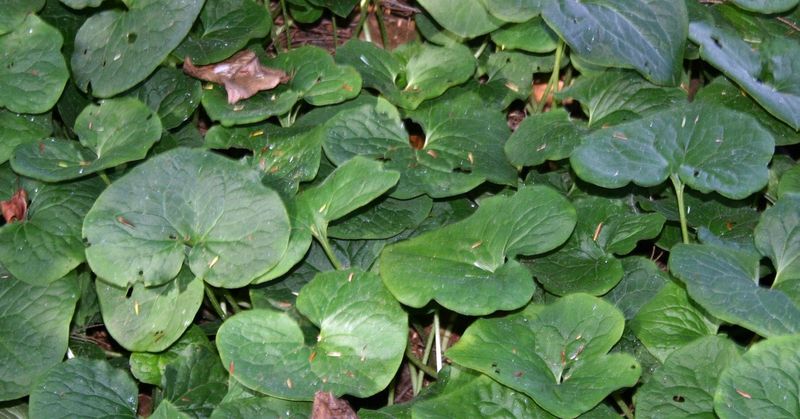
Pachysandra gets all the hype, but wild ginger earns the loyalty. Gardeners who switch rarely look back, and the reasons stack up fast.
This resilient groundcover goes by the botanical name Asarum caudatum, though most gardeners simply call it wild ginger. It grows naturally under forest canopies across the Pacific Northwest, which means it already knows how to handle deep shade and root competition.
Pachysandra, by contrast, is an import that never evolved alongside Pacific Northwest soil or rainfall patterns. It often needs extra attention to establish well in the region’s damp, acidic soil.
Wild ginger asks for almost nothing once it settles in. Its heart-shaped, glossy leaves form a dense mat that blocks weeds without smothering nearby shrub roots.
The texture is richer and more interesting than Pachysandra’s flat, uniform look. The rich texture draws attention long before anyone notices the shrubs growing above it.
From an ecological standpoint, wild ginger supports local insects and soil organisms that evolved alongside it. Pachysandra supports very little of the local food web.
Choosing a native groundcover is not just a trend. It is a practical decision that reduces your garden’s maintenance load while building healthier soil over time.
Wild ginger also handles the heavy rainfall and mild winters of western Oregon with little sign of rotting or thinning. That resilience alone makes it a smarter pick than most imported alternatives.
Where It Thrives Best Around Established Shrub Roots
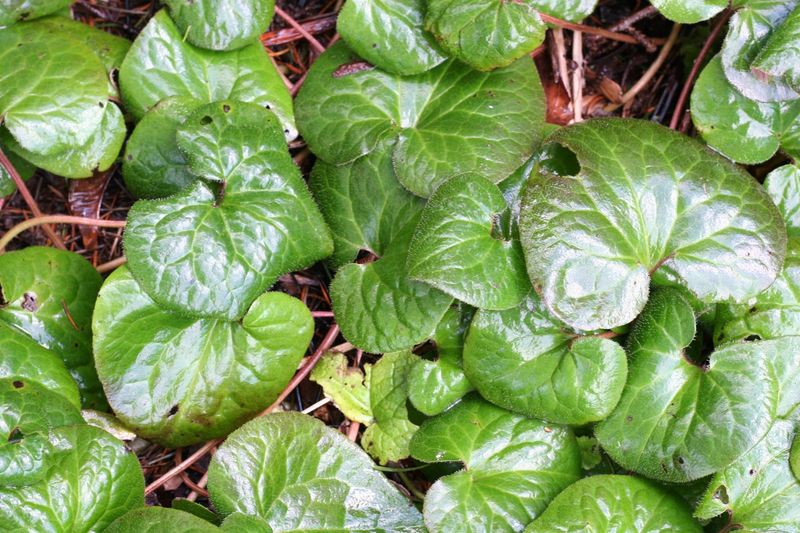
Root competition is where most groundcovers give up. Wild ginger is stubborn in the best possible way.
Established shrubs like rhododendrons, azaleas, and Oregon grape create dense root networks near the soil surface. Most plants struggle to push through that tangle, but wild ginger spreads by shallow rhizomes that weave between existing roots without fighting them.
The sweet spot for wild ginger is a spot that receives morning light and afternoon shade. North-facing beds under large deciduous or evergreen shrubs are ideal growing zones.
Soil moisture matters more than soil type. Wild ginger prefers consistently moist, humus-rich ground, which is exactly what collects under mature shrubs that drop leaves each fall.
Your Oregon Garden Changes Every Week. Your Plan Should Too.
Gardening in Oregon changes quickly throughout the season. Every Friday you’ll receive a simple weekly plan showing exactly what to plant, prune, fertilize, harvest, and protect so you never miss the right timing.
If your shrub bed has dry pockets near a fence or wall, amend those areas with compost before planting. A two-inch layer of leaf mulch helps retain the moisture wild ginger craves between rain events.
Avoid planting it in spots with standing water or clay that drains poorly. Wet feet for extended periods will cause the rhizomes to rot before the plant ever gets established.
Slopes under large conifers are another great location. The canopy shields wild ginger from drying winds, and the naturally acidic needle duff breaks down slowly, enriching the soil over time.
Once you find the right microclimate, wild ginger fills in steadily and confidently. It adapts quickly to its surroundings, making it one of the more self-sufficient groundcovers available.
How Wild Ginger Spreads Without Becoming Invasive
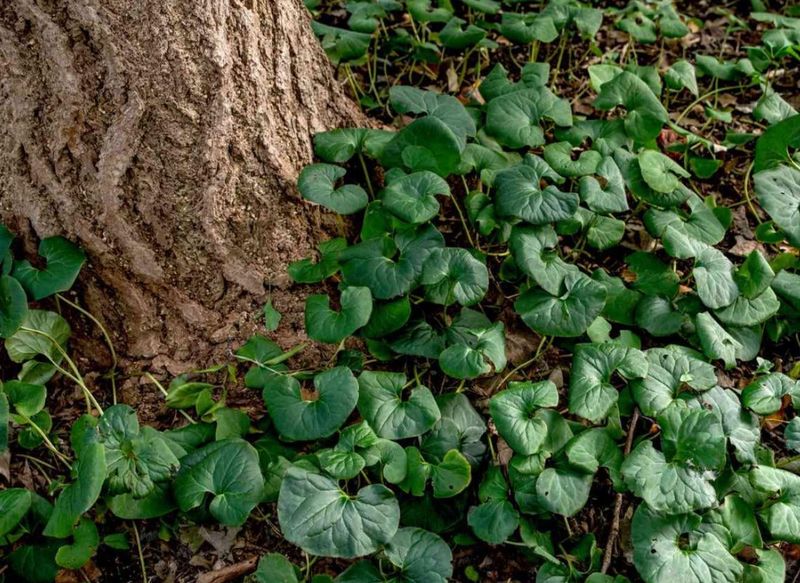
Some groundcovers spread aggressively and take over entire beds within a season. Wild ginger spreads like a good neighbor, steady and respectful of boundaries.
Asarum caudatum expands through underground rhizomes that creep outward at a slow, predictable pace. Unlike English ivy or bishop’s weed, it does not launch aggressive runners that leap over borders or climb structures.
In a typical season, a single clump expands about six to twelve inches outward. That pace gives you real control over where the plant goes and how fast it fills a bed.
Wild ginger does not self-seed prolifically the way some natives do. Its flowers are tiny, hidden under the leaves at soil level, and pollinated mainly by ground-crawling insects rather than wind or birds.
That low seed dispersal means it stays where you put it. You can edge the bed once a year and keep wild ginger neatly contained without any herbicide or aggressive intervention.
For gardeners who want faster coverage, simply divide existing clumps every two to three years. Replanting divisions fills gaps quickly and keeps the groundcover looking thick and lush.
Its popularity comes down to one simple trait: it grows without drama. It does not need barriers, chemicals, or weekly monitoring to stay in check.
That calm, controlled spread is what makes wild ginger a trustworthy long-term investment for most shade gardens. Plant it once, guide it gently, and enjoy it for decades.
Signs Your Shade Bed Is Ready For A New Groundcover
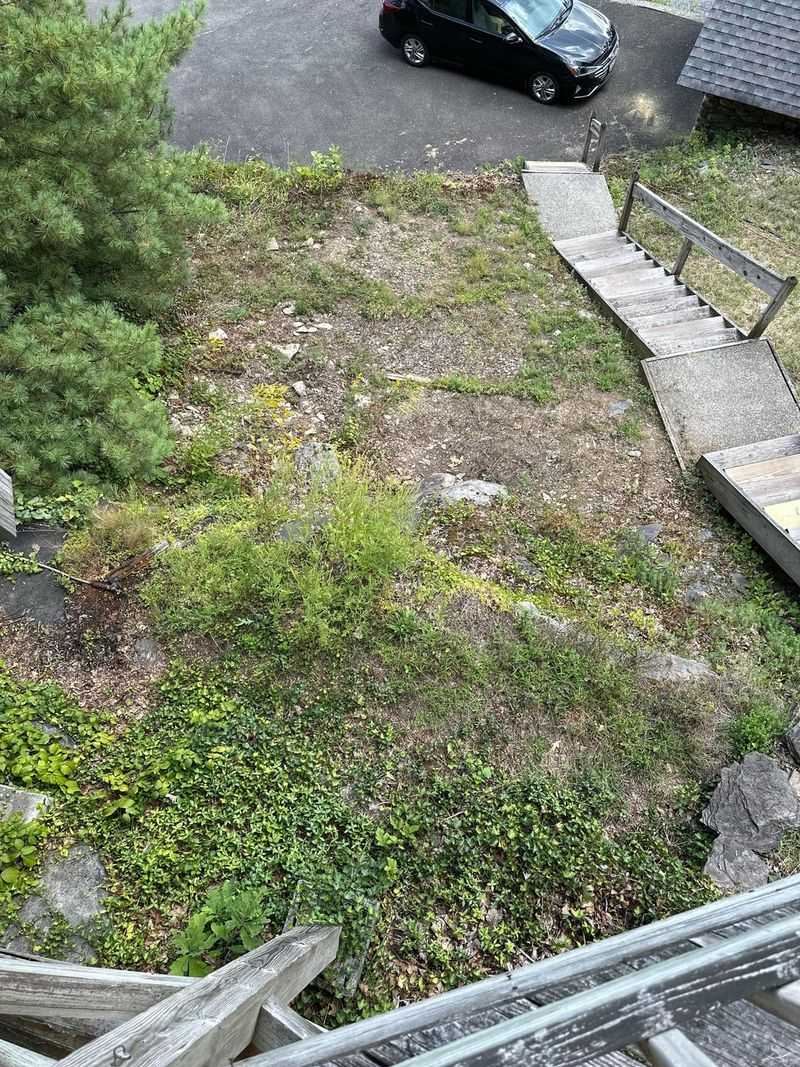
Your garden sometimes tells you it needs a change before you are ready to listen. Knowing the signs saves you a season of frustration.
Bare patches where groundcover used to grow are the clearest signal. When Pachysandra starts thinning without an obvious cause, it usually means the soil conditions have shifted beyond what that plant can handle.
Check for dense surface roots from nearby shrubs. If you can see a web of roots when you scratch the soil, a tougher native like wild ginger will outperform most non-native alternatives you try.
Yellowing leaves on your current groundcover point to nutrient competition or pH imbalance. Native plants adapted to local soil chemistry tend to handle those fluctuations far better than imported species.
Standing water after rain is another red flag, but not for wild ginger. If your bed drains within a few hours, wild ginger can handle it. If water sits for a full day, address drainage before planting anything new.
Weeds popping up between groundcover plants mean the canopy is too thin. A healthy mat of wild ginger closes those gaps and shades out opportunistic weeds without any help from you.
If you have been replanting the same struggling species every few years, that cycle is a strong sign it’s time for a change. Persistence without results is not dedication, it is a signal to try something better suited to the space.
Wild ginger thrives in the same conditions that wear down many other plants. That is the clearest sign it belongs in your shade bed.
Planting And Spacing Tips For Filling In Under Shrubs
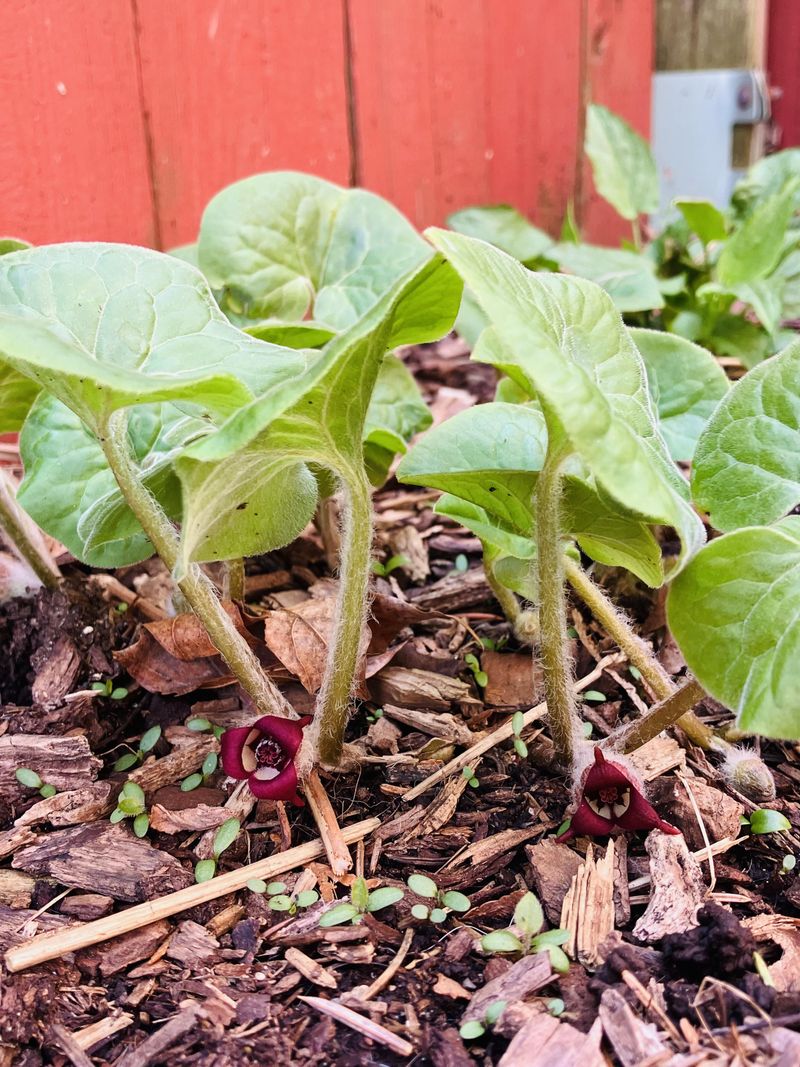
Getting the spacing right the first time saves you from replanting headaches down the road. Wild ginger rewards a little upfront planning with years of low-effort beauty.
Start by clearing the bed of weeds and any dry plant material. Loosen the top four inches of soil with a garden fork, being careful not to damage the shrub roots running just below the surface.
Mix in a two-inch layer of compost before planting. This boosts organic matter and helps retain moisture during the dry spells between Oregon’s rainy seasons.
Space wild ginger plants twelve to eighteen inches apart for moderate coverage within two to three seasons. If you want faster results, tighten the spacing to ten inches and use division from established plants to stretch your budget.
Plant at the same depth the starts were growing in their nursery pots. Planting too deep buries the growing tips of the rhizomes and slows establishment significantly.
Water deeply right after planting and then again every few days for the first three weeks. Once roots anchor into the surrounding soil, wild ginger becomes largely self-sufficient in typical Pacific Northwest conditions.
Mulch around new starts with shredded leaves or bark to hold moisture and regulate soil temperature. Keep mulch pulled back slightly from the plant crowns to prevent rot at the base.
This native groundcover fills in beautifully when given a strong start. A little patience in year one pays off with a fuller, healthier bed by year two.
Caring For This Groundcover Through Oregon’s Wet Winters
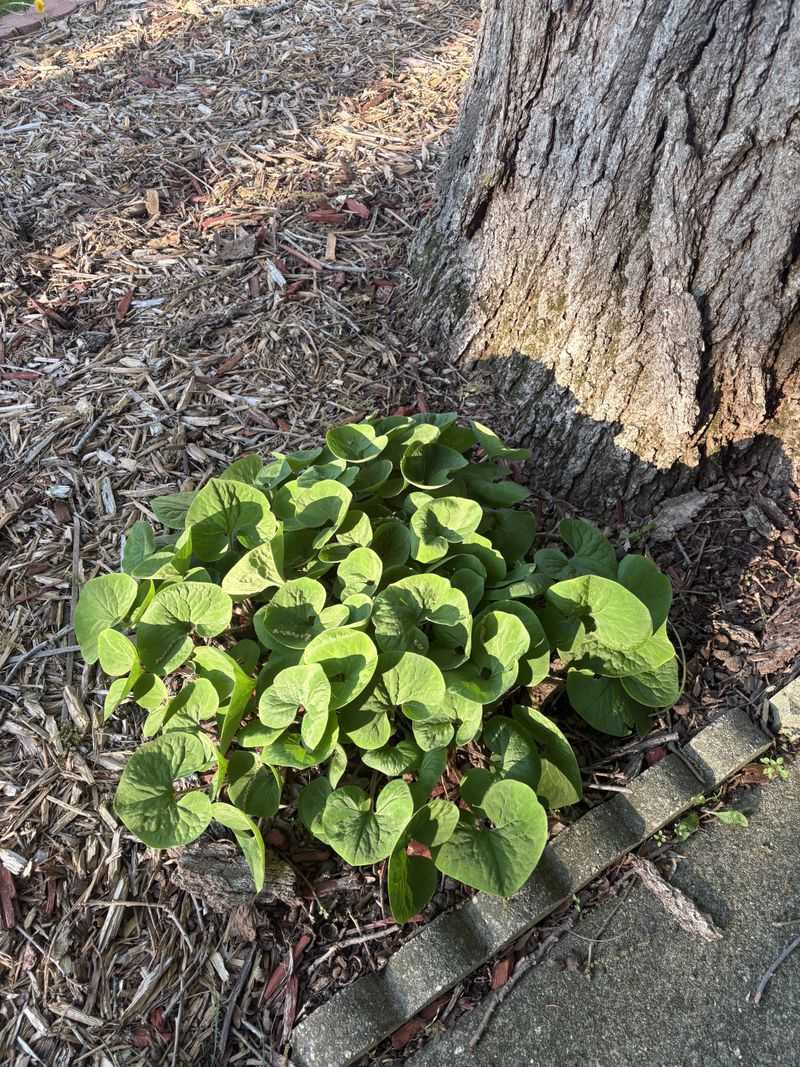
Oregon winters can be relentless, with weeks of gray skies and soaking rain. Wild ginger handles most of it without flinching.
Unlike many groundcovers that look ragged by February, wild ginger stays glossy and green through the coldest months. Its thick, waxy leaves shed water efficiently and resist the fungal issues that plague less-adapted plants in wet conditions.
Little to no special winter prep is needed for established plants. Skip the extra mulching rituals you might perform for Pachysandra, because wild ginger insulates itself naturally through its dense leaf mat.
Slugs are the main challenge during wet months. A ring of coarse sand or iron phosphate bait around new plantings discourages slug damage without harming birds or beneficial insects.
Avoid cutting back foliage in fall. The leaves protect the rhizomes below from temperature swings and provide habitat for ground beetles that prey on common garden pests.
If heavy rain washes mulch away from plant crowns, top it up in early November. A light refresh of leaf mulch is all the seasonal care most established beds need.
Come spring, a light hand-weeding session and a thin layer of compost are enough to refresh the bed. Wild ginger responds to that small gesture with a fresh flush of new growth.
This tough little evergreen earns its place every single winter. It holds its color through February when most other groundcovers have gone dormant or ragged.