What Michigan Gardeners Should Do With Japanese Anemone After It Finishes Blooming
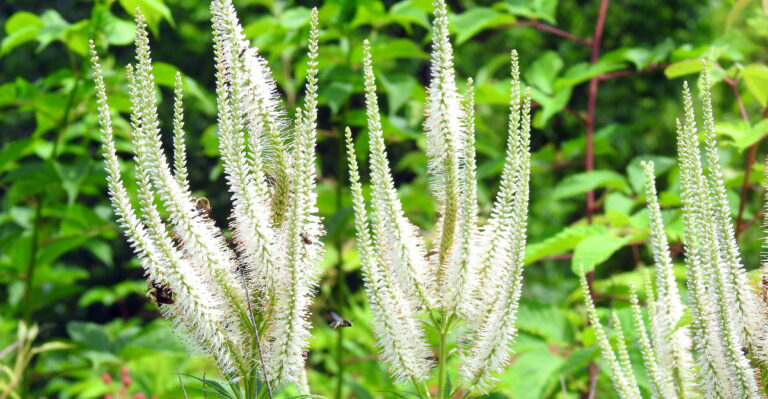
The fluffy white puffs left behind on certain fall flowers look exactly like cotton balls glued to wire stems. Each tiny tuft holds seeds built to ride the wind, which helps explain why the plant is nicknamed windflower.
I love walking past them on a frosty Michigan morning. The petals are gone, yet the stems still sway like they have somewhere to be.
You might be tempted to grab the pruners the second the color fades. I get it, because a tidy bed feels good after a long season. Personally, I have learned that a little patience pays off with these graceful bloomers, and a few smart moves now can shape next year’s show.
So what happens to those swaying stems once the show ends? Should they stay, go, or get a cozy blanket before the snow flies? The answers are simpler than you think, and a bit surprising.
Those Cottony Anemone Seed Heads Are Worth a Second Look
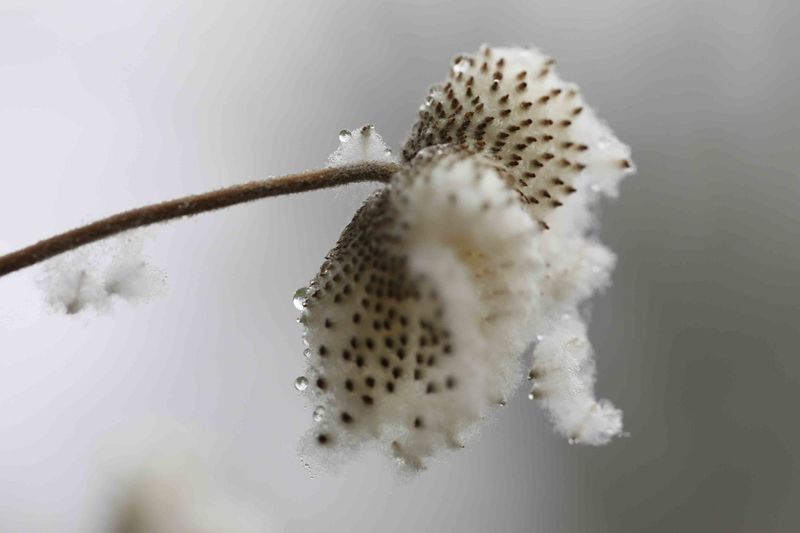
Once the last pink or white petals drop, Japanese anemone leaves behind round seed heads that burst into soft, woolly tufts. They look a lot like tiny cotton balls perched on tall, wiry stems.
You get a real choice here, and both options are fine. Leaving the seed heads standing adds texture to a quiet fall bed, and they catch frost beautifully on cold mornings.
The sturdy stems around them can also give some shelter to overwintering insects. Many native bees and beneficial bugs look for plant debris and stems to tuck into during winter, so a less tidy bed can help them.
Here in Michigan, bloom often runs from late August into October, and a hard frost usually ends the show. After that, the foliage blackens and slumps, but the seed heads often hold up for weeks.
I like to leave a few clumps alone and clean up others. That way, I get some winter interest without the bed looking messy near the front walk.
Take a minute to decide what matters more in each spot. Wildlife value and winter charm sit on one side, and neatness plus fewer seedlings sit on the other.
Snip Faded Windflower Stems If You Want Fewer Surprise Seedlings
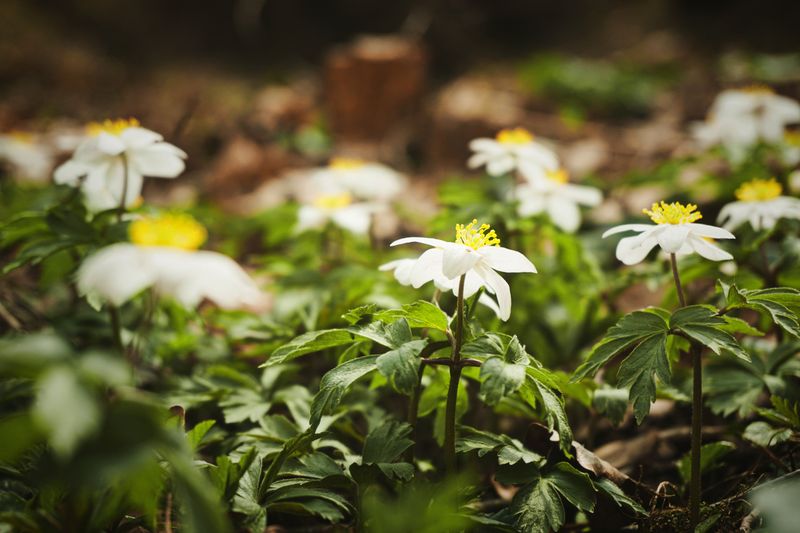
Spent flowers are the easiest thing to handle after blooming ends. A quick snip removes them before they turn into fluffy seed puffs that drift around your yard.
Cut each faded flower stem back to just above a leafy section or down near the base of the flowering stalk. Clean, sharp pruners make the job faster and leave neater cuts that are less likely to tear.
Why bother? Some Japanese anemone types can self-sow, though many popular hybrids set little viable seed. Removing flower heads early reduces the chance of extra plants showing up where you never wanted them.
Timing helps, too. If you remove while a few late buds are still opening in September, the plant can keep putting energy into the flowers it has left instead of seed.
Your Michigan Garden Changes Every Week. Your Plan Should Too.
Gardening in Michigan changes quickly throughout the season. Every Friday you’ll receive a simple weekly plan showing exactly what to plant, prune, fertilize, harvest, and protect so you never miss the right timing.
Once a hard freeze hits, there is no rush. The plant has finished for the year, and snipping is mostly about looks and seed control.
Toss the clippings in your compost pile if the plant looked healthy. If you noticed spotted or mildewed leaves this summer, bag those pieces instead so problems are less likely to return in spring.
Cutting Anemone Foliage Back Can Wait Until Late Fall or Spring
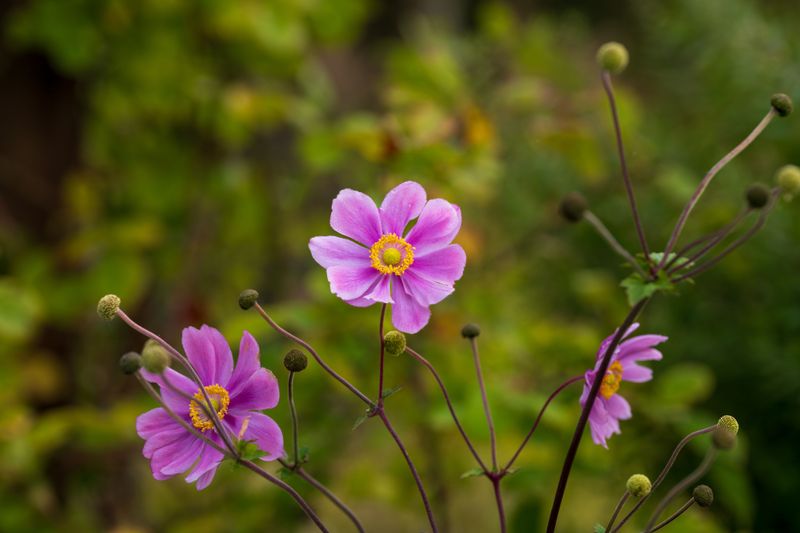
Patience is a gardener’s secret weapon with this plant. The main cutback of stems and leaves works best after frost blackens the foliage, or you can wait until early spring.
When you are ready, cut the stems down to about 2 to 4 inches above the soil. That short stubble marks where the crown sits so you will not accidentally dig into it next year.
Fall cleanup gives you a tidy bed and removes leaves that may carry fungal spots. Spring cleanup lets the old growth trap snow and leaves, which adds a bit of natural insulation around the crown.
Many Michigan gardeners in colder areas, like the Upper Peninsula and northern Lower Peninsula, lean toward waiting. Extra cover can make a difference when winter winds sweep across open beds.
If you choose spring, try to finish before new shoots get tall. Working around fresh growth is fiddly, and you risk snapping tender stems.
Personally, I split the difference. I remove anything soggy or diseased in November and leave clean, upright stems standing until March or April, when the soil starts to wake up.
Fall Leaves Make a Cozy Mulch Blanket for Anemone Crowns
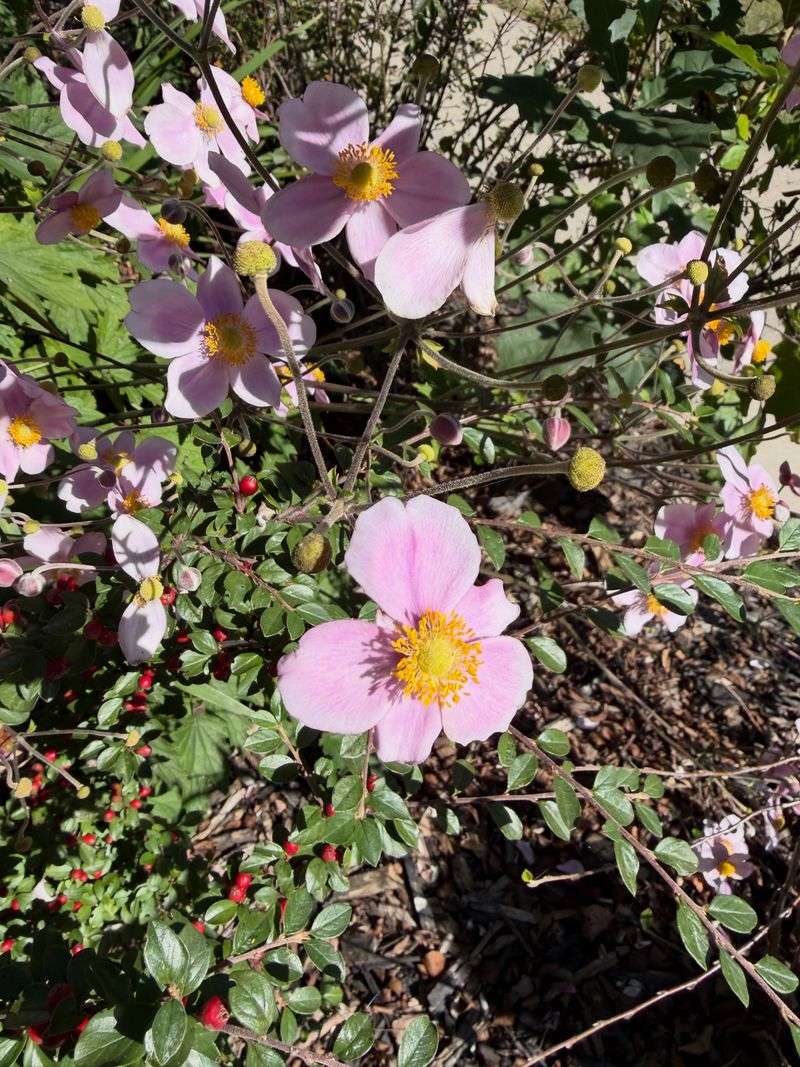
Those leaves raining down from your maple trees are free winter protection. Spread a 2 to 3 inch layer of shredded leaves, straw, or compost around your anemones after the ground starts to get cold.
Japanese anemones are generally hardy in USDA zones 4 or 5 through 8, depending on the variety. Most of Michigan falls in zones 4 through 6, so some plants sit near the edge of their comfort range.
Mulch helps the soil stay at a steadier temperature. That matters because repeated freezing and thawing can push young roots up out of the ground, a problem called frost heaving.
Newly planted clumps benefit most. A first-year plant has not built a deep root system yet, so it needs extra help getting through its first winter.
Keep the mulch loose and avoid piling it into a thick wet mound right on the crown. Heavy, soggy layers can hold too much moisture and invite rot.
Shredding leaves with a mower first keeps them from matting down. In spring, pull the mulch back a little as shoots appear so the soil can warm up.
Soggy Winter Soil Is Tougher on Japanese Anemone Than Cold
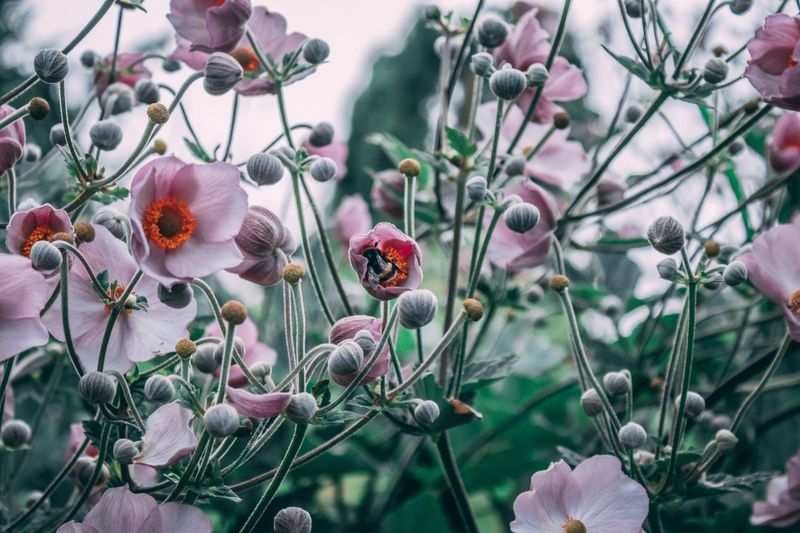
Plenty of gardeners blame the cold when an anemone fails to return. Wet soil in winter is often the bigger culprit.
These plants like soil that stays evenly moist during the growing season but drains well. Heavy clay that holds water through late fall and early spring can cause the roots and crown to rot.
Parts of southeast Michigan have dense clay soils, so watch for puddles in your beds after a fall rain. If water sits for hours, that spot may be too wet for winter.
Mixing compost into the soil around the plant can improve drainage over time. You can also note the location and plan to move the clump to a slightly higher spot in spring.
Fall watering still has a place, though. If autumn turns dry, give plants a deep drink before the ground freezes so roots go into winter with steady moisture.
Skip fertilizer at this time of year. Feeding late encourages soft new growth that will not toughen up before cold weather, and the plant is trying to rest anyway. Save that boost for spring compost instead.
Wandering Anemone Rhizomes Need a Little Spring Supervision
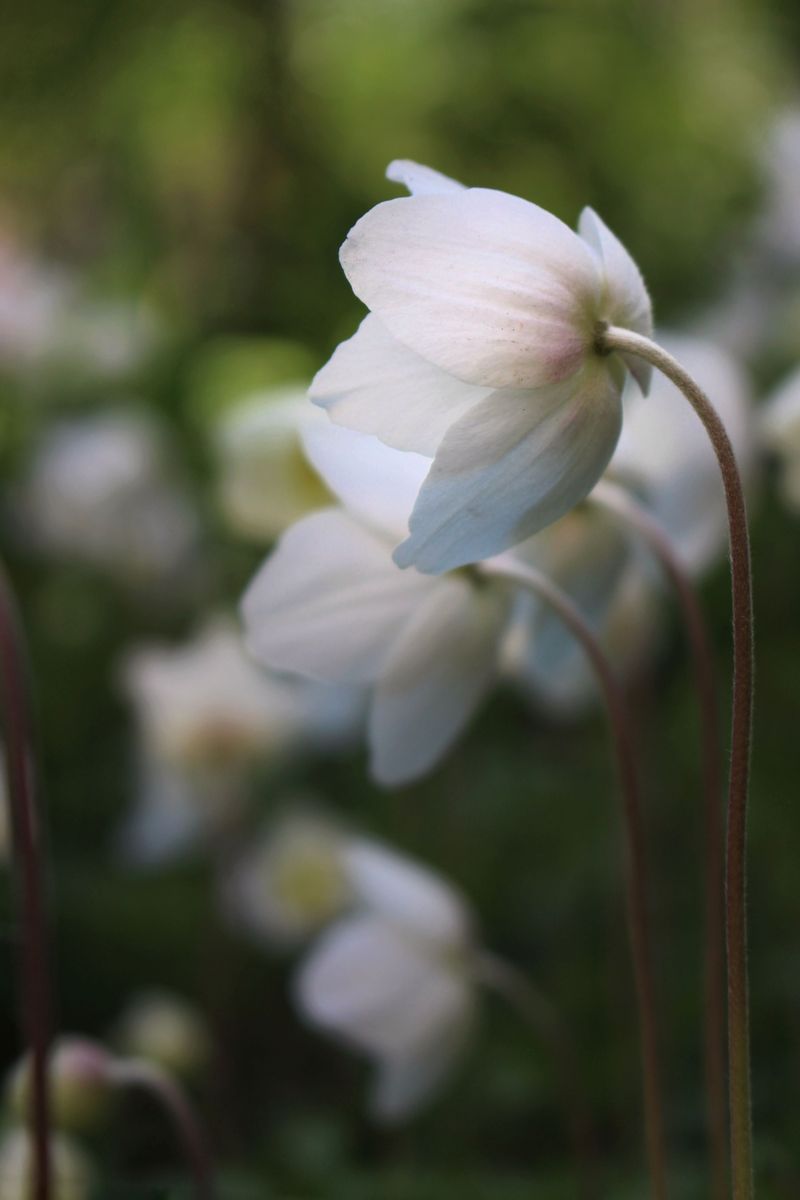
Anyone who has grown Japanese anemone for a few years knows it can roam. Underground rhizomes creep outward and pop up new shoots, sometimes a foot or more from the original clump.
Japanese anemone is not listed as invasive in Michigan, but it can be aggressive in rich, moist soil. A small clump can turn into a large patch faster than many people expect.
Fall is a good time to look around and mark where it has spread. A few plant tags or sticks will remind you where to dig once growth returns.
In spring, pull or dig out unwanted shoots as soon as they appear. Try to lift some of the white root pieces too, since small bits left behind can sprout again.
A root barrier sunk several inches into the ground can help in tight beds. Planting near paths or lawn edges also makes runaway shoots easier to spot and mow away.
I actually enjoy the spreading in a shady corner where little else grows. You just need to decide where it is welcome before it decides for you.
Crowded Anemone Clumps Divide Best When Spring Shoots Appear
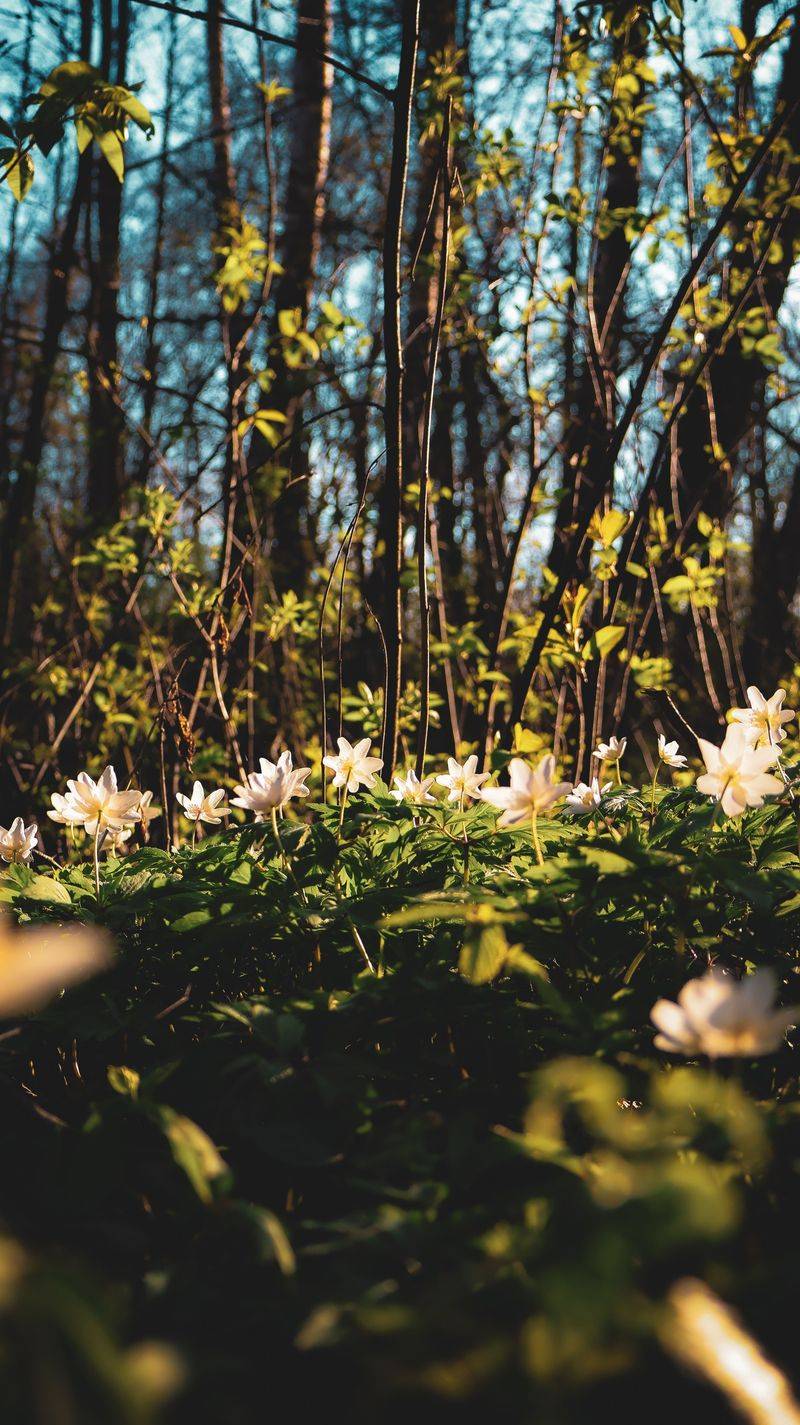
Thinking about dividing your anemones this fall? Hold that thought for a few months, because early spring is the better window.
Japanese anemones have fleshy roots that settle in slowly. Dividing them in fall gives the pieces little time to establish before Michigan soil freezes, which raises the chance of winter losses.
Wait until new shoots poke through the soil, usually in April or May depending on where you live. Then dig around the clump, lift a section, and split it with a sharp spade or knife.
Each division should have healthy roots and at least a few shoots. Replant at the same depth, water well, and keep the soil evenly moist as the weather warms.
Do not panic if the new plants look grumpy. These perennials are famous for sulking after a move and may take a season or two before blooming strongly.
Division is also a great way to share plants with friends. Just pass along a friendly warning about the spreading habit so nobody gets surprised. For now, simply note which clumps look crowded or have weak centers.
A Quick Fall Note Sets Up Next Year’s Windflower Show
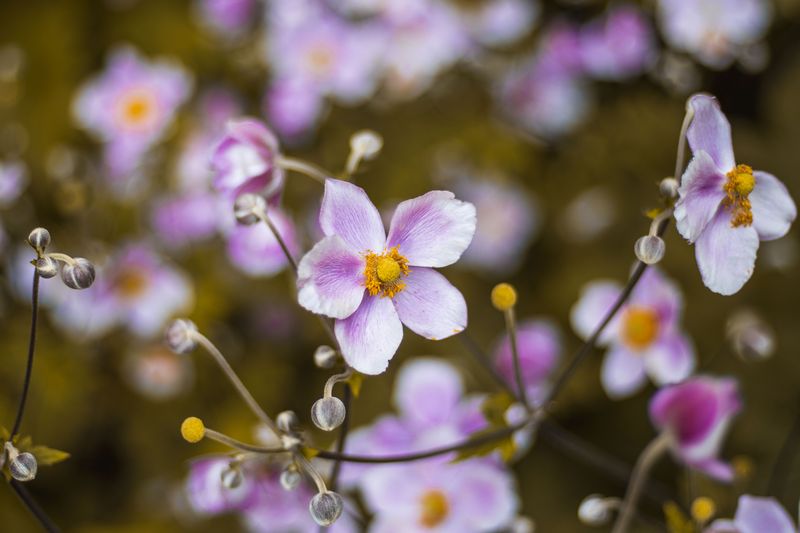
Grab a notebook or your phone before the snow covers everything. A few quick notes now will make next year’s care so much easier.
Write down how tall your plants grew, whether stems flopped, and how long they bloomed. Taller types can reach 3 to 5 feet, and some may need a support ring placed in spring before growth gets big.
Note the light, too. Japanese anemones usually do best with morning sun and afternoon shade, and plants in hot, dry spots often look stressed by August.
Jot down any pest or disease trouble you spotted. Leaf spots, foliar nematodes, or beetle chewing are easier to manage when you know to watch for them early.
Japanese anemone is toxic if eaten, so wear gloves if your skin is sensitive and keep clippings away from curious pets. That small habit keeps cleanup safe for everyone.
The big takeaway is simple. Decide on seed heads, cut back when it suits your yard, mulch lightly, keep crowns from sitting wet, and save dividing for spring. Do that, and those graceful blooms should return next fall.