The Best Time Of Day To Mow Michigan Lawns As August Heat Settles In
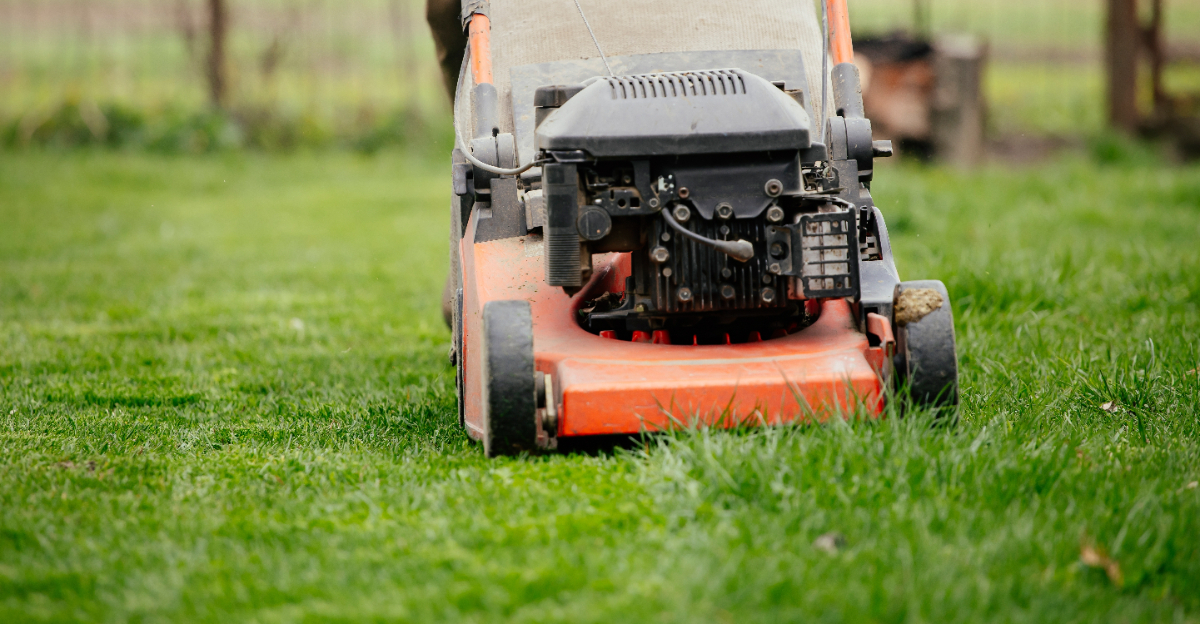
Early morning remains the best time to mow Michigan lawns as August heat becomes more consistent and intense. Cooler morning temperatures reduce stress on grass, allowing blades to heal from cutting before the harshest afternoon sun hits.
Mowing during peak heat can cause additional moisture loss right at the cut edge, leaving grass more vulnerable to browning. Waiting until early evening works as a backup option, though morning generally offers the gentlest conditions overall.
Keeping mower blades sharp also reduces stress on grass, creating cleaner cuts that recover faster regardless of timing. Raising the mower height slightly during hot stretches helps grass retain more moisture and shade its own roots.
Avoiding mowing wet grass right after morning dew prevents uneven cutting and potential fungal issues. Sticking to this simple morning routine helps lawns handle August heat with far less visible stress.
1. Late Morning Is Usually The Best August Mowing Window
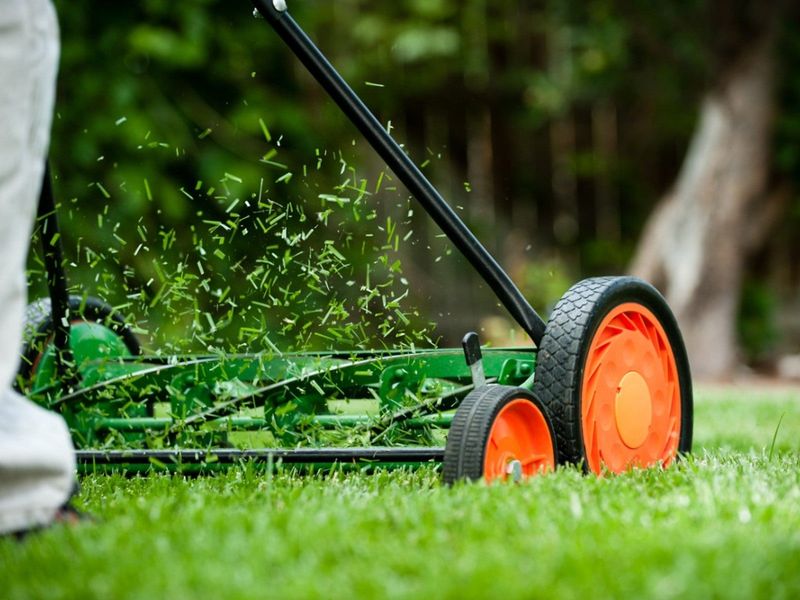
Most Michigan gardeners find that late morning hits a sweet spot that other times of day simply cannot match. By around 9 or 10 in the morning, the overnight dew has usually had enough time to evaporate from the grass blades.
Temperatures are still manageable, and the turf is in much better shape to handle the stress of a mowing session.
Waiting for the dew to clear is not just about comfort. Dry grass cuts more evenly, clippings spread better across the lawn, and your mower runs more efficiently without wet material clogging the deck.
That combination means a cleaner result with less effort on your part. Now, late morning is a general guideline, not a hard rule written in stone. Michigan weather can shift quickly, and some days the heat builds faster than expected.
Always take a moment to check actual conditions before you start the mower. If the grass still feels damp underfoot or temperatures are already climbing uncomfortably high, hold off a little longer.
A quick walk across the lawn before mowing tells you a lot. Press your foot lightly into the turf and see how the soil feels beneath.
If the ground seems soft or the grass blades are still bending under moisture, give it more time. Protecting the lawn from unnecessary stress during August heat always matters more than sticking to a specific clock time.
2. Wet Morning Grass Should Be Allowed To Dry
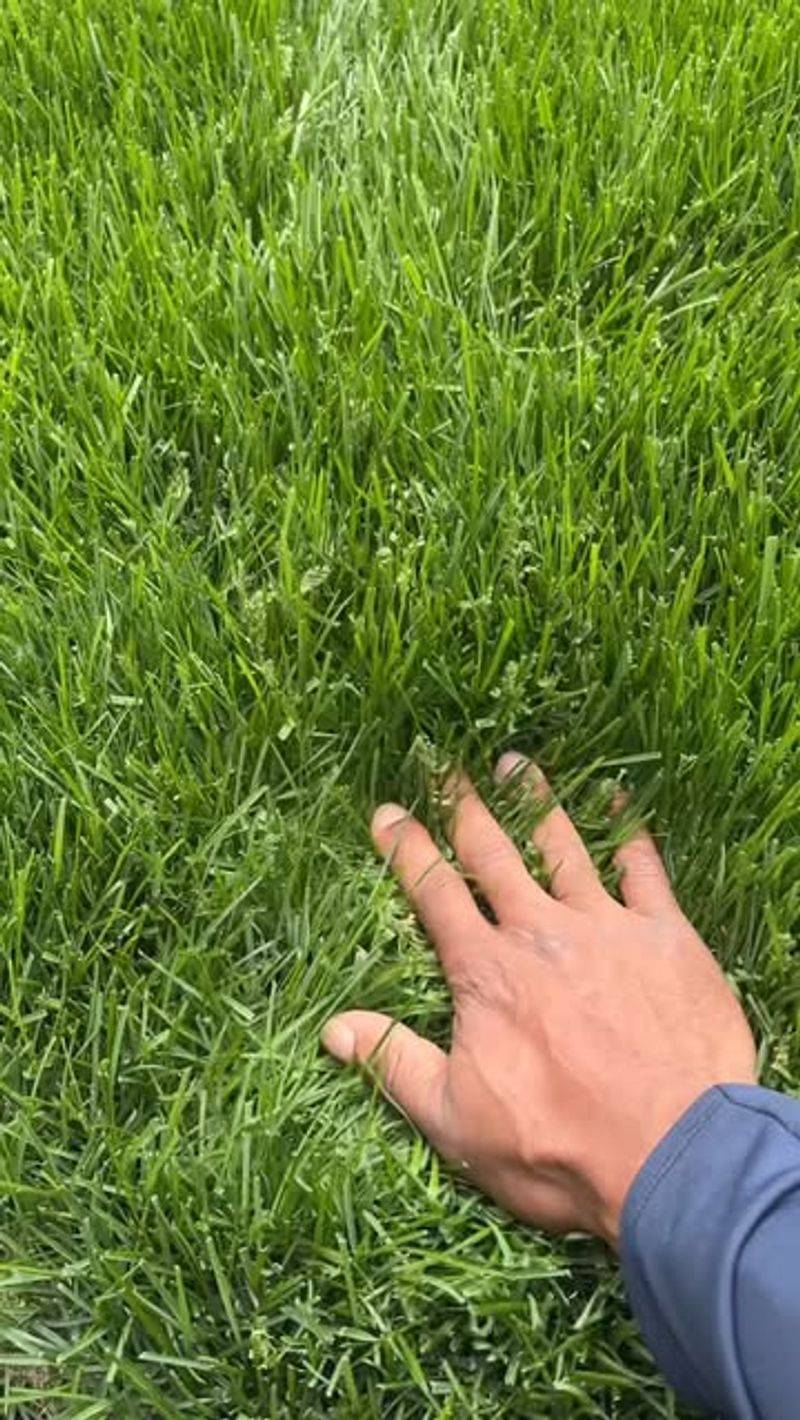
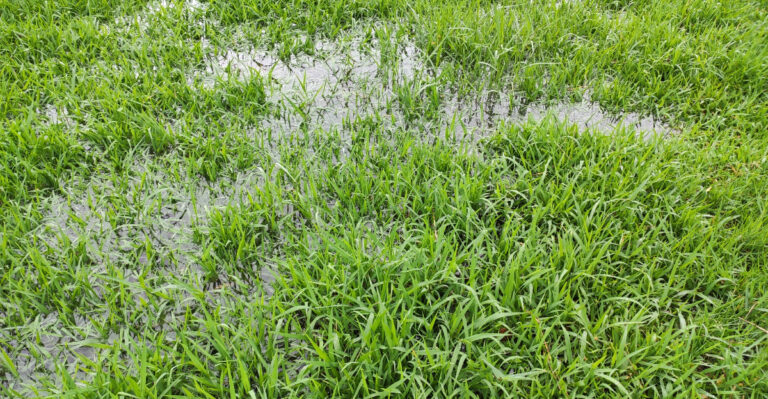
There is something almost beautiful about a lawn covered in morning dew, but that moisture is not your friend when it comes to mowing. Wet grass clippings are heavy, sticky, and tend to clump together in thick piles across the lawn surface.
Those clumps block sunlight from reaching the turf below, and if they sit there long enough, they can leave yellow or pale patches behind.
Beyond the appearance issue, wet grass creates real problems for your mowing equipment. Clippings build up inside the mower deck quickly, forcing the machine to work harder and potentially causing overheating or uneven cutting.
Clearing a clogged deck in the middle of a hot August morning is nobody’s idea of a good time.
Your Michigan Garden Changes Every Week. Your Plan Should Too.
Gardening in Michigan changes quickly throughout the season. Every Friday you’ll receive a simple weekly plan showing exactly what to plant, prune, fertilize, harvest, and protect so you never miss the right timing.
Soil moisture is another concern worth thinking about. When the ground beneath the turf is still saturated from overnight dew or recent rain, mower wheels can press down and compact the soil surface.
Compacted soil limits air movement and water absorption around grass roots, which adds another layer of stress to an already heat-challenged lawn.
The fix is simple and takes almost no extra effort. Before you start the mower, run your hand along a few grass blades and check whether they feel slick or coated with moisture.
If they do, step back inside and wait another hour. Firm soil and dry blades are your signal that the lawn is ready. Patience here pays off with a cleaner cut and a healthier turf all season long.
3. The Hottest Afternoon Hours Add Extra Turf Stress
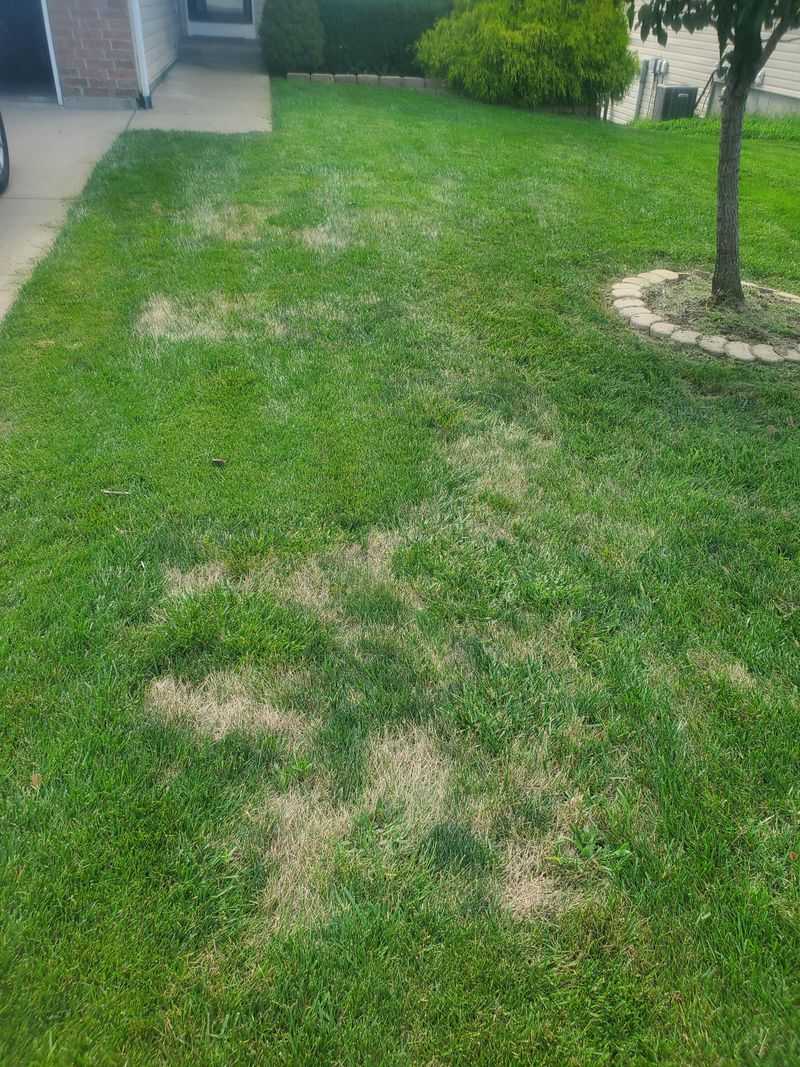
Mowing during the peak afternoon heat of an August day in Michigan is one of the quickest ways to push your lawn beyond its comfort zone.
Cool-season grasses like Kentucky bluegrass, perennial ryegrass, and fine fescue are naturally adapted to moderate temperatures.
When the mercury climbs into the upper 80s or beyond, these grasses are already working hard just to stay healthy. Adding mower traffic on top of that heat creates a tough combination.
The mechanical stress of cutting removes leaf tissue that the plant uses for photosynthesis, and doing that when soil moisture is low and temperatures are high means the grass has fewer resources available to recover.
Visible tire tracks, flattened areas, and stressed-looking patches can appear quickly under these conditions.
Michigan State University Extension recommends avoiding mowing during the hottest part of the day and choosing a cooler window instead. That advice is backed by solid turf science.
Grass that is already showing signs of wilting or a bluish-gray color is sending a clear signal that it is under moisture and heat stress. Mowing at that moment only adds to the burden.
Afternoon mowing can also leave cut grass tips more vulnerable to moisture loss since there is no overnight recovery period waiting immediately after. The lawn has to endure several more hours of intense sun before temperatures drop.
Choosing late morning or early evening instead gives the turf a much better chance to recover and stay thick and resilient through the rest of the month.
4. Early Evening Can Work After The Heat Eases
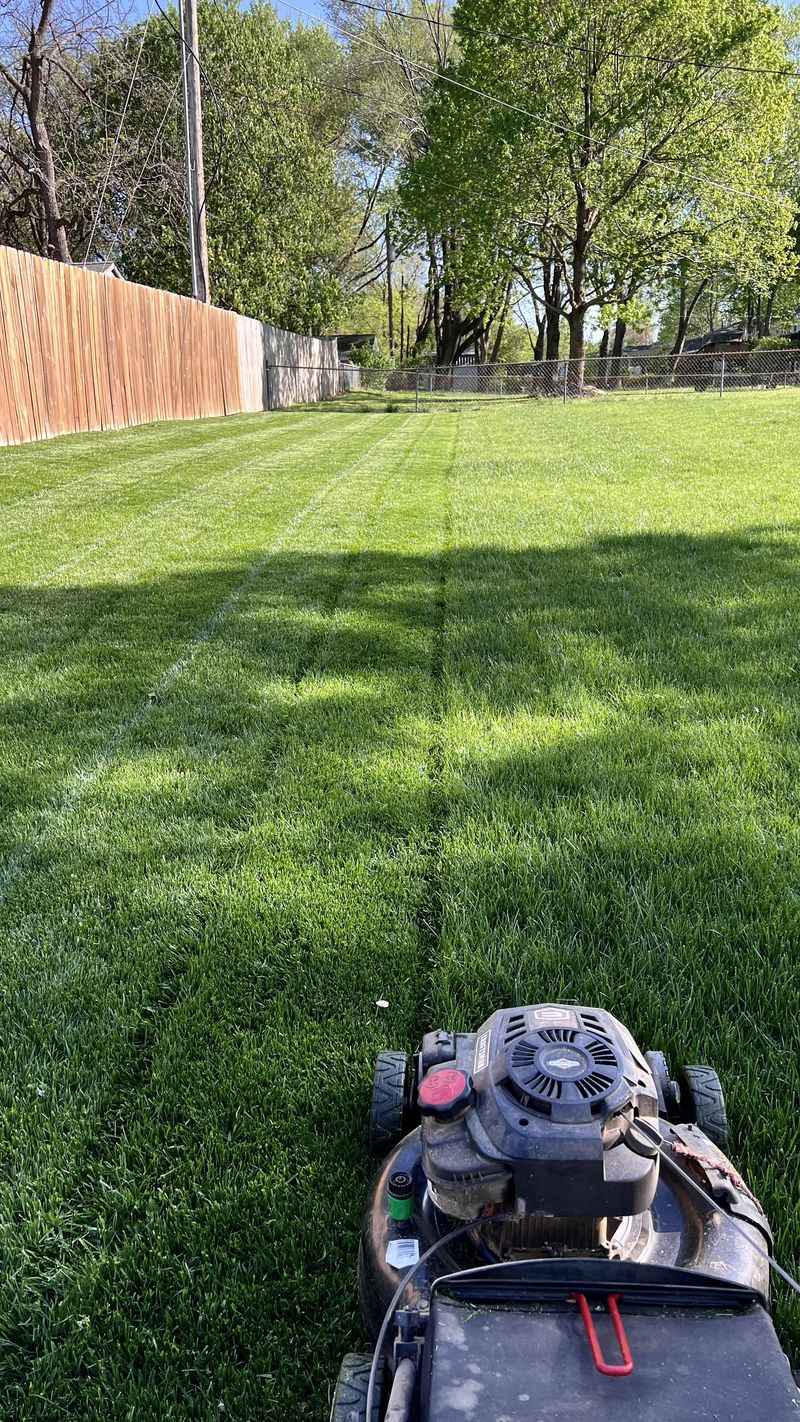
On days when the morning slips away from you or the heat arrives earlier than expected, early evening can offer a workable backup window for getting the lawn mowed.
Once the sun starts dropping lower in the sky and the air temperature begins to ease, conditions become more manageable for both the gardener and the turf itself.
One important thing to keep in mind is that early evening does not mean late afternoon. Michigan State University Extension points out that the hottest temperatures of the day often occur between 4 and 6 in the evening.
Many people assume that once the afternoon sun feels less intense, the thermometer must have dropped significantly. That is not always true, and mowing too early in that window can still expose the lawn to significant heat stress.
A better target is somewhere around 6 to 7 in the evening, depending on actual conditions that day.
By that point, temperatures tend to drop more noticeably, the turf has had some time to recover from peak heat, and there is usually still enough daylight to mow safely and see what you are doing.
Safety matters, since mowing in low light increases the risk of missing uneven spots or obstacles in the yard.
Make sure the grass is dry before you start the evening session. Dew can begin forming on grass blades surprisingly early on humid Michigan nights.
If the lawn already feels slightly damp, it is better to wait for the next available morning window rather than mow through moisture and risk the clumping and equipment issues that come with it.
5. A Three Inch Height Helps Michigan Lawns Handle Heat
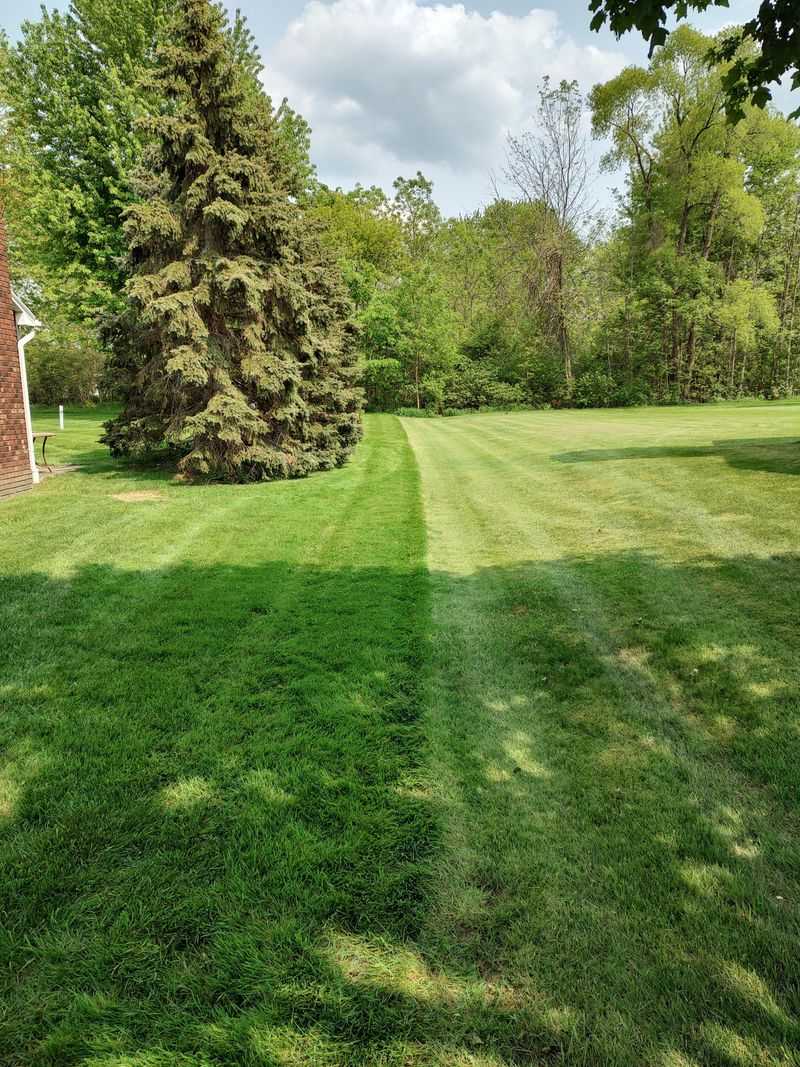
Mowing height might not be the first thing that comes to mind when thinking about lawn timing, but it plays a huge role in how well your Michigan lawn survives August heat.
Keeping grass at around three inches during the summer months is one of the most effective and straightforward things you can do for turf health.
Taller grass creates shade over the soil surface, which slows moisture evaporation and keeps the ground cooler between watering sessions. That shade also makes it harder for weed seeds to germinate, since most weeds need direct sunlight to get started.
A denser, taller lawn naturally crowds out competition without requiring extra herbicide applications.
Root depth is another benefit worth understanding. Research consistently shows that grass plants maintain deeper root systems when they are allowed to grow a little taller.
Deeper roots can access moisture from further down in the soil profile, which is a real advantage during dry spells when surface moisture disappears quickly.
Short-cut grass tends to develop shallow roots that struggle as soon as the top inch of soil dries out.
Adjusting your mower deck before August arrives is a simple step that takes only a few minutes. Most residential mowers have an easy lever or pin system for changing cutting height.
Set it to three inches or as close as your mower allows. Resist the urge to cut shorter just because the lawn looks a little shaggy.
During August heat, that extra height is doing important protective work that keeps your turf green and resilient all the way through to fall.
6. Never Remove More Than One Third At Once
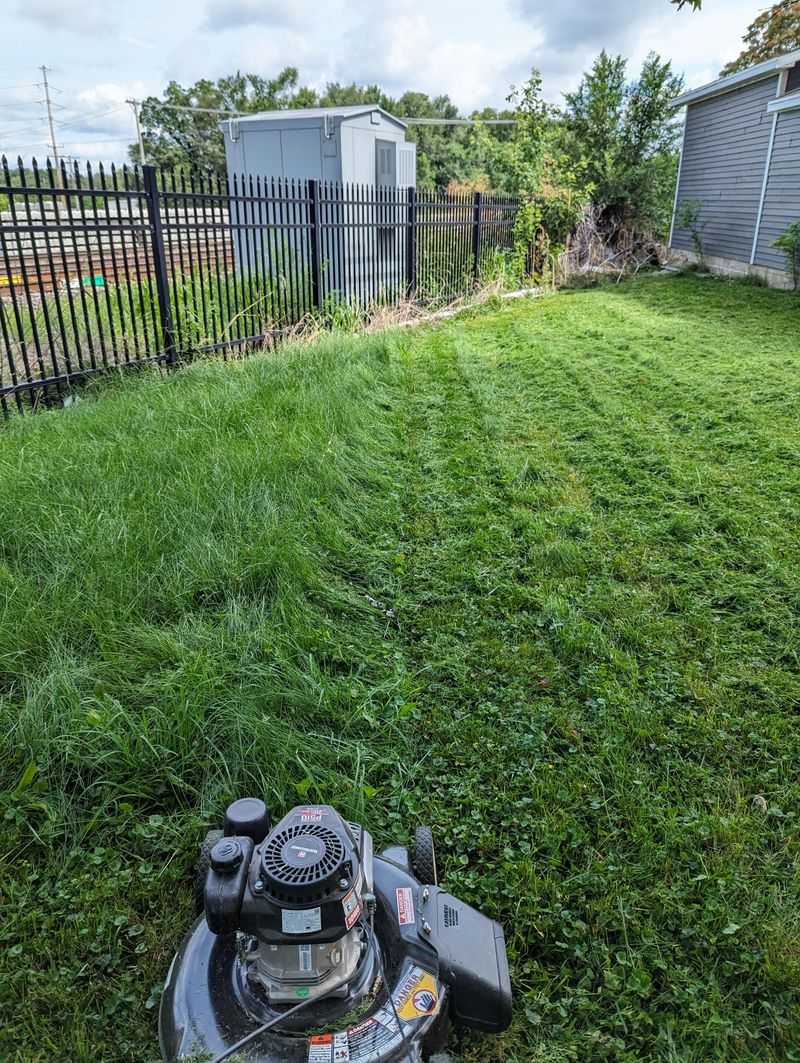
Gardeners who have been caring for lawns for years will tell you that the one-third rule is one of the most practical and reliable guidelines in all of turf management.
Put simply, you should never remove more than one third of the total grass height during a single mowing session. It sounds straightforward, and it is, but the impact of breaking this rule during August can be surprisingly dramatic.
When you cut away more than one third of the blade at once, the grass plant loses a large portion of the leaf tissue it depends on for photosynthesis. The plant then has to redirect energy away from root maintenance and toward rebuilding its leaf surface.
During cooler months, grass can handle this recovery without much trouble. During August heat in Michigan, that same recovery process becomes significantly harder because water and energy resources are already stretched thin.
The visible results of over-cutting show up quickly. The lawn can look pale, scalped, or uneven for days after a severe mowing.
In some areas, the turf may struggle to bounce back before the next heat wave arrives. That cycle of stress and incomplete recovery is hard on cool-season grasses and can thin out the lawn over time.
The practical solution is to mow more frequently when the grass is actively growing rather than letting it get tall and then cutting it back hard.
If growth has been fast and the lawn is already too tall, raise the mower deck for the first pass and then lower it gradually over the next couple of sessions. That gradual approach keeps stress levels low and the lawn looking its best.
7. A Sharp Mower Blade Creates A Cleaner Cut
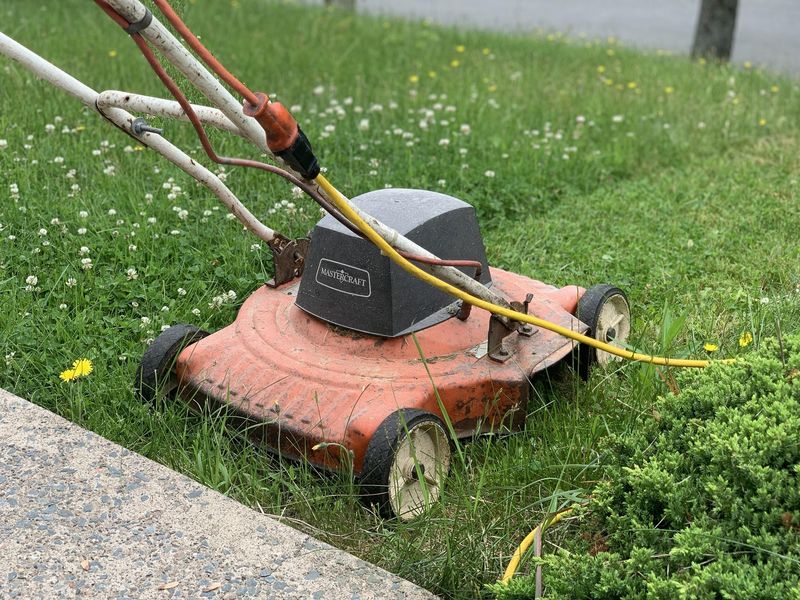
Few things make as big a difference in lawn appearance as the condition of your mower blade. A sharp blade slices cleanly through each grass blade, leaving a precise, even cut that heals quickly.
A dull blade does something very different. Instead of cutting, it tears and shreds the leaf tips, leaving ragged edges that turn pale or whitish within a day or two of mowing.
That shredded appearance is more than just cosmetic. Torn grass tips lose moisture faster than clean cuts, and during August heat in Michigan, every bit of moisture retention matters.
The damaged tissue also creates entry points for fungal pathogens that can spread through a lawn already weakened by summer stress. Keeping the blade sharp is a simple form of disease prevention that many homeowners overlook.
Checking blade sharpness does not require specialized tools or technical knowledge. After a mowing session, walk across the lawn and look at the tips of the grass blades.
If they appear cleanly cut and uniform in color, the blade is doing its job well. If the tips look frayed, uneven, or have a whitish or brownish cast, it is time to sharpen or replace the blade.
Most lawn care professionals recommend sharpening mower blades at least once or twice per mowing season, with more frequent attention during heavy use periods.
A blade can usually be sharpened at home with a metal file or a bench grinder, or taken to a hardware store for professional sharpening at a low cost. That small investment keeps every mowing session working in your lawn’s favor rather than against it.
8. Sometimes Skipping A Mowing Is The Better Choice
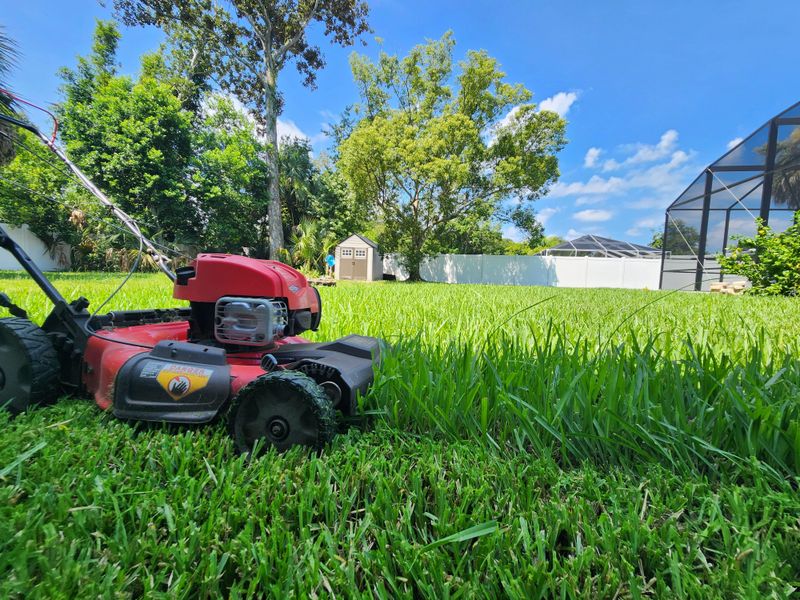
There is a certain satisfaction in keeping a perfectly manicured lawn, but sometimes the smartest move a Michigan gardener can make in August is to put the mower away and wait. Cool-season grasses naturally slow their growth during hot, dry stretches.
When the lawn is barely growing, there is little reason to mow, and doing so anyway can cause more harm than good.
A lawn that looks slightly wilted, has taken on a bluish-gray tint, or feels spongy underfoot from recent heavy rain is sending clear signals that conditions are not right for mowing. Wilting grass is already under heat and moisture stress.
Running a mower over it adds mechanical stress on top of environmental stress, and the combination can set the turf back noticeably. Saturated soil compounds the problem by compacting under mower weight and damaging the root zone.
Some Michigan lawns enter a semi-dormant state during the hottest and driest weeks of August. This is a natural survival response, not a sign that something is wrong.
Dormant grass looks tan or straw-colored in patches and grows very slowly. Mowing during this period serves little purpose and can thin the lawn by removing what little green leaf tissue remains active.
Waiting for cooler temperatures, a good rain, or early morning conditions that show renewed green growth is the right call.
Once the lawn perks back up and growth resumes at a normal pace, you can return to your regular mowing schedule.
Protecting stressed turf through patience always leads to a stronger, thicker lawn when fall conditions arrive and recovery begins in earnest.