Why Virginia Gardeners Should Set Burlap Stakes In October, Not After The First Snow
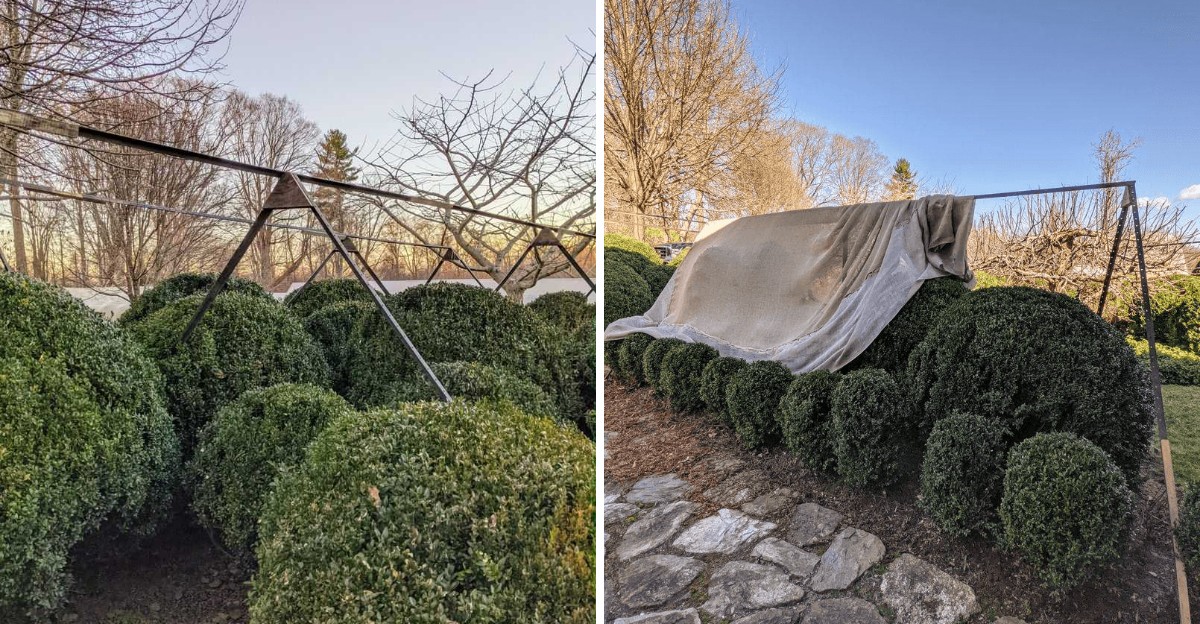
Hammering a stake into frozen ground is one of winter’s most unpleasant garden chores. Your fingers sting, your breath fogs, and the shrub you meant to protect is already looking crispy.
Plenty of Virginia gardeners learn this lesson the hard way, often on the first snowy Saturday of the season. October offers a much kinder window, with soft soil, mild afternoons, and plants still easy to read.
A little work now sets up your whole winter defense plan before the weather turns grumpy. Timing matters more than most people think, and the reasons go beyond comfort.
Some have to do with the soil, some with the wind, and some with your own safety. Frozen ground can bend stakes, and slippery conditions make mistakes easy.
The case for early staking is stronger than you might expect. The guide below walks you through it.
Soft Soil Makes Stakes Easy To Drive
Ask any veteran gardener about October soil, and you might hear a happy sigh. Ground at this time of year feels like a freshly fluffed pillow under your mallet.
Early fall rains usually leave Virginia soil moist but not soggy. A stake slides down with a few firm taps instead of a full workout.
Warm ground also stays loose because roots and worms are still active below. Their tunnels and channels create tiny pathways that help stakes sink deeper.
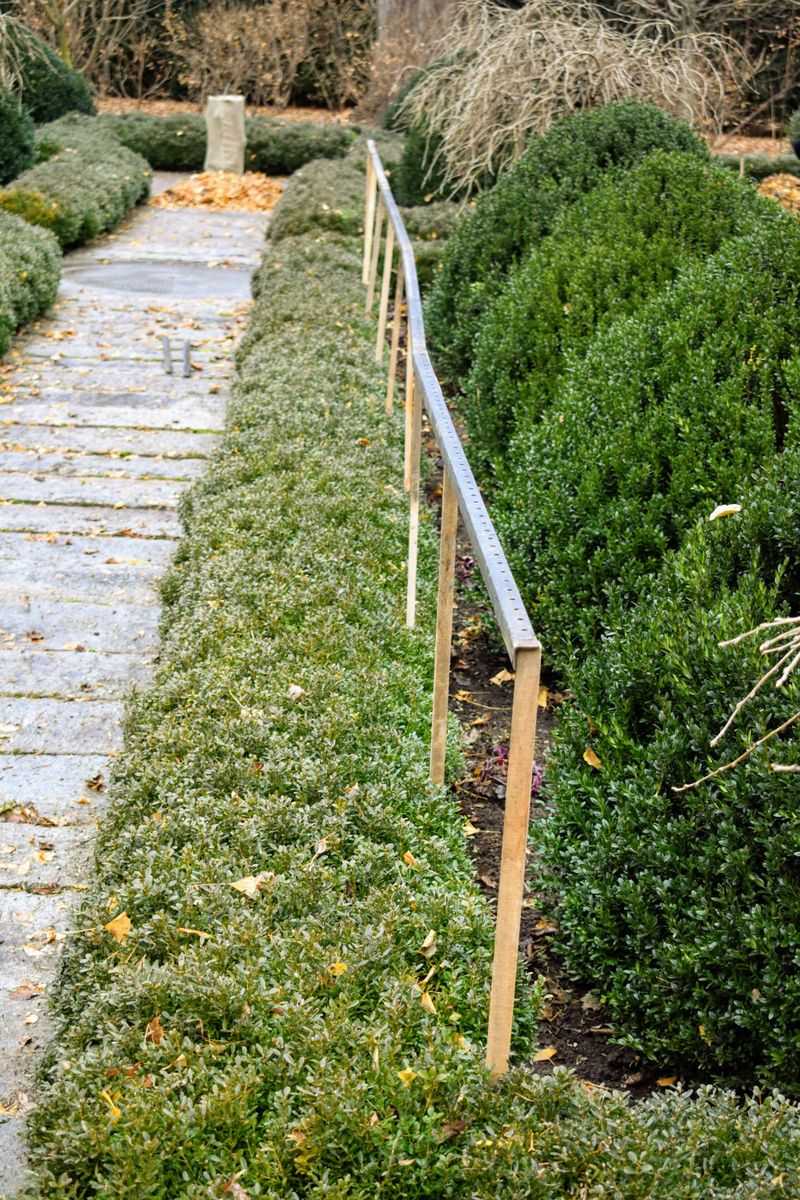
Deeper stakes mean a stronger frame for winter. Aim for at least 12 inches into the ground, which feels simple in soft autumn dirt.
Try a quick test before you start. Push a screwdriver into the soil, and if it slides in easily, conditions are right.
Watering the area a day ahead can help during a dry October. Moist soil grips stakes better once it settles around them.
Your tools will thank you too. A rubber mallet works fine now, so you can skip the sledgehammer and the sore shoulders.
Wooden stakes stay intact when they go in smoothly. Fewer cracked tips means fewer trips to the store for replacements.
Clay soil, common across much of the state, behaves best in fall. Summer leaves it hard, and winter locks it tight, so October hits the sweet spot.
Mark each spot with a small flag before you start pounding. Planning first keeps the job quick and tidy on a pleasant afternoon.
Frozen Ground Can Bend Or Break Stakes
Crack. That sharp sound in January usually means another stake just split in half against frozen dirt.
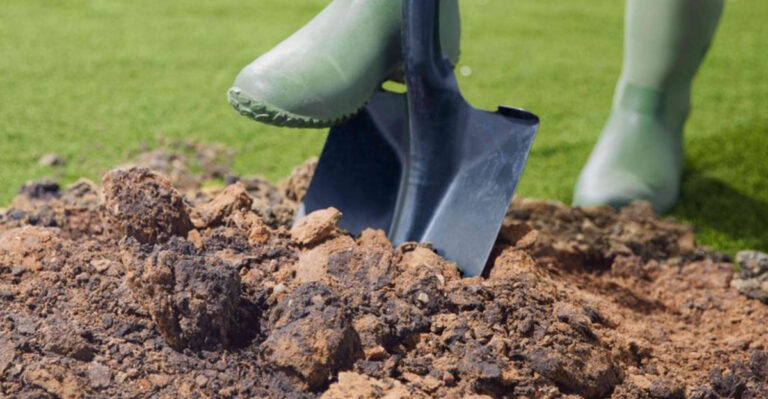
Frozen soil acts more like concrete than earth. Water in the ground turns to ice and holds every particle in a tight grip.
Wooden stakes take the worst beating. Their pointed tips splinter, and the tops often mushroom from repeated hard strikes.
Metal stakes are tougher, but they have limits too. Thin rods can bow sideways, leaving a crooked frame that wobbles in the wind.
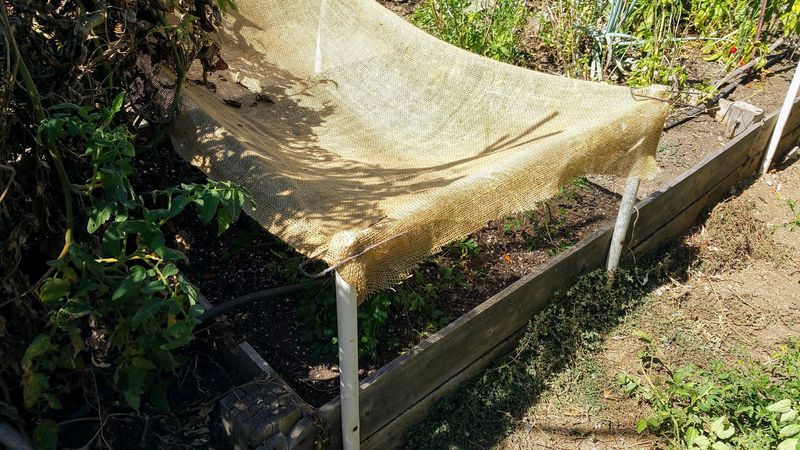
A bent stake does a poor job holding burlap. Fabric sags, flaps, and sometimes rubs against the very branches you hoped to protect.
Your Virginia Garden Changes Every Week. Your Plan Should Too.
Gardening in Virginia changes quickly throughout the season. Every Friday you’ll receive a simple weekly plan showing exactly what to plant, prune, fertilize, harvest, and protect so you never miss the right timing.
Some folks try pouring hot water to soften the ground first. Sadly, the trick works for a few minutes, then the surface refreezes into slick ice.
Forcing stakes into hard ground can also harm nearby roots. Heavy pounding sends shock through shallow root systems of shrubs like boxwood and azalea.
Picture the cost as well. Broken stakes add up fast, especially if you protect a long hedge or several young trees.
Shallow placement is another sneaky problem. Stakes that only go a few inches deep can pop loose during the next thaw.
Freeze and thaw cycles are common in winters. Ground heaves upward, pushing weak stakes right out of place.
Getting stakes set before the freeze avoids all of this frustration. Your frame stays straight, deep, and ready for months of rough weather.
Winter Wind Damage Starts Before The First Snow
Snow gets all the attention, but wind is the quiet troublemaker. Your evergreens may start suffering weeks before a single flake falls.
Cold, dry air pulls moisture out of leaves very quickly. Roots in chilly soil struggle to replace that lost water fast enough.
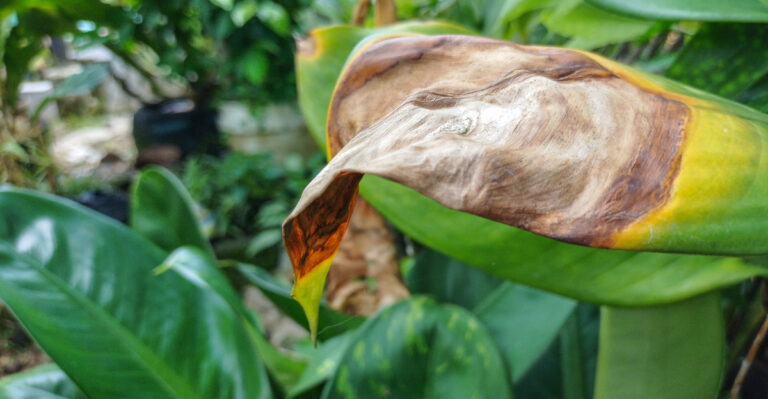
Gardeners call the result winter burn. Leaves turn brown along the edges, then curl and drop by early spring.
Broadleaf evergreens feel it most. Rhododendrons, hollies, camellias, and boxwoods often show the first signs of scorch.
Gusty November days can be surprisingly harsh. Strong fronts sweep through with sunny skies and biting breezes, a rough combo for foliage.
Wind can physically damage plants too. Branches whip back and forth, stripping leaves and loosening young roots.
Having stakes in place by October means you can respond fast. When a windy forecast pops up, the burlap goes on within minutes.
Without stakes, you might scramble on a cold, blustery day. Plants could take a beating while you hunt for supplies.
Watering evergreens deeply before the ground freezes helps as well. Hydrated leaves resist drying winds much better than thirsty ones.
Fun fact: winter burn often appears in March, long after the real harm happened. Many people blame spring weather when December wind was the culprit.
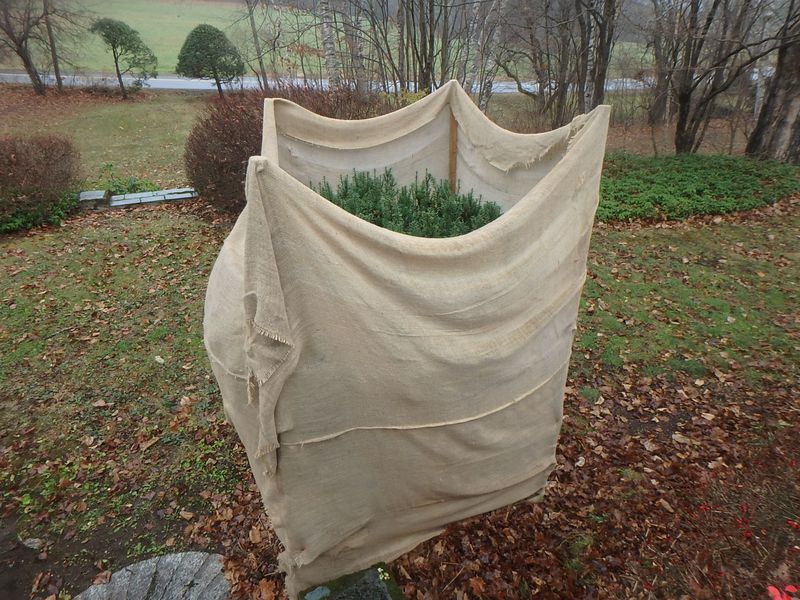
A burlap screen cuts wind speed around a plant. Even partial cover can noticeably reduce browning on the side facing the breeze.
Early Setup Lets You Hang Burlap Later
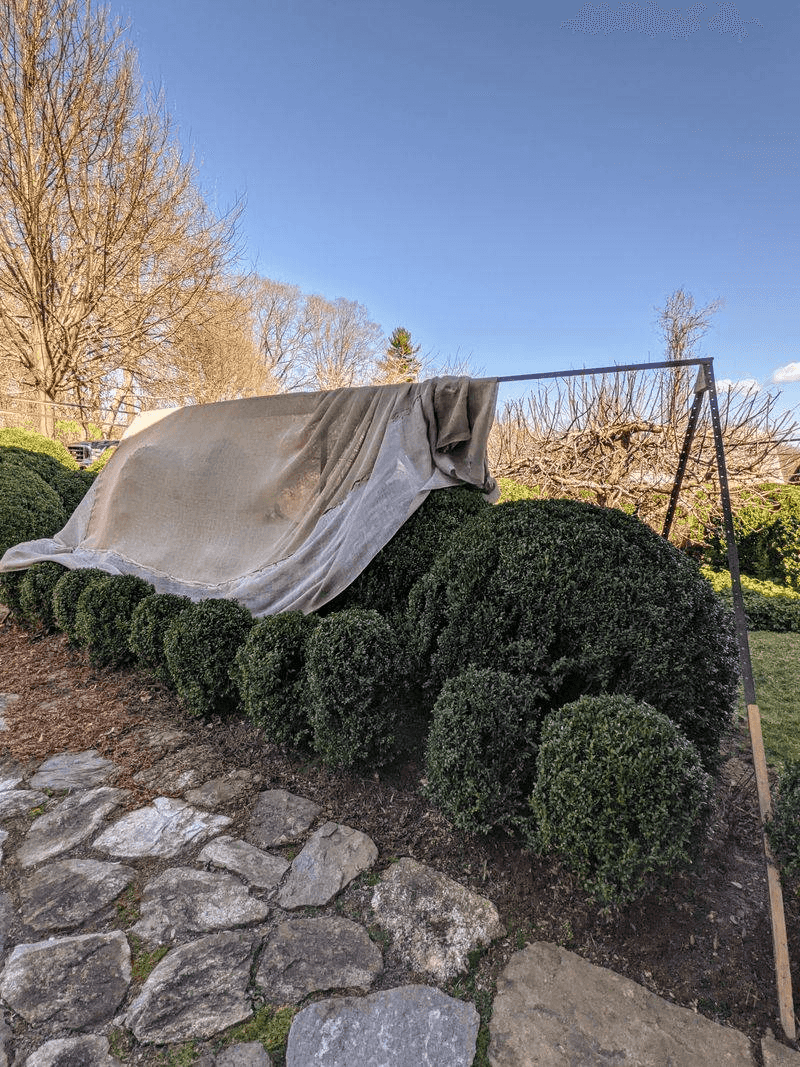
Think of October stakes as a coat rack waiting by the door. The coat itself can go on later, right when you need it.
Plants need time to harden off in fall. Wrapping them too early can trap warmth and confuse their natural slowdown.
Most shrubs settle into dormancy after several hard frosts. In much of Virginia, that happens around late November or early December.
With stakes already standing, hanging burlap becomes a quick chore. You simply wrap, staple, and move on to the next plant.
Keep your burlap rolled and dry in a garage or shed. Store twine, a staple gun, and zip ties in the same bin for speedy access.
Here is a handy trick many gardeners like. Attach one edge of the burlap to a stake in October, then roll it up and tie it loosely.
When cold weather arrives, just untie the roll and wrap it around. The whole job might take under five minutes per shrub.
Early setup also gives you time to fix problems. A loose stake or a bad angle is easy to correct on a warm afternoon.
Spreading out the work feels less stressful too. You avoid cramming every winter task into one chilly weekend.
Leave the top of the screen open in most cases. Light and air can still reach the plant, helping it stay healthy until spring.
You Can See Branches And Spacing Clearly Now
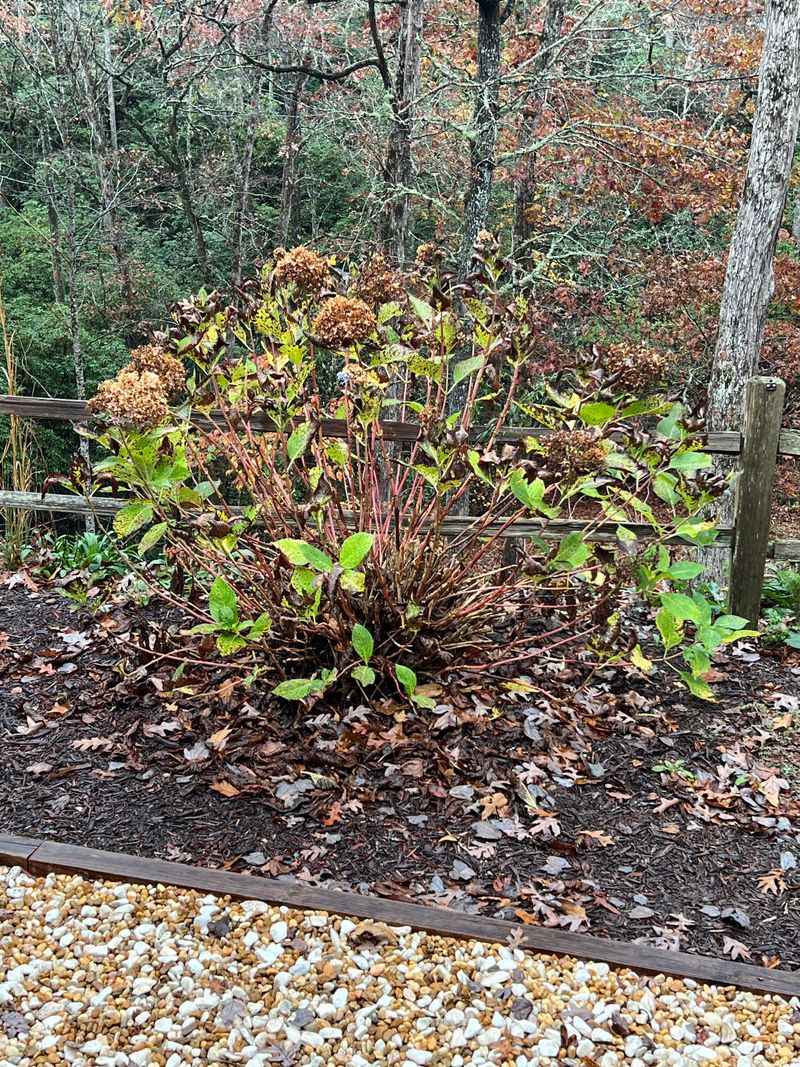
Clear views are a gift in autumn. Flowers have faded, weeds have calmed down, and your shrubs show their true shape.
Walk around each plant slowly before setting a single stake. Notice where branches reach farthest and where growth leans to one side.
Snow changes everything later. A white blanket hides edges, bends limbs, and makes judging distance much harder.
Measuring is simple in October. Use a tape measure to find the widest spread, then add a few inches all around.
Pay attention to hidden obstacles as well. Irrigation lines, buried cables, and garden lights are easier to spot before leaves pile up.
Calling 811 before digging deep is a smart habit. The free service marks underground utilities so you stay safe.
Good spacing also keeps air moving inside the burlap screen. Trapped dampness can encourage mold and fungal spots on leaves.
Look up too, not just around. Overhanging tree limbs may drop snow or ice, so plan your frame to handle that extra load.
Consider how plants will grow next year. Young shrubs expand quickly, so leaving a little extra room saves you from rubbing branches.
Snap a quick phone photo of each setup when finished. Those pictures help you repeat the layout next fall with almost no guesswork.
Careful planning now pays off when cold winds arrive. Your plants get a roomy shelter instead of a cramped, scratchy wrap.
Sturdy Wooden Or Metal Stakes Hold Up Best
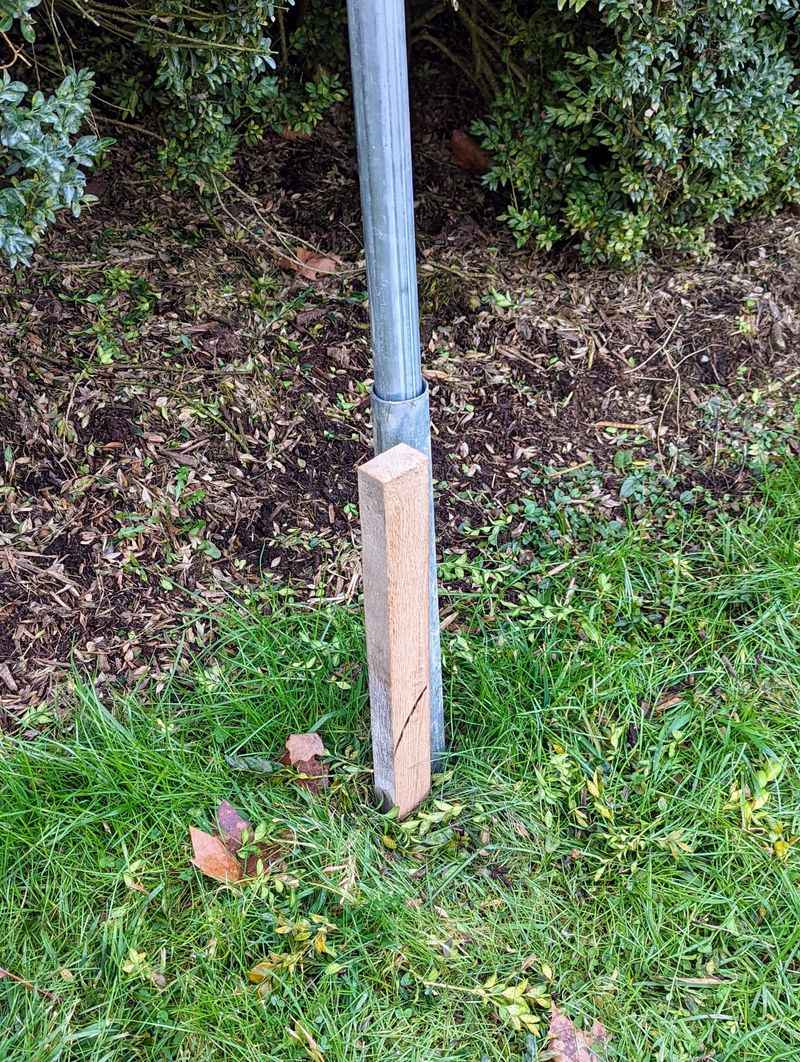
Flimsy stakes are like paper umbrellas in a thunderstorm. They look fine until real weather shows up.
Hardwood stakes are a popular, affordable choice. Look for pieces at least one inch thick, with pointed tips for easier driving.
Oak and cedar tend to resist rot better than pine. Cedar also has a pleasant smell, a small bonus while you work.
Metal options bring extra strength. Steel T-posts and rebar handle heavy wet snow and stay put through repeated freeze and thaw cycles.
Moisture causes wood to soften over time. Metal stakes shrug off soggy soil and often last for many winters.
Length matters as much as material. Choose stakes about a foot taller than your plant, plus another foot to bury underground.
Bamboo poles might seem handy, but they snap easily under heavy loads. Save them for tomato plants in summer instead.
Paint wooden stakes a bright color if you like. Colorful tops are easy to spot in snow and help prevent tripping.
Store your stakes off the ground after spring cleanup. Keeping them dry in a shed helps them stay strong for next season.
Think about your yard’s conditions too. Coastal Virginia gardens with sandy soil may need longer stakes for a secure grip.
Investing in quality materials once usually costs less over time. You skip yearly replacements and enjoy a frame that simply works.
Place Stakes A Few Inches From The Foliage
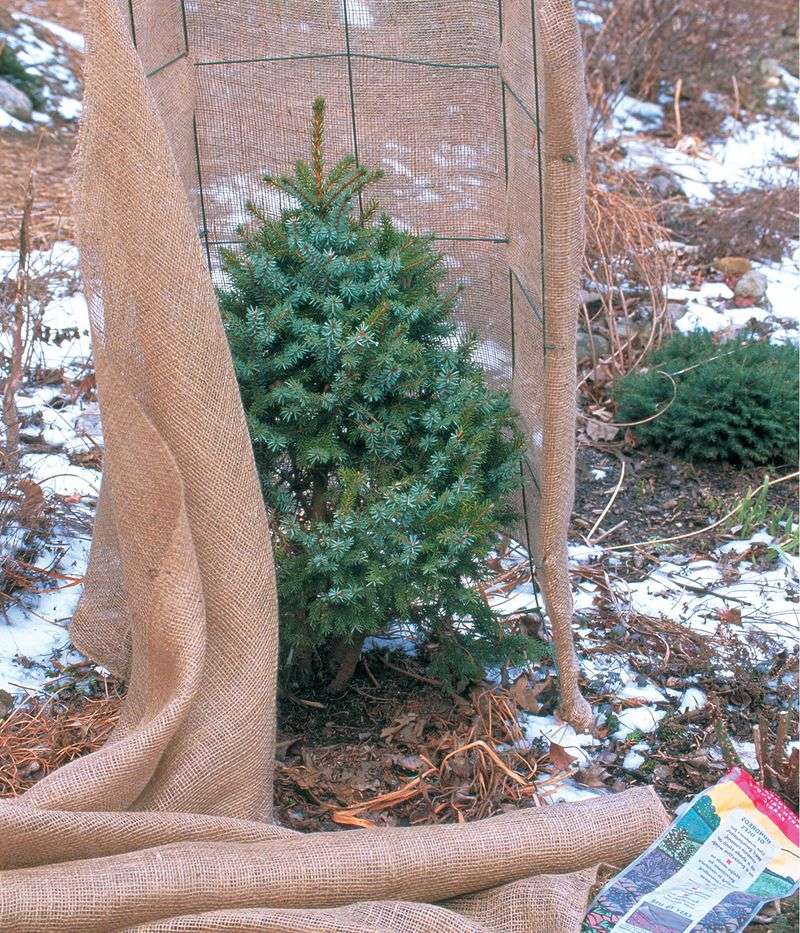
Personal space matters for plants, too. Leaves need a little breathing room between themselves and the burlap.
Set stakes about four to six inches beyond the outer branches. A small gap keeps fabric from pressing directly on foliage.
Wet burlap can freeze solid during a cold night. If it touches leaves, that icy fabric may scrape or bruise them.
Rubbing causes trouble as well. Wind pushes the cloth back and forth, wearing down needles and tender leaf surfaces.
An air pocket acts like insulation. It softens temperature swings and slows down drying breezes around the plant.
Angle stakes slightly outward if your shrub is wide at the top. The frame then matches the plant’s natural shape without crowding it.
Here is a quick check you can try. Hold the burlap up loosely and see whether it brushes any branches before stapling.
Do not go too far out, though. Gaps wider than a foot let wind sneak in and reduce the screen’s protection.
Use twine to link the stakes near the top. That line keeps fabric from sagging inward under the weight of snow.
Plants like arborvitae and yews benefit from gentle tying first. Loosely wrapping their limbs with soft twine prevents splaying under heavy snow.
Getting the distance right takes only a minute per stake. Your shrubs will look fresher come April because of that small effort.
Focus On Exposed, Windward Plants First
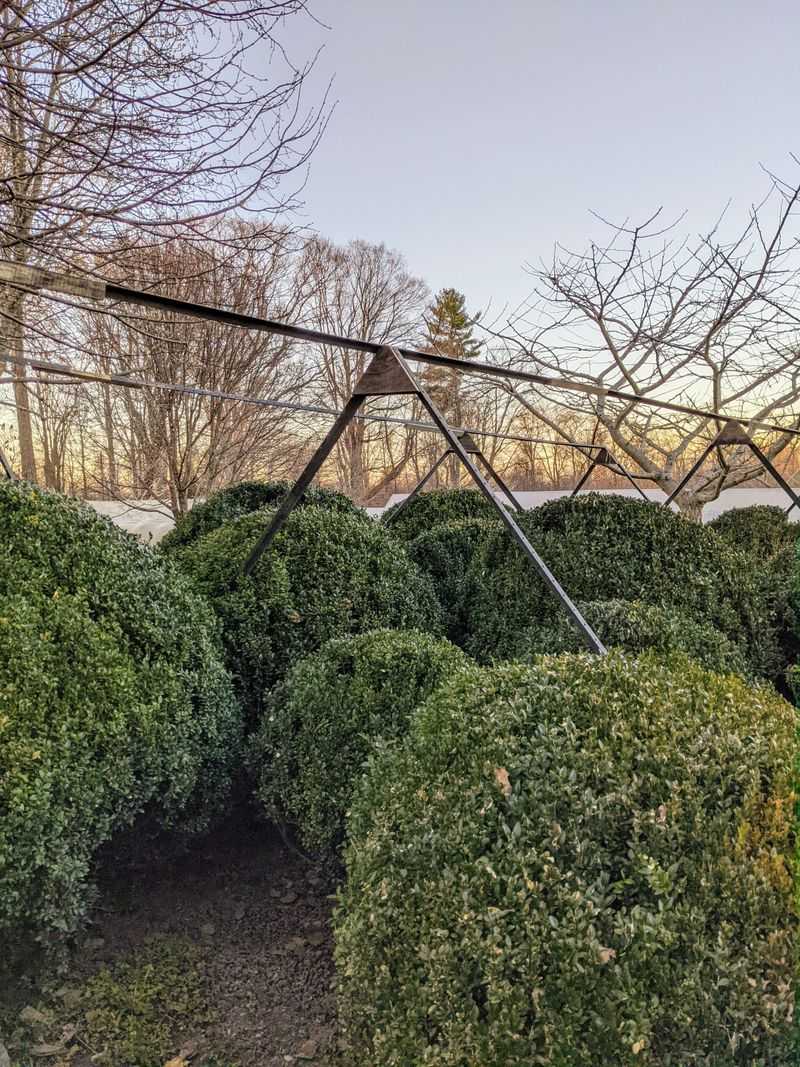
Every yard has a bully corner. It is that spot where wind whips around the house and hits plants hardest.
Start your staking there. Plants in open lawns, along fences, or near driveways usually face the strongest gusts.
Most winter winds in Virginia blow from the northwest. Shrubs on that side of your property often show the worst browning.
Watch your yard on a breezy fall day. Notice which leaves flutter the most and where fallen leaves pile up against obstacles.
Young plants deserve early attention too. Shrubs planted within the last year or two have smaller roots and less stored water.
South and west sides bring a different problem. Bright winter sun warms leaves during the day, then cold nights shock them.
Plants near salty roads need help as well. Spray from treated pavement can burn foliage, and burlap screens catch much of it.
Sheltered plants near walls may need little or no wrapping. Saving burlap for priority spots keeps costs and effort down.
Consider a single-sided screen for some locations. A flat wall of burlap on the windward side often works without fully enclosing the shrub.
Keep a simple map of your trouble spots. Sketch it on paper or in your phone notes for easy reference each fall.
Working from most exposed to least exposed makes sense. If time runs short, your most vulnerable plants are already covered.
Mountain Yards Need Protection Sooner
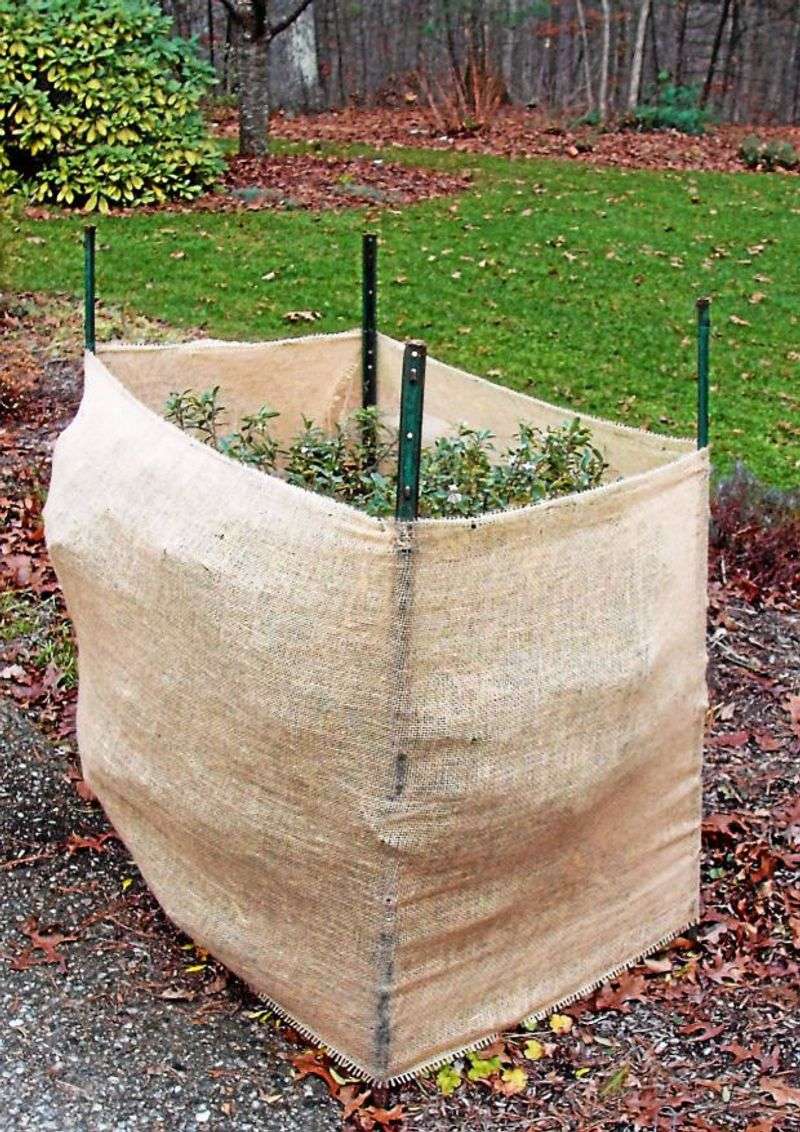
Up in the Blue Ridge, autumn arrives with a wink and leaves with a shiver. Frost can settle on lawns while lowland gardens still enjoy warm afternoons.
Higher elevations cool off much faster. Temperatures typically drop a few degrees for every thousand feet you climb.
Towns in the Allegheny Highlands often see first frost by mid-October. Some hollows get chilly even earlier, depending on how cold air pools.
Gardeners in these areas should start staking in late September or early October. Waiting even a couple of weeks risks hard ground.
Mountain winds can be fierce, too. Ridgetops and open slopes catch gusts that would barely rustle leaves near Richmond.
Snow arrives earlier and lingers longer at elevation. Sturdy frames matter because heavy drifts can lean against burlap for weeks.
Check your local frost dates through the Virginia Cooperative Extension. Their tools help you plan around your specific location.
Rocky soil is common in the mountains. Using a metal rod to make a pilot hole helps stakes slide past stones.
Fun fact: Mount Rogers, Virginia’s highest peak, rises over 5,700 feet. Its summit climate resembles parts of New England more than the rest of the state.
Even foothill gardens can feel these effects. If your yard sits on a slope or in a valley, watch the weather closely.
Earlier action brings peace of mind. Your plants stay guarded before the first serious cold rolls down the ridges.
Snowy Weekends Are The Worst Time To Start
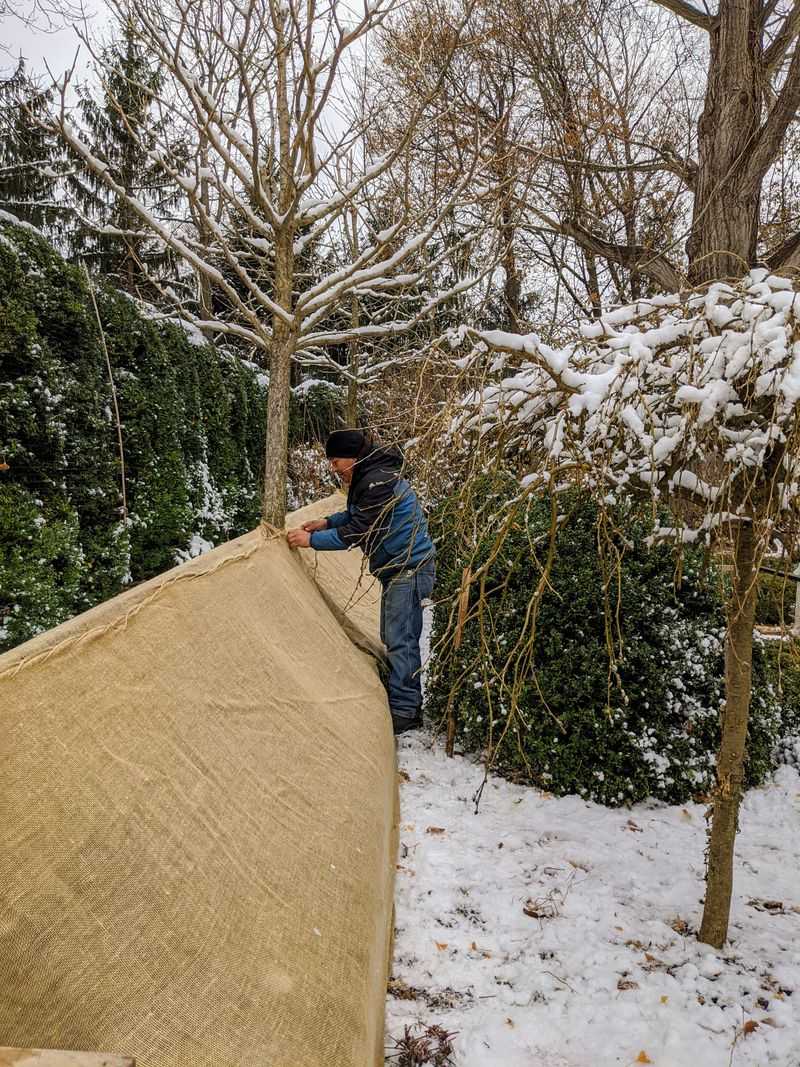
Nobody dreams of spending a snowy Saturday wrestling burlap in the wind. Yet that is exactly where many good intentions end up.
Snow hides hazards all over the yard. Hoses, rocks, and garden edging become tripping traps under a white layer.
Icy patches make swinging a mallet risky. One slip can lead to a twisted ankle or a sore back.
Cold fingers lose their grip and dexterity. Stapling fabric or tying twine takes twice as long when your hands feel numb.
Heavy snow on branches adds another challenge. Shaking it off may snap brittle limbs that have already stiffened in the cold.
Stores often sell out of burlap during the first storm. Last-minute shoppers may find empty shelves and long lines.
Strain on the heart is a real concern in freezing weather. Doctors warn that hard outdoor work in the cold puts extra stress on the body.
October work feels completely different by comparison. You can move at an easy pace, wear a light jacket, and enjoy the colorful leaves.
Getting kids involved is easier in fall too. Little helpers love hammering stakes when weather feels friendly.
Set a reminder on your calendar for mid-October. Pair it with another fall task, like cleaning gutters, so it becomes a yearly habit.
When snow finally falls, you can stay inside with cocoa. Your garden will already be safe, sheltered, and ready for winter.