What North Carolina Gardeners Should Be Dividing Right Now To Get More Plants For Free
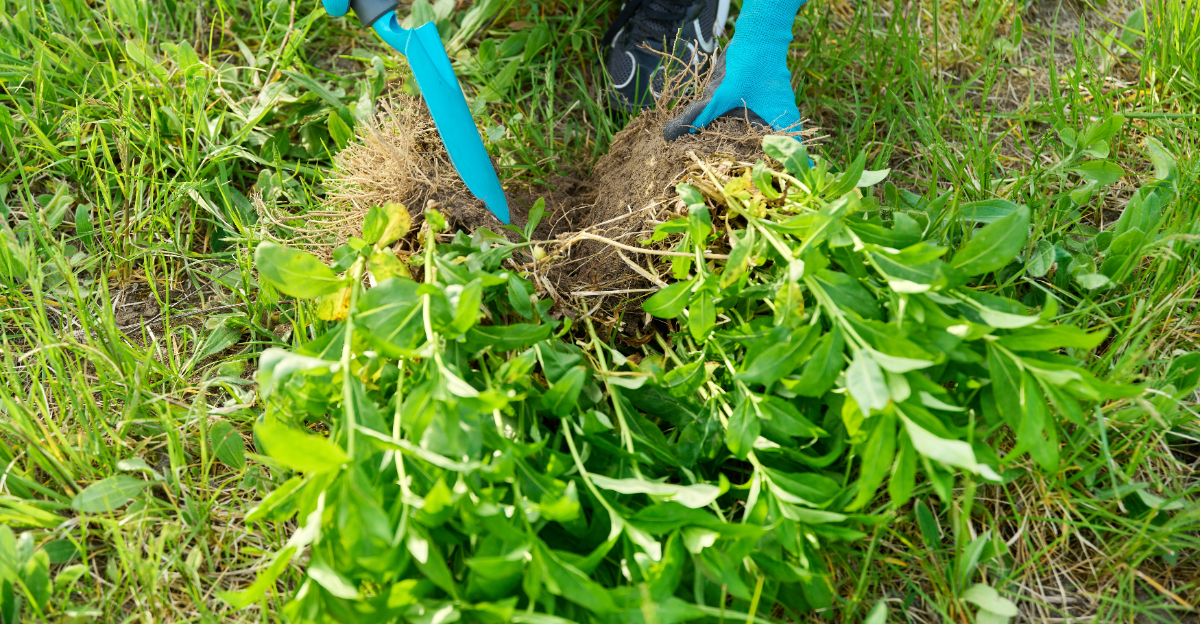
Division is one of the most practical skills in a gardener’s toolkit, and right now the timing is right for a surprising number of plants across North Carolina yards.
Splitting an overcrowded perennial takes less than twenty minutes, costs nothing, and turns one struggling plant into several healthy ones ready to fill new spots in the garden.
Most gardeners know division is something they should do but put it off until the moment has passed.
The window matters because plants divided at the right time recover faster, establish stronger roots before summer heat peaks, and bloom better in the same season.
North Carolina’s spring gives divided plants exactly the mild conditions they need to settle in without stress. Whether you are expanding a bed, filling gaps, or sharing extras with neighbors, these are the plants worth splitting right now before the season moves on.
1. Bee Balm Spreads Fast Enough To Divide Almost Every Few Years
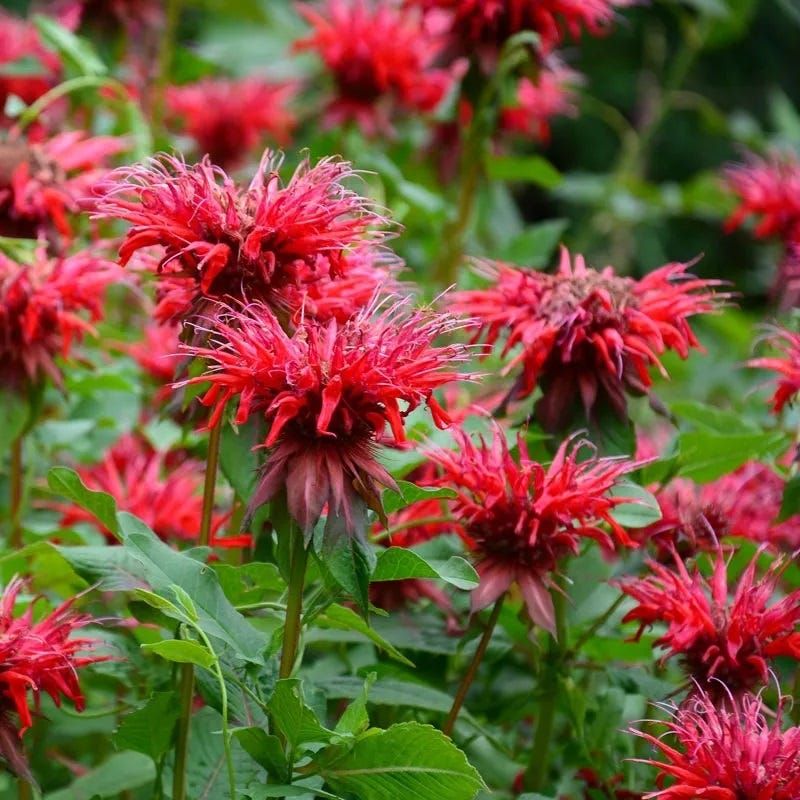
Few plants reward gardeners quite like Bee Balm, which spreads eagerly through underground stems and can double in size within just a couple of growing seasons.
By May in North Carolina, the clumps are full enough to divide but the soil is still workable before summer heat makes transplanting stressful.
Splitting Bee Balm every two to three years keeps the plant vigorous and full of blooms.
Dividing is straightforward. Dig around the outer edges of the clump, lift sections with a garden fork, and replant healthy pieces with strong stems and roots.
Each division should be about the size of your fist for best results. Space new transplants at least 18 inches apart so air can move freely between plants.
Good airflow matters a lot in North Carolina’s humid summers because Bee Balm is prone to powdery mildew when plants are crowded. Giving divisions more breathing room dramatically reduces that problem.
Water new transplants deeply every two to three days for the first two weeks to help roots settle in. A light layer of mulch around each plant keeps moisture in and soil temperatures steady during the transition period.
2. Golden Ragwort Naturally Expands Through Shade Gardens
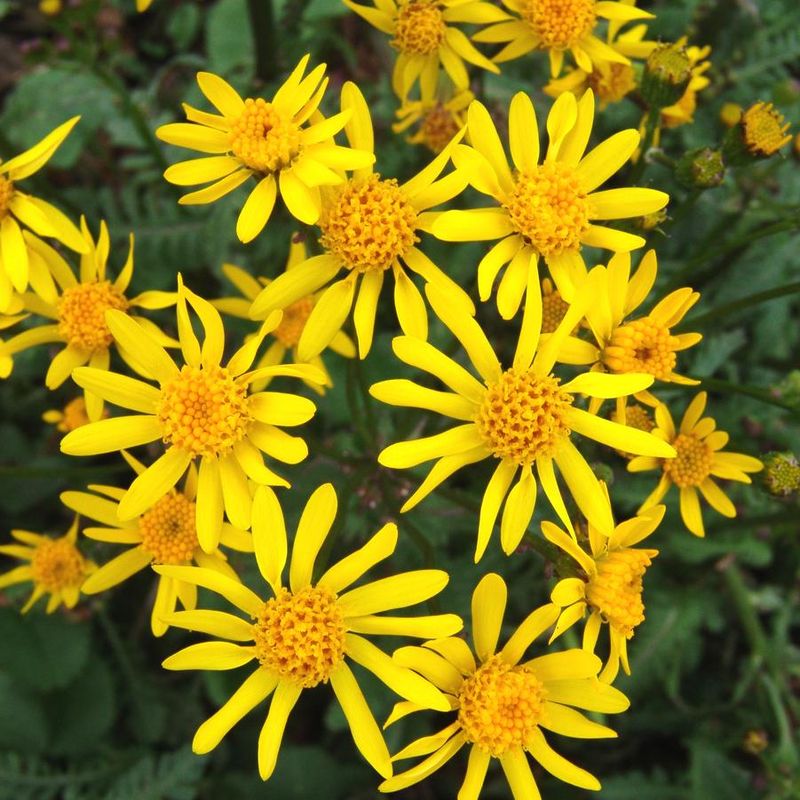
Golden Ragwort is one of those plants that quietly takes over a shaded corner in the best possible way.
This cheerful native groundcover spreads steadily through underground rhizomes, creating thick, glossy mats of foliage topped with sunny yellow flowers each spring.
By May, established patches are ready to be divided and shared before summer warmth pushes the plant into a slower growth phase.
Dividing Golden Ragwort is surprisingly easy. Use a hand trowel or garden fork to separate rooted sections from the edges of an established patch.
Each piece needs at least a few healthy leaves and a good root system attached. Replant divisions about 12 inches apart in moist, well-draining soil with plenty of organic matter worked in.
This plant absolutely thrives in shaded spots where other perennials struggle, making it a fantastic solution for tricky dry shade areas under trees. After replanting, water new divisions thoroughly and keep the soil evenly moist for the first few weeks.
Your North Carolina Garden Changes Every Week. Your Plan Should Too.
Gardening in North Carolina changes quickly throughout the season. Every Friday you’ll receive a simple weekly plan showing exactly what to plant, prune, fertilize, harvest, and protect so you never miss the right timing.
A generous layer of shredded leaf mulch helps hold moisture and mimics the woodland floor conditions Golden Ragwort naturally prefers.
Within one season, new transplants will spread and fill gaps beautifully, giving your shade garden a lush, layered look without any extra cost.
3. Green And Gold Quickly Forms New Clumps That Divide Easily
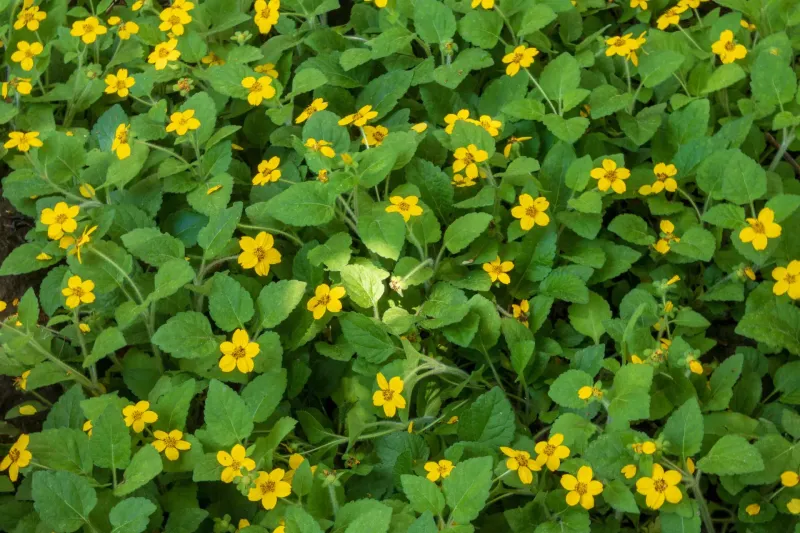
There is something almost magical about a plant that practically divides itself. Green and Gold is a tough, low-growing native perennial that spreads steadily along the soil surface, sending out short runners that root wherever they touch the ground.
By May, an established planting will have plenty of rooted sections ready to be separated and moved to new spots around the garden.
To divide, simply trace the runners back to where they have rooted, cut them free with a sharp pair of scissors or a hand trowel, and lift the rooted section carefully. Each new transplant should have a healthy cluster of leaves and a small but intact root system.
Plant divisions about 10 to 12 inches apart in partial to full shade with loose, moisture-retaining soil for the best establishment.
Green and Gold works beautifully along woodland borders, shaded pathways, and under the canopy of large trees where grass refuses to grow well.
After replanting, water new divisions every other day for the first two weeks and apply a thin layer of mulch to protect young roots from drying out.
This plant is remarkably forgiving and recovers quickly from division, often pushing out fresh new growth within just a few weeks of being transplanted into its new home.
4. Blue Flag Iris Benefits From Occasional Division In Moist Gardens
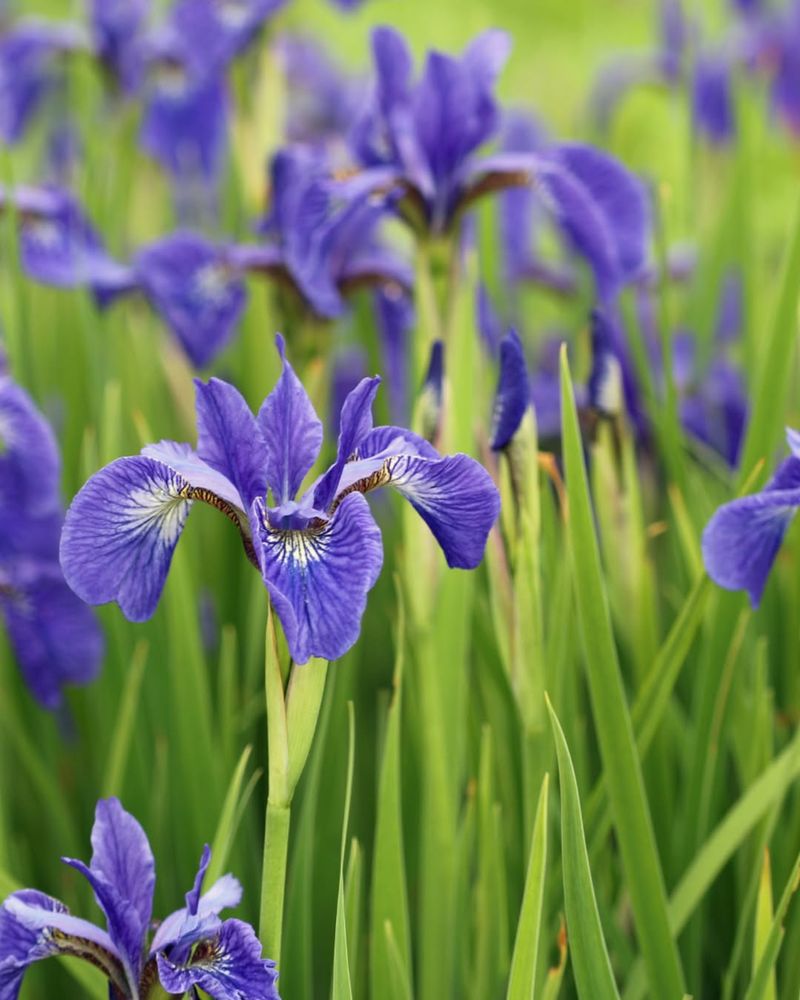
Blue Flag Iris is one of those stunning native plants that earns serious attention every spring when its violet-blue flowers open up along pond edges and moist garden beds.
Over time though, mature clumps get crowded, and that crowding leads to fewer blooms and weaker overall growth.
Dividing every three to four years gives this beauty a fresh start and rewards you with several new plants at no cost.
Late spring, right after flowering winds down, is the ideal window for division in North Carolina. Dig around the entire clump, lift it out, and use a sharp garden knife to separate individual rhizomes.
Each division needs at least one healthy fan of leaves and a firm, solid rhizome attached. Trim the leaf fans down to about six inches tall to reduce stress on the plant while new roots establish.
Blue Flag Iris needs consistently moist or even wet soil to perform well, so choose replanting spots near rain gardens, pond margins, or low-lying areas that stay naturally damp.
Plant rhizomes just at or slightly below the soil surface and water generously after transplanting.
Avoid letting divisions dry out between digging and replanting. Within a few weeks, fresh root growth will anchor each division, and by next spring, expect a gorgeous show of blooms across all your new plantings.
5. Christmas Fern Slowly Expands Into Larger Woodland Clumps
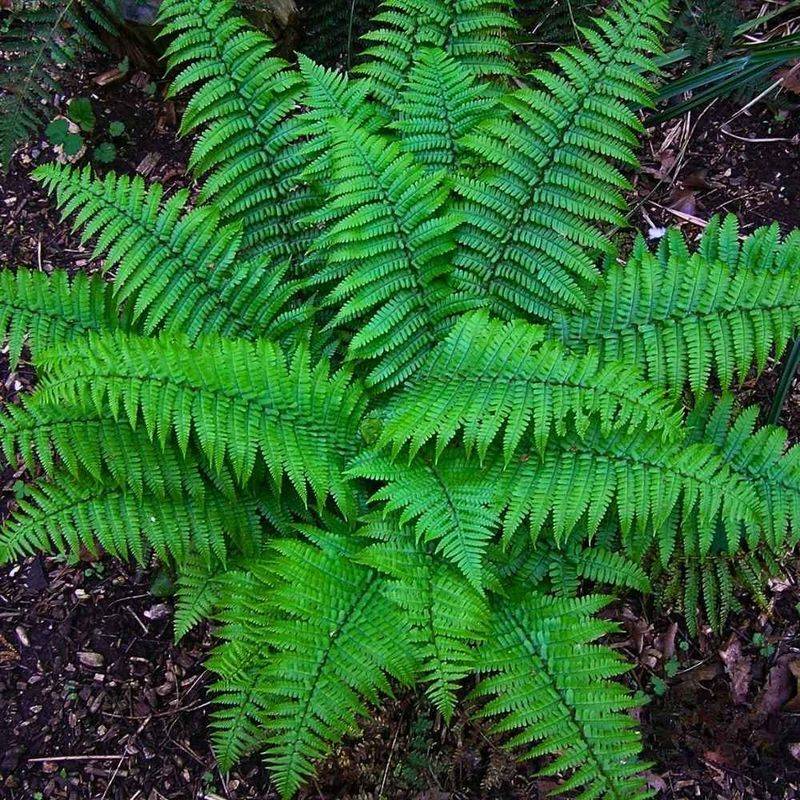
Christmas Fern is one of the most dependable native plants in North Carolina, holding its deep green color straight through winter while everything else fades.
Over several years, a single plant slowly builds into a wide, arching clump that can be carefully divided in spring before the season’s new fronds fully unfurl.
May is a sweet spot for this task because the soil is warm and moist but summer stress has not yet arrived.
Dividing Christmas Fern takes a bit of patience since the root crowns are dense and tightly packed. Use a sturdy garden fork to loosen the soil all around the clump before attempting to lift it.
Once out of the ground, gently pull or cut the crown into sections, making sure each division has several healthy growing points and a generous portion of fibrous roots attached.
Replant divisions in shaded spots with rich, well-draining woodland soil amended with compost or aged leaf mold. Set each crown at the same depth it was growing before and firm the soil gently around the roots.
Water deeply right after planting and keep the soil consistently moist for the first month.
Spreading a two-inch layer of shredded bark or leaf mulch around each new transplant helps regulate soil temperature and retain the moisture that Christmas Fern needs to settle in successfully.
6. Foamflower Creates Dense Mats That Can Be Split Into New Plants
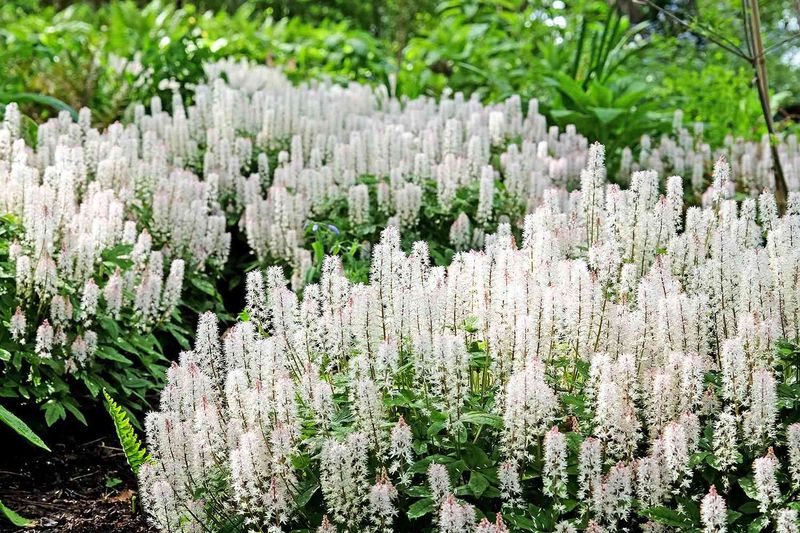
Walk through almost any healthy North Carolina woodland garden in spring, and you might spot Foamflower sending up its delicate, feathery white flower spikes above a carpet of richly patterned leaves.
This native perennial spreads by sending out surface runners that root freely along the ground, forming thick mats that are easy to divide once established.
Spring division before summer heat arrives gives new transplants the best possible start.
Separating Foamflower is one of the easier dividing jobs in the garden. Follow the runners outward from the main plant and look for sections that have already rooted into the soil.
Cut the runner connecting them to the parent plant, then lift the rooted section with a hand trowel. Each division should have a cluster of healthy leaves and a small but well-developed root system before replanting.
Foamflower thrives in partial to full shade with consistently moist, humus-rich soil. Space divisions about 12 inches apart to give them room to spread naturally without becoming overcrowded too quickly.
After replanting, water new transplants every two days for the first two to three weeks and apply a layer of leaf mulch to help retain moisture.
Older, woody patches that have been growing in the same spot for years benefit enormously from this kind of rejuvenating division, pushing out vigorous new growth almost immediately after being refreshed and replanted.
7. Wild Ginger Slowly Forms Thick Native Groundcover Colonies
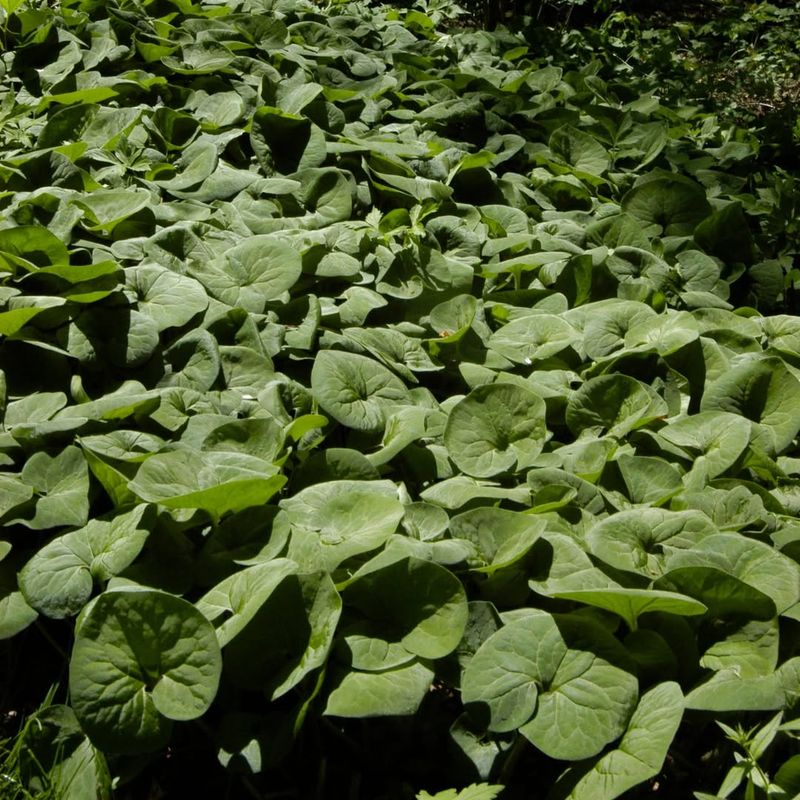
Wild Ginger is the quiet achiever of the native shade garden. It creeps along slowly and steadily, weaving its way across the woodland floor with large, velvety heart-shaped leaves that form an almost unbroken carpet of green.
While it does not spread as fast as some groundcovers, established colonies do build up enough rhizome growth over several years to make spring division a worthwhile and rewarding project for North Carolina gardeners.
The best time to divide Wild Ginger in North Carolina is in May, when the soil is warm and moist but summer conditions have not yet arrived. Carefully scrape back the leaf litter and use a hand trowel to trace the shallow rhizomes just beneath the soil surface.
Cut sections that include several leaf nodes and a healthy portion of roots, then replant divisions promptly so the rhizomes do not dry out.
Wild Ginger prefers deep shade and rich, consistently moist soil with plenty of organic matter. Set divisions at the same shallow depth they were growing before, spacing them about eight to ten inches apart.
Water thoroughly right after planting and keep the area evenly moist throughout the first growing season.
Adding a generous layer of shredded leaves as mulch not only holds moisture but also mimics the natural woodland floor environment where Wild Ginger genuinely thrives and spreads most happily.
8. Ostrich Fern Creates New Plants Naturally Through Underground Runners
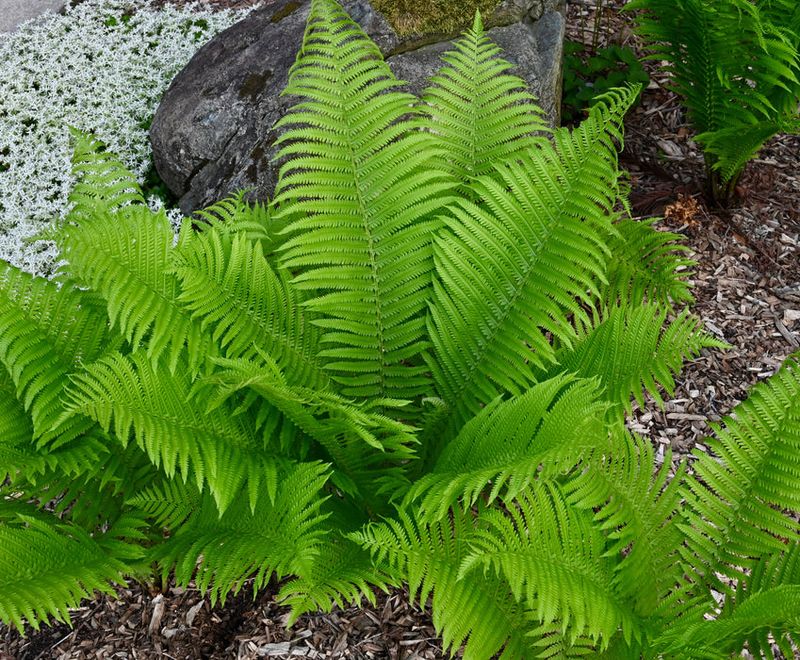
Ostrich Fern is dramatic in the best possible way. Its tall, vase-shaped fronds can reach four to six feet in a single season, creating a bold, tropical-looking display in moist shaded gardens.
What many gardeners do not realize is that mature plants quietly spread underground through runners, producing offset plants called crowns that are ready to be separated and moved each spring before the heat of summer arrives.
In North Carolina, May is the right time to locate these offsets and separate them from the parent plant. Dig carefully around the base of the main clump and follow the underground runners outward until you find a rooted crown.
Use a sharp spade or garden fork to sever the runner and lift the offset cleanly. Each division should have a firm crown and a good mass of fibrous roots to support successful establishment.
Ostrich Fern performs best in consistently moist to wet soil with rich organic matter and partial to full shade. Avoid planting in spots that dry out quickly during summer because consistent moisture is essential for strong, healthy growth.
After replanting, water new divisions deeply every two to three days and apply a thick mulch layer to retain soil moisture.
With the right conditions, Ostrich Fern divisions establish quickly and begin producing their signature impressive fronds by midsummer, adding real drama to shaded garden spaces.
9. Woodland Phlox Divides Easily Before North Carolina Summer Heat Arrives
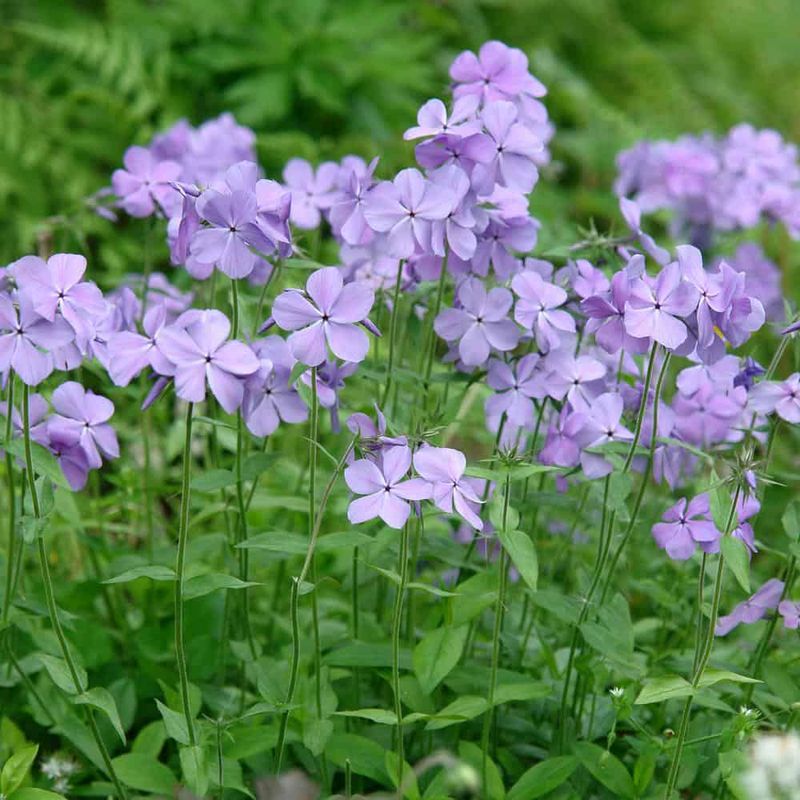
Woodland Phlox is one of spring’s most charming native perennials, covering the ground with soft lavender-blue flowers that seem to glow in dappled shade.
After blooming wraps up in late spring, the plant enters a quieter growth phase that makes it the perfect candidate for division.
North Carolina gardeners who act quickly in May can separate established clumps while temperatures are still comfortable for transplanting.
To divide, use a garden fork to loosen the soil around the entire clump before lifting it. Pull or cut the clump into sections, making sure each piece has healthy stems, intact roots, and a few strong growing points.
Smaller divisions tend to establish faster than large chunks, so aim for sections about the size of your palm. Replant immediately to prevent roots from drying out between the digging and planting steps.
Woodland Phlox grows best in partial shade with moist, well-draining soil rich in organic matter. Space divisions at least 12 inches apart to allow good airflow between plants, which helps prevent fungal issues during humid North Carolina summers.
Water new transplants every couple of days for the first two to three weeks and keep the mulch layer topped up to hold moisture.
Within a few weeks, fresh new growth will confirm that your divisions have rooted successfully and are settling comfortably into their new garden spots.
10. Joe Pye Weed Can Be Divided To Create More Pollinator Plants For Free
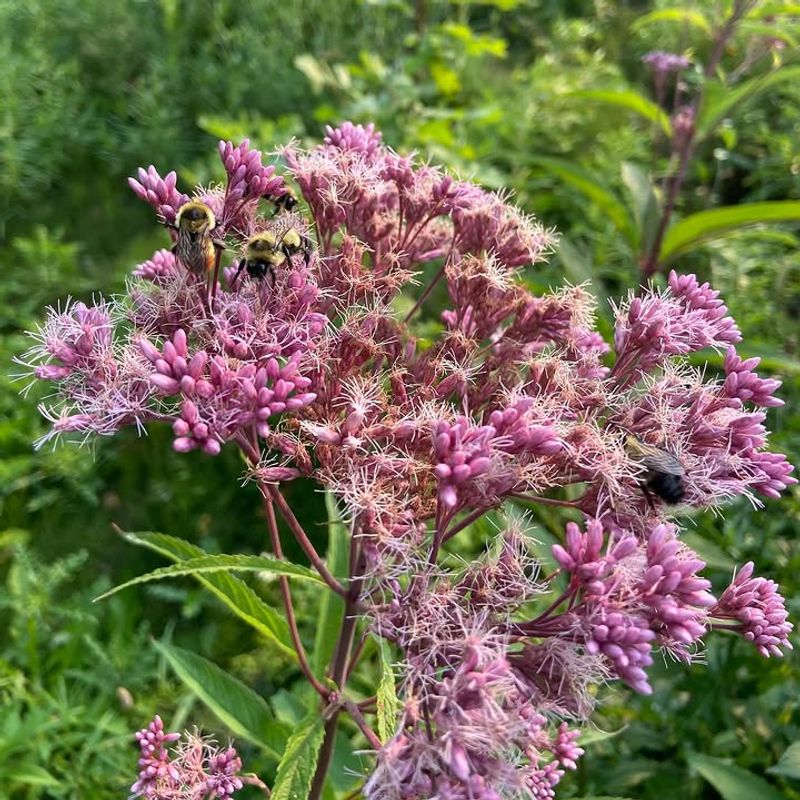
Joe Pye Weed is a powerhouse native perennial that pollinators absolutely cannot resist. Butterflies, bees, and other beneficial insects flock to its large clusters of dusty pink flowers from midsummer straight through fall.
The catch is that mature clumps grow enormous over time, sometimes reaching six feet tall and spreading just as wide. Dividing in May, before summer growth kicks into high gear, keeps plants manageable and gives you free transplants for other spots.
Dividing Joe Pye Weed takes a bit of muscle because established clumps develop thick, dense root masses.
Push a sharp spade straight down through the center of the clump to split it, then work sections free from the outside edges where growth tends to be freshest and most vigorous.
Each division should include several strong stems emerging from a solid chunk of root mass. Discard any sections from the very center of old clumps that look woody or weak.
Joe Pye Weed thrives in full sun to partial shade with consistently moist soil, making it a great fit for rain gardens and low-lying areas in North Carolina yards.
After replanting divisions, water deeply every few days and add a generous mulch layer to hold moisture through the warming weeks ahead.
New divisions may look a bit droopy at first, but with steady watering and a little patience, they recover quickly and grow strong before the pollinator season peaks in late summer.
11. Solomon’s Seal Forms Easy To Divide Woodland Colonies
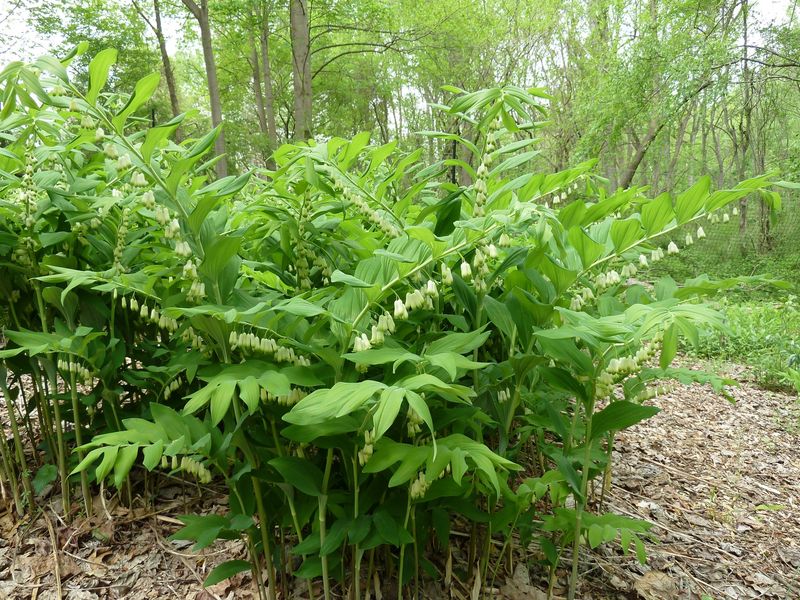
Solomon’s Seal has a quiet elegance that makes it one of the most admired native perennials in shaded gardens across North Carolina.
Its graceful arching stems lined with oval leaves and dangling white bell-shaped flowers create a layered, woodland look that is hard to replicate with any other plant.
Over several years, underground rhizomes spread steadily outward, forming loose colonies that are perfectly suited for spring division.
May is an ideal time to divide Solomon’s Seal in North Carolina because the plants have leafed out enough to locate healthy sections but summer heat has not yet arrived to stress fresh transplants.
Use a garden fork to loosen the soil and lift sections of rhizome from the outer edges of the colony.
Each division needs at least one or two growing points, called eyes, visible on the rhizome along with a healthy portion of roots attached.
Solomon’s Seal grows best in partial to deep shade with moist, well-draining soil enriched with compost or leaf mold.
Plant divisions at the same depth they were growing before, spacing them about 18 inches apart to allow room for the rhizomes to spread naturally over the next few seasons.
Water new transplants consistently for the first month and top up the mulch layer to keep soil cool and moist. Established divisions will reward you with that signature graceful arching growth by the following spring without any fuss.
12. Cardinal Flower Can Be Split Carefully To Expand Moist Garden Beds
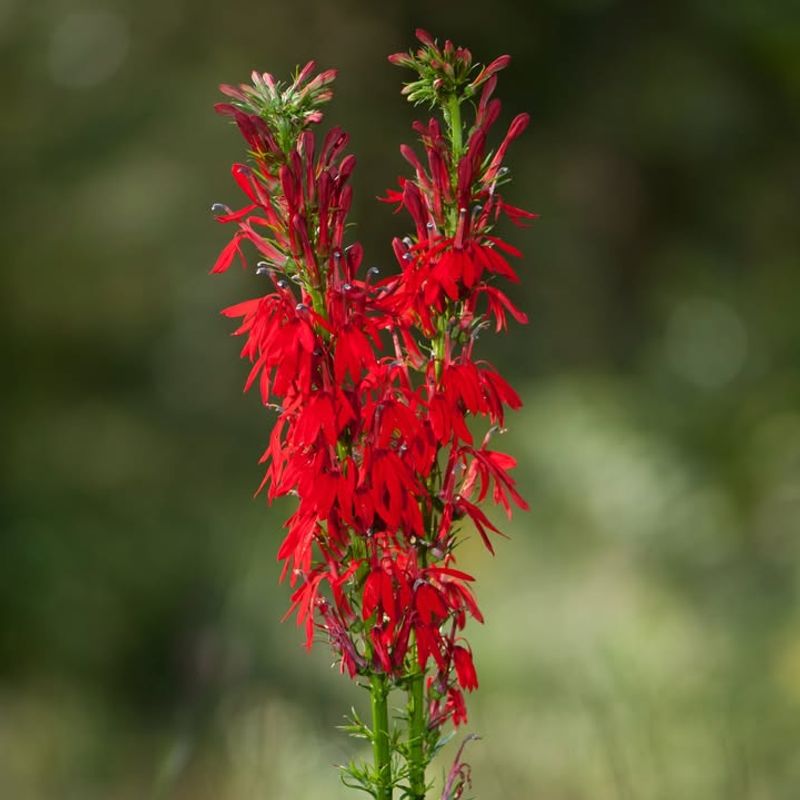
Cardinal Flower is one of those plants that stops people in their tracks.
Those brilliant scarlet flower spikes shooting up from moist garden beds are practically irresistible to hummingbirds, and the good news is that mature plants often produce small basal offsets that can be carefully separated in spring to expand your planting.
Acting in May before summer heat builds gives new transplants the best chance of establishing successfully.
Unlike some perennials that form large dividable clumps, Cardinal Flower is best propagated by separating the small rosettes that form around the base of established plants.
Use a hand trowel to carefully work around these offsets and lift them with their roots intact.
Avoid disturbing the main plant’s root system too aggressively since Cardinal Flower has a relatively shallow and somewhat delicate root structure compared to other large perennials.
Cardinal Flower demands consistently moist to wet soil and performs best in full sun to partial shade along stream banks, pond edges, and rain gardens throughout North Carolina.
After transplanting offsets, water generously every day for the first week and then every two to three days as roots begin to anchor.
Mulch around new transplants to hold moisture and keep soil temperatures stable. With steady care through the first season, new Cardinal Flower plants will establish firmly and reward you with a stunning hummingbird-attracting display of red blooms by midsummer.