What New York Homeowners Should Know Before Oak Wilt Reaches Their Tree
A healthy-looking tree in full leaf can drop nearly its whole canopy in about a month, in the middle of summer. No storm, no drought, just green and bronze leaves piling up on the lawn in July.
I didn’t expect a culprit this small to cause that much trouble. A fungus clogs the tree’s water pipes from the inside, and tiny beetles can ferry it to a fresh pruning cut within days. Roots of neighboring trees can even pass it along underground, like a secret tunnel.
New York has been tracking this problem since 2008, when it first turned up near Schenectady. Spots have since popped up in Brooklyn, on Long Island, and around the Finger Lakes.
Not going to lie, my pruning saw now stays on the hook until winter. Do you know which kind of shade tree is standing in your backyard right now?
That Bronze Oak Leaf Pile in July Is a Red Flag
Summer leaf drop on an oak should make you stop and stare. Healthy oaks hold their leaves until fall, so a shower of leaves in July or August deserves a closer look.
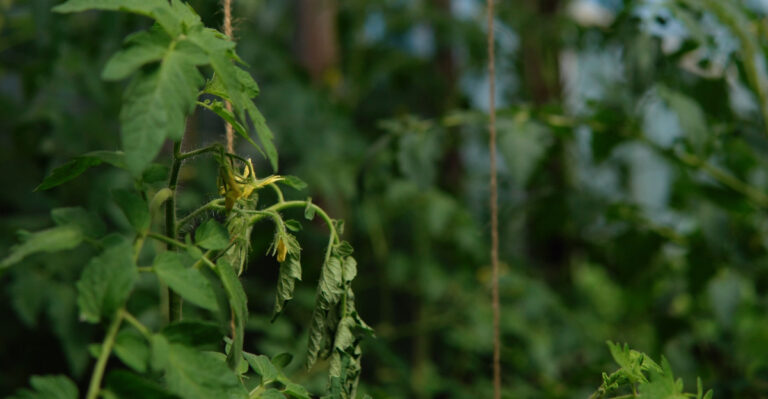
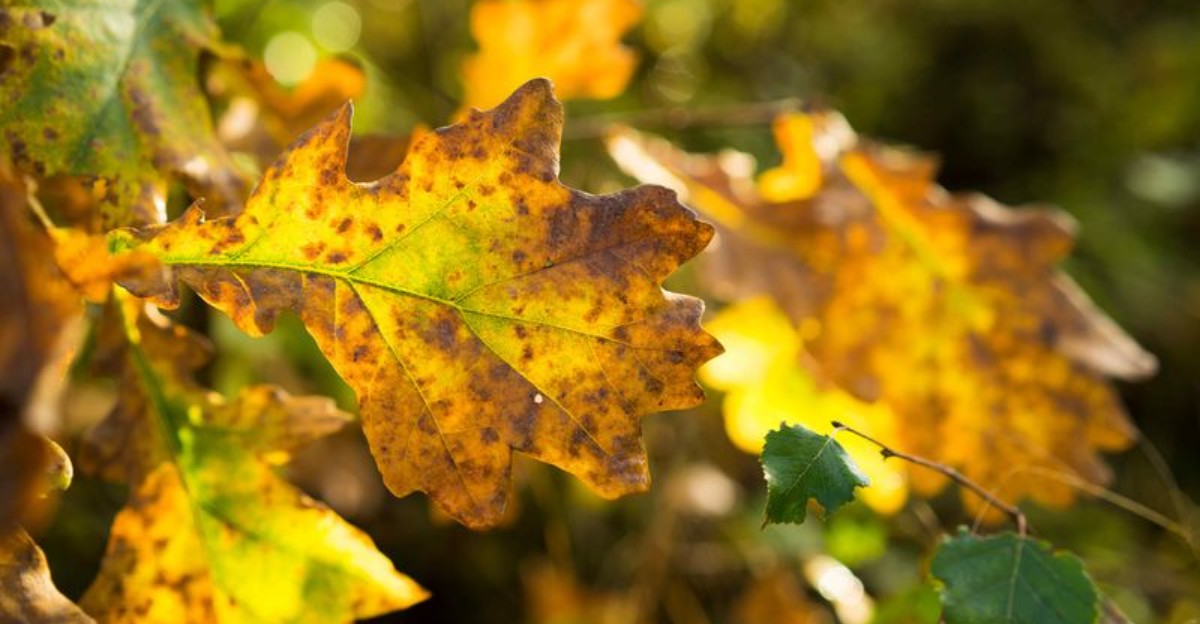
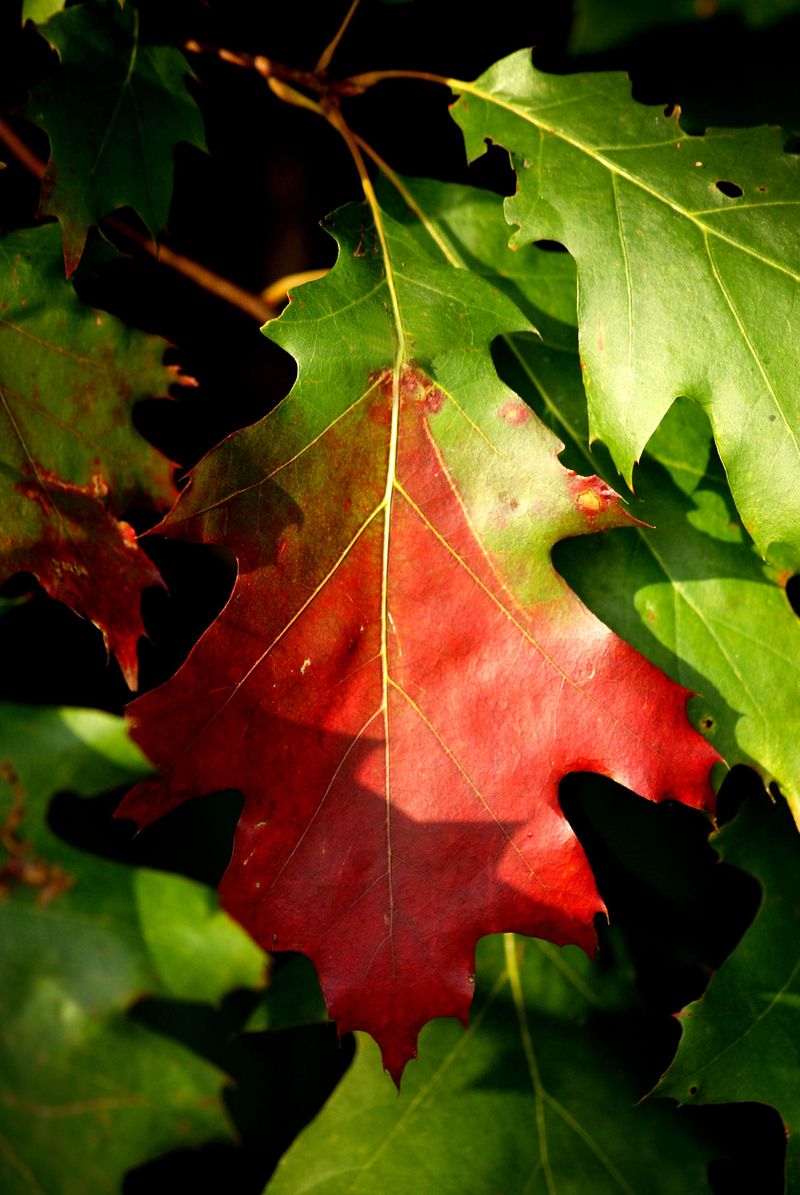
On red oaks, leaves often turn dull green or bronze starting at the tips and outer edges, and the color works inward toward the stem. Many leaves fall while still partly green. The wilting usually starts high in the crown and moves down.
I’ll admit it, the first time I saw photos of this, I assumed drought. Dry spells do stress oaks, but drought browning tends to be patchier and slower. Oak wilt is caused by a fungus called Bretziella fagacearum, which plugs the tree’s water-carrying vessels so water can’t reach the leaves.
Other troubles can look similar too. Anthracnose spots leaves in cool, wet springs, and two-lined chestnut borer causes branch decline in stressed trees. Bacterial leaf scorch browns leaf edges late in the season.
So what should you do with that pile? Snap a few photos of the leaves, note the date, and check how much of the crown is affected. That simple record helps an expert sort oak wilt from look-alikes much faster.
Red Oaks and White Oaks Face Very Different Odds
Oaks come in two big families, and the fungus treats them very differently. Knowing which one shades your yard might be the most useful thing you learn this year.
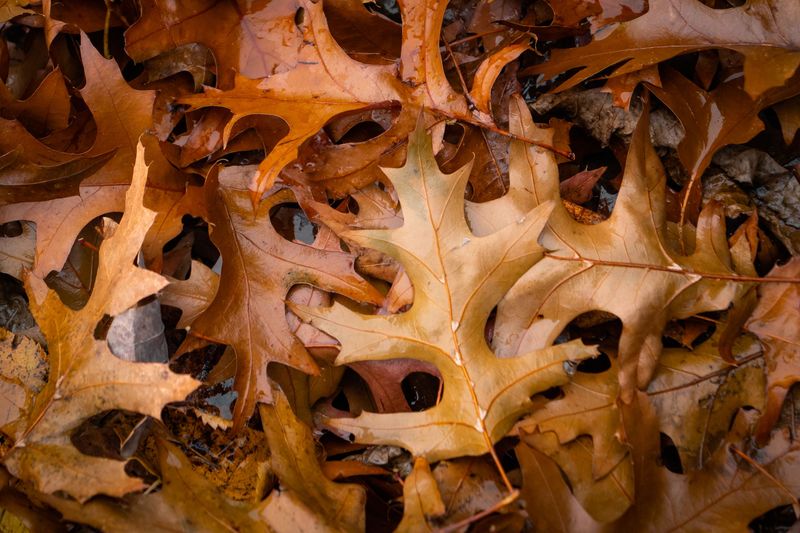
Red oaks have leaves with pointed, bristle-tipped lobes. In New York, that group includes northern red, black, scarlet, and pin oaks. Once infected, a red oak can lose most of its leaves within a few weeks, and there is no cure.
White oaks have rounded lobes with no bristles. Familiar examples include white oak, bur oak, and swamp white oak. Chestnut oak, with its wavy-edged leaves, belongs here too.
Trees in the white oak group can get oak wilt, but they usually decline slowly, losing a branch here and there over several years. Some even wall off the fungus and recover. They also rarely form the large spore mats that help the disease jump to new trees.
Grab a fallen leaf and look at the tips. Pointy tips mean you should be extra careful with pruning, wounds, and nearby infected trees. Rounded tips buy you more time, though not a free pass.
Fun fact, acorns give another clue. Red oak acorns take two seasons to ripen, while white oak acorns mature in just one.
Put the Pruning Saw Away When Sap Beetles Are Flying
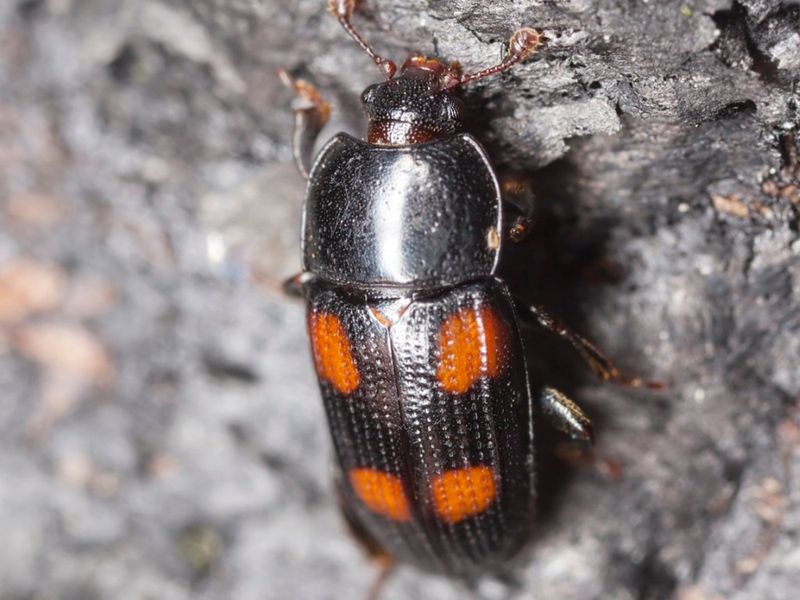
Fresh wounds on an oak in late spring act like an open invitation. Small sap beetles in the family Nitidulidae can find a new cut very quickly and may carry oak wilt spores on their bodies.
The New York State Department of Environmental Conservation asks people not to prune or wound oaks in spring and summer (April through August), when beetle and spore activity peaks. Many arborists play it safe and wait until fall. The safest window runs from late fall through winter, when the trees are dormant and the beetles are quiet.
Pruning isn’t the only way to wound a tree. Lawn mowers, string trimmers, new fence posts, and construction equipment can all scrape bark. I learned to keep a wide mulch ring around my trees so the mower stays far from the trunk.
Storms don’t follow the calendar, of course. If a branch snaps or bark gets torn during the risky months, cover the wound right away with latex paint or a wound dressing. Normally arborists skip wound paint, but oaks in this season are a special case.
Hire an ISA-certified arborist for big jobs, and ask about oak wilt timing before they start. A good one will happily reschedule.
Neighboring Oak Roots Can Share More Than Water
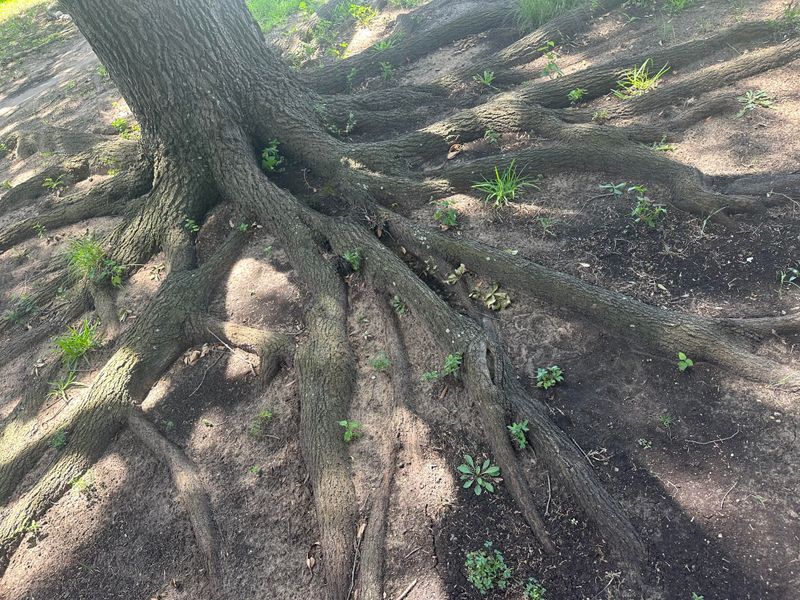
Oaks growing side by side share a strange secret. Their roots can fuse together underground, forming natural connections called root grafts.
Those grafts let trees share water and nutrients. Unfortunately, they also let the oak wilt fungus travel from a sick tree straight into a healthy neighbor, with no beetle needed. Red oaks graft with each other readily, which is why infections often show up as expanding circles of declining trees.
Grafts usually form between trees of the same group. Red oaks link to red oaks, and white oaks link to white oaks, though white oaks form fewer grafts. How far roots reach depends on soil, but sandy soils, like many on Long Island, allow especially long connections.
Professionals break these links by trenching or using a vibratory plow to slice roots between infected and healthy trees. The cut needs to go deep, often four to five feet, and it should happen before the infected tree comes down. Cutting the tree first, without breaking the roots, can leave the underground pathway wide open.
Keep this in mind if a neighbor’s red oak shows symptoms near your property line. A quick, friendly conversation could protect both yards. Your oaks may be closer kin than you realized.
Sweet-Smelling Spore Mats Hide Under Cracked Oak Bark
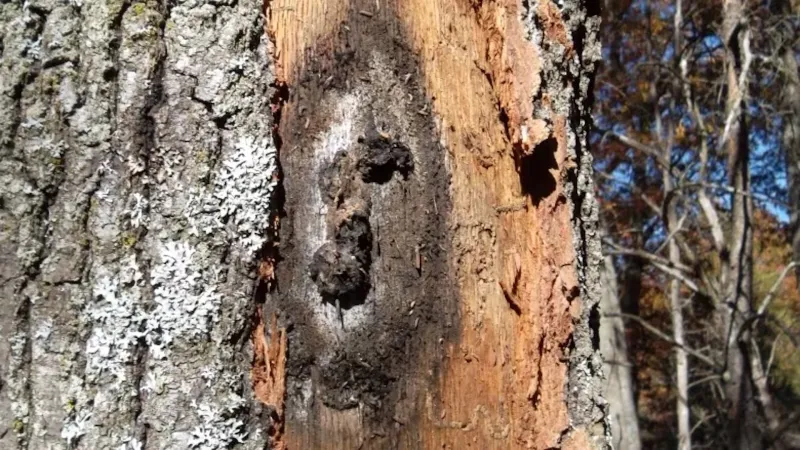
Oak wilt has a sweet tooth, or at least it smells like it does. On infected red oaks, the fungus often grows thick pads called spore mats just beneath the bark.
These mats push outward with small pressure pads until the bark cracks open in narrow vertical slits. Inside, you might see gray or black fungal tissue. Many people describe the scent as fruity, like overripe fruit, and that aroma pulls in sap beetles.
Mats usually form in late summer, fall, or the following spring on red oaks that wilted the year before. They rarely form on white oaks. Beetles feeding there get dusted with spores, then fly off searching for fresh tree wounds.
Don’t laugh, but I’ve found myself sniffing oak trunks on walks. A cracked strip of bark with a sweet smell on a recently wilted red oak is worth reporting.
That is also why a red oak with oak wilt shouldn’t sit around as firewood or a lumber pile. Wood from an infected tree can keep producing mats, giving beetles another buffet. Experts often recommend removing infected red oaks and either chipping, debarking, or tightly tarping the wood so beetles can’t reach it.
That Pile of Oak Firewood Shouldn’t Take a Road Trip
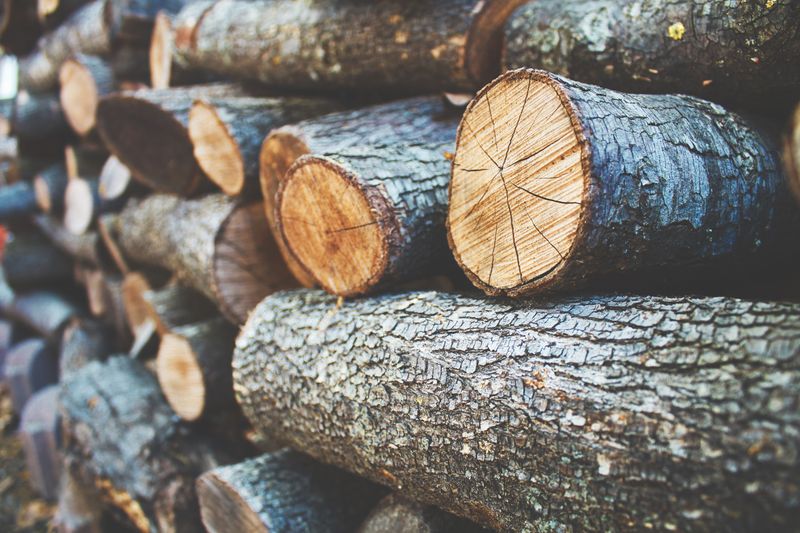
A bundle of free oak logs sounds like a great deal until you consider where it came from. Firewood is one of the easiest ways for tree diseases and pests to hitch a ride into new neighborhoods.
New York limits untreated firewood from traveling more than 50 miles from its source. Firewood labeled as certified heat-treated can travel farther.
The DEC sets up quarantine districts where oak wilt has been confirmed, including parts of Brooklyn, all of Suffolk County, and several Finger Lakes towns. Moving oak logs, branches, firewood, and stumps out of these zones is restricted.
Boundaries change as new cases appear or old sites clear up. Check the DEC website before moving wood, especially if you live near a known site.
Camping this summer? Buy firewood near your campsite and burn it all there. Leftover logs shouldn’t ride home in the trunk.
I’m a sucker for a crackling fire pit, but I’ve started asking where my wood comes from. Local sellers often know right away, and the ones with certified heat-treated bundles usually say so on the label. That small question costs nothing and helps keep the fungus contained.
Call the Experts and Protect the Oaks You Still Have
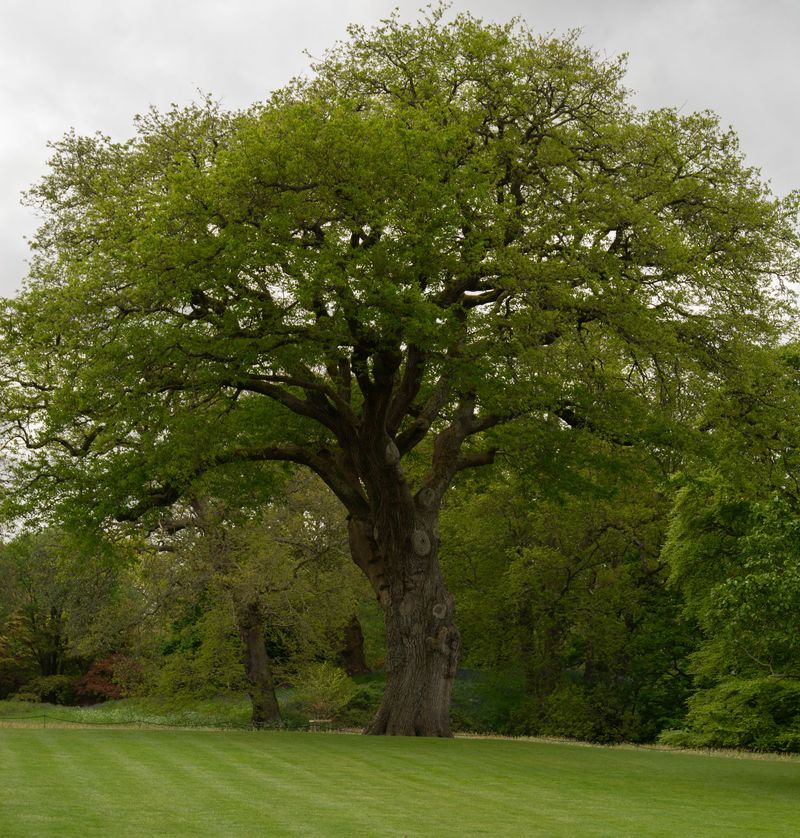
Spotting trouble early gives oaks the best shot. If your oak shows summer wilting, rapid leaf drop, or a cracked, sweet-smelling bark patch, reach out before you cut anything.
The DEC’s Forest Health office accepts reports and photos, and your local Cornell Cooperative Extension office can help you sort symptoms. Lab testing is the only reliable way to confirm oak wilt, since the fungus can be tricky to detect. Experts will often collect branch samples from the tree.
For red oaks already showing symptoms, there’s no cure. Confirmed sites are usually managed by removing infected trees, treating stumps, and breaking root connections to protect nearby oaks.
Healthy, high-value oaks near an infection site may benefit from preventive injections of the fungicide propiconazole, applied by a certified arborist. These treatments work best on white oaks or on red oaks before symptoms appear. They protect for about two years, so plan on repeat visits.
Prevention is still your strongest tool. Prune only in winter, protect trunks from mowers, buy local firewood, and keep your oaks well watered during dry spells.
Trust me on this one, a little attention today matters. Oaks can live for centuries, and the one in your yard is worth a phone call.