9 Things Successful Virginia Gardeners Do Every November
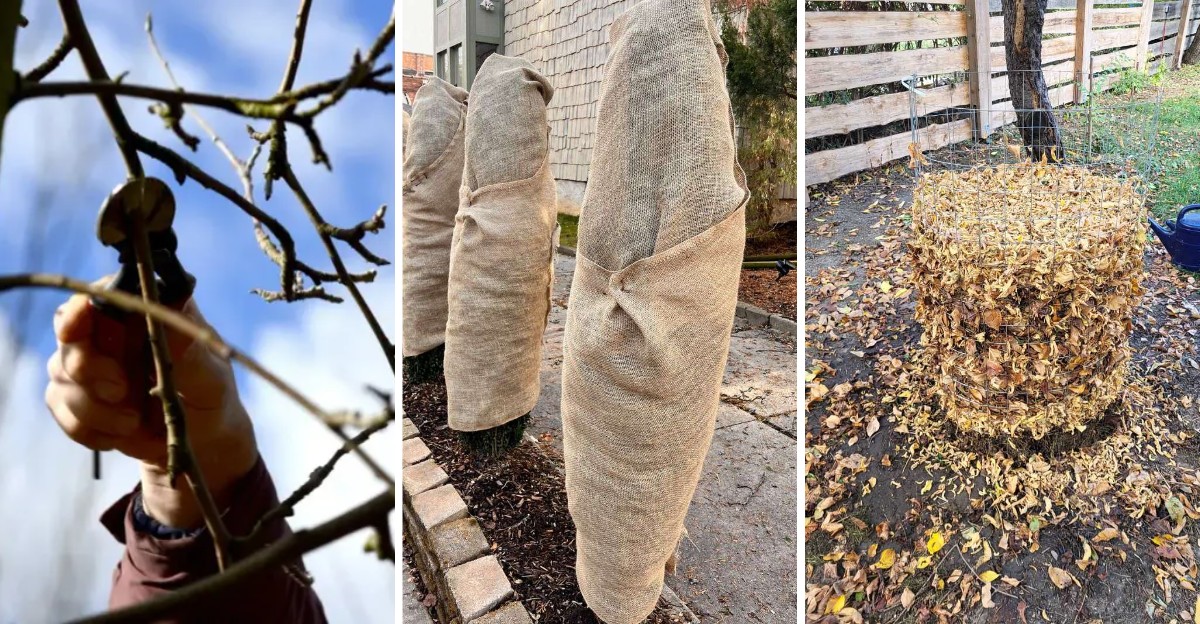
Oak trees are safest to prune in late fall, when the beetles that spread oak wilt are mostly inactive. That single detail changed how I plan my whole autumn calendar and my weekend chores.
Funny thing is, many Virginia gardeners hang up their gloves once the first frost browns the tomato vines. Cool soil and steady rain actually make this month one of the most productive windows of the entire year.
In my own yard, I have learned that small tasks done now save me hours of frustration next spring. Roots keep growing underground long after the leaves above have dropped and the air turns crisp.
So what are experienced growers quietly doing while everyone else is raking leaves and hunting for warm sweaters? The answers might surprise you, and a few of them could change how your garden looks by April.
1. Tucking Daffodil Bulbs Into Cool Autumn Soil
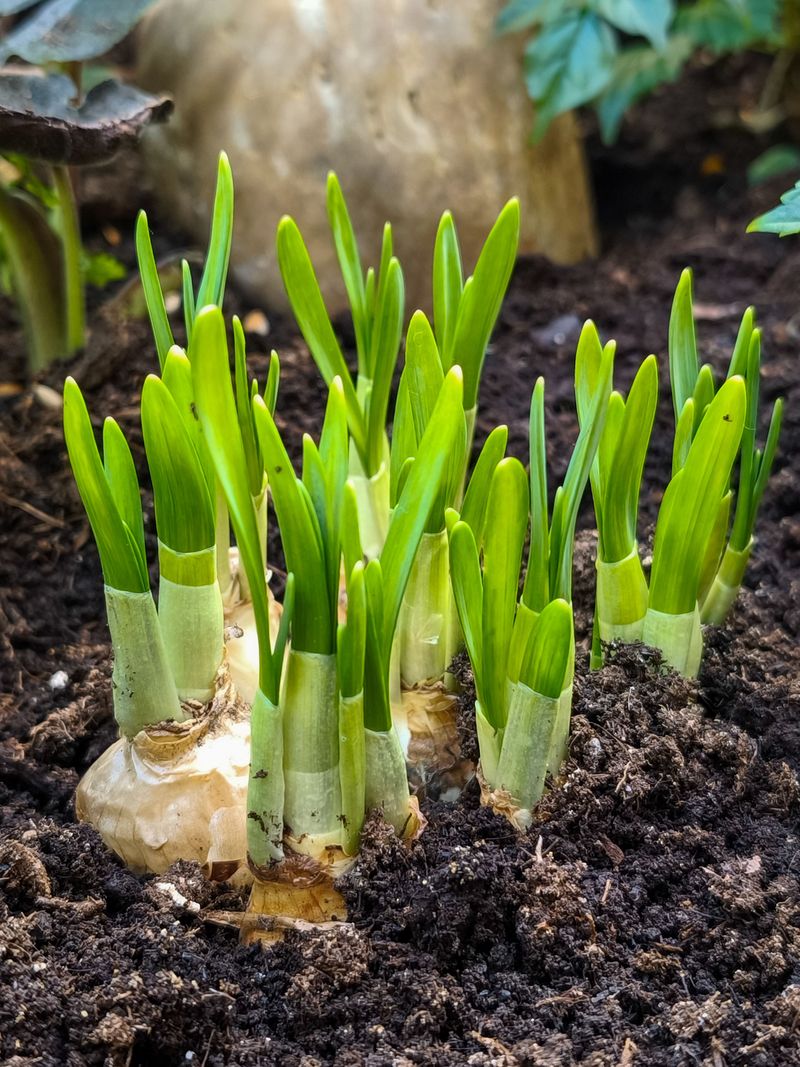
Daffodil bulbs look like dull brown onions, yet each one holds a full spring flower waiting patiently inside. I love that something so plain can turn into bright yellow trumpets after a few cold months underground.
Timing matters more than most people realize, because bulbs prefer soil that stays around 55 degrees or cooler. Across much of the state, that soil temperature usually arrives in late October or during this month.
Daffodils, hyacinths, and crocus can go into the ground right now for a cheerful display next spring. Tulips often do better when planted a little later, sometimes even in December after a short chill.
Depth is the trick that new gardeners often miss when they rush through planting on a cold afternoon. Set each bulb two to three times as deep as its own height, with the pointed end facing up.
Drainage deserves just as much attention, since soggy ground can make bulbs rot before they ever sprout. Skip low spots where puddles linger after storms, and choose a slightly raised bed or gentle slope instead.
Truth be told, I plant my bulbs in loose clusters rather than straight rows like little soldiers. Groups of seven or more look far more natural, and they create a bold splash of color from the kitchen window.
Squirrels sometimes dig up fresh bulbs, so I lay a piece of chicken wire over tulip beds. Daffodils rarely need that protection because their bulbs taste bitter, and most hungry critters leave them completely alone.
2. Planting Young Trees And Shrubs Before Winter
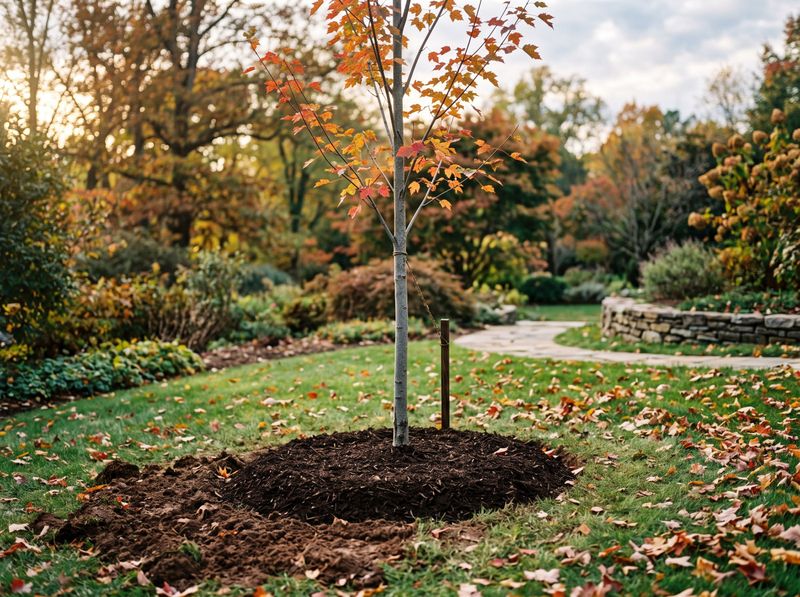
Roots are sneaky workers that keep growing in cool soil long after the branches above look bare. That hidden growth is exactly why autumn feels like a secret gift for anyone adding trees or shrubs.
Cooler air means new plants lose less water through their leaves, so they handle transplanting with much less stress. Meanwhile, the soil still holds some warmth, which encourages roots to spread before summer heat returns next year.
Dig a hole about twice as wide as the root ball, but keep it no deeper than the container. Planting too deep is a common mistake that can slowly weaken a tree over the following years.
If you ask me, the watering can is the most important tool after the shovel goes back in the shed. Soak new plantings deeply, and keep checking them during dry spells because autumn droughts happen more often than expected.
A layer of mulch two to three inches thick helps hold moisture and keeps soil temperatures steady. Just pull it back a few inches from the trunk so bark stays dry and healthy through winter.
Evergreens are a bit fussier, since they keep their leaves and can dry out in harsh winter wind. Plant them early in the month whenever possible, giving their roots a head start before the ground gets cold.
Native choices like serviceberry, redbud, and inkberry holly settle in beautifully and support local birds and pollinators. I have found that natives often need less fussing once established, which leaves more time for enjoying them.
3. Pruning Oak Trees During The Dormant Season
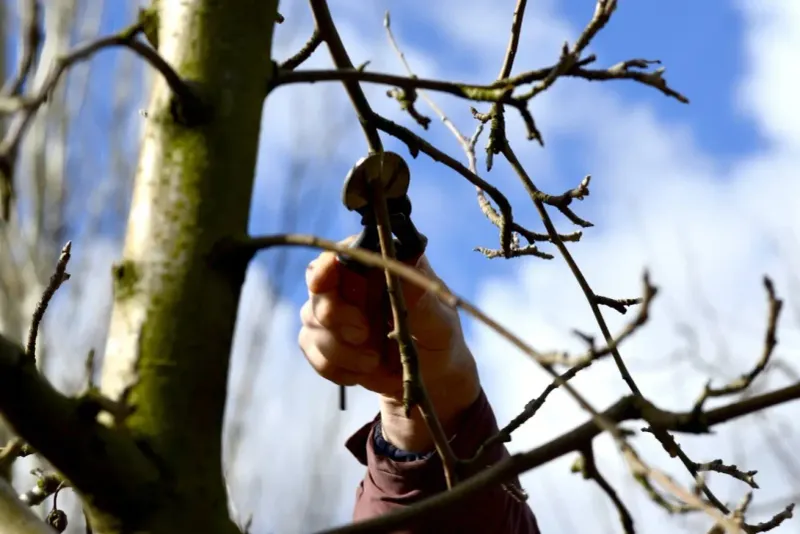
Oak trees have a quiet enemy called oak wilt, and the beetles that carry it love fresh pruning wounds. Cutting oaks in late fall or early winter greatly lowers that risk, which makes this month a smart choice.
Most deciduous shade trees can be pruned anytime from now until early March while they rest for winter. Without leaves in the way, you can easily spot crossing branches, weak limbs, and awkward growth that needs attention.
Hollies and boxwoods can also be lightly thinned or trimmed during their dormant period through February. My garden taught me that a gentle touch works best, since heavy cuts on evergreens are better saved for early spring.
Conifers like pines and spruces deserve extra caution because many of them will not regrow from old bare wood. Snip only the green, leafy parts, or you might end up with a bald patch that lasts for years.
Spring bloomers such as azaleas, forsythia, and lilacs set their flower buds months ago on old wood. Pruning them now would remove next spring’s blossoms, so wait until those flowers fade before reaching for the shears.
Sharp, clean tools make neat cuts that heal faster and invite fewer problems into the tree’s tissue. Cut just outside the branch collar, that slightly swollen ring where a limb joins the trunk, for the best healing.
Large limbs high in the canopy are a job for a certified arborist with proper safety gear. Keeping your feet on the ground is a wise choice, and professionals can handle tricky cuts without harming the tree.
4. Sowing Crimson Clover And Winter Rye Cover Crops
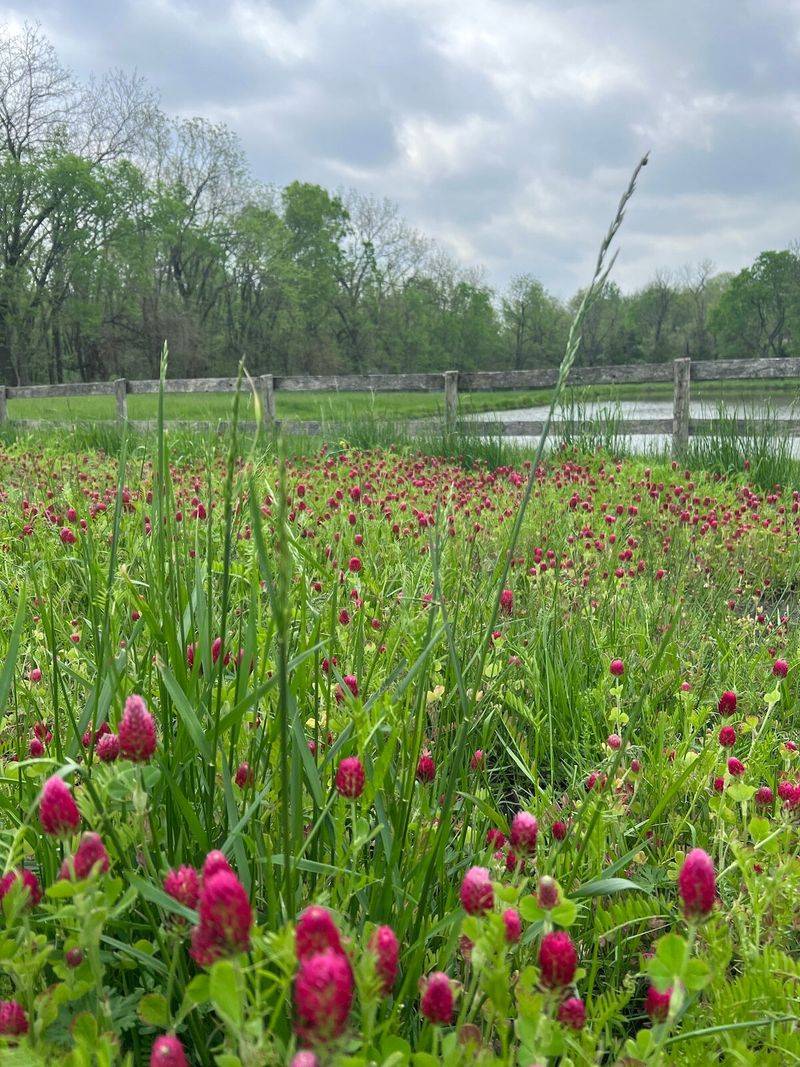
Bare soil in winter is a bit like leaving your front door open during a rainstorm all season long. Cover crops act as a living blanket, holding soil in place while quietly feeding it at the same time.
Winter rye is the champion for late planting because it sprouts in chilly weather that stops most other seeds. In my own yard, I scatter it over empty vegetable beds, and green fuzz appears within a week or two.
Crimson clover and hairy vetch belong to the legume family, which works with soil bacteria to gather nitrogen. Your spring tomatoes and peppers benefit from that free fertilizer once the cover crop gets turned under or cut down.
Timing still matters, since seeds need enough warmth to sprout and establish before the ground freezes hard. Clover generally prefers earlier fall sowing, so late planters often lean on rye or oats for dependable results.
Roots from cover crops loosen compacted soil and help rainwater soak deeper instead of running off the surface. They also trap leftover nutrients that might otherwise wash away during heavy winter rains and spring storms.
Oats offer an easy option because cold weather usually knocks them back, leaving a soft mulch for spring planting. Forage radish works in a similar way, with thick roots that punch holes through heavy clay soil.
Scatter seed over raked soil, then lightly cover it with a rake or a thin layer of compost. Water gently if the weather turns dry, and let nature handle the rest until spring planting season returns.
5. Scooping Garden Soil For A Lab Test
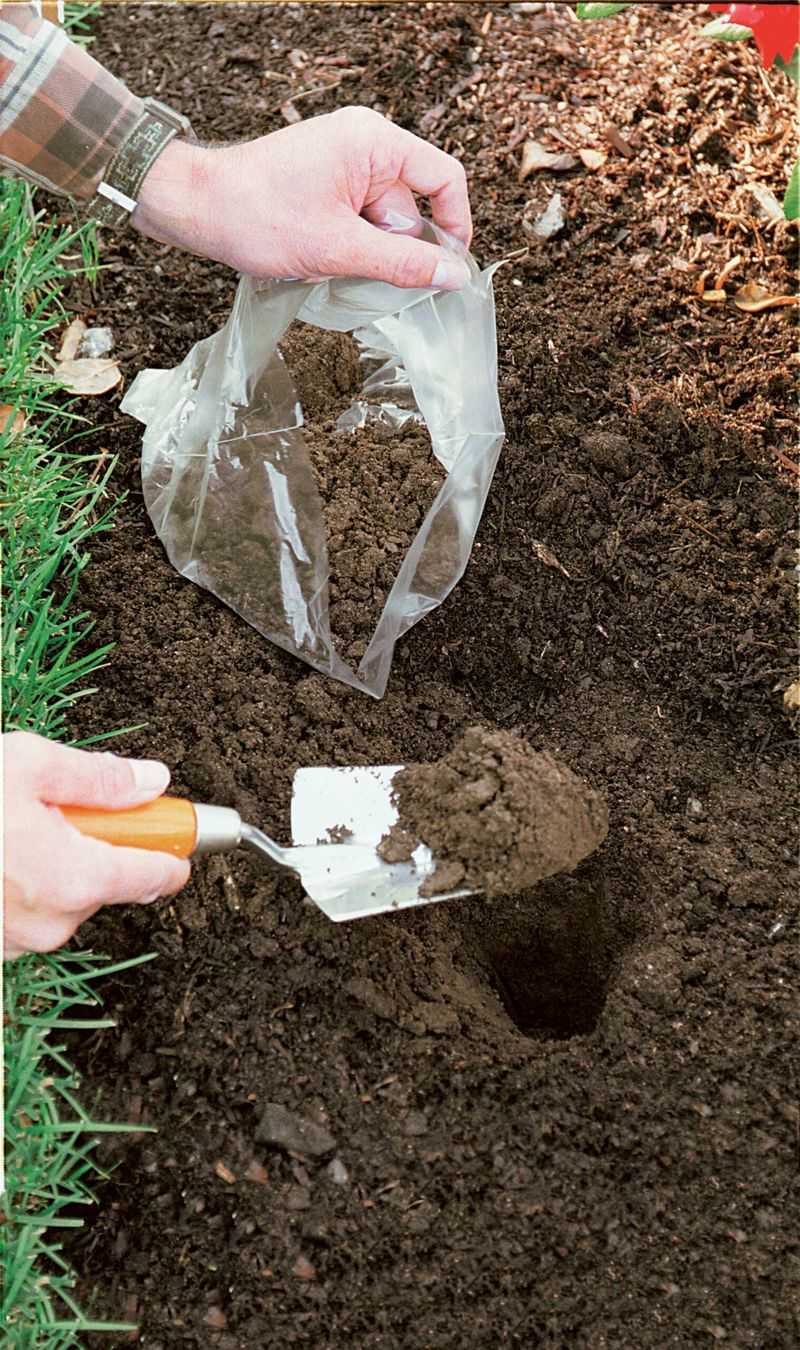
Guessing what your soil needs is like cooking dinner without tasting it even once before serving. A simple soil test shows exactly what is missing, and it costs less than many bags of fertilizer.
The Virginia Tech Soil Testing Laboratory checks pH, phosphorus, potassium, and several other important nutrients for home gardeners. You also receive clear lime and fertilizer recommendations based on whatever you plan to grow in that spot.
Sample boxes and forms are available at local Virginia Cooperative Extension offices across the state. Results usually come back within a few working days, which gives you plenty of planning time before spring.
Here’s what caught my attention years ago when my first report arrived in the mail one chilly afternoon. My beds had plenty of phosphorus already, so I had been wasting money adding more every single spring.
Collect soil from ten or more spots across one garden area, digging down about six inches each time. Mix everything together in a clean plastic bucket, then fill the sample box with that blended soil.
Lime takes months to change soil pH, so testing now gives it time to work before planting season. Spreading lime during late fall lets winter rain carry it slowly into the soil where roots can reach it.
Testing every few years keeps you from overfeeding plants, which can harm nearby streams and the Chesapeake Bay. Fertilizer runoff feeds algae in waterways, so using only what your soil needs helps local wildlife and water quality.
6. Wrapping Tender Shrubs In Burlap And Draining Hoses
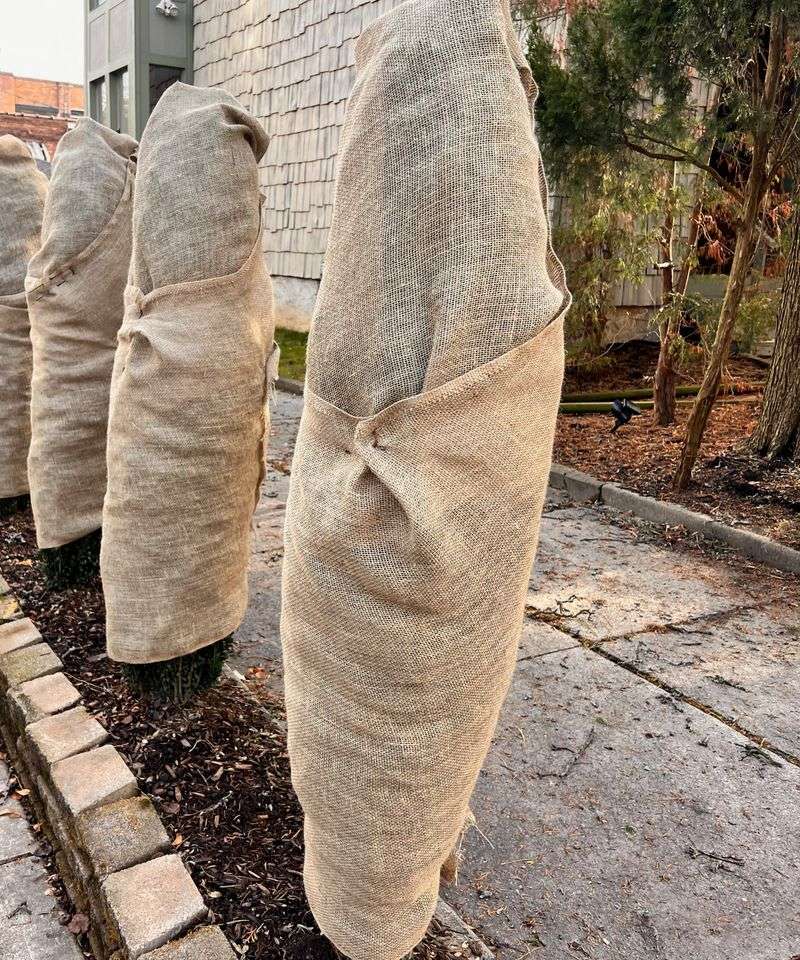
Frost heaving sounds like a strange dance move, but it can push young plants right out of the ground. Repeated freezing and thawing lifts shallow roots, leaving them exposed to bitter wind and cold winter air.
A thick layer of mulch around plant bases keeps soil temperatures steadier and reduces that heaving problem quite a bit. I use shredded leaves or pine straw, spreading it after the ground cools rather than during warm spells.
Burlap screens help protect young evergreens and tender shrubs from drying winter winds and heavy ice storms. Set up a few wooden stakes, then wrap burlap around them so the fabric does not crush branches underneath.
Old bedsheets or frost blankets work well during sudden hard freezes, especially for marginal plants near the house. Remove covers when temperatures rise again, because trapped heat on sunny days can stress plants more than the cold.
Garden hoses deserve some love too, since water left inside can freeze and split the rubber or fittings. Drain them fully, coil them loosely, and store them in a shed or garage until spring returns again.
Outdoor faucets and irrigation systems also need attention before the first deep freeze arrives in your area. Shut off water to outside spigots if possible, then open the faucet to let remaining water escape.
Truth be told, I learned this lesson after replacing a burst pipe one January morning with chattering teeth. That costly repair convinced me that a few minutes of preparation now is worth every bit of effort.
7. Clearing Diseased Leaves And Fallen Fruit From Beds
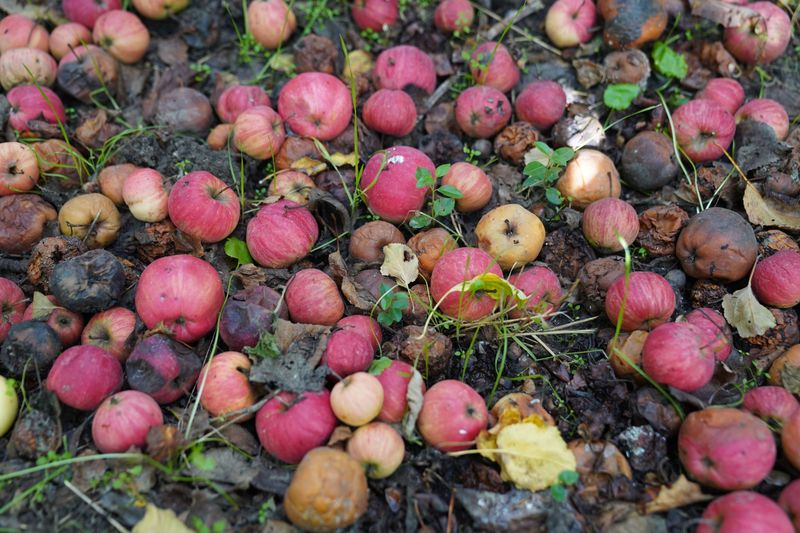
Fungal spores are tiny squatters that move into fallen leaves and wait patiently for spring rain. A careful fall cleanup evicts many of them before they get a chance to spread across your garden again.
Tomato leaves with spots, moldy squash vines, and rose leaves with black spot should leave the garden now. Bag them for trash pickup instead of composting, because home piles rarely get hot enough to stop disease.
Fallen fruit under apple, peach, and pear trees can shelter insect eggs and fungal problems over winter. Rake up those mushy leftovers and any broken branches, then toss them away from your growing areas for safety.
Healthy perennials are a different story, and many gardeners now leave stems standing for wildlife through winter. Hollow stems give native bees a cozy place to rest, and seed heads feed hungry goldfinches during cold months.
Asparagus ferns turn golden and then brown after a hard frost settles in for the season. Cut those stalks down to the ground, since asparagus beetles may hide in the old growth until warmer weather.
Tool care belongs on this checklist too, especially for shovels, pruners, and mowers that worked hard all year. Scrub off dirt, sharpen the blades, and wipe metal parts with a little oil to prevent rust.
Gasoline left in mowers and trimmers can turn gummy over winter and clog small engine parts badly. Run the engine until the tank empties, or add fuel stabilizer according to the product label directions.
8. Turning Shredded Leaves Into Rich Compost
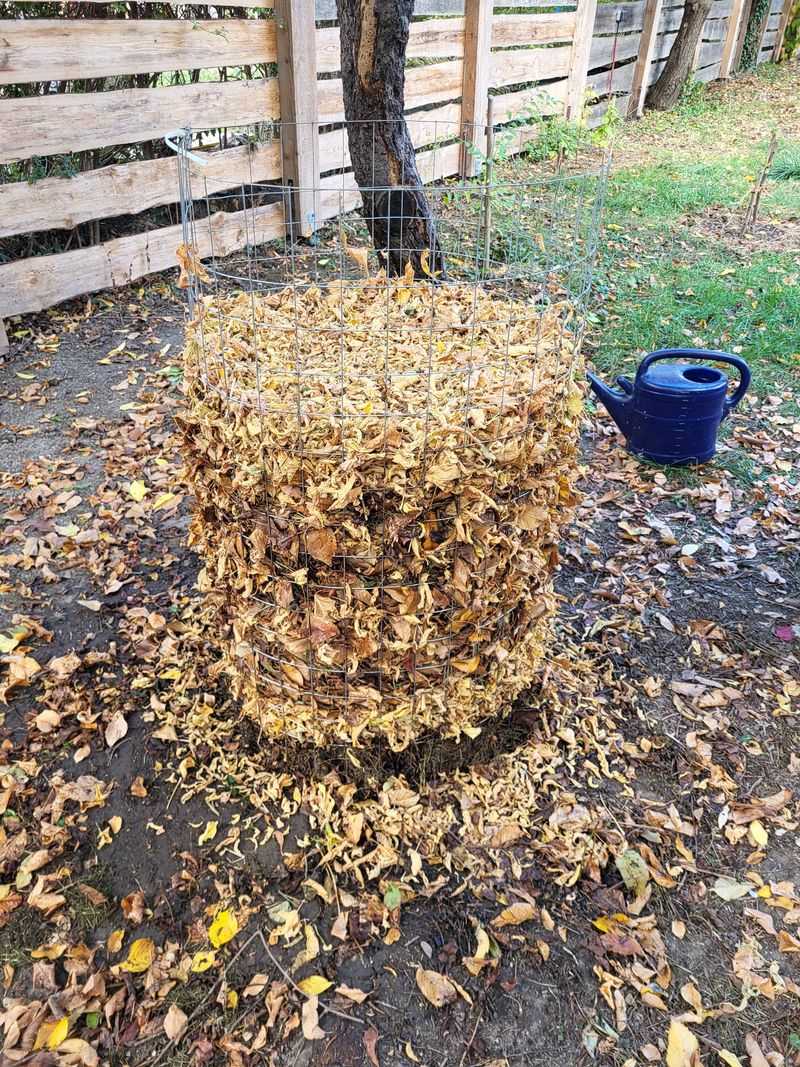
Every autumn, my oak and maple trees drop what feels like a mountain of free garden gold. Bagging those leaves for the curb seems like throwing money away when they could feed the soil instead.
Shredding makes a huge difference, because whole leaves mat together and break down slowly over many months. Running over them a few times with a mower chops them into small pieces that compost much faster.
Brown leaves are rich in carbon, so they pair nicely with green materials like vegetable scraps and coffee grounds. A mix of roughly three parts browns to one part greens keeps the pile healthy and free of odors.
Moisture should feel like a wrung-out sponge when you squeeze a handful from the middle of the pile. Too dry, and nothing happens, while too wet creates a slimy mess that smells unpleasant on warm days.
Turning the pile with a garden fork adds air that helps helpful microbes work faster through cold weather. Activity slows during winter, but a well-built pile can still give you dark crumbly compost by late spring.
Extra shredded leaves also make fantastic mulch for vegetable beds and flower borders over the coming months. They protect soil from heavy rain and slowly break down, feeding earthworms that improve your soil structure naturally.
Composting keeps yard waste out of landfills, where buried organic matter can release methane as it breaks down. Your garden gets richer soil, and your community sends less material to the dump every single fall season.
9. Filling Feeders For Cardinals And Chickadees
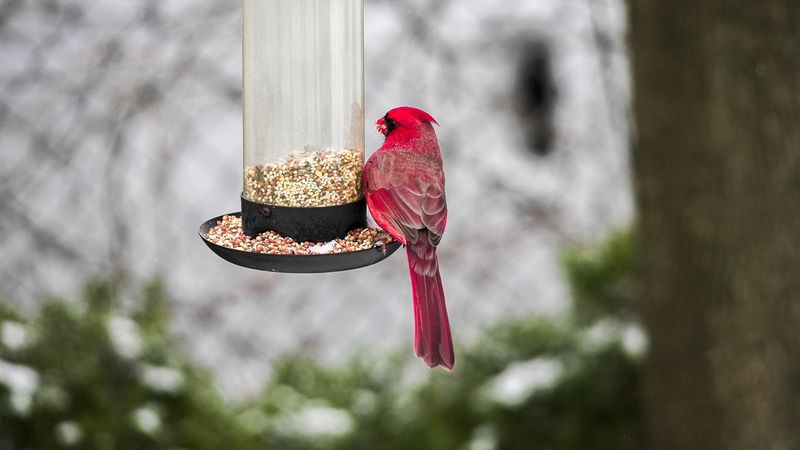
Northern cardinals are the official state bird, and their bright red feathers pop beautifully against a gray winter sky. Watching them visit my feeder on chilly mornings has become one of my favorite small joys of the season.
Natural food sources shrink as insects disappear and berries get eaten up by flocks of hungry birds. A well-stocked feeder offers a helpful boost, especially during cold snaps and snowy days when foraging gets difficult.
Black oil sunflower seed is a smart starting point, because its thin shell suits many small and medium birds. Chickadees, titmice, and nuthatches all seem to love it, often grabbing one seed and flying off to crack it.
Suet cakes provide rich fat that woodpeckers crave, and nyjer seed attracts goldfinches wearing their duller winter colors. Peanuts bring in blue jays, which can be noisy visitors but are fascinating to watch.
Fresh water matters just as much as food, yet many backyard bird lovers forget about it entirely. A heated birdbath keeps water open during freezing weather, giving birds a reliable place to drink and bathe.
Clean feeders every couple of weeks with hot soapy water to prevent illness from spreading among visiting birds. Rake up old seed hulls below feeders too, since damp piles can grow mold and attract unwanted rodents.
Placing feeders near shrubs gives birds a quick hiding spot when hawks swoop through looking for an easy meal. Keep them about ten feet from cover, though, so prowling cats cannot ambush birds while they eat.