The Flower Seeds Missouri Gardeners Need To Collect Before Fall Rains
Missouri’s late summer air turns cold without warning. Your seed-saving window closes fast. Fall rains arrive faster than expected. Seeds ripen quickly once temperatures start dropping.
Timing determines whether you harvest treasure or miss it. Weather across Missouri shifts overnight, testing gardeners who hesitate. Sharp eyes and quick hands matter right now. Certain blooms open their pods suddenly.
Others release seeds the instant a stiff wind rises. Grabbing seeds early gives you color for free. Bright petals fade quickly once frost creeps in. Missing this window sends you back to buying packets.
Waiting slows momentum you cannot easily rebuild. Patience has little place in this window. Gardeners who move fast build gardens that multiply themselves. Nothing about late summer rewards hesitation or doubt.
Every minute spent crouching pays dividends later. Scissors and a paper bag become your best tools. Once you discover which flowers matter most, turning away becomes impossible.
1. Zinnias
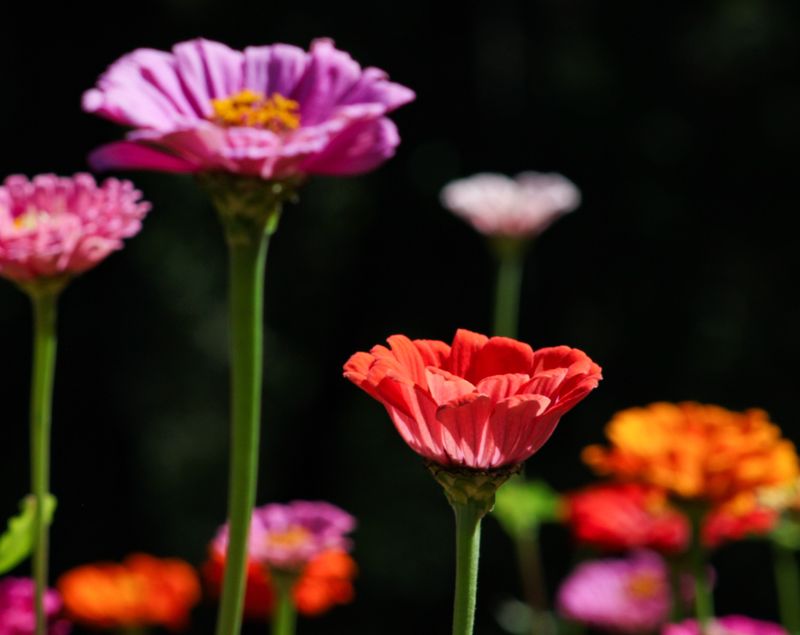
Zinnias are one of the most productive bloomers in the summer garden, producing every shade from hot pink to burnt orange without asking for much in return.
Collecting their seeds is straightforward. Let a few blooms stay on the plant until the petals turn dry and papery.
Once the flower head crinkles and feels stiff between your fingers, it is ready. Pull the whole head off and let it dry indoors on a paper towel for a week.
Gently pull the petals apart and you will find arrow-shaped seeds tucked at the base of each one. These seeds are some of the most satisfying to collect because there are so many packed into a single flower head.
Store them in a labeled envelope and keep them somewhere cool and dry. A mason jar in a dark cabinet works perfectly.
One thing to keep in mind is that hybrid zinnias may not grow true to the parent plant. If you want reliable results, stick with open-pollinated or heirloom varieties like Benary’s Giant or State Fair.
Zinnias saved this way germinate quickly the following spring for gardeners across Missouri. Zinnias sprout fast and reward patience with a full season of color.
Start them directly in the ground after the last frost, or give them a head start indoors four weeks early. Either way, the blooms you save today become the garden show everyone stops to admire next July.
2. Marigolds
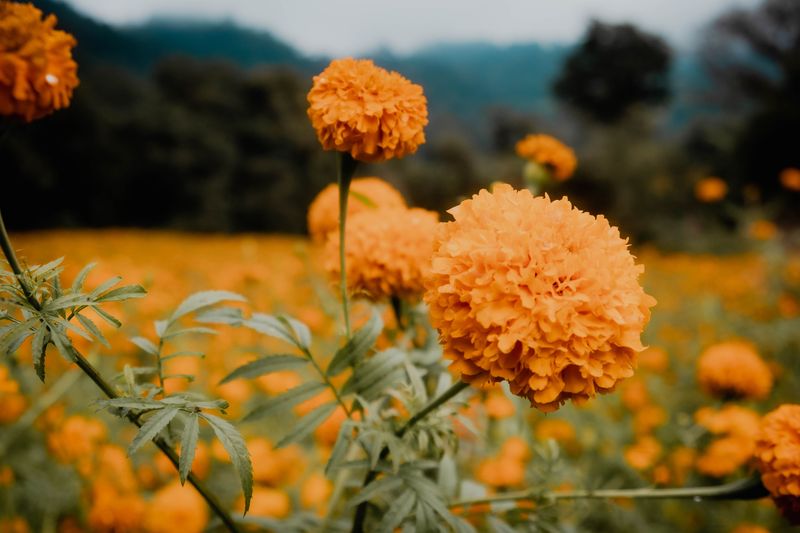
Marigolds have been the garden’s dependable workhorse for generations, and their seeds are just as generous as their blooms.
Collecting them feels like unwrapping a small gift. Pinch off a bloom that has gone dry and papery at the base, and twist it open.
Inside, you will find a bundle of long, thin seeds with a dark tip at one end. They look almost like tiny paintbrushes lined up neatly inside the flower head.
Wait until the base of the flower turns brown and the petals feel stiff before harvesting. Pulling seeds too early means they will not germinate well next season.
Your Missouri Garden Changes Every Week. Your Plan Should Too.
Gardening in Missouri changes quickly throughout the season. Every Friday you’ll receive a simple weekly plan showing exactly what to plant, prune, fertilize, harvest, and protect so you never miss the right timing.
Spread them on a dry surface for a few days before storing. Even a little moisture left on the seeds can cause mold during storage.
French marigolds and African marigolds both produce plenty of viable seeds, and both grow reliably from saved seed. Just keep varieties separate if you want to maintain true colors and plant sizes.
Marigolds are also known for helping suppress certain soil pests over time, so saving and replanting them can be a smart move beyond just aesthetics.
Some marigold varieties have been shown to reduce root-knot nematode populations in soil when planted consistently over a full growing season.
These cheerful bloomers thrive in Missouri summers and bounce back quickly after heat waves. Saving their seeds is one of the simplest ways to keep your garden costs low and your flower beds full year after year.
3. Cosmos
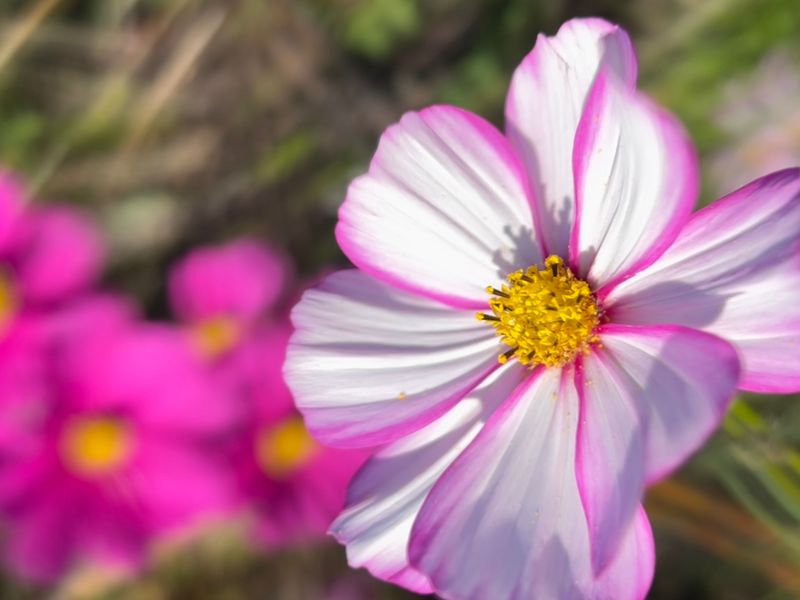
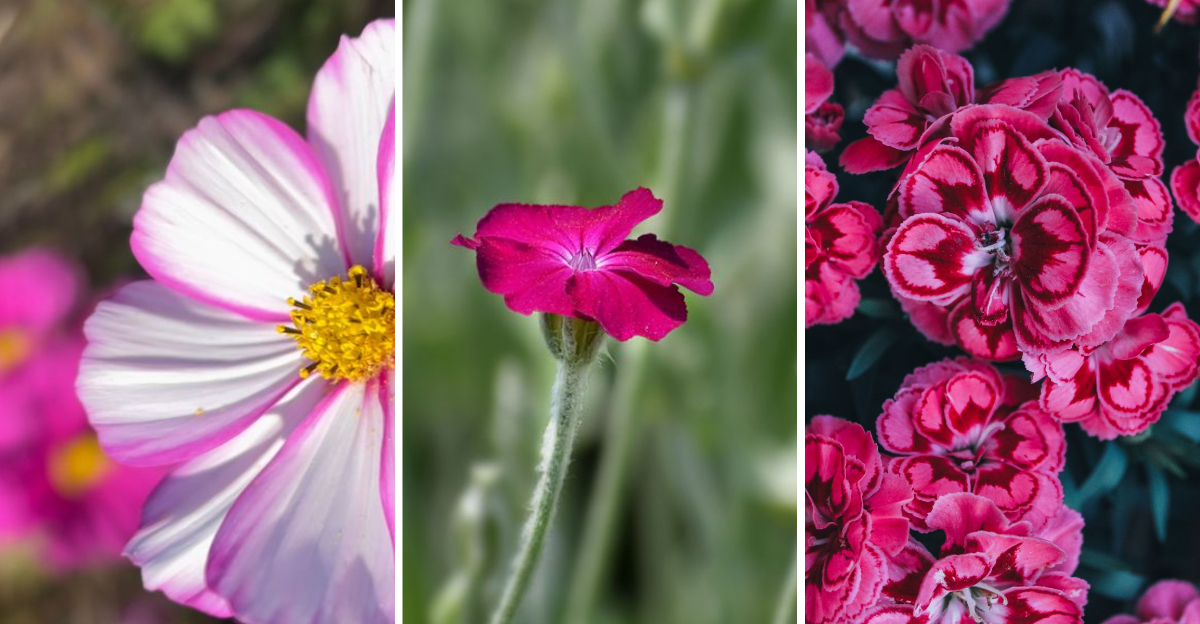
Cosmos are self-seeding, fast-spreading flowers, swaying on tall stems and reappearing wherever conditions allow.
If you want some control over where they show up next year, collecting seeds before the fall rains is the smart move. The seed heads form right at the base of the spent bloom and look like a small cluster of thin spikes.
Each spike holds one seed, and they will fall on their own if you wait too long. Watch for the center of the flower to darken and the petals to drop completely.
That is your signal to act. Run your fingers along the seed cluster and let the seeds fall into your palm or a small paper bag.
Cosmos seeds are slender and dark, almost like slivers of wood. They dry quickly and store well in a cool, dry spot through winter.
One of the best things about cosmos is how fast they grow from seed in spring. Direct sow them in a sunny spot after frost danger passes and you will typically have blooms within seven to ten weeks.
They thrive in poor soil, so resist the urge to amend heavily before planting. Rich soil actually pushes more leaf growth at the expense of flowers.
Cosmos come in white, pink, and deep magenta, and saving seeds from your favorite colors helps you build a garden palette that feels personal.
Cosmos grown from saved seed often bring color to more than just their own backyard across Missouri.
4. Coneflowers
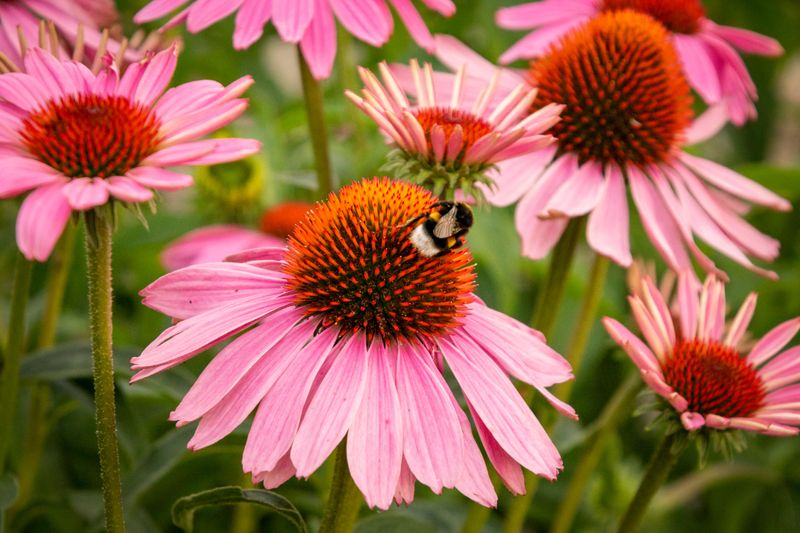
Few flowers look as striking in late summer as coneflowers standing tall with their spiky brown centers pointing skyward.
Those prickly centers are packed with seeds, and goldfinches often get to them first. Beating the birds to the harvest requires timing and a little persistence.
Wait until the petals have fully dropped and the center cone turns from green to dark brown. Give the cone a gentle squeeze and if it feels firm and dry, the seeds inside are ready.
Cut the whole stem and place it upside down in a paper bag. Shake it a few times and the seeds will fall to the bottom.
Coneflower seeds are small and wedge-shaped with a pointed tip. They need a cold stratification period to germinate well, which means storing them through winter and planting in early spring works perfectly with their natural cycle.
You can also direct sow them in fall and let nature do the stratification for you. This is actually one of the most reliable ways to get strong coneflower seedlings the following year.
Coneflowers are native to the Midwest and thrive in Missouri’s clay-heavy soils without much fuss. They spread slowly over the years, forming dense clumps that look stunning in naturalized beds.
Pollinators absolutely love them, and saving their seeds means you are investing in a garden that supports bees and butterflies season after season. That kind of impact goes well beyond a pretty yard.
5. Black-Eyed Susans
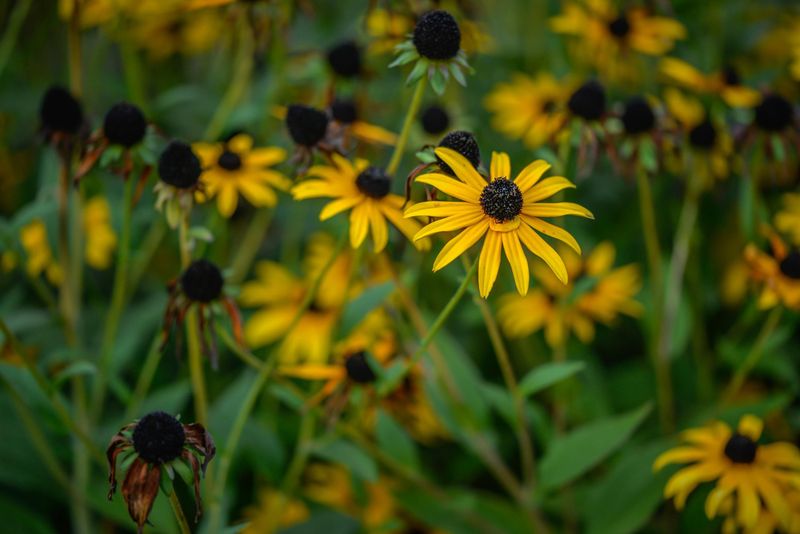
Black-eyed Susans are a standout bloom in the late summer garden, and their seeds are just as bold as their blooms.
Collecting them is straightforward, but the timing has to be right. Leave the flowers on the plant until the petals drop and the dark center cone dries out completely.
The cone will feel hard and almost woody when it is ready. Snap it off the stem and rub it between your palms over a paper bag to release the seeds.
The seeds are tiny, dark, and slender. You will get dozens from a single cone, which makes this one of the most rewarding plants to harvest from.
Black-eyed Susans are biennial or short-lived perennials, meaning they often self-sow to keep the colony going. Saving seeds gives you control over where new plants appear and helps you expand patches to new areas of the yard.
These plants thrive in full sun and tolerate drought well once established. They are a natural fit for Missouri’s unpredictable weather swings from hot and dry to wet and stormy.
Sow collected seeds in fall or very early spring for the best germination rates. Cold temperatures help break their dormancy and signal to the seed that spring conditions are right.
Pairing black-eyed Susans with coneflowers creates a native wildflower border that practically takes care of itself.
Black-eyed Susans grown from saved seed often become the backbone of a low-maintenance, high-impact landscape.
6. Lunaria
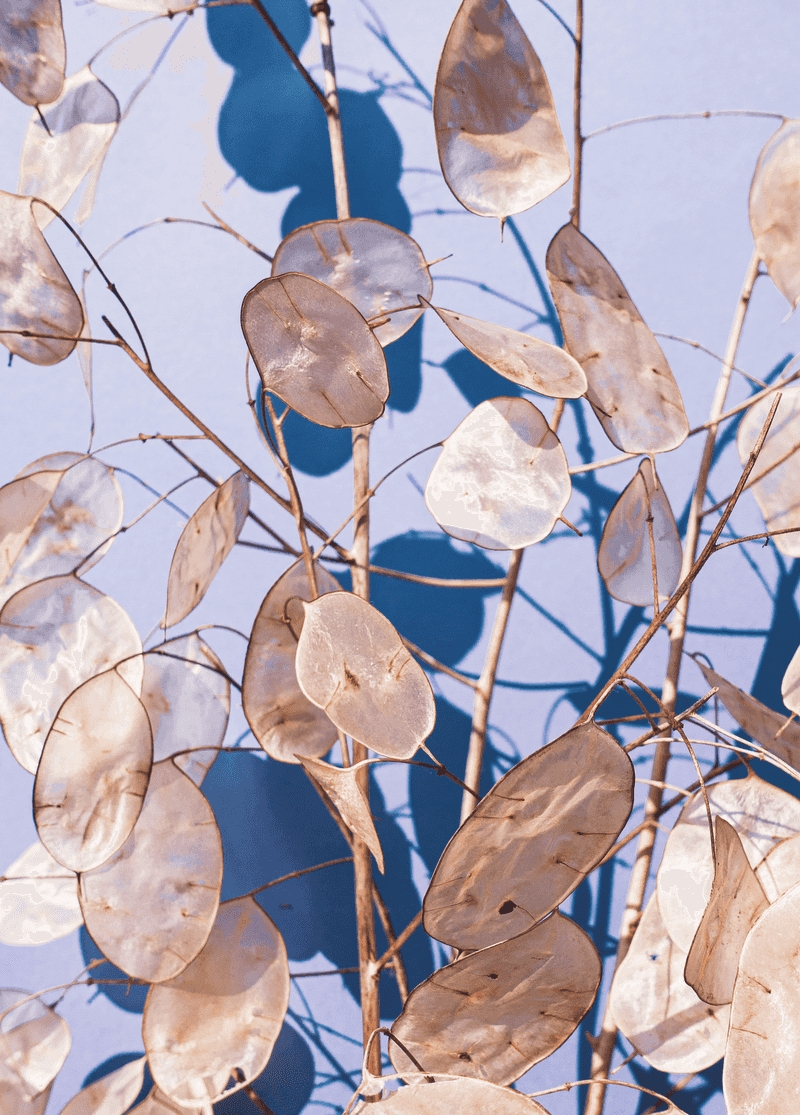
Lunaria goes by many names, including money plant and honesty, and its seed pods are among the most dramatic in any garden.
The flat, round pods turn a shimmering silver as they dry, and inside each one sits a papery disc holding a handful of seeds. Peeling the outer layers to reveal the silver membrane is visually distinctive.
Wait until the pods are fully dry and the outer layers peel away easily. The seeds inside should be flat, dark, and firm to the touch.
Collect the whole stem and hang it upside down in a dry garage or shed for two weeks. Once fully dried, the seeds slide out easily when you press the pod.
Lunaria is a biennial, which means it grows leaves the first year and blooms the second. Planting seeds in late summer or early fall gives them time to establish before winter sets in.
The blooms are a soft purple and appear in spring before most other flowers wake up. That early color is something gardeners in shaded spots especially appreciate, since lunaria handles low light better than many flowering plants.
The dried seed pods also make stunning additions to fall flower arrangements. Many gardeners save stems specifically for indoor decorating, which makes this plant pull double duty in the garden.
Once you grow lunaria, you will find yourself looking forward to those silver moons appearing every fall. Saving the seeds keeps this magical plant cycling through your garden for years.
7. Rose Campion
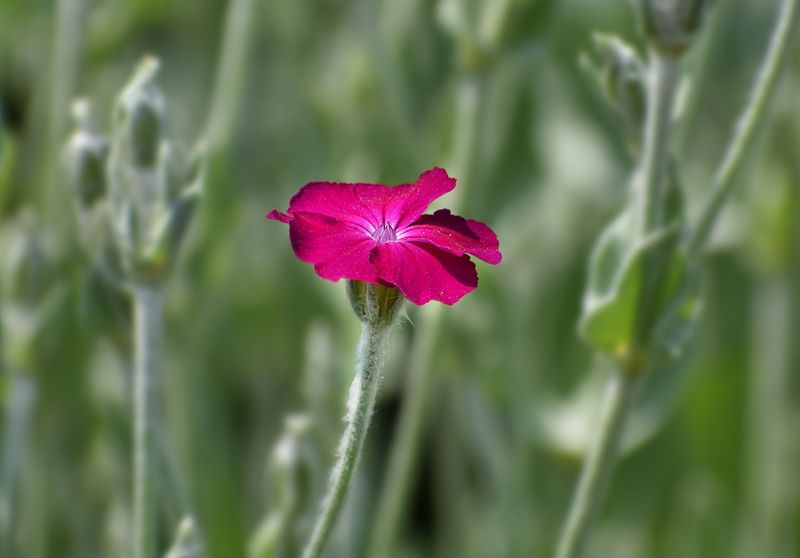
Rose campion is a silver-leafed perennial that looks elegant even when it is not blooming.
The bright magenta flowers sit on top of tall, fuzzy stems and pop against the silvery foliage in a way that draws attention in the garden. When the blooms fade, small round seed capsules form at the top of each stem.
These capsules look like tiny urns with a crown of teeth at the top. When they are ripe, the teeth open slightly and the seeds are ready to shake out.
Tip the capsule over a paper bag and give it a gentle tap. Dozens of tiny black seeds will fall out, and each one is a potential new plant for next season.
Rose campion is a short-lived perennial that relies heavily on self-seeding to keep its presence in the garden. Collecting and intentionally planting seeds ensures you never lose it from your beds.
It thrives in full sun and poor, well-drained soil, making it ideal for rocky slopes or dry borders. Missouri summers can be harsh, but rose campion handles the heat well.
Seeds sown in fall will often overwinter as small rosettes and bloom the following summer. Starting them indoors in late winter is another option if you want more control over placement.
The woolly silver leaves are just as ornamental as the flowers, providing texture and contrast through the growing season. Saving these seeds is an investment in one of the more visually striking plants in the garden.
8. Dianthus
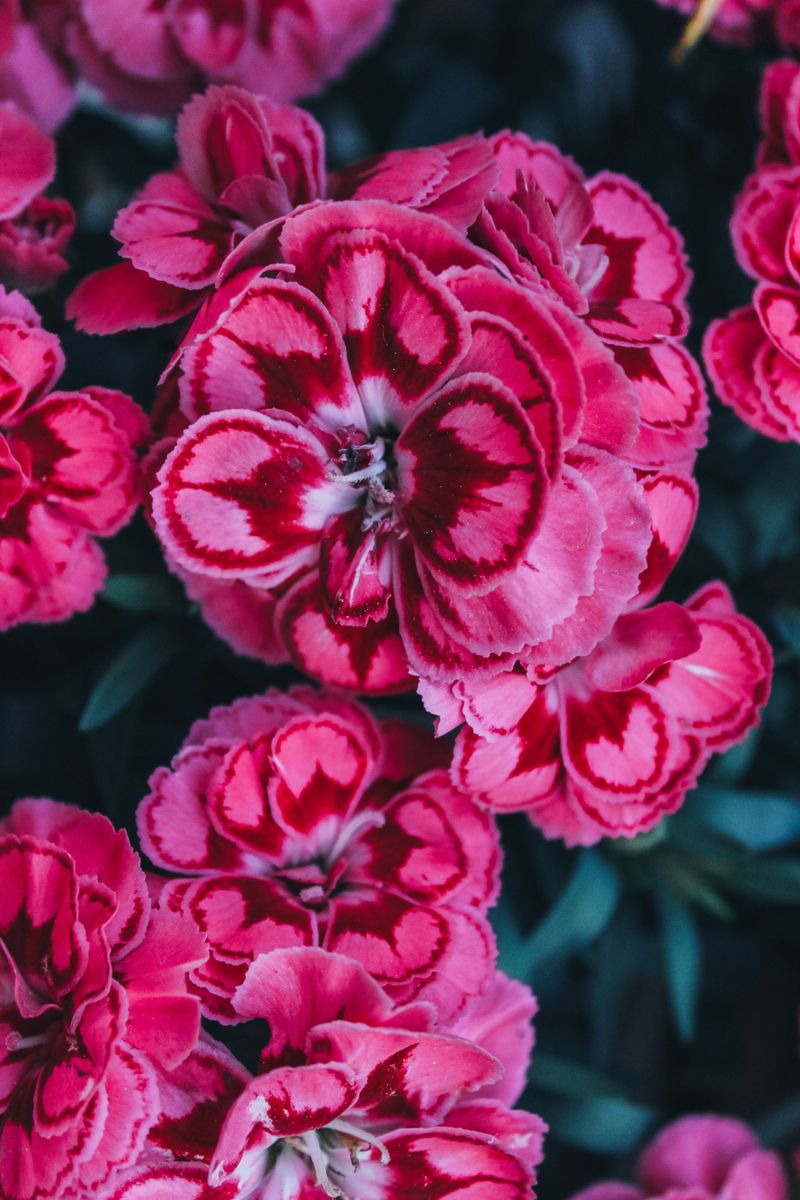
Dianthus brings a spicy, clove-like fragrance to the garden that you can smell before you even see the blooms.
The flowers range from soft blush pink to deep crimson, and the fringed petals give them a ruffled, vintage-style appearance. When the blooms fade, slender seed pods form along the stems and begin to dry as summer winds down.
Watch for the pods to turn tan and feel papery before harvesting. Clip the stems and place them in a paper bag, then let them finish drying indoors for a week.
Once fully dry, split the pods open and collect the flat, dark seeds inside. A single plant can yield a surprising number of seeds, especially if you have let several flowers go to seed.
Annual and biennial varieties of dianthus are the best candidates for seed saving. Perennial hybrids often produce seeds that do not grow true, so check your plant tags before investing too much effort.
Sweet William, a popular dianthus variety, is especially reliable from saved seed and produces stunning clusters of blooms in its second year. Many Missouri gardeners treat it as a biennial and start new seeds every summer for continuous bloom cycles.
Dianthus prefers well-drained soil and full sun, and it handles light frost surprisingly well. Planting seedlings in fall gives them a strong root system before the heat of the following summer arrives.
Dianthus grown from saved seed helps build a fragrant, colorful garden that holds appeal across every season.