These Are The North Carolina Ornamental Grasses You Plant Once And Never Have To Replace
Ornamental grasses have a reputation for being easy, and most of the time that reputation holds. But easy is not the same as permanent, and some grasses require more management over time than gardeners expect when they first plant them.
They flop, they spread beyond their original space, or they develop withered centers that make the whole clump look tired after a few seasons. There is a group of ornamental grasses in North Carolina that behaves differently.
They stay in their lane, return reliably each year without losing their shape, and look better as they mature rather than worse. Plant them once in the right spot and the decision is essentially finished.
They ask for almost nothing and give back the same performance every single season without any prompting.
1. Little Bluestem
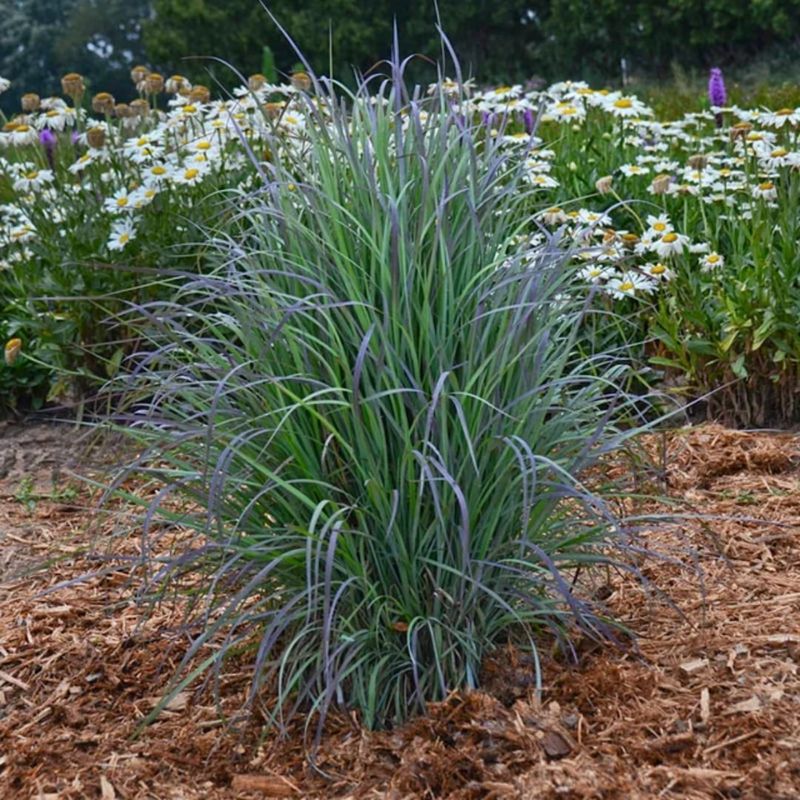
Few grasses can match the year-round show that Little Bluestem puts on. In summer, its upright blades glow with a cool blue-green color that stands out against the warm tones of a typical Carolina garden.
Then fall arrives, and the whole plant transforms into a stunning mix of copper, rust, and bronze that lights up the landscape like a slow-burning fire.
Native to North Carolina and much of the eastern United States, Little Bluestem has deep roots in this region’s ecology.
Birds absolutely love the fluffy white seedheads that appear in late fall and linger through winter, giving your garden life even when everything else looks bare.
Planting it in well-drained, sandy, or rocky soil gives you the best results, since this grass actually thrives on neglect in lean conditions.
Mature clumps reach about two to four feet tall, making them ideal for borders, meadow gardens, or naturalized areas.
You never need to fertilize, rarely need to water after the first season, and the only maintenance is cutting it back to about four inches in late winter before new growth begins.
It spreads slowly and stays well-behaved, so it won’t crowd out your other plants. For North Carolina gardeners who want big beauty with minimal effort, Little Bluestem is a true garden champion worth every square inch of space you give it.
2. Splitbeard Bluestem
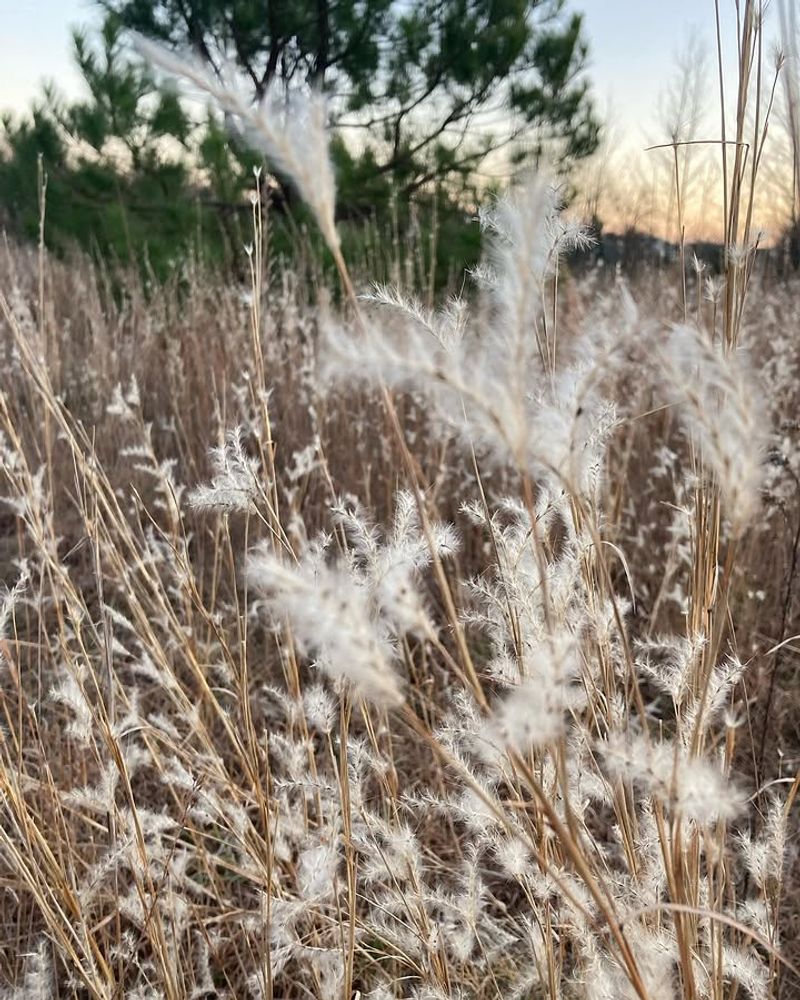
There is something almost magical about Splitbeard Bluestem when it catches the afternoon sun. The seedheads look like tiny silver clouds floating above the foliage, creating a dreamy, soft texture that no other grass quite replicates.
Native to the Piedmont and Coastal Plain regions of North Carolina, this grass has been part of the natural landscape for thousands of years and knows exactly how to thrive here.
Splitbeard Bluestem loves full sun and dry, sandy, or infertile soil, making it one of the toughest plants you can add to a low-water garden.
It grows two to three feet tall and produces its signature feathery white seedheads in late summer through fall, which persist well into winter.
Birds forage through those seedheads for months, so you are essentially creating a free bird feeder every season.
Pairing this grass with wildflowers like black-eyed Susans or coneflowers creates a naturalistic meadow look that feels effortless yet intentional. Once established, Splitbeard Bluestem asks for almost nothing.
Your North Carolina Garden Changes Every Week. Your Plan Should Too.
Gardening in North Carolina changes quickly throughout the season. Every Friday you’ll receive a simple weekly plan showing exactly what to plant, prune, fertilize, harvest, and protect so you never miss the right timing.
No fertilizer, no supplemental watering, and very little pruning. Just cut it back in late winter and watch it return with fresh energy every spring.
For gardeners dealing with tough spots like dry slopes or sandy patches where other plants struggle, this native grass turns problem areas into striking garden features without any extra work.
3. Broomsedge Bluestem
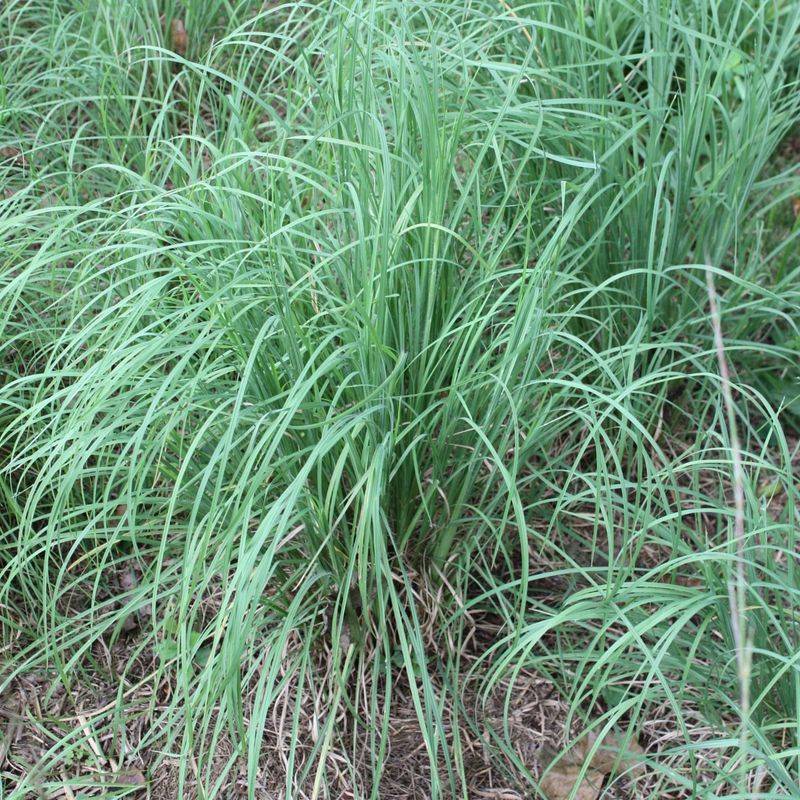
Walk past a North Carolina field in winter and you will almost certainly spot Broomsedge Bluestem glowing in shades of golden-orange and amber.
This grass is a true native wildflower meadow staple, and it has been brightening roadsides and field edges across the state for centuries.
Most people overlook it as a weed, but smart gardeners know it is one of the most resilient and beautiful plants you can grow.
Broomsedge Bluestem thrives in poor, dry, acidic soils where almost nothing else wants to grow. It loves full sun and handles drought without complaint, making it perfect for neglected corners of your yard, slopes, or disturbed areas that need a quick, natural fix.
Growing two to four feet tall, it forms loose, upright clumps that sway gracefully in the breeze and hold their warm color through the entire winter season.
Wildlife benefits are impressive too. Sparrows, finches, and other small birds rely on Broomsedge seeds as a winter food source, and the dense clumps provide excellent shelter for ground-nesting birds.
From a gardening standpoint, it self-seeds modestly, helping it slowly colonize bare patches without becoming aggressive. Cut it back in late winter and it bounces right back.
For naturalizing slopes, creating wildlife habitat, or simply adding that warm golden glow to a winter garden, Broomsedge Bluestem is an underrated gem that deserves far more attention than it typically gets.
4. Indiangrass
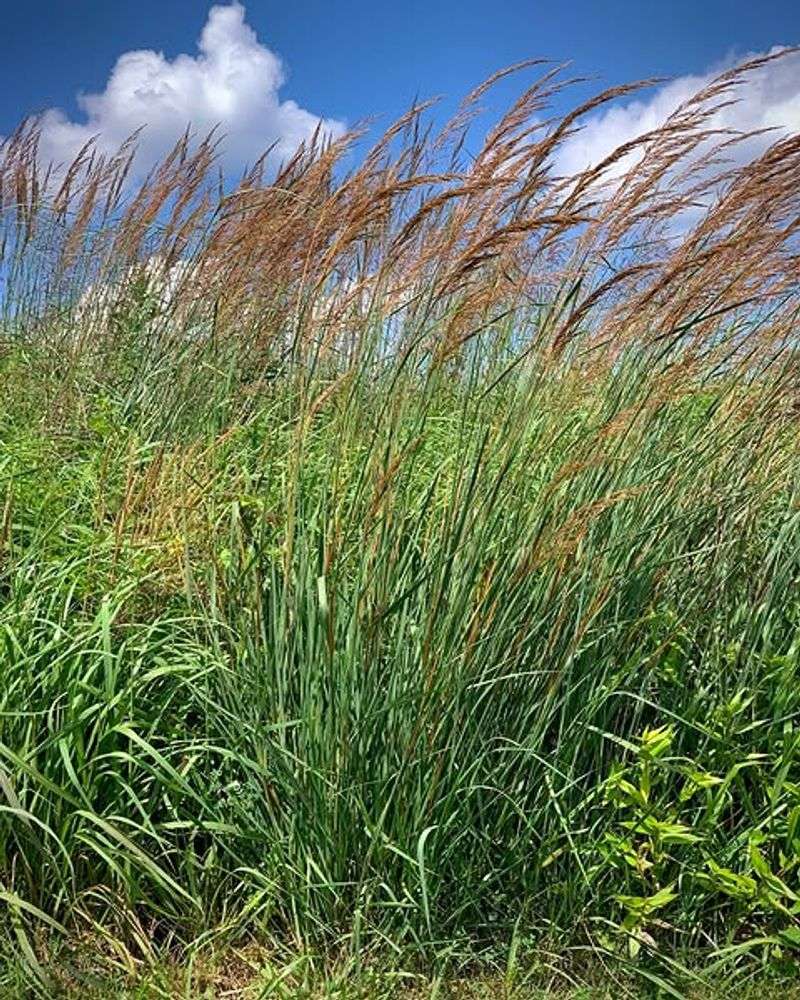
Indiangrass is the kind of plant that makes people stop and stare. Standing three to six feet tall with shimmering golden plumes rising above the foliage in late summer, it has a bold, dramatic presence that instantly elevates any landscape.
This native grass was once a dominant part of the eastern prairie ecosystem, and it brings that same wild, sweeping energy right into your North Carolina garden.
One of the best things about Indiangrass is how adaptable it is. It grows well in a wide range of soils, from sandy and dry to clay-heavy and moderately moist, as long as it gets plenty of full sun.
The blue-green summer foliage turns rich shades of orange, gold, and burgundy in fall, extending the visual interest well past the growing season. Those tall seed plumes catch morning light beautifully and create stunning movement on windy days.
Pollinators visit the flowers, and birds feast on the seeds through fall and winter. Deer tend to leave it alone, which is a major bonus for North Carolina gardeners dealing with browsing pressure.
Indiangrass pairs naturally with Little Bluestem, coneflowers, and native asters for a full-season prairie-style border that practically manages itself. After the first year of establishment, it rarely needs watering and never needs fertilizing.
Simply cut it back in late winter, and it will return with even more vigor and beauty than the year before.
5. Switchgrass
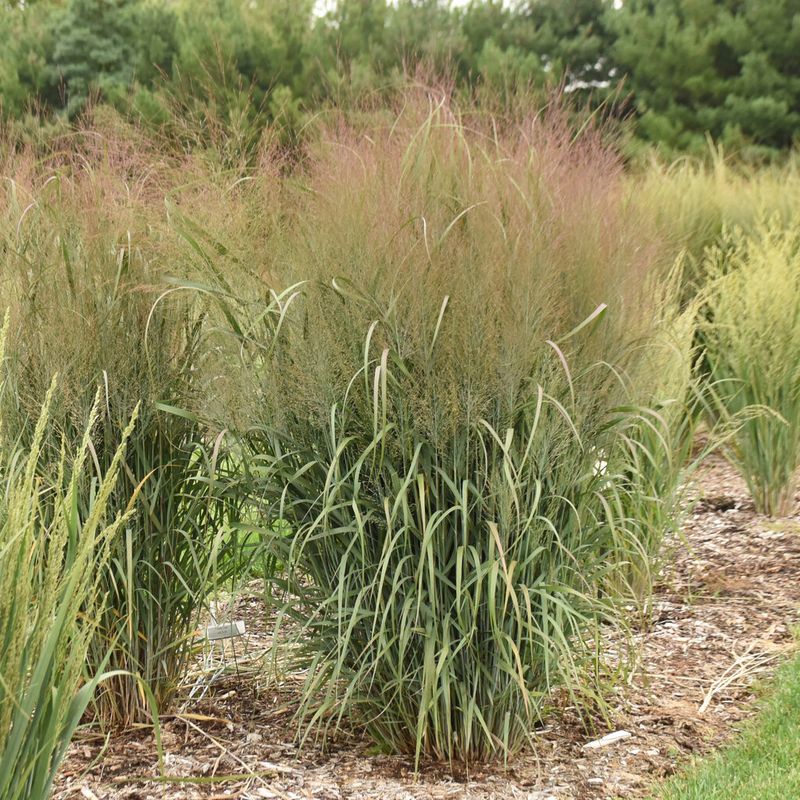
Switchgrass might just be the most versatile native grass you can plant in North Carolina. It thrives in moist areas, handles average and even dry soils, tolerates brief flooding, and grows beautifully in full sun to light shade.
That kind of flexibility is rare, and it makes Switchgrass a go-to choice for gardeners who want reliable, long-lived beauty across a wide range of conditions.
Named cultivars like Shenandoah and Heavy Metal have become popular for their upright form and vivid fall colors, but straight species Switchgrass is equally stunning in naturalistic settings.
The airy, open seedheads emerge in mid-summer and persist through winter, catching frost and morning dew in ways that look almost like fine art.
Fall color ranges from soft yellow to deep burgundy depending on the variety and growing conditions.
Growing three to six feet tall, Switchgrass works as a screening plant, a border backdrop, or a rain garden feature. It is also one of the most wildlife-friendly grasses available, supporting songbirds, small mammals, and numerous native insects throughout the year.
Sluggish spreader that it is, it stays in well-behaved clumps without running aggressively through the garden. Maintenance is simple: cut the whole clump back to about four to six inches in late winter, and new growth appears quickly as temperatures warm.
Year after year, Switchgrass delivers without demanding anything extra from you in return.
6. Eastern Gamagrass
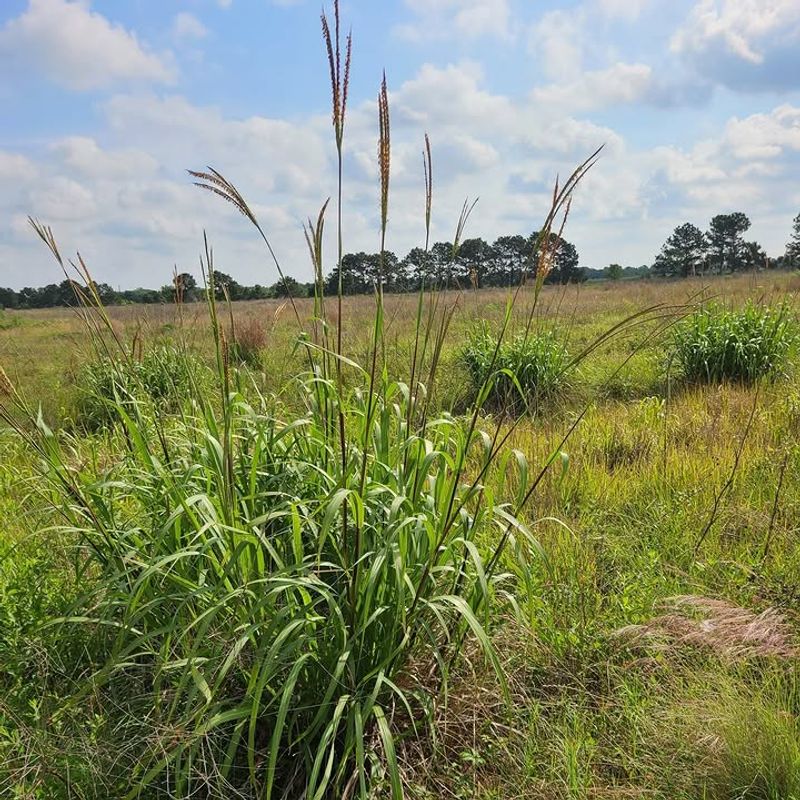
Bold, lush, and impressively large, Eastern Gamagrass is the statement plant of the native grass world.
It can reach four to eight feet tall and nearly as wide, with broad, arching green blades that create a tropical-looking texture unlike anything else in a typical North Carolina garden.
Despite its dramatic size, it is surprisingly easy to grow and absolutely built to last for decades once established.
Eastern Gamagrass is a warm-season grass that thrives in full sun and prefers moist to wet soils, making it an outstanding choice for rain gardens, pond edges, low-lying areas, and spots that stay damp after heavy rain.
It is also related to corn, which is a fun conversation starter, and it was historically used as a food source by Native American communities across the Southeast.
The grass produces interesting rope-like seed structures in summer that add ornamental value beyond the foliage alone.
Wildlife benefits are significant. The dense clumps provide excellent nesting cover for birds, and the seeds attract ground-feeding species through fall and winter.
Deer rarely bother it, and pests are virtually nonexistent. For North Carolina gardeners with wet spots that seem impossible to plant, Eastern Gamagrass turns those soggy challenges into striking focal points.
It spreads slowly through rhizomes but stays manageable with occasional division every few years. Cut back in late winter and enjoy the fresh, vigorous regrowth that follows every spring without fail.
7. Pink Muhly Grass
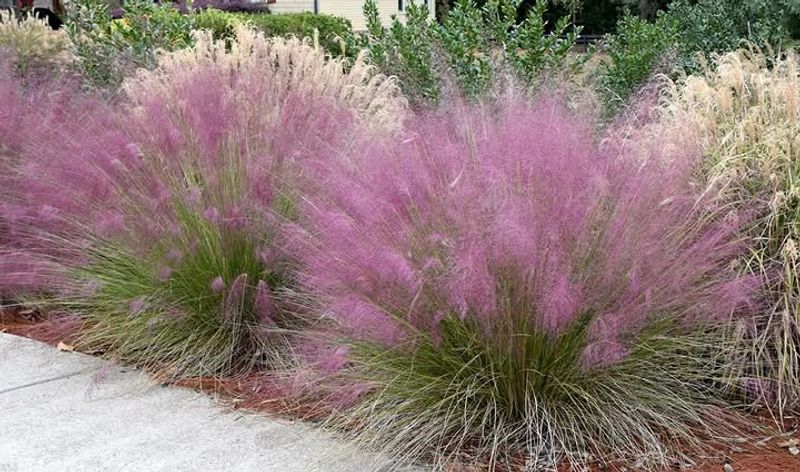
Every fall, Pink Muhly Grass puts on one of the most breathtaking shows in the gardening world. A cloud of soft, rosy-pink flower plumes rises above the fine green foliage, creating a misty, ethereal display that stops everyone in their tracks.
Native to North Carolina’s Coastal Plain and Piedmont regions, this grass has become one of the most sought-after ornamental plants in the entire Southeast, and for very good reason.
Pink Muhly Grass grows best in full sun with well-drained, sandy, or rocky soil. It is extremely drought tolerant once established and actually performs better in lean soils than in rich, heavily amended beds.
Overwatering or planting in heavy clay can cause problems, so good drainage is the key to keeping it happy and healthy for many years. Mature clumps reach about two to three feet tall and wide, making them perfect for borders, mass plantings, or container displays.
The bloom period runs from September through November, which is exactly when most other garden plants are winding down for the season.
Planting several clumps together creates a stunning mass effect that looks like a field of pink smoke drifting across the garden.
Pollinators visit the tiny flowers, and birds enjoy the seeds through winter. Maintenance is minimal: cut back in late winter and let it do its thing.
Pink Muhly Grass is genuinely one of the most rewarding plants any North Carolina gardener can grow.
8. River Oats
If you have a shady spot in your North Carolina garden where other grasses refuse to grow, River Oats is your answer.
This native grass absolutely loves partial to full shade, moist soil, and woodland-edge conditions, making it one of the very few ornamental grasses that genuinely thrives without full sun.
The broad, bamboo-like foliage creates a lush, layered look that brings a woodland feel to any garden space.
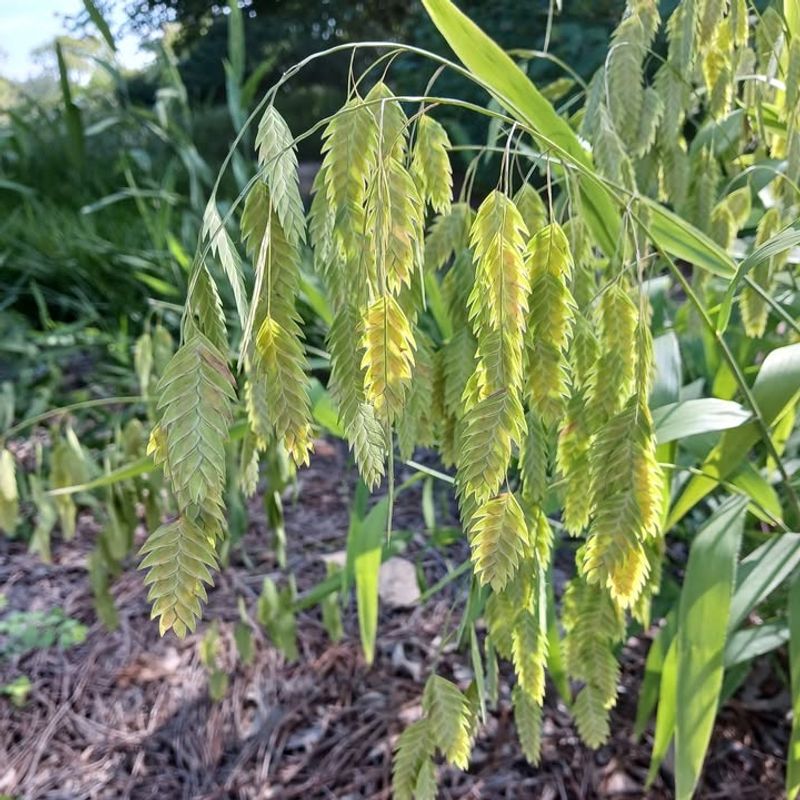
The real showstopper is the seedheads. Flat, dangling, oat-shaped clusters hang from arching stems and catch every breeze, creating constant gentle movement throughout the garden.
They emerge green in summer, then gradually shift to bronze and copper as fall progresses, and the dried seedheads persist through winter, adding structure and interest when the garden needs it most.
Flower arrangers love cutting them for dried bouquets and seasonal decorations. River Oats spreads by both rhizomes and self-seeding, so it can colonize an area over time, which is actually a feature if you want to fill in a shaded slope or woodland path edge quickly.
If you prefer a tidier look, simply remove seedheads before they drop. It pairs beautifully with ferns, hostas, and native wildflowers like wild ginger or trillium. Deer tend to avoid it, and it has virtually no serious pest or disease problems.
Cut it back in late winter, and it returns reliably every spring with fresh, vigorous growth that fills the space beautifully.
9. Bottlebrush Grass
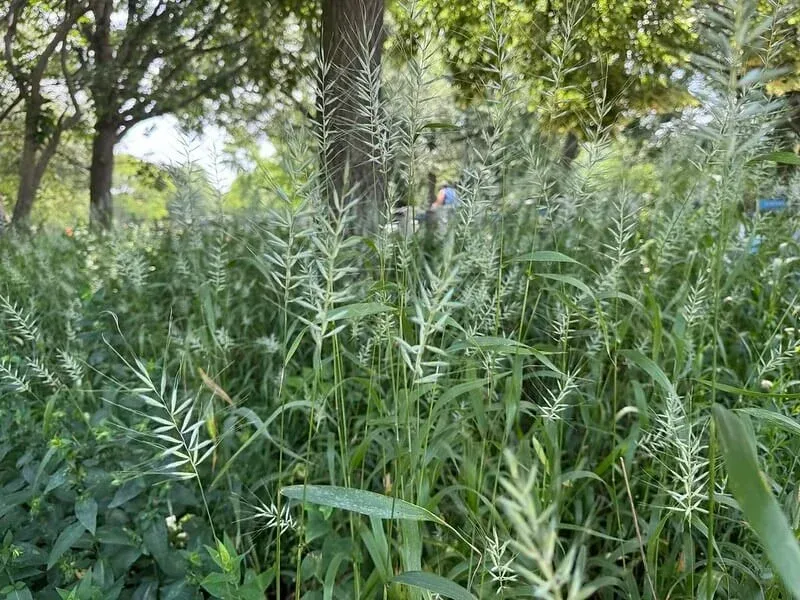
Bottlebrush Grass earns its name honestly. The seedheads look exactly like tiny bottlebrushes lined up along arching stems, creating one of the most distinctive and charming textures in the native grass world.
This cool-season grass is native to woodland edges and forest understories across North Carolina, and it brings a naturalistic, effortless quality to shaded garden spaces that is genuinely hard to replicate with any other plant.
Growing two to four feet tall, Bottlebrush Grass thrives in partial to full shade with moist, well-drained, humus-rich soil. It is one of the earliest grasses to green up in spring, which makes it especially valuable for adding early-season life to woodland gardens.
The seedheads appear in early to mid-summer and provide food for birds, particularly sparrows and juncos, who pick through them enthusiastically during fall and winter months.
Unlike some woodland grasses, Bottlebrush Grass self-seeds at a moderate rate, slowly naturalizing an area over time without becoming invasive. Removing seedheads before they mature gives you easy control over its spread if you prefer.
It pairs wonderfully with native ferns, wild columbine, Solomon’s seal, and spring-blooming wildflowers for a layered, multi-season woodland planting. Deer rarely show much interest in it, which is always welcome news.
Maintenance is about as simple as it gets: cut back in late winter, refresh the leaf litter mulch around the base, and watch it return each spring with reliable, beautiful growth that asks for almost nothing in return.
10. Purple Lovegrass
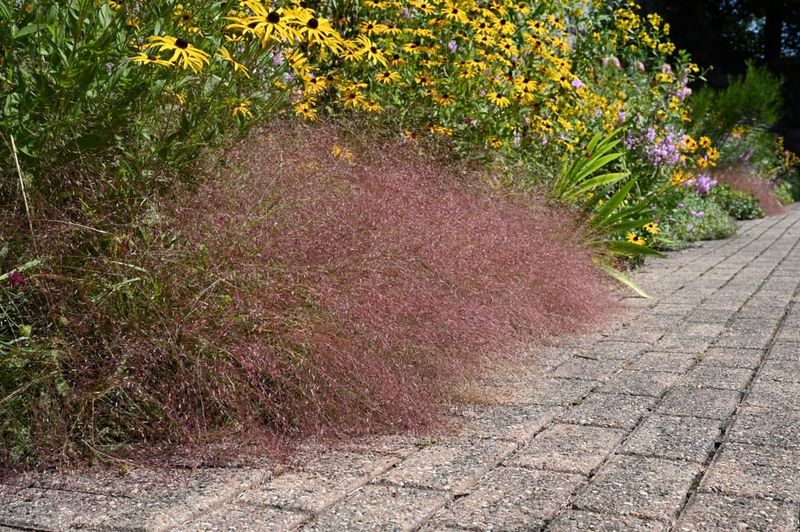
Purple Lovegrass is one of those plants that looks almost too beautiful to be this easy to grow. In late summer and early fall, it produces an enormous, airy cloud of tiny reddish-purple flowers and seeds that seem to float above the fine green foliage like a haze of color.
The display is so striking that it consistently draws compliments from anyone who sees it, and yet it thrives in some of the toughest growing conditions imaginable.
Native to dry, sandy soils across North Carolina’s Coastal Plain and Piedmont, Purple Lovegrass loves full sun and truly poor, infertile, well-drained ground.
Rich soil actually works against it, causing floppy, weak growth instead of the tight, upright clumps it naturally forms in lean conditions.
Growing just one to two feet tall, it works beautifully along garden paths, in rock gardens, on dry slopes, or massed along a sunny border edge.
The seed cloud breaks off in late fall and tumbles like tumbleweed, self-seeding into nearby bare patches and slowly naturalizing an area in the most charming way possible.
Butterflies and other pollinators visit the flowers, and small birds harvest the tiny seeds throughout the season.
Deer leave it alone, and pest problems are essentially nonexistent. Cut it back hard in late winter, and it returns from the roots with fresh, compact growth every spring.
For dry, sunny spots where other plants struggle, Purple Lovegrass transforms the challenge into a genuine garden highlight.
11. Virginia Wild Rye
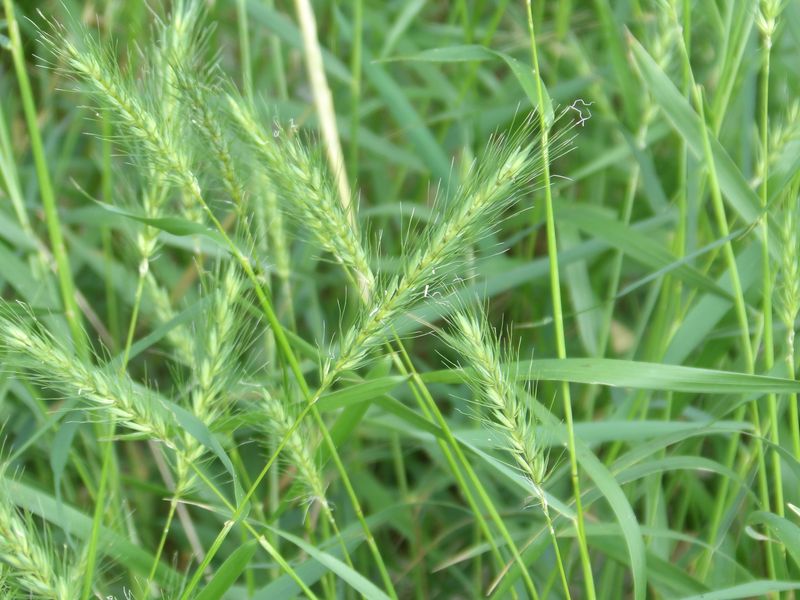
Virginia Wild Rye is the quiet, reliable workhorse of the native grass world, and North Carolina gardeners who discover it rarely look back.
While it may not have the flashy fall color of Little Bluestem or the dramatic plumes of Indiangrass, it brings something equally valuable: steady, graceful beauty in conditions that challenge most ornamental grasses, including shade, moist soil, and clay-heavy ground.
This cool-season grass grows two to four feet tall and produces nodding, bristled seedheads in early summer that have a soft, wheat-like charm.
It thrives in part shade to full sun and handles moist to average soils with ease, making it one of the most flexible native grasses available for North Carolina gardens.
It greens up early in spring, providing fresh texture before most warm-season grasses even begin to wake up.
Virginia Wild Rye is an excellent choice for woodland edges, rain garden borders, naturalized stream banks, and shaded borders where you want a grassy texture without fighting the conditions.
Birds feed heavily on the seeds, and the dense clumps provide valuable cover for ground-nesting species.
It self-seeds modestly and can slowly fill in an area over time, which makes it useful for stabilizing slopes or bare patches. Cutting it back after the seedheads mature keeps the planting looking tidy.
For gardeners who want a native grass that just works, year after year, without drama or demands, Virginia Wild Rye is exactly that plant.