What’s Really Behind The Frosted Look On Tennessee Grass
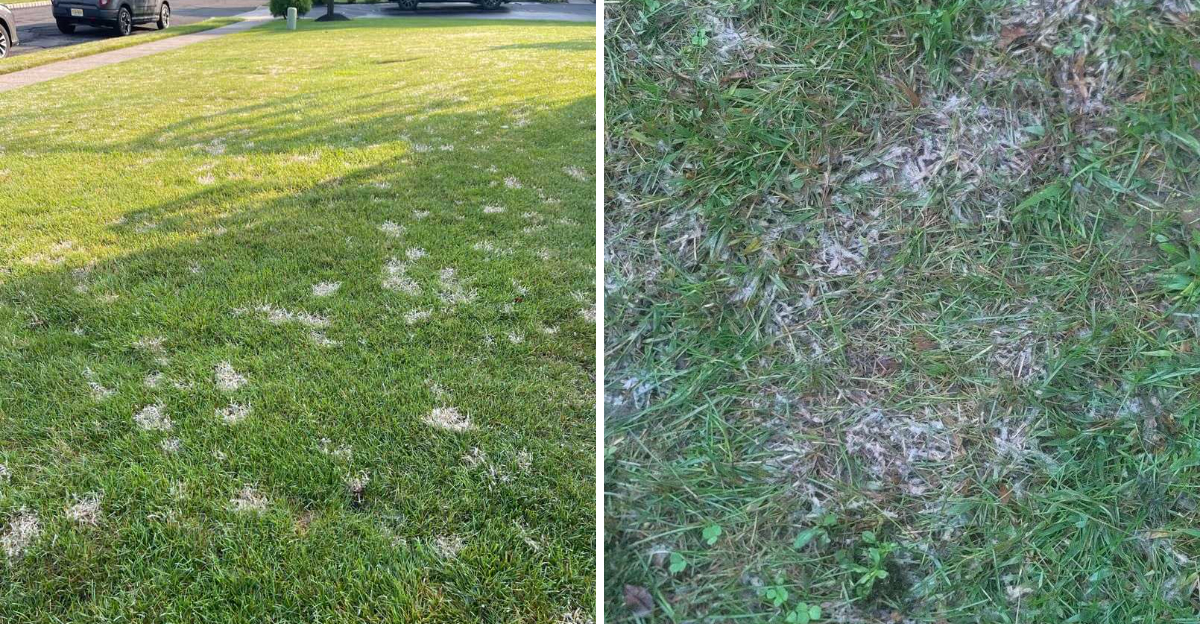
White powder coats your grass, yet frost never touched Tennessee last night. Warm air ruled the evening, so ice was never an option. Strange dust seems to be spreading across your lawn instead.
A hidden force thrives in humid swings between warm and cool nights. Microscopic invaders move fast once conditions turn favorable. Left unchecked, this force weakens roots, drains color from blades.
Spotting it early separates a thriving yard from a struggling one. Waiting costs you time you cannot recover. Every patch of white dust holds a clue worth reading closely. Answers exist, and they arrive faster than you expect.
Nothing about this mystery waits for your convenience. Grass health depends on catching signals like this immediately. Tennessee lawns face this threat more than most states realize.
You need clarity, not guesswork, before this spreads further. Ignoring this now only invites a rougher struggle, and waiting makes it harder.
A White Coating That Isn’t Really Frost
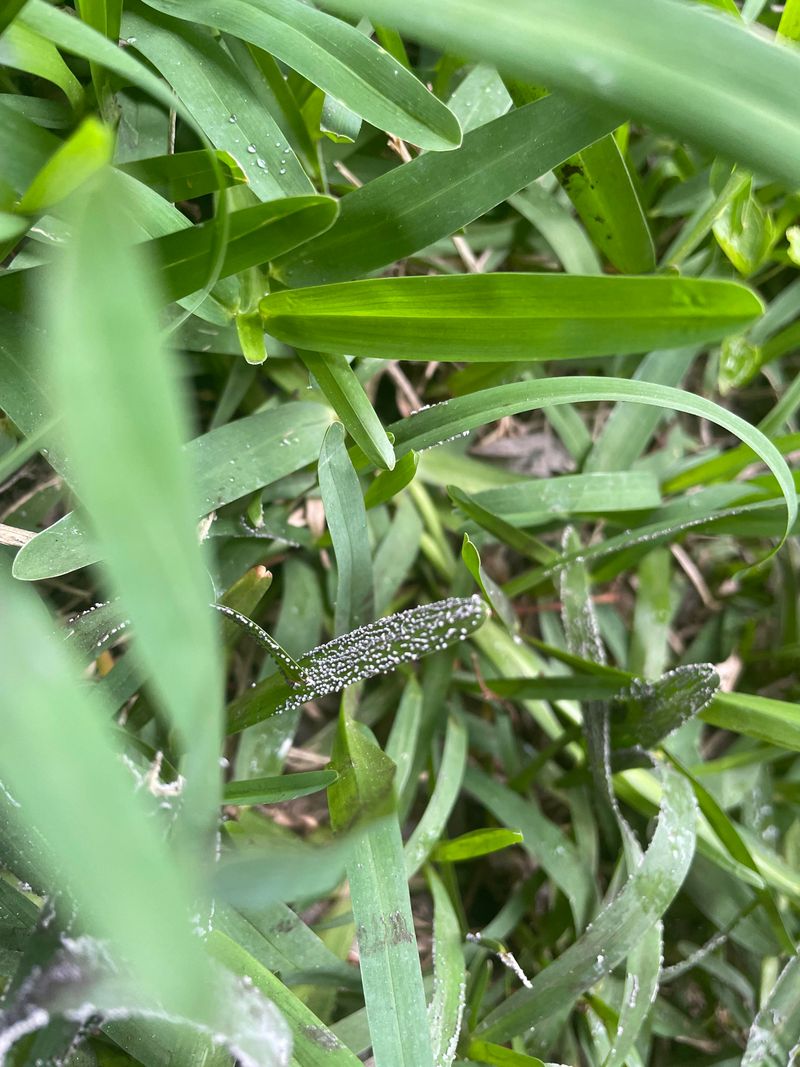
Your lawn looks frosted, but your coffee is still warm. That white dusty layer sitting on your grass blades is almost certainly powdery mildew, not ice crystals. The frosted look on Tennessee grass fools a lot of homeowners every single season.
Powdery mildew is a fungal condition caused by several related fungal species. Unlike frost, it does not disappear once the sun comes up. The coating stays put, and in some cases, it spreads further as the day goes on.
Frost forms when surface temperatures drop below freezing and moisture crystallizes on the grass. Mildew, on the other hand, grows from spores already living in your soil and on plant surfaces.
The two look shockingly similar at first glance, which is why so many people miss it early on. One quick way to tell the difference is to touch a blade of grass. Frost feels wet and cold, then disappears fast.
Mildew feels dry and powdery, almost like chalk dust on your fingertips. Another clue is location. Frost covers everything evenly across your yard. Mildew tends to show up in patches, especially in shaded or low-airflow areas near fences and tree lines.
Knowing what you are actually dealing with changes everything about how you respond. Treating mildew like frost means doing nothing, and doing nothing lets it spread. Catch it early, name it correctly, and you are already ahead of the problem.
Why Powdery Mildew Loves Tennessee Lawns
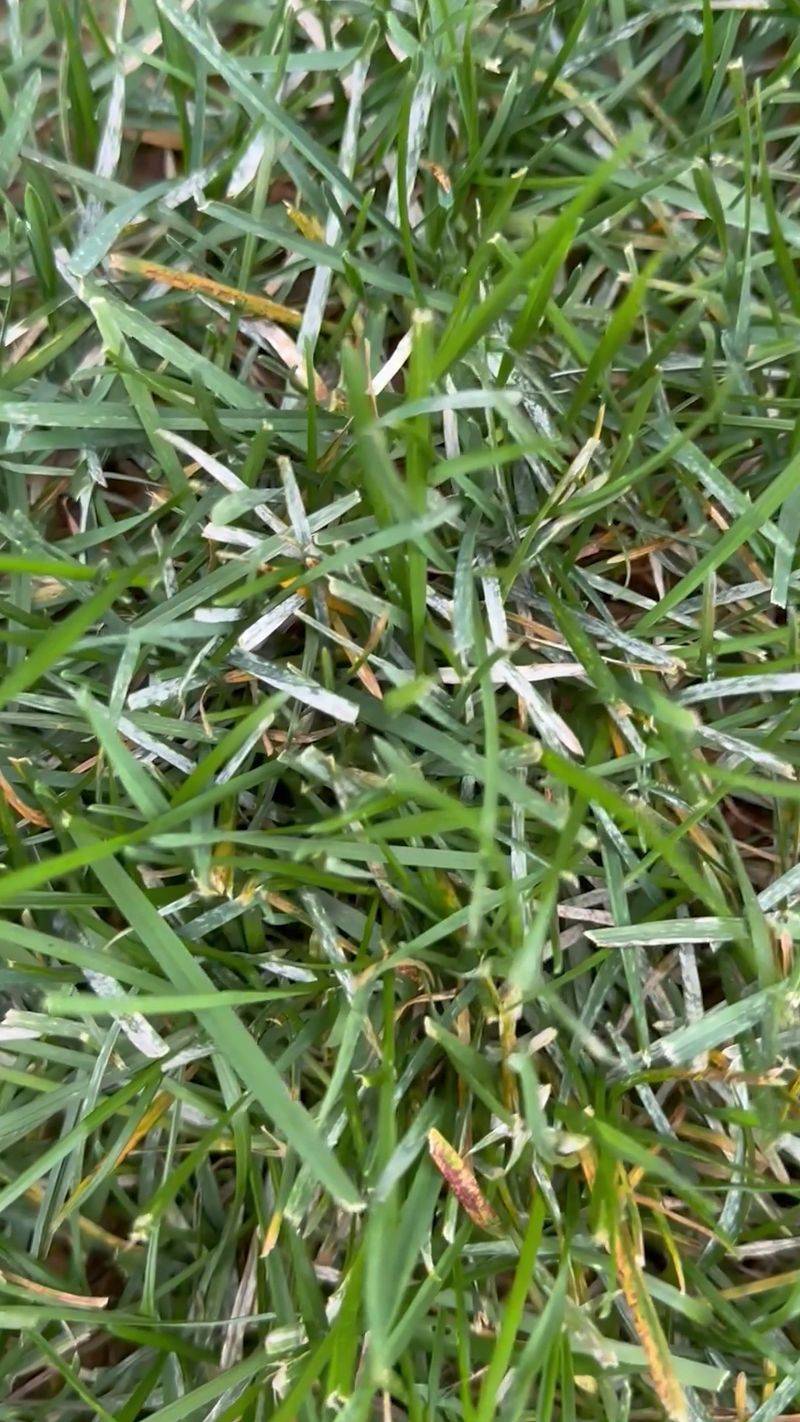
Tennessee’s climate creates favorable conditions for powdery mildew. The state sits in a climate zone where warm days and cool nights overlap for weeks at a time, creating exactly the conditions this fungus loves most.
Humidity plays a huge role. The frosted look on Tennessee grass shows up most often in late spring and early fall, when morning humidity lingers long after sunrise. That moisture on the grass surface gives mildew spores a perfect launchpad.
Shade is another big factor. Grass growing under trees, along north-facing fences, or near the house foundation gets less direct sun. Less sun means slower drying, and slower drying means fungal spores have more time to take hold and spread.
Your Tennessee Garden Changes Every Week. Your Plan Should Too.
Gardening in Tennessee changes quickly throughout the season. Every Friday you’ll receive a simple weekly plan showing exactly what to plant, prune, fertilize, harvest, and protect so you never miss the right timing.
Soil compaction also contributes more than most people realize. When soil is packed tight, water pools near the surface instead of draining properly. Wet soil keeps the surrounding air damp, which feeds the mildew cycle all over again.
Kentucky bluegrass is especially prone to mildew in low-light areas, and tall fescue can be affected as well, though typically to a lesser degree. If your lawn has dense shade coverage, those grass types may struggle more than others in your neighborhood.
The combination of heat, humidity, shade, and certain grass varieties makes Tennessee a hotspot for this particular fungal issue. Understanding your local climate is not just helpful trivia. It is the foundation for every smart lawn decision you will make going forward.
Spotting The Signs Before They Spread
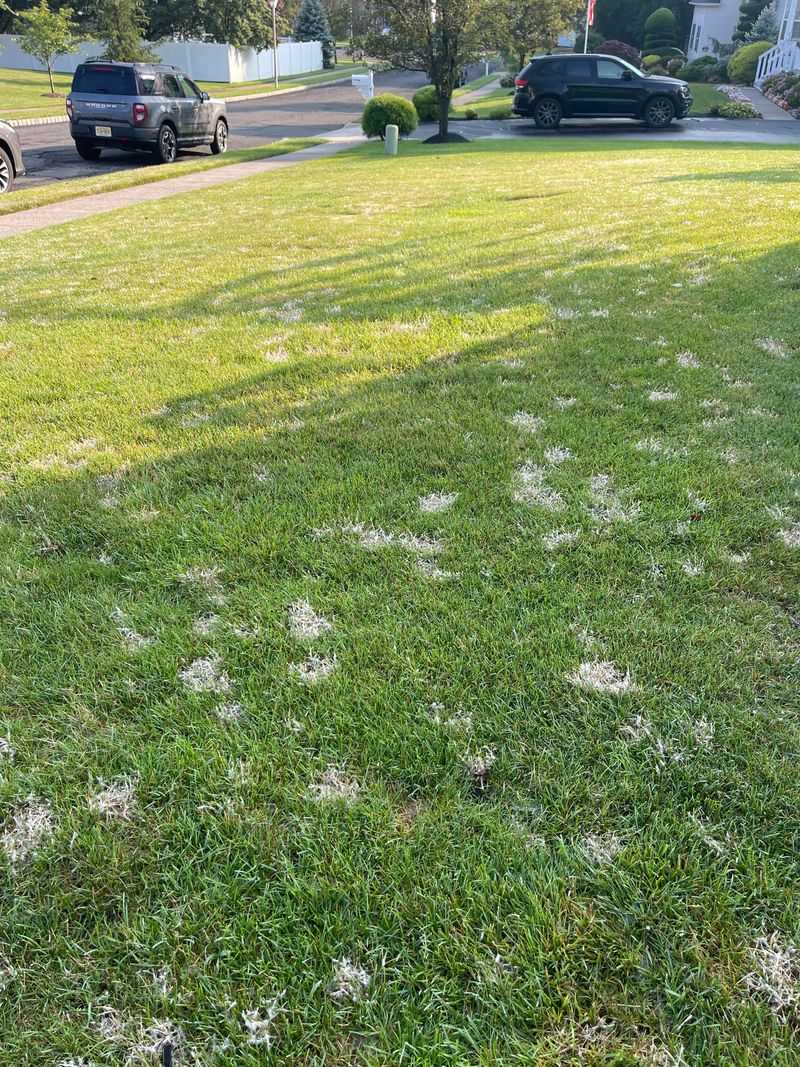
Catching powdery mildew early is the difference between a quick fix and a more widespread problem. Most people notice it only after it has already spread across a visible patch of the yard.
The first signs are subtle. Look for a faint grayish-white dusting on individual grass blades, usually in a shaded corner or along the edge of a structure. The blades themselves may still look green underneath the coating.
As the mildew progresses, the coating thickens and turns more obviously white. Grass blades begin to yellow beneath the fungal layer because sunlight can no longer reach the leaf surface properly.
Photosynthesis slows down, and the plant weakens from the inside out. Check your lawn early in the morning, before the dew burns off. That is when the white coating shows up most clearly against the green of healthy grass.
A quick walk around the shadiest parts of your yard takes less than five minutes. Pay close attention near downspouts, garden borders, and areas where air circulation feels low.
These spots are the first to show symptoms because moisture collects and lingers there longer than anywhere else. Affected blades may also feel slightly sticky before the powdery layer fully develops.
That tacky feeling is an early signal that fungal activity has already started beneath the surface. Spotting it at that stage gives you the best possible chance of stopping it before it travels across the rest of your lawn.
Conditions That Turn A Small Patch Into A Bigger Problem
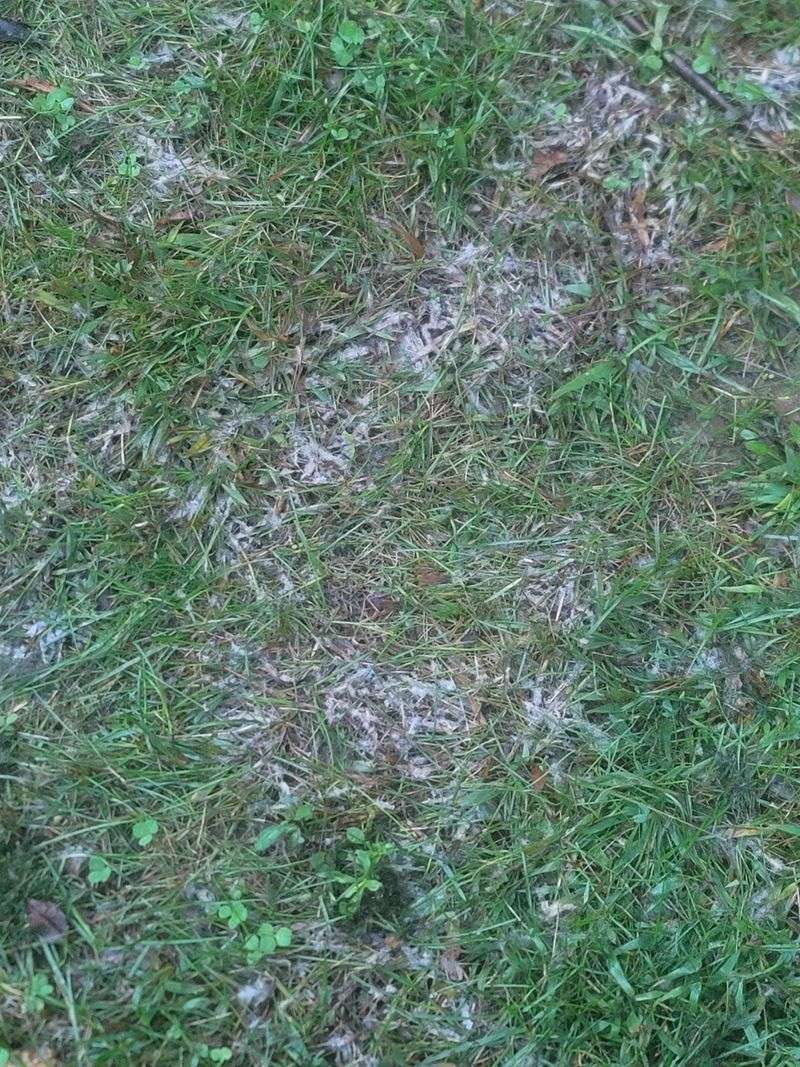
A small white patch in the corner of your yard can feel harmless at first. But certain everyday conditions can allow that small spot to spread across the lawn.
Overwatering is one of the biggest culprits. When you water in the evening, moisture sits on the grass surface all night long.
That extended wet period is exactly what mildew spores need to germinate and spread to neighboring blades.
Poor mowing habits also accelerate the spread. Cutting grass too short removes the leaf surface that helps the plant defend itself.
Dull mower blades tear rather than cut, leaving ragged edges where fungal spores can enter more easily.
Excess nitrogen fertilizer can make things worse in a surprising way. Lush, fast-growing grass produced by nitrogen-heavy feeding has softer cell walls.
Softer tissue is far more vulnerable to fungal penetration than grass grown at a steady, moderate pace.
Crowded planting is another contributing factor. When grass is thick and blades press tightly together, air cannot move between them.
Stagnant air traps humidity at the soil level, creating a warm, moist microclimate where mildew tends to thrive.
Weather patterns matter too. A stretch of cloudy days with no strong wind keeps spores close to the ground instead of dispersing them.
When those conditions stack up alongside shade and moisture, a manageable situation can escalate quickly. Recognizing these triggers puts you in control before the problem grows.
Simple Fixes To Clear It Up
Good news: powdery mildew is manageable without expensive treatments or professional help. A few targeted actions taken early can clear up a mild case within a couple of weeks.
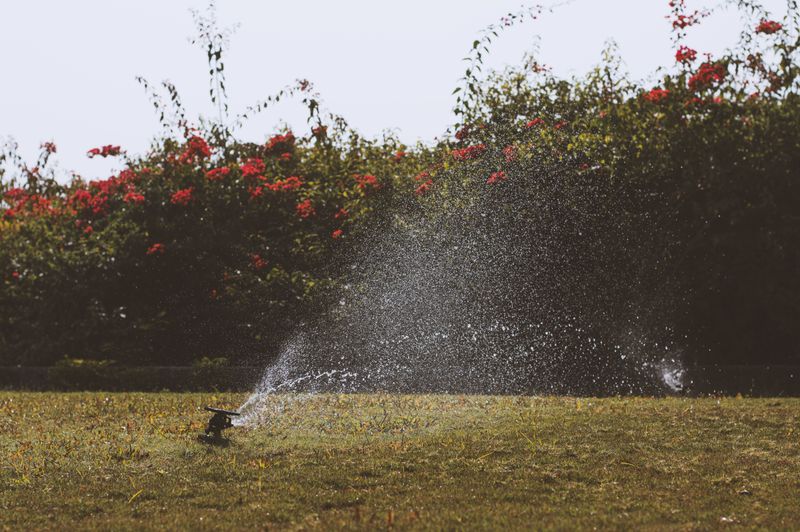
Start by adjusting your watering schedule. Shift irrigation to early morning so the sun can dry the grass surface before nightfall. This one change alone removes the overnight moisture that mildew depends on to survive and spread.
Improve airflow by trimming low-hanging branches above affected areas. More sunlight and moving air dry out the lawn faster and make the environment far less friendly to fungal growth. A pair of pruning shears and an afternoon can make a noticeable difference.
Baking soda solutions are a popular home remedy for mild cases, though results can vary and evidence is mostly anecdotal.
Mix one tablespoon of baking soda with a quart of water and a few drops of dish soap, then spray it directly on affected blades. Reapply every week until the coating clears.
For more stubborn patches, a neem oil spray works well as a natural fungicide. Neem disrupts the fungal life cycle and is generally considered gentler on the surrounding soil than synthetic options.
That said, it should be applied carefully, since it can affect some beneficial insects if misused.
Commercial fungicides containing potassium bicarbonate or sulfur are also effective and widely available at garden centers. Always follow label instructions carefully and avoid applying during extreme heat.
Consistent treatment over two to three weeks usually brings the frosted look on Tennessee grass fully under control.
Keeping Your Lawn Mildew-Free Long Term
Clearing up a mildew problem feels great, but prevention offers the most lasting results. A few smart habits practiced consistently will keep that powdery coating from coming back season after season.
Choose mildew-resistant grass varieties when overseeding or establishing new areas of your lawn.
Perennial ryegrass and certain fescue blends are often marketed as more resistant to fungal pressure, so it’s worth checking with a local nursery for specific cultivar recommendations.
Your local cooperative extension office can recommend the best options for your specific county. Aerate your lawn at least once a year, ideally in the fall. Core aeration breaks up compacted soil, improves drainage, and lets air reach the root zone more effectively.
Better airflow at ground level is one of the strongest defenses against recurring fungal conditions. Feed your lawn with a balanced fertilizer rather than a nitrogen-heavy formula. Moderate, steady growth produces tougher grass with stronger cell walls.
Tough grass resists mildew penetration far better than the soft, fast-growing kind pushed by excess feeding. Keep your mower blades sharp and raise your cutting height slightly in shaded areas.
Taller grass shades the soil surface, which reduces moisture evaporation and keeps the root zone more stable. Sharp blades make clean cuts that heal faster and offer less entry to pathogens.
Staying consistent with these habits is what separates a lawn that bounces back once from one that stays healthy year-round.
The frosted look on Tennessee grass does not have to be a recurring headache. With the right routine in place, your lawn can stay green, clean, and mildew-free all season long.