What It Really Means When Squash Vine Borers Appear In Your North Carolina Vegetable Garden
Finding squash vine borers in the garden feels like a gut punch, especially when your plants were looking strong just days before the damage became visible.
These insects follow a very predictable pattern across North Carolina, and once you understand their timing and behavior, the whole situation becomes far less mysterious and much more manageable.
The appearance of vine borers is not random bad luck. It is a signal tied to specific conditions in your garden that made your squash an easy target this season.
Knowing how to read those conditions, adjust your approach, and protect what is still salvageable makes a genuine difference in how much of your summer harvest actually makes it to the table.
1. Early Signs Of Infestation
Something feels off in your garden when your squash plants start looking a little droopy on a perfectly sunny morning. Before you blame the heat, check the base of the stem closely.
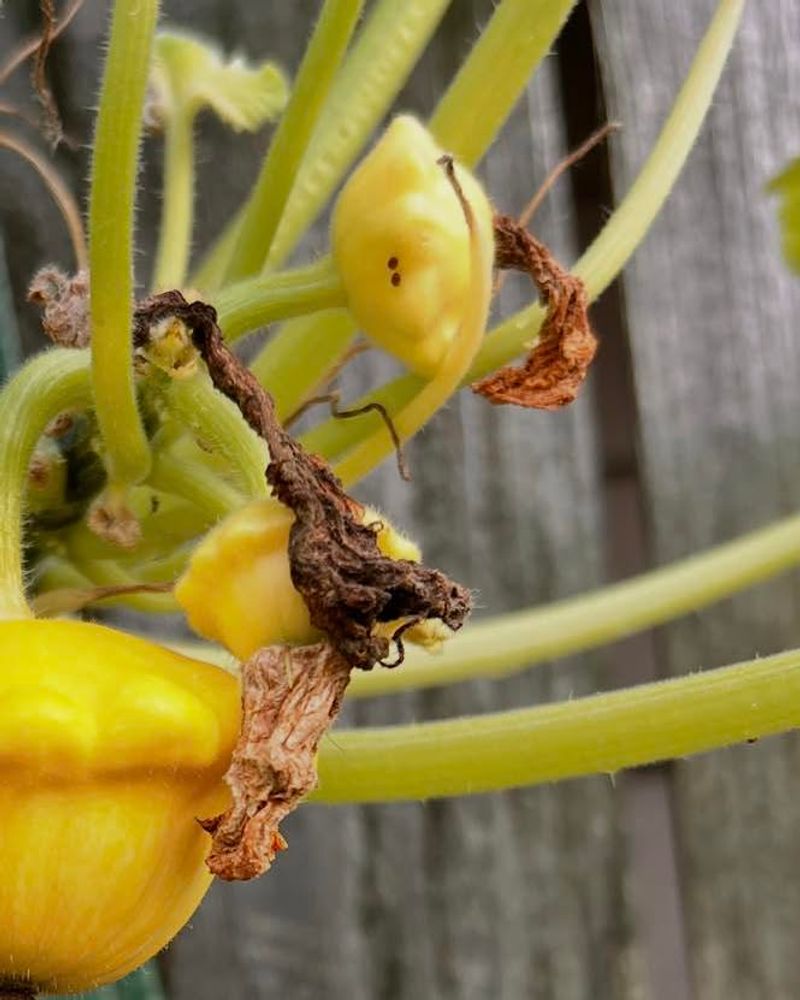
Tiny holes surrounded by what looks like wet sawdust, called frass, are the first clue that squash vine borers have moved in.
Frass is actually the waste left behind by larvae as they chew through the inside of the stem. It has a greenish or yellowish color and a grainy texture, almost like coarse cornmeal.
Spotting it in June, right when adult moths begin appearing in North Carolina, is your earliest and best window to act.
Zucchini, yellow squash, and pumpkins are all at risk, and the damage spreads quickly once larvae get inside. Catching the problem at this stage means you still have options.
Carefully inspect stems at soil level every few days starting in late May through July to stay ahead of the infestation before it escalates into something harder to manage.
2. Female Moths Lay Eggs At Stem Base
Most gardeners never see the moth that starts all the trouble, and that is exactly what makes squash vine borers so tricky.
The adult moth, Melittia cucurbitae, looks surprisingly like a wasp with its orange and black coloring, which helps it avoid predators. It flies during the day, making it one of the few moths active in daylight hours.
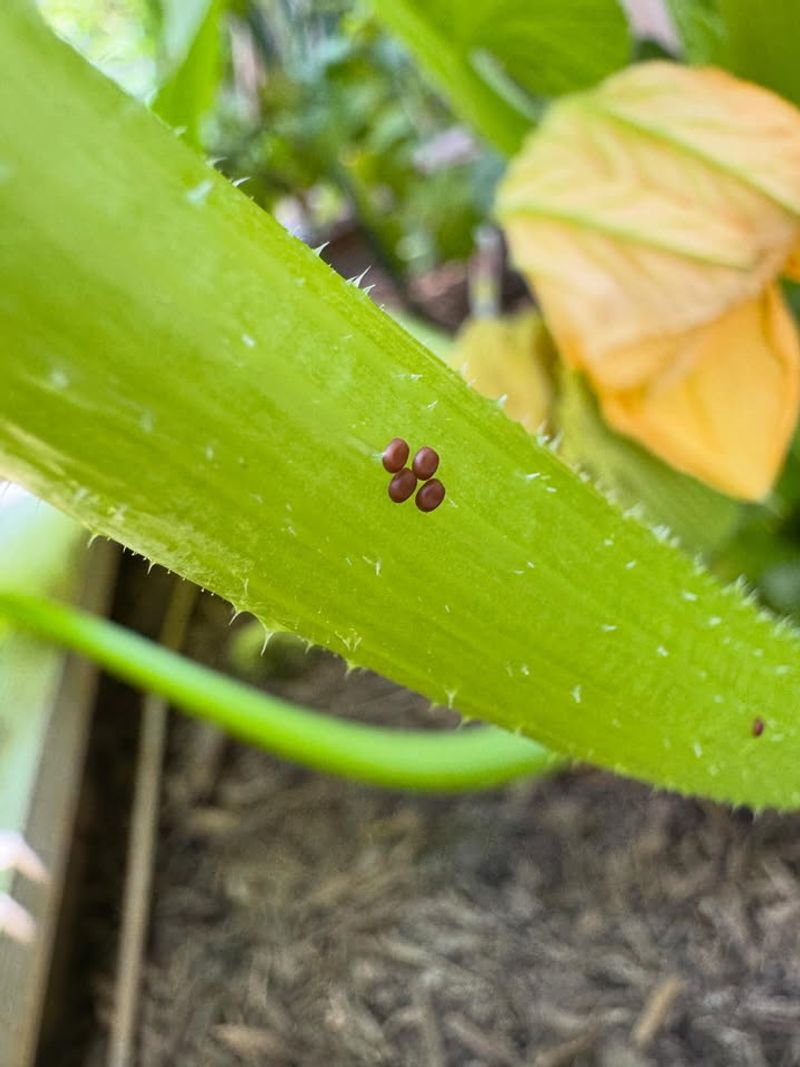
Female moths are incredibly precise about where they deposit their eggs. They target the base of squash stems, right at or just below the soil line, laying flat, reddish-brown eggs one at a time.
In North Carolina, this egg-laying behavior typically ramps up in June and can continue into July, especially during warm stretches.
Monitoring your stems regularly during this window is one of the smartest habits you can build. Run your fingers gently along the base of each plant and look for tiny, coin-shaped eggs pressed flat against the stem.
Finding and removing eggs before they hatch is far easier than dealing with larvae later. A simple weekly stem check during early summer can genuinely protect your entire squash crop from serious damage throughout the growing season.
3. Larvae Tunnel Inside Stems
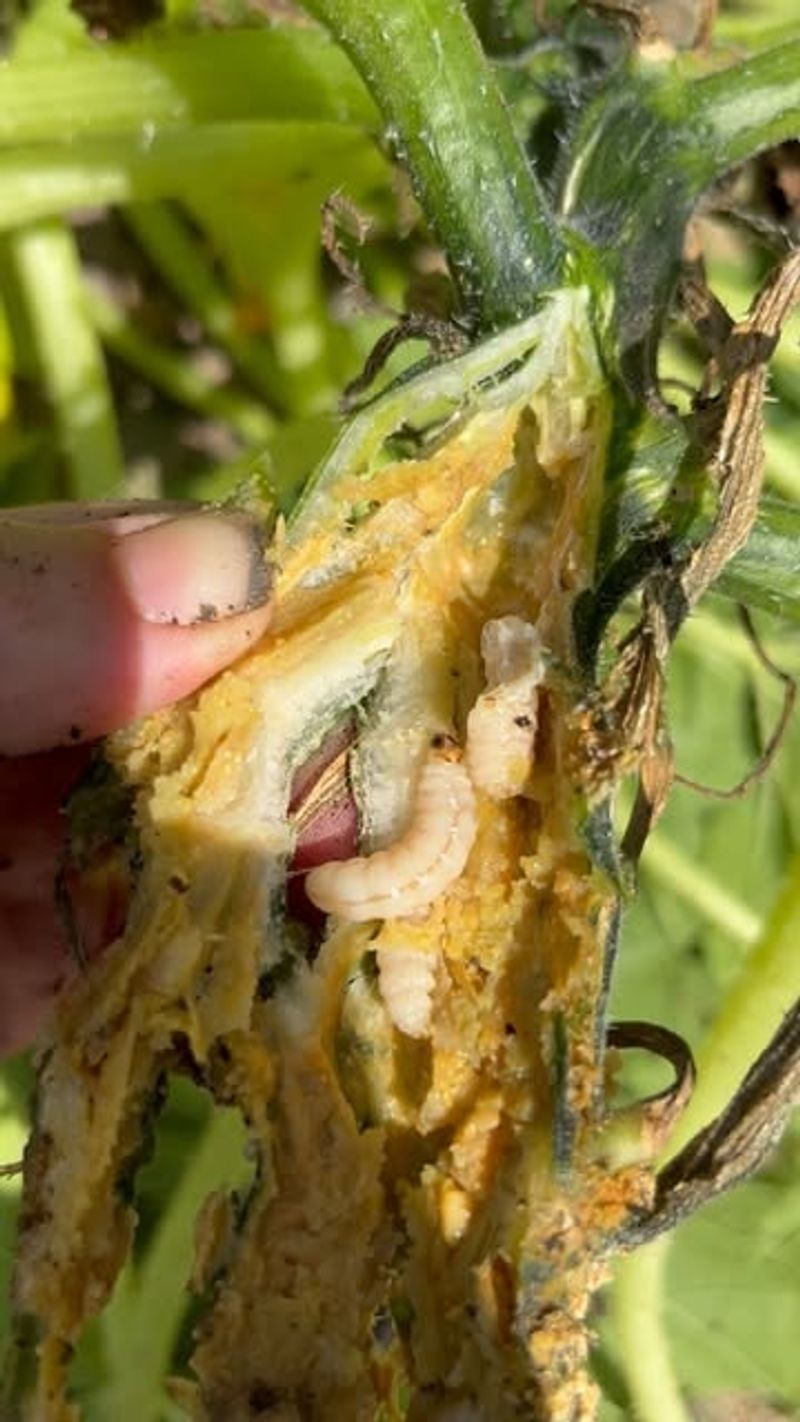
Once those eggs hatch, the real damage begins fast. Tiny larvae bore straight into the stem and start feeding on the soft inner tissue, tunneling upward as they grow.
Your North Carolina Garden Changes Every Week. Your Plan Should Too.
Gardening in North Carolina changes quickly throughout the season. Every Friday you’ll receive a simple weekly plan showing exactly what to plant, prune, fertilize, harvest, and protect so you never miss the right timing.
What makes this so frustrating is that all the destruction happens out of sight, hidden inside what looks like a perfectly healthy plant from the outside.
The tunneling disrupts the flow of water and nutrients from the roots to the rest of the plant. Think of it like a blocked straw.
No matter how much you water or fertilize, the plant cannot get what it needs because the pipeline is compromised. Wilting, yellowing, and stunted fruit development all follow as a result of this internal disruption.
By the time a single larva finishes feeding, it has grown to about an inch long and caused significant structural damage to the vine.
In North Carolina summers, warm temperatures speed up larval development, meaning the damage compounds quickly.
If you catch the infestation early enough, you can use a sharp, clean knife to make a small slit in the stem, remove the larva by hand, and cover the wound with moist soil to encourage the plant to root again and continue growing.
4. Rapid Vine Wilting
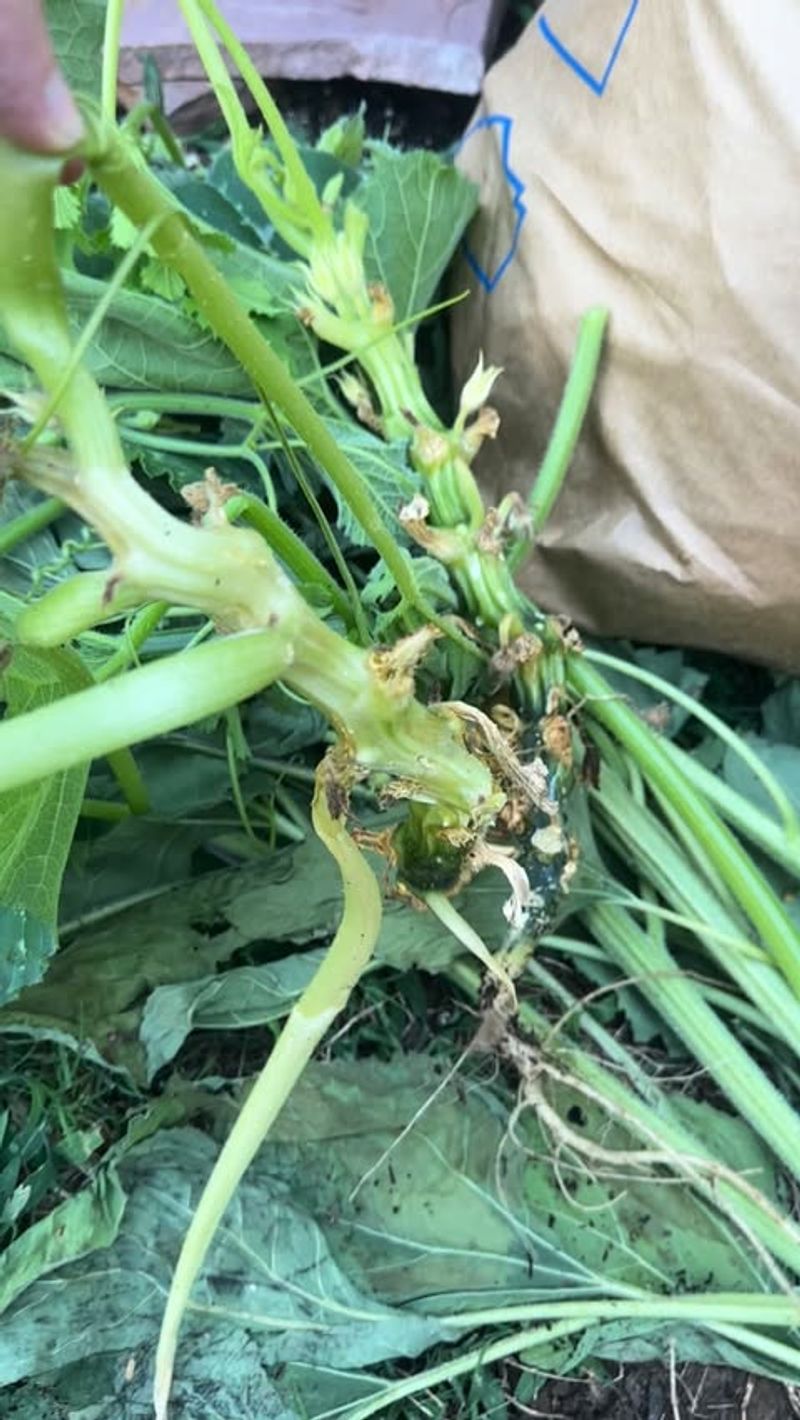
One afternoon everything looks fine, and the next your squash vine is completely collapsed.
That kind of sudden, dramatic wilting on a warm July day in North Carolina is one of the most alarming signs that squash vine borers have been at work for a while.
Unlike wilting from drought, this type does not recover after watering.
The collapse happens because the larvae have eaten enough of the inner stem tissue to fully block the plant’s ability to move water upward. Even a well-watered plant will go limp because the damage is structural, not environmental.
Checking the stem right away is the smart first move when you notice this kind of wilting.
If you find entry holes and frass, use a clean, sharp blade to carefully slice the stem lengthwise along the damaged section. You may find one or several cream-colored larvae inside, and removing them manually gives the plant a real chance to bounce back.
After extraction, pack moist soil or compost firmly around the cut area and water consistently.
Many North Carolina gardeners are surprised to find that their plants recover well after this hands-on intervention, especially when the roots remain healthy and the vine still has strong growing points beyond the damaged section.
5. Secondary Damage From Disease
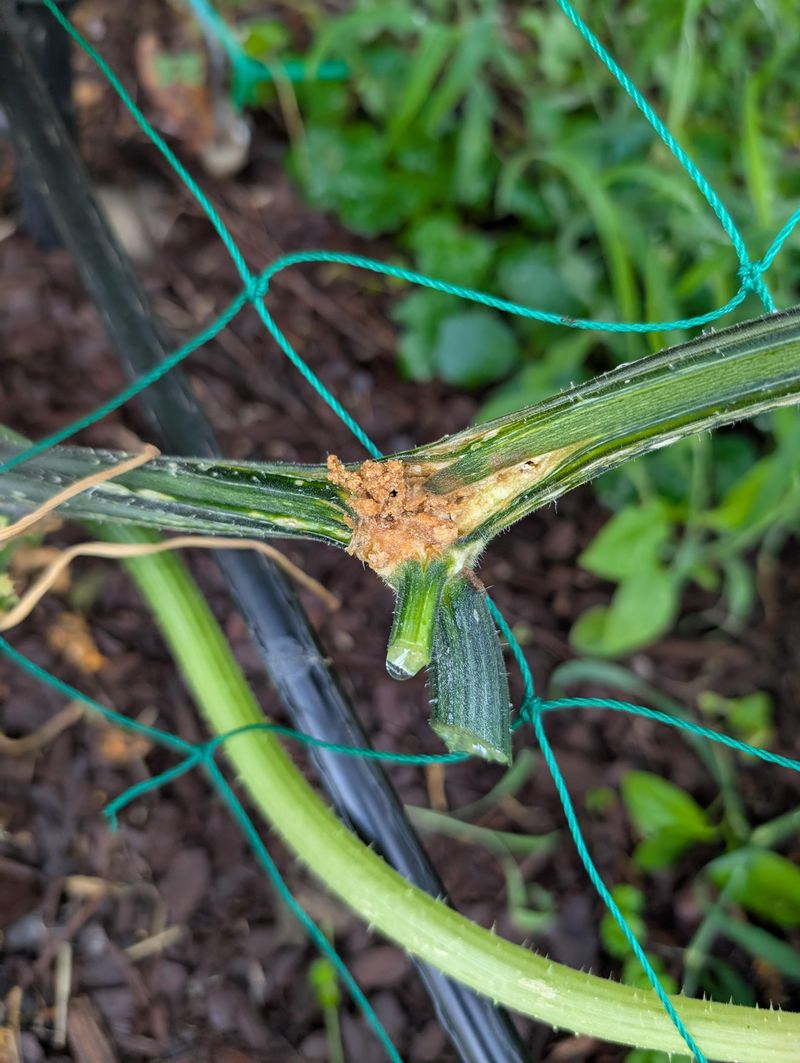
Squash vine borers do not just cause mechanical damage. The wounds they leave behind become open invitations for something potentially worse.
Fungal spores and bacteria are always present in garden soil, and any break in the stem’s protective outer layer gives them a direct entry point into the plant’s vulnerable inner tissue.
North Carolina’s hot, humid summer climate creates perfect conditions for fungal infections like Phytophthora crown rot and bacterial soft rot to take hold quickly.
Once these pathogens get inside a wounded stem, they spread rapidly and are very difficult to reverse.
A plant already weakened by borer damage has very little resistance left to fight off a secondary infection.
Protecting those wounds matters a lot. After removing larvae from a stem, make sure your cut is clean and smooth rather than jagged, since rough edges are harder for the plant to seal over.
Applying a light layer of fresh compost around the base and keeping the area consistently moist but not waterlogged encourages fast healing.
Some gardeners also use a thin layer of mulch to regulate soil temperature and reduce the splash of soilborne pathogens onto the wounded area.
Small, thoughtful steps like these can significantly lower the risk of a secondary infection turning a recoverable situation into a total loss for your squash bed.
6. High-Risk Plants
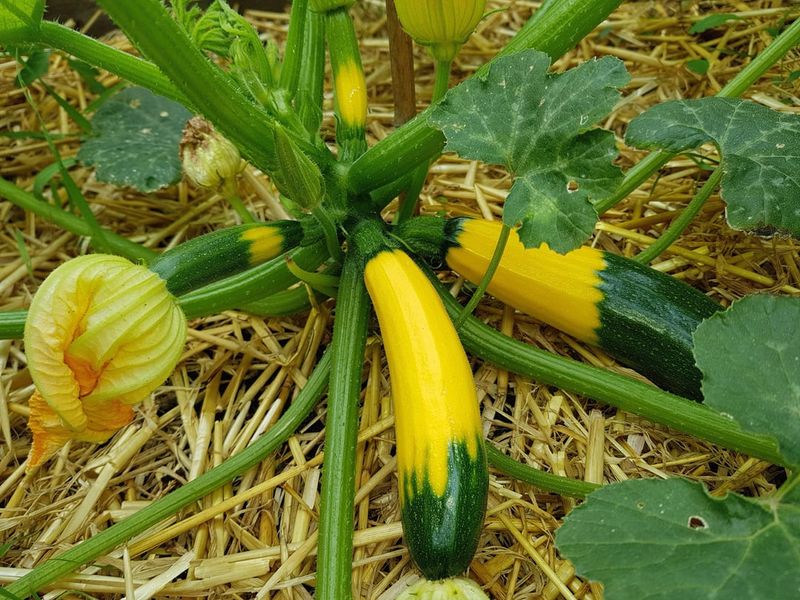
Not every plant in your garden faces equal risk from squash vine borers, and knowing which ones are most vulnerable helps you prioritize your protection efforts.
Zucchini and yellow summer squash top the list as the most susceptible cucurbits, largely because of their hollow stems, which are easy for larvae to tunnel through.
Pumpkins and most gourds are also highly attractive targets.
Butternut squash and acorn squash have a bit more natural resistance due to their harder, denser stem tissue, though they are not fully immune.
Cucumbers and melons are rarely targeted, which makes them a smart addition to a North Carolina garden if you want lower-maintenance crops alongside your squash.
Understanding this vulnerability spectrum helps you make smarter planting decisions each season.
Timing your plantings also plays a big role in protection. In North Carolina, gardeners who plant a second succession of squash in late July or early August often miss the peak egg-laying window entirely, since the main moth flight typically winds down by midsummer.
This late-season planting strategy is one of the most effective and underused tools available.
Pairing it with protective row covers during the first few weeks after transplanting gives your high-risk plants the best possible start before the heat of late summer really sets in and the pest pressure begins to ease.
7. Physical Barriers Can Help
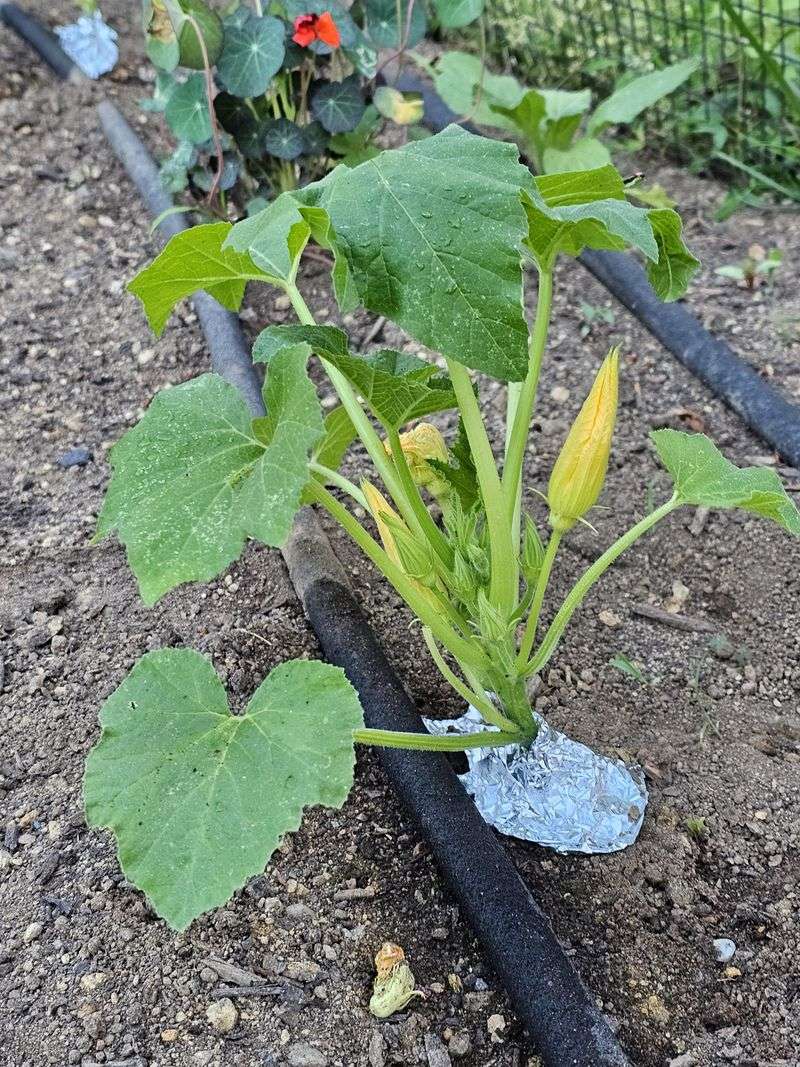
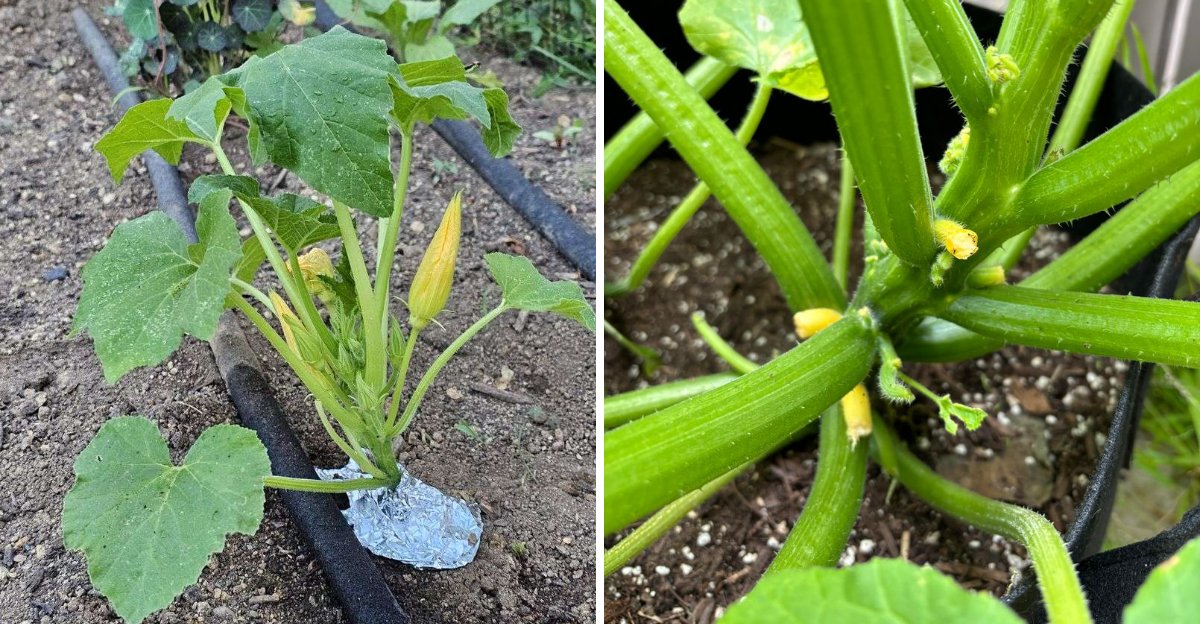
Sometimes the best defense is a simple physical one. Wrapping the base of each squash stem with aluminum foil creates a barrier that makes it much harder for female moths to lay their eggs directly on the stem.
It sounds almost too easy, but this low-tech trick genuinely works when applied correctly and at the right time.
The foil collar should extend a few inches above and below the soil line, covering the area where moths most commonly deposit eggs.
Secure it loosely enough not to constrict the growing stem, but snugly enough that it stays in place through wind and watering.
Installing these collars before the first week of June in North Carolina puts you ahead of the main egg-laying window.
Row covers are another excellent physical barrier option. Lightweight floating row covers draped over young squash plants block adult moths entirely, preventing any egg-laying from happening in the first place.
The key is to remove or open the covers during the day once plants begin flowering, since squash needs pollinator access to produce fruit.
You can time this around peak moth activity, keeping covers on during early morning hours when moths are most active and removing them later in the day.
Combining foil collars with row covers gives your North Carolina squash plants two solid layers of protection right from the start of the season.
8. Crop Rotation Reduces Risk
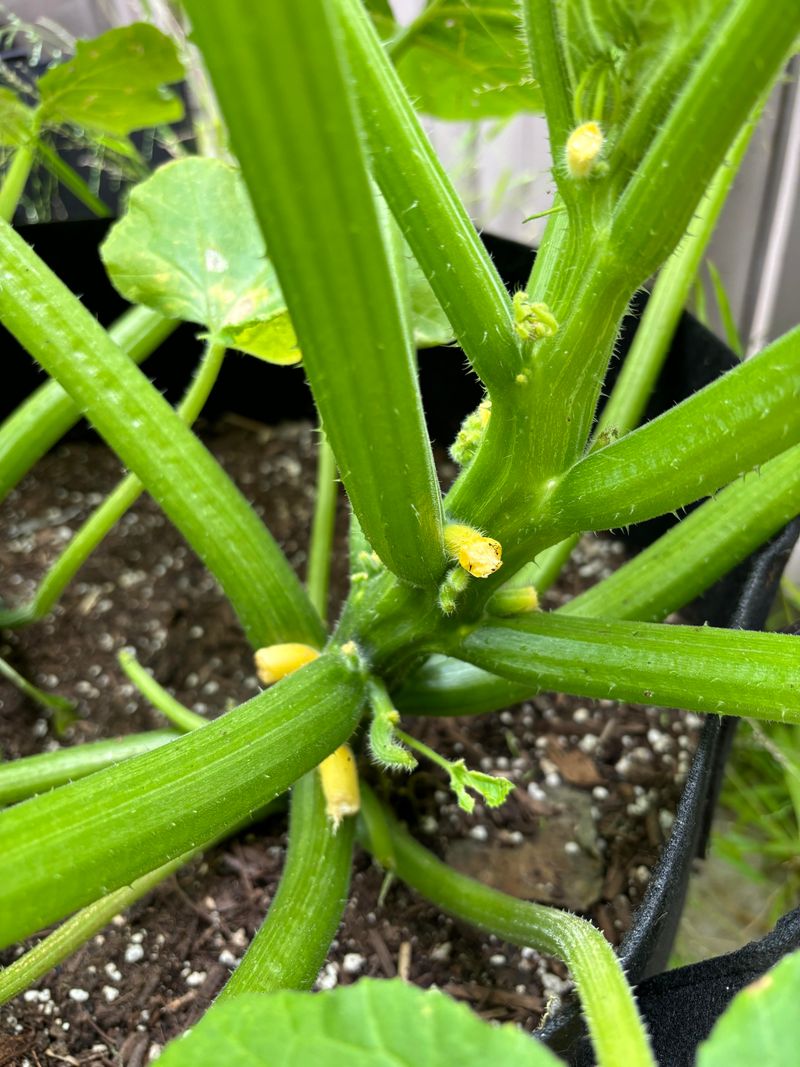
Here is something many home gardeners overlook: where you planted your squash last year matters just as much as what you plant there this year.
Squash vine borer larvae that finish feeding in late summer burrow into the soil beneath the host plant to pupate and overwinter.
If you plant squash in that same spot the following spring, you are essentially rolling out a welcome mat for the emerging adults.
Rotating your cucurbit crops to a completely different section of the garden each year disrupts this cycle in a meaningful way. When adult moths emerge from the soil in June, they surface in a spot where no suitable host plant is growing nearby.
This forces them to search farther, and many never find a suitable stem before their short adult lifespan ends.
For best results in a North Carolina vegetable garden, aim to move cucurbits at least 30 feet from their previous location, though even shorter distances provide some benefit.
Pair crop rotation with good fall garden cleanup, removing and bagging any spent squash vines rather than composting them, to reduce the number of overwintering pupae in your soil.
Over two or three seasons of consistent rotation, many gardeners notice a meaningful drop in squash vine borer pressure across their entire garden without relying on any chemical interventions at all.
9. Encouraging Natural Predators
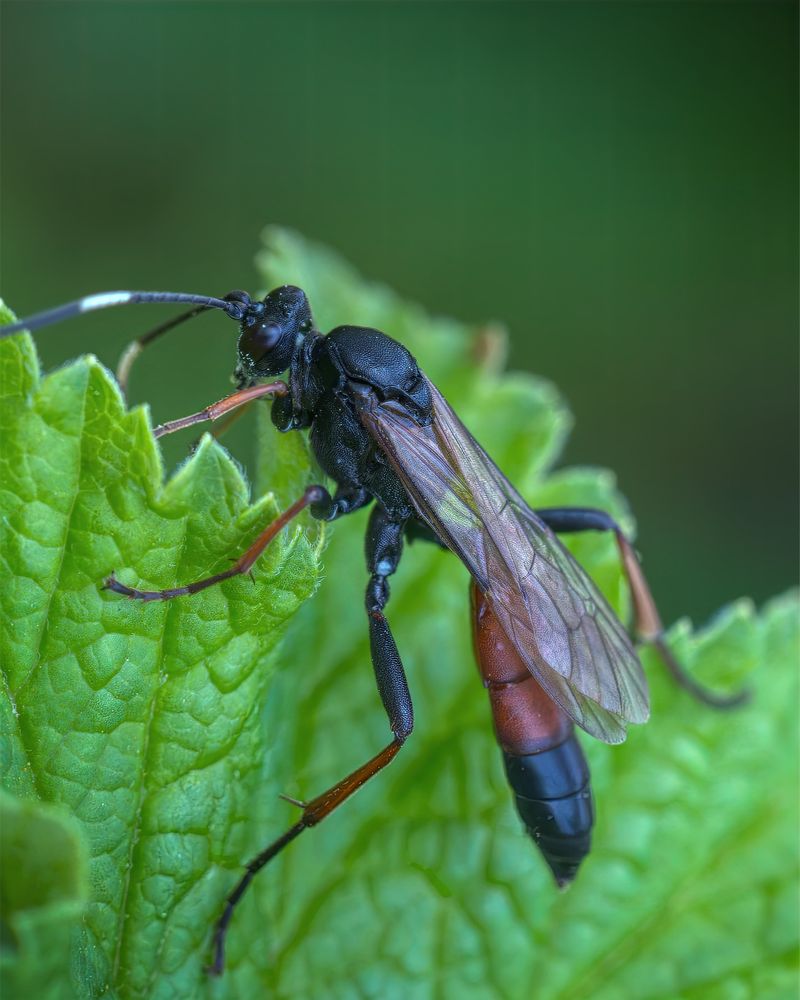
Your garden already has allies working on your behalf, and giving them a better habitat makes a real difference.
Parasitic wasps, particularly species in the Trichogramma family, are among the most effective natural enemies of squash vine borer eggs.
These tiny wasps lay their own eggs inside or on pest eggs, stopping the borer lifecycle before it even gets started.
Attracting these beneficial insects is easier than most people think. Planting small-flowered herbs and perennials near your squash gives parasitic wasps the nectar and pollen they need to thrive.
Dill, fennel, yarrow, sweet alyssum, and cilantro that has gone to flower are all excellent choices that pair beautifully with a North Carolina summer vegetable garden.
Ground beetles and spiders also help by preying on larvae that occasionally move along the soil surface. Keeping a section of your garden with loose mulch or low ground cover gives these predators a place to shelter and patrol.
Avoiding broad-spectrum pesticide sprays is equally important, since those products remove beneficial insects right alongside the pests you are trying to manage.
Building a garden environment that supports biodiversity takes a little planning upfront, but the payoff is a more naturally balanced system that becomes easier to manage every single season you invest in it.