Ohio Shrubs That Look Their Best In July When Everything Else Wilts
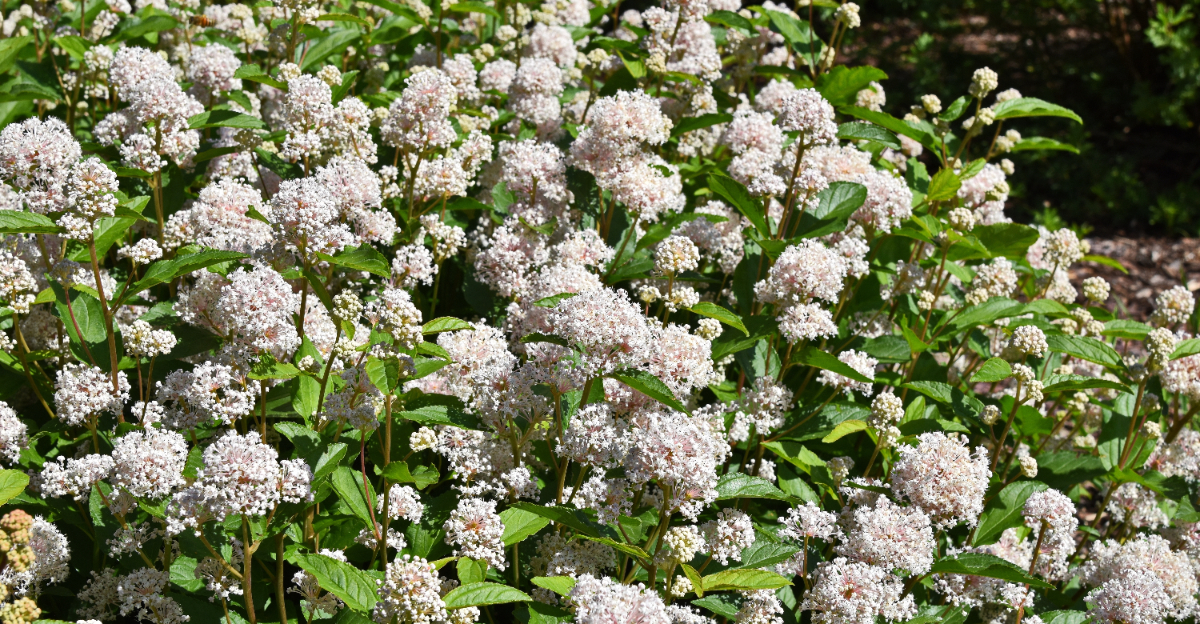
July is where a lot of Ohio shrubs quietly check out. The spring show is long over, the heat has settled in, and most plants spend the month just trying to hold their ground rather than impress anyone.
A garden that looked full in May can feel surprisingly flat by midsummer. A specific group of Ohio shrubs treats July differently.
Instead of wilting through it, they hit a stride that makes them look more vibrant than they did earlier in the season. These are not exotic finds requiring a specialty nursery trip.
Several are commonly available and simply overlooked because most people are not thinking about peak shrub performance in the middle of summer. A yard that still looks intentional in July, when everything around it has gone quiet, stands out for reasons that have nothing to do with extra watering or extra effort.
1. Choose Smooth Hydrangea For Fresh July Flowers
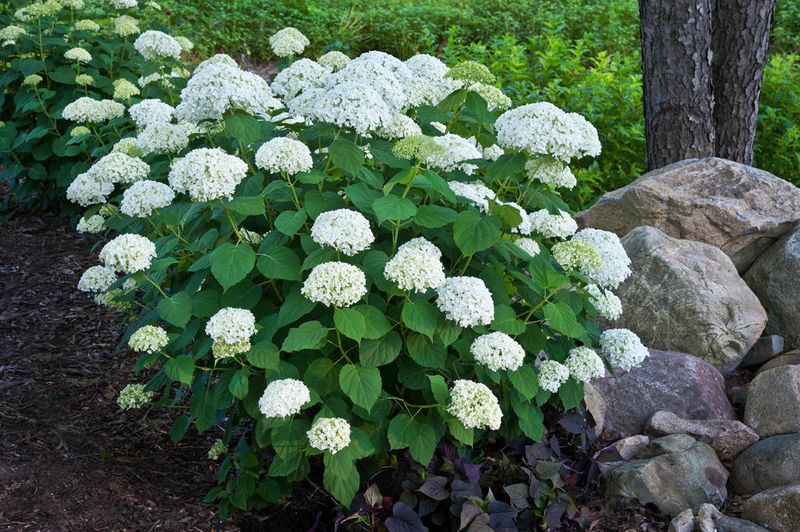
A tired July border can look much fresher when one shrub is still holding clean white flowers above the heat. Smooth hydrangea, Hydrangea arborescens, is an Ohio native shrub that blooms from late June well into August in many local gardens.
Those large, rounded flower heads can stay creamy white for weeks, giving the border a cool, fresh look even on hot afternoons.
This shrub does its best in part shade or light sun where soil moisture stays consistent. It is not a dry-site plant.
During July heat waves, smooth hydrangea planted in full blazing sun with poor soil will show leaf scorch and smaller blooms. Consistent moisture makes a real difference.
Mature plants typically reach four to six feet tall and wide, though some cultivars stay smaller. Popular selections like Annabelle and Incrediball are widely available at nurseries across this state.
Established plants handle summer heat better than newly planted shrubs, which need regular watering through their first full season.
Pollinators visit the flowers regularly, and the dried flower heads can hold visual interest into fall. Smooth hydrangea works well in foundation beds, shaded borders, and moist woodland edges.
It can spread slowly by suckers where conditions suit it. Cutting stems back hard in late winter or early spring encourages the strongest new growth and the biggest blooms come July.
2. Plant Buttonbush Where Summer Soil Stays Moist
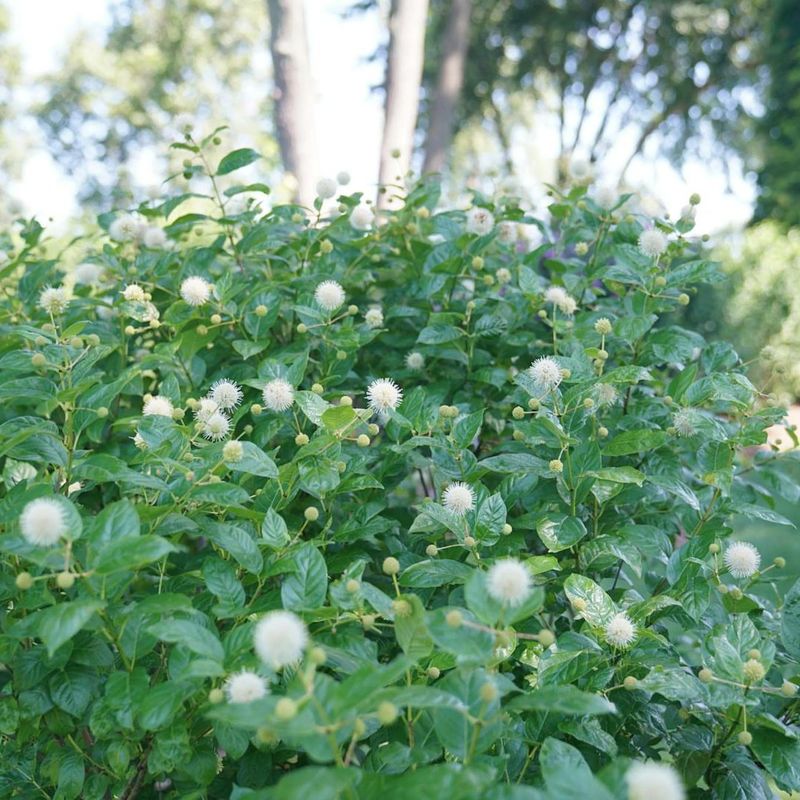
Not every yard has a soggy corner, but if yours does, buttonbush was practically made for it. Cephalanthus occidentalis is a native shrub that thrives in wet or consistently moist ground.
That includes Ohio rain gardens, pond edges, stream banks, and low spots that hold water after heavy rain. In those spots, it can look genuinely strong in July when drier-site plants nearby are already under stress.
The flowers are hard to miss. Round, white, pincushion-like blooms appear from late June through August and attract a wide range of pollinators including bees, butterflies, and hummingbirds.
The round seed heads that follow also provide food for waterfowl and other wildlife, giving buttonbush real ecological value beyond its summer show.
Your Ohio Garden Changes Every Week. Your Plan Should Too.
Gardening in Ohio changes quickly throughout the season. Every Friday you’ll receive a simple weekly plan showing exactly what to plant, prune, fertilize, harvest, and protect so you never miss the right timing.
Mature plants can reach six to twelve feet tall depending on site conditions, so give this shrub room. It is not the right pick for a tight foundation bed or a dry, sunny slope.
Planted correctly in a moist low area or a purpose-built rain garden, it can anchor that spot beautifully through the hottest weeks of summer.
Buttonbush is native across most of this state and is available from native plant nurseries. Do not dig it from wild areas.
Newly established plants need consistent moisture while they settle in, though mature shrubs handle wet and dry cycles much better once fully rooted.
3. Use Summersweet For Fragrant Mid-Summer Blooms
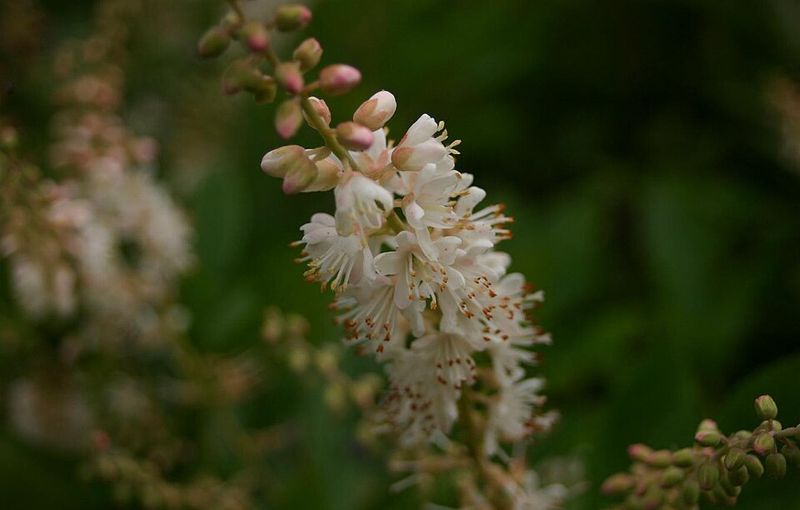
Few mid-summer shrubs announce themselves quite the way summersweet does. Clethra alnifolia sends up slender spikes of small white or pale pink flowers in July and August, and the fragrance can carry across a garden on a warm evening.
If your yard has a moist, partly shaded spot that feels empty in summer, this shrub is worth a close look.
Summersweet performs best in consistently moist, slightly acidic soil with part shade or dappled sun. It can handle some direct sun if moisture is reliable, but it will struggle in hot, dry, exposed sites.
Think of it as a shrub for the shaded side of the house, a moist border, or a woodland edge where summer soil stays reasonably damp.
Mature plants typically reach three to eight feet tall, depending on the cultivar. Compact selections like Hummingbird and Ruby Spice are widely available and fit smaller spaces well.
Pollinators, especially bees and butterflies, visit the flowers heavily during bloom. Hummingbirds have also been observed working the flowers in local gardens.
This shrub can spread slowly by suckers, forming a colony where it is happy. That spreading habit can actually help fill a difficult moist corner over time.
Newly planted shrubs need regular watering through the first growing season. Once established, summersweet is a reliable mid-summer bloomer that earns its space in the right spot.
4. Grow Ninebark For Strong Foliage Through Heat
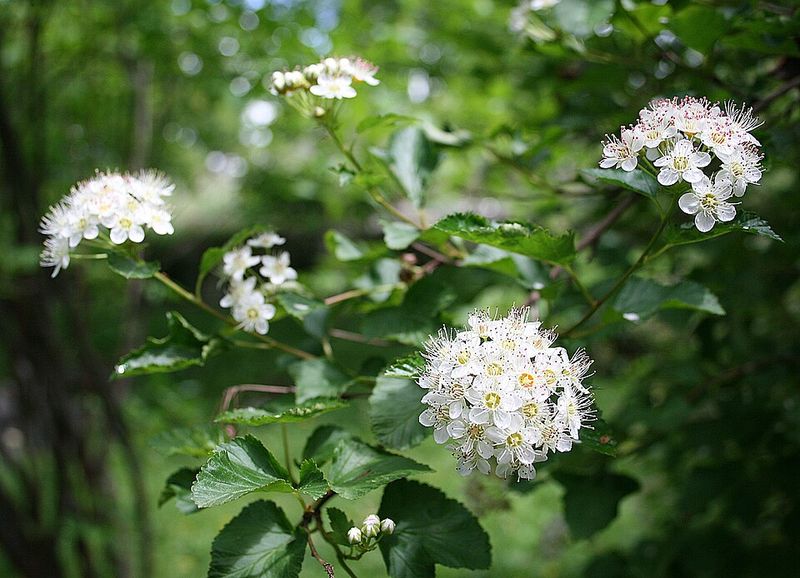
When flowers fade and the border starts looking thin, a shrub with bold foliage can hold the whole composition together.
Ninebark, Physocarpus opulifolius, is an Ohio native shrub that delivers exactly that kind of structural presence through July and beyond.
Depending on the cultivar, foliage can range from deep burgundy and chocolate tones to bright chartreuse and golden yellow.
The peeling, exfoliating bark adds another layer of texture that shows up even when you look past the leaves. Ninebark blooms in late spring with clusters of small white or pinkish flowers.
By July, the foliage and fruit clusters keep the shrub looking interesting after those blooms are finished. Small reddish seed capsules appear after bloom and persist into summer.
Established ninebark handles summer heat reasonably well, but newly planted shrubs still need consistent watering through their first season.
This shrub adapts to a range of soils and tolerates both part shade and full sun, though foliage color tends to be strongest in a sunny spot.
It can reach six to ten feet tall and wide, so give it space or choose one of the more compact cultivars like Little Devil or Tiny Wine.
Ninebark is available at most nurseries across this state. It works well as a border anchor, a screening plant, or a backdrop for shorter summer perennials.
Its tough, adaptable character makes it one of the more reliable choices for a July garden that needs visual weight without demanding perfect conditions.
5. Add Virginia Sweetspire For Clean Summer Structure
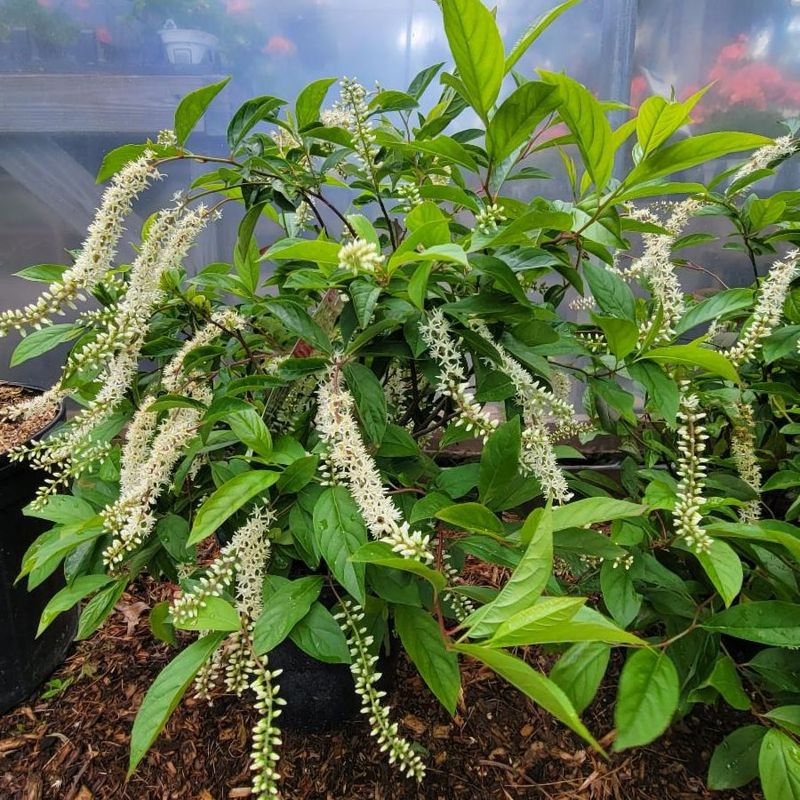
After its delicate white flower racemes finish in late spring to early summer, Virginia sweetspire does something that not every shrub manages: it stays neat.
Itea virginica holds a clean, arching shape through July that gives mixed borders a tidy middle layer without demanding much attention.
That reliability makes it a strong candidate for foundation beds and shaded borders where structure matters as much as flowers.
This shrub performs best in moist, well-drained soil with part shade to full sun. It is more adaptable than some native shrubs and tolerates a range of conditions, but it looks its best where soil moisture stays consistent through the summer.
In hot, dry spots with poor soil, it may look less polished by late July.
Mature plants typically reach three to five feet tall and spread somewhat wider. Virginia sweetspire can sucker and slowly expand where it is happy, which can be useful for filling a moist bank or border edge over time.
That spreading habit is worth knowing before you plant it in a tight, formal bed.
Pollinators visit the flowers during bloom, and the foliage turns attractive shades of red and orange come fall. For July, the value is mostly in the clean foliage and tidy form.
Henry’s Garnet is one of the most widely available cultivars and offers reliable summer structure. Buy from a reputable nursery and match it to a site with consistent moisture for the best results.
6. Plant Shrubby St. John’s Wort For Bright July Color
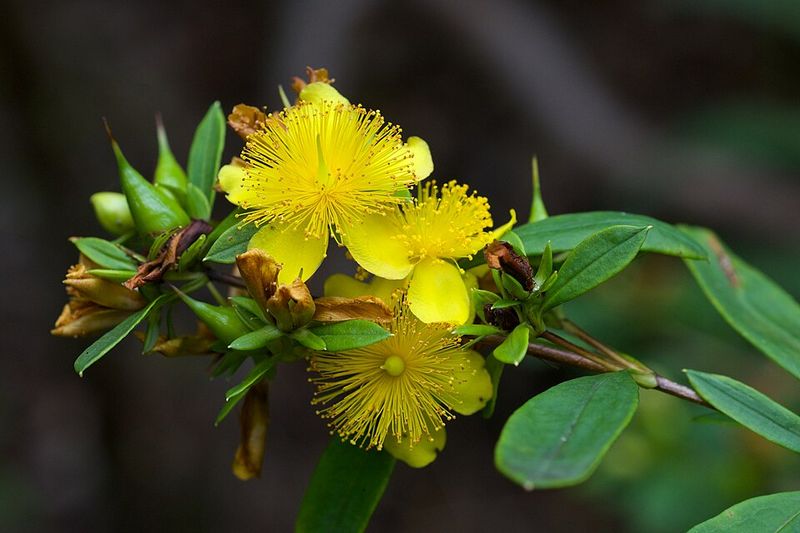
Bright yellow flowers in a sun-baked July border are not always easy to find, but shrubby St. John’s wort delivers them reliably.
Hypericum prolificum is a native shrub with fine-textured, glossy foliage and cheerful yellow blooms that open from late June through August.
In a sunny, well-drained border, it can be one of the most visually lively plants in the garden during the hottest weeks of summer.
This shrub is native across much of this state and is well-suited to sunny spots with average to dry, well-drained soil. It is not the same plant as the invasive or medicinal forms of St. John’s wort sometimes discussed in other contexts.
Hypericum prolificum is a compact, well-behaved native shrub that earns its place on its own merits.
Mature plants typically reach two to four feet tall and wide, making them a good fit for the front to middle of a sunny border. The small, dense flowers attract native bees and other pollinators during bloom.
Seed capsules follow the flowers and add minor textural interest into fall.
Established plants handle summer heat and moderate drought better than many shrubs, though newly planted specimens still need regular watering while they settle in. This is not a shrub for heavy clay that stays wet.
Choose a spot with decent drainage and reasonable sun, and it can reward you with color right through the toughest stretch of July. Look for it at native plant nurseries or well-stocked garden centers.
7. Use New Jersey Tea For Dry Sunny Spots
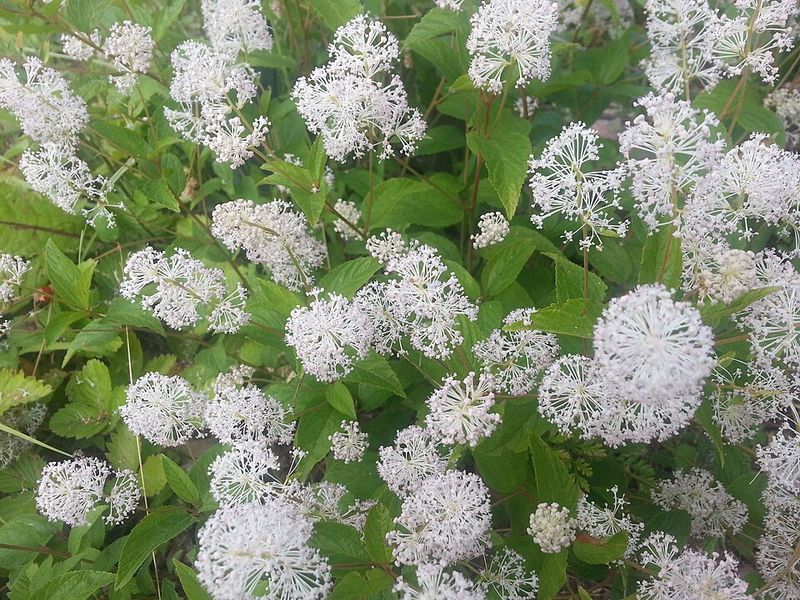
Dry, sunny spots in the garden can be genuinely difficult to plant well. Turf thins out, annuals need constant water, and many shrubs struggle without reliable moisture.
New Jersey tea, Ceanothus americanus, is one of the few Ohio native shrubs that actually fits those conditions. It still manages to bloom in early to mid-summer with clusters of small, frothy white flowers.
This shrub is native to prairies, open woodlands, and sunny edges across this state. It is built for well-drained, drier soils and full sun to light shade.
Planting it in heavy clay that stays wet is likely to cause problems. Match it to the right site, a sunny slope, a dry border, or a rocky edge, and it can look quite good in July.
Mature plants typically stay in the two to four foot range in height and spread a bit wider over time. The root system runs deep, which helps it access moisture during dry spells once it is fully established.
That same deep root system means transplanting mature plants is difficult, so choose the planting spot carefully from the start.
New Jersey tea has a historical note worth mentioning: colonists reportedly used its leaves as a tea substitute. Beyond that, its flowers attract native bees and other beneficial insects during bloom.
Newly planted shrubs still need regular watering through the first season, even on a dry site. Once established, it is one of the tougher choices for a challenging sunny spot in the summer garden.
8. Grow Fragrant Sumac For Heat-Tough Edges
Hot, dry slopes are some of the most challenging spots in any home landscape. Grass struggles, mulch slides, and many shrubs simply do not establish well in that kind of baked, exposed ground.
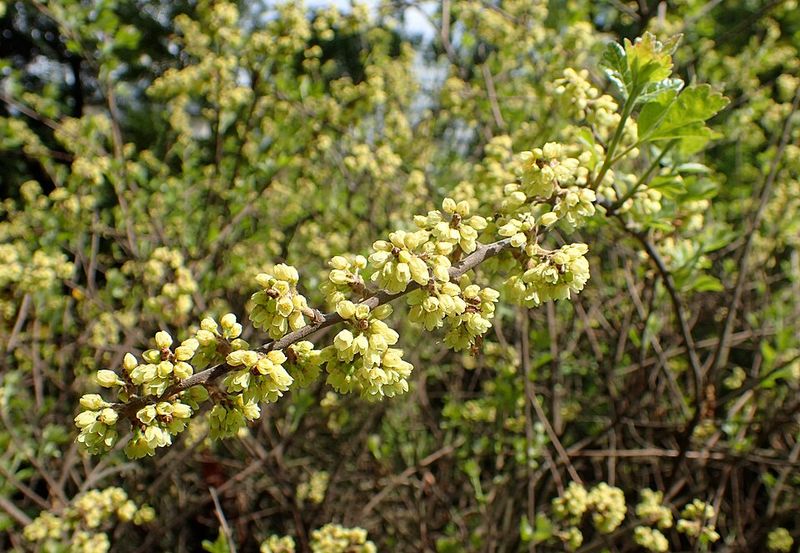
Fragrant sumac, Rhus aromatica, is a native shrub that actually fits those conditions. Its low, spreading habit and tough root system make it a practical choice for sunny edges and dry slopes.
It also works in difficult spots where a spreading groundcover-type shrub makes sense. By July, established fragrant sumac holds clean, aromatic foliage and a dense spreading form that keeps the slope covered and relatively tidy.
The spring flowers are small and yellow, appearing before the leaves, and are long finished by July. Small red fruit clusters may be visible in summer and attract birds.
The foliage has a pleasant scent when bruised, which is where the common name comes from.
This shrub spreads over time. That spreading habit is one of its strengths on a slope or naturalized edge, but it is worth knowing before planting it in a tight, formal bed.
Mature plants can reach three to six feet tall and spread considerably wider depending on site conditions.
Fragrant sumac is native across much of this state and handles summer heat and dry soil better than many shrubs once established. Newly planted specimens still need regular water through their first season.
Look for it at native plant nurseries and choose a sunny, well-drained site for the best results. Fall color, which can be quite vivid, is a bonus beyond the July interest.