What Ohio Hostas Need In September Before They Disappear For Winter
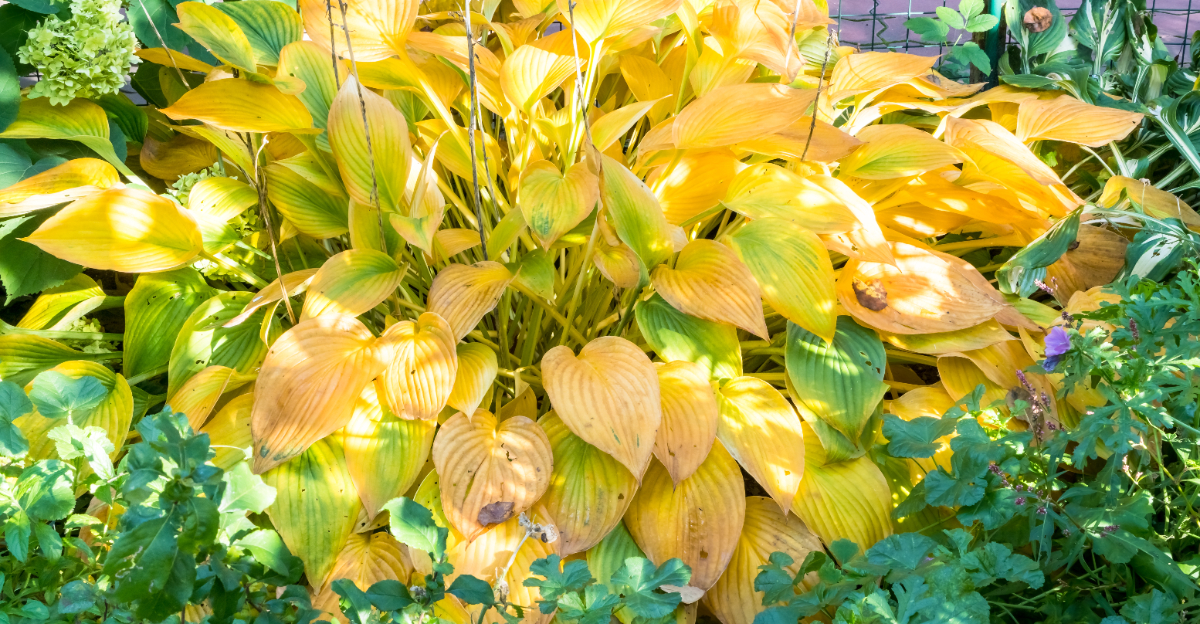
Hostas can fool you in September. The leaves may still look broad and full one week, then lose color fast as Ohio nights turn cooler.
That sudden change can make the whole bed seem neglected, but the plants are already focused on what comes next. What you do during this short stretch can affect how well they handle winter and how strongly they return in spring.
The tricky part is knowing what actually helps now and what only creates extra stress before dormancy. Too much attention can be just as unhelpful as none at all.
Your hostas still need support, but not the same care they wanted in midsummer. September is the month to read the plant rather than the calendar.
A few simple choices now can protect the crown, conserve energy, and leave your hostas far better prepared for the cold months ahead.
1. Keep The Soil Moist While Leaves Stay Green
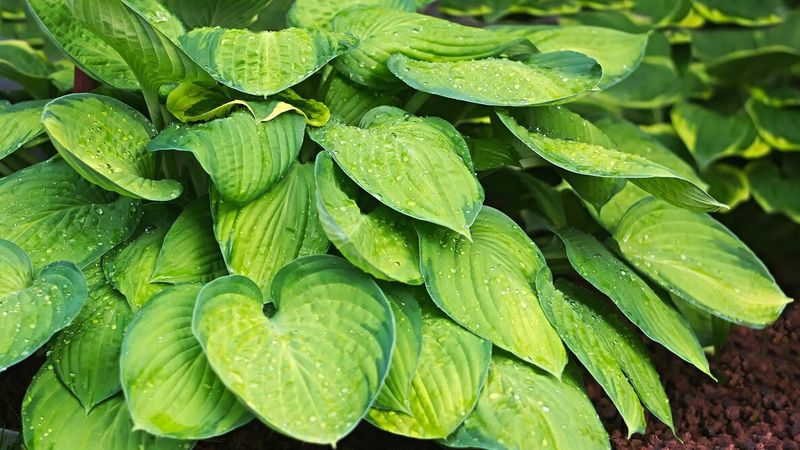
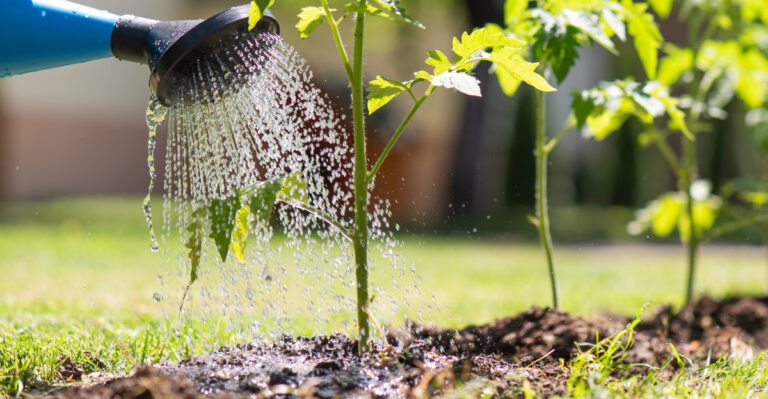
Green leaves on a hosta are a sign that the plant is still working, and working plants need water. Soil moisture matters more in September than many gardeners expect, especially during dry stretches that are common in late summer across the region.
Rainfall alone is not always enough to keep the root zone adequately moist, particularly in sandy or fast-draining soils.
Rather than watering on a fixed schedule, check the soil directly. Push a finger or a small trowel a few inches into the ground near the plant.
If the soil feels dry at that depth, supplemental watering is likely worthwhile. If it still feels cool and slightly damp, you can wait a few more days before checking again.
Soil type, drainage, mulch coverage, and plant size all affect how quickly moisture is lost. A large established clump in a mulched bed will hold moisture differently than a younger plant in an exposed spot.
Avoid keeping the soil waterlogged, since poor drainage can cause its own problems near the crown. The goal is steady, reasonable moisture while the foliage remains green and active.
Once leaves begin yellowing naturally from dormancy, the plant’s water needs drop off considerably and supplemental watering becomes far less necessary for most plants.
2. Crowded Clumps Can Still Be Divided
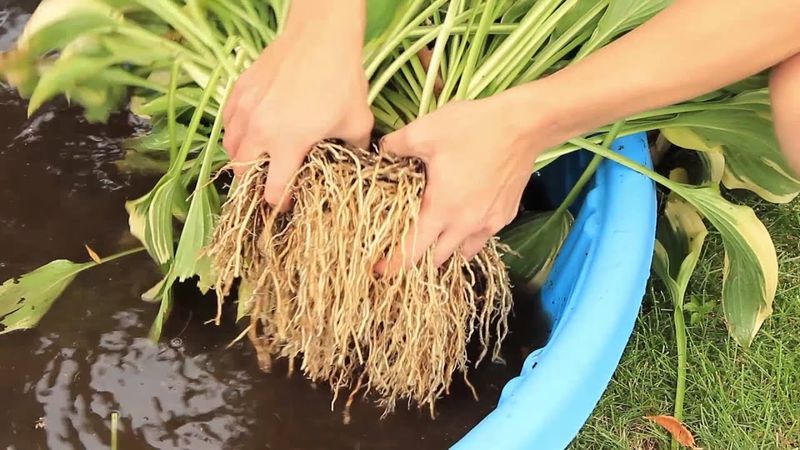
A hosta clump that has pushed beyond its original space and started crowding neighboring plants is a good candidate for division. Early fall is a workable window for this task, provided there are enough frost-free weeks remaining for the divided roots to settle in.
Ohio State University Extension and other university horticulture programs note that hostas can be divided in fall. The key is allowing enough time for reasonable root establishment before the ground freezes.
Division is not something every hosta needs on a regular schedule. Healthy clumps that are performing well can stay undisturbed for many years without any negative effects.
The main reasons to divide are overcrowding, a desire for more plants, or a clump that has started producing smaller or weaker-looking leaves at its center.
Your Ohio Garden Changes Every Week. Your Plan Should Too.
Gardening in Ohio changes quickly throughout the season. Every Friday you’ll receive a simple weekly plan showing exactly what to plant, prune, fertilize, harvest, and protect so you never miss the right timing.
After dividing, plant the sections promptly and water them in well. Consistent soil moisture in the weeks following division gives the roots a better chance of settling before cold weather arrives.
New divisions should not be expected to reach full size right away. They need at least one full growing season, sometimes more, before they fill out completely.
Frost timing varies across the state, so gardeners in northern areas may have a shorter usable window than those in southern counties.
3. Skip The Late-Season Fertilizer
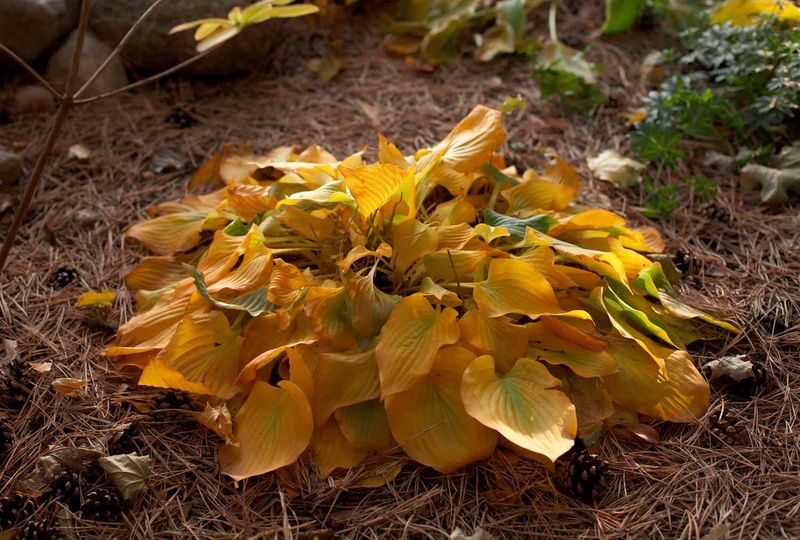
Faded leaf color and a worn-out look can make it tempting to give Ohio hostas one final boost before winter. A bag of fertilizer sitting in the garage seems like an easy fix for plants that appear to be struggling.
Most university horticulture programs advise against routine fertilization once late summer arrives. September generally falls outside the recommended window.
Late nitrogen applications can push new soft growth at a time when the plant should be slowing down and preparing for dormancy. That fresh growth is vulnerable and unlikely to harden off properly before cold temperatures arrive.
The plant ends up spending energy on tissue it cannot protect, which is not a helpful trade-off heading into winter.
Poor foliage appearance in September is not automatically a sign of nutrient deficiency. Seasonal decline, summer heat stress, slug feeding, and natural aging all cause leaves to look worn by fall.
A plant that looks tired in September is often doing exactly what it should be doing at that time of year. Fertilizer applied at the right point earlier in the growing season is what supports healthy summer performance.
September is a month for stepping back from soil amendments, not adding more. Patience here is more useful than a late feeding.
4. Let Green Leaves Finish Their Job
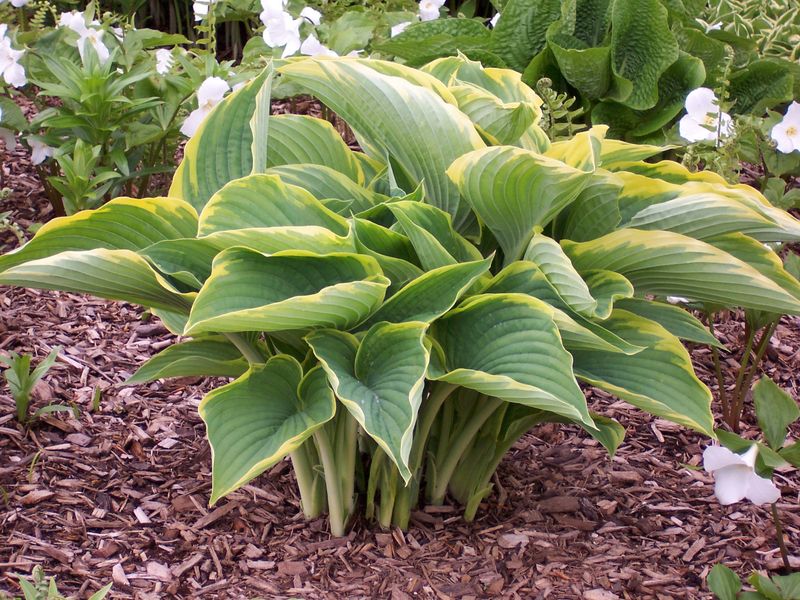
Leaves that look a little rough around the edges are not necessarily finished leaves. A hosta with green foliage in September is still photosynthesizing, meaning it is capturing light and converting it into energy that gets stored in the roots.
That stored energy is what fuels the plant’s return next spring, so removing healthy green leaves early cuts that process short.
Ohio University horticulture guidance consistently supports leaving green foliage in place until frost causes natural collapse or until the leaves decline on their own.
Cutting healthy plants to the ground simply because the calendar says September is not recommended practice.
The plant is not finished just because the gardening season feels like it is winding down.
Patience is the practical skill here. A leaf that is still green, even if it has a few ragged spots or faded patches, is contributing more than it is costing the plant.
Individual leaves that are visibly diseased or severely damaged are a different matter and can be removed selectively. But healthy or partially green foliage deserves to stay until frost or natural yellowing signals that the plant has genuinely moved on.
Letting the plant lead that timing rather than forcing it tends to produce stronger growth the following spring.
5. Remove Diseased Foliage As It Fades
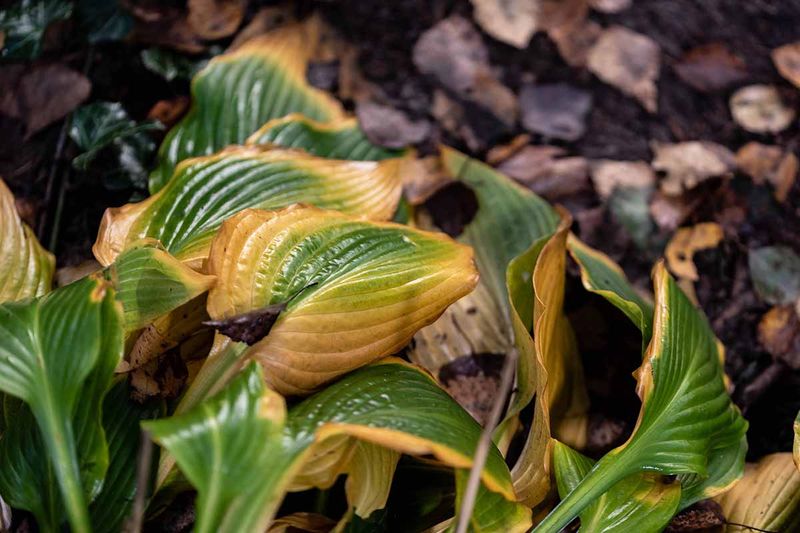
Most of what happens to hosta foliage in September is completely normal. Leaves yellow, soften, and gradually collapse as the plant moves toward dormancy, and none of that requires any intervention.
Occasionally, though, one leaf stands out from the rest in a way that does not look like ordinary seasonal change.
Dark spots with defined edges, mushy patches, or unusual discoloration that appeared earlier in summer and worsened are signs worth paying attention to.
Leaf spot diseases and other fungal problems can affect hostas. Ohio State Extension notes that infected tissue left in the bed can contribute to problems in future seasons.
Removing clearly diseased foliage as it fades is a reasonable precaution. The key is distinguishing between normal yellowing from dormancy and foliage that shows obvious signs of infection or rot.
Normal fall decline tends to progress gradually and evenly across the plant. Disease symptoms often appear as irregular spots, water-soaked patches, or unusual color patterns that started before September.
Foliage removed because of disease should not be added to a home compost pile unless the pile reliably reaches high enough temperatures to break down pathogens. Bagging and disposing of infected material is the more cautious approach.
Healthy declining foliage, by contrast, can be composted or left to break down naturally in the bed over winter.
6. Keep Wet Debris Off The Crown
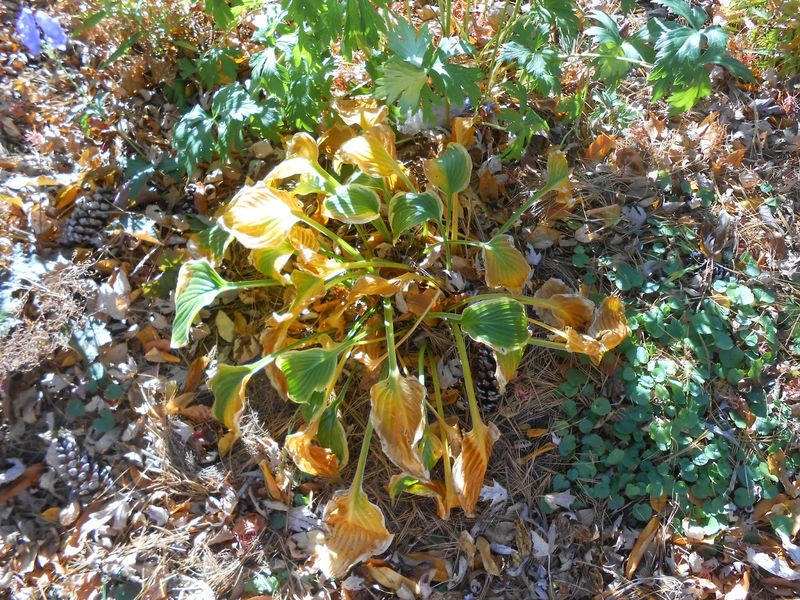
As hosta leaves collapse and neighboring trees drop their first leaves, organic material naturally gathers around the base of the plant. A loose layer of leaf litter in the surrounding bed is not a problem.
What becomes an issue is when thick, wet debris presses directly against the crown, which is the central growing point at soil level where next year’s shoots will emerge.
Dense wet material held tight against the crown can trap excess moisture and limit airflow in that area. University plant pathology guidance cautions against keeping the crown consistently wet for long periods.
Those conditions can encourage crown rot in susceptible situations. The risk is not from every fallen leaf, but from a heavy soggy mat that sits directly on the plant’s most vulnerable spot.
Gently clearing debris away from the immediate crown area is a reasonable step as foliage collapses in fall. This does not mean stripping the entire bed clean or removing the surrounding mulch layer.
A natural layer of organic matter a few inches away from the crown is fine and actually beneficial for soil health over winter. The goal is simply to avoid a thick wet cap sitting directly on top of where the plant will regrow.
A few minutes of light clearing can prevent a much larger problem from developing over the cold months ahead.
7. Protect New Divisions After The Ground Freezes
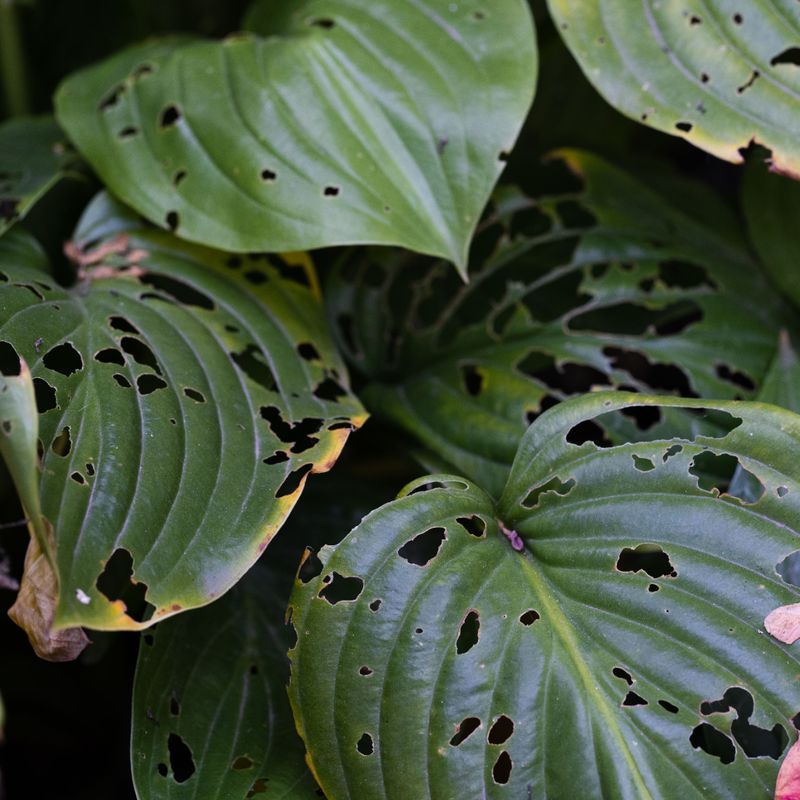
A hosta that was divided and replanted in September is heading into its first winter with a smaller, less established root system than a mature clump. That difference matters when freeze-thaw cycles begin.
Repeated freezing and thawing of the soil can push shallowly rooted plants upward, a process called frost heaving, which can damage or expose the roots.
University Extension guidance supports mulching newly divided or recently planted hostas after the ground freezes. Apply only a light layer around the plants.
Applying mulch before the ground freezes can actually delay the process and create a warmer environment that invites rodents to nest near the crown. Waiting until after the ground freezes is the recommended approach.
Established, mature hosta clumps generally handle winter in the region without any extra protection. Their deep, well-developed root systems are far less vulnerable to frost heaving than a fresh division with only a few weeks of root growth.
New divisions deserve more attention because they simply have not had enough time to anchor themselves fully.
A modest layer of mulch applied at the right time can help moderate soil temperature swings and give those young roots a better chance of surviving until spring.
Check local frost dates for your part of the state, since timing varies between northern and southern areas.
8. Let Dormancy Take Over Naturally
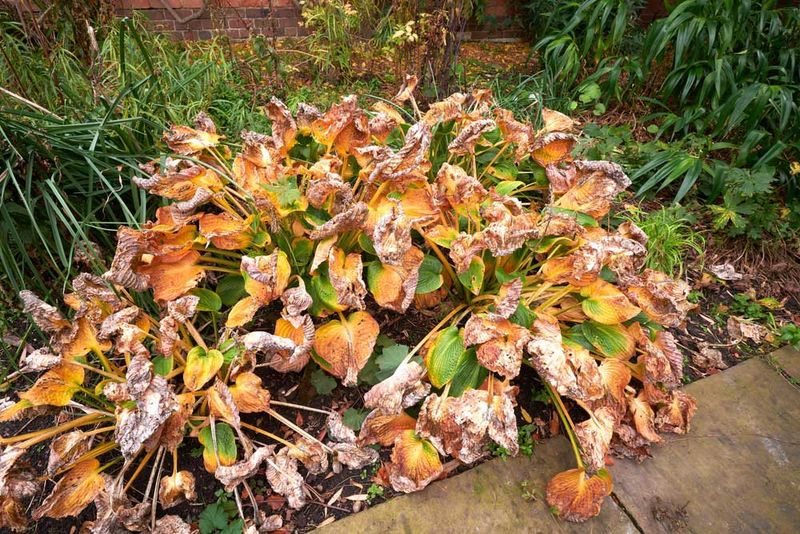
After the first hard frost arrives, hosta leaves will yellow, soften, and fall flat against the ground. Some gardeners see this and feel the urge to rush out and cut everything back immediately.
Letting that process happen at its own pace is perfectly fine, and there is no urgency to clean up the moment frost touches the foliage.
Dormancy is not a sign that something went wrong. Hostas are hardy perennials that go fully dormant each winter and re-emerge reliably in spring.
The yellowing and collapse after frost are the plant’s natural shutdown sequence, not a cause for concern. Cleanup can happen after the foliage has fully declined.
Both late fall and early spring, before new shoots emerge, are reasonable options depending on your schedule.
Cutting back green foliage before frost to tidy the garden is not recommended, since that removes tissue the plant is still using. Waiting for natural decline respects the plant’s own timing.
September hosta care comes down to a few priorities. Keep soil moisture steady while leaves remain green, skip late fertilizer, remove diseased tissue, and protect new divisions with timely mulch.
Everything else can wait. The plant knows how to shut down, and the best support a gardener can offer is simply staying out of the way.