The Ohio Yard Feature That Deer Target Every Single Night
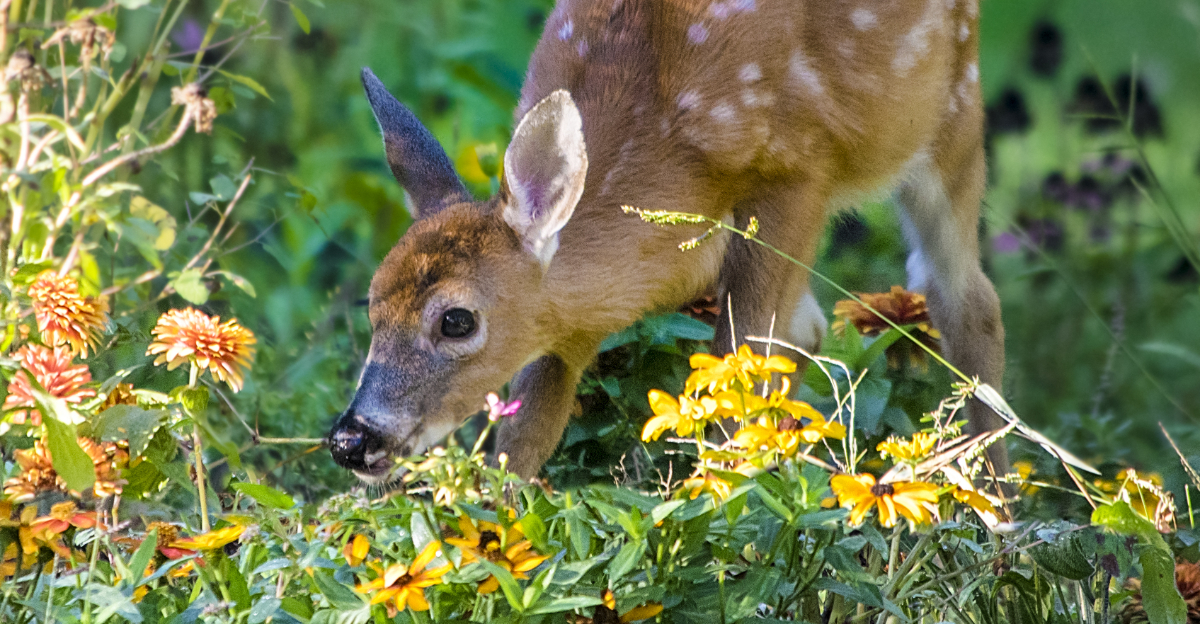
Deer in Ohio are not wandering randomly. They have routes, they have habits, and they have already identified exactly which yards on your street are worth visiting after dark.
The ones that keep getting hit are not unlucky. They have something specific that deer find worth coming back for, night after night, without anything changing to make them reconsider.
Most Ohio homeowners focus on deer repellents, motion lights, and noise deterrents. All reasonable attempts.
None of them address why that particular spot in the yard keeps drawing deer in the first place. One yard feature is doing most of the damage.
It is obvious once someone points it out, and genuinely surprising how rarely people connect it to the problem they have been trying to solve. Still convinced the deer are targeting everything equally?
They are not. And until you identify what they are actually after, nothing you try is going to hold them off for long.
1. Blame The Unfenced Garden Bed First
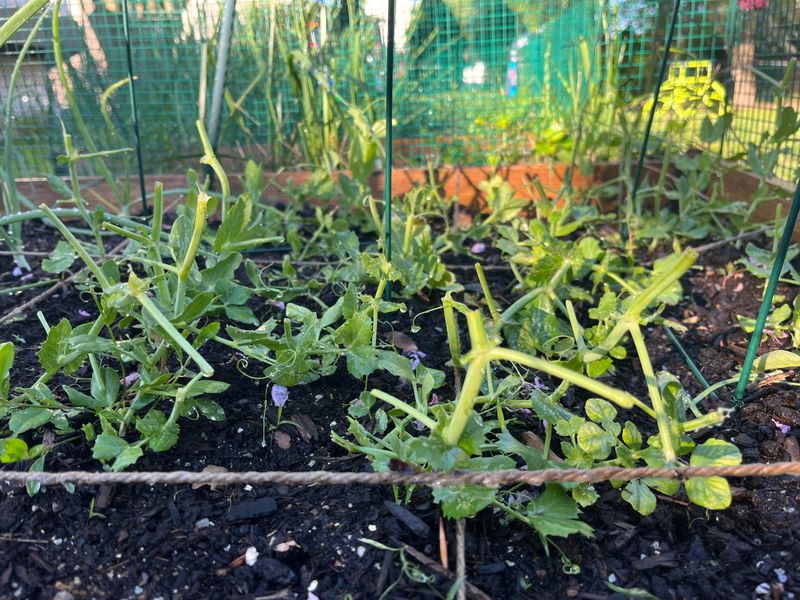
Morning light hits the garden and something looks very wrong. Stems are stripped, leaves are missing, and the neat rows you planted last week look nothing like they did yesterday.
Before blaming insects or weather, check the unfenced garden bed first, because an open planting area is often the starting point for deer damage.
Deer are drawn to easy browsing, especially where tender plants are reachable with no barrier in the way.
OSU Extension notes that white-tailed deer readily browse ornamental plants, vegetables, shrubs, and young trees depending on the season and what food is available nearby.
An unfenced bed removes the one obstacle that might slow them down.
Gardeners often notice damage near hostas, daylilies, beans, leafy greens, and tender vegetables, since these plants tend to be soft, lush, and easy to reach. That said, rabbits, groundhogs, insects, and even storm damage can cause similar problems.
Not every missing leaf points to a deer. Check for hoof prints, trampled soil, and droppings near the bed before drawing conclusions.
Protecting the most accessible and vulnerable beds first is the smartest place to start when damage keeps showing up.
2. Watch Tender Plants Vanish By Morning
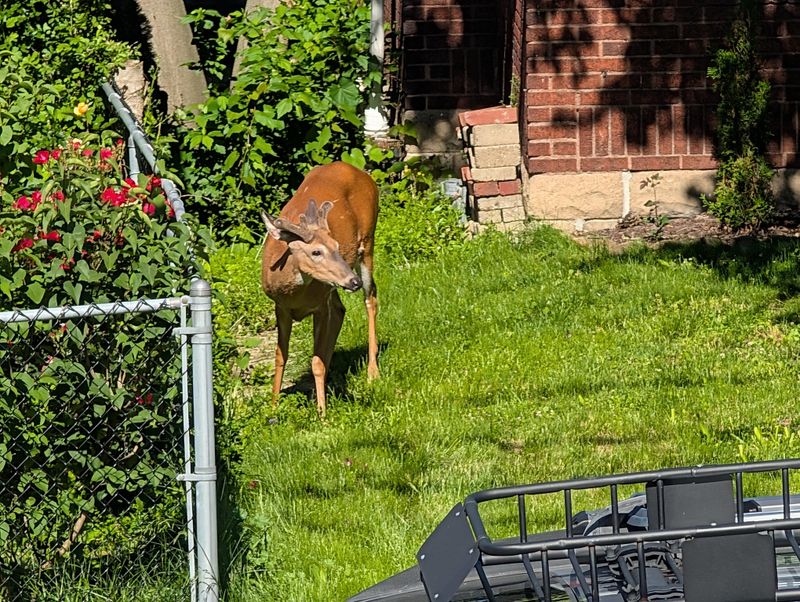
Plenty of gardeners describe the same experience: the plants looked fine at dinner, and by breakfast they were gone. That overnight feeling is one of the most common clues that deer have been visiting.
White-tailed deer are most active around dusk, during nighttime hours, and again near dawn, which means browsing often happens while households are asleep or indoors.
The Ohio Department of Natural Resources explains that deer activity tends to peak during low-light periods, making it easy for damage to go unnoticed until morning.
Tender plants are especially vulnerable during these quiet hours because deer can browse calmly without disturbance.
If you notice stems stripped down to stubs or patches of leaves gone from the top of a plant, look closely at the soil around the bed. Hoof prints, scattered droppings, and trampled edges are strong clues.
Deer may also return to the same spot repeatedly once they find a dependable food source, so a single night of damage can quickly become a pattern.
Your Ohio Garden Changes Every Week. Your Plan Should Too.
Gardening in Ohio changes quickly throughout the season. Every Friday you’ll receive a simple weekly plan showing exactly what to plant, prune, fertilize, harvest, and protect so you never miss the right timing.
Checking vulnerable beds early in the morning gives you the best chance of catching fresh signs and acting before the browsing becomes a regular habit in your yard.
3. Check Hostas, Daylilies, Beans, And Greens
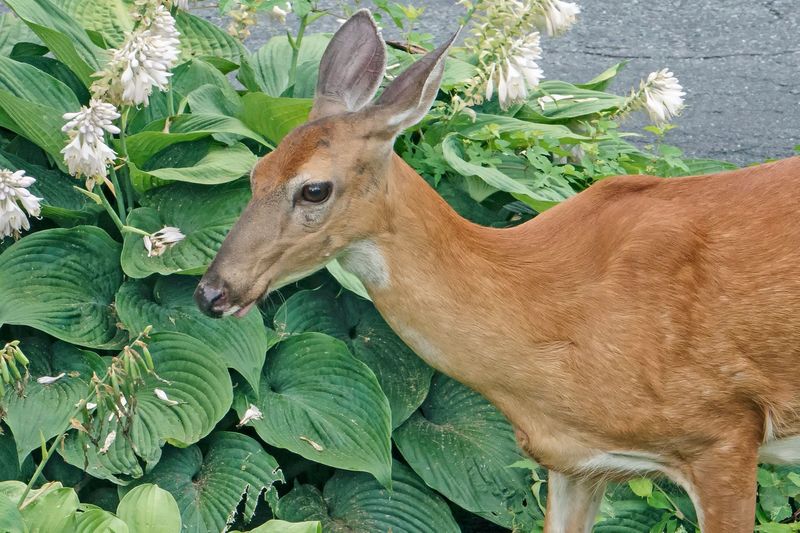
Some plants seem to disappear faster than others, and there is a reason for that. Tender, lush, and easy-to-reach plants are often more vulnerable to deer browsing than tougher, aromatic, or thorny varieties.
OSU Extension guidance identifies hostas and daylilies as plants frequently reported in deer-damage complaints across Ohio.
Beans, leafy greens, and other soft vegetables are also commonly browsed, especially when they are young and growing low to the ground. Deer preferences can shift with the season, local food availability, drought conditions, and the size of nearby herds.
A plant that survives one summer may get hit hard the next if conditions change.
Grouping vulnerable plants behind a temporary barrier or moving containers closer to the house can reduce exposure during peak browsing periods.
Protecting new seedlings and young growth is especially important, since fresh growth tends to be more appealing than mature, tougher foliage.
No plant is completely safe from a hungry deer, but some are simply browsed more often than others under normal conditions.
Watching which plants disappear first in your yard gives you useful information about where to focus your protection efforts going forward.
4. Look For Torn Leaves Instead Of Clean Cuts
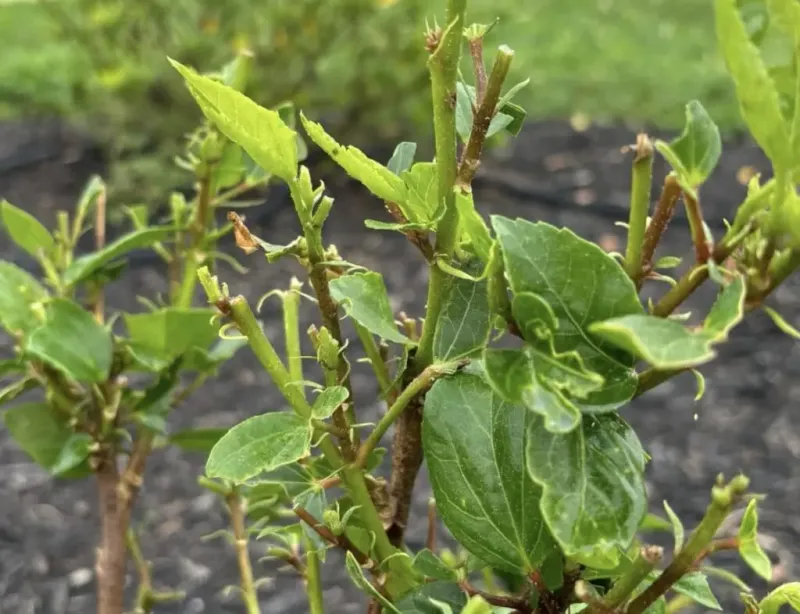
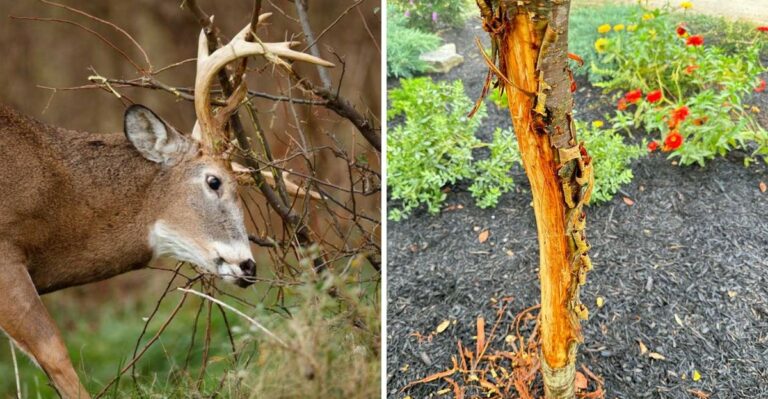
Not all plant damage looks the same, and the shape of the wound can tell you a lot about what caused it. Deer lack upper front incisors, so when they browse, they tend to pull and tear rather than slice cleanly through a stem or leaf.
University extension sources describe this as one of the most reliable visual clues for separating deer damage from other causes.
Rabbits and rodents, by contrast, typically leave clean, angled cuts close to the ground. If you see ragged or shredded leaf edges and the damage is higher up on the plant, deer become a stronger possibility.
Checking the height of the damage matters too, since deer generally browse from ground level up to about five or six feet depending on the plant.
Even so, insect feeding, mower damage, storm breakage, and other animals can create confusing patterns. Torn leaves alone do not confirm deer every time.
Combine several clues before deciding: look for hoof prints in soft soil, check for trampled plants nearby, and scan the area for droppings. Putting together two or three signs at once gives you a much clearer picture of what is actually visiting your garden at night.
5. Protect The Buffet Before Deer Return
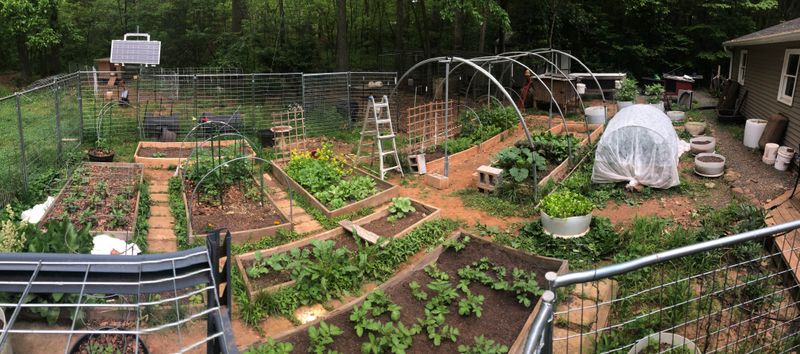
Once deer find an easy meal in your yard, they tend to come back. A single visit can turn into a regular browsing route, especially if the food source stays open and accessible.
Acting quickly after the first signs of damage gives you the best chance of breaking that pattern before it gets harder to stop.
Covering young plants with temporary netting or wire cages is one of the most practical first steps. Wildlife-management guidance recommends protecting the most vulnerable plants as soon as damage appears rather than waiting to see if it happens again.
Moving potted plants or containers closer to the house or onto a porch can also reduce exposure during high-activity periods.
Consistency matters more than any single action. Deer are cautious but persistent, and they may test an area again even after you add a deterrent.
Checking the bed regularly, refreshing any barriers that shift or sag, and watching for new hoof prints helps you stay ahead of repeat visits. The goal is to make the bed less rewarding each time deer approach, so they gradually shift their attention elsewhere.
No single fix works perfectly for every yard, but acting early and staying consistent gives your plants the best protection available.
6. Use Fencing Where The Damage Is Worst
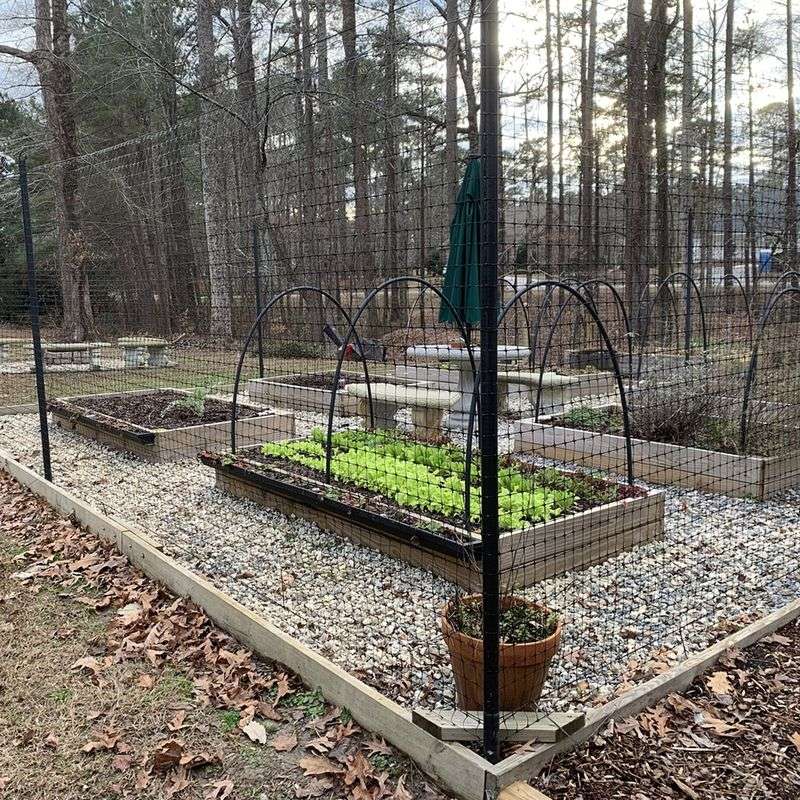
A small decorative fence might add charm to a garden border, but it will not stop a determined deer. When browsing pressure is heavy and other methods are not keeping up, fencing becomes one of the most reliable tools available.
The Ohio Department of Natural Resources notes that physical exclusion is among the most effective long-term strategies for protecting plants from deer damage.
OSU Extension guidance explains that fence effectiveness depends on height, design, and how well the barrier is maintained.
Taller fences tend to perform better under heavy deer pressure, though the right choice depends on yard size, budget, and how much damage is occurring.
Checking gate gaps and securing the bottom of the fence help prevent deer from pushing underneath. Inspecting for sagging sections also matters for keeping the barrier effective.
For homeowners who cannot fence an entire yard, protecting the most valuable beds individually with cages or smaller enclosures is a practical alternative.
Wrapping individual shrubs or young trees during high-risk seasons can also reduce damage without a full fencing project.
The key is focusing protection where the loss is greatest. A well-placed, well-maintained fence around a high-value bed is often more useful than a partial barrier spread too thin across a large area.
7. Swap Favorite Snacks For Less Tempting Plants

Rethinking what goes in a bed is one of the most lasting ways to reduce deer problems over time. No plant is fully off-limits to a hungry deer, but some plants are consistently less preferred than others under normal conditions.
University extension sources and public garden recommendations often include aromatic herbs, fuzzy-leafed plants, and thorny shrubs on lists of plants deer tend to avoid.
Lavender, ornamental grasses, Russian sage, and plants with strong scents or rough textures appear on several reputable deer-resistant plant lists. These lists often come from extension programs.
Swapping out the most frequently browsed plants in high-pressure areas for less tempting options can reduce how often deer stop to browse in that spot.
Hungry deer, especially during late winter or drought periods when food is scarce, may browse plants they would normally ignore. Keeping that in mind helps set realistic expectations.
The goal is not to build a deer-proof yard but to make the most targeted beds less appealing. Gardeners who love hostas and daylilies do not have to give them up entirely.
Placing those favorites in more protected spots and using less-preferred plants along open borders is a balanced approach that works well for many yards across Ohio.
8. Combine Barriers Repellents And Better Plant Choices
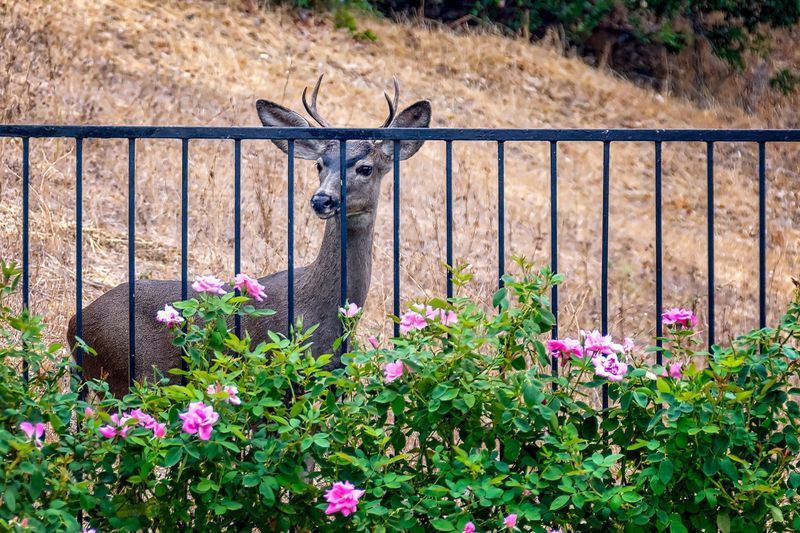
Relying on just one method rarely solves a deer problem for long. Deer are adaptable, and a single barrier or a single repellent application tends to lose effectiveness if nothing else backs it up.
A layered approach that combines physical barriers, repellents, and thoughtful plant choices gives your garden the strongest overall protection.
Repellents can be a useful part of that mix when applied consistently and according to label directions. Horticulture experts note that repellents tend to work best before browsing becomes a deeply established habit.
Most require reapplication after rain or new plant growth. Rotating between different repellent types may also help, since deer can become accustomed to a single scent or taste over time.
Fencing or caging the most valuable plants and choosing less-preferred varieties for open borders creates multiple obstacles. Applying repellents on a regular schedule also makes your yard less rewarding to visit.
Monitoring the garden regularly helps you catch new damage early and adjust your approach before losses add up. Deer pressure changes with the season, herd size, and nearby food availability, so staying flexible matters.
The whole point is to make the open, tender, unfenced bed harder to reach and less worth the effort. That result comes from stacking smart choices rather than searching for one perfect fix.