What Oregon Fruit Tree Owners Should Check After A Sudden Heat Spike
A sudden heat spike can leave an Oregon fruit tree looking fine one day and stressed the next.
Leaves may curl, fruit can soften or scorch, and young branches may begin drooping before the real damage becomes obvious.
The tricky part is that heat problems do not always start where homeowners expect. Soil moisture, bark exposure, irrigation coverage, fruit load, and even the condition of the mulch can all affect how well a tree handles extreme temperatures.
Some warning signs call for quick action, while others are temporary and may improve once the weather cools.
Rushing to overwater, prune, or fertilize can add even more stress at the worst possible time.
Before making changes, take a careful walk around the tree and look for the clues that reveal how deeply the heat has affected it. Those first checks can help protect both the current crop and the tree’s recovery.
1. Leaves With Crispy Brown Edges
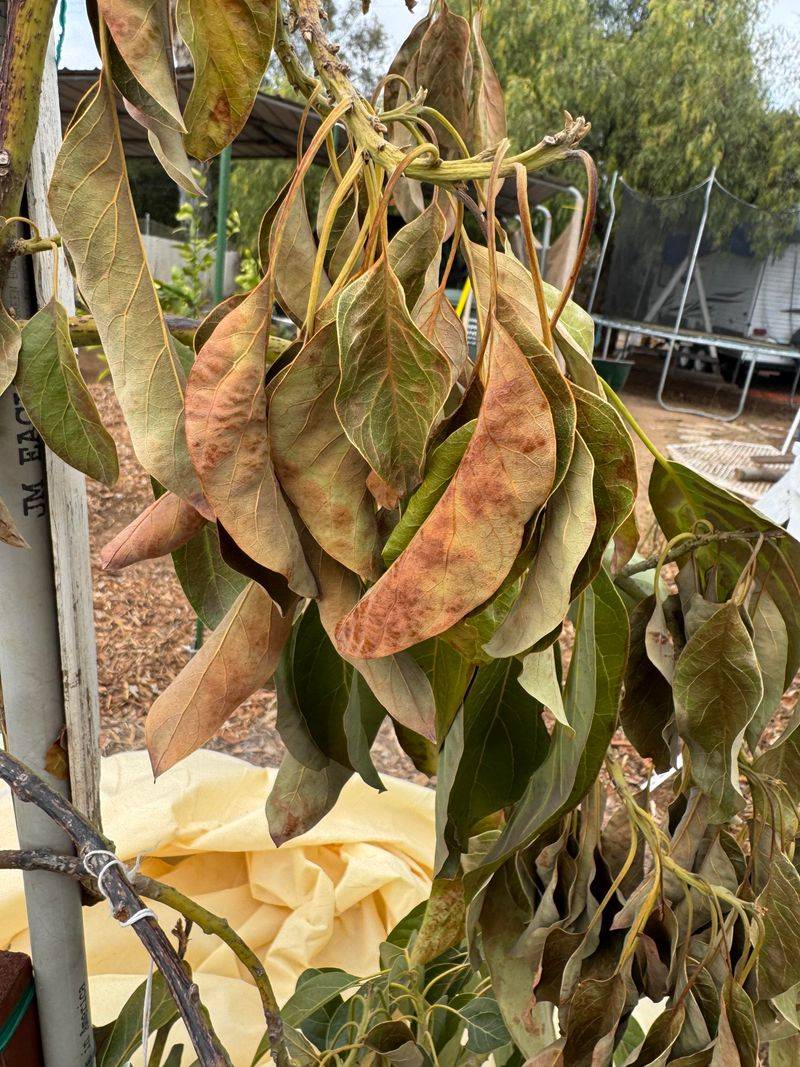
Crispy brown leaf edges are often the first clue that a heat spike has hit your trees hard. When temperatures surge fast, leaves lose water through their edges before the roots can keep up.
The result looks like someone held a match too close to the leaf border.
Check both the outer canopy and the leaves tucked inside the tree. Outer leaves tend to get hit the worst because they get the most direct sun.
But even inner leaves can show browning if the heat lasted more than a day or two.
Run your fingers along the edge of a few leaves. If they feel dry and paper-thin, that is heat scorch.
If the brown areas feel soft or wet, that could be a sign of a different problem like fungal damage, so keep an eye on it.
After a heat event, water your trees deeply and slowly. A slow soak lets moisture reach the deeper roots where it is needed most.
Adding a layer of mulch around the base helps lock in soil moisture and keeps roots cooler.
Scorched leaves will not turn green again, but that is okay. Healthy trees can grow new leaves after a heat event if given enough water and time.
Focus on supporting the tree now rather than worrying about the damaged leaves already on the branches.
2. Fruit Showing Sudden Sunburn Spots
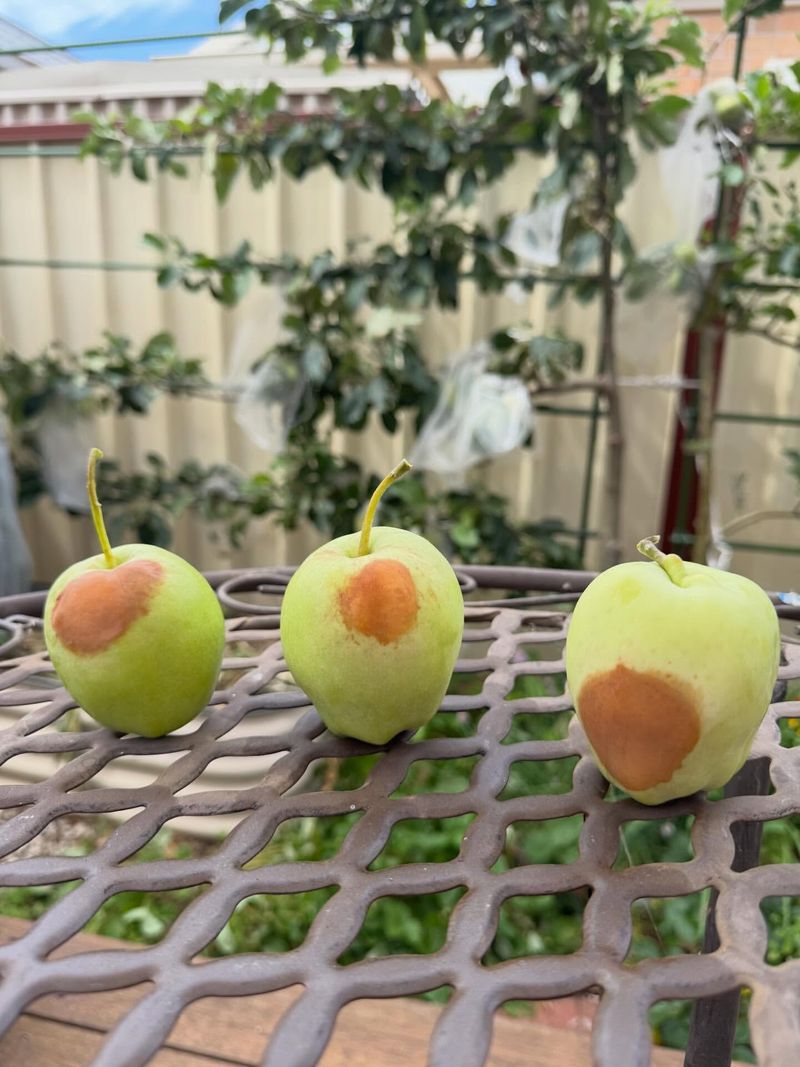
Sunburned fruit is more common than most people realize, and a sudden heat spike is the number one cause. When temperatures spike fast, the skin of developing fruit gets exposed to more radiation than it can handle.
The result is pale, tan, or even brownish patches on the side of the fruit facing the sun.
Walk around each tree and look at the fruit from different angles. Sunburn spots usually appear on the south or west-facing side of the fruit.
The skin may look bleached or slightly sunken in the affected area.
Fruit with mild sunburn spots can still be eaten or used for cooking. However, badly scorched fruit often becomes soft and begins to break down quickly.
Your Oregon Garden Changes Every Week. Your Plan Should Too.
Gardening in Oregon changes quickly throughout the season. Every Friday you’ll receive a simple weekly plan showing exactly what to plant, prune, fertilize, harvest, and protect so you never miss the right timing.
Pick any fruit that looks heavily damaged and use it right away rather than letting it stay on the tree.
To reduce sunburn in future heat events, consider using shade cloth over your most vulnerable trees. Kaolin clay spray is another option that creates a reflective barrier on the fruit surface.
Both methods are safe and work well for home orchards in Oregon.
Keeping your trees well-watered before and during a heat event also helps. A well-hydrated tree can cool itself more effectively and protect its fruit better.
Think of it like sunscreen for your orchard, starting from the inside out.
3. Branches Drooping Long After Sunset
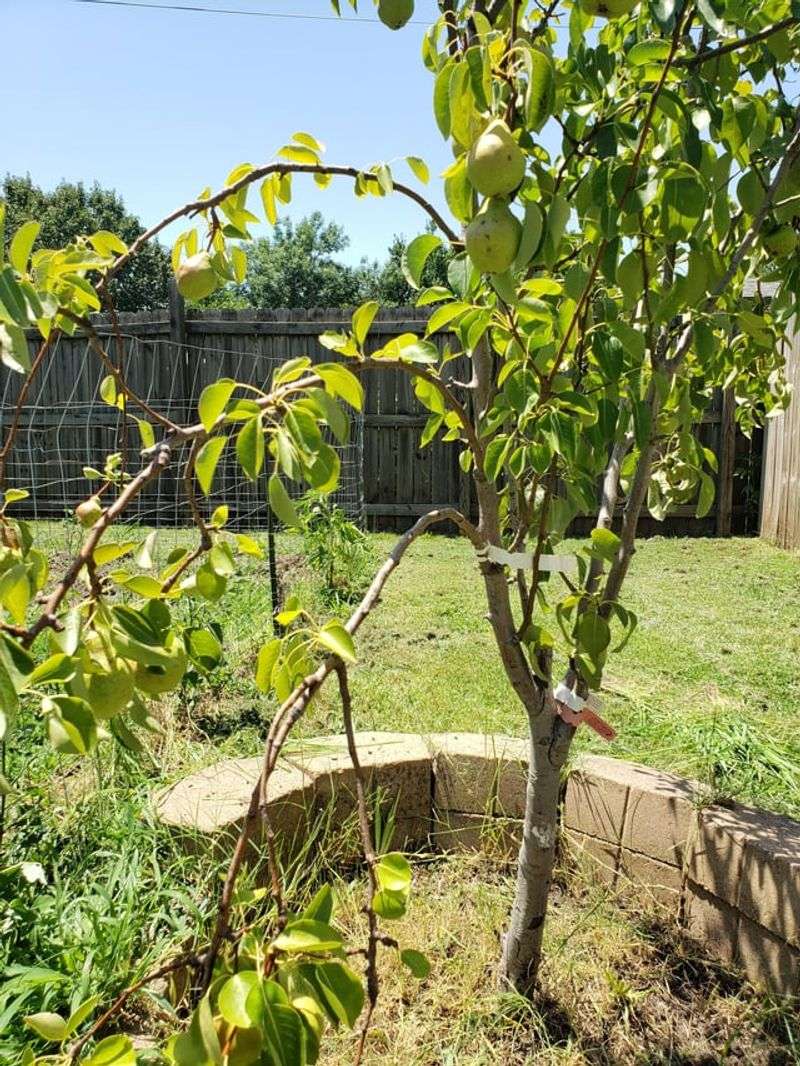
Most fruit trees droop a little during the hottest part of the day. That is normal.
But if branches are still hanging low hours after the sun goes down, that is a warning sign worth paying attention to.
Wilting after dark means the tree has not been able to recover its water pressure, which is called turgor, during the cooler evening hours.
This usually points to one of two things: either the roots are not pulling in enough water, or the heat lasted so long that the tree is genuinely exhausted.
Check the soil around the base of the drooping tree. Push a finger or a screwdriver several inches into the ground.
If the soil feels dry below the surface, the tree is likely thirsty and needs a deep watering right away.
Give the tree a slow, deep drink using a soaker hose or drip system. Let the water run for at least 30 to 45 minutes so it can reach the deeper root zone.
Shallow watering only wets the top layer and does not help the roots that are doing the real work.
If the tree still looks droopy the next morning after watering, check for any signs of root damage or soil compaction. Compacted soil blocks water from reaching roots even when you water regularly.
Loosening the soil gently around the drip line can help improve water flow.
4. Soil Drying Out Deeper Than It Looks
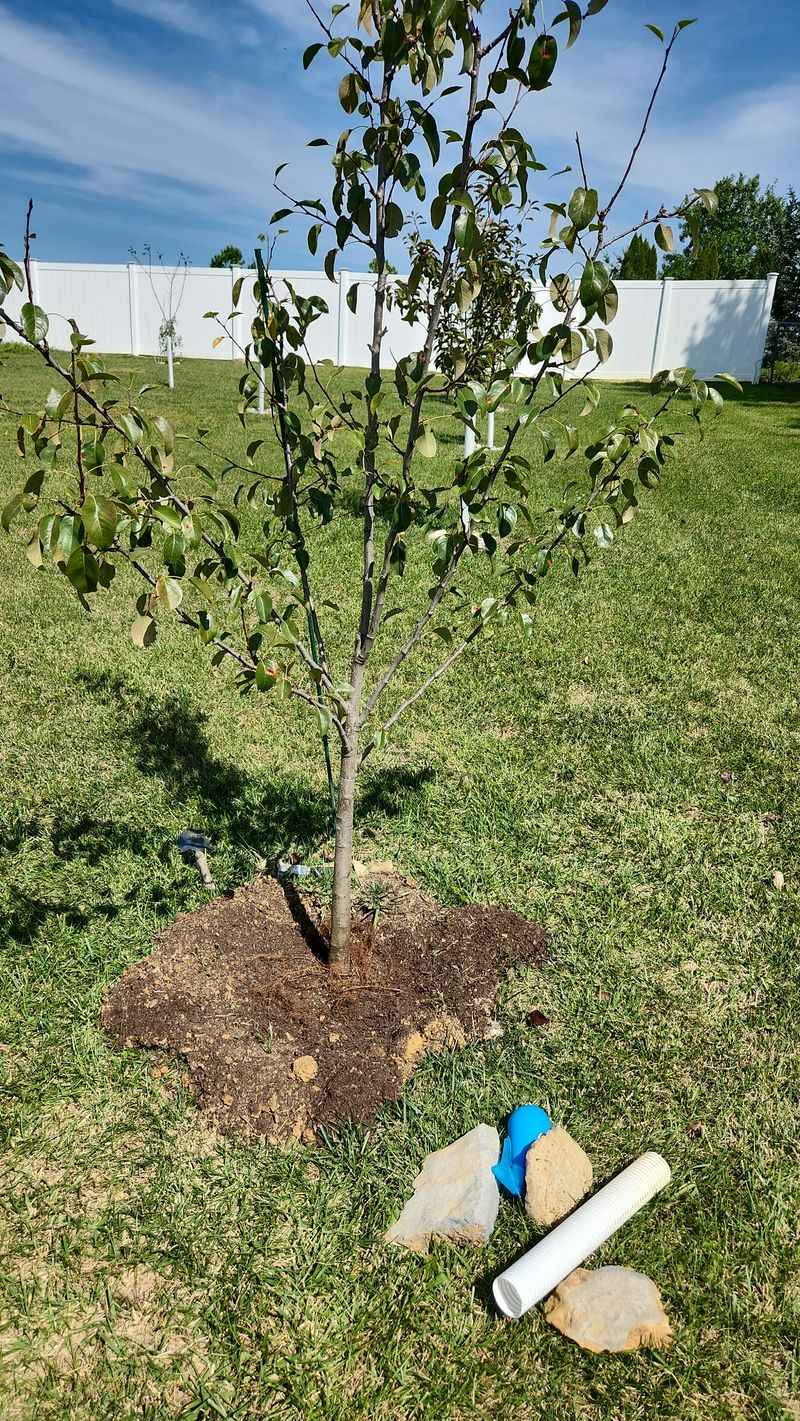
Here is something that surprises a lot of growers: the soil surface can feel slightly moist while the deeper layers are completely dry. After a sudden heat spike, water evaporates fast from the top few inches.
That can trick you into thinking your trees are fine when they are actually running low on moisture where it counts.
Use a long screwdriver, a wooden dowel, or a soil moisture probe to check how deep the moisture goes. Push it into the soil about six to eight inches.
If it meets resistance or comes out dry, your trees need water even if the surface felt okay.
Fruit tree roots go deep, and that is where most of the water uptake happens. Watering only the surface does not solve the problem.
You need to get water down to where the feeder roots actually live.
Try running your drip system or soaker hose for longer stretches after a heat event. Instead of your usual 20-minute cycle, try 45 minutes to an hour.
Check the soil again the next day to see how far the water has moved down.
Adding two to three inches of wood chip mulch over the root zone can slow evaporation significantly. Mulch acts like a blanket that keeps the soil cooler and holds onto moisture much longer.
Avoid piling mulch directly against the tree trunk, though, as that can cause bark problems over time.
5. Young Fruit Dropping Before It Is Ready
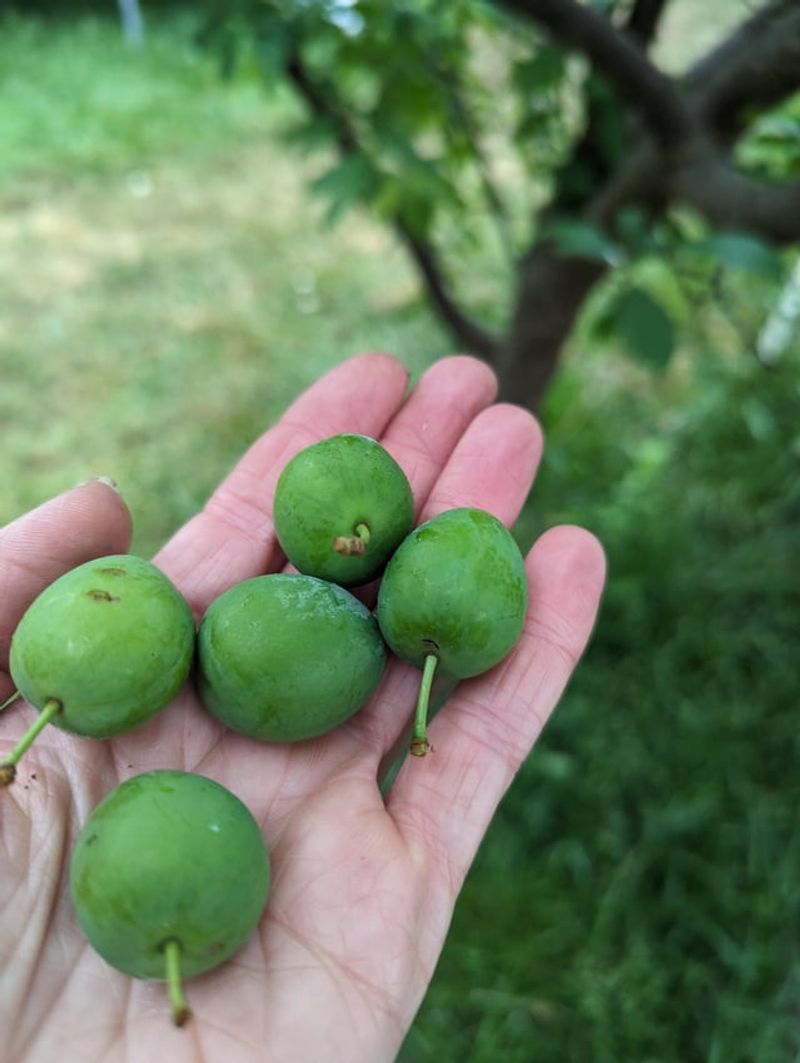
Finding small green fruit on the ground after a heat spike is frustrating, but it is also one of the most common things that happens. Trees under stress sometimes shed developing fruit as a way of protecting themselves.
Think of it as the tree making a tough call to survive first and fruit second.
This natural response is called stress drop, and it is different from the normal early-season fruit thinning that trees do on their own. Stress drop tends to happen suddenly and all at once, usually within a day or two after the heat event peaks.
Pick up the fallen fruit and check it. If the stems look clean and the fruit is small and undeveloped, it is likely a stress response.
If the fruit shows signs of insect damage or rot, there may be a secondary issue that needs attention.
You cannot reattach dropped fruit, but you can help the remaining fruit survive. Water the tree deeply and consistently in the days following the heat event.
Avoid adding fertilizer right after a heat spike, as pushing new growth too soon adds more stress to an already tired tree. The good news is that trees in Oregon often recover well with proper care.
The fruit that stays on the tree after a stress drop tends to be larger and better developed because the tree has fewer fruits to support.
Sometimes a smaller harvest ends up being a sweeter one.
6. Bark Cracking On The Sunny Side
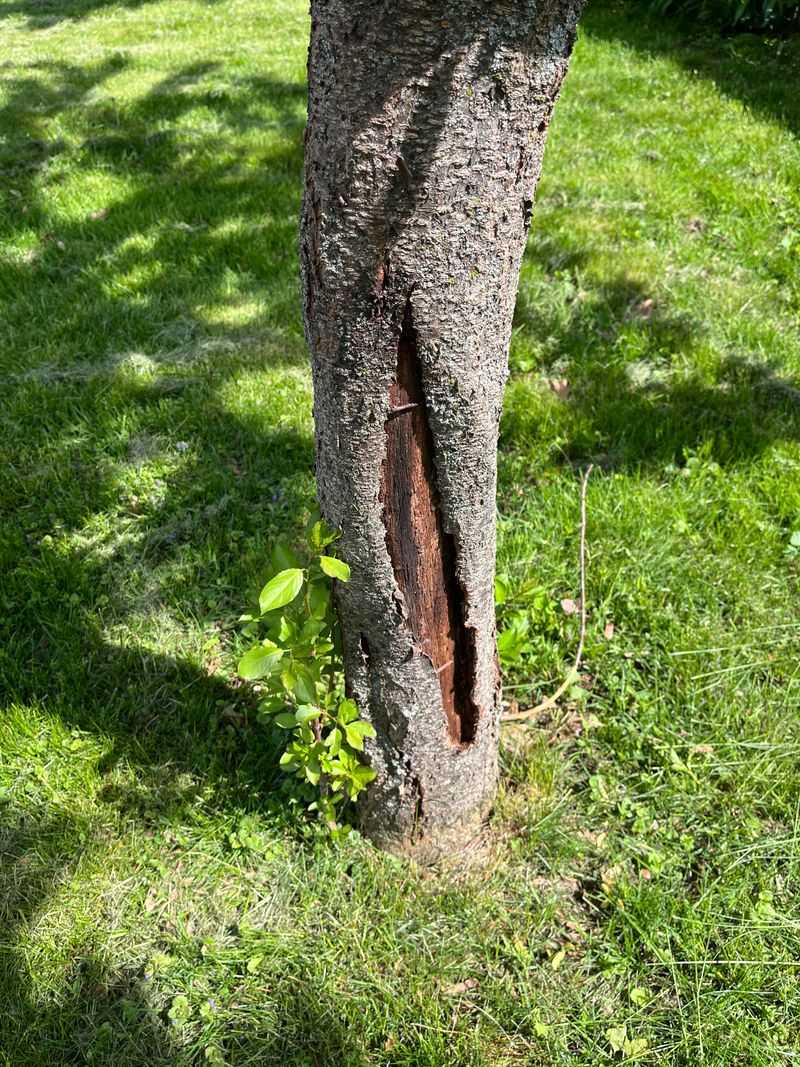
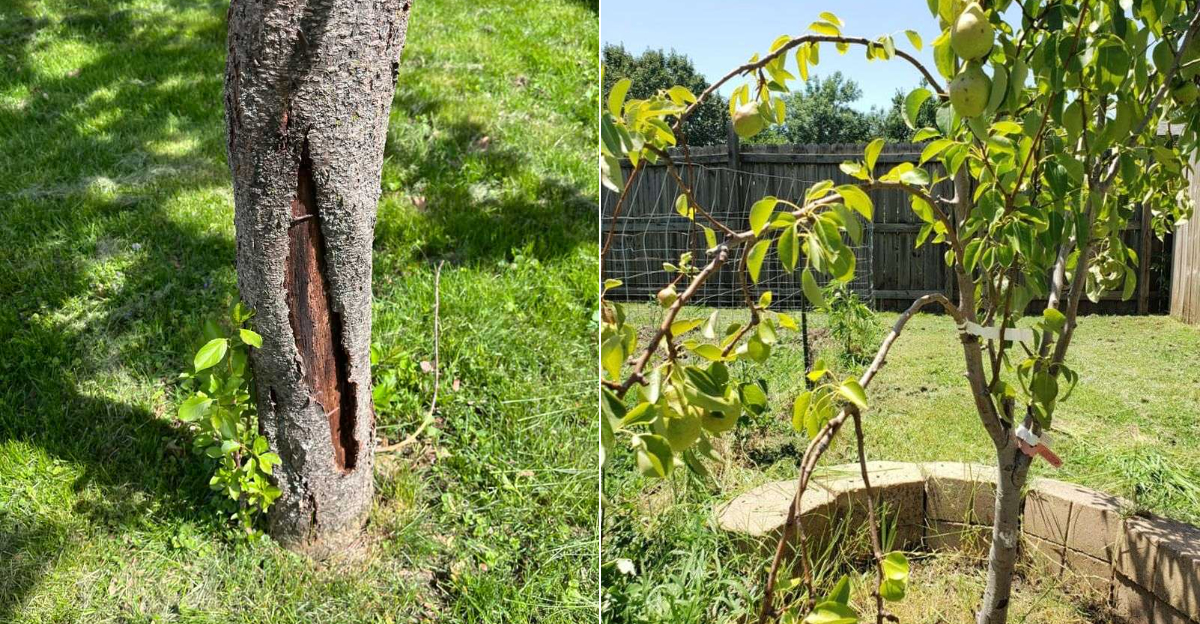
Bark cracking is one of the less obvious signs of heat damage, but it can have serious long-term effects on your tree. When the sun heats one side of the trunk much faster than the other, the bark can split or crack from the temperature difference.
This is especially common on young trees with thin bark.
Walk around each tree and look closely at the south and west-facing sides of the trunk. These sides get the most direct afternoon sun and are the most vulnerable.
Cracks may be small and hairline at first, or they can be wide and deep depending on how intense the heat was.
Cracked bark is a problem because it creates an entry point for insects and fungal infections. Once the protective bark layer is broken, the inner wood is exposed and can dry out quickly.
Acting fast gives the tree a better chance of healing before something else moves in.
Do not try to seal cracks with paint or tar products, as these can actually trap moisture and cause more damage. Instead, wrap the trunk loosely with white tree wrap or reflective trunk tape to reduce future sun exposure.
These products are easy to find at most garden centers across Oregon.
For young trees that have not yet built up a thick bark layer, trunk wraps before summer can prevent cracking from happening in the first place. Prevention is always easier than repair when it comes to bark health.
7. New Growth Looking Limp And Stressed
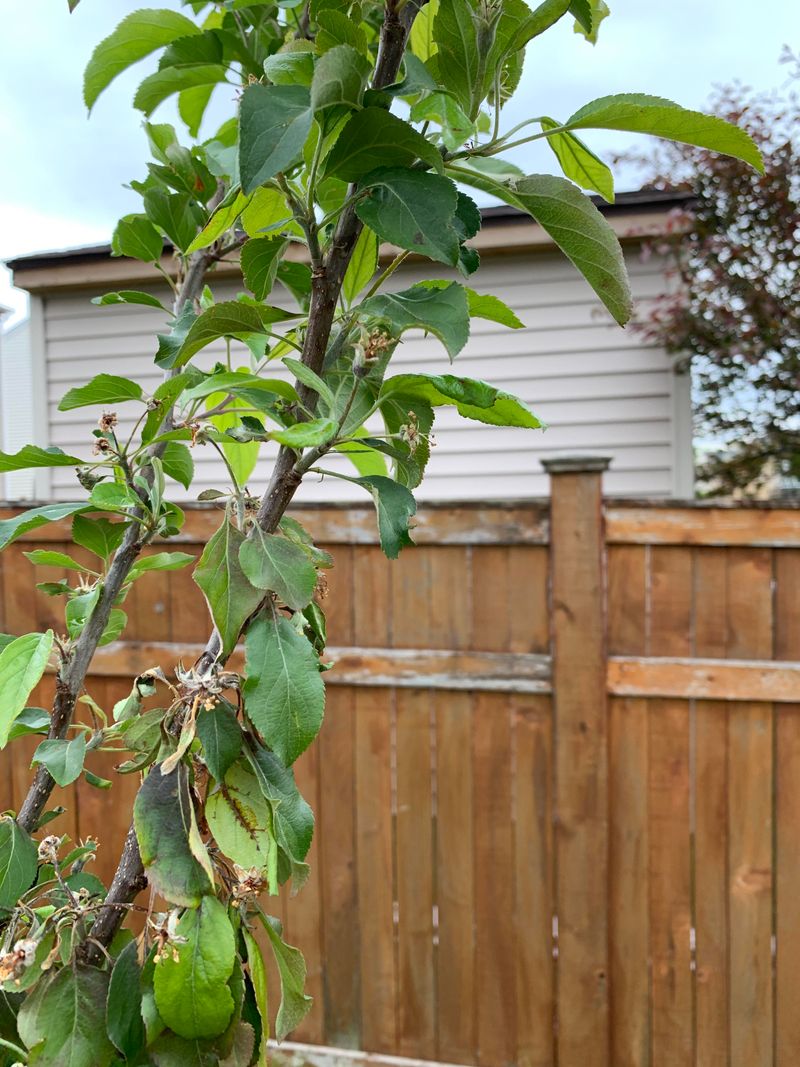
New growth is the most tender part of any fruit tree. Young shoots and fresh leaves have not yet developed the tough outer coating that older leaves have, so they feel the heat first and hardest.
After a sudden temperature spike, it is common to see new growth looking soft, droopy, or discolored.
Check the tips of branches where the newest growth appears. Healthy new growth should feel firm and spring back when you touch it.
If it flops over or feels limp even in the morning, that is a clear sign of heat stress.
Limp new growth can also look pale, yellowish, or slightly translucent. This happens because the cells in young tissue are more delicate and break down faster under heat.
The good news is that new growth can often recover with proper care, unlike older scorched leaves.
Start by giving the tree a deep watering as soon as you notice the problem. Avoid pruning stressed new growth right away.
Cutting too soon can trigger even more growth, which puts extra demand on a tree that is already working hard to recover.
If the heat wave has passed and temperatures are back to normal, the tree should begin to perk up within a few days of consistent watering. Give it time.
Patience and steady moisture are the two most powerful tools you have when helping a stressed tree bounce back after a tough heat event.
8. Pests Moving In On Weakened Trees
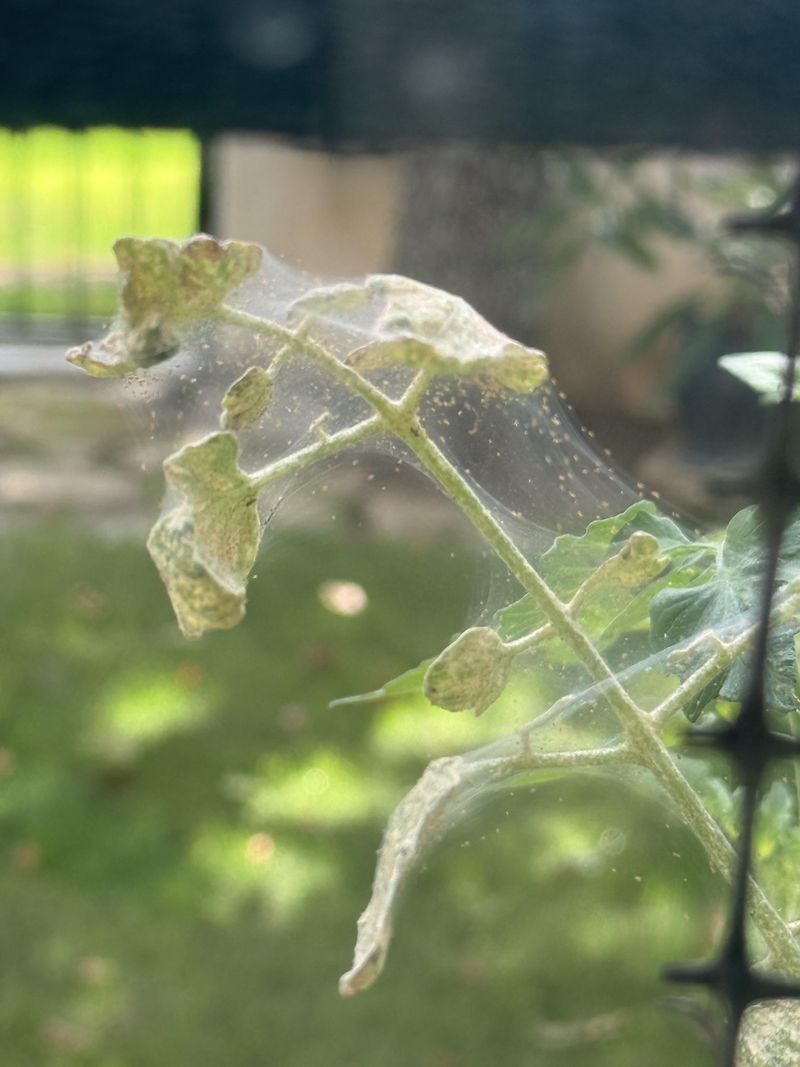
A heat-stressed tree is like an open invitation for pests. When a tree is struggling, its natural defenses drop.
Insects that might have moved on from a healthy tree will stick around and multiply on one that is already under pressure.
Spider mites are one of the biggest offenders after a heat event. They thrive in hot, dry conditions and can build up populations incredibly fast.
Look for fine webbing on the undersides of leaves or a dusty, stippled appearance on leaf surfaces.
Aphids also love stressed trees. Check the new growth and the undersides of leaves for clusters of tiny soft-bodied insects.
They suck sap from tender tissue, which makes an already-stressed tree work even harder to stay healthy.
Borers are another concern, especially for trees with cracked or damaged bark. These insects lay eggs in wounded bark, and the larvae tunnel into the wood.
Catching borer activity early is important because they can cause serious structural damage over time.
A strong spray of water from a garden hose can knock aphids and mites off leaves without using any chemicals. For heavier infestations, insecticidal soap or neem oil spray works well and is safe for use around edible fruit.
Always follow label directions and avoid spraying in the heat of the day to prevent further leaf burn. Keeping your trees healthy year-round is the best long-term defense against pest pressure.
9. Drip Lines Missing Part Of The Root Zone
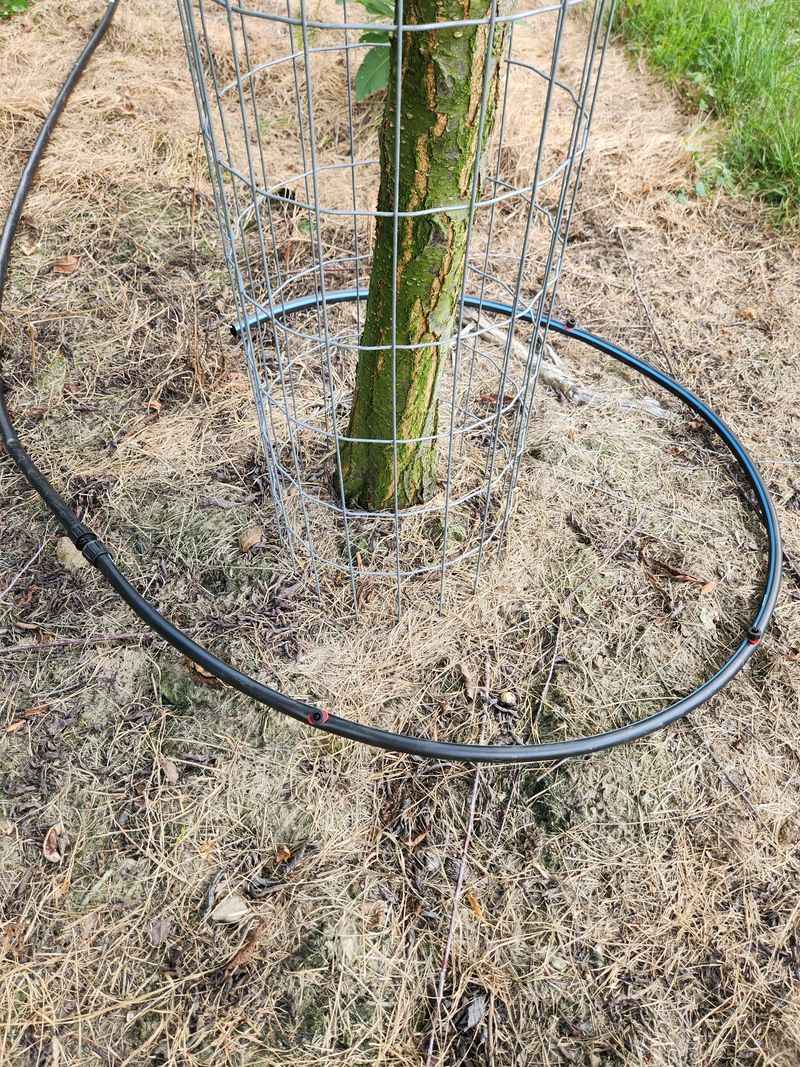
After a heat spike, many growers run their irrigation systems and assume the job is done. But if your drip lines are not covering the full root zone, parts of your tree are not getting the water they need.
This is a surprisingly common problem that gets worse as trees grow bigger.
Fruit tree roots spread out much farther than most people expect. A mature apple or pear tree can have roots extending well beyond the edge of its canopy.
The area directly under the trunk actually has fewer feeder roots than the outer edges.
Check where your emitters are placed. If they are clustered too close to the trunk, move some of them outward toward the drip line, which is the outer edge of the tree’s canopy.
That is where the most active feeder roots are working.
Walk the full circle around each tree after running your irrigation. Look for dry patches in the soil that the emitters are not reaching.
Dry patches after irrigation are a clear sign that your system needs adjustment.
Adding a few extra emitters or extending your drip line tubing is a simple fix that can make a big difference in how well your trees handle heat.
This state sees enough summer heat events that getting your irrigation coverage right is well worth the effort.
A well-watered root zone is the foundation of a tree that can handle whatever the weather throws at it.