What Oregon Gardeners Should Do To Peonies In June After They Finish Blooming
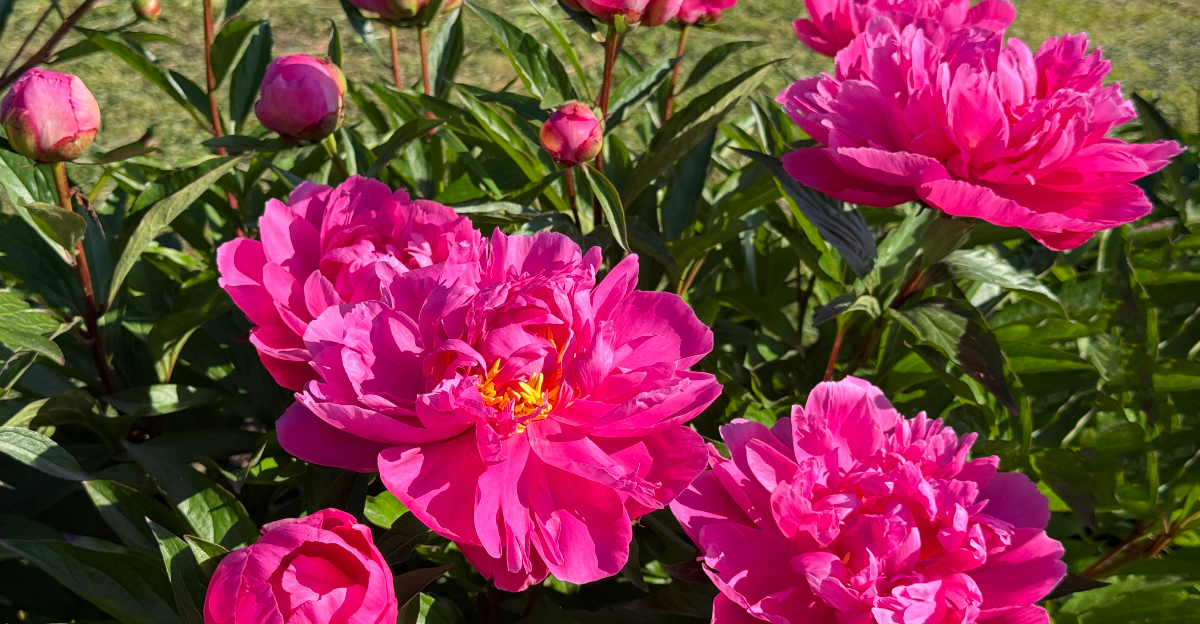
Peonies can look like garden royalty one week and a floppy mess the next. After the blooms fade, it is easy to think the show is over and the plant can be ignored.
Not quite. June is an important moment for keeping peonies strong, tidy, and ready for next year’s flowers.
The petals may be gone, but the leaves still have work to do. They are gathering energy, feeding the roots, and helping the plant prepare for another beautiful season.
Cut too much, feed at the wrong time, or leave old blooms hanging around, and you may set the plant back without realizing it. A few simple choices now can make a big difference later.
Treat peonies well after bloom time, and they will stay healthy long after the flowers have stolen the spotlight.
1. Deadhead Spent Blooms Right Away
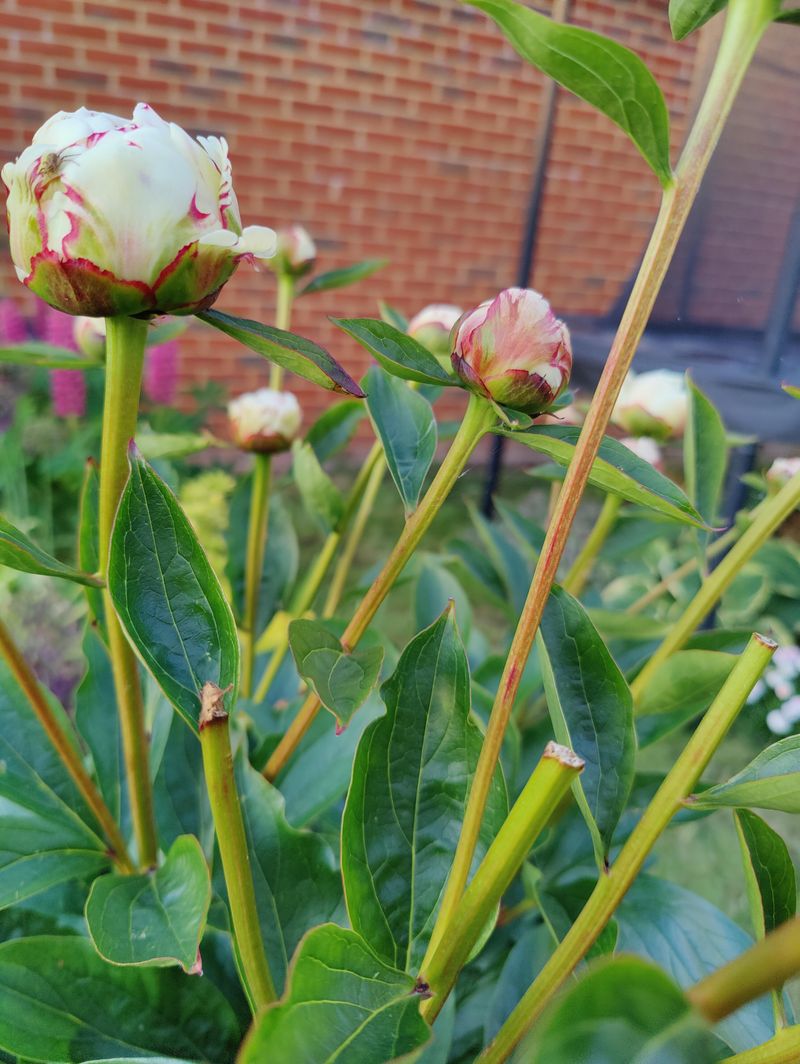
Faded flowers might seem harmless, but leaving them on the plant is a missed opportunity. Once a peony bloom is spent, the plant starts putting energy into forming seeds.
That is energy your plant could be using to build stronger roots and bigger buds for next year.
Snip off the dead flower heads as soon as the petals start dropping. Cut just below the bloom, right above the first set of healthy leaves.
Do not yank or tear the stem, because that can stress the plant and invite problems.
In our state, June can still bring some rain and humidity, especially on the west side of the Cascades. Wet, rotting blooms left on the plant can lead to fungal issues like botrytis.
Removing them quickly keeps the plant cleaner and healthier through the rest of the growing season.
You do not need special scissors for this job. A clean pair of pruning shears or even sharp kitchen scissors will work fine.
Just make sure your blades are clean before cutting so you do not spread anything from plant to plant.
Deadheading is one of the simplest things you can do, and it takes only a few minutes per plant. Make it a weekly habit in June.
Your plants will look tidier, and they will thank you with better blooms next spring.
2. Leave The Foliage Alone Until Fall
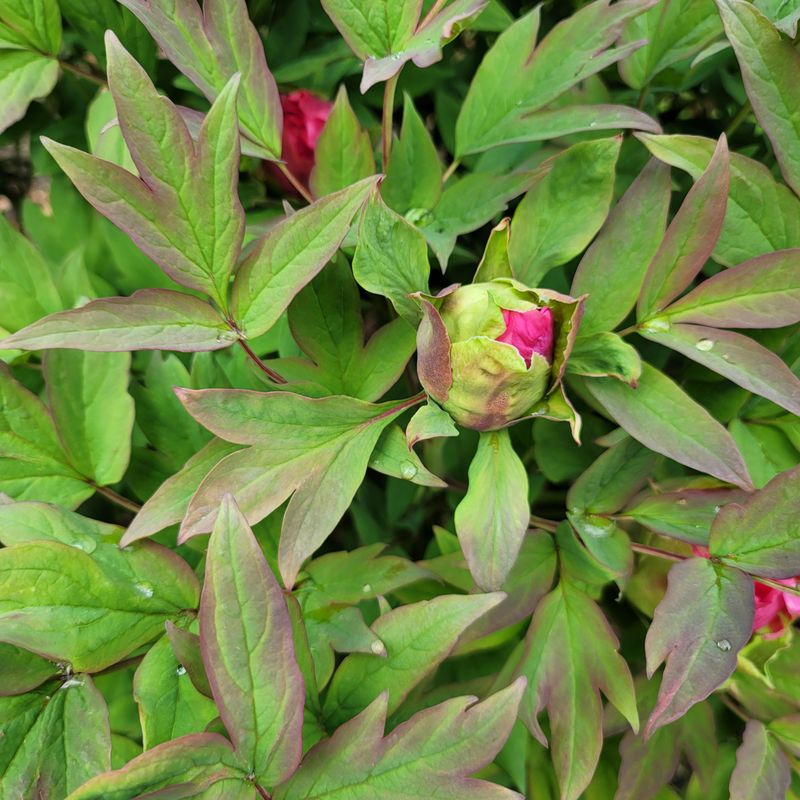
After the flowers are gone, it might be tempting to cut the whole plant back. It makes the garden look neater, and the stems can seem a bit awkward once the blooms are gone.
But cutting the foliage back in June is one of the biggest mistakes a gardener can make.
Those green leaves are working hard all summer long. Through photosynthesis, they are collecting sunlight and sending energy down into the roots.
That stored energy is exactly what fuels next spring’s blooms. Cut the leaves early, and you are taking away the plant’s food source.
Wait until the foliage turns yellow or brown in the fall, usually around October in most parts of our state. That is when it is safe to cut everything back to about two to three inches above the ground.
Your Oregon Garden Changes Every Week. Your Plan Should Too.
Gardening in Oregon changes quickly throughout the season. Every Friday you’ll receive a simple weekly plan showing exactly what to plant, prune, fertilize, harvest, and protect so you never miss the right timing.
At that point, the plant has already stored what it needs for next year.
Some gardeners in drier eastern regions may notice the foliage browning a bit earlier due to heat and low moisture. That is okay.
Just hold off cutting until the leaves look fully spent. A little patience here pays off in a big way come spring.
Think of the summer foliage as an investment. The more you protect it through the growing season, the richer the reward when your plant bursts into bloom again next year.
Keep it green and keep it growing.
3. Give Them A Good Deep Watering
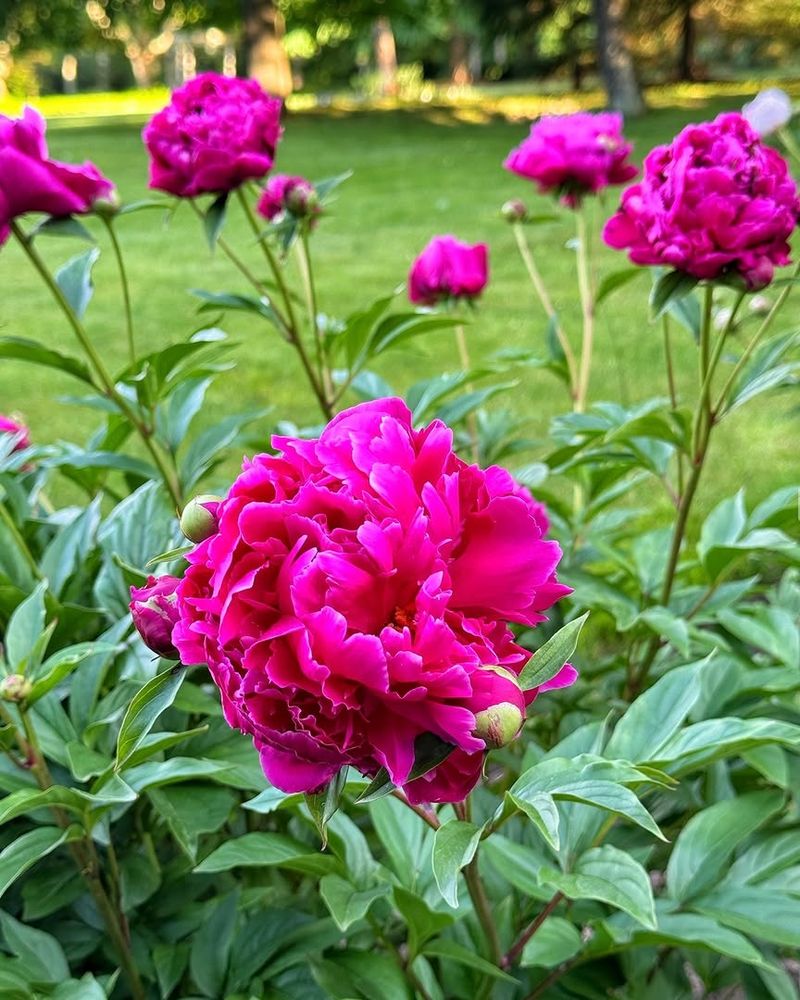
June can be surprisingly dry in many parts of our state, especially once the spring rains taper off. After blooming, peonies still need consistent moisture to support root development and healthy foliage.
Skipping watering during this period can stress the plant more than most gardeners realize.
Aim to give your plants about one inch of water per week. Water deeply at the base of the plant rather than sprinkling from above.
Keeping the foliage dry helps reduce the risk of fungal problems, which are more common in humid areas west of the Cascades.
The best time to water is in the morning. That gives any moisture that does splash on the leaves time to dry off before evening.
Evening watering can leave plants damp overnight, which is not ideal during warm summer months.
If your garden has sandy or fast-draining soil, you may need to water a bit more often. Clay-heavy soils hold moisture longer, so check the soil before watering to avoid overdoing it.
Stick your finger about two inches into the ground. If it feels dry, it is time to water.
Consistent watering through June and into July gives roots time to grow strong before the plant goes dormant in fall. Strong roots mean more energy stored for next year’s flowers.
It is a simple habit that makes a noticeable difference in plant performance over time.
4. Apply A Layer Of Mulch Around The Base
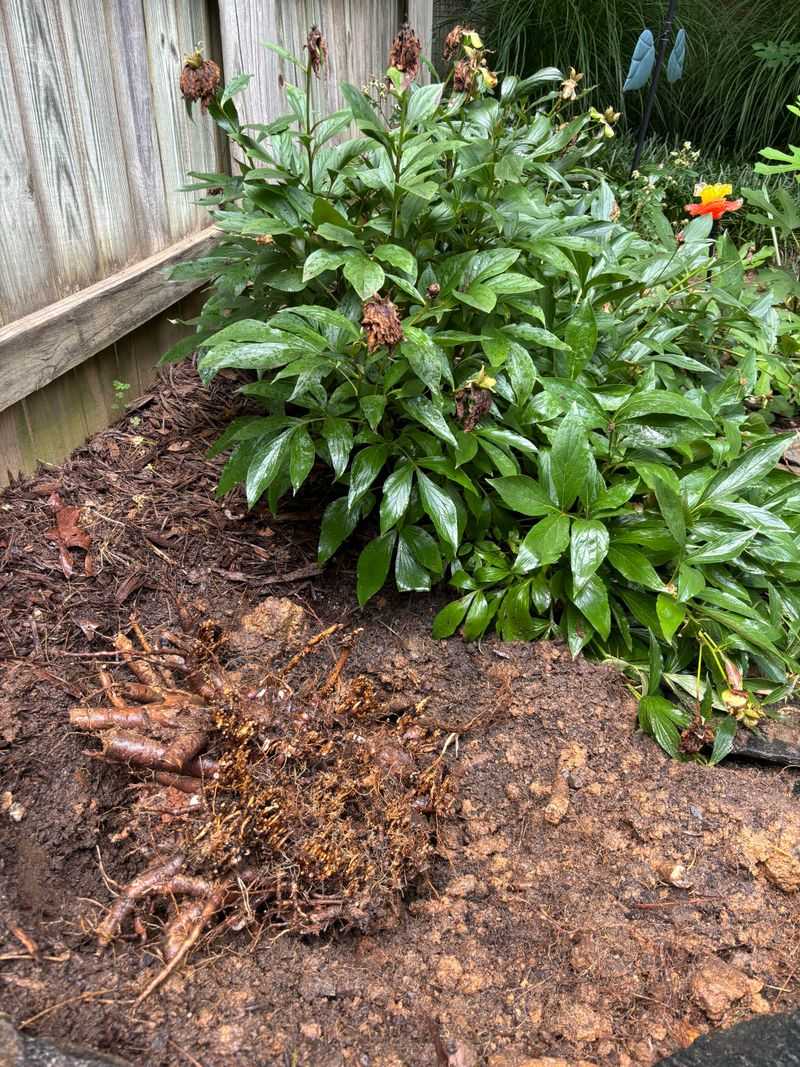
Mulching after bloom is one of those tasks that does double duty. It keeps soil moisture in and helps regulate soil temperature during the warmer months ahead.
For gardeners in our state, where summer temperatures can swing quite a bit depending on the region, mulch is a real asset.
Spread a two to three inch layer of organic mulch around the base of each plant. Good options include shredded bark, wood chips, or straw.
Keep the mulch a few inches away from the base of the stems so air can circulate freely and moisture does not build up right at the crown.
Mulch also helps suppress weeds, which compete with your plants for water and nutrients. Fewer weeds mean less work for you and more resources for your peonies.
That is a win on both counts.
In the hotter, drier areas of eastern parts of our state, mulch is especially important for keeping soil from drying out too fast.
On the wetter west side, be careful not to over-mulch, as too much can trap excess moisture and lead to crown rot. A moderate layer is all you need.
Refresh your mulch layer if it breaks down or washes away over the summer. A fresh application in midsummer can make a big difference heading into the hotter weeks.
It is a small effort that protects your investment and keeps those plants in great shape all season long.
5. Feed With A Low-Nitrogen Fertilizer
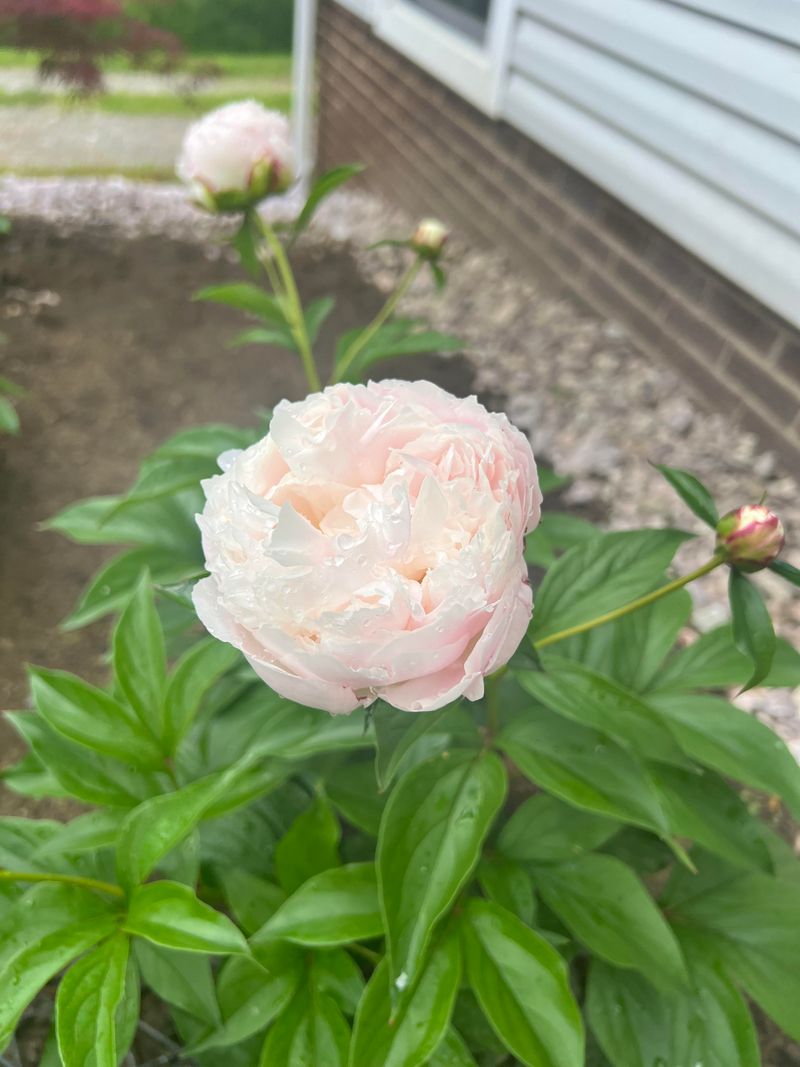
Right after blooming is one of the best times to feed your peonies. The plant has just put out a huge effort producing flowers, and now it needs to rebuild its energy reserves for next year.
Choosing the right fertilizer at this stage really matters.
Go with a fertilizer that is low in nitrogen but higher in phosphorus and potassium. A formula like 5-10-10 works well.
Nitrogen encourages leafy green growth, which sounds good, but too much of it can actually reduce flower production. Phosphorus and potassium support root strength and overall plant health.
Sprinkle the fertilizer around the drip line of the plant, which is the outer edge of the leaf spread. Avoid putting it directly against the stems.
Water it in well after applying so the nutrients can start moving down into the root zone.
Do not over-fertilize. More is not better when it comes to peonies.
One good feeding after bloom is usually enough to carry the plant through the summer. A second light feeding in late summer is optional but generally not necessary if your soil is already in decent shape.
Gardeners in our state with naturally rich, well-amended soil may find their plants do just fine with little or no added fertilizer. If your blooms were strong this year, your soil is probably doing its job.
When in doubt, get a simple soil test to know exactly what your plants need.
6. Check For Signs Of Botrytis Blight
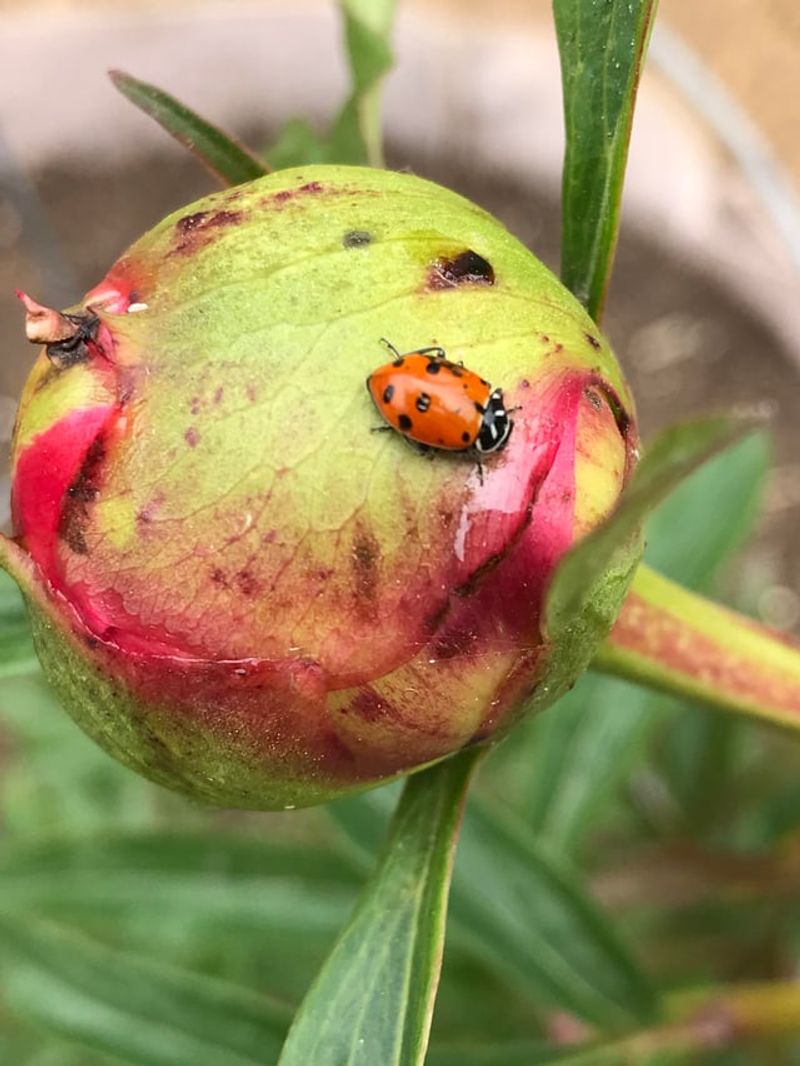
Botrytis blight is one of the most common problems peony growers face in our state, particularly in the wetter western regions.
It shows up as a grayish mold on stems, buds, and leaves. June’s lingering moisture creates perfect conditions for this fungal issue to spread.
After blooming, walk through your garden and inspect each plant carefully. Look for dark spots on the stems, wilting that seems out of place, or that telltale fuzzy gray coating.
Catching it early makes it much easier to manage before it spreads to healthy tissue.
If you spot any affected parts, remove them right away. Cut back to healthy tissue and dispose of the clippings in the trash, not the compost pile.
Composting infected material can spread the problem to other areas of your garden next season.
Good air circulation is one of the best defenses against botrytis. Avoid planting peonies too close together.
If your plants are already crowded, trimming back any nearby shrubs or plants that block airflow can help. Drier air around the foliage makes it harder for the fungus to take hold.
There are fungicide options available if the problem is severe, but many gardeners find that good sanitation and improved airflow are enough to keep it under control.
Check your plants every week or so through June and July. Staying on top of it early is always easier than dealing with a full outbreak later.
7. Divide Overcrowded Clumps If Needed
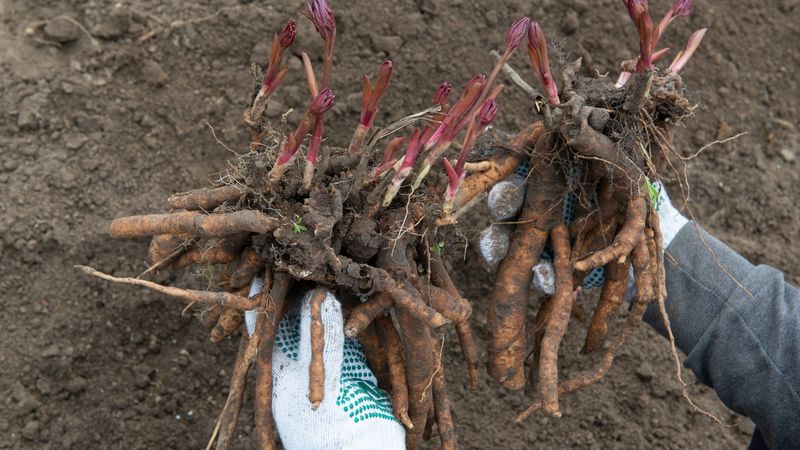
Most experienced gardeners will tell you that fall is the best time to divide peonies. And that is true.
But if your plants are seriously overcrowded and blooming has been declining for a few years, early June right after flowering can work as a secondary option in milder parts of our state.
Overcrowded clumps often produce fewer flowers and smaller blooms. The roots compete with each other for space, water, and nutrients.
Splitting them up gives each section room to breathe and grow properly again.
If you decide to divide in June, do it carefully and quickly. Use a sharp spade to dig around the entire clump, going deep enough to get under the root mass.
Lift the whole clump out, then use a clean knife or spade to cut it into sections. Each section should have at least three to five healthy eyes, which are the small reddish buds on the roots.
Replant divided sections at the right depth. The eyes should sit no more than one to two inches below the soil surface.
Planting too deep is one of the main reasons peonies fail to bloom. Water thoroughly after replanting and keep the soil moist through the rest of summer.
Dividing in June means the plant may not bloom the following spring as it recovers. But within a season or two, you should see a return to strong, healthy flowering across all the new sections.
8. Watch Out For Ants And Other Insects
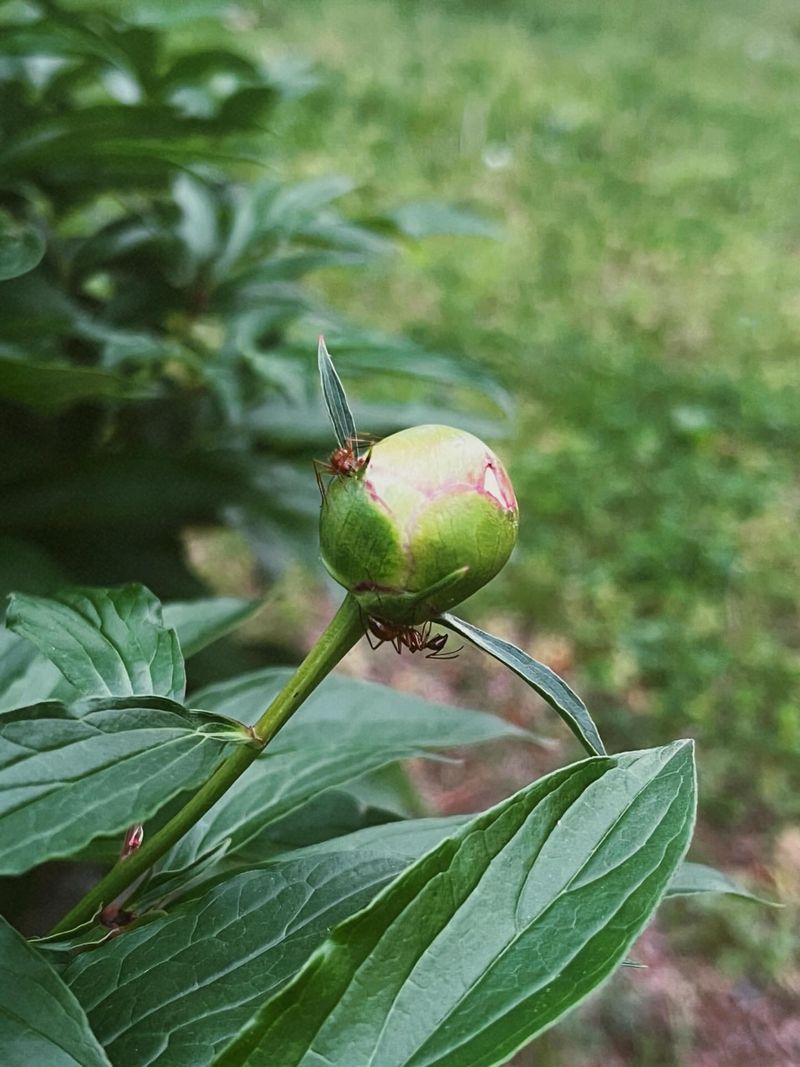
Ants and peonies have a long-standing relationship. You have probably noticed them crawling all over the buds before and during bloom.
They are actually attracted to the sweet nectar the buds produce, and they are mostly harmless to the plant. But June brings a whole cast of other insects worth watching for.
Thrips, aphids, and scale insects can all show up after blooming ends. These pests feed on plant sap and can weaken stems and foliage over time.
Look for tiny insects on the undersides of leaves, sticky residue on stems, or leaves that are curling or yellowing when they should not be.
A strong spray of water from a hose can knock aphids off the plant without using any chemicals. For heavier infestations, insecticidal soap sprays are effective and safe for most garden environments.
Always read the label and apply in the early morning or evening to avoid burning leaves in the heat of the day.
Japanese beetles can also be a problem in some parts of our state. They chew through leaves and can do noticeable damage over the course of a summer.
Hand-picking them off in the early morning is surprisingly effective since they are sluggish when cool. Drop them into a bucket of soapy water to remove them from the garden.
Regular inspections every week or two through summer keep small pest problems from turning into big ones.
Healthy, well-watered plants are naturally more resistant to pest pressure, so good basic care is your first line of defense.
9. Remove Any Yellowing Or Diseased Leaves
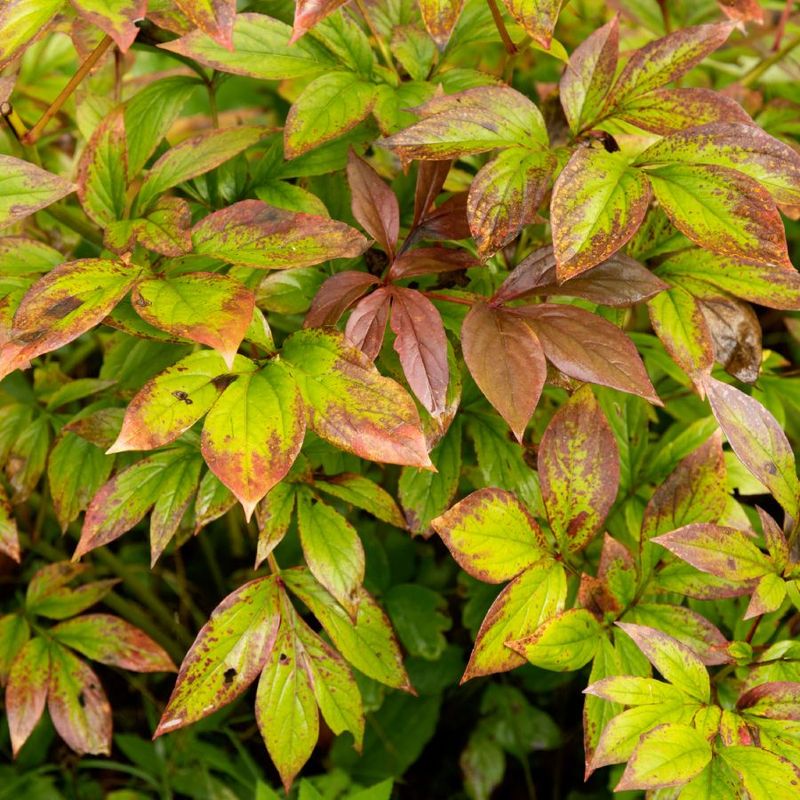
Not every yellow leaf is a sign of serious trouble, but keeping a clean plant matters a lot in the months after blooming.
Yellowing leaves that appear in June, before fall arrives, can signal fungal problems, pest damage, or nutrient deficiencies.
Spotting the difference early helps you respond the right way.
Leaves with brown spots, black edges, or that fuzzy gray coating mentioned earlier with botrytis should come off right away. Cut them cleanly with sharp, sanitized shears.
Bag them up and put them in the trash rather than tossing them into the compost pile. This stops any fungal spores from cycling back into your garden next year.
Leaves that are just slightly pale or light green might be telling you the plant needs more nutrients. A soil test can confirm whether a nutrient deficiency is at play.
Sometimes a simple top dressing of compost is all it takes to perk things back up without reaching for a chemical fix.
If a whole section of the plant looks unhealthy while the rest looks fine, check the soil moisture in that area. Uneven watering can cause patchy yellowing that has nothing to do with disease.
Adjust your watering routine to make sure every part of the root zone gets consistent moisture.
Keeping leaves clean and healthy through summer is not just about looks. It directly affects how much energy the plant can store for next year.
A plant with full, healthy foliage going into fall has a real head start on producing gorgeous blooms the following spring.