What Oregon Gardeners Should Feed Roses In July For More Summer Blooms
July rose care in Oregon sits in this interesting middle ground where your plants are working hard, the soil is drying out faster than spring, and you are trying to keep everything going without accidentally pushing growth at the wrong moment.
Repeat blooming roses are genuinely hungry shrubs during summer, and feeding them through July can absolutely support that next flush of flowers.
But there is a real art to getting the timing and the amount right during Oregon’s dry stretch. Too much fertilizer without enough moisture and you create more problems than you solve.
Too little attention and those blooms you are waiting for take a lot longer to show up.
The good news is that a straightforward approach to feeding, watering, and a little bloom cleanup goes a long way in keeping rose beds performing well all summer.
1. Balanced Fertilizer Supports Summer Rose Growth
A July walk through an Oregon rose bed often tells a clear story. Roses that have pushed through one strong bloom cycle may look a little tired, with pale leaves and fewer buds forming on new canes.
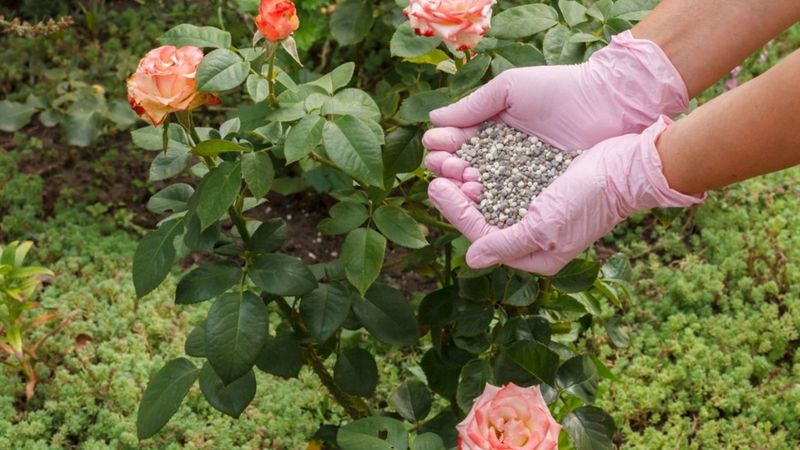
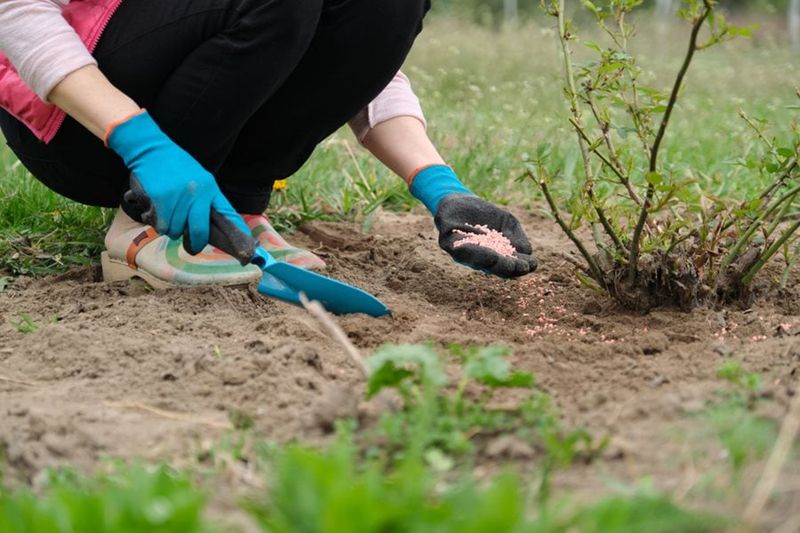
A balanced fertilizer, such as a general 10-10-10 formula, can help support established roses during this part of the growing season when applied according to label directions and local guidance.
Balanced fertilizers supply nitrogen, phosphorus, and potassium in roughly equal amounts. This kind of even nutrient supply can help roses maintain healthy foliage, develop sturdy canes, and support the energy needed to push new flower buds.
The key word is balance. Leaning too heavily on any single nutrient, especially nitrogen, can shift a plant’s energy toward leaves rather than blooms.
Oregon gardeners working with established roses in sunny borders, foundation plantings, or cottage garden beds may find that a modest application of balanced fertilizer in early to mid-July fits well into a regular care routine.
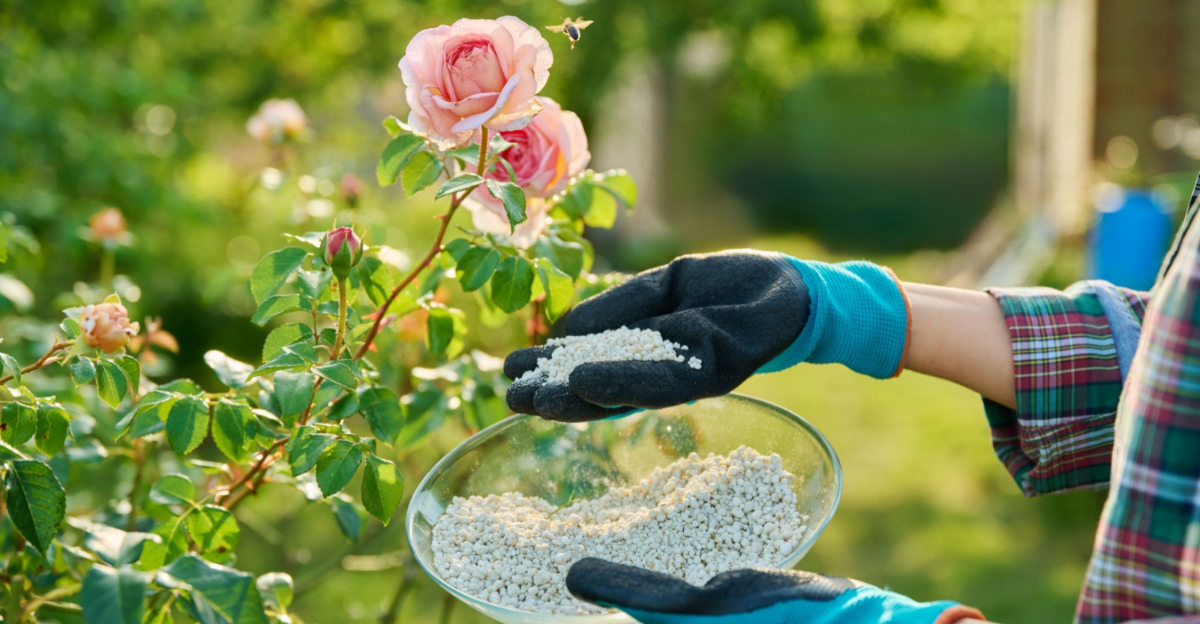
Scatter the granules around the base of each plant, keep them away from the stems, and water the area thoroughly so nutrients can begin moving toward the root zone where they are actually needed.
2. Rose Fertilizer Works If The Label Fits
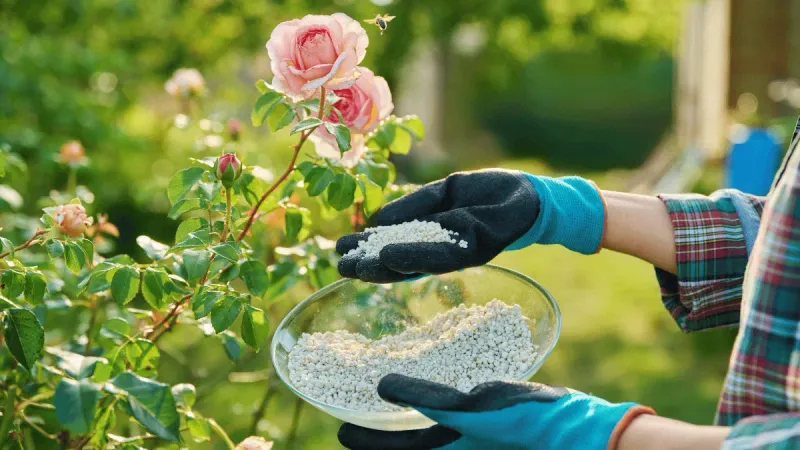
Specialty rose fertilizers line the shelves at garden centers every spring, and they tend to stay there well into July.
Many Oregon gardeners wonder whether these branded blends are actually worth reaching for, or whether a standard balanced fertilizer does the same job at a lower cost.
Labeled rose fertilizers can work well, but they are not automatically better than a general balanced product. What matters most is the nutrient ratio and whether the instructions fit the plant’s actual needs at this point in the season.
Some rose-specific blends include micronutrients like iron, magnesium, or calcium, which can be helpful in certain Oregon soils. Others lean heavily on nitrogen, which may not be the best choice for late-season feeding.
Before reaching for any bag or bottle, read the label carefully. A fertilizer that fits the timing, the soil conditions, and the growth stage of your roses is far more useful than one chosen by brand name alone.
Your Oregon Garden Changes Every Week. Your Plan Should Too.
Gardening in Oregon changes quickly throughout the season. Every Friday you’ll receive a simple weekly plan showing exactly what to plant, prune, fertilize, harvest, and protect so you never miss the right timing.
If a rose fertilizer carries a nutrient balance that suits July conditions in Oregon and comes with clear application instructions, it can be a solid choice.
If the label feels unclear or the ratios seem off for summer feeding, a simple balanced formula may serve the garden just as well.
3. Watering Helps Nutrients Reach The Roots
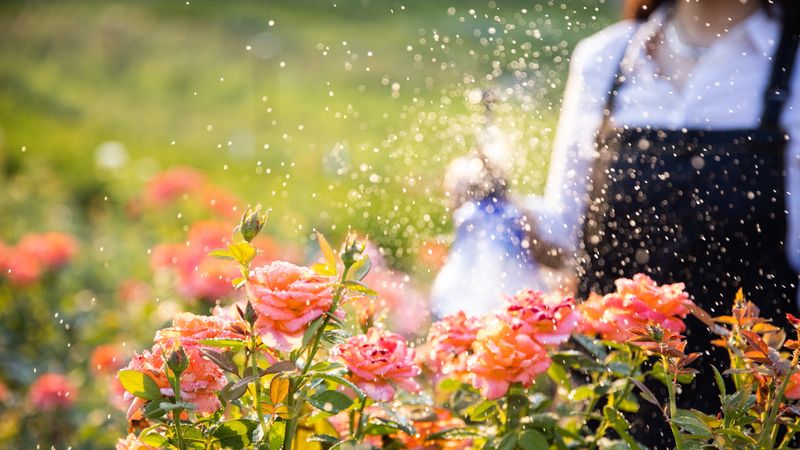
Fertilizer sitting in dry soil does not do much for a rose.
Oregon summers, especially from July onward, can stretch into weeks of low rainfall across much of the state, which means gardeners often need to supply consistent moisture themselves before feeding makes any real difference.
When soil dries out, nutrients have a harder time moving through it and toward the root zone where the plant can actually use them. Applying fertilizer to bone-dry ground can even stress roots rather than support them.
Watering the rose bed thoroughly before and after feeding helps move nutrients downward and gives roots a better chance of absorbing what the plant needs.
In Oregon’s drier summer regions, soaker hoses or drip irrigation can help maintain steady soil moisture without wetting the foliage, which can reduce the risk of fungal problems on roses.
For gardeners who rely on overhead watering, early morning is generally a better time than midday or evening.
Keeping the soil evenly moist, not soggy and not parched, creates conditions where a balanced fertilizer can actually do its job.
Watering well before applying granular fertilizer and again after application is a simple habit that makes feeding more effective throughout the summer growing season.
4. Feed Lightly After A Bloom Cycle
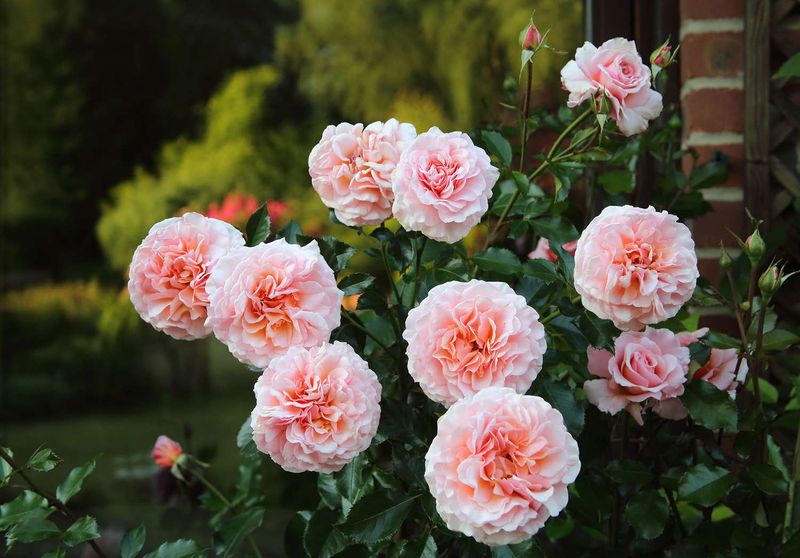
Repeat-blooming roses work in cycles. One flush of flowers fades, the plant rests briefly, and then energy shifts toward forming the next round of buds.
July in Oregon often lands right in the middle of this rhythm, making it one of the more useful moments to consider a light feeding for established roses that are actively reblooming.
Feeding after a bloom cycle, rather than during heavy flowering, gives the plant nutrients at a time when it may be preparing to push new growth.
A modest application of balanced fertilizer or a labeled rose product at this stage can support cane development and encourage the plant to set new buds more readily.
The emphasis here is on light. A measured, moderate feeding tends to work better than a heavy dose, especially as summer moves along.
Pairing the feeding with bloom cleanup makes the timing even more effective. When spent flowers are removed at the same time nutrients are added, the plant receives two signals at once: resources are available, and flower production is still being encouraged.
Oregon gardeners with established hybrid teas, floribundas, or repeat-blooming shrub roses may find this post-flush feeding routine one of the more reliable ways to keep summer color going through the warmest weeks.
5. Compost Supports Soil More Than Instant Blooms
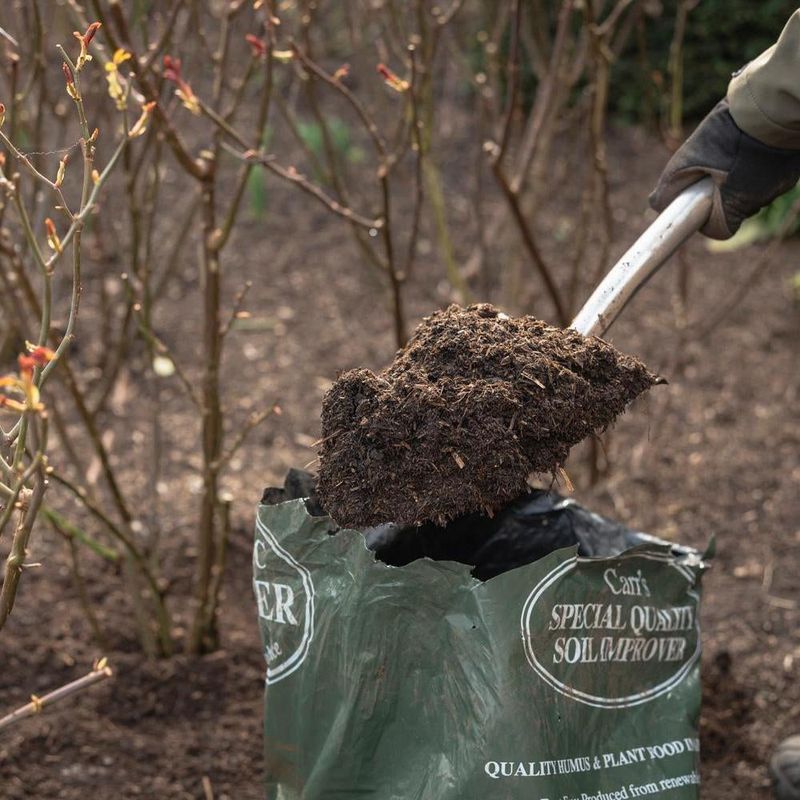
Finished compost does not work the same way a bag of fertilizer does, and understanding that difference helps Oregon gardeners use it more wisely.
Compost improves the structure and biology of the soil over time, which supports roots, moisture retention, and gradual nutrient availability.
It is not a quick bloom booster, and expecting it to act like one can lead to disappointment.
That said, compost is genuinely valuable for rose beds. Spreading a layer of finished compost around established roses in July adds organic matter to the soil surface, feeds beneficial soil organisms, and helps moderate soil temperature during warm weather.
In Oregon’s clay-heavy soils, compost worked in over seasons can improve drainage and reduce compaction. In sandier soils, it helps retain moisture that would otherwise drain away quickly.
Organic mulch made from wood chips, shredded bark, or similar materials works alongside compost to protect soil moisture and reduce weed competition.
Layering two to three inches of mulch around rose beds, kept a few inches away from the main canes, can help the soil stay cooler and more evenly moist during Oregon’s dry July weeks.
These soil-building habits create a better environment for roots, which in turn makes feeding with fertilizer more effective over the long run.
6. Liquid Feed Can Help When Growth Looks Pale
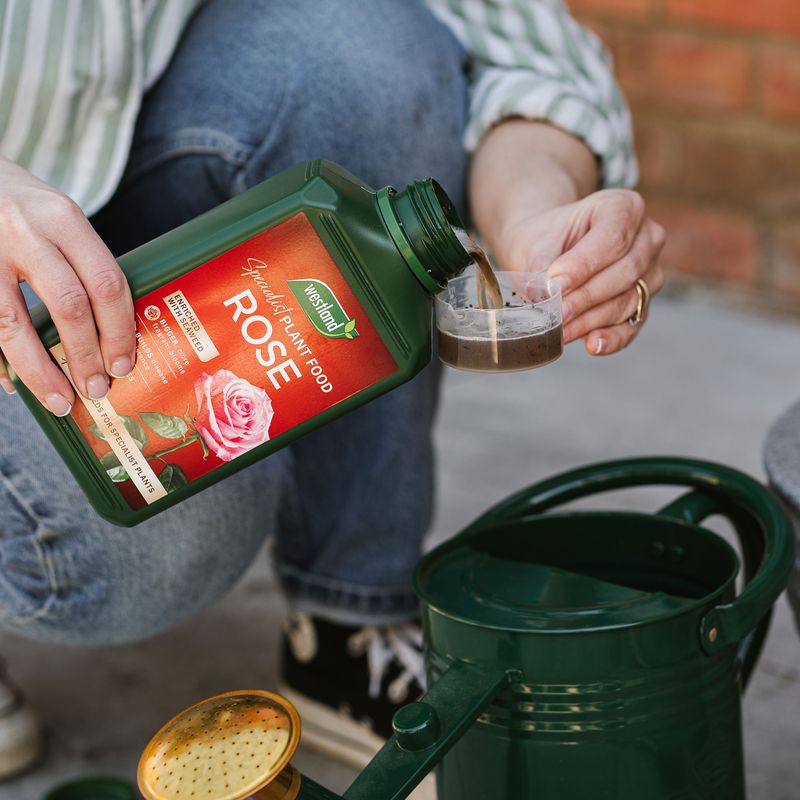
Pale, yellowish foliage on a rose in July is a signal worth paying attention to.
It does not always point to a single cause, but when the soil has been dry, feeding has been skipped, or the plant looks generally low on energy, a modest liquid feeding can sometimes help restore color and support new growth.
Liquid fertilizers move through the soil more quickly than granular forms, which makes them useful when a faster response seems needed.
Applying a diluted liquid fertilizer according to label instructions, and watering it in well, can give established roses a modest nutrient boost during the growing season.
Some gardeners also use foliar sprays, applying diluted liquid fertilizer directly to the leaves, though this approach works best in the cooler parts of the day and may not be the right fit for every Oregon summer situation.
The important thing is to keep the application modest. A light liquid feeding aimed at addressing pale growth or a temporary dip in plant energy is different from a heavy late-season push for more flowers.
Overfeeding with liquid fertilizer, especially with high-nitrogen formulas, can encourage soft leafy growth that is not ideal as summer moves toward its later weeks in Oregon.
Read the label, dilute correctly, and water in thoroughly for best results.
7. Soil Testing Keeps July Feeding Sensible
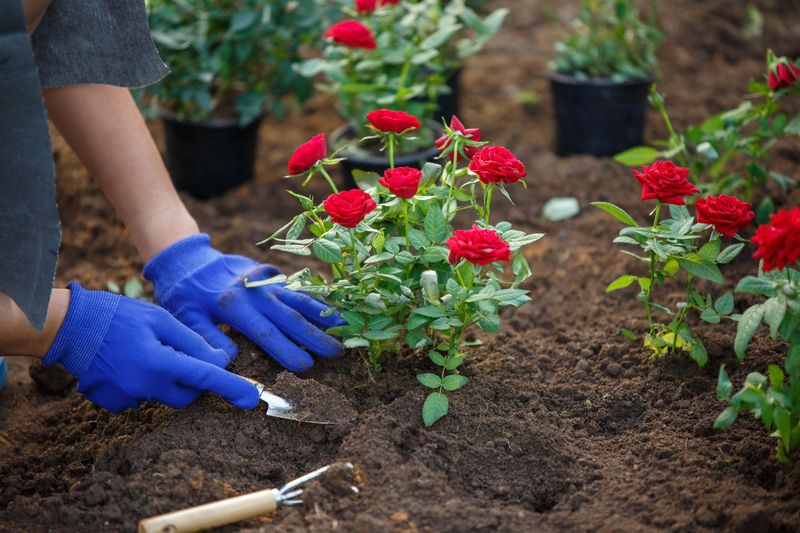
Guessing at what an Oregon rose bed needs can lead to feeding decisions that miss the mark.
Soil testing removes some of that guesswork by giving gardeners actual data about pH, phosphorus, potassium, and other factors that affect how well plants absorb nutrients.
Without that information, it is easy to add fertilizer that the soil does not need or skip an amendment that would genuinely help.
Oregon soils vary quite a bit across the state. Western Oregon tends toward acidic, clay-heavy ground, while eastern Oregon can lean more alkaline and dry.
Roses generally prefer a slightly acidic soil pH, roughly in the 6.0 to 6.5 range. If the pH is off, nutrients may be present in the soil but unavailable to the plant, meaning fertilizer applications may not produce the results a gardener expects.
Soil testing is available through Oregon State University Extension Service and many local county offices.
A basic test can reveal whether lime is needed to raise pH, whether phosphorus or potassium levels are adequate, and whether organic matter is lacking.
Running a test before adjusting a feeding routine in July means decisions are grounded in actual conditions rather than assumptions. That kind of sensible approach tends to produce better results for established roses over the long run.
8. New Roses Need Roots Before Fertilizer
Planting a new rose in July is not unheard of in Oregon, especially when a gardener finds a container-grown rose at a local nursery mid-season. But newly planted roses face a different set of priorities than established ones.
Their main job in the first weeks after planting is to develop a strong root system, and that process takes energy and time that fertilizer can sometimes interfere with rather than support.
Adding fertilizer too soon after planting can stress young roots rather than encourage them.
Concentrated nutrients near tender new roots may cause damage, and pushing top growth before the root system is ready to support it can leave a new plant struggling to keep up with itself.
Most guidance for newly planted roses suggests holding off on regular fertilizer until the plant has shown signs of healthy root establishment, often several weeks after planting.
In the meantime, consistent watering is the most important thing a gardener can offer a new rose in July. Oregon’s dry summer conditions mean that a newly planted rose may need water more often than an established one.
Keeping the soil consistently moist without waterlogging it gives the roots the conditions they need to settle in. Once the plant is clearly growing well, a light, balanced feeding can be introduced gradually.
9. Late-Summer Nitrogen Can Push Tender Growth
July sits right at the edge of what many gardeners consider prime feeding season for roses in Oregon. As the month progresses and August approaches, the risk of pushing too much new growth with heavy nitrogen applications becomes more relevant.
Nitrogen encourages leafy, soft growth, and when that growth appears late in the season, it may not have the time it needs to firm up before conditions begin to shift.
Tender new shoots that emerge from a heavy nitrogen push in late July or August can be more vulnerable to stress as the season changes. This does not mean nitrogen should be avoided entirely in July, but it does mean that timing and amount matter.
A light, balanced feeding in early to mid-July is generally a better fit than a heavy nitrogen-forward application in the final weeks of the month.
Oregon gardeners working with climbing roses, hybrid teas, or large shrub roses should pay particular attention to this timing. Larger plants can respond vigorously to nitrogen, producing long soft canes quickly.
While that growth may look impressive, encouraging it too late in the season is not ideal for the plant’s overall health heading into fall.
Sticking to moderate, balanced feeding and avoiding late-season nitrogen surges is a practical approach for most Oregon rose gardens.
10. Bloom Cleanup Helps Feeding Pay Off
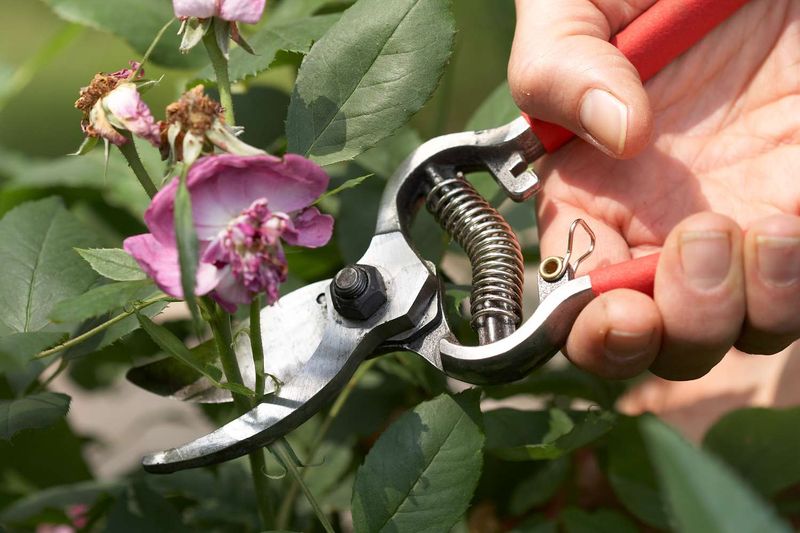
Spent flowers left on repeat-blooming roses send a signal to the plant that its work is done. Once a rose forms a hip or seed structure, it shifts energy toward that process rather than toward producing more flowers.
Removing spent blossoms, a practice called deadheading, redirects that energy and encourages the plant to push toward another round of blooms.
For Oregon gardeners who are feeding roses in July, bloom cleanup and fertilizer work best as a team. Applying a light feeding right after a round of deadheading gives the plant nutrients at the same moment it is being encouraged to rebloom.
Without the bloom cleanup, feeding alone may not produce the burst of new flowers a gardener is hoping for, because the plant is still focused on the spent flowers or developing hips.
Deadheading does not need to be complicated. For most repeat-blooming roses, cutting the spent stem back to the first set of healthy leaves with five leaflets is a common approach.
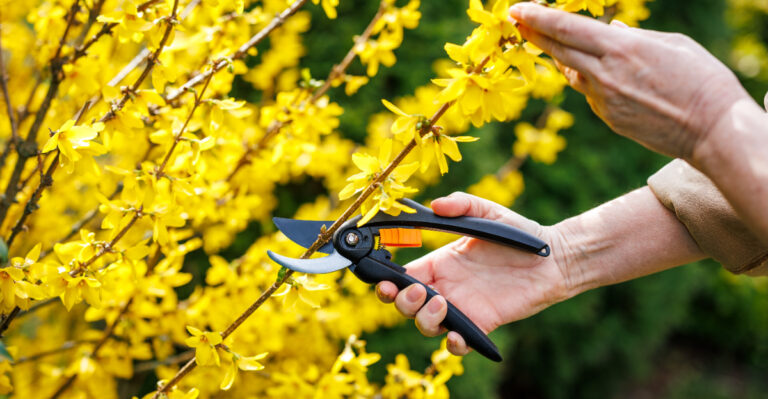
Keeping a clean pair of pruning shears on hand and walking the rose bed every week or so during July makes it easy to stay on top of fading blooms.
Combined with sensible feeding and consistent watering, regular bloom cleanup is one of the most practical habits Oregon rose gardeners can build into their summer routine.