Why Oregon Slugs Become More Active As October Rain Returns
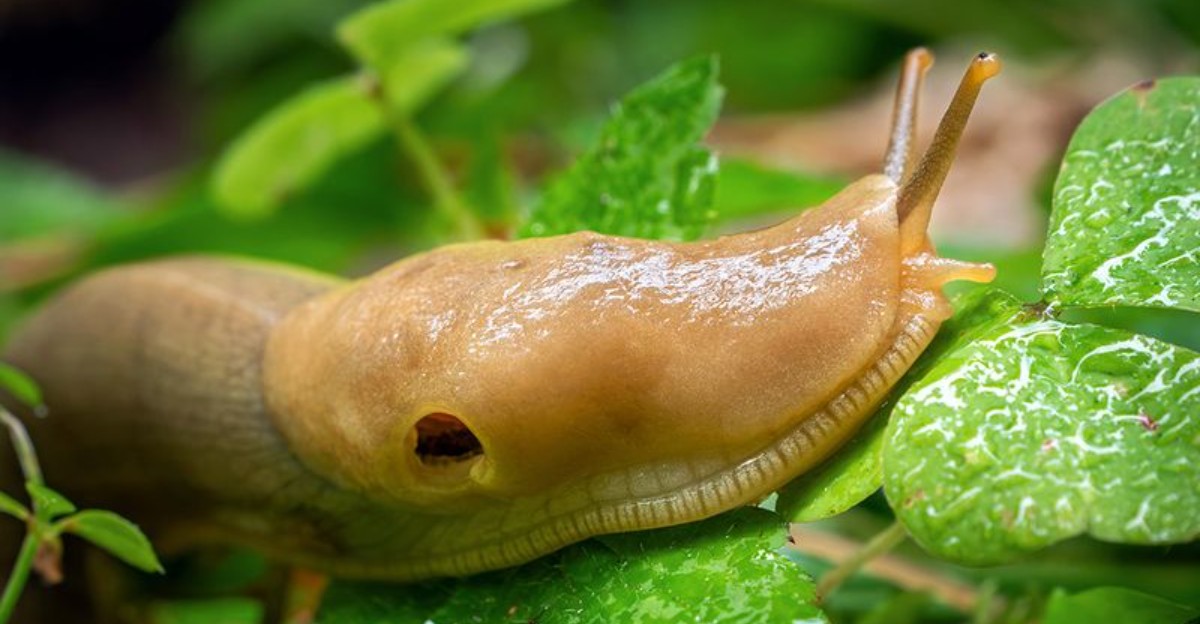
The first real autumn storm rolls through Oregon and something in the garden shifts overnight.
The air smells like wet soil and fallen leaves, the porch light catches a glossy path, and you step outside the next morning to find shiny silver trails zigzagging across the sidewalk like tiny highways built while you were sleeping.
Then you spot the lettuce. The kale. The pumpkin with a suspicious nibble taken out of it. Your uninvited houseguests are back, and they brought appetites.
Slug season has a way of sneaking up even on experienced gardeners, and October rain is basically the starting gun.
Understanding why slugs suddenly appear in such numbers when autumn arrives makes managing them a whole lot less frustrating and honestly a little more interesting than you might expect.
1. Moisture Wakes Up Oregon Slugs After Summer
Picture a sponge left on a sunny windowsill all August. It shrinks, stiffens, and waits for water, and a slug does something quite similar.
Slugs breathe and move through moist skin, so dry weather is a real problem for them. During hot months they hide deep under logs, rocks, and soil to keep from drying out.
Scientists call this summer rest estivation. It works a bit like hibernation, except it happens in heat instead of cold.
Once steady rain soaks the ground, that resting phase ends. The slugs crawl back up and start searching for food right away.
Their slime also needs water to work well. Slime helps them glide, protects their soft bodies, and even helps them find mates.
When the soil turns damp, a slug can travel farther and faster. A single rainy night can bring dozens out of hiding in one small yard.
Here is a helpful tip for gardeners. Check your beds with a flashlight about two hours after dark on the first wet evenings of fall.
You will see how many slugs live nearby and where they like to travel. That knowledge helps you plan smarter protection before your fall greens get chewed.
Watching them can be surprisingly fun too. Kids often love spotting the shiny trails and guessing where each slug was headed.
2. Cooler Nights Feel Just Right For Slugs
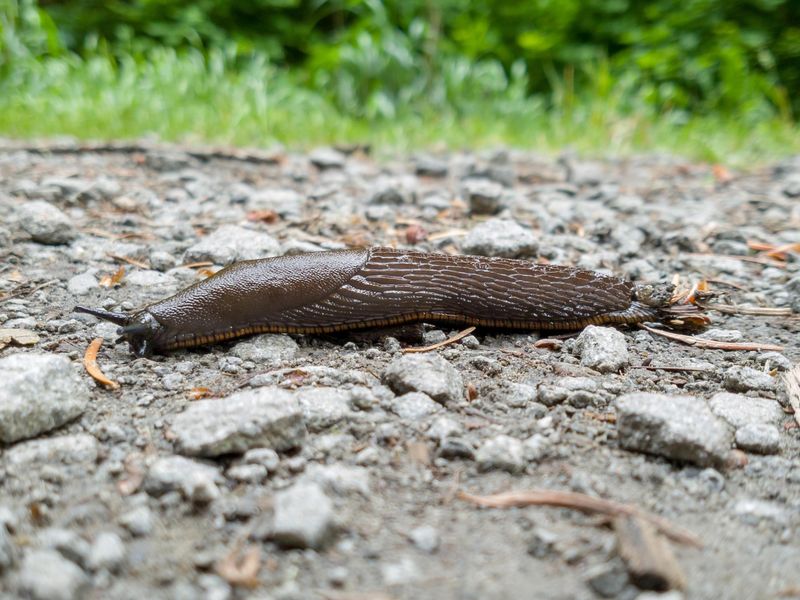
Goldilocks would understand slugs perfectly. They want weather that is not too hot, not too cold, but just right.
For most garden slugs, that sweet spot sits roughly between 40 and 70 degrees Fahrenheit. October nights in the western valleys land right in that range.
Warm afternoons in summer pull water out of a slug’s body quickly. Cooler air slows that loss, so slugs can stay out longer without risk.
Fall Oregon nights also bring heavy dew. Even on days without rain, the grass and leaves often stay wet until mid-morning.
That extra dampness means slugs do not have to rush home at sunrise. On cloudy days, you may even spot them crawling around at lunchtime.
Freezing weather slows them down again later in the season. Until the first hard frost, though, conditions feel like a cozy spa for these critters.
Your Oregon Garden Changes Every Week. Your Plan Should Too.
Gardening in Oregon changes quickly throughout the season. Every Friday you’ll receive a simple weekly plan showing exactly what to plant, prune, fertilize, harvest, and protect so you never miss the right timing.
So what can you do with this information? Try watering your garden in the morning instead of the evening.
Morning watering gives the soil surface time to dry before nightfall. Slugs prefer wet ground at night, so a drier top layer makes your garden less inviting.
Small timing changes like this cost nothing. They can still make a noticeable difference in how much leafy damage you find each week.
3. Slugs Race To Eat Before Winter
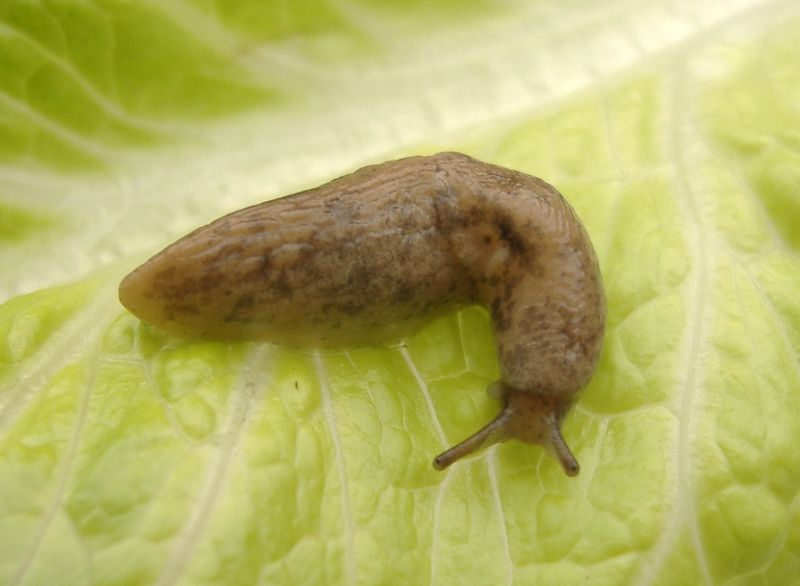
Ever notice how squirrels get busy in autumn? Slugs have their own version of that seasonal rush, and your vegetable patch is often the buffet.
After a long dry Oregon summer, many slugs are hungry and low on energy. Fall is their chance to bulk up before the cold months slow everything down.
They munch on lettuce, kale, strawberries, young seedlings, and soft fallen fruit. They also eat rotting leaves and mushrooms, which helps break down plant material.
A slug uses a tongue-like part called a radula to feed. It is covered with thousands of tiny teeth that scrape food like a cheese grater.
The exact number varies by species, but even common garden slugs carry an impressive set of dental equipment that explains the ragged edges you find on your chard.
Because slugs eat so much in fall, damage can seem to appear overnight. A healthy row of seedlings might look shredded after one rainy evening.
To protect tender plants, try covering them with lightweight row cloth. Tuck the edges into the soil so slugs cannot sneak underneath.
You can also harvest ripe crops a little early. Picking fruit and greens before a storm leaves less food sitting out for hungry visitors.
Cleaning up dropped apples and tomatoes helps too. Less snack food on the ground means fewer slugs stick around your yard.
4. Fall Is Egg Laying Season For Oregon Slugs
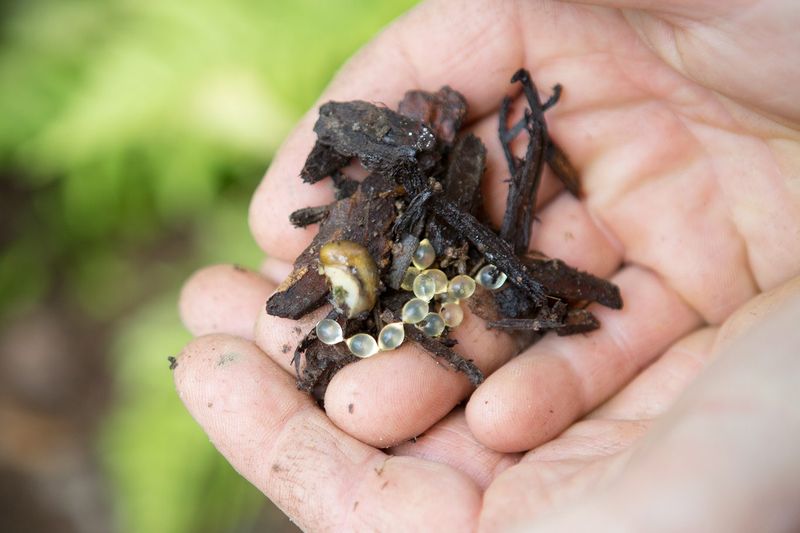
Lift a board in your garden this month, and you might find a tiny surprise. Clusters of clear, pearl-like eggs often hide in the damp soil underneath.
Many slugs lay most of their eggs in autumn. Rainy weather keeps the ground soft and moist, which protects the eggs from drying out.
Here is a fun fact that surprises plenty of people. Most slugs have both male and female parts, so nearly every adult can lay eggs.
A single gray garden slug can lay hundreds of eggs in one year. Those eggs usually come in groups of 10 to 50 at a time.
Some eggs hatch within a few weeks if the weather stays mild. Others wait through winter and hatch in early spring, ready to feast on new sprouts.
That is why fall control matters so much. Reducing slugs now means far fewer babies chewing on your plants next year.
Look for eggs under pots, stepping stones, mulch piles, and garden edging. When you find them, scoop them up and toss them into the trash or leave them on a sunny patch for birds.
Turning the soil lightly in fall can also expose hidden eggs. Robins and other birds are happy to clean up whatever you uncover.
A few minutes of egg hunting now can save a lot of frustration in April.
5. Fallen Leaves Give Slugs Cozy Hideouts
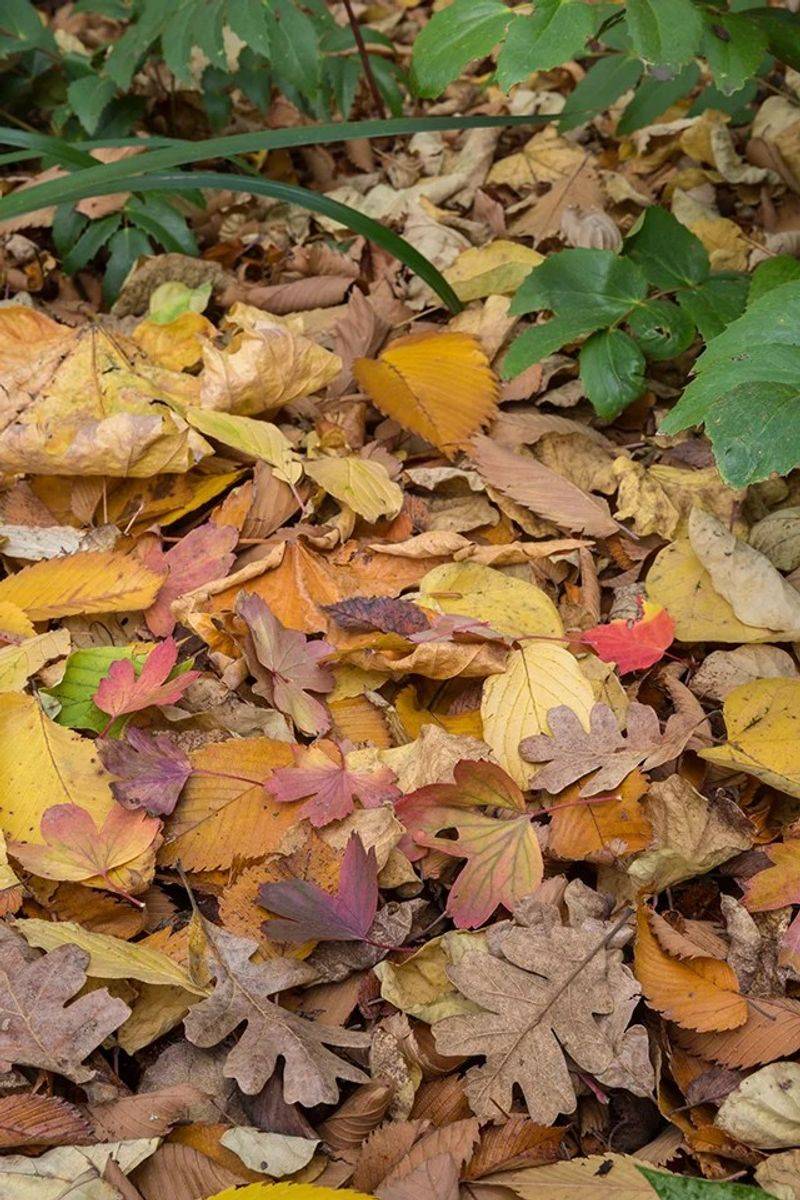
Imagine a soft, damp blanket spread across the whole yard. For a slug, a carpet of fallen maple leaves feels exactly like that.
When October arrives in Oregon, trees drop their leaves in big piles. Rain soaks those piles, creating dark, wet hideouts that stay moist for days.
Slugs rest under the leaves during daylight and come out to feed at night. The leaf layer also traps warmth, which keeps slugs comfortable as the season cools.
Decaying leaves are food, too. So a leaf pile works like a hotel and a snack bar rolled into one.
Now, leaves are great for soil health, so you do not have to remove every single one. The trick is simply choosing where they go.
Rake leaves away from your vegetable beds and young plants. Move them to a compost bin or a spot far from anything you want to protect.
Shredding leaves with a mower also helps a lot. Smaller pieces break down faster and leave fewer cozy gaps for slugs to hide in.
Keep a bare strip of soil, about a foot wide, around your favorite beds. Slugs dislike crossing open, exposed ground where birds can spot them.
With a little planning, you can enjoy fall color and still keep your lettuce in good shape.
6. Native Banana Slugs Shine In Oregon Forests
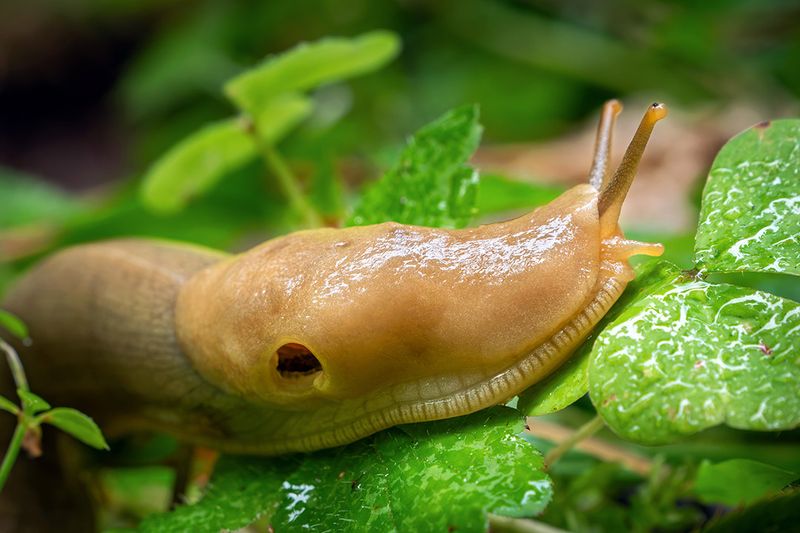
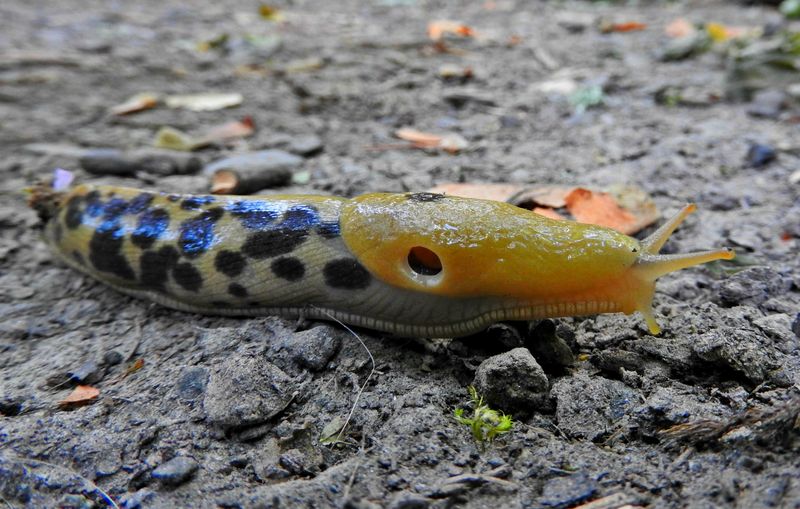
Not every slug is a garden troublemaker. The Pacific banana slug is a native superstar of the Northwest woods.
These bright yellow slugs can grow up to nine or ten inches long. That makes them one of the largest slugs anywhere in the world.
Banana slugs mostly live in moist forests, not backyard veggie beds. They munch on dead leaves, moss, mushrooms, and animal droppings.
By eating that material, they turn it into rich soil. Think of them as tiny forest recyclers working the night shift.
October rain brings banana slugs out in big numbers along hiking trails. A stroll through a coastal park after a storm might reveal several of them.
Here is a quirky bit of trivia. The University of California, Santa Cruz chose the banana slug as its official school mascot.
If you spot one on a trail, admire it without picking it up. Their slime protects their skin, and handling can remove that protective layer.
Gently guiding one off a busy path with a leaf is fine. It helps keep the slug safe from bikes and hiking boots.
Learning to tell native slugs from invasive garden slugs is a smart skill. It helps you protect the good guys while managing the pests at home.
7. Invasive Slugs Thrive In Oregon Gardens
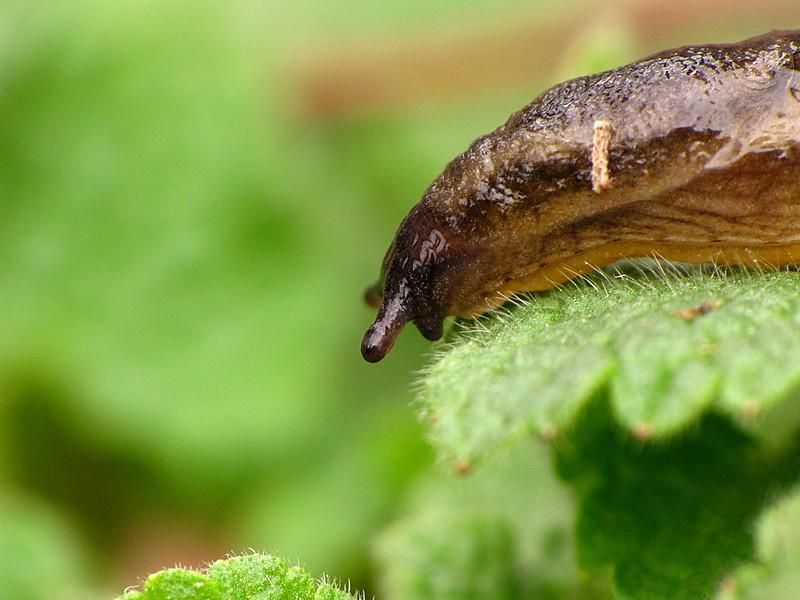
A long time ago, some unexpected travelers arrived from Europe. They hitched rides on plants, soil, and shipping crates, and they liked what they found.
Many of the slugs damaging yards today are not native. Species like the gray field slug and the European red slug are big garden pests.
The mild, rainy climate here suits them perfectly. Wet falls and gentle winters let them stay active much longer than in colder states.
Gray field slugs are small, often under two inches. Even so, they reproduce quickly and can strip seedlings faster than you would expect.
Some invasive slugs also damage farm crops like grass seed, clover, and strawberries. Farmers in the western part of the state spend serious money fighting them.
At home, you can use simple, earth-friendly tools. Shallow dishes of beer sunk into the soil attract slugs, which crawl in and cannot climb back out.
Copper tape around raised beds is another option. Slugs dislike the reaction they feel when touching copper, so many will turn away.
Iron phosphate baits are considered safer around pets and wildlife than older baits. Always follow the label and scatter it lightly instead of in piles.
Mixing two or three methods tends to work better than relying on one alone.
8. Fewer Predators Help Slugs Roam Freely
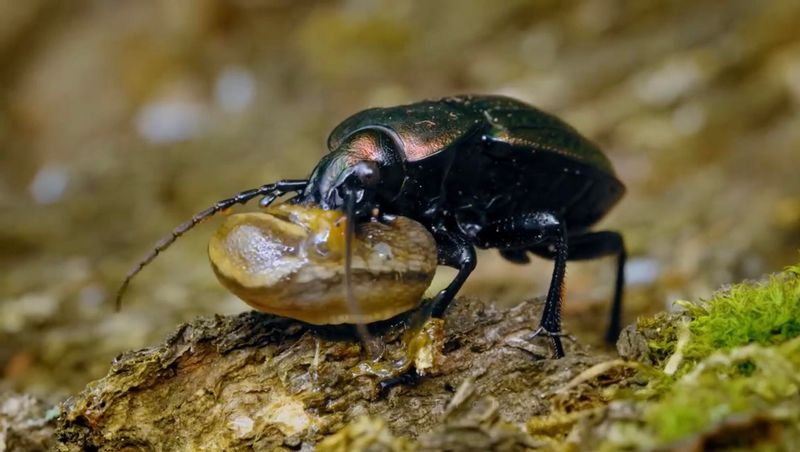
Every hero story needs a few helpers, and your garden has some. Birds, frogs, snakes, and beetles all enjoy a slug dinner.
As fall turns colder, some of these helpers slow down or leave. Many birds migrate south, and reptiles start getting sleepy.
That shift gives slugs a little more freedom to wander. Fewer hungry neighbors means more slugs survive each rainy Oregon night.
Ground beetles remain some of the best natural slug hunters. They hunt at night, just like slugs, and gobble up eggs and young ones.
You can invite these helpers to stay. Leave a small, rocky corner or a log pile far from your vegetable beds for beetles and garter snakes.
A shallow water dish or tiny pond attracts frogs and toads. These amphibians love moist fall evenings and happily snack on slugs.
Backyard chickens and ducks are also famous slug fans. Ducks especially will patrol a garden and slurp up slugs with enthusiasm.
Try to skip harsh chemical sprays when you can. Those products often harm the very creatures that keep slug numbers down.
Building a friendly home for predators takes patience. Over time, though, nature can do much of the hard work for you, and it costs far less than store-bought fixes.
9. Smart October Habits Protect Oregon Gardens
Gardening in the rainy season is a bit like playing chess with a very slow opponent. A few smart moves now can keep you ahead all season.
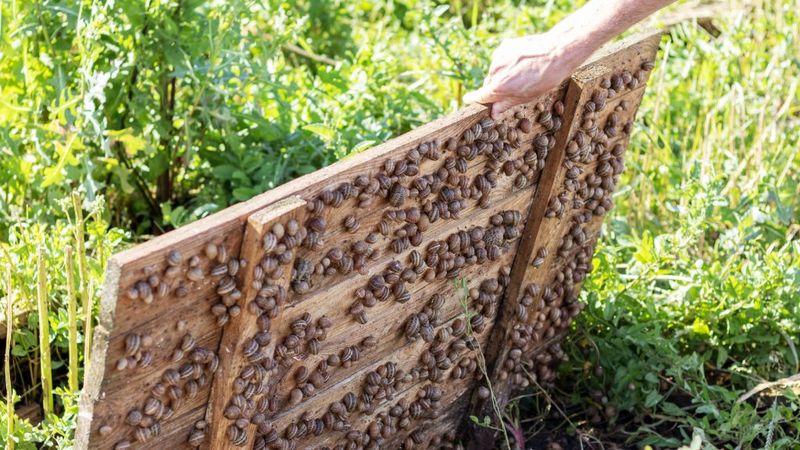
Start with a simple board trap. Lay a flat piece of wood on damp soil in the evening, then flip it over the next morning.
Slugs gather underneath to hide from daylight. You can collect them easily and move them far away or drop them into soapy water.
Next, pick plants slugs tend to skip. Rosemary, lavender, sage, ferns, and many ornamental grasses usually hold up well.
Raised beds with smooth sides make climbing harder. Adding a strip of copper tape on top gives extra protection.
Keep a weekly routine during wet months. Walk your garden with a flashlight once or twice after dark to see where slugs gather most.
Write down what you notice in a small notebook. Over a few seasons, you will learn the hot spots and the best times to act.
Remember that slugs are part of the natural cycle. They help turn dead leaves into soil, so the goal is balance rather than a slug-free yard.
With steady habits and a little curiosity, you can enjoy autumn rain and still harvest crisp, healthy greens.