The Watering Mistake That Stresses Arizona Citrus Trees In July
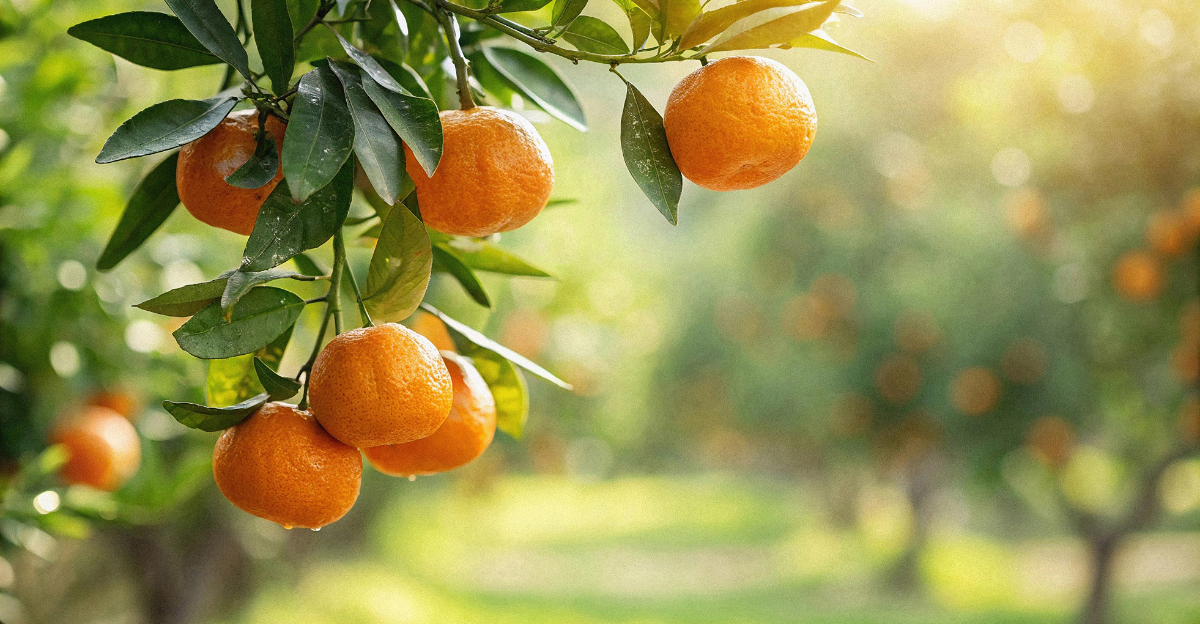
Arizona summers don’t ease up on citrus trees. Once temperatures push past 110, these trees start struggling in ways that aren’t always obvious from the porch.
Here’s the part most homeowners get wrong. A common watering habit, one that feels perfectly reasonable in extreme heat, ends up working against the tree instead of for it.
This mistake quietly undoes months of healthy growth, turning a thriving backyard citrus tree into one struggling to keep up. The fix isn’t complicated, but it does mean rethinking an assumption most people never question.
Get this wrong, and your tree pays for it well into fall.
The Real Impact Of Overwatering Citrus In Arizona Heat
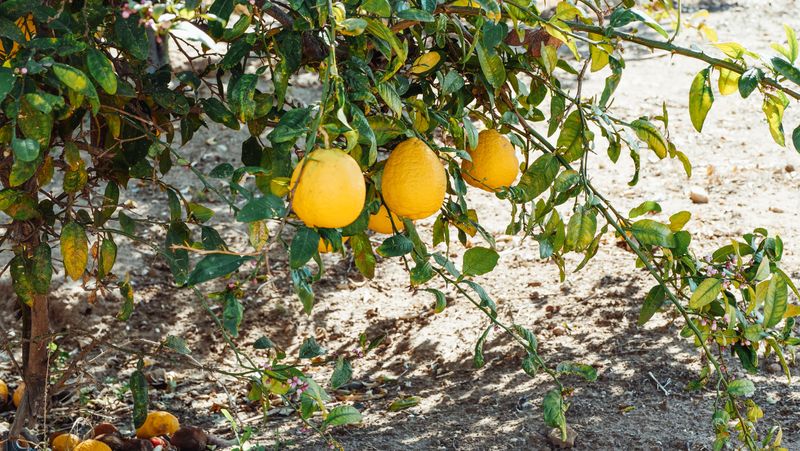
Soggy roots are a silent threat in desert gardens. Overwatering is the number one watering mistake that stresses Arizona citrus trees in July, and most homeowners never see it coming.
When soil stays wet too long, roots cannot breathe. They become waterlogged, and oxygen gets cut off from the root zone.
Without oxygen, roots start to rot. Rotting roots cannot absorb nutrients, even if the soil is packed with fertilizer.
The tree then sends distress signals through its leaves. You might notice yellowing, drooping, or leaf drop, all signs that something underground has gone wrong.
Arizona heat makes this worse in a sneaky way. The hot air makes the top layer of soil dry out fast, tricking you into thinking the tree needs more water.
But deeper soil can stay saturated for days. That trapped moisture creates the perfect environment for fungal root rot to spread.
Citrus trees are actually drought-tolerant once established. They prefer deep, infrequent watering over frequent shallow soaks.
A mature tree in July needs a thorough soak every seven to ten days. Young trees may need water every five to seven days, but only if the soil has dried out first.
Checking soil moisture before watering makes a real difference. Push a screwdriver or wooden dowel six inches into the ground near the drip line.
If it comes out damp, hold off on watering. Trusting the soil over the calendar is the smartest move you can make this summer.
Signs Your Citrus Tree Is Already Stressed
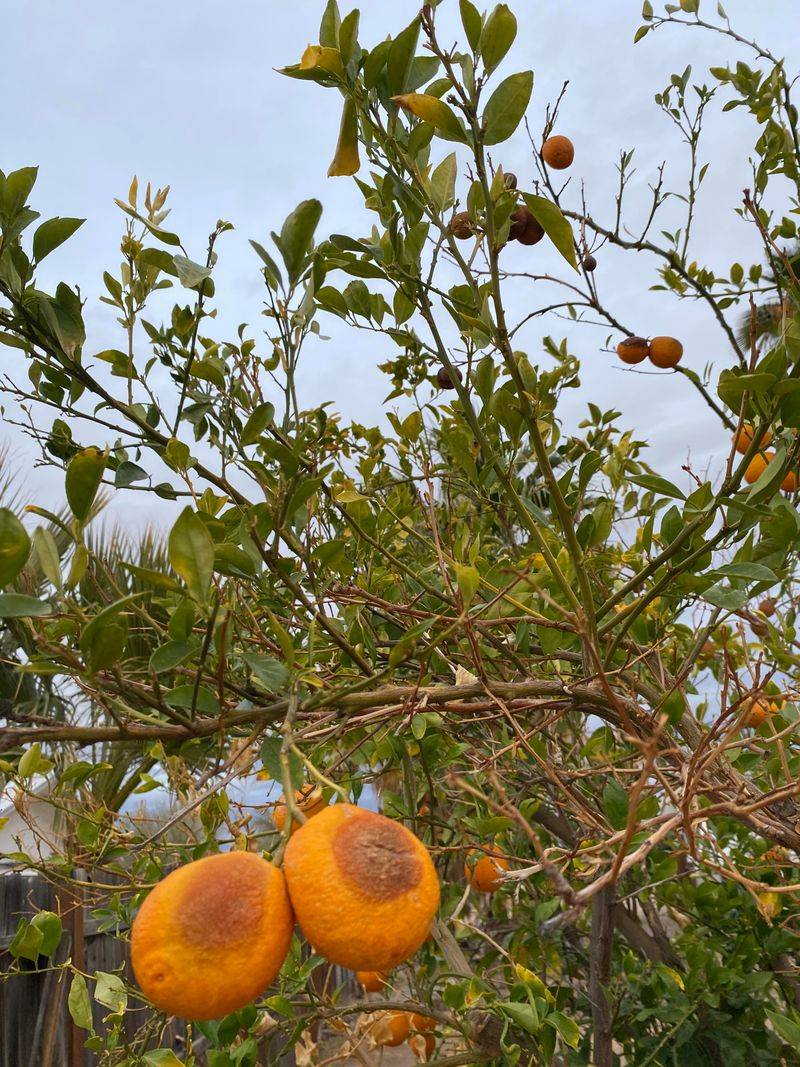
Your tree is talking to you, and the signs are easier to read than you think. Stress symptoms in citrus show up fast when July heat combines with poor watering habits.
Yellowing leaves are usually the first red flag. They can signal both overwatering and underwatering, so context matters a lot here.
Overwatered trees show soft, mushy yellow leaves that drop easily. Underwatered trees produce dry, crispy yellow leaves that curl inward at the edges.
Leaf drop is another major warning sign. A healthy citrus tree should not be shedding large amounts of foliage in midsummer.
Wilting during the hottest part of the day can be normal. But if your tree looks droopy in the early morning or evening, that points to a root problem.
Check the bark near the base of the trunk. Soft, discolored, or weeping bark can indicate crown rot, which is directly linked to excess moisture.
Your Arizona Garden Changes Every Week. Your Plan Should Too.
Gardening in Arizona changes quickly throughout the season. Every Friday you’ll receive a simple weekly plan showing exactly what to plant, prune, fertilize, harvest, and protect so you never miss the right timing.
Fruit drop before harvest is frustrating but telling. When a tree is stressed, it sheds fruit to conserve energy for survival.
Tiny fruit that stops growing mid-season is another clue. The tree is redirecting resources away from fruit production to cope with stress.
New growth that looks pale or stunted also raises a red flag. Healthy citrus should push out vibrant green shoots during the growing season.
Catching these signs early gives you a real chance to course-correct. Act fast, and your tree can bounce back before the season ends.
The Right Watering Schedule For July
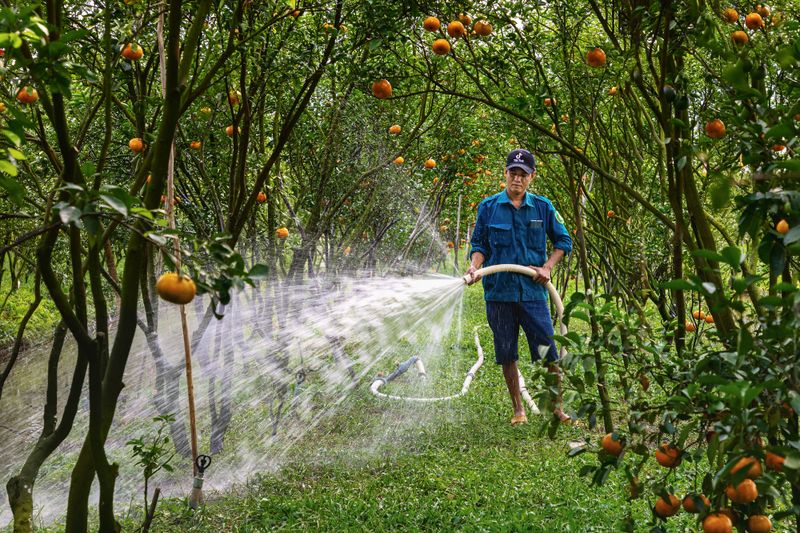
Getting the schedule right makes all the difference in desert gardening. The watering mistake that stresses Arizona citrus trees in July often comes down to timing and frequency being completely off.
Deep watering is the golden rule for citrus. One long, slow soak beats several quick sprinkles in Arizona heat.
Water should reach at least 24 to 36 inches deep into the soil. That depth encourages roots to grow downward, away from surface heat.
For mature trees, watering every seven to ten days works well in July. Adjust based on your soil type, tree size, and recent rainfall.
Water in the early morning when temperatures are lower. Evening watering can leave moisture sitting on foliage overnight, which invites fungal problems.
Drip irrigation is the most efficient system for desert citrus. It delivers water slowly and directly to the root zone without waste.
Position emitters at the drip line, not at the trunk. The drip line is the outer edge of the canopy, where feeder roots are most active.
Running your drip system for two to four hours per session is a solid starting point. Adjust based on how quickly your soil drains.
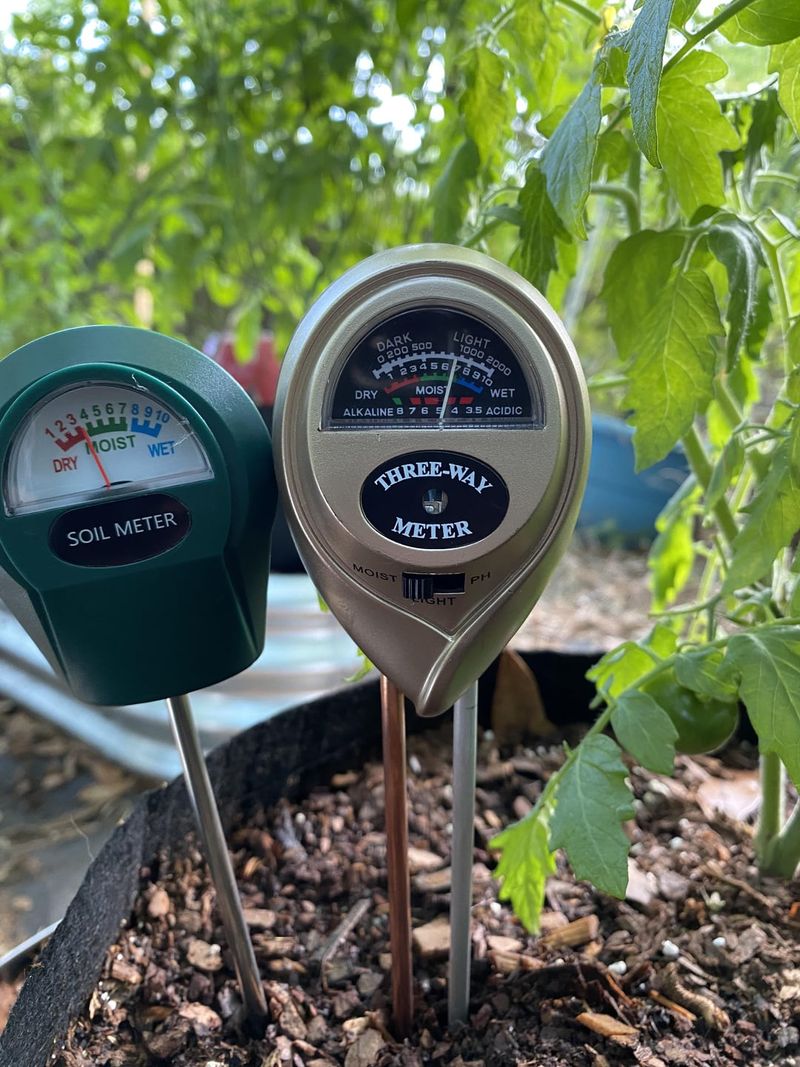
A rain gauge or soil moisture meter takes the guesswork out of the process. These simple tools are inexpensive and widely available at garden centers.
Consistency matters more than perfection when it comes to scheduling. A steady routine gives your citrus the stability it needs to thrive all summer long.
Soil And Drainage Factors That Change The Rules
Not all soil is created equal, and in the desert, that difference is huge. The type of ground your citrus tree grows in directly controls how often it actually needs water.
Sandy soil drains fast, sometimes too fast. Water moves through it quickly, which means roots dry out sooner and you may need to water more frequently.
Clay soil holds moisture for a long time. In July, this can be dangerous because roots stay wet far longer than they should.
Caliche, a hardpan layer common in Arizona yards, is a serious drainage blocker. It prevents water from moving downward, causing pooling right in the root zone.
If you have caliche, you may need to break through it when planting or use a chisel to create drainage holes. Without intervention, even a solid watering schedule can fail.
Amended soil with organic compost improves both drainage and water retention. It creates a balanced environment where roots can breathe and stay hydrated at the same time.
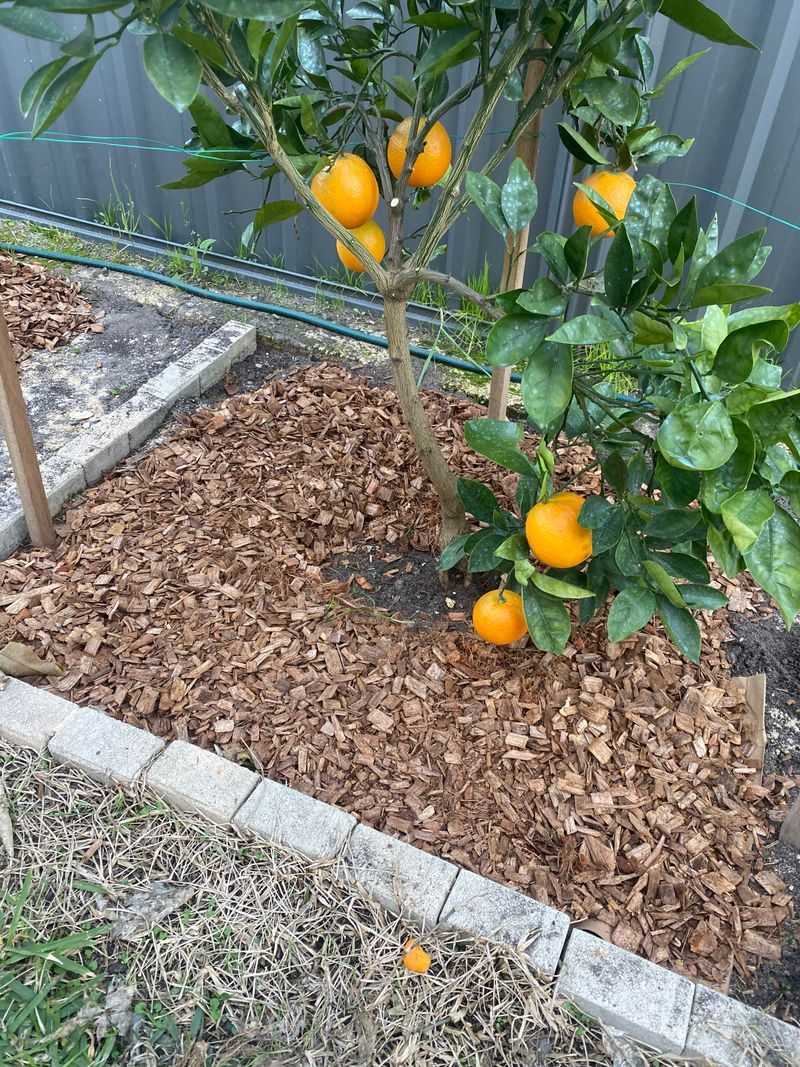
Mulching around the tree makes a significant difference in summer. A three to four inch layer of wood chips reduces evaporation and keeps soil temperature more stable.
Keep mulch away from the trunk to prevent rot. A gap of about six inches between the mulch and trunk base protects the bark from moisture damage.
Testing your soil before adjusting your watering routine is a smart move. Knowing your soil type removes the guesswork and helps you water with real confidence.
Common Watering Mistakes Beyond Overwatering
Overwatering gets all the attention, but other watering habits can quietly damage your citrus too. July is unforgiving, and small mistakes add up fast under that desert sun.
Watering at the trunk instead of the drip line is a classic error. The trunk has no feeder roots, so the water just sits there and softens the bark.
Shallow, frequent watering trains roots to stay near the surface. Surface roots are exposed to extreme heat and dry out rapidly during a heatwave.
Using a sprinkler system meant for grass is another common misstep. Grass needs daily light watering, while citrus needs deep, infrequent soaks on a different schedule entirely.
Watering during the hottest part of the afternoon wastes water and stresses the tree. High heat causes rapid evaporation, meaning most of the moisture never reaches the roots.
Ignoring the weather forecast leads to over-application. If monsoon rains are expected, skip your scheduled watering and let nature handle it for free.
Using water with high salt content can build up in the soil over time. Salt accumulation blocks nutrient absorption and slowly weakens the tree from the inside out.
Occasional deep flushing of the soil helps push salts down below the root zone. This is especially important if you use well water or notice white crust forming on the soil surface.
Paying attention to these smaller habits makes a measurable difference. A few small tweaks to your routine can protect your tree through the toughest months of the year.
A Simple Citrus Care Checklist For Late Summer
Late summer does not have to feel overwhelming when you have a solid plan. A simple checklist keeps your citrus healthy through August and sets it up for a strong fall harvest.
First, check soil moisture before every single watering session. Use a screwdriver, moisture meter, or your finger pushed six inches into the ground near the drip line.
Second, inspect leaves and bark once a week for stress signals. Catching problems early means easier fixes and less damage to the overall tree health.
Third, confirm your drip emitters are working and positioned at the drip line. Clogged or misplaced emitters are surprisingly common and easy to overlook during routine yard care.
Fourth, replenish your mulch layer if it has thinned out. A fresh layer of wood chips keeps soil cooler and reduces how much water evaporates between sessions.
Fifth, hold off on fertilizing stressed trees during peak heat. Fertilizer pushes new growth, and tender new growth burns easily in triple-digit temperatures.
Sixth, flush the soil with a deep soak once a month to push out salt buildup. This one step protects nutrient absorption and keeps the root zone healthy long-term.
Seventh, adjust your schedule after every monsoon event. Free rainfall counts, and skipping a watering session after a good storm is usually the smart move.
Avoiding the watering mistake that stresses Arizona citrus trees in July comes down to staying observant. A consistent checklist habit turns good intentions into real, lasting results for your trees.