These Are The Pennsylvania Fruits Ready To Harvest In June
June in Pennsylvania is one of the most exciting times of year for fruit lovers. The warm days and mild nights create perfect growing conditions, and orchards, gardens, and wild patches across the state start bursting with ripe, colorful fruit.
Whether you enjoy picking your own at a local farm or shopping at a farmers market, knowing what is ready to harvest in June can make your summer so much sweeter.
From juicy strawberries to tart cherries and wild mulberries, Pennsylvania offers a surprising variety of fruits that peak right at the start of summer, and each one brings something special to the table.
1. Strawberry
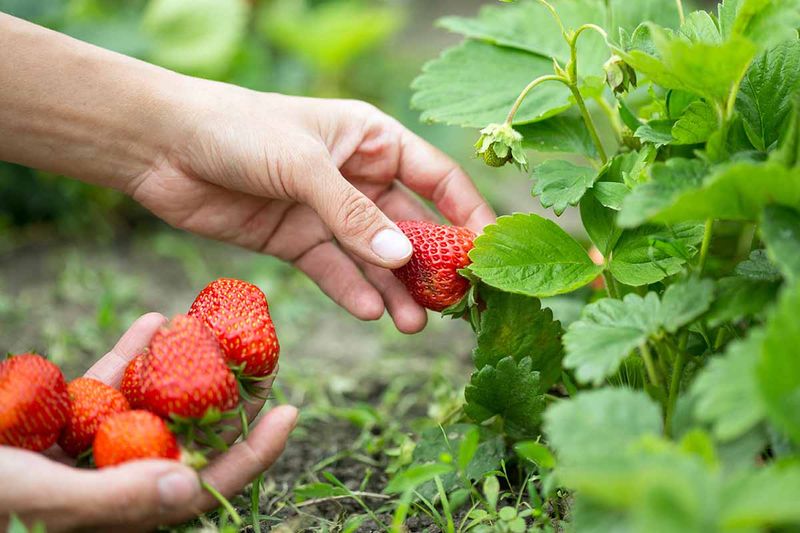
Nothing says early summer in Pennsylvania quite like a fresh-picked strawberry. Warm and fragrant, with that deep red color you only get from fruit that ripened slowly in the sun, June strawberries are in a league of their own.
Grocery store berries simply cannot compete with what you find straight from the field. June is peak strawberry season throughout the state, and farms offering pick-your-own experiences fill up fast.
Many growers in Lancaster, Chester, and Bucks counties open their fields as early as the first week of June.
Arriving early in the morning gives you the best selection and the coolest picking conditions.
Strawberries are incredibly versatile once you bring them home. You can enjoy them fresh with a little cream, blend them into smoothies, or bake them into pies and shortcakes. They also freeze beautifully, so it is worth picking a large batch while the season lasts.
One thing to keep in mind is that strawberry season in Pennsylvania is short, typically lasting only two to three weeks. Timing your visit matters.
A rainy stretch can soften the berries quickly, so check local farm updates before heading out.
From a nutrition standpoint, strawberries are loaded with vitamin C, fiber, and antioxidants. A single cup provides more than 100 percent of your daily vitamin C needs.
They are low in calories too, making them one of the healthiest snacks you can grab during summer. Pennsylvania-grown strawberries have a rich, sweet flavor that reflects the region’s fertile soil and just the right amount of summer sunshine.
2. Sweet Cherry
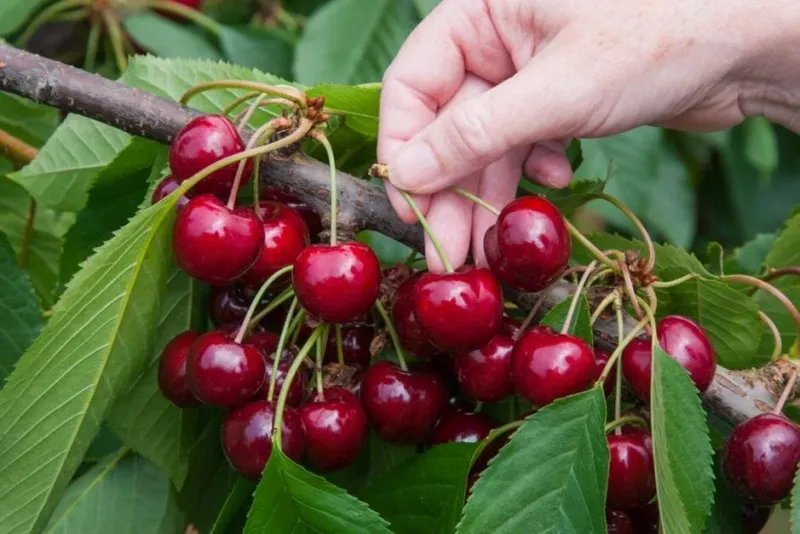
Sweet cherries have a way of making you feel like summer has truly arrived. Biting into one that was just pulled from a tree in a Pennsylvania orchard is a completely different experience from anything you find in a bag at the grocery store.
The flavor is bold, rich, and almost candy-like without any added sugar. In Pennsylvania, sweet cherry trees typically begin ripening toward the latter half of June. The timeline can shift depending on elevation and local weather patterns.
Orchards in the southern and central parts of the state often see cherries ready a bit earlier than those farther north.
Popular varieties grown in Pennsylvania include Bing, Rainier, and Lapins. Bing cherries are the classic dark red type most people picture.
Rainier cherries are yellow with a rosy blush and tend to be even sweeter. Both varieties do well in the state’s climate and are favorites among local orchards.
Your Pennsylvania Garden Changes Every Week. Your Plan Should Too.
Gardening in Pennsylvania changes quickly throughout the season. Every Friday you’ll receive a simple weekly plan showing exactly what to plant, prune, fertilize, harvest, and protect so you never miss the right timing.
Sweet cherries are wonderful eaten fresh, but they also work beautifully in recipes. Cherry clafoutis, cherry compote, and homemade cherry jam are all excellent ways to use a generous harvest.
You can also pit and freeze them for use in smoothies and baked goods throughout the rest of the year.
Did you know that cherry trees need a certain number of cold winter hours to produce a good crop? Pennsylvania’s winters are actually ideal for this.
The cold snaps that make winter feel endless are quietly doing important work, setting the stage for that spectacular June harvest. Supporting local orchards by visiting in person also helps keep small family farms thriving across the state.
3. Tart Cherry
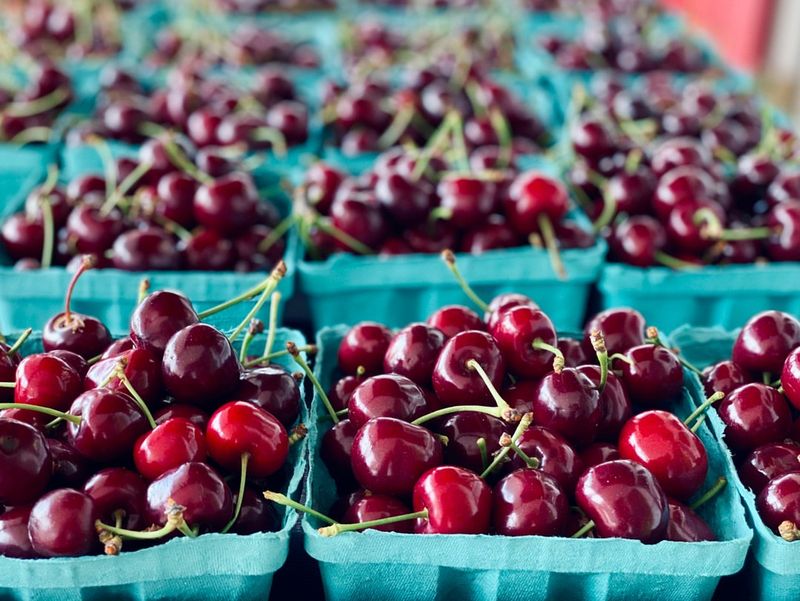
Tart cherries might not be the first thing you reach for at a fruit stand, but bakers and jam makers across Pennsylvania know their true value.
Also called sour cherries, these small, vivid red fruits pack an intense flavor that sweet cherries simply cannot replicate. That punchy tartness is exactly what makes a cherry pie taste like a cherry pie.
Harvest time for tart cherries in Pennsylvania typically falls in late June and stretches into early July. The Montmorency variety is by far the most common type grown in the state.
It produces bright red, juicy fruit with a pleasantly sharp taste that balances well with sugar in recipes.
Tart cherries are especially prized for preserves, jams, and canned pie fillings. Many Pennsylvania families have traditions of putting up jars of cherry preserves each summer to enjoy through the colder months.
There is something deeply satisfying about opening a jar of homemade cherry jam in January and tasting that summer flavor all over again.
Beyond the kitchen, tart cherries have earned a reputation as a health food. Research suggests they contain high levels of antioxidants and compounds that may help reduce muscle soreness and support better sleep.
Athletes and health-conscious eaters have taken notice, and tart cherry juice has become increasingly popular.
Finding tart cherries at a local Pennsylvania orchard or farmers market is worth the effort. They are rarely sold in large grocery chains because they bruise easily and have a short shelf life.
Picking them yourself or buying directly from a grower ensures the freshest possible fruit for your kitchen projects.
4. Mulberry
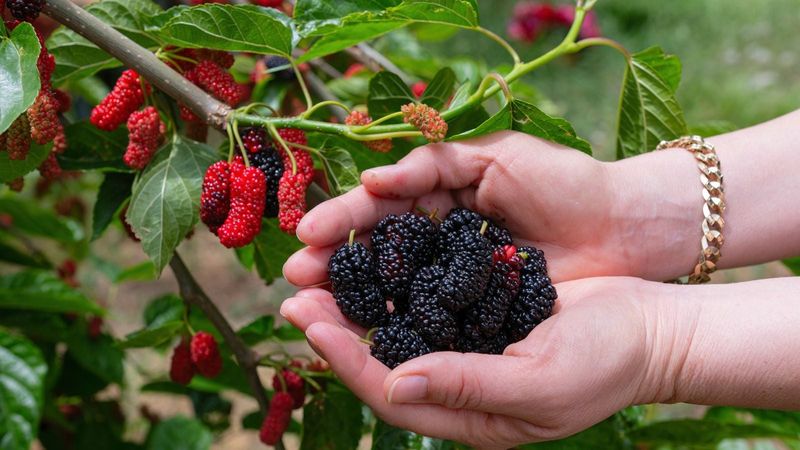
Mulberries are one of summer’s best-kept secrets. Most people walk right past a mulberry tree without knowing what they are looking at, and that is honestly a shame.
When the berries are fully ripe in June, they are sweet, juicy, and absolutely worth getting your hands stained for.
Mulberry trees grow across Pennsylvania, often appearing in backyards, along fence lines, and at the edges of wooded areas. They are not typically found on commercial farms, which makes them more of a forager’s treasure.
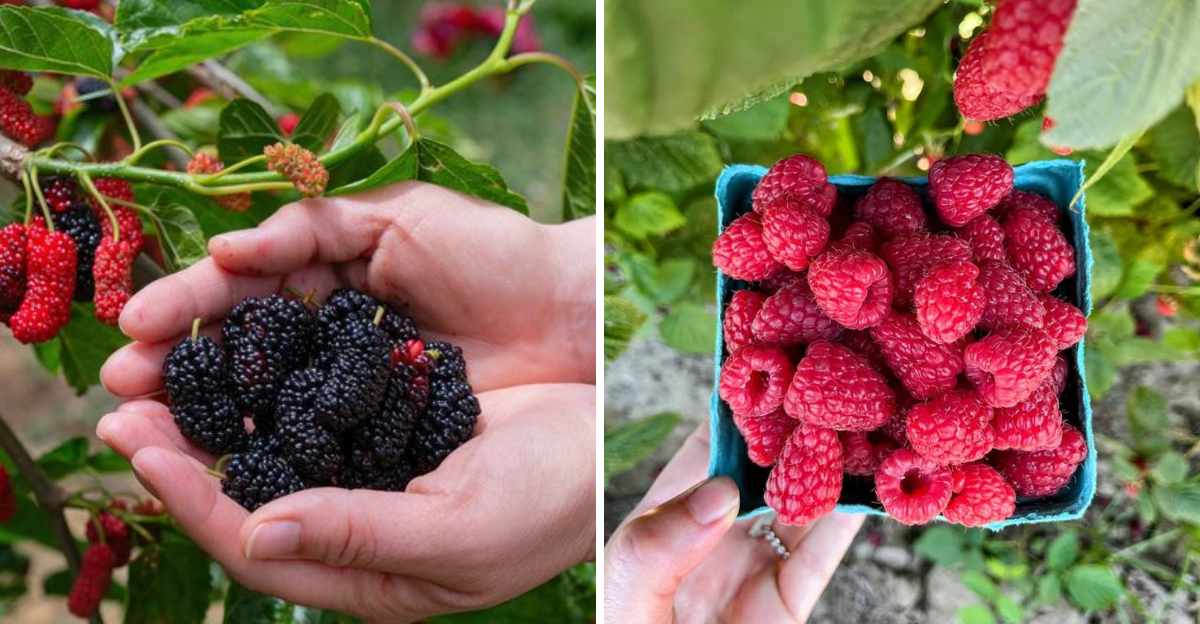
Red mulberries are native to the region, while white and black mulberry varieties were introduced from Asia and Europe long ago and have naturalized well throughout the state.
Ripe mulberries are soft and fragile, which is why you rarely see them sold in stores. The best way to harvest them is to spread a clean sheet or tarp under the tree and gently shake the branches.
Ripe berries fall easily. Anything that requires serious tugging is not ready yet. In the kitchen, mulberries shine in cobblers, muffins, syrups, and homemade wine.
Their flavor is mildly sweet with a subtle earthiness that pairs well with lemon zest or vanilla. They can be frozen on a baking sheet and stored in bags for months.
Mulberry harvest timing varies slightly depending on where you are in Pennsylvania. Trees in warmer, lower-elevation areas tend to ripen earlier in June, while those in cooler regions may hold off until late in the month.
Keeping an eye on nearby trees and checking daily is the best strategy during peak season.
5. Serviceberry
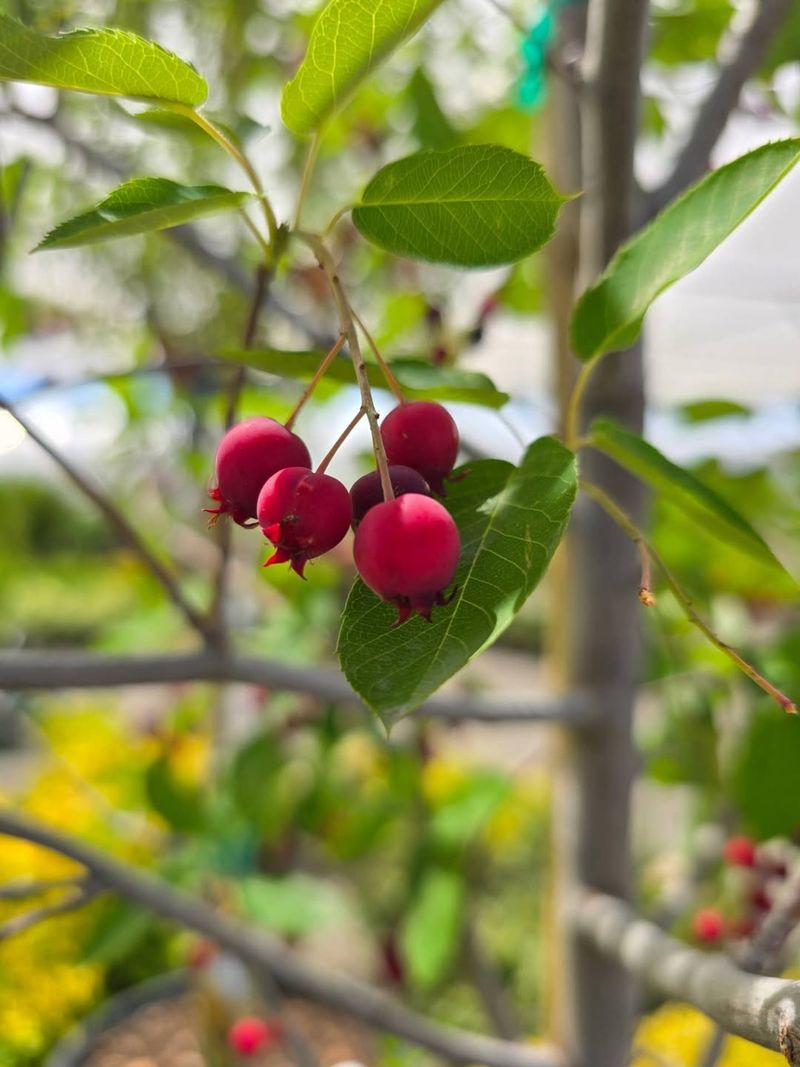
Long before European settlers arrived, Indigenous communities across the Northeast were harvesting serviceberries every June.
Also called juneberries, shadblow, or saskatoon berries depending on the region, these small native fruits have a quiet charm that is easy to overlook but impossible to forget once you have tasted them.
Serviceberries grow on shrubs and small trees found throughout Pennsylvania, particularly in woodland edges, stream banks, and open hillsides. They ripen in June, often before many other fruits have even formed.
The berries resemble small blueberries in shape and color, ranging from red to deep purple when fully ripe, but their flavor is something entirely their own: mildly sweet with a hint of almond.
That faint almond note comes from the seeds inside, which contain a small amount of a naturally occurring compound similar to what gives almonds their flavor. It is subtle and pleasant, making serviceberries especially interesting to use in baked goods.
Serviceberry muffins, pies, and pancakes have a unique depth of flavor that regular blueberries cannot quite match.
Finding serviceberries takes a little know-how. They are not sold in most stores and are rarely featured at farmers markets.
Learning to identify the shrubs by their oval leaves, smooth gray bark, and early spring white blossoms is the key to tracking them down in the wild.
From a wildlife perspective, serviceberry plants are incredibly valuable. Birds absolutely love the fruit, so if you find a productive shrub, you may need to act quickly before the local bird population beats you to it.
Planting one in your yard is a wonderful way to support native wildlife while growing your own food.
6. Raspberry
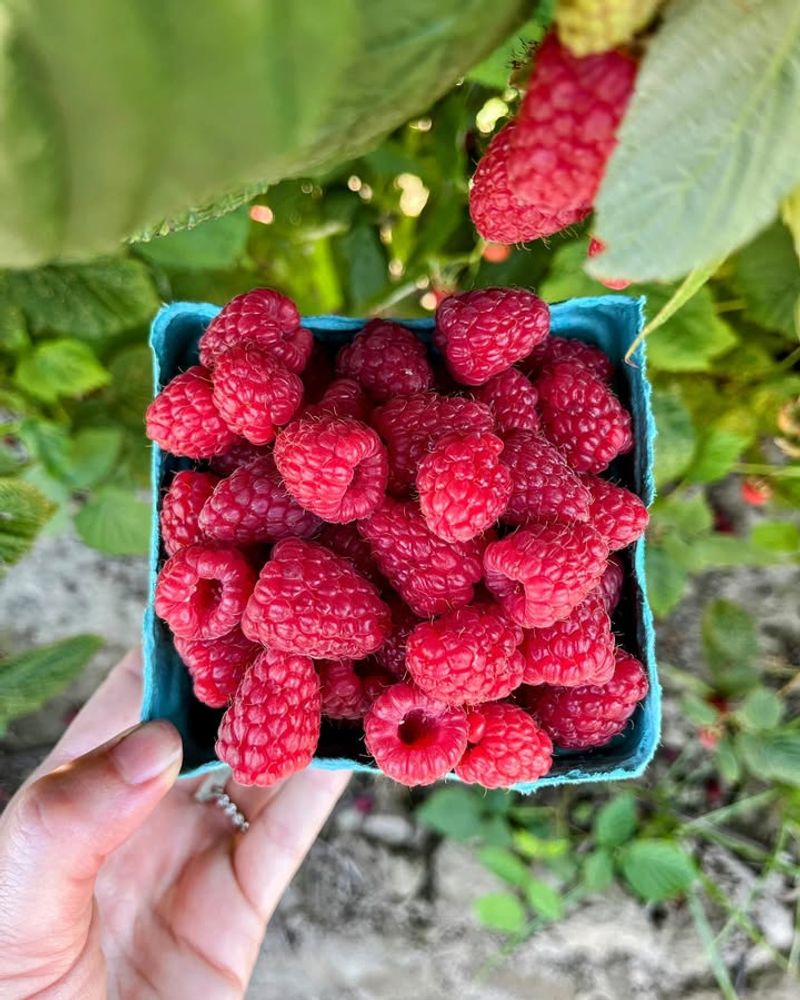
There is something almost magical about finding the first ripe raspberry of summer clinging to its cane in late June.
It is small, bright red, and perfectly formed, and the moment you pop it in your mouth, you understand why so many people consider it the ultimate summer berry. The flavor is floral, slightly tart, and intensely fruity all at once.
In Pennsylvania, summer-bearing raspberry varieties begin producing in late June, with the harvest typically peaking through July. These are the classic type most gardeners grow, producing one large crop per season.
Popular varieties suited to the state’s climate include Latham, Killarney, and Heritage, all of which handle Pennsylvania’s variable summer weather reasonably well.
Raspberries are surprisingly easy to grow at home, which is one reason so many Pennsylvania gardeners have at least a small patch. They prefer well-drained soil, plenty of sun, and good air circulation to stay healthy.
Once established, a well-maintained row of canes can produce abundantly for many years with minimal effort.
At the farmers market or pick-your-own farm, raspberries tend to go fast. They bruise easily and have a very short shelf life, so buying them fresh and using them within a day or two is the way to go.
Raspberry jam, raspberry vinaigrette, and fresh raspberry tarts are all excellent ways to celebrate the harvest.
Nutrition-wise, raspberries are remarkable. They are high in fiber, vitamin C, and a group of plant compounds called ellagitannins, which researchers are actively studying for their potential health benefits.
Eating a handful of fresh Pennsylvania raspberries in June is both a treat and genuinely good for you.