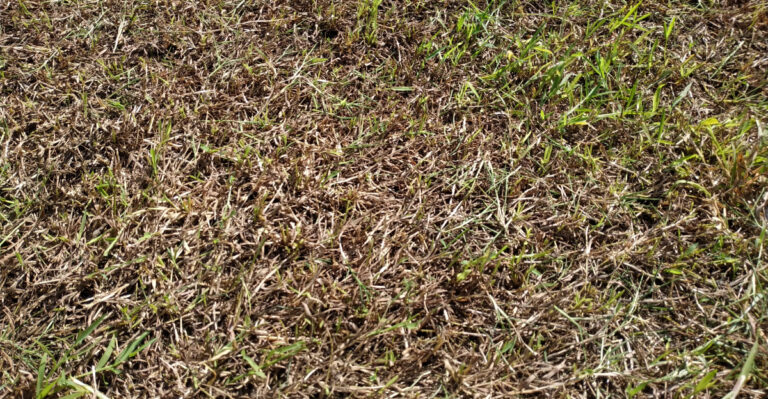
What Pennsylvania Rose Owners Should Do About Japanese Beetle Damage This July
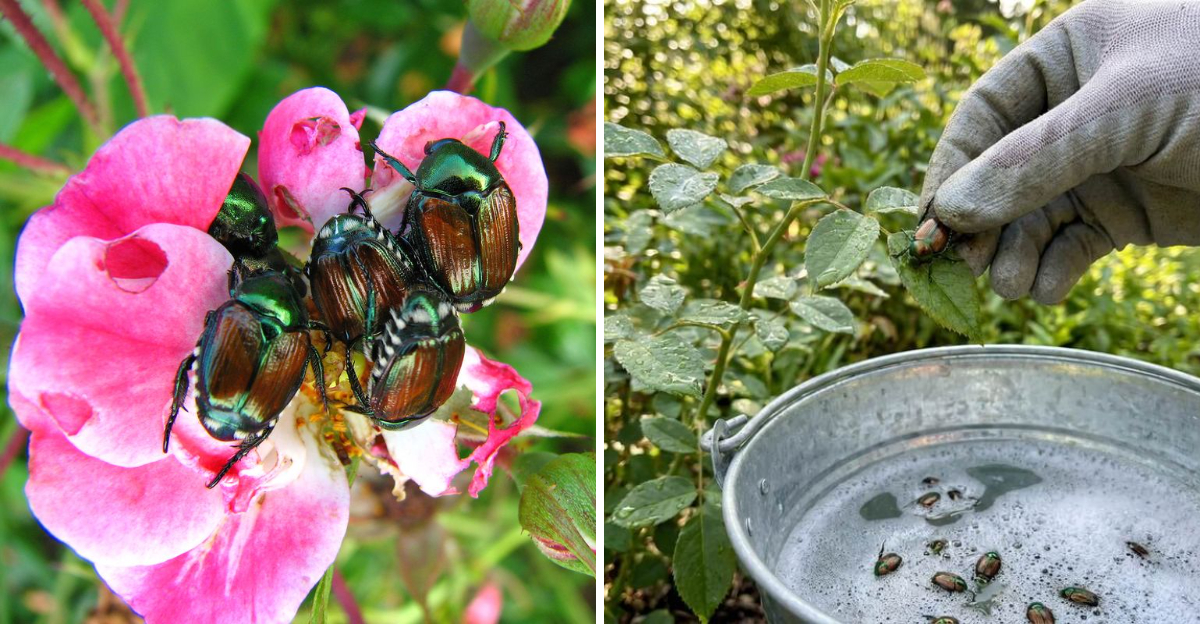
July and Japanese beetles have a long-standing agreement to show up in Pennsylvania rose beds at exactly the same time, and neither of them is particularly subtle about it.
These shiny copper-and-green insects emerge from the soil in late June with a very specific agenda, and roses are near the top of their preferred menu.
Skeletonized leaves, ragged buds, and flowers that barely open before getting worked over are the calling cards most Pennsylvania rose growers know all too well by midsummer.
The frustrating part is that Japanese beetle pressure can feel relentless once it builds.
The encouraging part is that there are practical, well-documented steps that can make a real difference in how your roses hold up through July and beyond. Knowing what to look for and when to act is genuinely half the battle here.
1. Check Roses Every Morning
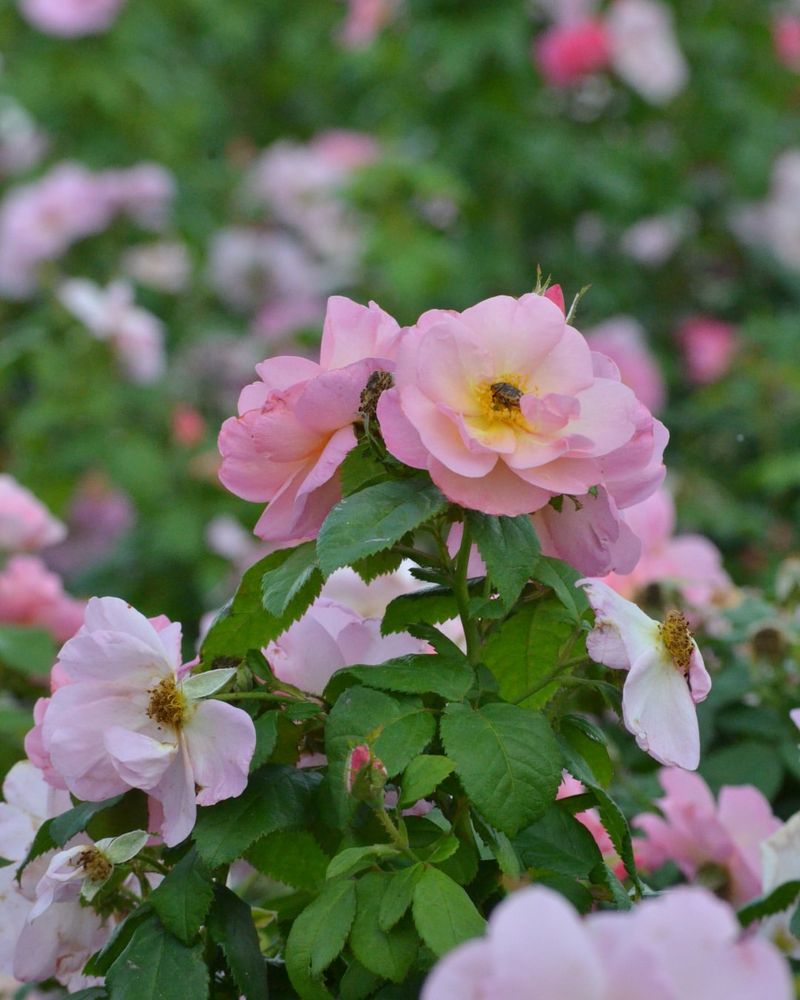
Cool mornings in Pennsylvania have a way of slowing beetles down, and that works in a rose owner’s favor.
Adult Japanese beetles are less active when temperatures are lower, which makes the early hours of the day one of the better windows to spot them resting on leaves and blooms before they begin feeding in earnest.
Building a quick morning walk-through into your daily routine can help you catch beetle activity early, before groups of beetles have a chance to gather and cause heavier feeding damage.
When you head out to check your roses, look closely at the upper surfaces of leaves, along the edges of petals, and around opening buds. Beetles tend to cluster, so finding one or two often means more are nearby.
Pay attention to any leaves that look lacy or thin, since that kind of damage is a sign that feeding has already started in that area of the plant.
Pennsylvania rose gardens can change quickly once adult beetles emerge in midsummer, so a daily check gives you a clearer picture of how much activity is happening in your specific yard.
Not every garden will see the same level of beetle pressure, and some spots may attract more beetles than others depending on nearby plants, sun exposure, and landscape conditions.
Staying consistent with your morning checks helps you respond thoughtfully rather than reactively.
2. Hand-Pick Beetles Into Soapy Water
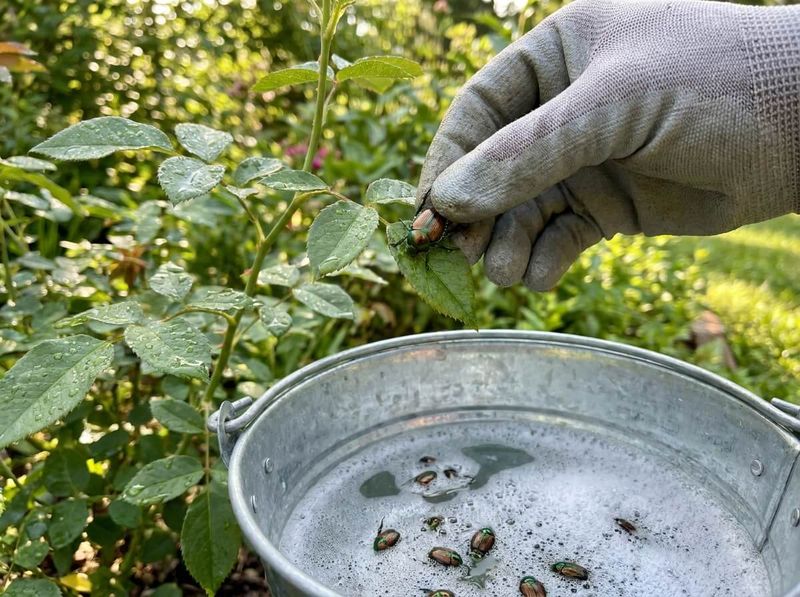
A bucket of warm, soapy water and a steady hand can go a long way when beetle numbers are still manageable on your Pennsylvania roses.
Hand-picking is one of the more practical approaches for home gardeners dealing with moderate beetle activity, especially when done during the cooler morning hours when beetles move more slowly and are easier to knock off stems and petals without much effort.
Fill a container with water and a small amount of dish soap, then hold it beneath a branch or bloom where beetles are resting. A gentle tap or flick of the branch sends beetles dropping straight into the water below.
The soap reduces surface tension so beetles cannot float or escape easily. Work through the plant methodically, checking both the upper and lower surfaces of leaves as well as around buds and open flowers where beetles often gather in clusters.
Your Pennsylvania Garden Changes Every Week. Your Plan Should Too.
Gardening in Pennsylvania changes quickly throughout the season. Every Friday you’ll receive a simple weekly plan showing exactly what to plant, prune, fertilize, harvest, and protect so you never miss the right timing.
Hand-picking works best when you are dealing with a smaller rose bed or a few container roses on a patio rather than a large landscape planting.
It takes time and patience, and it does not prevent new beetles from arriving from surrounding areas, since adult Japanese beetles are mobile insects that can travel to find feeding sites.
Still, removing beetles by hand on a regular basis during July can help reduce the number actively feeding on your roses at any given time, which may limit the overall foliage and flower damage you see through the season.
3. Remove Beetles Before Feeding Gets Heavy
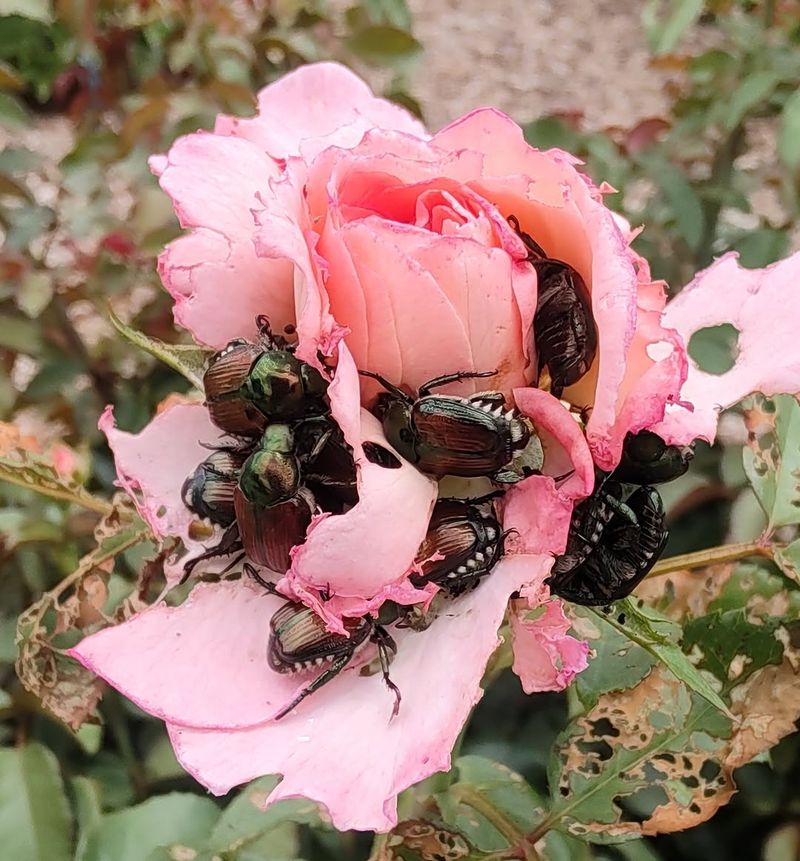
Timing matters more than many rose owners realize when it comes to beetle feeding. Adult Japanese beetles release aggregation pheromones as they feed, which can attract additional beetles to the same plant.
Removing beetles from your roses before a large group has a chance to settle in and feed heavily may help reduce the concentration of activity on any single plant in your Pennsylvania garden.
July is when adult beetle populations are often at their peak in Pennsylvania, so acting early in the season gives you a better opportunity to stay ahead of heavier feeding episodes.
If you notice a few beetles starting to cluster on a particular rose, that is a good moment to step in and remove them rather than waiting to see how the situation develops.
Leaving a feeding group undisturbed for several days can result in noticeably more leaf and flower damage than you might expect from just a handful of insects.
Removing beetles promptly does not mean your roses will be completely free of beetle activity for the rest of the month, since new adult beetles can continue to emerge and move through Pennsylvania landscapes through much of July and into early August.
The goal is to reduce the severity of individual feeding events rather than to eliminate all beetle presence.
Staying attentive and responding when you see early clustering gives your roses a better chance of holding onto healthy foliage and blooms through the heart of summer.
4. Watch For Skeletonized Rose Leaves
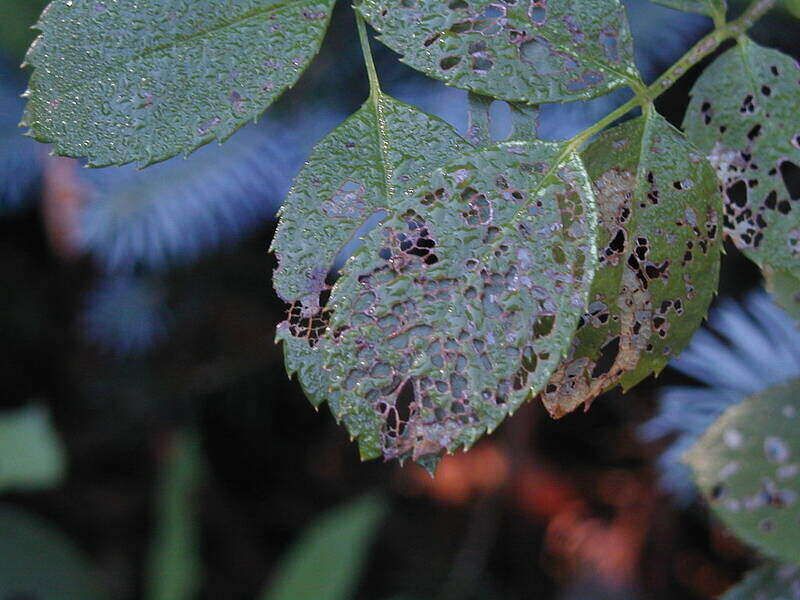
Rose leaves turning thin, lacy, and almost see-through are one of the clearest signs that Japanese beetles have been feeding in your Pennsylvania garden.
This type of damage, often called skeletonizing, happens when beetles eat the soft tissue between the leaf veins while leaving the veins themselves intact.
The result is a leaf that looks like a delicate skeleton of its former self, and it can appear on a single plant or spread across several roses in the same bed if beetle activity goes unchecked.
Skeletonized leaves are not just a cosmetic issue. Leaves play an important role in helping a rose plant capture sunlight and produce the energy it needs to stay healthy through the growing season.
When a significant portion of the foliage is damaged, the plant may show signs of stress, including reduced flowering and slower new growth.
Catching this damage early and removing beetles before it spreads can help your roses retain more of their functional leaf surface through the summer.
Keep in mind that some skeletonizing damage may already be present before you notice it, especially on the inner or lower portions of the plant where beetles can feed more quietly.
Make it a habit to look beyond the outermost leaves and check deeper into the canopy of your rose bushes.
Pennsylvania gardens with heavy beetle pressure may see more widespread skeletonizing, while others may only notice it on a few branches or individual leaves scattered across the plant.
5. Inspect Rose Buds And Flowers Closely
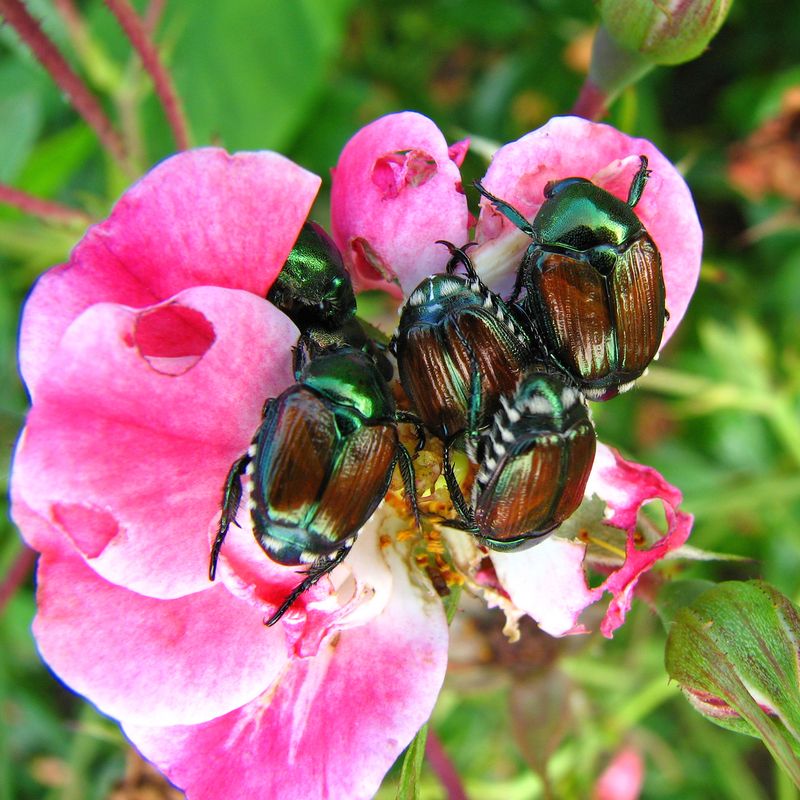
Summer buds opening in July are particularly appealing to adult Japanese beetles, which are drawn to the fragrance and warmth of rose flowers in full or partial bloom.
Beetles often target the soft tissue of petals and the centers of opening buds, and a cluster of beetles on a single bloom can cause noticeable petal damage within a short period of feeding time.
Checking buds and flowers closely during your morning garden walk gives you a chance to spot this activity before it progresses.
Look for beetles tucked inside partially open blooms, resting along petal edges, or gathering near the base of flower heads where the petals meet the stem.
Roses with lighter-colored flowers and strong fragrance can sometimes attract more beetle attention, though beetles are not especially selective and will feed across a wide variety of rose types found in Pennsylvania home gardens.
If you find beetles inside a bud, removing them by hand and dropping them into soapy water is a straightforward response.
Heavily damaged buds may not open cleanly, and flowers that are partially fed upon can look ragged and worn before they have a chance to fully bloom. While this is disappointing, it does not necessarily mean the plant is in serious trouble.
Roses are resilient plants, and many will continue pushing out new buds through the season even after some flowers are affected by beetle feeding.
Keeping up with regular inspections through July helps you stay aware of how much flower damage is occurring across your rose beds.
6. Avoid Beetle Traps Near Roses
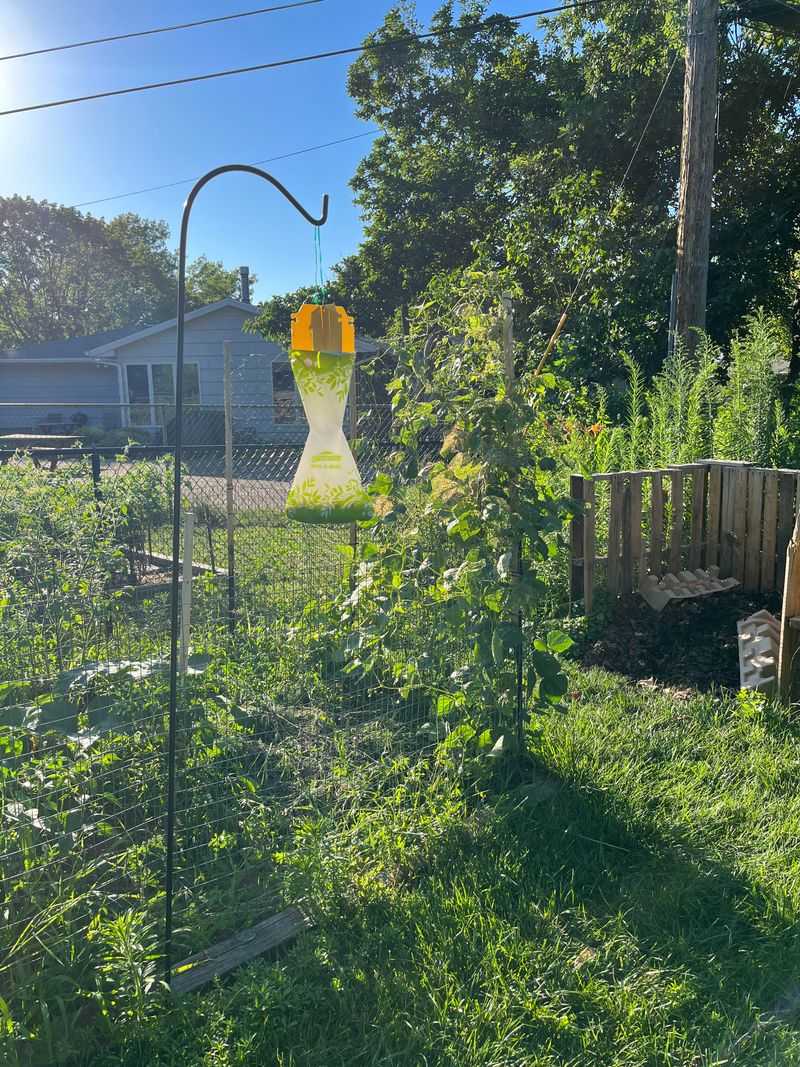
Beetle traps sold at garden centers use floral and pheromone lures to attract adult Japanese beetles, and they can draw in large numbers of insects from the surrounding area.
The concern for Pennsylvania rose owners is that traps placed too close to rose beds may actually pull more beetles toward your garden than would have arrived on their own.
Research on Japanese beetle traps has suggested that placement matters significantly, and positioning a trap near your roses could increase the feeding pressure on your plants rather than reducing it.
If you choose to use a beetle trap, placing it well away from your rose beds – at the edge of your property or in a part of the yard away from ornamental plantings – is the more cautious approach.
Even then, traps are not a guaranteed solution, and some beetles attracted to the lure will not end up in the trap at all.
Understanding this limitation helps you set realistic expectations about what traps can and cannot do in a residential landscape.
Many Pennsylvania rose gardeners find that hand-picking and careful monitoring are more reliable for managing beetle activity directly on their plants, without the risk of drawing additional insects toward valued rose beds.
Traps may have a place in some management situations, but using them thoughtfully and keeping them at a meaningful distance from your roses is a sensible precaution during the height of July beetle activity across Pennsylvania landscapes and home gardens.
7. Use Insecticides Only With Care
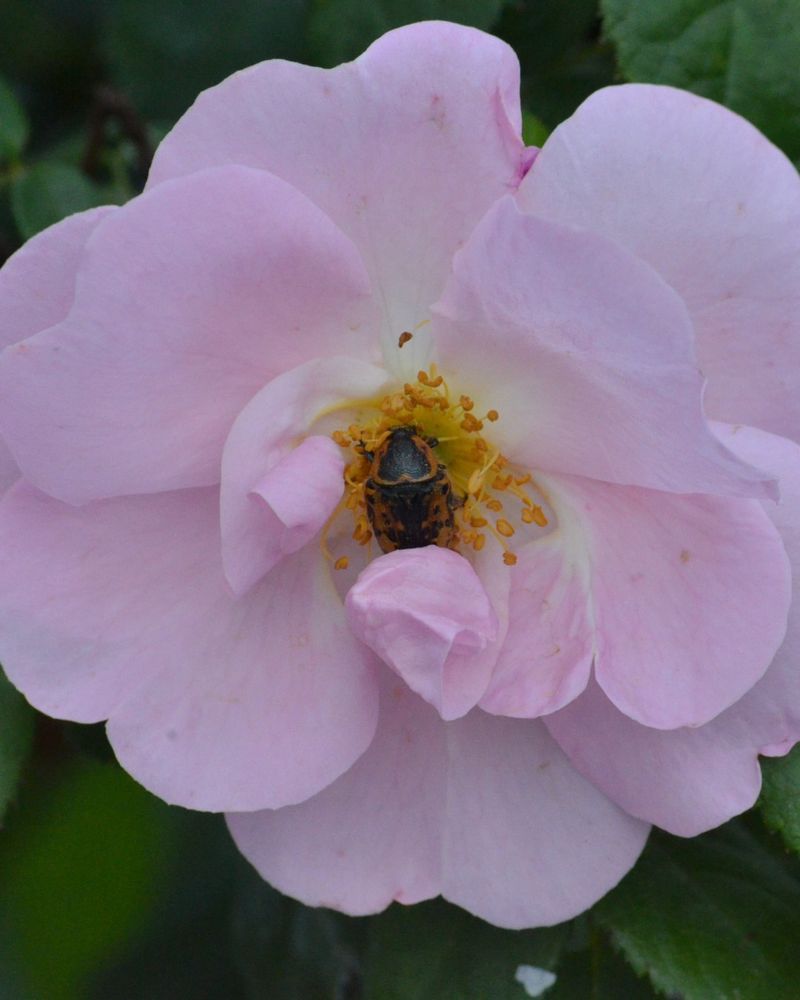
Reaching for an insecticide is sometimes a consideration when hand-picking alone does not seem to be keeping up with beetle activity on Pennsylvania roses, but careful label reading and thoughtful timing are genuinely important before applying any product.
Many insecticides labeled for Japanese beetle control on ornamental plants can also affect pollinators and beneficial insects if applied while roses are in bloom and actively attracting bees and other visitors.
Avoiding applications during open bloom periods helps reduce unintended effects on the insects that support your garden.
If you decide that an insecticide is appropriate for your situation, choosing a product labeled specifically for use on ornamental roses and for Japanese beetle control is an important starting point.
Follow all label directions carefully, including rates, timing, and any safety intervals noted on the packaging.
Some products offer residual protection that lasts several days, while others break down more quickly. Neither type is without trade-offs, and no insecticide eliminates all beetle activity from a garden.
Pennsylvania rose owners who garden near vegetable beds, water features, or areas where children and pets spend time should pay particular attention to label safety guidance before applying any pest-management product.
Morning or evening applications, when pollinators are less active, are often suggested as a more cautious timing choice.
Using insecticides as one part of a broader management approach – rather than as the primary or only response – tends to reflect a more balanced and sustainable way of caring for roses through July beetle season.
8. Support Roses After Feeding Damage
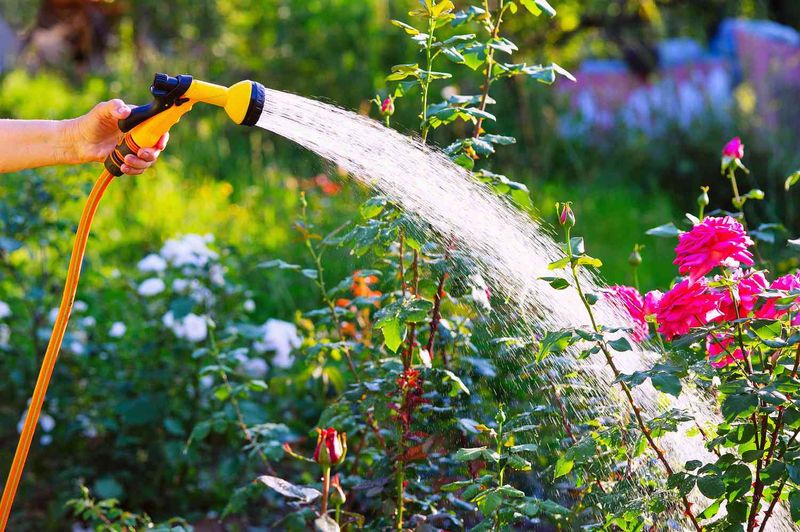
After a stretch of heavy beetle activity, Pennsylvania roses may look tired, with fewer leaves, ragged blooms, and stems that seem to have stalled in their growth.
Giving your plants some extra attention during and after periods of feeding damage can help them stay as comfortable as possible through the rest of the summer.
Consistent watering is one of the most straightforward things you can do, since drought stress combined with feeding damage can put additional pressure on plants that are already working to recover.
Mulching around the base of your rose bushes helps retain soil moisture and keeps roots cooler during hot Pennsylvania July days, which supports the plant’s overall stability during a stressful period.
If your roses have not been fertilized recently, a balanced, slow-release fertilizer applied according to product directions can provide the nutrients plants need to push out new growth as the season continues.
Avoid over-fertilizing, since too much nitrogen at once can encourage soft, fast growth that is more vulnerable to other problems.
Pruning away heavily damaged or brown leaves and spent blooms keeps the plant looking tidy and can encourage new bud development as the season moves forward.
Be patient with your roses after a difficult few weeks of beetle feeding – many rose varieties are surprisingly resilient and will continue growing and blooming through the summer even after noticeable foliage loss.
Steady care and attention through July and into August gives Pennsylvania roses the best foundation for a stronger finish to the growing season.